
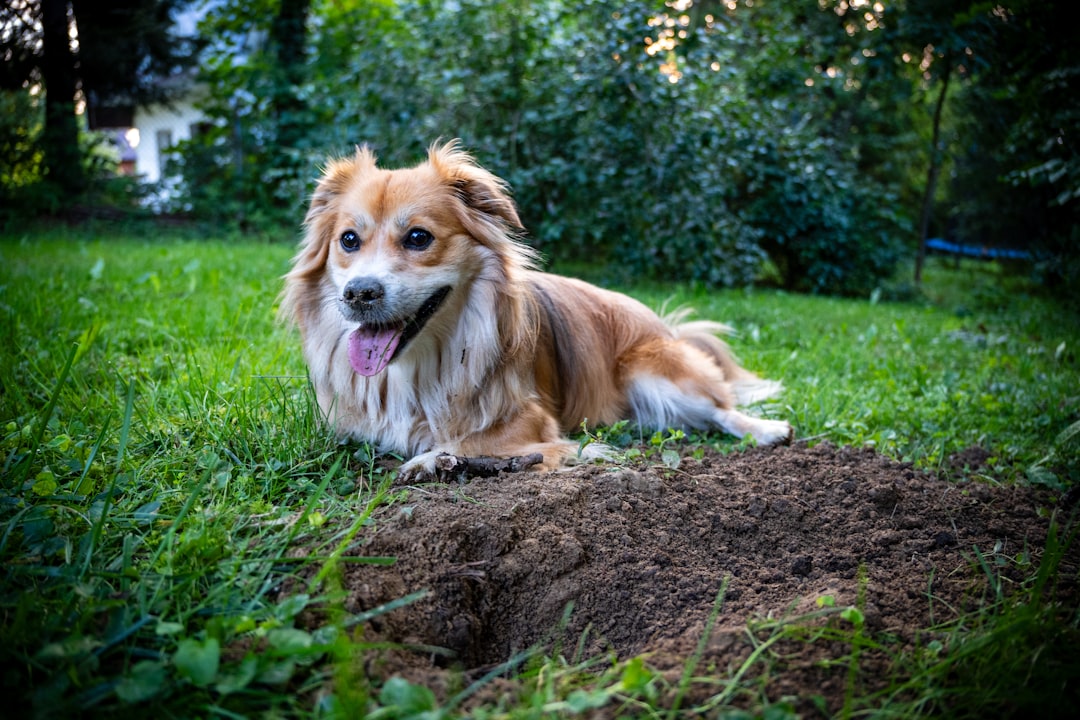
Pet waste might seem like a small nuisance—just something to scoop and toss—but it carries a much larger environmental impact than most people realize. With millions of pets producing waste every day, the cumulative effect can strain ecosystems, pollute waterways, and pose health risks to both humans and wildlife. Unlike wild animal droppings, pet waste doesn’t belong in natural environments and contains high levels of bacteria and nutrients that disrupt ecological balance. In this article, we’ll uncover the surprising truth about how pet waste affects the environment, and explore simple, responsible actions you can take to reduce your furry friend’s eco-footprint.
The Shocking Scale of Our Furry Problem
Here’s something that might make you pause on your next walk: With more than 470 million domesticated dogs worldwide and an average of 340 grams of daily waste produced per dog, we end up with a staggering 159,800 tons of dog poop. Every single day. That’s roughly equivalent to the weight of 80,000 cars worth of waste being produced daily by our four-legged companions. The reality is that pet waste isn’t just an inconvenience—it’s become a genuine environmental concern that affects everything from our drinking water to marine ecosystems.
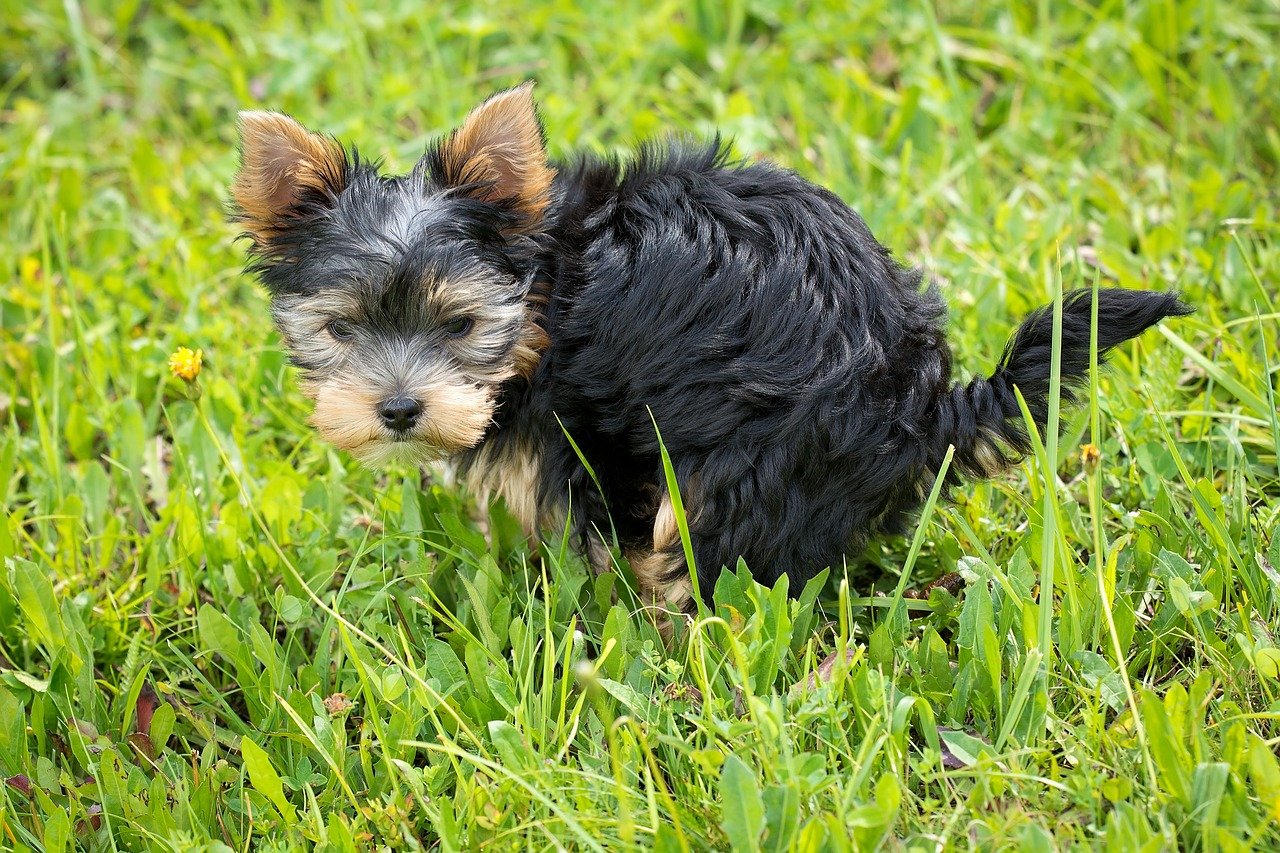
What makes this particularly troubling is how invisible the problem feels to most of us. We dutifully scoop, bag, and toss, thinking we’ve done our part, but the story doesn’t end there. All of this doggy doo doo—millions of tons of which are produced every year in the US alone—takes a notable toll on public health and the environment. The scale of production means that even small changes in how we handle pet waste can have massive environmental impacts. Understanding these numbers helps us realize why sustainable pet waste management isn’t just nice to have—it’s essential.
When Pet Waste Meets Water
Dog waste contains nitrogen and phosphorus, which can deplete oxygen that fish and other water-based life need to survive, as well as encourage the growth of harmful algae. Think of it like dumping fertilizer directly into a lake—too much of a “good thing” becomes toxic. When pet waste washes into waterways through storm drains and runoff, it creates a cascade of problems that ripple through entire aquatic ecosystems. Studies have traced 20 to 30 percent of the bacteria in water samples from urban watersheds to dog waste.
The impact on marine life is particularly heartbreaking. Whales are among many animals affected by pet waste pollution. Pet waste can contain harmful bacteria and viruses that can sicken or even kill whales. In addition, pet waste pollutes the water and can make it difficult for whales to find food. Ocean pollution from pet waste creates dead zones where fish and other marine animals simply can’t survive. Nitrogen is also found in faeces, and, if washed into lakes or rivers, it can result in the growth of invasive algae that damage aquatic life.
The Hidden Health Hazards Lurking in Every Pile
Dog poop is loaded with microorganisms that can get people sick. A single gram contains some 23 million E. coli and other fecal coliform bacteria, plus it hosts salmonella, giardia, and hookworm. That’s more bacteria in a single gram than in many sewage samples. It is also considered a significant source of pathogens like fecal coliform, a disease-causing bacteria. Children playing in parks, families enjoying beaches, and even adults gardening can be exposed to these pathogens when pet waste isn’t properly managed. When pets defecate on grass, the bacteria and parasites in their waste can stay in the ground for years. If people come into contact with this contaminated soil, they could become sick.
The health risks extend beyond direct contact. All these doggy droppings may be contributing to the worrying trend of antibiotic-resistant infection in humans. This happens because many pets receive antibiotics, and when their waste isn’t properly treated, it can contribute to the development of “superbugs” that don’t respond to traditional treatments. In cities the problem is compounded by rats and other rodents. Dog waste is often a leading food source for rats in urban areas. Rat urine and feces have been linked to a number of diseases that can easily be passed to humans, including leptospirosis, typhus, and salmonellosis. It’s a domino effect where improper pet waste disposal creates multiple layers of health risks.
Soil Contamination: The Problem That Lingers
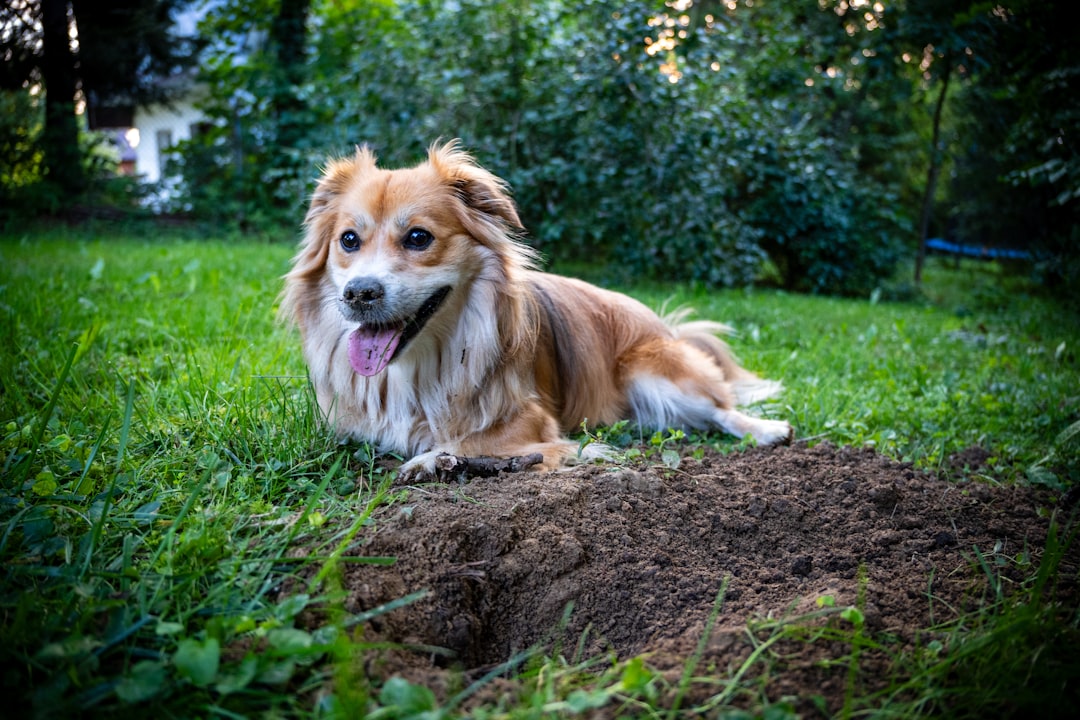
Pathogens from canine waste can remain in the soil for years and affect wildlife and vegetation. Unlike human waste, which goes through extensive treatment processes, pet waste that’s left on the ground or improperly disposed of creates long-lasting contamination. If that waste is not disposed of properly, it is adding nutrients to our soils and waterways. Every time you “doo” the right thing and pick up after your pet, you remove human additions of phosphorus from our soil and water system. The excess nutrients might sound beneficial, but they actually disrupt the natural balance that plants and soil organisms depend on.
In Kentucky this is important because our soils are naturally rich in P and any additions increase the risk that excess P will be mobilized and transported to our waterways. Phosphorus is a key element in the development of algal blooms, which are colonies of algae that have grown out of control. The soil contamination issue is particularly problematic in areas where pets are walked regularly—parks, trails, and neighborhoods become hotspots of concentrated nutrients. Even in areas where the pets had been banned for years, the soil held elevated amounts of nutrients. “Dogs are fed protein-rich diets at home,” says De Frenne, lead author of the paper. “That is a key difference from wild animals.” This means our pets are essentially importing nutrients from their food into ecosystems that weren’t designed to handle such concentrated inputs.
The Plastic Bag Dilemma

The plastic bags that people use to dispose of pet waste also harms the environment. If not disposed of properly and safely, those plastic bags end up in our precious bodies of water. Here’s the uncomfortable truth: even when we’re trying to be responsible pet owners by scooping poop, we might be creating another environmental problem. If they poop twice a day and a plastic bag is used each time for the span of a year, that’s 730 plastic bags. That’s a lot of plastic for only one pet. Multiply that by millions of pets, and we’re talking about billions of plastic bags entering the waste stream annually just from pet waste cleanup.
A 2020 German study found that nearly 10,000 plastic bags were needed for feces disposal over the course of an average dog’s life, while in 2017, Okin calculated that US dog and cat waste weighs about as much as all trash produced in the state of Massachusetts. Disposing of waste in plastic bags and sending it to the landfill is just as harmful to the environment. The irony is palpable—we’re trying to protect the environment by cleaning up waste, but we’re using materials that can take centuries to decompose. A compostable bag of poop that degrades in that circumstance would start producing methane, a potent greenhouse gas. Even biodegradable options aren’t perfect solutions when they end up in landfills.
The Flushing Controversy

Collecting it from the yard and flushing it is the safest and most environmentally friendly method. However, water-soluble bags composed of polyvinyl alcohol film meant to be flushed may be a better option. Some experts actually recommend flushing pet waste because it sends the waste to treatment facilities designed to handle biological materials. Flushing it could be an option — the EPA even recommends it. You can buy special bags designed to be flushed down the drain. This approach treats pet waste similarly to human waste, allowing it to go through proper sewage treatment rather than sitting in landfills.
However, the flushing method comes with significant caveats. Flushing your dog’s poop down the toilet just isn’t environmentally conscious or safe. “When you flush [dog waste] down the toilet, you can spread cryptosporidium, which is not removed at the sewage treatment plant and then enters the waterways”, warns one environmental scientist. These flushable bags can be challenging to use in older homes as clogs are more prone to occur. Speak with a plumber to see if your house is up to the tasks and check with your water treatment plant to make sure they can handle the bags. Each city’s system is unique. The reality is that sewage treatment systems weren’t designed with pet waste in mind, and adding this extra load can strain infrastructure.
Composting: Promise and Pitfalls
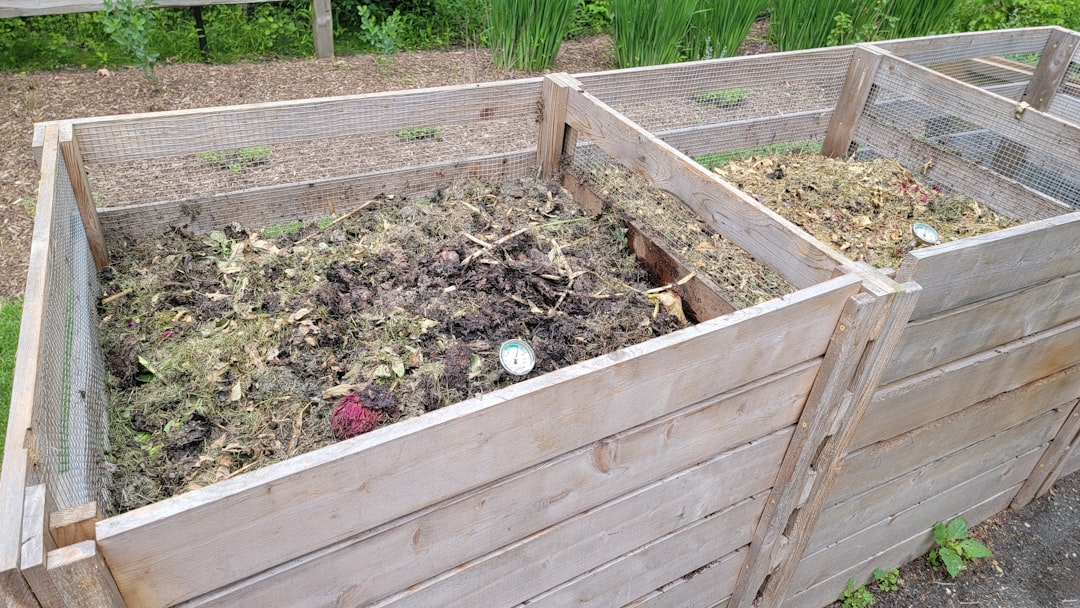
Composting dog poo can help reduce waste sent to landfill or incineration and also produces nutrient-rich soil that can be used to grow non-edible plants. However, it is not as straightforward as composting other organic waste. Before composting dog waste, it is important to establish that this requires careful management and safety precautions. The appeal of composting is obvious—it transforms waste into something useful while keeping it out of landfills. Not only does this generate great (and free) compost to use in your garden, but it’s the easiest and most convenient method for ridding yourself of pet waste — you can compost dog poop, cat poop, waste bags, and some forms of kitty litter all at the same time. It’s a win-win; composting is the ultimate environmentally friendly alternative that demands minimal effort.
The challenges with composting pet waste are significant, though. Pet waste contains a variety of pathogens. Folks should not try to compost pet waste at home; they will not achieve high enough temperatures to kill pathogens. Four-year research on pet waste composting done by the public works department in Snohomish County outside Seattle discovered that residential compost piles did not become hot enough to destroy numerous harmful germs such as E. coli and salmonella. Composted dog poo should NEVER be used on edible plants or in areas where children play. To date, it is unclear whether composting at 60°C is enough to kill the heat-resistant Toxocara roundworm often found in dog faeces. This means that even “successful” pet waste composting might still pose health risks.
Revolutionary Waste Digesters
The system acts as a miniature septic tank, utilizing enzymes and bacteria to turn dog waste into a harmless ground-absorbed liquid. The resulting liquid is odorless and harmless to pets, lawns and shrubs. Pet waste digesters represent one of the most promising solutions for environmentally conscious pet owners. Pet waste digesters are relatively low-cost and environmentally friendly alternatives to mainstream pet waste disposal methods. The Doggie Dooley is a popular pet waste digester, which works like a home septic system. These systems essentially create a controlled environment where beneficial bacteria break down waste naturally, without the environmental impact of plastic bags or the complications of home composting.
The installation and maintenance are surprisingly simple. You can get a dog poop disposal container and bury it in your backyard, adding more water and powdered enzymes regularly. You might also easily dig a hole and bury the dog’s excrement. Digesters are temperature-dependent and tend to work better at temperatures above 40 degrees Fahrenheit. Unfortunately, that means that this might not be an option year-round in some areas of the country. Now, the City of London offers digesters to residents for $ 20. Perhaps, if the United States localities provided pet waste digesters, or located them in public areas such as parks, less waste would go to waste. The technology exists—it’s really about making it more accessible and widespread.
Smart Solutions for the Conscientious Pet Owner

By providing your dog with high-quality, fresh, and nutritious pet food, you can reduce its waste output by 50 to 70%. Better quality food is digested more efficiently, resulting in less frequent and smaller poops. This, in turn, leads to smaller volumes of dog poop to dispose of. Sometimes the best environmental solutions start with prevention. When you feed your pet premium food with higher digestibility, less comes out the other end. It’s like the difference between eating a processed meal versus fresh, whole foods—your body uses more of the good stuff and wastes less.
If you have a big enough garden, consider constructing a designated area for your dog to do their business. This can be as simple as a space with gravel or scented mulches. Just make sure that the area is situated away from vegetable gardens and children’s play zones due to toxocariasis. Creating a dedicated “potty area” allows for more controlled waste management and can make cleanup more efficient. Simply picking up the excrement removes 97 percent of all phosphorous, 56 percent of all nitrogen, and drastically lowers the disease risk. The most important thing is consistency—whatever method you choose, the key is actually doing it every single time.
Taking Action: Your Environmental Impact Starts Today
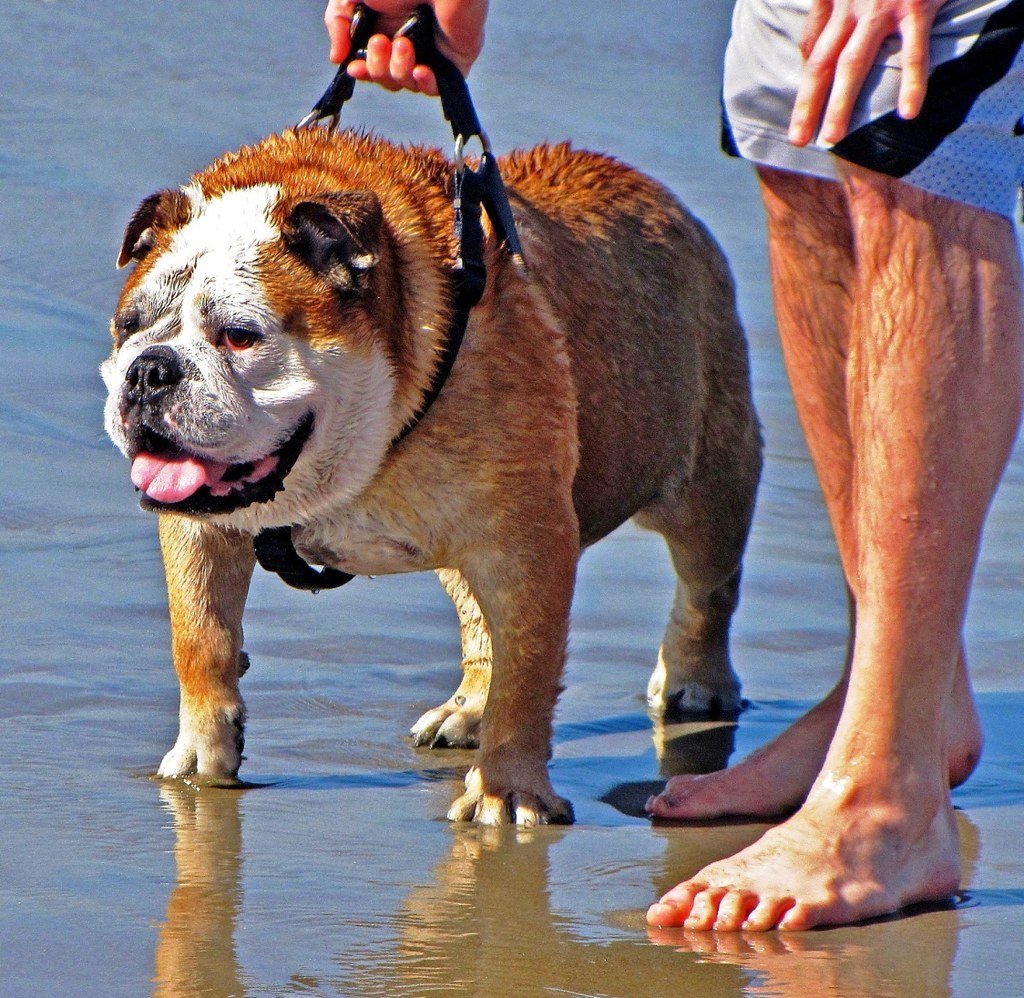
This Earth Day, please take a moment to realize that one of the leading sources of water pollution in communities across America is entirely preventable and can be completely eliminated overnight. Dog owners simply need to take responsibility and pick up after their pets. The power to make a difference literally lies in your hands every time you walk your dog. Only about 60 percent of dog owners pick up after their pets, according to surveys. This means that 40% of pet waste is still being left in the environment, creating unnecessary pollution and health risks for everyone. As one clean water campaign stateside puts it, “If you think picking up dog poop is unpleasant, try swimming in it.”
The environmental impact of your choice extends far beyond your neighborhood. Dog waste contributes significantly to the pollution of our local rivers and can make people sick thus, and it is critical to dispose of it properly. Whether you use compostable bags, flush the poop down the toilet, or use a dog poop disposal system, you will be helping to keep the city healthy and clean. Pet waste pollution is a severe problem that needs to be addressed. We all need to do our part to keep our waterways clean and safe for everyone. The solution isn’t just about individual action—it’s about creating a culture where responsible pet waste management becomes as automatic as putting on a seatbelt. Every single pickup matters, every proper disposal method helps, and every pet owner who takes this seriously contributes to a healthier planet for all of us. Did you realize that something as simple as your daily dog walk could have such far-reaching environmental consequences?


