
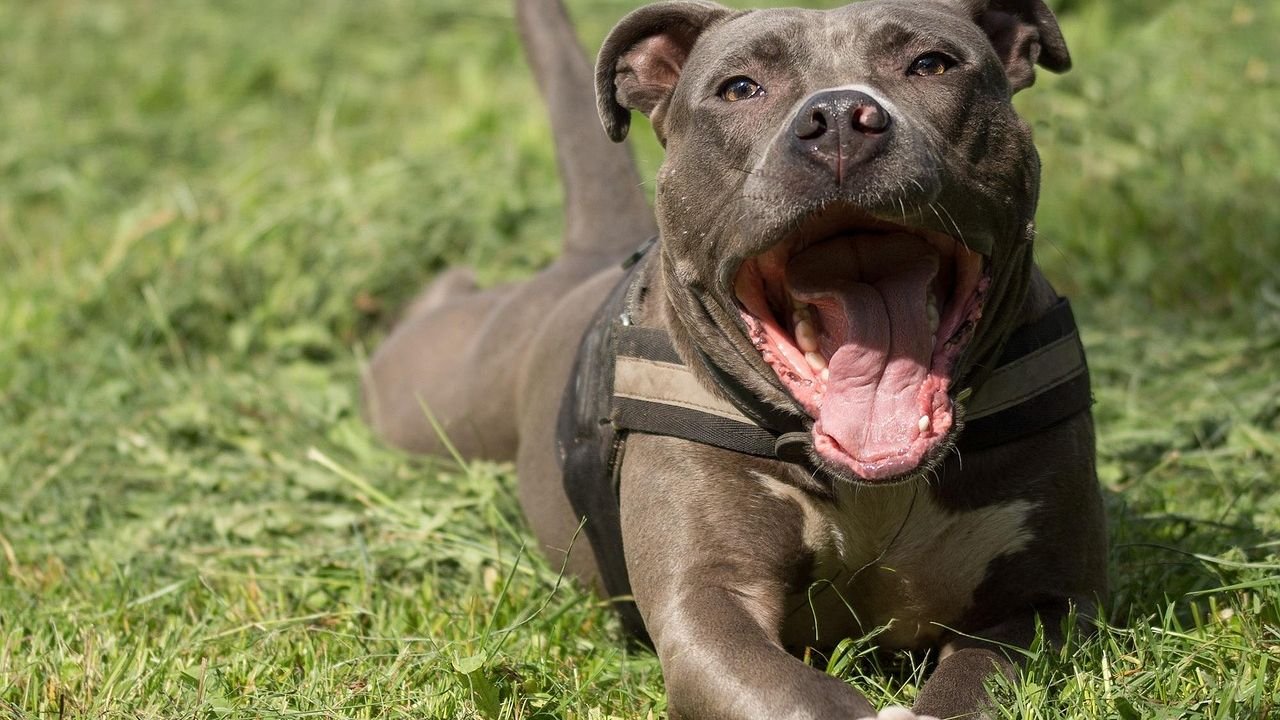
Picture this: you’re at a dog park, and a broad-shouldered, muscular dog trots over to you, tail wagging like a helicopter blade, eyes warm and bright. Your first instinct might be fear. Your second, if you’re lucky, is to reach down and let that wiggly block head nuzzle your hand. That dog? Probably a Pit Bull. That moment of hesitation? It’s the result of decades of misinformation, sensational headlines, and an enormous amount of misplaced fear.
Pit Bulls are among the most debated, most misunderstood, and honestly, most unfairly judged dogs on the planet. The story is complicated, nuanced, and absolutely worth exploring. So let’s get into it, because what you might find could genuinely surprise you.
Who Even Is a “Pit Bull”? The Identity Crisis Nobody Talks About
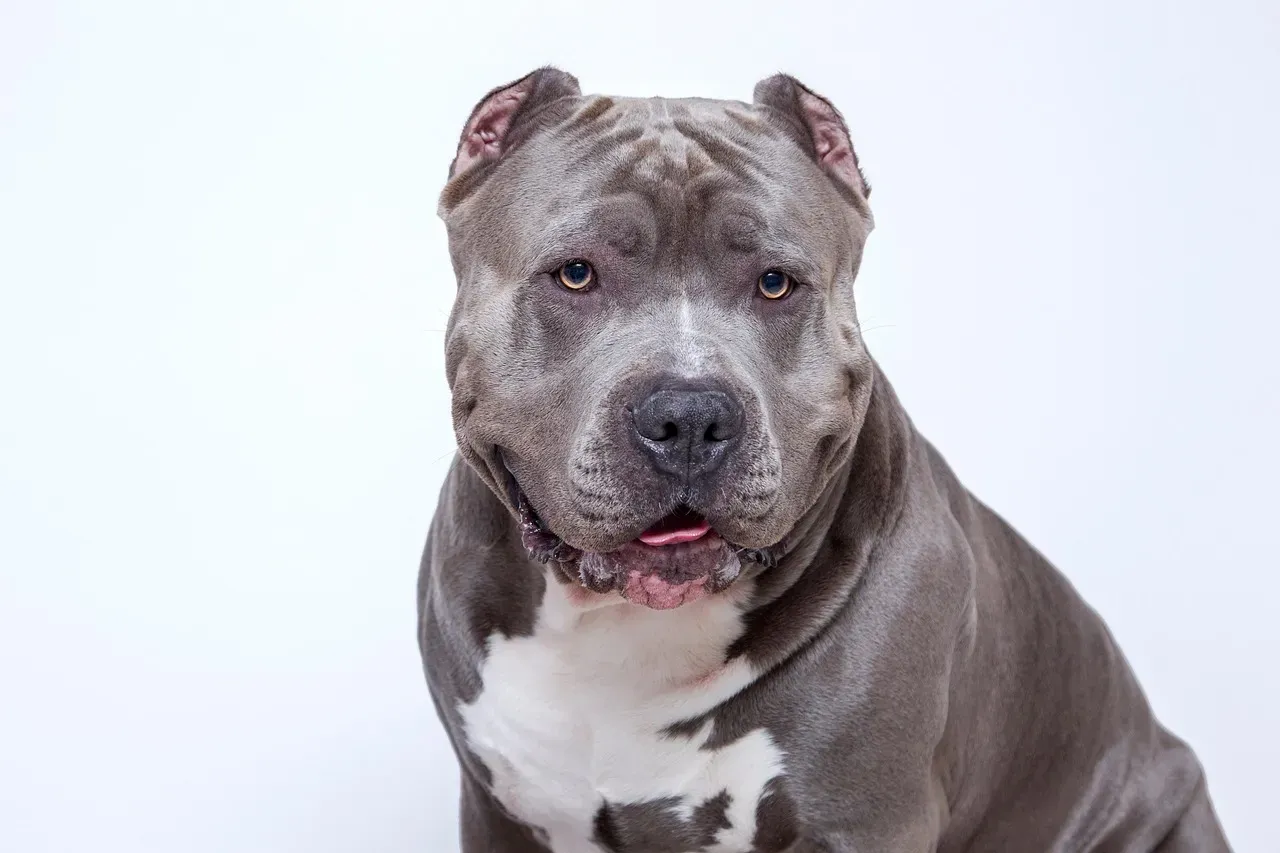
Here’s the thing most people don’t realize: “Pit Bull” is not actually a breed. It is an umbrella term for various breeds, including the American Pit Bull Terrier, the American Bully, and the Staffordshire Bull Terrier. It’s a little like calling every truck a “Ford,” regardless of what’s actually under the hood.
The misidentification problem runs deeper than you’d expect. According to a survey, shelter staff visually labeled roughly half of all dogs as Pit Bull-type, yet DNA testing showed that only around a fifth were actually Pit Bull-type dogs, demonstrating just how often breed identification based on appearance alone is inaccurate. Think about how damaging that is for a dog simply trying to find a home.
More than 20 dog breeds are frequently mistaken for Pit Bulls due to their similar physical characteristics. So when you hear a headline about a “Pit Bull attack,” it’s worth pausing and asking: was the breed even correctly identified? The answer, far too often, is no.
The Science of Temperament: What the Numbers Actually Say
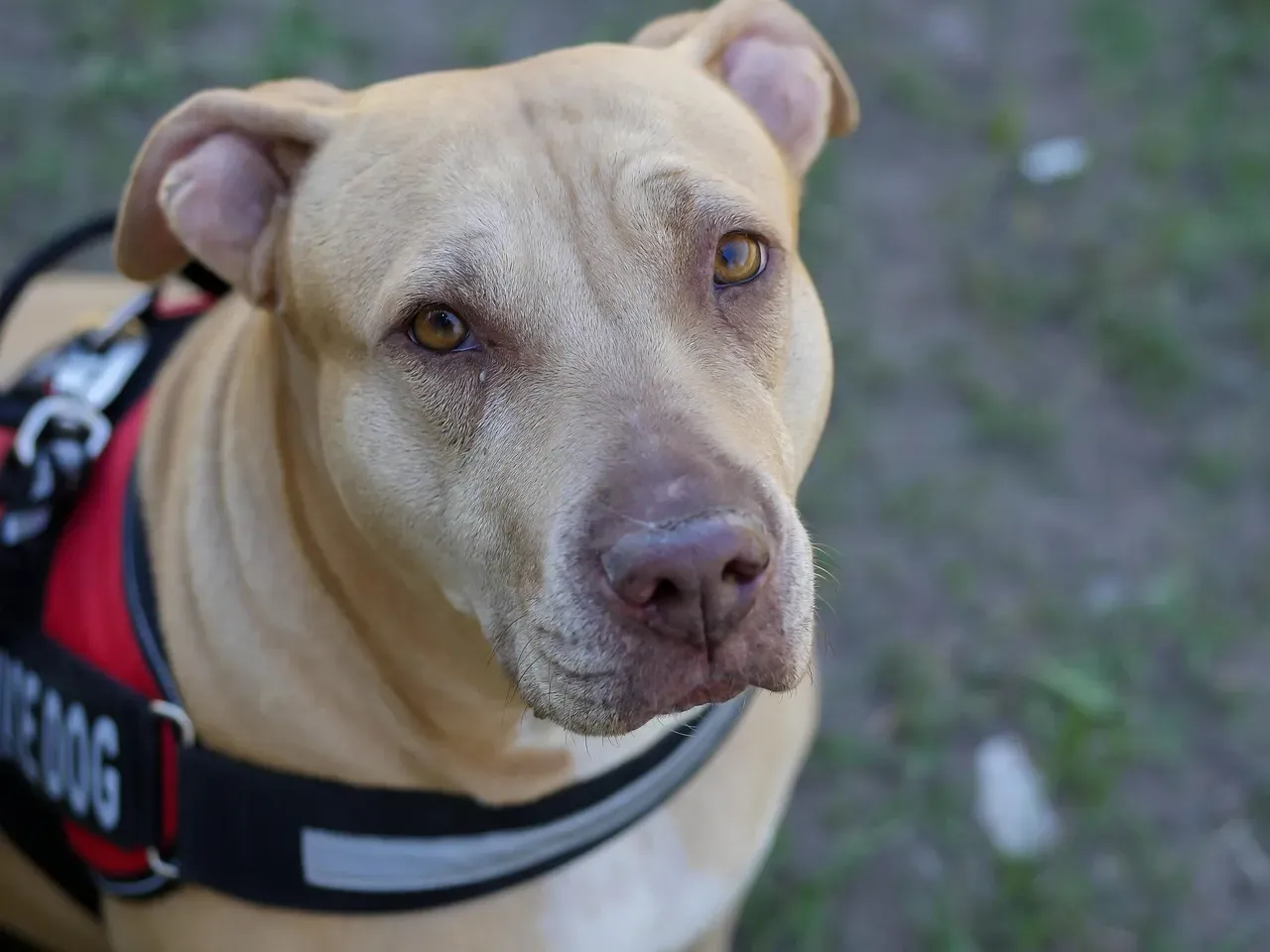
Let’s be real, this is where the conversation gets genuinely interesting. Pit Bull-type breeds achieve a temperament test average of 91.3%, compared to the 83.0% average across all breeds, placing them within the top 20% of all breeds evaluated. That’s not a rounding error. That’s a legitimately impressive result.
Studies show that well-socialized Pit Bulls are affectionate, loyal, and people-oriented, and they rank high in temperament tests conducted by the American Temperament Test Society, with many scoring better than common family breeds like Golden Retrievers and Beagles. I know it sounds wild, but the data is consistent and hard to argue with.
Factors such as breed explain less than 10% of the variance in dog aggression, while individual experiences play a much larger role. Aggression is strongly linked to a dog’s individual environment, and it is not a trait that can be reliably associated with any specific breed. That’s the science talking, and it’s pretty definitive.
Nature vs. Nurture: Why Upbringing Matters More Than Breed
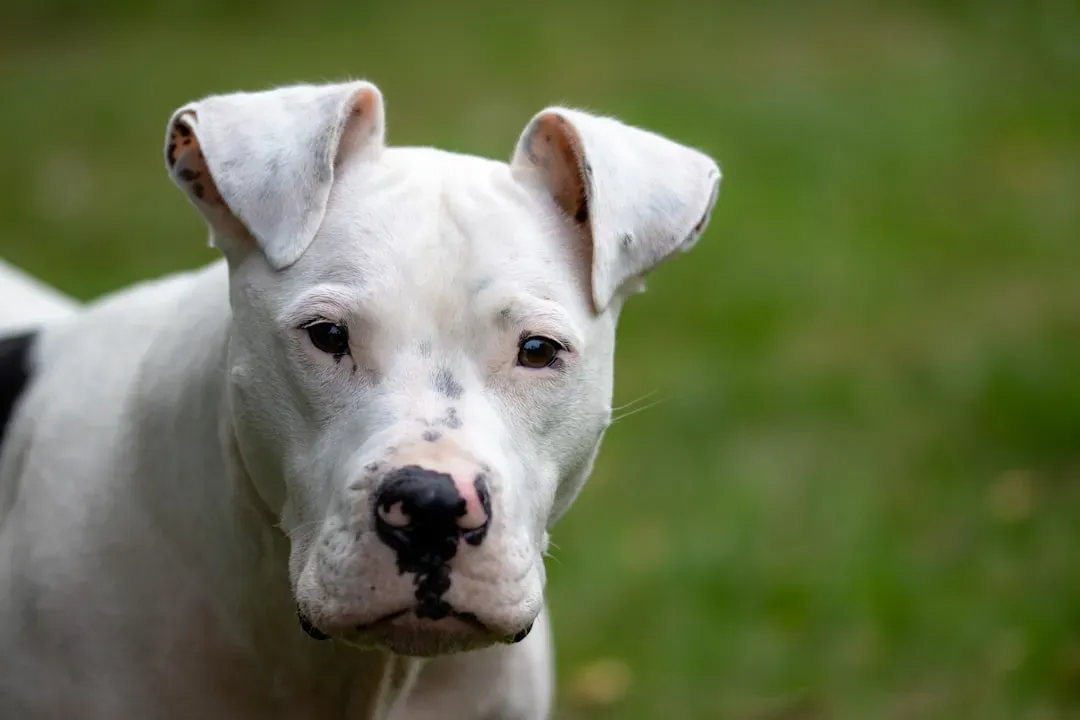
A dog’s temperament is shaped more by its environment, training, and socialization than its breed. Pit Bulls, like any dog, can display aggression if they are neglected, poorly trained, or mistreated, but this is not a breed-specific issue. Think of it this way: a child raised with love, boundaries, and good role models tends to thrive. Same principle applies here.
A study published in Scientific Reports found that puppies raised in an environment with an active social life are less likely to be fearful as adults, meaning that if you want your Pit Bull to have good canine manners, you have to start early. Early socialization is the single most powerful tool in your toolbox as a dog owner.
A peer-reviewed study found that nearly 85% of dog bite fatalities involved unneutered dogs, and other contributing factors included abuse or neglect, tethering for long periods of time, and lack of positive interaction with people and other animals. Honestly, these are human failures, not dog failures.
Busting the Biggest Myths: Locking Jaws, “Snapping,” and Media Panic
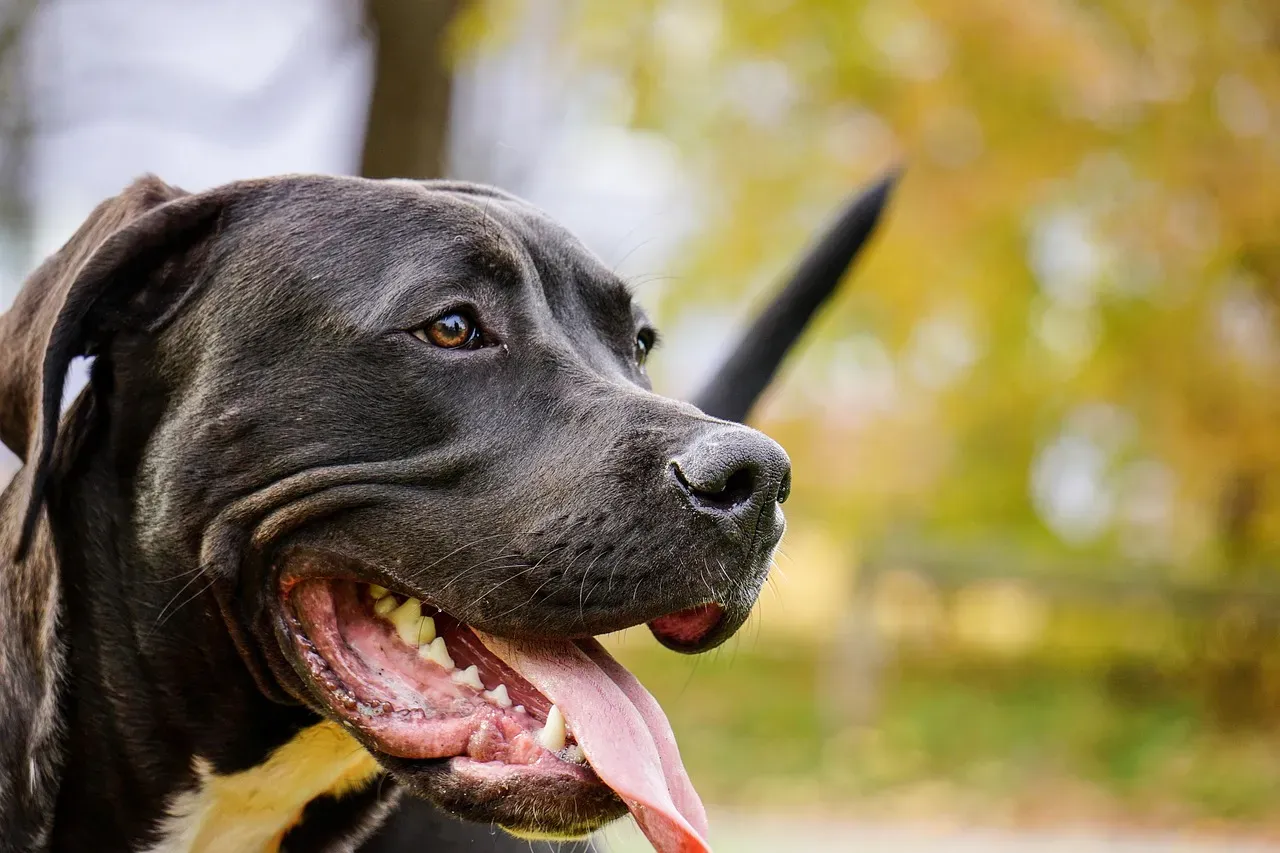
Chances are you’ve heard the locking jaw claim. It’s one of the most persistent myths out there, and it is completely false. Lock jaw in Pit Bull-type dogs, or any breed or mix of dog, simply does not exist, and no dog breed has a jaw structure that acts like a locking mechanism. Full stop. End of story.
Then there’s the idea that Pit Bulls “snap” without warning, going from zero to dangerous in a heartbeat. Barring a severe medical issue, Pit Bulls, like people, will show signs of discomfort or nervousness before they will ever act aggressively. A healthy knowledge of dog body language can go a long way to easing fears for both person and pet when meeting a new dog or bringing one into your home.
Peer-reviewed studies examining dog bite-related fatalities conclude that most are owed to preventable factors like mistreatment, poor handling, and isolation, not breed. The media rarely tells that part of the story. Sensational headlines sell. Nuanced, compassionate journalism about a misunderstood dog? Less so.
The Shelter Crisis: The Hidden Victims Nobody Sees
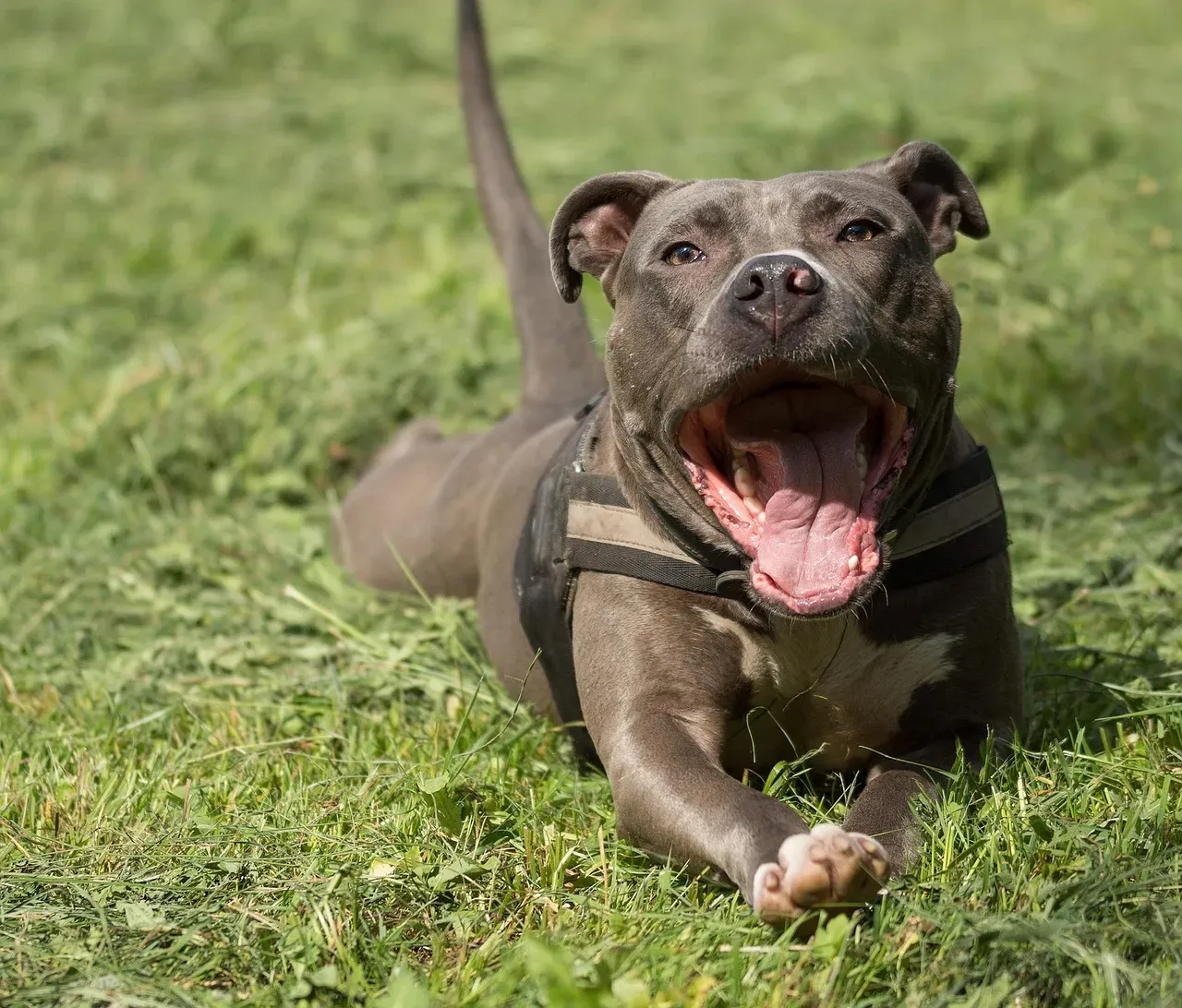
This part honestly breaks my heart a little. Dogs labeled as Pit Bulls spend three times longer in shelters than other dogs. Three times. Imagine waiting, day after day, in a loud, stressful kennel while family after family walks past you because of what someone called your breed.
An Orlando shelter removed breed labels from dogs and discovered something powerful: while only about half of labeled Pit Bull-type dogs were previously being adopted, that number jumped to nearly two thirds once the labels were removed, and euthanasia rates dropped by 12%. The label itself was the barrier. Not the dog.
The sad truth is that Pit Bulls are some of the most tortured, maltreated, and abused dogs on the planet, and they are often bred for illegal dog fights. Yet despite all of this, Pit Bulls excel as service dogs, therapy animals, and K9 police dogs, and are beloved family members in millions of households across the United States. Their resilience is nothing short of remarkable.
Conclusion: It’s Time We Judge the Deed, Not the Breed
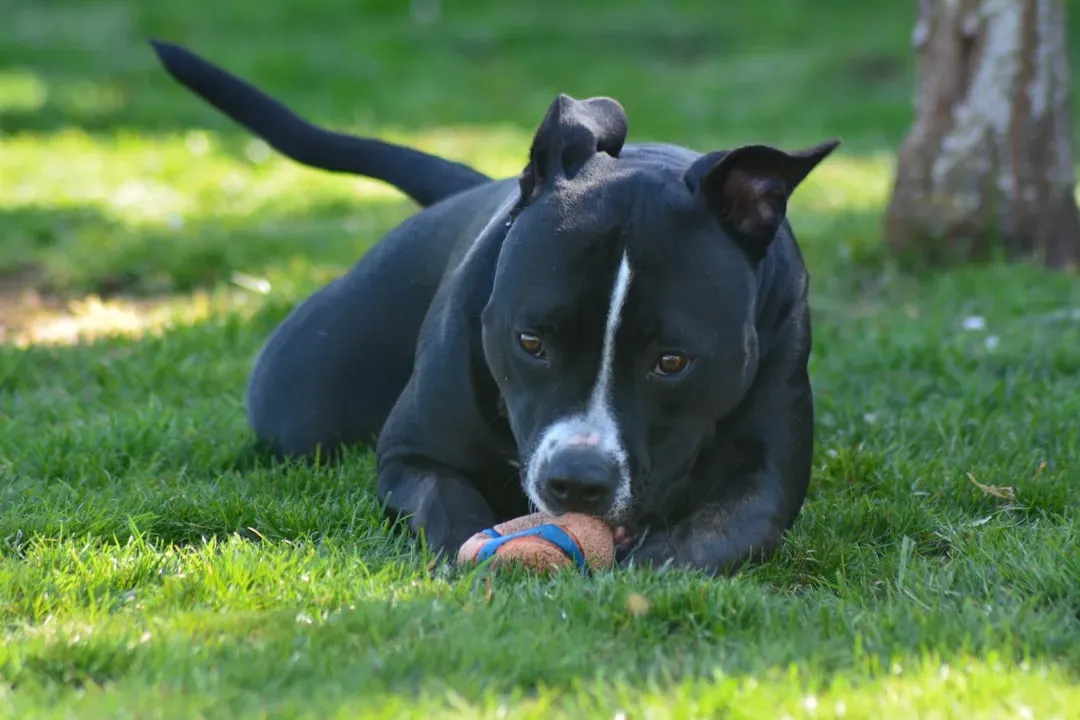
When you step back and look at the full picture, something becomes very clear. Using the DNA sequencing of thousands of dogs and survey results from tens of thousands of dog owners, researchers found that breed has little to do with a dog’s behavior or personality, and that dog personalities were influenced by their environment more than anything else. The science has spoken, loudly and consistently.
Generally, Pit Bulls are intelligent, energetic, eager to please, and respond well to training, and they excel as service dogs, therapy animals, and K9 police dogs. These are not the qualities of a monster. These are the qualities of a dog who just wants a fair chance.
The real danger has never been the dog with the broad chest and the goofy grin. It’s the cycle of fear, ignorance, and irresponsible ownership that puts any dog at risk. Every Pit Bull in a shelter right now is waiting for someone to look past the label and see the soul underneath. Will you be that person? What do you think, could it be time we finally give these dogs the fair shake they deserve? Tell us in the comments below.


