

You know the look. That gut wrenching moment when you grab your keys, and your dog’s ears flatten. The whimper starts before you’ve even touched the door handle. Some of us live this reality every single day, while others breeze out the door without a second thought from their pup.
Here’s the thing that not many people talk about: separation anxiety isn’t just about a dog being spoiled or needy. It’s far more complicated than that. Science has shown us there are actual genetic markers, early life experiences, and even owner behaviors that can tip a dog toward panic when left alone. Let’s be honest, it’s hard to watch your best friend suffer, especially when you’re just trying to go to work or grab groceries.
So what makes one dog completely fine lounging on the couch while you’re gone, and another dog absolutely losing it? The answers might surprise you.
The Genetic Blueprint: Why Some Breeds Just Can’t Help It

Let’s start with something you can’t control: genetics. Dog breeds showed large differences in prevalence of all anxiety-related traits, suggesting a strong genetic contribution. It turns out that centuries of selective breeding didn’t just shape how dogs look or what jobs they can do. It also shaped their emotional wiring.
Small or toy breeds, and even within breeds, the dwarf or miniature versions are significantly more fearful or anxious than their larger counterparts. Think about companion breeds like Chihuahuas, Maltese, and toy poodles. These dogs were literally bred over generations to be attached to humans above everything else. Breeds that were developed over hundreds of generations to enjoy human companionship above all else likely have a pre-disposition to form closer bonds with humans and therefore struggle more when they aren’t around them.
Research has identified specific genetic loci linked to anxiety behaviors. Known IGF1 and HMGA2 loci variants for small body size are associated with separation anxiety, touch-sensitivity, owner directed aggression and dog rivalry. Honestly, it’s fascinating and a little heartbreaking. Some dogs are essentially hardwired to feel more intensely about being separated from you.
Mixed breed dogs also show up frequently in separation anxiety cases. Separation related behaviour was most common in mixed breed dogs and Wheaten Terriers, with mixed breed dogs likely to destroy, urinate or defecate when left alone. That doesn’t mean mutts are doomed, but their genetic lottery can be unpredictable.
Early Life Experiences: The Foundation That Shapes Everything

Genetics load the gun, but early experiences pull the trigger. Dogs exposed to humans outside the home, and to a wide range of experiences between the age of 5–10 months are less likely to develop separation-related problems. That critical window matters more than most people realize.
Separations from the litter at a young age, particularly for dogs sourced from pet shops, a lack of experience outside the home for puppies aged 5–10 months, and late age at adoption are also risk factors. Imagine being torn from your mother too early, stuck in a cage at a pet store, and then plopped into a home where you have no idea how to be alone. That’s trauma, plain and simple.
Dogs from shelters or rescue situations often carry invisible scars. Dogs sourced from animal shelters or those that are found may be more likely to display separation anxiety than those sourced from breeders or friends and family. They’ve already experienced abandonment once, so being left alone again can feel like the end of the world.
The largest environmental factor associating with noise sensitivity and separation anxiety was the amount of daily exercise; dogs with noise sensitivity and separation anxiety had less daily exercise. It’s not just about burning energy. Exercise provides mental stimulation, confidence, and a sense of routine that anxious dogs desperately need.
The Owner Connection: How Your Attachment Style Affects Your Dog
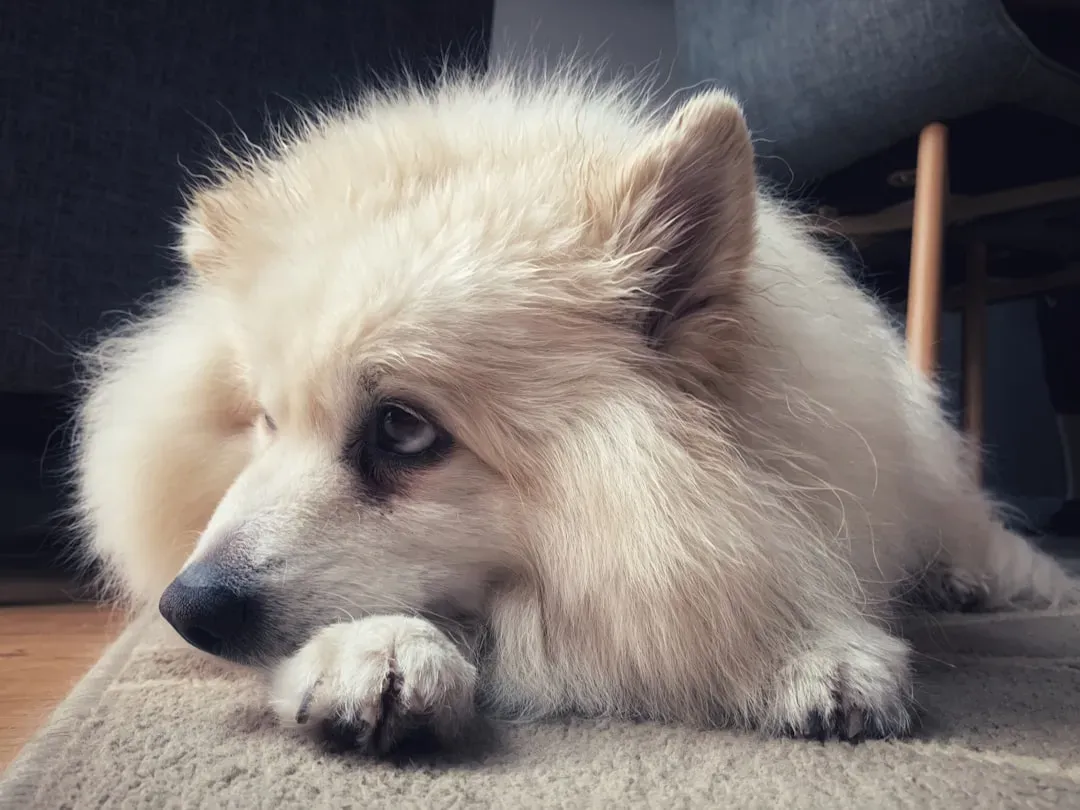
This one’s uncomfortable to talk about, but it matters. Your emotional state and attachment style can actually influence your dog’s anxiety levels. With owners’ higher score on attachment avoidance the occurrence of SRD in the dog increases.
Think about it like this: if you’re emotionally distant or inconsistent in how you respond to your dog’s needs, they learn they can’t trust you’ll be there. Owners with insecure-avoidant attachment style avoid intimate contacts, closeness and affection, and dogs who meet refusal or ignorance of their needs can learn that they cannot be sure about the availability of the owner. That uncertainty breeds anxiety.
More neurotic dogs had more often SRD. But here’s where it gets tricky: neurotic dogs often have neurotic owners. Is the dog picking up on your stress? Are you choosing a dog that mirrors your own emotional patterns? We’re still untangling those threads.
Dogs with separation-related disorder have an attachment style that is analogous to the insecure-anxious attachment style observed in human infants, and their attachment to the owner is neither too much or too strong, but rather too problematic. They’re not spoiled. They’re insecure about whether you’ll come back.
Life Changes and Triggers: When Stability Crumbles
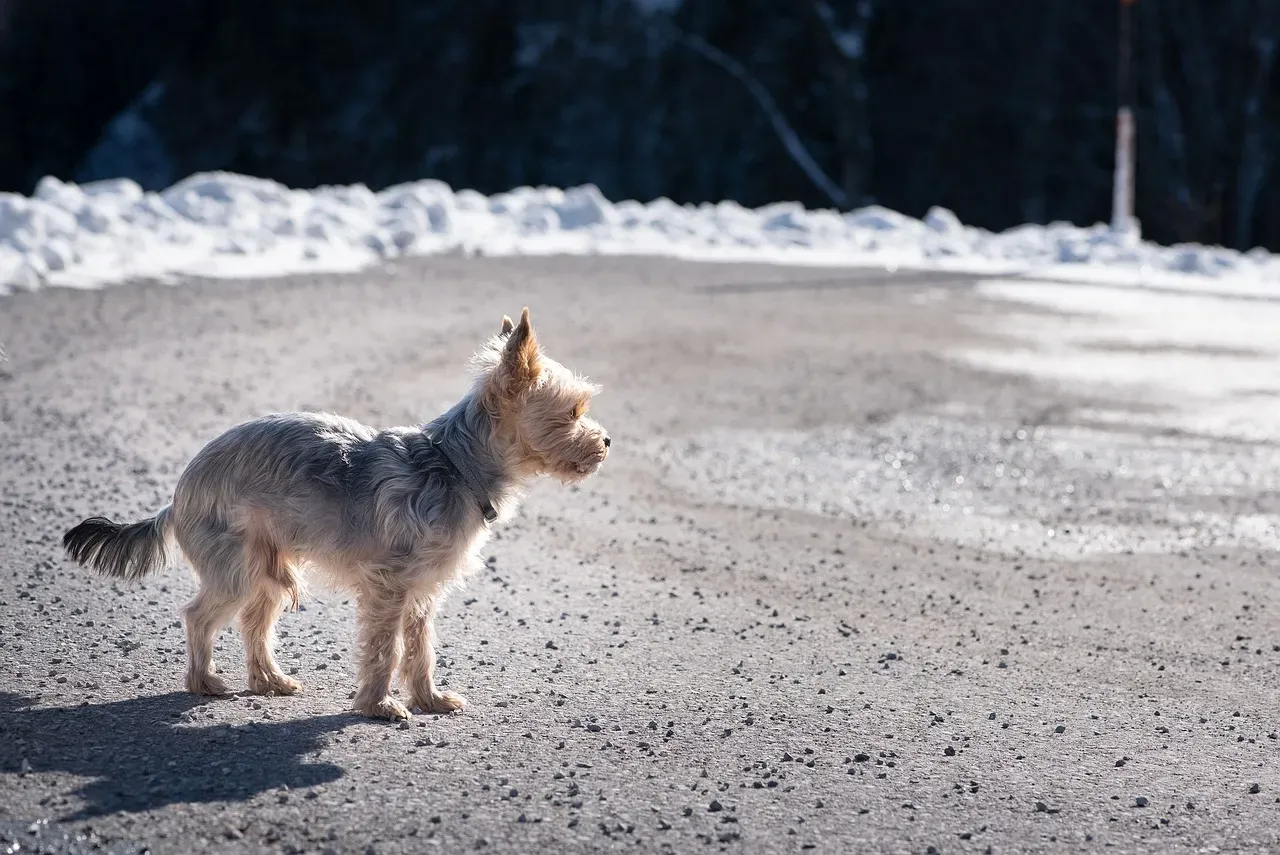
Even a dog with rock-solid early experiences can develop separation anxiety later in life. Canine separation anxiety can be triggered or exacerbated by a change in the household such as a new human resident, a job change, a change in the routine of owner’s absences from the home, or a single traumatic event.
I know it sounds crazy, but dogs are creatures of routine. When you suddenly go from working from home to being gone eight hours a day, your dog doesn’t understand. They just know their world has been turned upside down. Changes in the home or peoples’ schedules can cause separation anxiety, such as a recent move, spending more time with the dog while on vacation or because of illness, death in the family, or death of another pet.
A sudden experience of being alone for an extended period of time is associated with increased risk of separation anxiety. This became painfully obvious during the pandemic. Thousands of pandemic puppies spent nearly two years at their owners’ sides around the clock, then suddenly faced empty houses when people returned to offices.
Male dogs seem particularly vulnerable. Male dogs are more frequently found to demonstrate such problems than female dogs. We’re not entirely sure why, but it shows up consistently across studies. Neutering may also play a role, though the research there is still murky.
Prevention and Hope: What You Can Actually Do About It
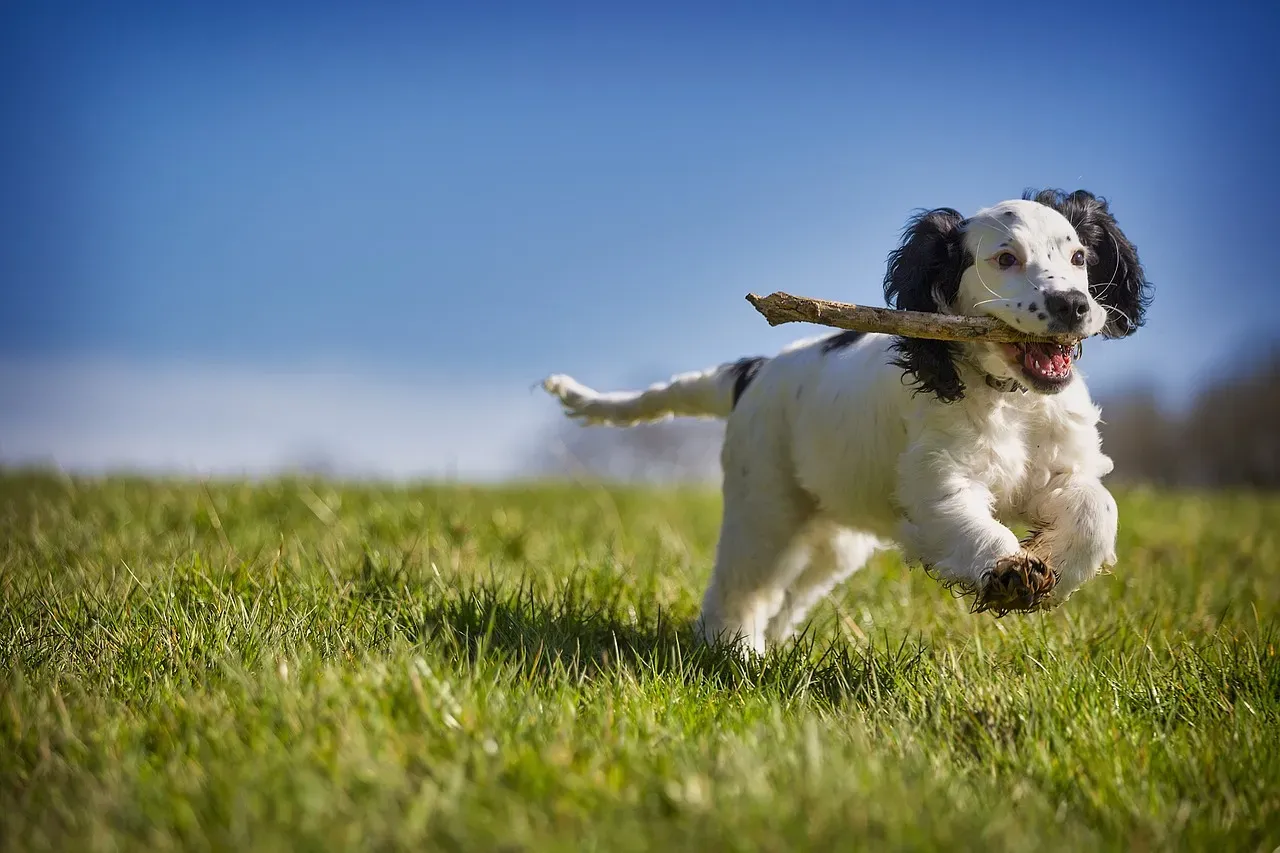
Here’s the good news: separation anxiety isn’t a life sentence. Protective factors include ensuring a wide range of experiences outside the home and with other people, between the ages of 5–10 months, stable household routines and absences from the dog, and the avoidance of punishment.
Start young if you can. Separation anxiety is much easier to prevent than to treat, so taking steps early to train your dog to be away from you is something every puppy parent should think about. Even if you work from home, intentionally create moments where your puppy is alone. Build that resilience muscle early.
It’s crucial to gradually accustom a dog to being alone by starting with many short separations that do not produce anxiety and then gradually increasing the duration of the separations over many weeks of daily sessions. Think seconds, then minutes, then hours. Never skip steps. If your dog shows stress, you’ve moved too fast.
Exercise is non-negotiable. Not just a quick potty break, but real physical and mental work. Give your dog at least 30 minutes of aerobic activity every day, and try to exercise your dog right before you have to leave him by himself, which might help him relax and rest while you’re gone. A tired dog is a calmer dog.
Professional help works. Because treatment must progress and change according to the pet’s reactions, and because these reactions can be difficult to read and interpret, desensitization and counterconditioning require the guidance of a trained and experienced professional. There’s no shame in calling a veterinary behaviorist or certified trainer. In severe cases, medication can create the calm space needed for training to actually work.
Keep your departures and arrivals low key. All greetings should be conducted in a very calm manner: when saying goodbye, just give your dog a pat on the head, say goodbye and leave, and similarly, when arriving home, say hello to your dog and then don’t pay any more attention to him until he’s calm and relaxed. I know that’s hard. You’ve missed them too. But making a huge fuss reinforces the idea that your absence is a big deal.
Some dogs truly cannot be alone. That’s okay. Dog daycare, a trusted friend, or even adjusting your work schedule might be necessary. Their welfare matters more than convenience.
So, why are some dogs more prone to separation anxiety than others? It’s a perfect storm of genetics, early experiences, owner dynamics, and life circumstances. Some dogs carry heavier burdens than others through no fault of their own. Understanding that helps us approach their fear with compassion instead of frustration. What do you think about your own dog’s experience? Have you noticed patterns that match what we’ve discussed here?


