
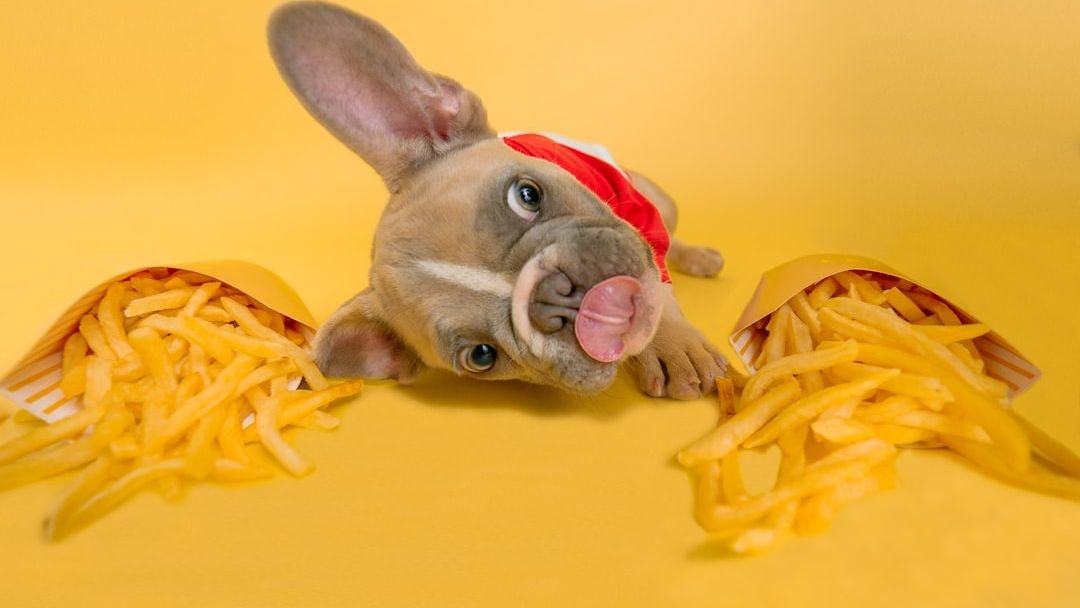
You’ve just filled your dog’s bowl with their favorite meal. They sniff it, maybe take a bite, and then something unexpected happens. Instead of digging in, they start nudging the food with their nose, attempting to cover it with an imaginary blanket, or even carrying pieces to another room to stash behind the couch cushions.
If this sounds familiar, you’re definitely not alone. This quirky behavior leaves many dog parents scratching their heads, wondering if something’s wrong. Is your pup sick? Are they not hungry? The truth is, what looks like strange behavior to us humans is actually deeply wired into your dog’s DNA. Let’s dive in and uncover what’s really going on when your furry friend decides their kibble belongs under your bed instead of in their belly.
It’s All in Their Ancestry: The Wolf Connection
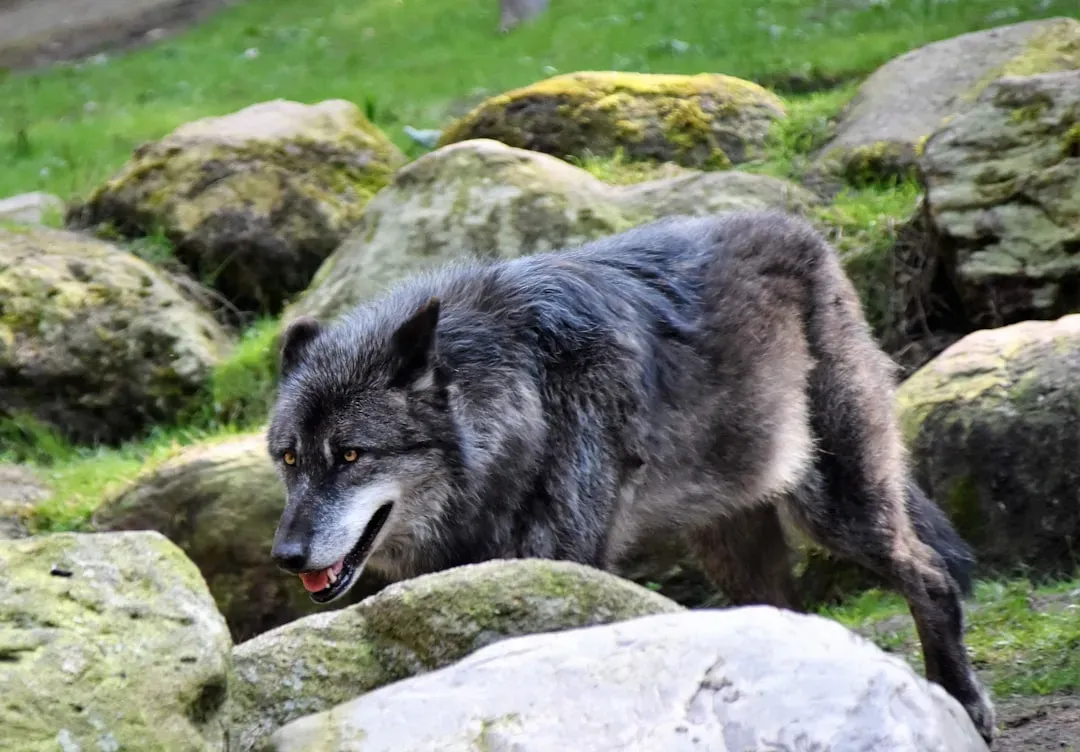
Dogs are descendants of wild wolves, and wolves often hide excess food to ensure a future supply through a behavior known as caching, an adaptive trait that helps them secure sustenance in times of scarcity. Food is often scarce during certain times of the year and in certain places, so it pays to keep a stash hidden for those lean times.
Think about it from a survival perspective. Wild wolves never knew when their next meal would appear. They couldn’t just walk to the kitchen and refill their bowl. In the wild, dogs have to scavenge for food, and they never know when their next meal will be. So they developed this brilliant strategy of burying leftovers in cool ground where the food could be preserved and protected from competitors.
Even in the comfort of our homes, dogs retain their survival instincts, and the act of hiding food can be triggered by an inherent need to safeguard their possessions, a behavior deeply ingrained in their genetic makeup. Your pampered pooch isn’t being dramatic. They’re simply listening to an ancient voice that whispers, “Save this for later, just in case.”
Resource Guarding: It’s Not Always About Scarcity
Hiding food is linked to a dog’s instinct to protect valuable resources, and in a pack setting, dominant wolves might hide food to maintain control over resources and prevent others from challenging their status. This means your dog might be hiding food not because they’re worried about running out, but because they view it as something precious that needs protecting.
This behavior becomes especially noticeable in multi-dog households. If you have more than one pup, one might start hiding treats or food to keep them away from the others. It’s not meanness. It’s instinct. Dogs who are not getting enough food or who are afraid their food will be taken away may hide it as a way to ensure they have enough to eat.
Most of the time when dogs hide things, they do so because they have an instinct to hoard or guard their food and possessions. Your dog might even hide their favorite toy or that special bone you gave them last week. Let’s be real, if something matters to them, they want it safe.
Stress and Anxiety: The Hidden Culprit
Here’s where things get a bit more serious. Dogs may also hide their food in response to stress or anxiety, and changes in the household, the introduction of a new pet, or other environmental factors can trigger this behavior as a coping mechanism. If your dog suddenly starts hiding food when they never did before, pay attention.
Stress or anxiety can also trigger food hiding behavior in dogs, and major changes in the home, such as a new pet, moving to a new place, or even changes in the daily routine, can cause a dog to seek comfort in hiding food. It’s their way of trying to feel in control when everything else feels chaotic.
Some dogs, particularly those who have experienced trauma or food insecurity (like rescued dogs), will hide food because it provides a psychological sense of control, and this can also happen in unfamiliar or stressful environments. Honestly, this breaks my heart a little. Dogs who’ve known hunger or instability might never fully shake that fear, even in the safest, most loving home.
Watch for other signs too. Other signs of anxiety and stress in dogs include pacing, excessive barking, panting, and destructive behavior. If you’re noticing multiple stress signals, it might be time to dig deeper into what’s bothering your best friend.
They Might Simply Be Full (Or Picky!)
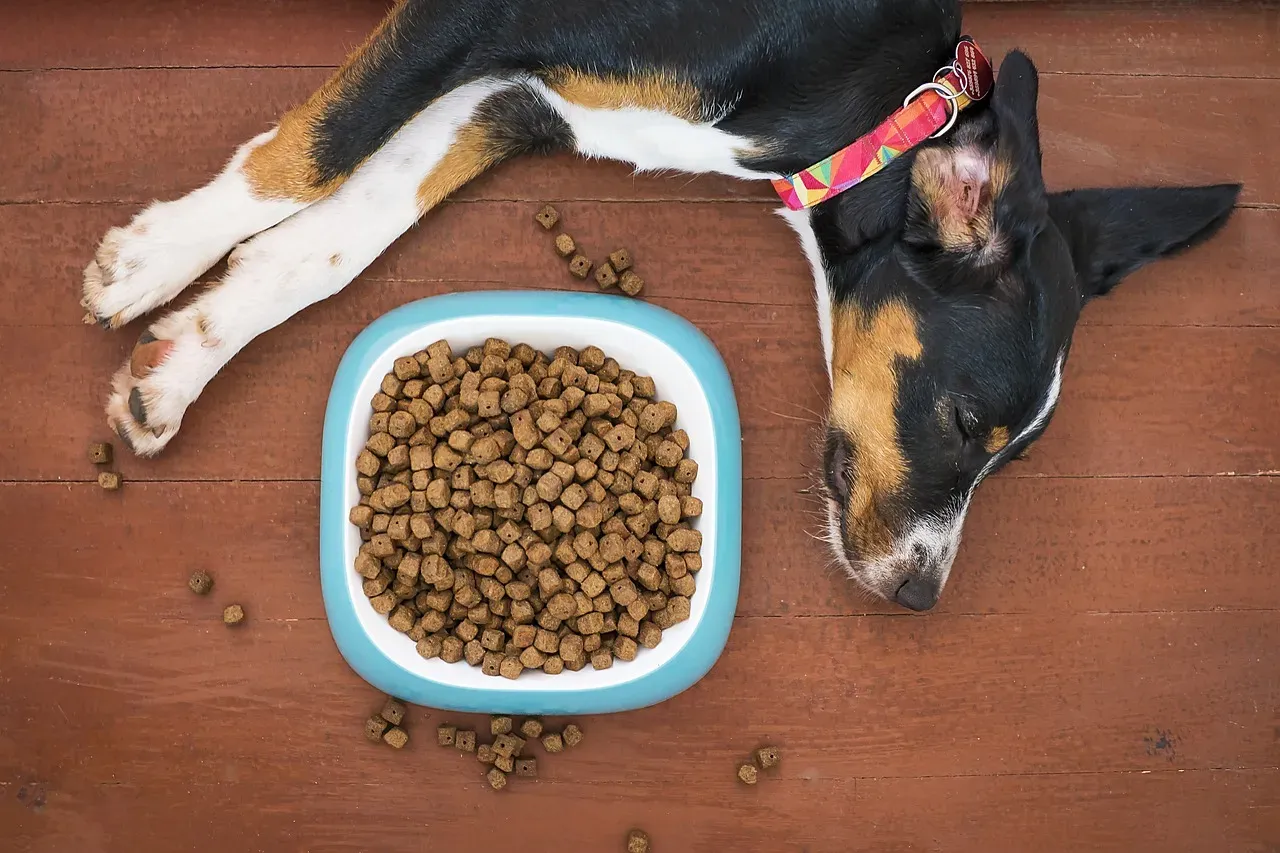
Sometimes the answer is refreshingly simple. Some dogs don’t want to eat anything if they are already full, so they might take to hiding treats for later. Your dog isn’t being wasteful. They’re just thinking ahead, kind of like us humans putting leftovers in the fridge for tomorrow.
Overfeeding your dog might lead them to bury excess food. If you’re giving your pup more food than they actually need, they might start storing the surplus. It’s worth checking if you’re measuring portions correctly based on their size, age, and activity level.
If your dog is not hungry, they may naturally attempt to save food for later rather than waste it, and overfeeding, or giving larger portions than necessary, can encourage dogs to hide leftover food as a future reserve. Consider adjusting meal sizes or splitting their daily food into smaller, more frequent portions.
Medical Issues You Shouldn’t Ignore
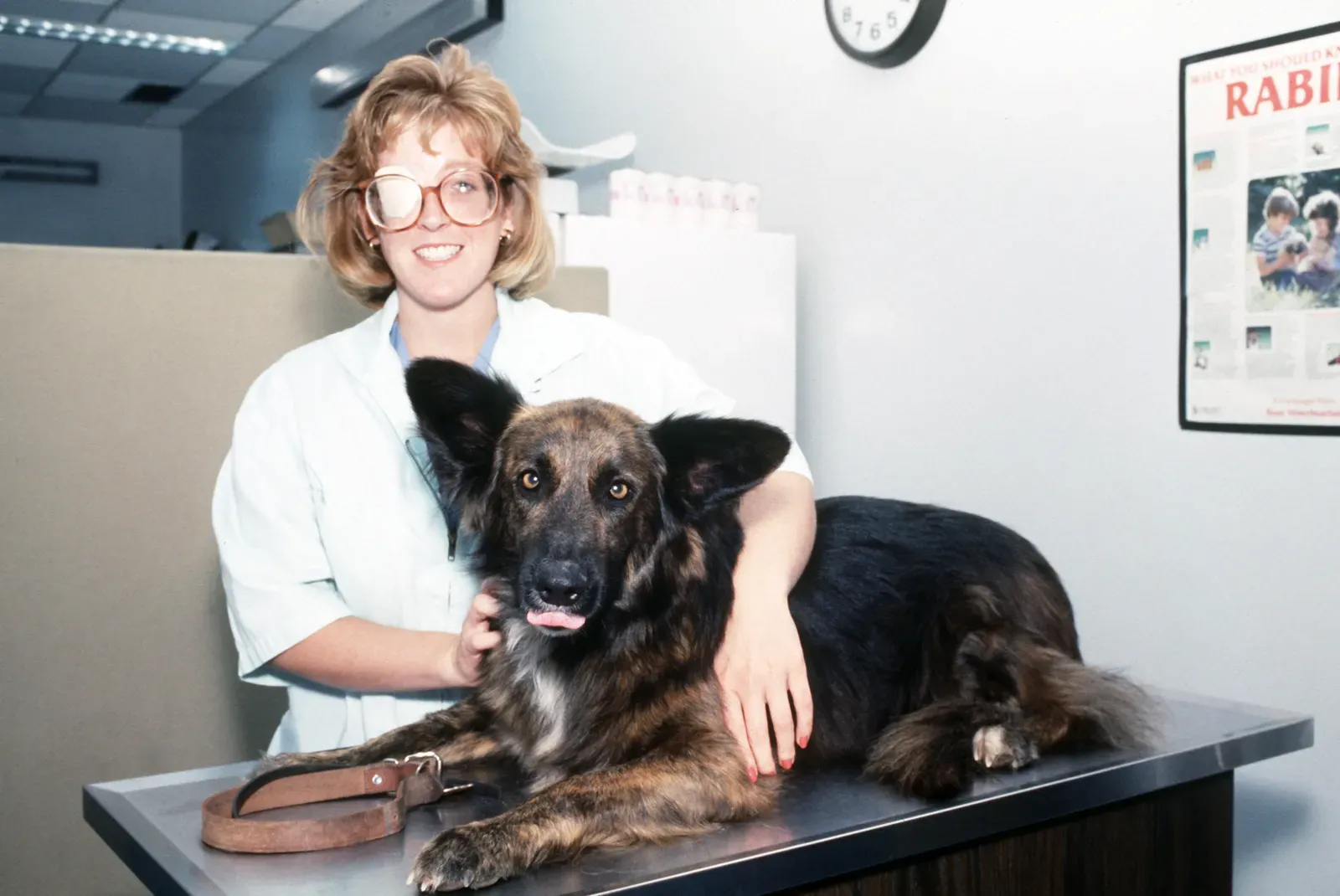
Oral pain or dental issues can discourage immediate eating, and in such cases, a dog may hide its food with the intent of returning to it when it feels better. If this behavior becomes regular, a dental check-up is recommended. This is something many dog parents overlook, but it’s crucial.
If your dog is hiding food and also seems to be drooling more than usual, pawing at their mouth, or showing reluctance to eat hard kibble, their teeth might be hurting. Dental problems are surprisingly common in dogs and can make eating uncomfortable or downright painful.
GI upset can cause the dog to feel nauseated and lose their appetite, so hiding their food and treats can be a response to this. If your dog isn’t eating much and is salivating excessively, it could be a GI issue. When in doubt, a visit to the vet is always the right call. Better safe than sorry when it comes to your furry family member’s health.
What You Can Do to Help
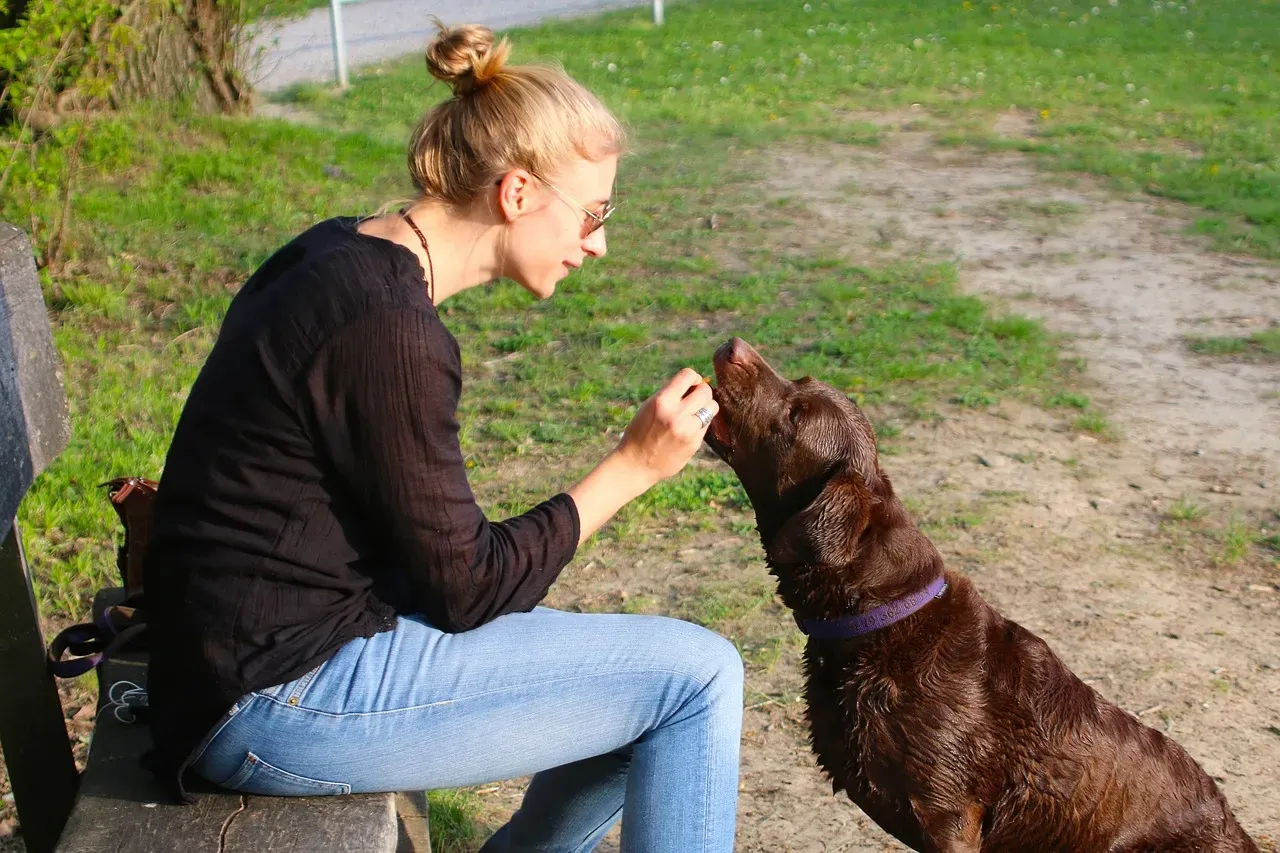
Establishing a regular feeding schedule can help reduce anxiety and uncertainty around mealtimes, potentially minimizing the urge to hide food. Dogs thrive on routine. Feeding them at the same times every day helps them feel secure and understand that food will always be available.
Designate a quiet and secure space for your dog to eat, which can help alleviate any perceived competition or threat, reducing the need to hide food. Maybe your dog’s bowl is in a high-traffic area where they feel exposed or stressed. Try moving it somewhere more peaceful where they can eat without distractions.
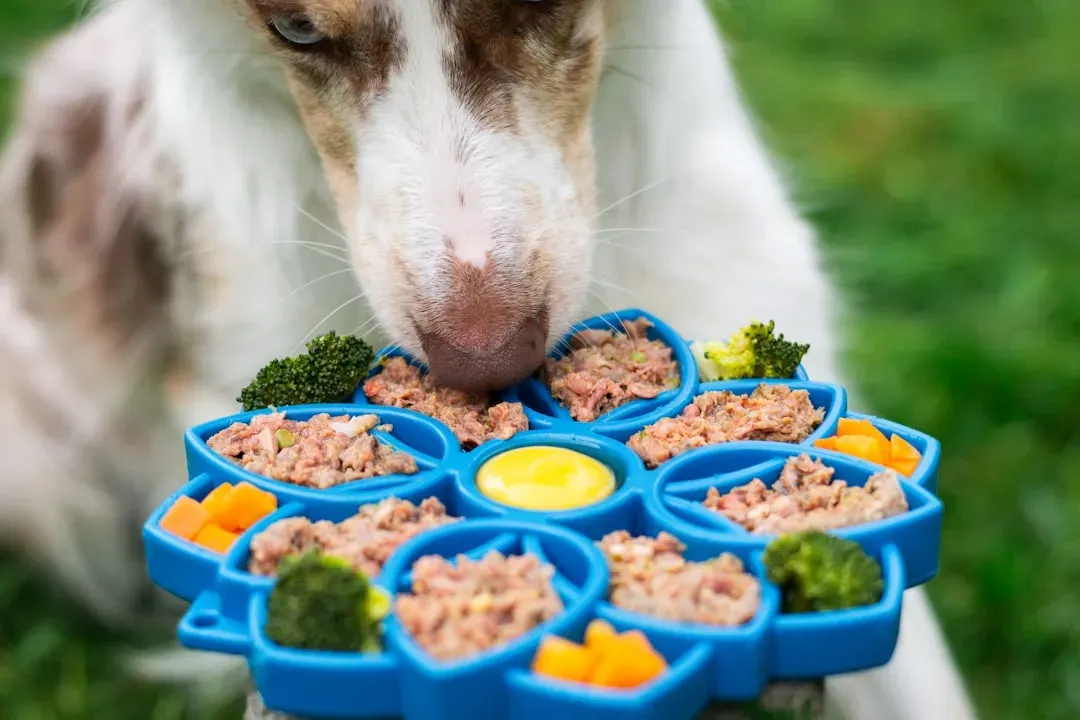
Engage your dog’s cognitive abilities and make mealtimes more enjoyable by using puzzle feeders, which dispense food gradually, providing mental stimulation and reducing the instinct to hide excess food. These clever toys turn eating into a game, keeping your dog’s mind busy and satisfied.
If you suspect anxiety or past trauma is driving the behavior, patience is everything. Rescue dogs may have experienced neglect or abuse in their previous homes, leading them to develop hoarding behaviors as a way to cope with their insecurity and lack of resources, and addressing these past traumas may require the help of a professional, such as a veterinarian or animal behaviorist through counter-conditioning, which involves associating positive experiences with the food and feeding process.
Conclusion
Your dog hiding food isn’t necessarily a problem that needs fixing. Most of the time, it’s just them being, well, a dog. The behavior of dogs hiding food is a fascinating and instinctual trait that has roots in their evolutionary history, and understanding why dogs engage in this behavior sheds light on their natural instincts.
That said, if the behavior is new, excessive, or accompanied by other concerning signs, trust your gut and consult with your vet or a certified dog behaviorist. Our dogs can’t tell us when something’s wrong, so it’s up to us to be their advocates.
At the end of the day, understanding your dog’s quirky behaviors helps you become a better, more compassionate pet parent. So the next time you find a kibble stash under your pillow, maybe just smile and remember that your dog is following instincts that kept their ancestors alive for thousands of years. Pretty amazing when you think about it, right? What quirky behaviors does your pup have? We’d love to hear about them in the comments.


