
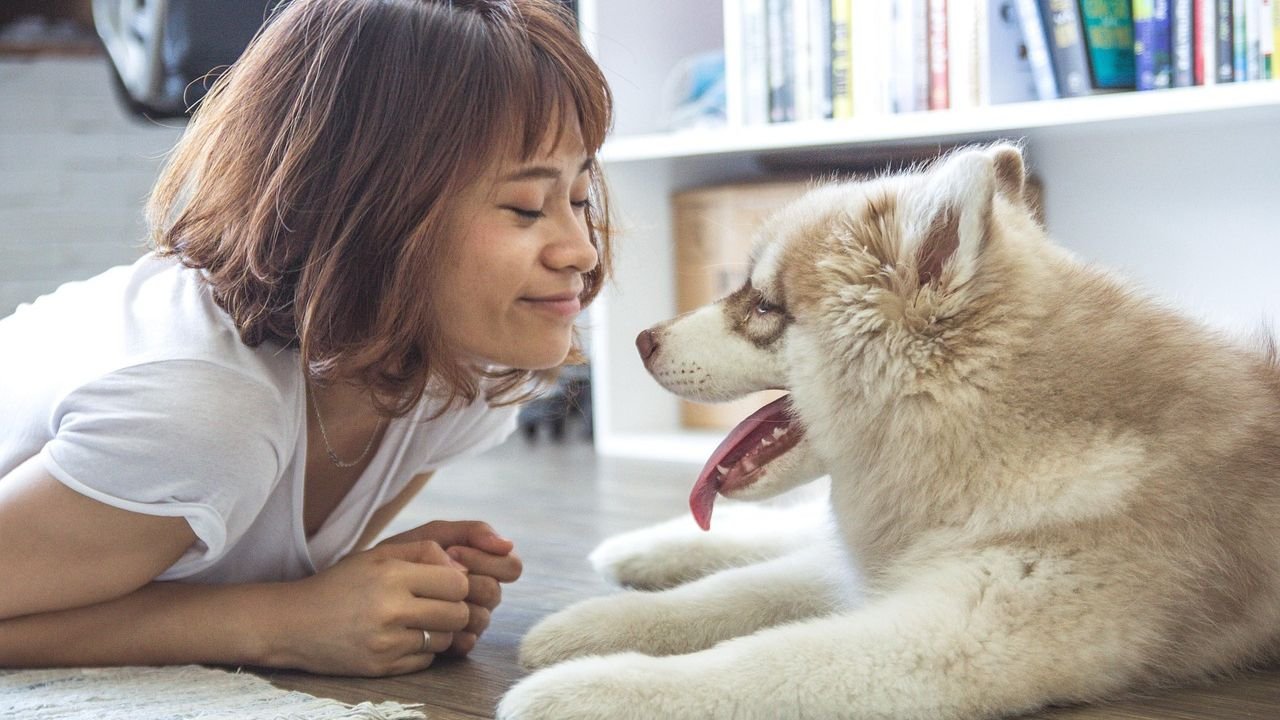
You’ve called their name three times. You know they heard you. There they are, nose buried in the grass at the park, completely unbothered, while you stand there feeling oddly invisible. Sound familiar? That sting of being ignored by the one creature you love unconditionally is something almost every dog owner has felt. It’s easy to wonder if something is wrong with your dog, or worse, if something is wrong with you.
Here’s the thing though. Your dog ignoring you rarely has anything to do with defiance, stubbornness, or some kind of personal vendetta. The real reasons are far more interesting, a little surprising, and honestly? Totally fixable. Let’s dive in.
Your Dog Doesn’t Actually Understand What You’re Saying (As Well As You Think)
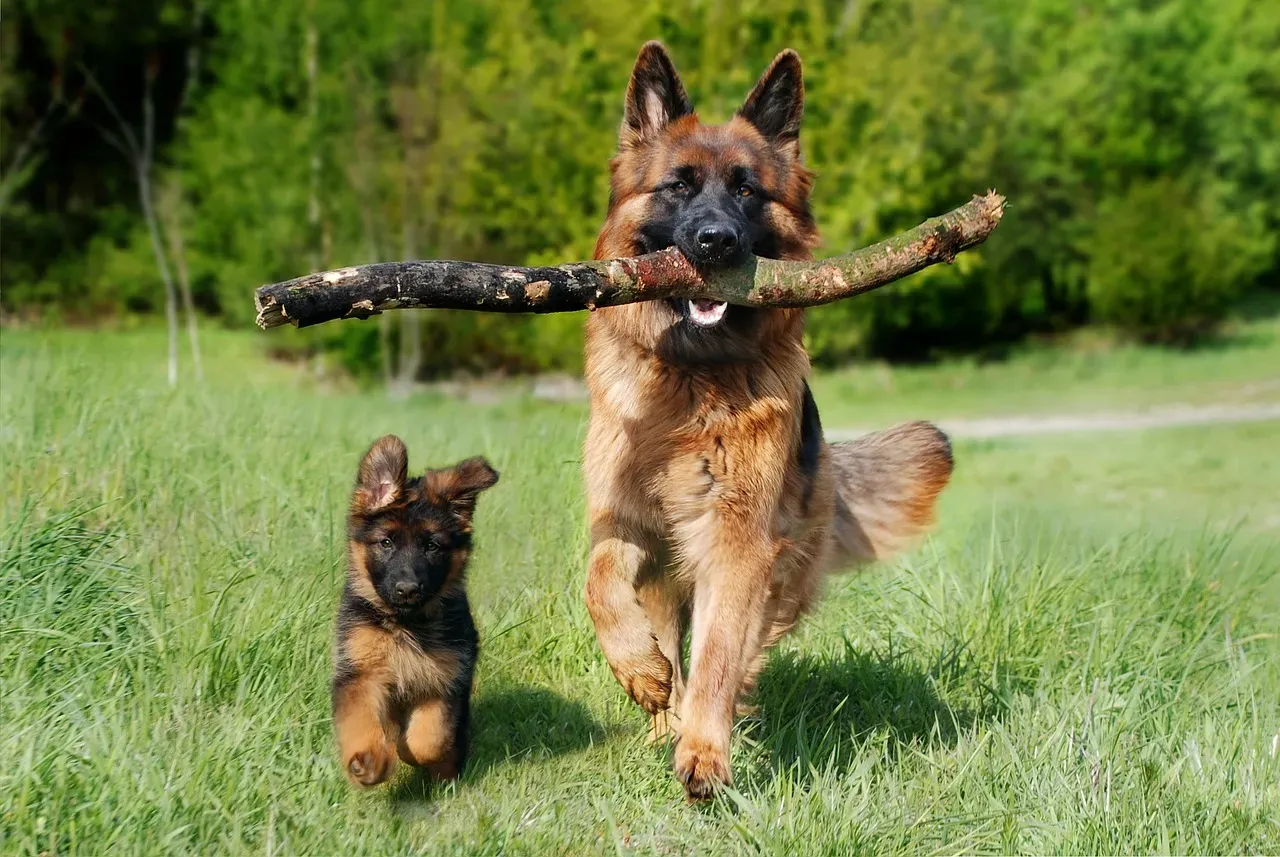
One of the most common reasons dogs don’t respond is surprisingly simple: they don’t actually know what you’re asking. Just because a dog sits for a treat in the kitchen doesn’t mean they understand “sit” at the park, in a noisy environment, or when they’re excited. Think of it like this. Teaching your dog “sit” at home is like practicing a piano piece in a quiet studio. Performing it at a noisy concert hall is a completely different challenge.
When your dog sits every time you say “sit” at home but ignores you outside, it means the command hasn’t transferred to the outdoor environment. Dogs can be quick to pick up new skills but slow to transfer them to new scenarios, meaning they don’t always generalize their lessons well. This is not stubbornness. It’s actually just how canine learning works, and it means your training job isn’t finished yet.
Leading animal behaviorists emphasize that true, reliable obedience requires systematic practice across multiple contexts. Stimulus control in dog training doesn’t happen by accident. It’s built intentionally, over time, through repetition, clarity, and positive reinforcement. So instead of getting frustrated at the dog park, celebrate every small win. One successful recall outside is genuinely worth more than ten perfect ones in your living room.
You’ve Accidentally Trained Your Dog to Tune You Out
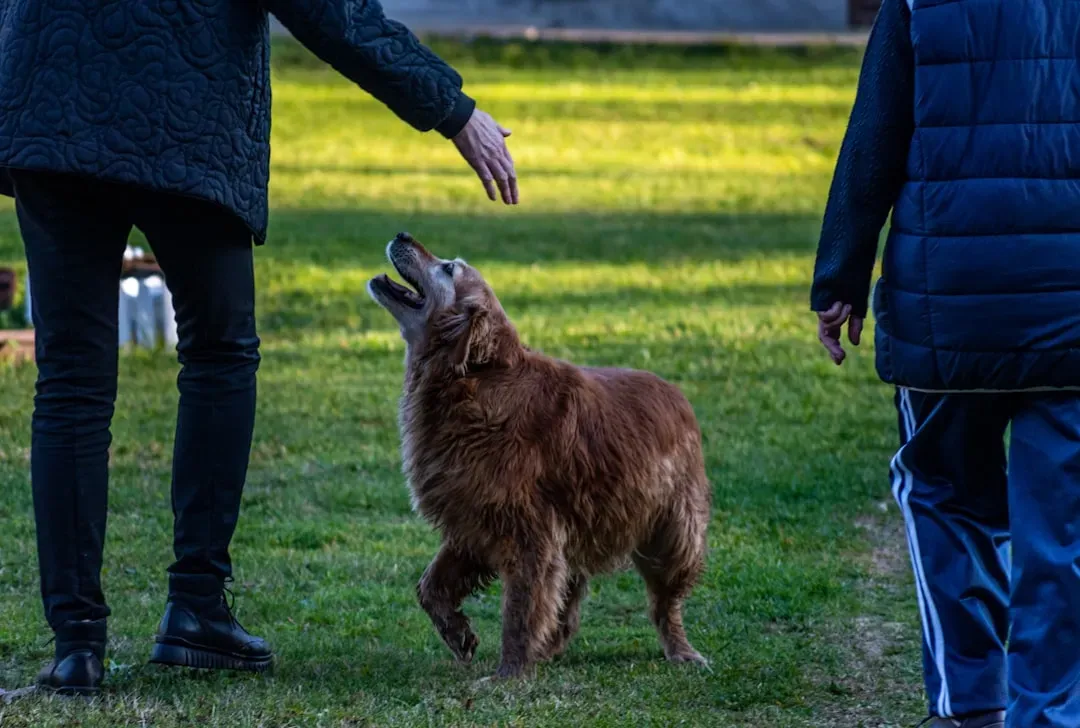
Many dog owners accidentally teach their dogs to ignore the most important cues they want their dogs to follow. This happens when you repeat the same communication over and over, without any specific consequence attached. The science of how the brain works tells us that when a signal is repeated over and over with no meaning attached, it becomes background noise. Honestly, I cringe every time I catch myself doing this. We all do it.
Have you ever been around someone who never stops talking? After a while, you start to tune them out. Dogs are no different. Dog owners who overload their dogs with command after command can cause their dogs to tune them out entirely. It’s the canine equivalent of the adult voice in a Charlie Brown cartoon. Blah, blah, blah.
If your dog doesn’t respond to a cue, avoid repeating it endlessly. Instead, use a different strategy to get their attention, such as moving closer, using a hand signal, or making the command easier in that moment. Reward them for responding to the cue to build a habit of listening. Less really is more here. One clear, confident cue followed by action will always beat five desperate repetitions.
The World Is Simply More Exciting Than You Right Now
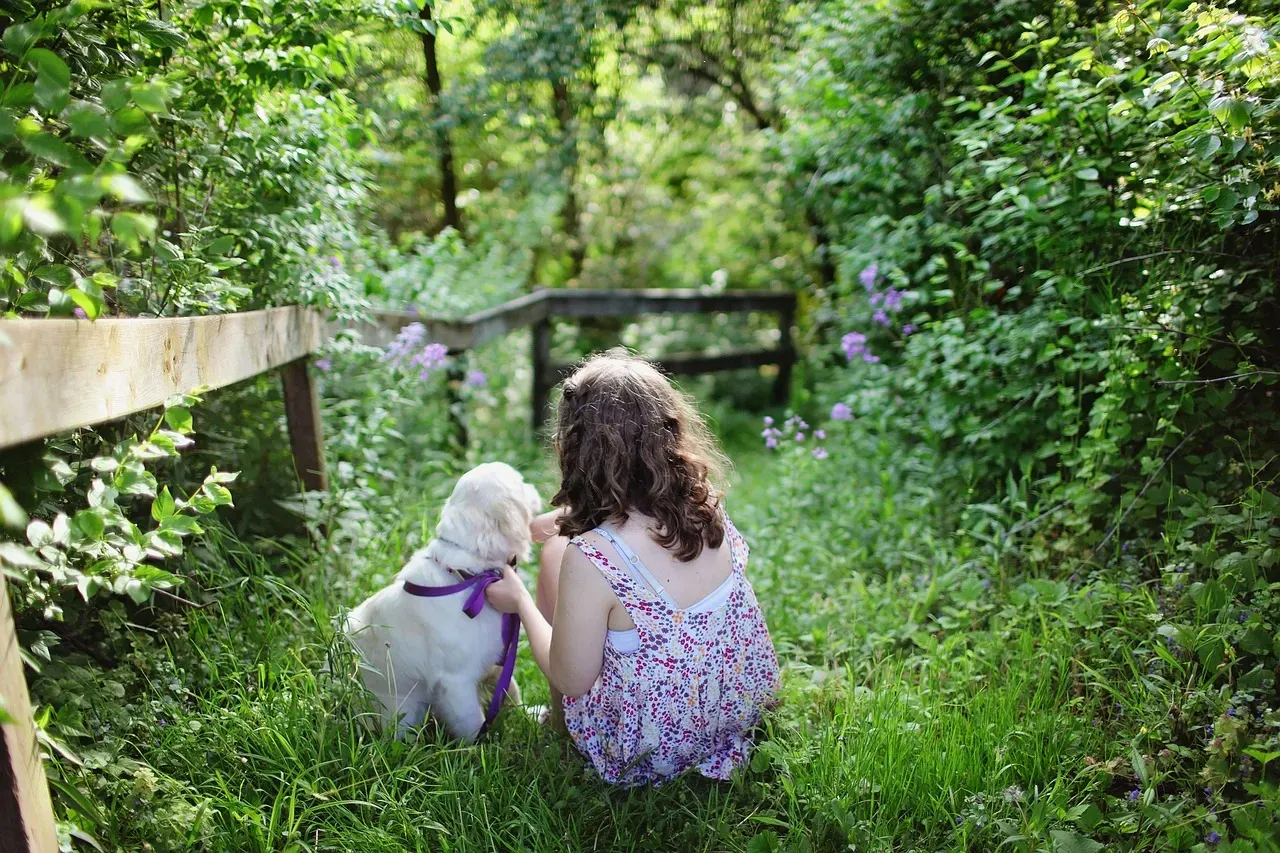
Picture this: your friend invites you and your pup to a dog-friendly backyard BBQ, and once you get there your dog acts as if you no longer exist. Between the pristine grass to mark, new four-legged friends, and the smells from the grill, there are plenty of competing interests that are likely much more enticing in the moment than you. These distractions can lead to your dog acting like you’re invisible. It’s hard not to take it personally, but let’s be real, that BBQ smells incredible to a nose a hundred thousand times more powerful than ours.
Your dog will ignore you if you are more boring than their surroundings, or if you are not as rewarding as their surroundings. So do anything to get their attention when you call them, run away, show them a toy, do something weird so they come and investigate! Yes, you read that right. Sometimes being the most interesting thing in the environment means acting a little ridiculous. I think that’s actually kind of beautiful.
In a distracting environment, a regular treat may not cut it. Use high-value reinforcers like chicken, cheese, or tug toys when working outside. Match the level of distraction with the quality of reward. The main two categories for rewards in dog training are food and play. A food-motivated dog may not do anything for you if you’re offering a tennis ball, and vice versa. Know your dog. Know what makes their eyes light up.
It Could Be a Health Issue, Not a Behavior Issue
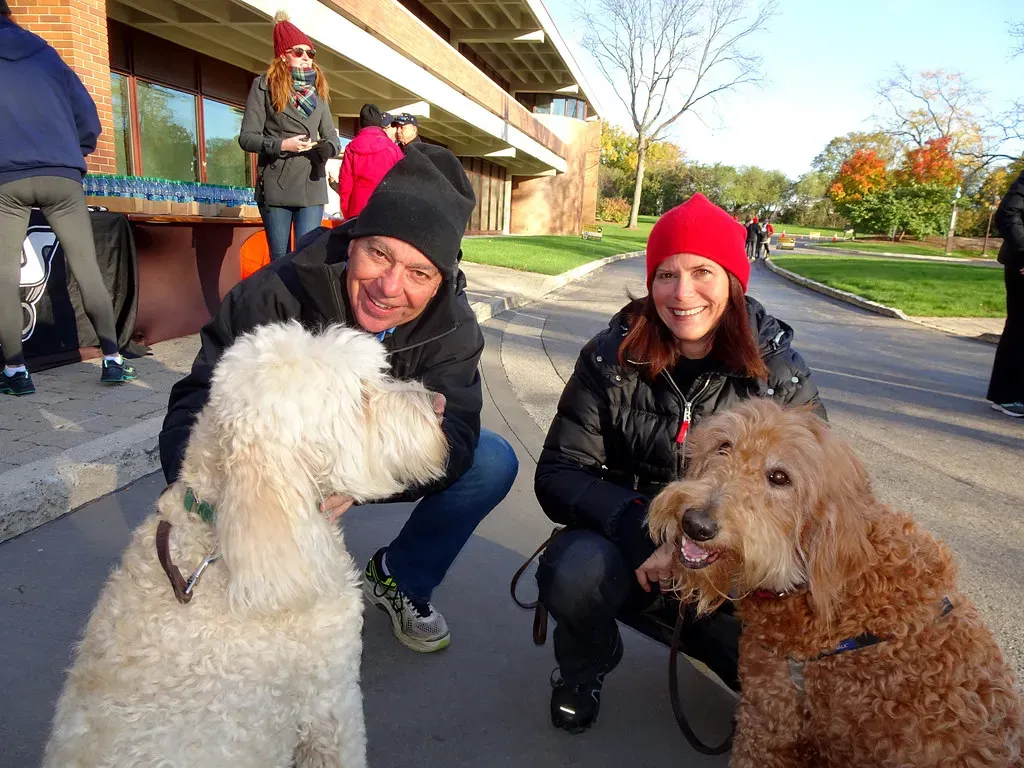
Schedule a trip to your veterinarian if your formerly attentive dog starts ignoring you. Canine discomfort can manifest in a bunch of different ways, so it’s smart to determine if there’s a physical reason for your dog’s behavior. It might be that your dog simply can’t hear you calling, not because they’re choosing to ignore the cue. This one catches so many owners off guard. What looks like attitude is sometimes actually an ear infection, pain, or hearing loss.
Older dogs may start ignoring your commands simply because they can’t hear well, see clearly, or feel comfortable. Pain makes them less responsive and more withdrawn. Physical decline can happen gradually as dogs age, so it’s not always easy to recognize when a senior dog is slowing down. Senior dogs can experience everything from diminished vision and hearing to cognitive declines, which can then impact their willingness and ability to connect with their people. If your senior dog has recently started seeming more distant, please don’t wait. A vet visit could change everything.
Watch for subtle signs: difficulty responding to sounds from a specific direction, frequent head tilting, bumping into furniture, or an unexplained change in energy levels. These are quiet signals that your dog isn’t being difficult. They’re asking for help in the only way they know how.
Your Dog’s Past and Emotional State Are Shaping Their Response to You
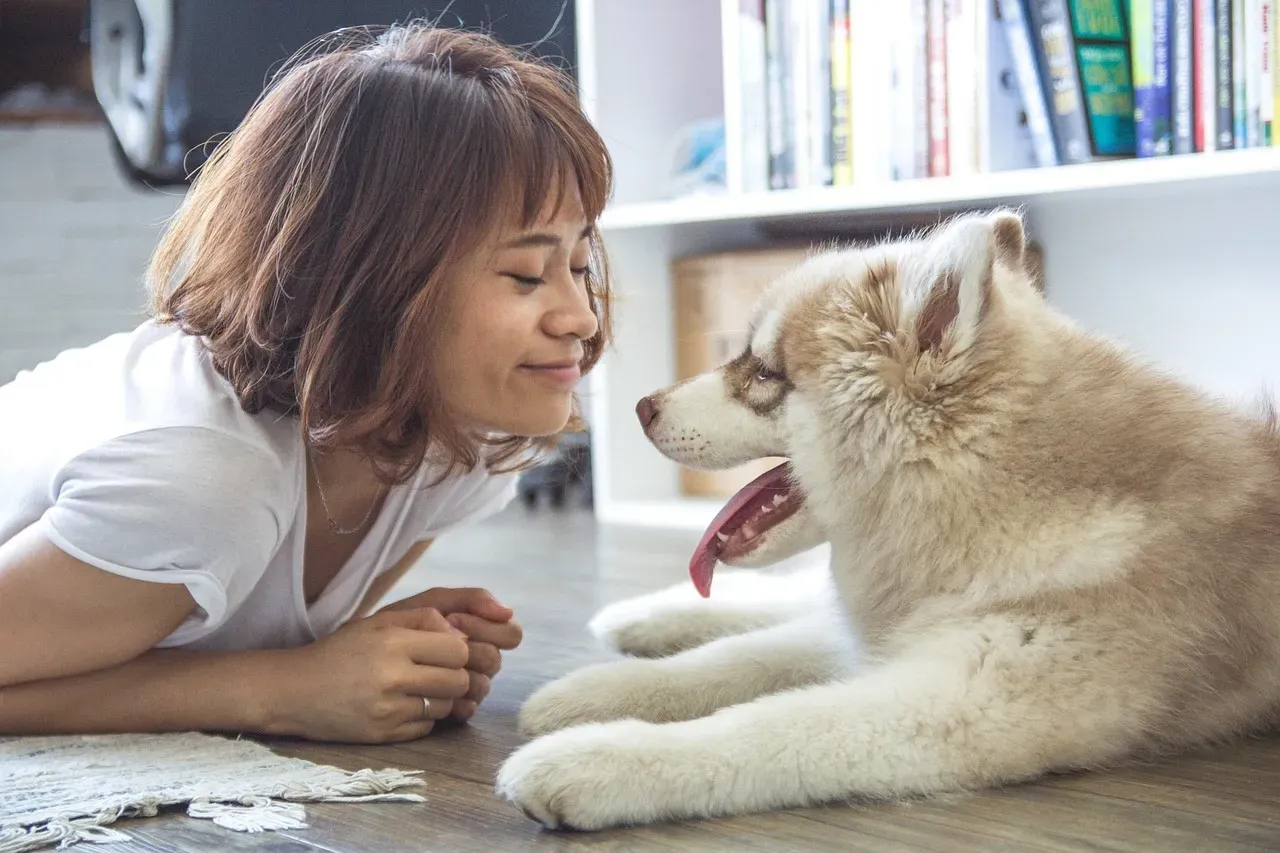
In some scenarios, dogs ignore their people because they’ve learned that interacting can be unpredictable or scary. Whether from past abuse, neglect, or because a dog is naturally more introverted, some pups have decided that it’s best to keep to themselves. This one requires real empathy. A dog who has learned that responding to humans leads to something unpleasant is not being difficult. They’re being self-protective.
An excited dog will have a harder time thinking clearly than a calm dog. A calm dog has more capacity to take in what’s happening and think logically about their next movement. A dog that’s overly excited will often act and move unpredictably. Usually, the more this excitement escalates, the more worked up they become, leading to less reliable follow-through on commands. Emotional regulation matters in dogs just as much as it does in us.
Studies have shown that the bond between dogs and their owners is actually similar to the bond between parents and children. The same hormone, oxytocin, is released in both dogs and humans when they interact with each other, leading to feelings of love, trust, and attachment. Building that trust, especially with a dog carrying past wounds, takes patience. Go slowly. Make every interaction positive. Let them learn that your voice means safety, not stress.
Conclusion: Your Dog Loves You, They Just Need You to Speak Their Language
Here’s what I want you to walk away with. Dogs don’t ignore their owners out of spite. Often, dogs don’t ignore owners. They simply haven’t been set up to respond reliably. Every moment of apparent disobedience is actually a message, a clue about training gaps, environmental overload, health needs, or emotional history. Your dog is always communicating. The magic is in learning to listen back.
If your dog regularly ignores you, it’s not personal. It’s learned behavior. By being consistent, working slowly, being patient, training in different environments, and making yourself more engaging, you can help your dog become a great listener. That journey, honestly, is one of the most rewarding things you’ll ever do together.
So the next time your dog gazes past you into the middle distance while you beg them to come inside, don’t take it as rejection. Take it as an invitation. An invitation to understand them more deeply, connect more genuinely, and build something most relationships never quite achieve: real, wordless trust. What kind of communicator will you choose to be for your dog?


