
You’ve come home to shredded cushions scattered across the floor, scratch marks on the door, and your neighbor texting about the howling that echoed through the walls. Your stomach sinks, your heart aches, and a crushing wave of guilt washes over you. You wonder if you’re failing your dog, if you caused this, if you’re somehow a terrible pet parent.
Let me tell you something important right now: this isn’t about blame. Your dog’s separation anxiety isn’t a reflection of your love or commitment. It’s a complex emotional disorder rooted in biology, temperament, and circumstances often beyond your control. Take a breath. You’re not alone in this, and neither is your pup.
What Separation Anxiety Really Is
Separation anxiety in dogs should be seen as a symptom of underlying frustrations rather than a diagnosis, which is something that caught even researchers off guard. Think of it like saying your dog has a stomachache without knowing if they ate something bad or caught a virus. The behaviors look the same on the surface, yet the causes run much deeper.
Separation anxiety affects between 14 and 20 percent of the pet dog population. It’s a condition in which a dog experiences intense stress or panic when left alone or separated from their favorite person. Here’s the thing that breaks my heart: this isn’t stubbornness or spite. A dog experiencing separation anxiety is similar to a human having a panic attack.
Your dog isn’t mad at you. They’re terrified.
Why It Happens (And Why It’s Not Your Fault)
Researchers identified four main forms of distress for dogs when separated from their owners: a focus on getting away from something in the house, wanting to get to something outside, reacting to external noises or events, and a form of boredom. Notice how none of those mention bad ownership?
In almost all cases there is undoubtedly a genetic component – some dogs just aren’t programmed to cope very well. Some pups are simply wired with more sensitive nervous systems. It can develop due to genetics, lack of early independence training, or sudden life changes such as rehoming, moving, or major shifts in household routine.
Maybe you adopted your dog from a shelter after they’d already experienced trauma. Maybe they came to you as a pandemic puppy who never learned to be alone. Perhaps there was a move, a divorce, a change in your work schedule. Dogs with separation anxiety have likely experienced significant changes in their circumstances, whether that’s losing their home or facing a dramatic upheaval in routine.
None of this makes you responsible for their pain.
Recognizing the Signs Beyond the Obvious
Research suggests that 8 out of 10 dogs find it hard to cope when left alone, yet half won’t show any obvious signs. That’s staggering when you think about it. Your dog could be suffering silently while you have no idea.
The classic signs include destructive chewing, excessive barking or howling, indoor accidents, and frantic scratching at doors. Dogs become distressed as soon as you leave, with the first 15 minutes being the worst, during which time they become extremely upset with all the physiological signs of fear present. You might notice increased heart rate, panting, salivating, and sometimes a desperate need to go to the bathroom.
But there are quieter signals too. Many dogs with separation anxiety are very attached to a person or persons, sometimes called “Velcro dog” because they’re so clingy. They follow you from room to room, get visibly anxious when you pick up your keys, and greet you like you’ve been gone for years when it’s only been twenty minutes.
What Actually Helps (Evidence-Based Solutions)
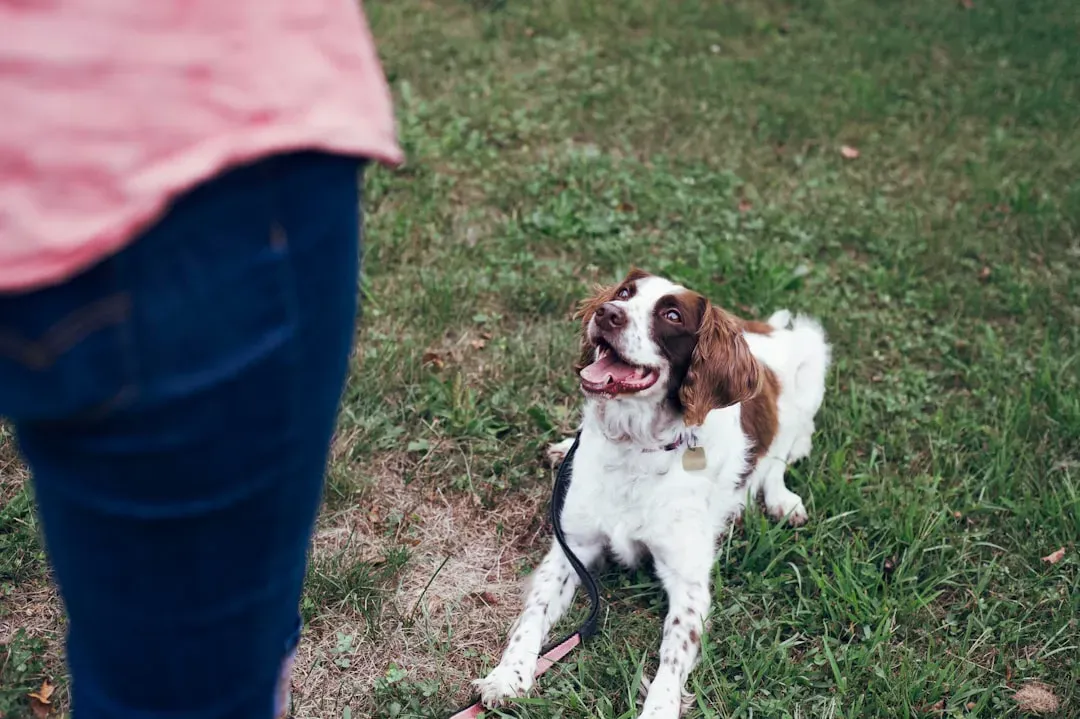
Let’s get real about treatment. Separation anxiety isn’t something that can be cured – there’s no quick fix or one-size-fits-all medication – but it can be successfully managed with patience and training. I know that’s hard to hear when you’re desperate for immediate relief.
The most successful treatment for canine separation-related problems may be behavior modification that focuses on systematic desensitization and counterconditioning. The best way to help a dog with separation anxiety is to permanently change their perception of what being alone means, one second at a time, through systematic desensitization. Yes, one second. This is slow work.
It’s crucial to gradually accustom a dog to being alone by starting with many short separations that do not produce anxiety and then gradually increasing the duration. You might start by just stepping outside the door for five seconds, then ten, then twenty. It’s painstaking, but it works.
When Medication Makes Sense
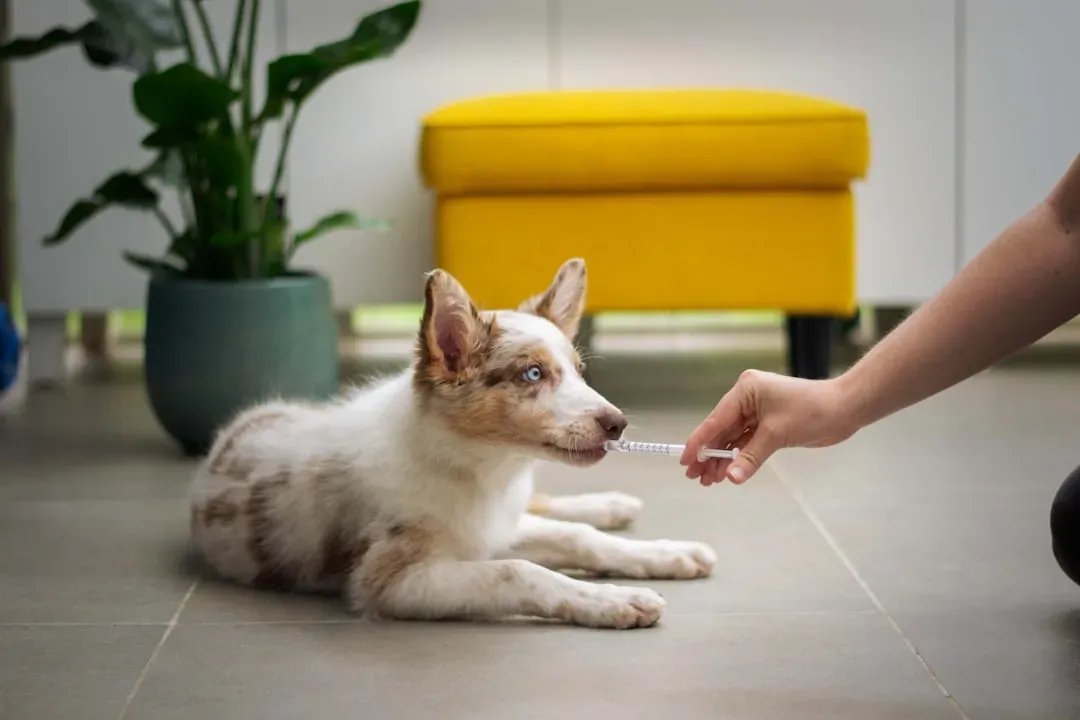
The use of medications can be very helpful, especially for severe cases, as some dogs are so distraught by any separation that treatment can’t be implemented without the help of medication. There’s zero shame in this. Would you judge someone for taking medication for their own panic disorder?
Medications that may be prescribed include clomipramine, fluoxetine, clonidine, alprazolam, gabapentin, and dexmedetomidine, with clomipramine and fluoxetine approved by the US FDA for treatment of canine separation anxiety. These aren’t sedatives that knock your dog out. They’re tools that help reduce the flood of stress hormones so your dog can actually learn new coping skills.
Think of it this way: you can’t teach someone to swim while they’re drowning. Medication keeps your dog’s head above water so training can take hold. Often the earlier you start medications the more successful treatment will be.
Practical Management Strategies That Work
While you’re working on the long game, there are things you can do right now to ease your dog’s distress. Take your dog for a walk before you go out so they have the opportunity to go to the toilet and exercise, and feed them a small meal before you leave or leave a food toy. A tired, fed dog is more inclined to relax.
Try giving your dog a KONG stuffed with something really tasty like low-fat peanut butter, which can even be frozen so getting all the food out takes more time, and remove these special toys as soon as you return home. This creates a positive association with your absence.
Recent research has shown that dogs with mild separation anxiety fare better when alone with one minute of slow, gentle petting and soothing talk from their owner just before leaving. Contrary to old advice about ignoring your dog, a brief calm goodbye can actually help in mild cases. Dogs with severe anxiety, though, do better with minimal fuss.
You’re Doing Better Than You Think
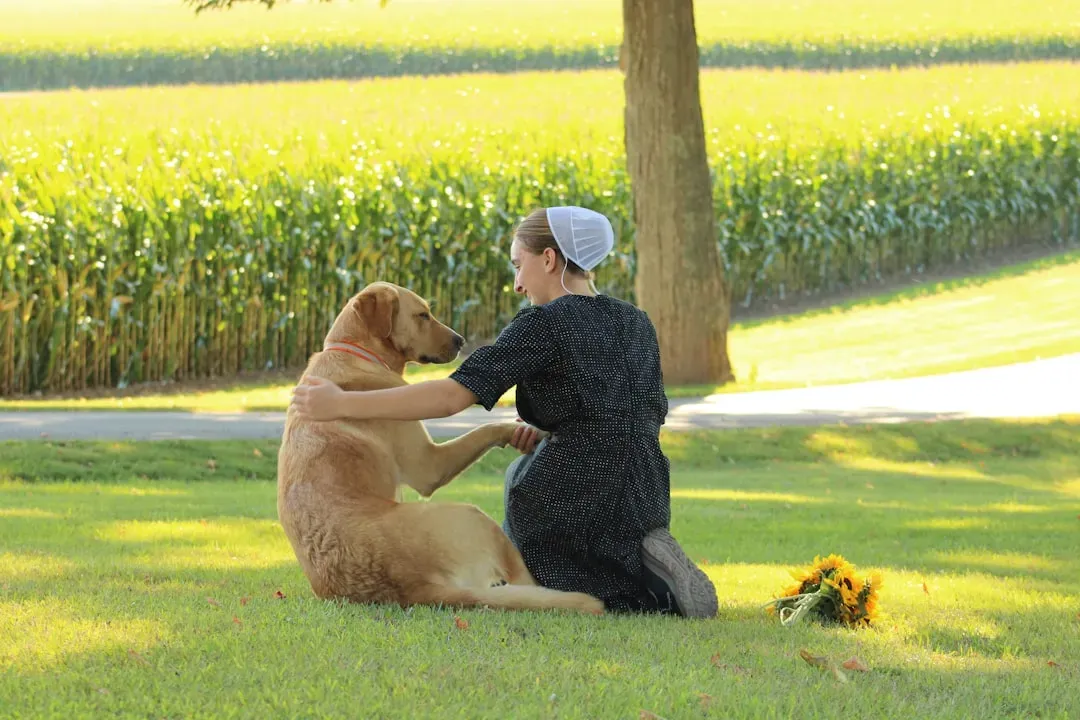
Here’s what I want you to understand: Your dog is not trying to punish you by acting this way, so do not punish your dog in return. They are not being destructive on purpose; they are reacting to a change in their environment to which they are not accustomed. Every destroyed shoe, every accident, every noise complaint is a cry for help, not an act of revenge.
Guiding your dog through a separation anxiety protocol might not be easy, but there is hope and recovery is possible. This takes time measured in weeks and months, not days. There will be setbacks. There will be moments when you feel like you’re failing. But the fact that you’re reading this, that you’re seeking solutions instead of giving up, tells me everything I need to know about the kind of dog parent you are.
You didn’t cause this. You’re not failing. And with patience, professional help when needed, and lots of compassion for both yourself and your pup, you can get through this together. Your dog is lucky to have someone who cares enough to keep trying. What more could you ask for than that?


