
You know that feeling when everyone gathers around the dinner table during the holidays, laughter fills the air, and the scent of roasted turkey and spiced cider practically dances through your home? There’s something magical about sharing a meal with the people you love most. So naturally, when sits beside you with those eyes that could melt a glacier, you want them to be part of the celebration too.
I totally get it. Our dogs are family members who give us unconditional love every single day, so why shouldn’t they enjoy the festive season alongside us? The truth is, they absolutely can. You just need to know what’s safe, what’s not, and how to create a holiday meal that won’t land you both at the emergency vet when the party’s over.
Understanding What Makes Holiday Foods Dangerous
According to the American Veterinary Medical Association, the holidays are a peak time for pet emergencies, many of them linked to human foods that were never meant for canine consumption. That might sound scary, yet it doesn’t mean has to miss out completely.
Let me break it down for you. Many of the ingredients we use to make our holiday meals taste amazing are actually harmful to dogs. Many seasonings, spices and other ingredients we add to dishes to add flavor aren’t good for dogs. Onions are bad for dogs, and so is garlic, salt and pepper. Think about how often these ingredients appear in stuffing, gravy, casseroles, and even the butter we slather on vegetables. Suddenly the danger becomes clearer.
Certain holiday foods may have a high fat content, pose a choking hazard, or include harmful ingredients (e.g., garlic, onions, raisins, xylitol). All of these can lead to accidents or adverse reactions in dogs and cats. Rich dishes that seem harmless can trigger pancreatitis or serious digestive distress. I think the key here is understanding that what tastes indulgent to us can be downright toxic to them.
The Safe Stars of ‘s Holiday Plate
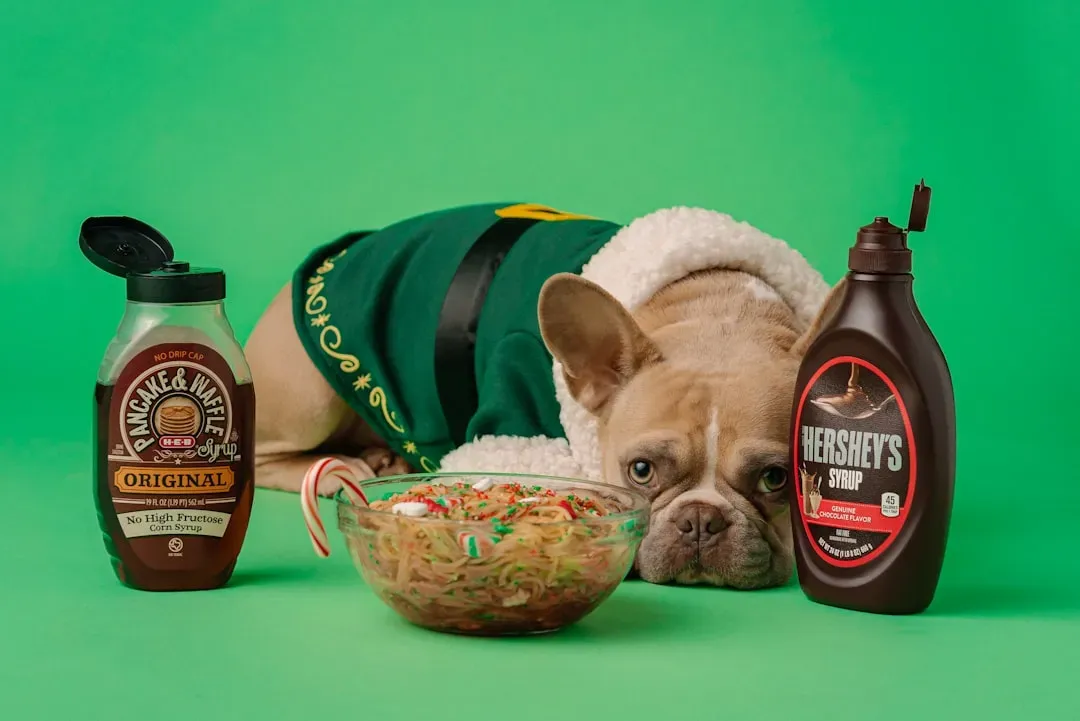
Here’s the thing. There are plenty of holiday staples that dogs can enjoy safely when prepared correctly. Yes, dogs can eat turkey. Give white meat, free of any salt or other seasonings. Don’t give them the skin or bones, though. Plain, cooked turkey is a fantastic source of lean protein that will absolutely love.
Vegetables are another winner. Not only can dogs eat carrots, but most also love the crunch and the flavor. Although dogs can eat raw carrots, you can also try giving cooked varieties. Green beans are equally safe, whether raw, steamed, or even canned, as long as they’re plain and unseasoned.
Cooked, unseasoned Brussels sprouts are pet-friendly and rich in essential nutrients, including vitamins K and C, as well as fiber. The fiber content supports a pet’s digestive health, while the vitamins contribute to overall well-being for dogs and cats. Sweet potatoes also make the cut, providing dietary fiber along with vitamins A and C. Just remember that plain is the name of the game here.
Creating a Festive Feast That’s Actually Dog-Friendly
Now that you know what’s safe, let’s talk about how to put together a special holiday meal for your pup that feels celebratory without being risky. The beauty of this approach is that you can use ingredients you’re already preparing for your own dinner.
Set aside portions before you add any seasonings, butter, or sauces. Create a special dog-approved dish using safe, whole ingredients from your own menu: Shredded plain turkey breast. A spoonful of mashed sweet potato (no butter, sugar, or spices). A few cooked green beans or carrot slices. A dollop of plain pumpkin or fresh cranberries. Honestly, it takes less than five minutes of extra effort.
Portion size matters. A tablespoon or two of turkey or veggies. Even that’s depending on ‘s size, but it is plenty. This is a festive treat, not a full-blown dinner. You might be surprised how much joy a small plate brings them. Serve it in their regular bowl or get fancy with a special holiday dish to make the moment feel extra special.
Foods to Keep Far Away From

Let’s be real. No matter how much begs or how guilty you feel saying no, some foods are absolutely off-limits. Even small amounts of chocolate can be toxic to dogs, and xylitol, a common sugar substitute, is extremely poisonous. Desserts, candies, and anything sweetened with xylitol can cause life-threatening conditions.
Turkey or ham bones can splinter and cause choking or serious internal injuries. Both can lead to acute kidney failure in dogs, even in small quantities. Grapes, raisins, and anything containing them should never touch ‘s mouth. Even items that seem innocent, like fruitcake or cranberry sauce made with grape juice, can be dangerous.
Onions, garlic, chives, and herbs often used in stuffing are toxic to dogs and can cause anemia. This means that savory casseroles, mashed potatoes loaded with butter and seasonings, and pretty much anything from the main dinner table should stay there. Foods like creamy mashed potatoes or cheesy casseroles can cause digestive upset, especially in lactose-intolerant dogs. If it’s rich, sweet, seasoned, or processed, keep it off ‘s holiday menu.
Recognizing When Things Go Wrong
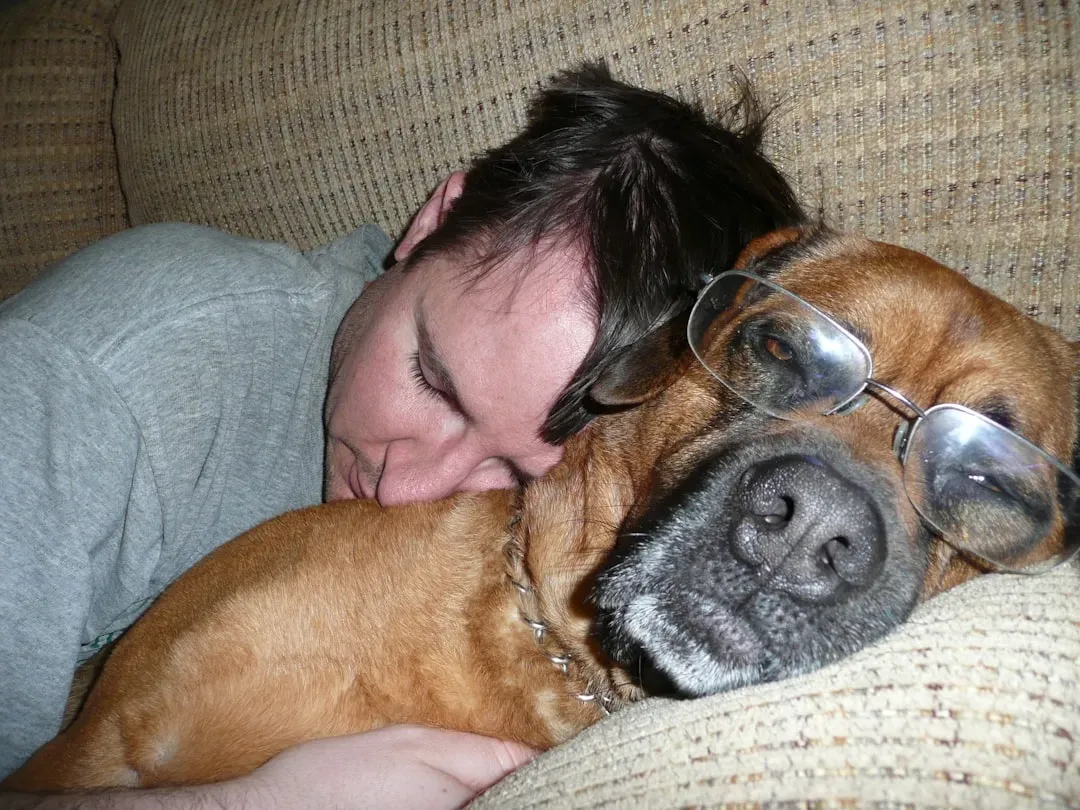
Despite your best efforts, accidents happen. Maybe a guest sneaks a piece of ham, or your pup manages to swipe something off the counter when no one’s looking. Knowing the warning signs of trouble can make all the difference.
Watch for symptoms like vomiting, diarrhea, excessive drooling, lethargy, or unusual behavior. Pancreatitis, which can be triggered by fatty foods, often causes abdominal pain, hunched posture, and refusal to eat. If seems uncomfortable, bloated, or is having trouble going to the bathroom, don’t wait it out.
Call your veterinarian immediately if you suspect ate something toxic. Better yet, keep the Pet Poison Helpline number handy. Prevention is key though. Confining pets to a safe area in the house on a holiday is a good idea, both vets say. Watch that kids don’t drop food on the floor and speak to all guests ahead of time about not sharing their food with your pets. Taking out the garbage on holidays can also help prevent pets from getting into food scraps.
Making It Special Without the Risk
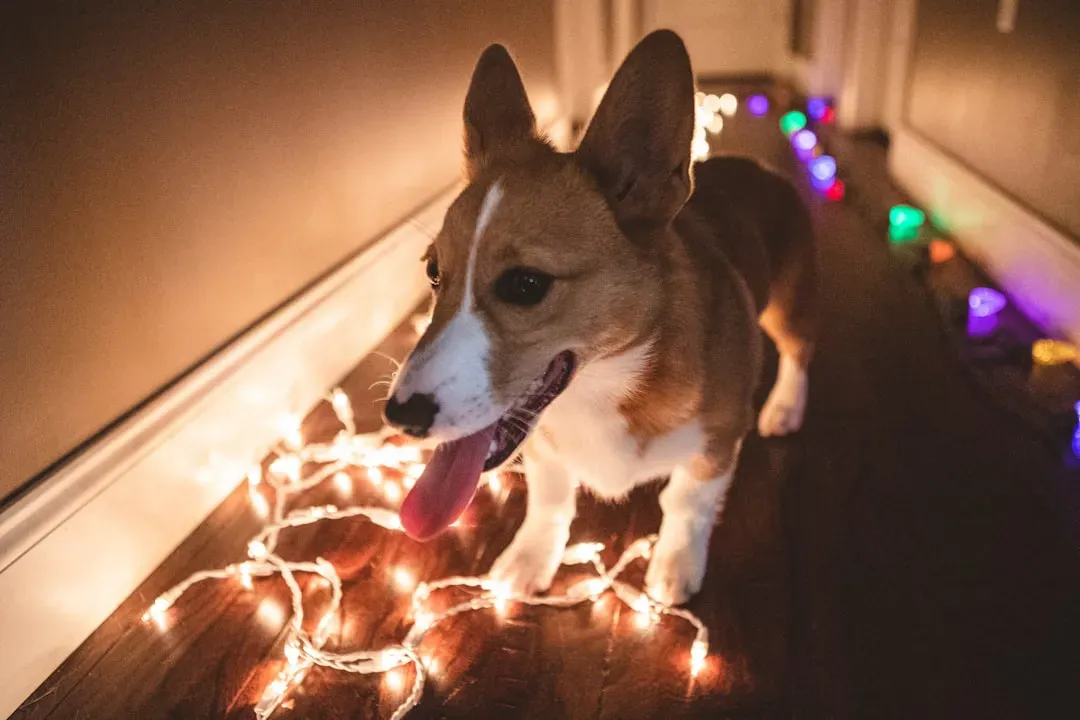
You want to feel included in the holiday magic, and there are so many ways to do that beyond just food. Think about the experience rather than just the plate. Serve their special meal at the same time your family sits down to eat so they feel like part of the gathering.
Consider making homemade dog treats using safe ingredients like oat flour, unsalted peanut butter without xylitol, and bananas. Recipes with oat flour, peanut butter (unsalted and xylitol-free), and bananas are great for dogs, while cats might love tuna-flavored treats made with whole wheat flour and egg. These treats can become a fun holiday tradition that looks forward to every year.
Treats, holiday or otherwise, should never make up more than 10% of ‘s daily caloric intake. Keep that guideline in mind when planning their feast. You can also give them a new toy or a long-lasting chew to keep them occupied during the meal. Sometimes distraction is the best gift you can give them.
Conclusion: Celebrating Safely Together

The holidays should be joyful for every member of your family, and that absolutely includes your four-legged friend. When you take a few simple precautions and stick to plain, wholesome ingredients, you can create a celebration that keeps everyone safe and happy.
doesn’t need fancy sauces or rich gravies to feel loved. They just need to be near you, sharing in the warmth of the season. A small plate of plain turkey, some steamed vegetables, and maybe a sweet potato or two is more than enough to make their tail wag with pure joy.
So this holiday season, set aside those safe portions before you season your own food. Keep the toxic items locked away. Watch your guests and your garbage cans. Most importantly, enjoy the moment with your best friend by your side. What’s ‘s favorite holiday treat? Share your stories with us in the comments below.


