

There is something almost magical about the moment your dog looks up at you with those warm, steady eyes and you just feel it. Not just affection. Something deeper. Something that feels strangely mutual, like the two of you share a secret language the rest of the world hasn’t quite figured out yet.
Honestly, it’s not just your imagination running wild. Science has been quietly catching up to what dog lovers have always known in their hearts. The connection between you and your dog is one of the most studied, most celebrated, and most profoundly documented relationships in the entire animal kingdom. Still, there’s so much more to it than people realize. Let’s dive in.
It All Starts With Chemistry – Literally

You know that warm, floaty feeling you get when your dog curls up beside you or gives you that long, lingering gaze? That’s not just sentimentality. The simple act of petting a dog releases oxytocin, a hormone associated with relaxation and bonding, fostering emotional resilience in humans. Think of oxytocin like the body’s natural glue for love and attachment. It’s the same chemical that bonds mothers to newborns.
Here’s where things get genuinely mind-blowing. Research found that mutual gazing between dogs and their owners increased oxytocin levels in both species, creating a beautiful feedback loop of affection. Astonishingly, this effect appears to be unique to domesticated dogs: trained wolves do not respond the same way to human eye contact. As dogs became domesticated, they evolved this interspecies oxytocin loop to emotionally bond with humans.
So yes, those soulful eyes your dog gives you across the room? They are chemically, biologically binding the two of you together. That’s not a metaphor. That’s neuroscience.
Your Dog Actually Reads Your Emotions

Let’s be real. Most of us have had a rough day, walked through the front door, and been greeted by a dog who somehow already knew. Before a single word was spoken. There is solid scientific evidence that dogs can detect and respond to human emotions through scent. Studies using physiological measures such as cortisol levels, heart rate, and fMRI brain scans reveal that dogs can literally smell our emotional states, and these scent cues influence their own behavior and even their stress responses.
These findings show that dogs can detect emotions such as fear, anxiety, sadness, and happiness through subtle chemical shifts tied to hormones like cortisol and adrenaline. They use this information to adjust their behavior, offering comfort, staying close, or becoming cautious, depending on what you’re feeling.
Experiments have shown that pet dogs can distinguish a smiling face from an angry one, even in photos. Dogs show a subtle right-hemisphere bias when processing emotional cues, tending to gaze toward the left side of a human’s face when assessing expressions, a pattern also seen in humans and primates. Your dog is not just watching you. They are actively studying you.
The Attachment Bond Is Deeper Than You Think

You’ve probably heard people describe their dogs as “like a child.” Turns out that’s not just hyperbole. The dog-human relationship is believed to involve attachment bonds similar to those that characterize human caregiver-infant relationships. Dogs have shown behaviors indicative of an attachment relationship, including proximity seeking, where the animal will seek out the attachment figure as a means of coping with stress.
One of the most remarkable findings from research is the exceptionally low conflict levels reported in human-dog relationships. Unlike human relationships, which often involve disagreements, misunderstandings, and emotional conflicts, the human-dog bond is characterized by consistent companionship and reliability. Dogs provide emotional support without the complex social dynamics that can strain human relationships.
Think about that. No grudges held overnight. No misunderstandings that fester for weeks. The bond resets itself, again and again, in pure unconditional presence. Research found that dog owners often rate their relationships with their dogs as more satisfying than those with their closest human companions. That is, I think, one of the most quietly stunning findings in recent science.
Learn to Read Your Dog’s Body Language
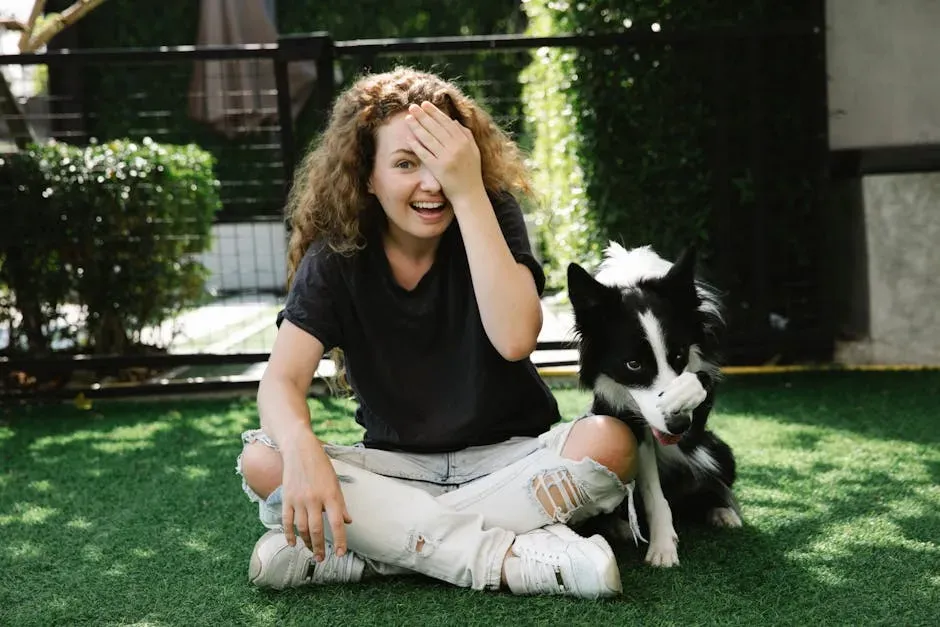
Here’s the thing about truly loving your dog well: it requires learning their language. Dogs are constantly communicating. Not just with barks and tail wags, but in far subtler ways that most people miss entirely.
The whites of the eyes are a key indicator. Known as “whale eye,” when a dog shows the whites of their eyes, it is a signal that they are feeling anxious or stressed in a situation. You might see this when you make your dog uncomfortable, such as when you pat them on the head, or when they are afraid someone will steal a bone or toy. If your dog has flattened ears leaning tight against their head, it may also be a sign of stress or fear.
No dog body language signals act alone. They are all part of a package. When you read a dog’s communication, look at every signal the dog is using, from the tail height to the eye shape. A single yawn means nothing. A yawn, followed by a lip lick, followed by a look away? That’s your dog telling you something important. If you learn what your dog is saying, you will develop a deeper bond of trust and respect, and your newfound understanding of your dog’s emotional state can help you predict their behavior and prevent problems before they arise.
The Stunning Health Benefits of This Bond
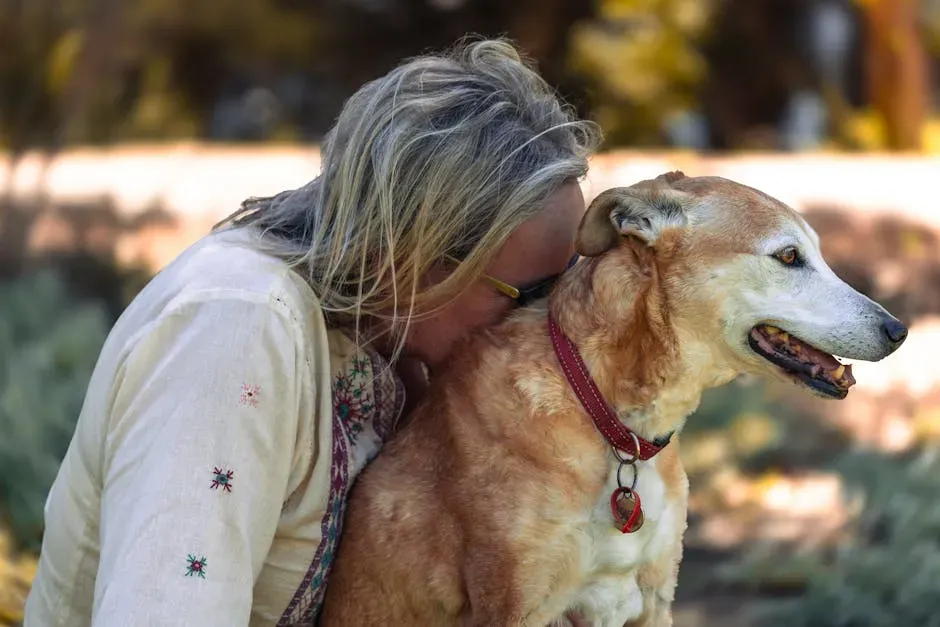
The benefits of sharing your life with a dog go far beyond emotional warmth. They are measurable, clinical, and genuinely remarkable. The changes in brain chemistry that make us feel calm and happy when we pet a dog also lower blood pressure and heart rate, much like often-recommended strategies such as meditation and deep breathing for cardiovascular health.
Scientists at Washington State University discovered that petting a dog for just 10 minutes can have a significant impact. Study participants had a significant reduction in cortisol, a major stress hormone. That’s roughly the time it takes to make a cup of coffee. Research has confirmed that dogs can reduce emotional distress, increase life satisfaction, and even help treat post-traumatic stress disorder.
Dogs may be beneficial in reducing cardiovascular risk in their owners by providing social support and motivation for physical activity. One landmark study aimed to investigate the association of dog ownership with cardiovascular disease and death in a nationwide cohort of over three million individuals with up to twelve years of follow-up. The results? Dog owners, particularly those living alone, had meaningfully better cardiovascular outcomes. That’s not a small footnote in a journal. That’s a life-changing statistic.
How to Nurture the Bond Every Single Day

Knowing the science is one thing. Actually showing up for your dog in daily life is another thing entirely. The good news is that deepening this bond doesn’t require a PhD or an expensive training program. It mostly requires presence, consistency, and a willingness to pay attention.
Many human interventions, such as use of positive reinforcement and affiliative interactions, are likely to produce a positive affective state in a dog, leading to more favorable behavioral responses such as obedience during training. In other words, kindness is not just nice. It is neurologically effective. Dogs of all ages, sizes, and breeds need daily exercise and play for their health, happiness, and mental enrichment. Engage your dog’s brain and body through interactive play. Even 15 minutes of fun, easy training or enrichment games like “find the toy” can help your dog expend mental energy.
The presence of a dog can help motivate daily walks, playful activities, and outdoor adventures, all of which contribute to a more active lifestyle. Some studies have linked dog ownership to lower blood pressure, reduced risk of cardiovascular diseases, and overall improvements in physical fitness. Moreover, the responsibility of caring for a dog instills a sense of purpose and routine, further enhancing overall well-being. It turns out, caring for them is also caring for you.
Conclusion: A Bond Worth Protecting

We often talk about what our dogs give us. The comfort, the loyalty, the unwavering joy at the sound of your keys in the door. It’s tempting to let that flow in only one direction, to simply receive. The truth is, this relationship is one of the most reciprocal on earth. Your dog feels safe because of you. They thrive because of you. Their health, happiness, and sense of security are directly tied to the quality of attention you bring to their world.
So pay attention to those subtle ear flicks. Notice when your dog’s body goes tense. Sit with them. Play with them. Look into their eyes a little longer. For dogs, humans seem to represent a social partner that, in addition to providing information pertinent to food acquisition, can be a source of emotional fulfillment and attachment. Similarly, forming relationships with dogs has been associated with several emotional and psychological health benefits for humans. Fostering secure, positive emotional bonds between humans and dogs generally promotes well-being.
This bond is ancient, biological, and profoundly real. You didn’t just adopt a pet. You stepped into one of the deepest interspecies relationships on the planet. The question is not whether your dog loves you. The question is: are you showing up just as fully for them?
What’s one small thing you’ll do today to deepen the bond with your dog? Tell us in the comments. We’d genuinely love to hear.


