
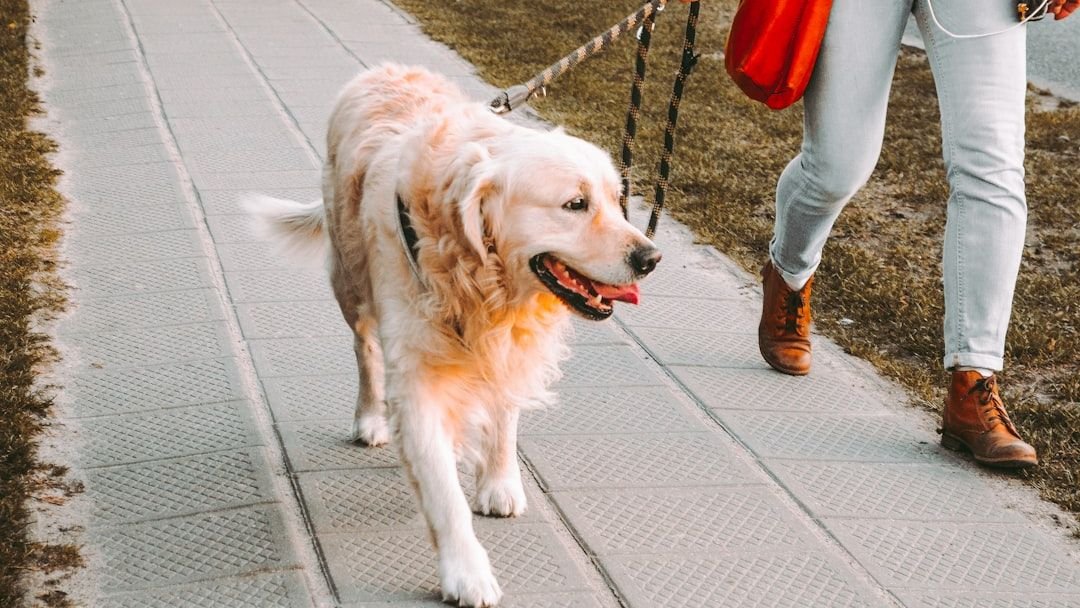
Picture this: it’s 6:30 in the morning. You’re tired, barely caffeinated, and the last thing you want to do is lace up your sneakers. Then those big eyes find yours, the tail starts wagging like a helicopter, and maybe – just maybe – a leash mysteriously appears at your feet. And somehow, just like that, you’re out the door.
Most dog owners think of the daily walk as an obligation. A task to tick off the list between emails and errands. But honestly, that couldn’t be further from the truth. The simple act of walking your dog is quietly one of the most powerful health habits you can build – for both of you. What happens out there on the sidewalk, in the park, or along the trail is far richer and more transformative than most people realize. Be surprised by what science, canine behavior experts, and plain old daily experience have to say about it.
The Physical Health Payoff Is Bigger Than You Think
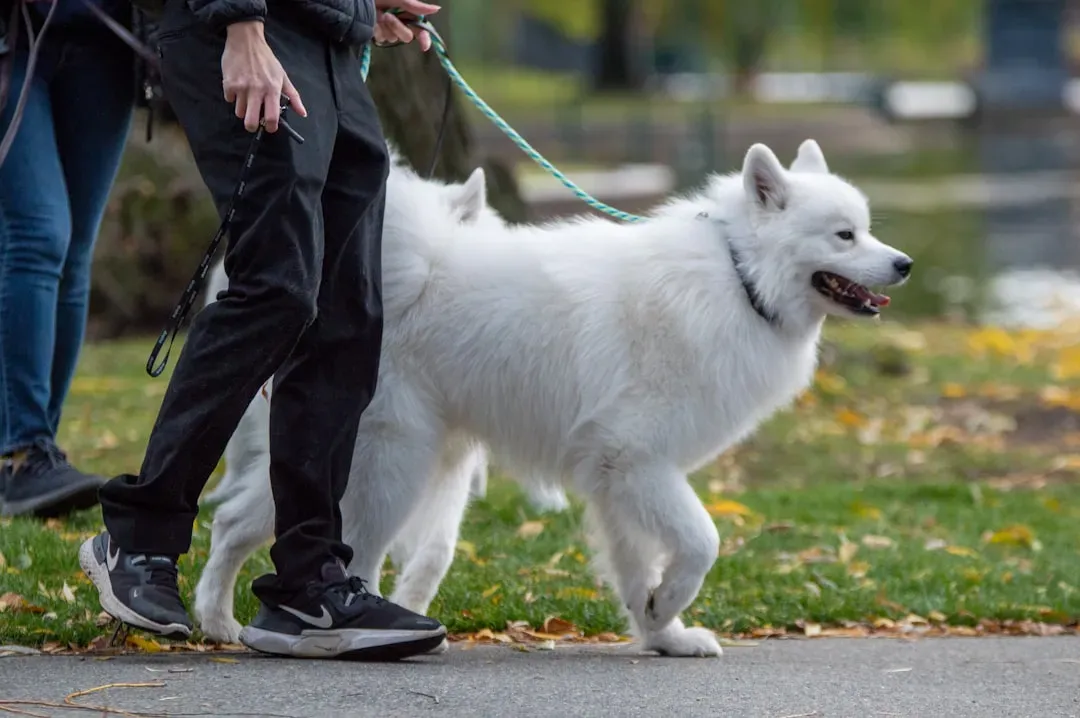
Let’s be real – most of us struggle to hit the exercise targets that health professionals recommend. Adults are advised to undertake at least 150 minutes of moderate to vigorous physical activity per week, but this target is achieved by fewer than half of U.S. adults. Dog ownership quietly changes that equation. The odds of dog owners meeting current physical activity guidelines of 150 minutes per week are four times greater than for people who don’t own dogs. Four times. That’s not a small nudge – that’s a complete lifestyle shift.
Walking for just 30 minutes a day can reduce the risk of coronary heart disease, osteoporosis, colon and breast cancer, and Type 2 diabetes. Think about that for a second. A habit as simple as strolling around the block with your dog is quietly chipping away at some of the most serious health risks we face. That same 30 minutes of light-to-moderate dog walking can also help you achieve deeper, more restful sleep. Your dog gets their daily dose of fresh air, and you get a longer, healthier life. Sounds like a very fair trade.
Individuals who do not own a dog had a nearly two-fold greater chance of being overweight, while those who did not walk their dog had significantly higher odds of being overweight compared with dog walkers. So it’s not just about owning a dog – it’s specifically about walking one. Think of it like having a personal trainer who never cancels, never judges you, and always shows up with boundless enthusiasm. Your dog is that trainer.
Your Dog’s Mental Health Depends on It More Than You Know
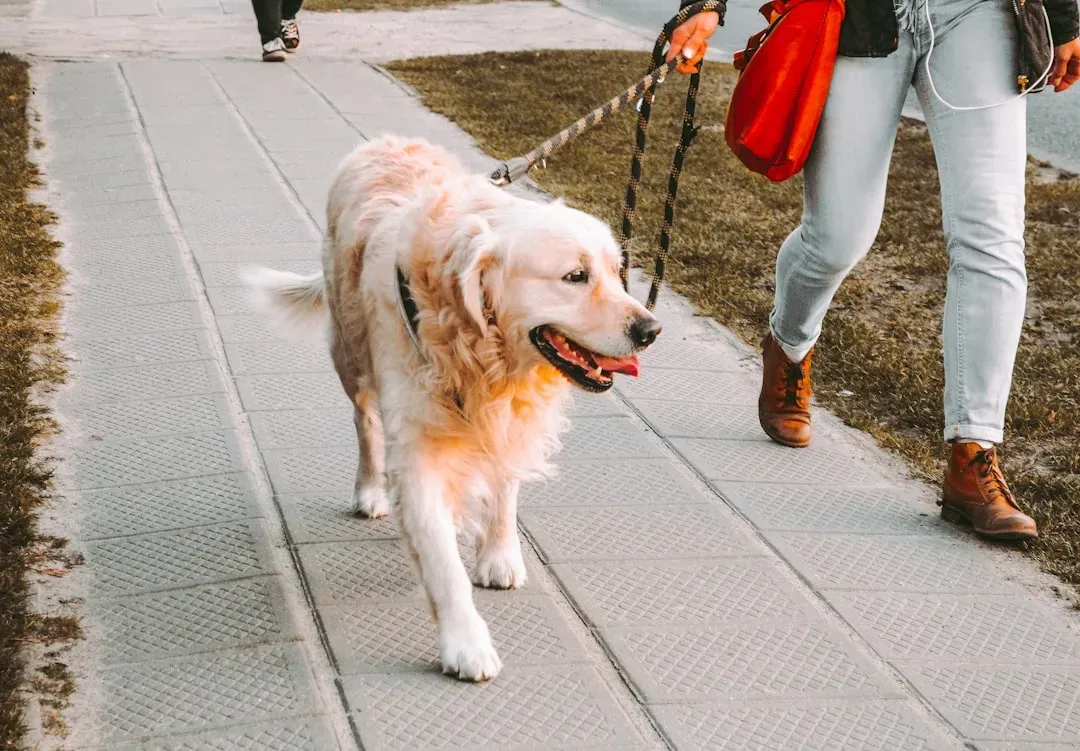
Dogs, much like humans, require regular physical activity to stay mentally sharp and emotionally stable. Exercise helps to burn off excess energy that, if left unchecked, can lead to anxiety, destructive behavior, and even depression in dogs. I think this is the part many well-meaning owners miss. We feed them well, we love them deeply, we buy the fancy beds – but we underestimate just how much mental unraveling can happen when a dog doesn’t get out enough.
Going outside for dogs is not just about exercise – it’s about what they are doing with their brains. It’s about exploring their environment, sniffing around, and collecting information. When they can’t do that, frustration and anxiety kicks in and they’ll find ways to soothe themselves, and a lot of the time that looks destructive. That chewed couch leg or shredded pillow? It’s probably not rebellion. It’s boredom wearing a very expensive disguise.
The routine of a daily walk can provide dogs with a sense of security and stability. Dogs thrive on routine, and establishing a consistent walking schedule helps reduce stress and anxiety, making them feel more confident and at ease. Routine is everything to a dog. It’s their version of knowing the world makes sense. Walking is essential for maintaining muscle tone and appropriate weight, providing mental stimulation, aiding in developing confidence, and reducing the risk of anxiety and aggression. The walk does all of that. Just the walk.
Reading the Signs Your Dog Is Crying Out for More Movement

Here’s the thing – your dog is communicating with you constantly. You just need to know what to look for. If you notice your dog chewing what they shouldn’t, pacing at odd hours, barking more than usual, or appearing extra hyper or a bit down, these could be early signs your dog needs more exercise. These aren’t random bad behaviors. They are your dog’s version of raising their hand and saying, “Hey, I really need to get outside.”
A dog displaying tense body language, such as standing with a stiff posture and showing whale eyes – large, circular eyes with the whites exposed – is likely feeling stressed. If your dog stands near the door or alternates their gaze between you and the door, they’re probably signaling a need to go outside. Some dogs will be even more direct. Some dogs will bring their leash to you as a clear signal that they want to go outside. Honestly, if your dog is handing you their leash, that’s one of the most adorable and clear pieces of communication in the animal kingdom. Respect it.
A walk should be enjoyable, not exhausting. Watch for cues like fatigue: slowing down, heavy panting, and lying down mid-walk. Prevention goes both ways – watch for signs of over-exertion just as carefully as under-exercise. Recognizing signs of over or under-walking can help prevent injuries and ensure your dog gets the appropriate amount of exercise. Signs of over-walking may include muscular fatigue, hyperthermia, articulation trauma, behavioral fluctuations, and damage to paw pads. Know your dog’s personal limits, and always adjust accordingly.
The Mood-Lifting, Stress-Busting Power of Walking Together
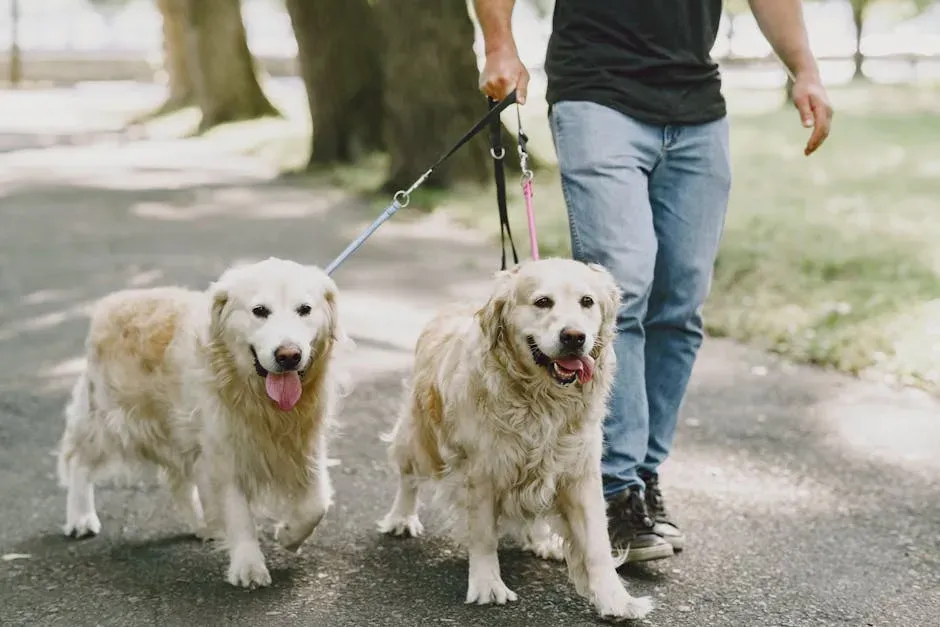
It’s not your imagination that you feel better after a walk with your dog. There’s real science behind that quiet calm that settles in after you’ve been out for even twenty minutes. Walking your dog might seem like a simple daily routine, but it is a powerful tool for improving mental health. Beyond keeping your pup healthy, those regular walks help you release endorphins – the body’s natural mood boosters. These “feel-good” chemicals play a major role in reducing stress, lifting your mood, and increasing overall happiness.
Being outdoors exposes you to fresh air and sunlight, both of which enhance serotonin levels – another mood-regulating chemical. Combining endorphins from movement with serotonin from sunlight creates a double dose of positivity. It’s like a two-for-one deal that nobody advertises. A daily walk with your dog can reduce the chances of humans developing depression, anxiety, and stress disorders, partly because this light physical activity boosts calming GABA chemicals in the body. Researchers also found that stress-inducing chemicals were found to be significantly lower in regular dog walkers.
A daily walk reduces stress, boosts mood, and increases mental energy. Additionally, the routine of walking a dog every day can be a healthy distraction from negative thoughts. Think of it like a mental reset button that resets automatically every single day. Because dogs thrive on consistency, you’re more likely to stick with the habit, ensuring that you reap the long-term mental health benefits. Your dog’s need becomes your discipline, and your discipline becomes your healing.
Walks Build Community, Connection, and Bonds That Last
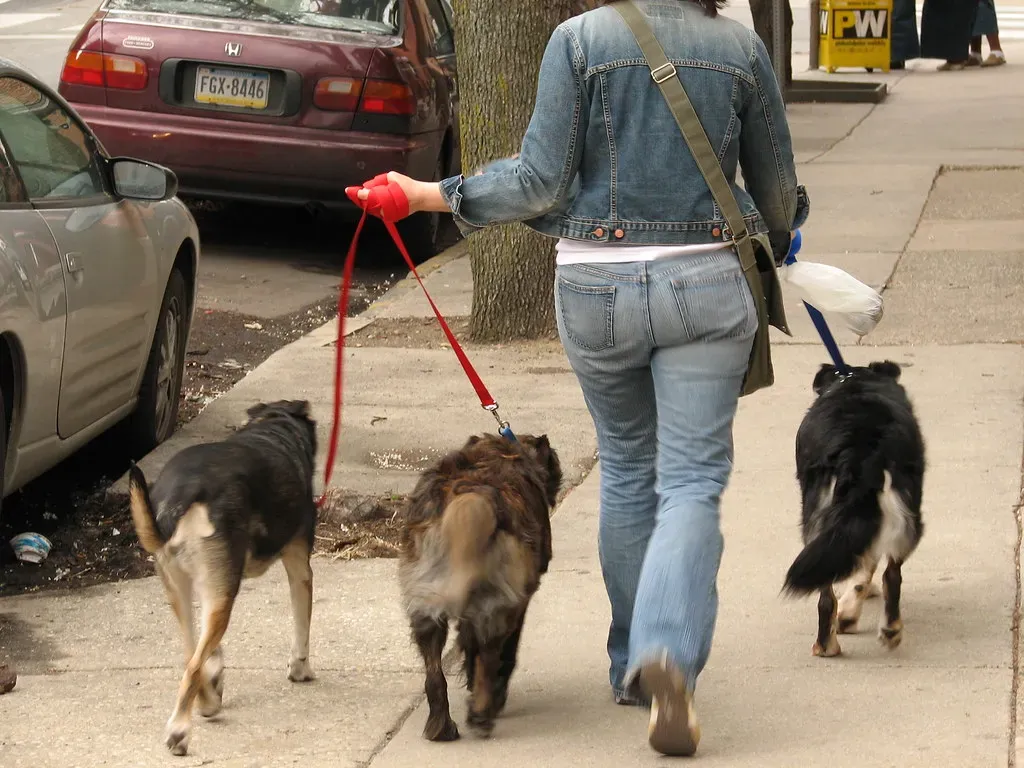
Dogs are social magnets. Walk down a busy street alone and people barely glance your way. Walk the same route with a golden retriever and suddenly strangers are smiling, stopping, and swapping stories. Simply walking down the street with a dog can lead to significantly more social interactions than walking without a dog. It might sound like a small thing, but in a world where loneliness is quietly reaching epidemic proportions, those sidewalk conversations matter enormously.
A recent poll found that out of the 2,000 dog owners surveyed, nearly half of the participants made friends while walking their dogs. Nearly half! That’s a staggering number when you think about it. Older dog owners in particular had increased opportunities for contact and social interaction with new people and neighbors, particularly when walking the dog. Establishing social and support networks for dog owners contributes to their satisfaction with life and ability to overcome loneliness. In communities where isolation is a real problem, a daily dog walk can be nothing short of life-changing.
Owning a dog has been linked to better mental health and a lower perception of social isolation, which can reduce the risk of heart attacks and cognitive issues. The ripple effects go far beyond the walk itself. In a study of more than 800 people over 50, those who walked a dog at least four times per week were more likely to report feeling a strong sense of community, compared to people who didn’t own a dog. That sense of belonging – of being known in your own neighborhood – is something money genuinely cannot buy. Your dog, it turns out, is quietly engineering your social life.
Conclusion: One Leash, Two Lives Changed
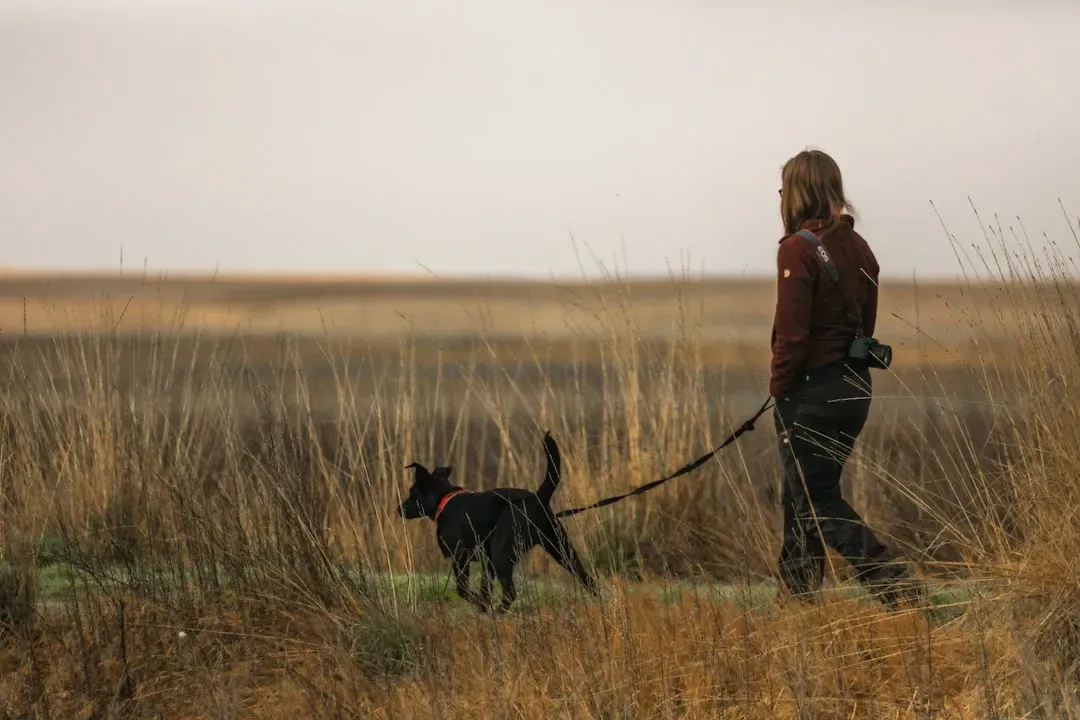
It’s hard to say for sure which gift is greater – what the walk gives your dog, or what it quietly gives you. The research is clear, the behavioral science is compelling, and if you’ve been on a good long walk with a happy dog lately, your heart already knows the answer. The human-animal bond has been recognized as having positive effects on the health and well-being of both humans and pets. That bond is built step by step, sniff by sniff, one morning walk at a time.
The daily walk is never just a walk. It’s a cardiovascular workout, a therapy session, a social event, a mental reset, and a love language – all rolled into one leash-length adventure. Daily walks remain the cornerstone of most dogs’ routines, and for good reason. They provide physical movement, environmental enrichment through new smells and sights, and valuable socialization opportunities. So tomorrow morning, when those hopeful eyes find yours, remember: you’re not just taking your dog for a walk. You’re choosing health, connection, and joy – together.
What does your daily walk routine look like right now – and could it use a little more intentionality? We’d love to hear your thoughts in the comments below.


