
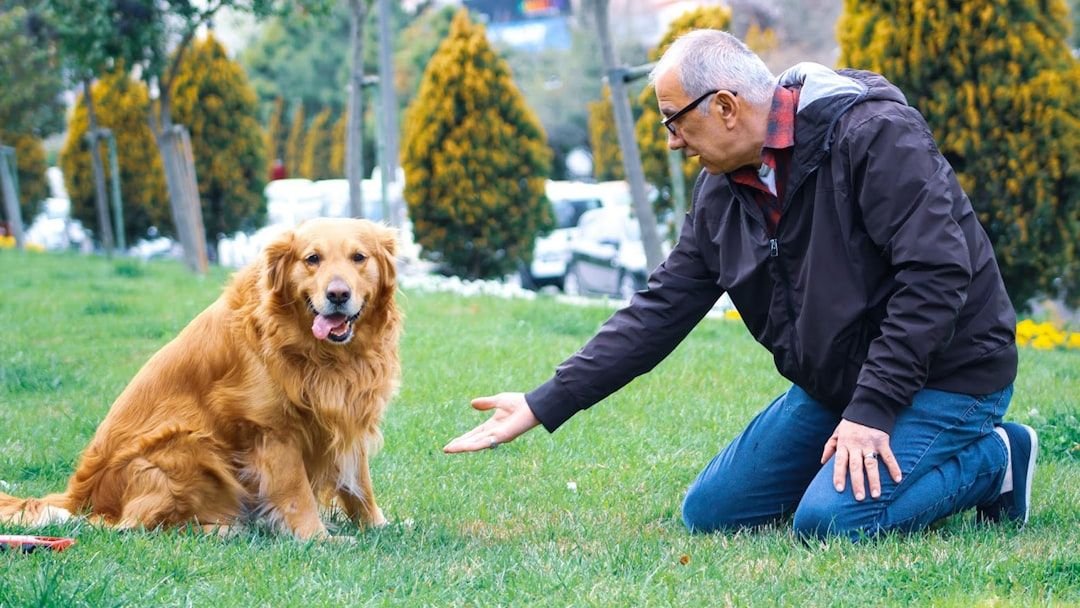
Picture this: you walk into a shelter, fully prepared to fall head over heels for a wiggly, wide-eyed puppy. Then, from across the room, an older dog with a silvery muzzle lifts their head and locks eyes with you. Calm. Steady. Soulful. Something shifts inside you. That is the quiet magic of a senior dog, and honestly, it catches a lot of people completely off guard.
Most of us have been conditioned to think that younger automatically means better. Fresher start, more time together, more memories to make. It is a perfectly human instinct. So when I tell you that some of the most profound, life-changing dog relationships people ever experience come from choosing the grey-muzzled dog waiting at the back of the kennel, I really mean it. Let’s dive in.
The Numbers Don’t Lie: Senior Dogs Are Being Left Behind
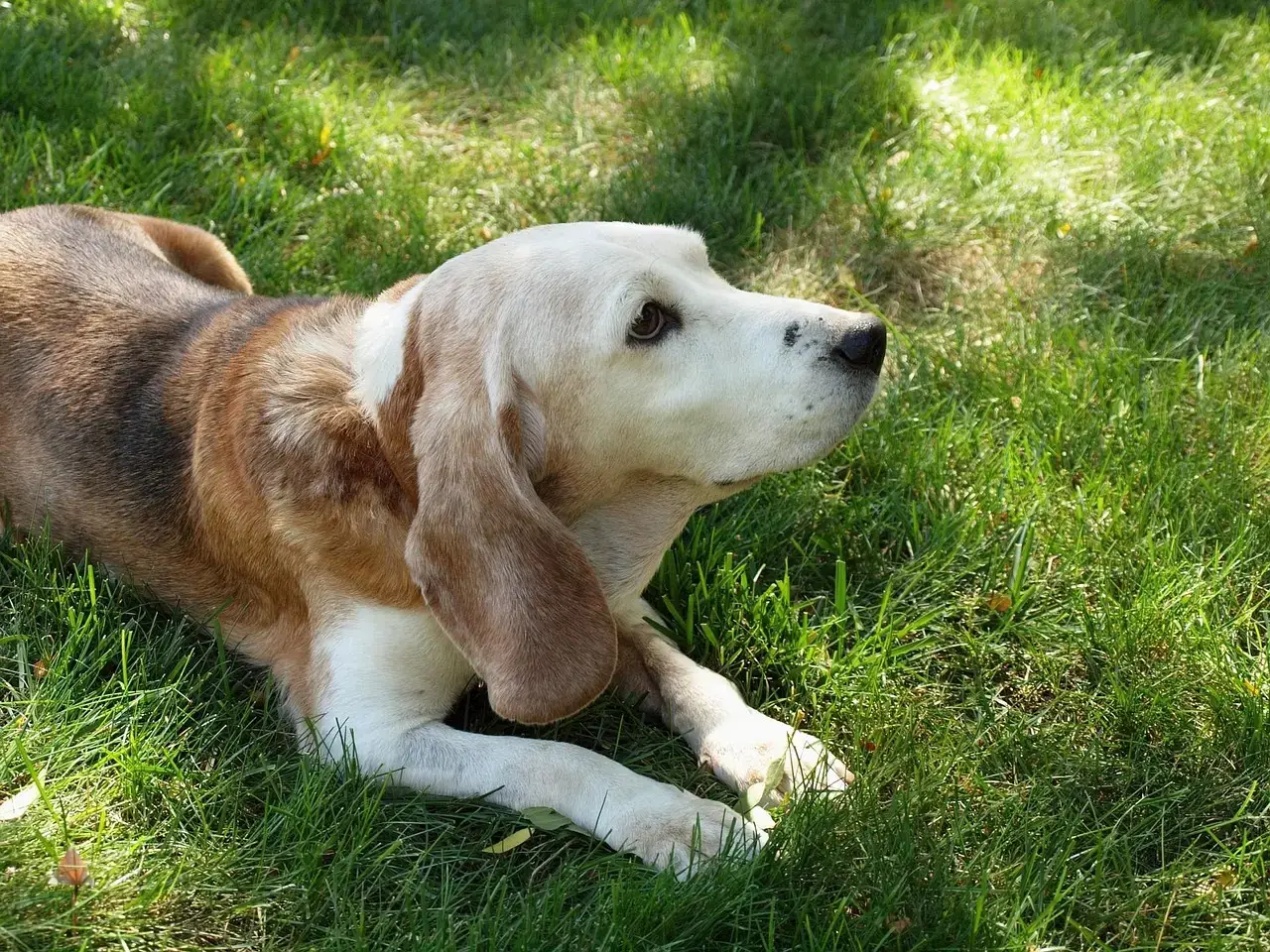
Here is a stat that should stop you in your tracks. While roughly 60 percent of puppies and younger dogs get adopted, only about a quarter of senior dogs ever find new homes. Strikingly, their presence in shelters often has nothing to do with behavioral issues. They did not end up there because they misbehaved. Life simply happened to their people.
Older dogs often end up in shelters after their owners pass away, get sick, or transition to assisted living. Think about that for a moment. These dogs were once someone’s whole world. Many senior dogs available for adoption were once owned and loved but, for one reason or another, found themselves in need of new homes through no fault of their own. They are not broken. They are just waiting.
Senior dogs are one of the most at-risk groups in shelters, as they are usually the last to be adopted, spending up to four times longer than younger dogs. That is not just a sad number. It is a call to action for every dog lover reading this.
What You Actually Get: The Real Perks of a Senior Dog
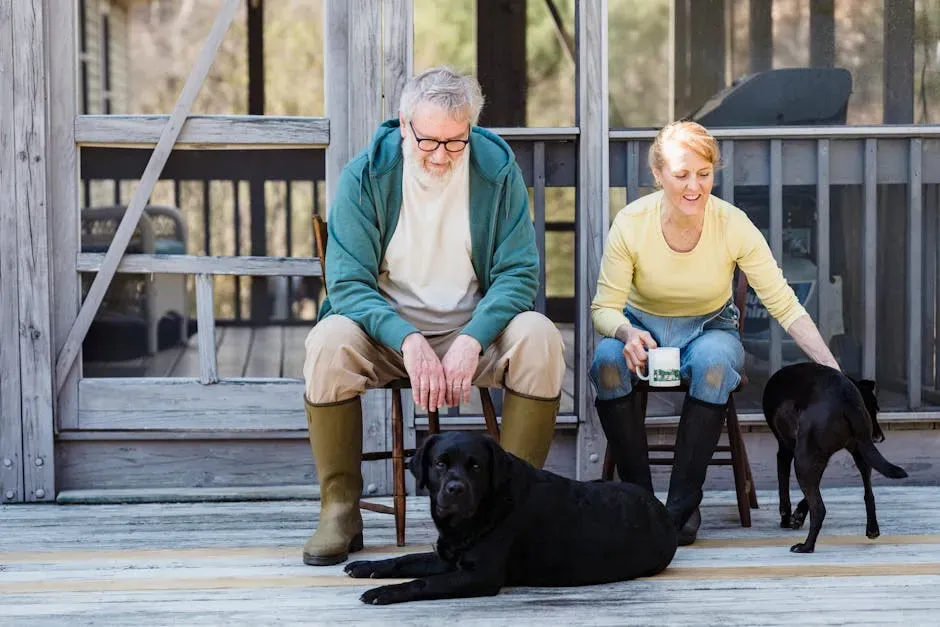
Let’s be real. People imagine adopting a senior dog as mostly sacrifice. In reality, you gain a whole lot more than you give. Senior dogs offer a unique blend of companionship and ease that can make them the perfect addition to many households. With their calmer demeanor, established training, and mature personalities, these older canines can seamlessly fit into your lifestyle without the challenges that come with raising a puppy.
An older dog can get as many as twelve to fourteen hours of sleep per day, and may also rest an additional thirty percent of their day. This means adult dogs may only be active roughly twenty percent of the day. Need to work from home without a tornado of fur destroying your concentration? A puppy demands to be the center of attention, while the senior dog is perfectly happy to relax by your side. Honestly, that sounds like the dream co-worker.
Adopting an older dog gives you instant knowledge. You will know from the start important things like their full-grown size, personality, and grooming requirements, which can make it easier to pick the right dog. No guesswork, no surprises. What you see is truly what you get.
Training and Behavior: Old Dogs, New Tricks (Yes, Really)
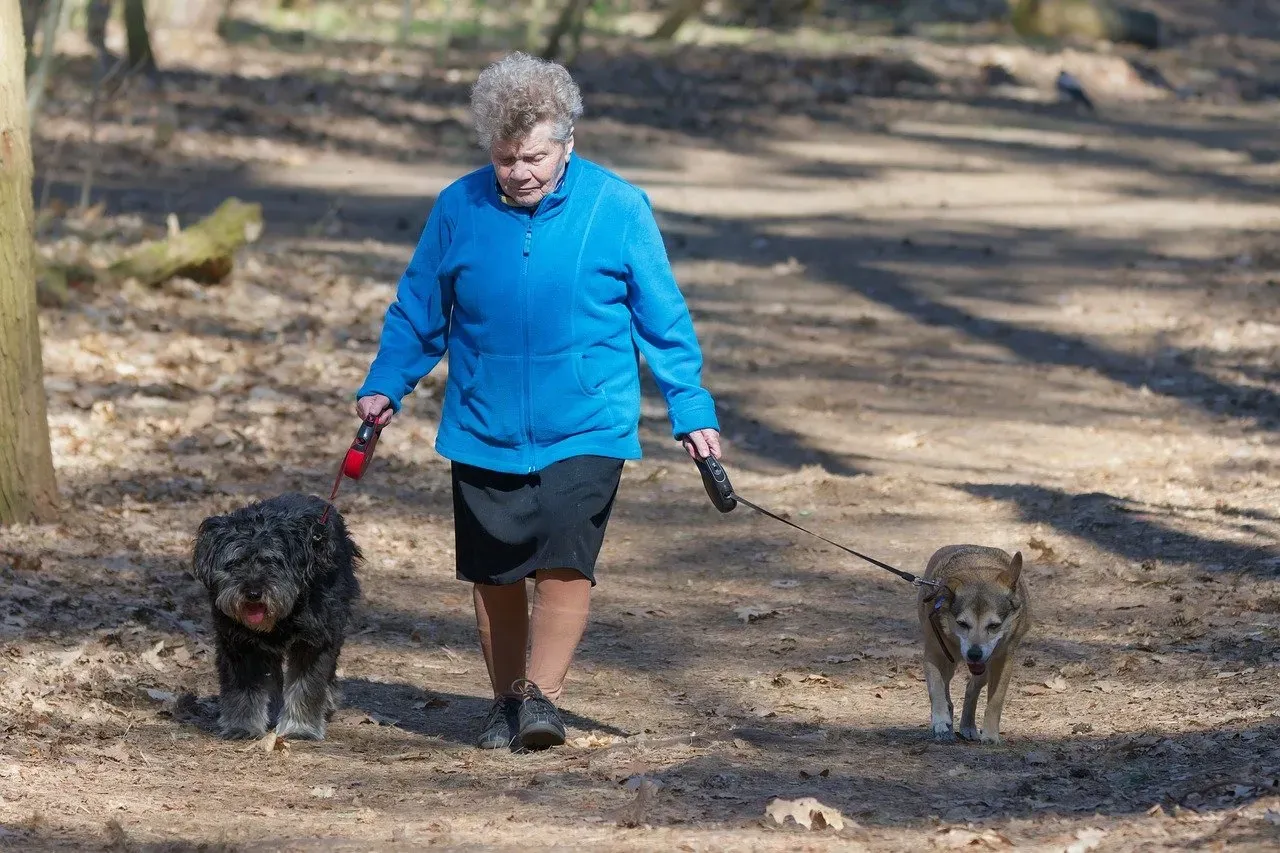
One of the biggest myths floating around is that senior dogs are set in their ways and impossible to work with. It is just not true. Dogs can be trained at any age, and older dogs are just as smart as younger ones. In fact, they can actually be easier to train because they are calmer and have a greater attention span than a puppy. Older dogs are more likely to already be housebroken and have good manners.
Senior dogs often come with life experience, predictable temperaments, and established manners. Many have lived in homes before and already understand basic commands and household rules. Think of it like hiring someone with years of experience versus someone who needs to be trained from scratch. Both have value, but one hits the ground running.
You can still teach an old dog new tricks. Senior dogs are generally eager and willing to learn, and if they are not yet housebroken, you can absolutely still teach them. A little patience and positive reinforcement go a long way, and the reward is a dog who is deeply grateful for the attention.
Health Signs to Watch For and How to Keep Your Senior Dog Thriving
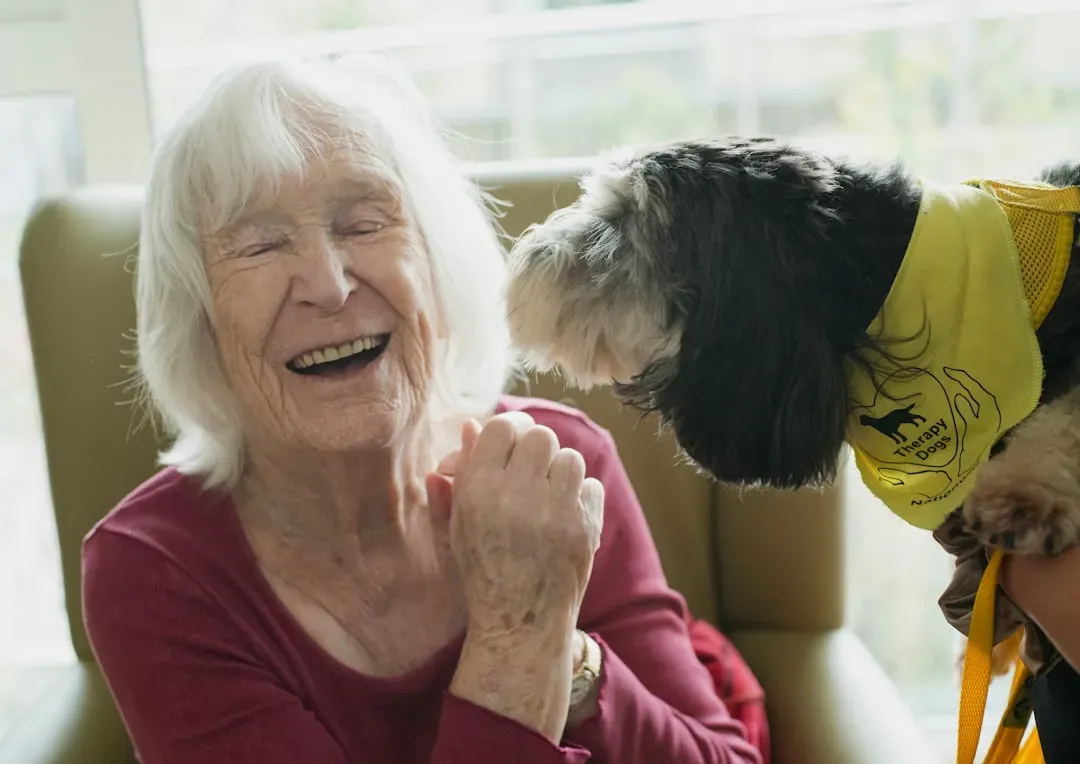
Here is the thing – yes, senior dogs do come with health considerations. Ignoring that fact would not be helpful to you or fair to them. Common health concerns for senior dogs include arthritis, dental issues, vision and hearing loss, and chronic conditions like diabetes or kidney disease. Regular veterinary check-ups are essential to monitor and manage these conditions effectively. Senior pets may also require special diets, supplements, or medications to maintain their health.
Watch for subtle behavioral cues that can signal something is off. A dog that suddenly resists stairs they used to climb easily, or one that seems startled easily by sounds, may be showing early signs of joint pain or hearing changes. Catching these early is everything. Be prepared to accommodate semi-annual veterinary checkups, special diets, and decreased mobility. The key is to address any and all health issues as early as possible, because catching health ailments before they worsen can sometimes rectify the issue entirely.
You can ensure your senior dog’s comfort and quality of life by providing regular veterinary care, a balanced diet, and appropriate exercise. Maintaining a comfortable, stress-free environment with soft bedding, accessible food and water, and plenty of affection is also crucial. Monitoring for signs of pain or discomfort and addressing any health issues promptly will help keep your senior dog happy and healthy.
The Emotional Bond and the Unexpected Gift You Give Yourself
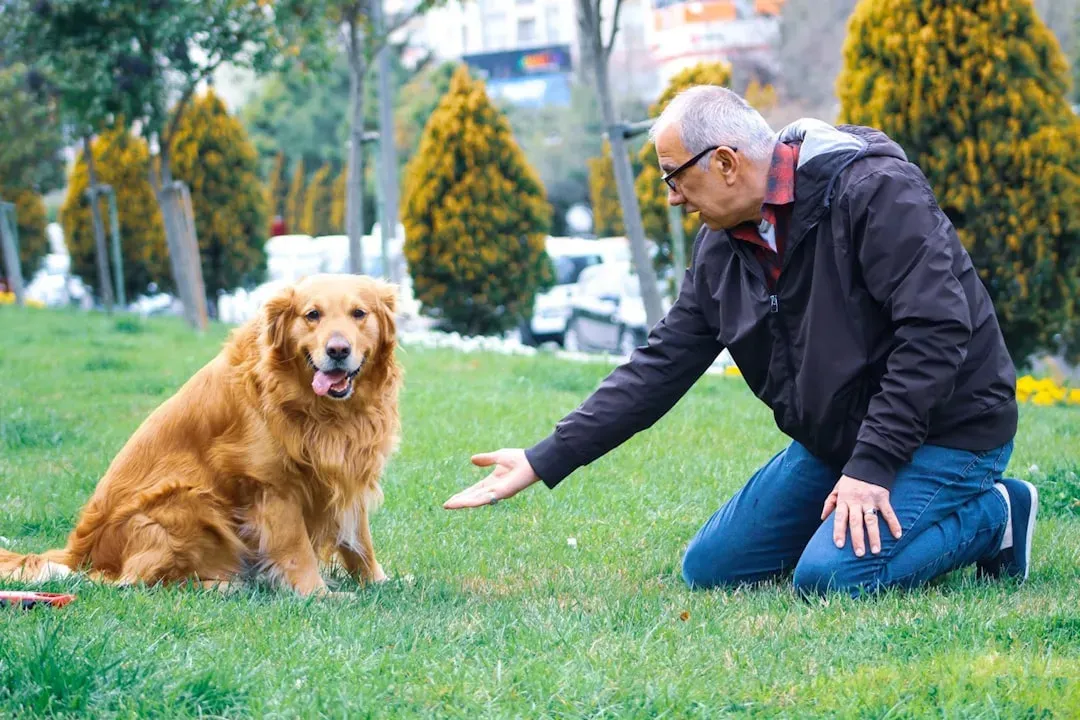
I think this is the part nobody warns you about enough. The bond that forms with a senior dog is unlike anything else. It is quieter than the chaotic love of puppyhood, deeper somehow, and it settles into your life like a warm blanket on a cold evening. Owning a senior dog can have tangible health benefits for humans. Pet ownership, in general, can reduce stress, lower blood pressure, and increase physical activity. With senior dogs, these benefits are coupled with the therapeutic presence they offer, as their calm demeanor can be particularly soothing.
A common misconception is that older dogs are more distant since they are more independent. However, this is not the case. Older dogs actually form strong bonds with their new owner and tend to be very loyal, since the owner is responsible for bringing them into a better living environment. It is almost like they know. Many adopters describe it as a quiet, wordless gratitude that fills every room their dog walks into.
The bond you will form with a senior dog is unlike any other. There is something special about giving an older dog the loving retirement they deserve. While the time you have together might be shorter than with a puppy, the quality of that time and the difference you make in their life is immeasurable. Every single day counts, and somehow that makes each one feel more intentional.
Conclusion: The Dog Who Might Just Change Your Life Is Waiting Right Now
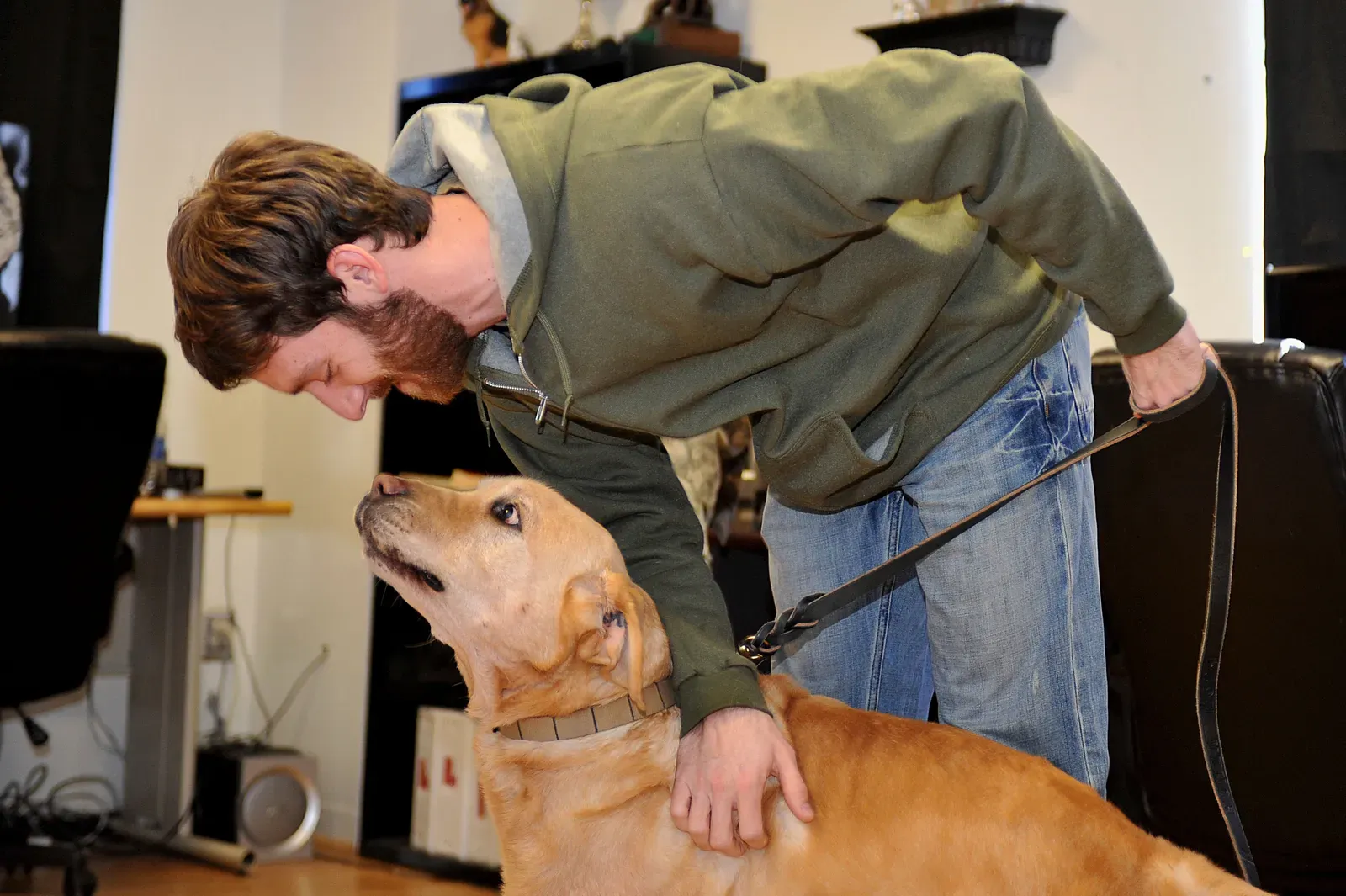
Choosing a senior dog is not settling. It is not a consolation prize because all the puppies were taken. It is a deliberate, heart-led decision to welcome a dog who has loved before, who has lived a life, and who still has so much warmth left to give. Welcoming a senior dog into your life is a profoundly enriching experience that blends deep emotional bonds with practical caregiving. It is a beautiful commitment to nurturing a faithful companion through their twilight years, offering a unique, rewarding relationship that touches the heart in unexpected ways.
So the next time you visit a shelter, let your eyes drift past the jumping, yipping puppies, just for a moment. Find the older dog sitting quietly in the corner. Sit with them. Let them sniff your hand. Adopting a senior dog means opening your heart to a grateful companion who will enrich your life in countless ways, offering immediate companionship without the exhausting demands of puppyhood.
The dog who might just change your life is already there, waiting patiently with all the wisdom of their years. The only question is: are you ready to give them the chapter they deserve?


