

You’ve probably scrolled past them at the shelter. The ones with gray muzzles resting their heads on paws, watching younger pups bounce around getting all the attention. Those older dogs with wisdom in their eyes and stories you’ll never fully know. They wait patiently while families rush past toward the puppy section. It’s heartbreaking, honestly, because these senior dogs have something puppies simply can’t offer. They have presence. They have gratitude. They have an incredible capacity to transform your life in ways you never imagined.
Let’s be real, adopting any dog is a commitment. Yet there’s something profoundly special about opening your home to a senior dog, and I think more people need to understand what they’re missing.
They Come With Life Skills That Save Your Sanity
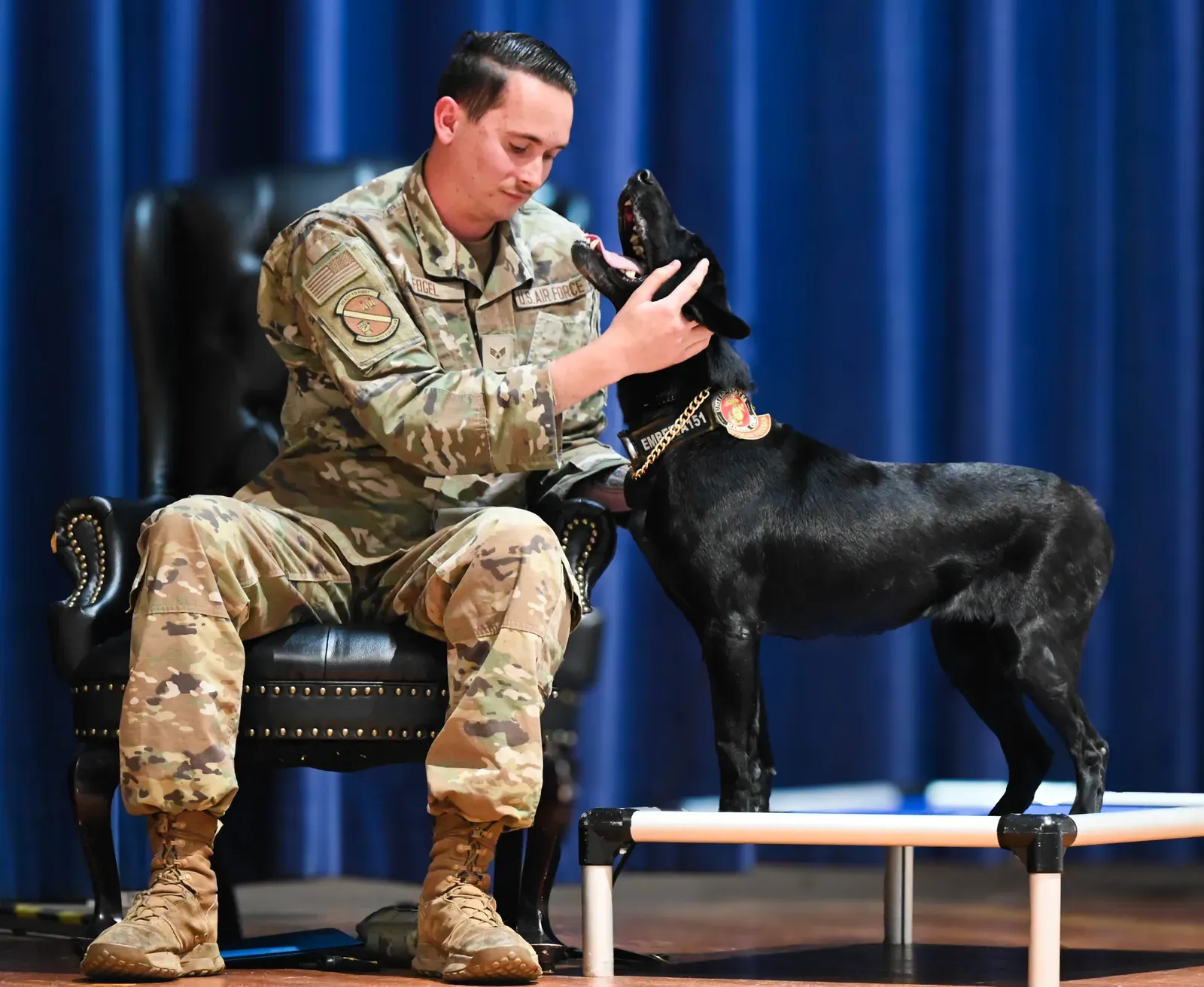
Here’s the thing about senior dogs: most are calmer, more experienced and house-trained. No midnight potty training sessions or coming home to shredded furniture. Older dogs are typically housebroken and are still capable of learning new behaviors, which means you’re getting a companion who already knows the rules of living with humans.
Think about it. An older dog is more receptive to newer commands due to experience, and potty training, feeding, cleaning, and walking are easier and less demanding. You’re not raising a puppy who thinks your favorite shoes are chew toys. Professional trainers say an older dog will have life experiences that help them be more confident in certain situations, with more focus and ability to learn skills quickly.
The Calm Energy That Matches Real Life
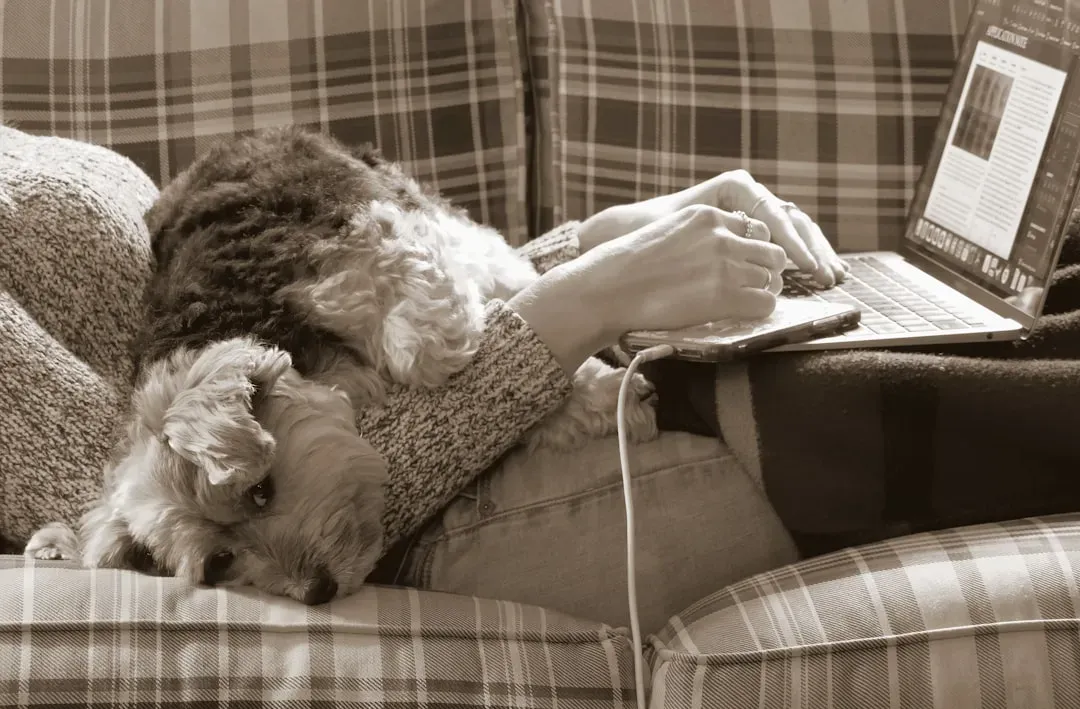
Not everyone can handle a puppy’s chaos at sunrise. Lower energy levels make spending quality bonding time easier, ideal for those who prefer relaxing on the couch. This doesn’t mean your senior dog will be lifeless on the sofa forever, though.
Many are still plenty active and ready for adventures, whether it’s a stroll around the block or a car ride to a new place. The beauty is in the balance. Senior dogs are generally calmer and more relaxed, benefiting families used to living a more relaxed lifestyle who still want a canine companion. They’ve outgrown that puppy wildness where everything is a potential toy or threat.
What You See Is What You Get

Adopting a puppy comes with mysteries. Will they grow to be massive? Will their personality change from sweet to stubborn? With senior dogs, all that guesswork vanishes. Senior dogs are already full-grown, meaning pet parents know exactly what to expect, including the dog’s temperament.
When you adopt a senior pet, what you see is what you get physically, as they are already at their full size, making it easier to visualize whether they’ll be the perfect fit for your home and family. No surprises about adult size or eventual grooming needs. You can meet them at the shelter and know precisely who’s coming home with you. Their personality is established, their quirks are visible, and their compatibility with your lifestyle becomes immediately clear.
The Gratitude That Fills Your Heart
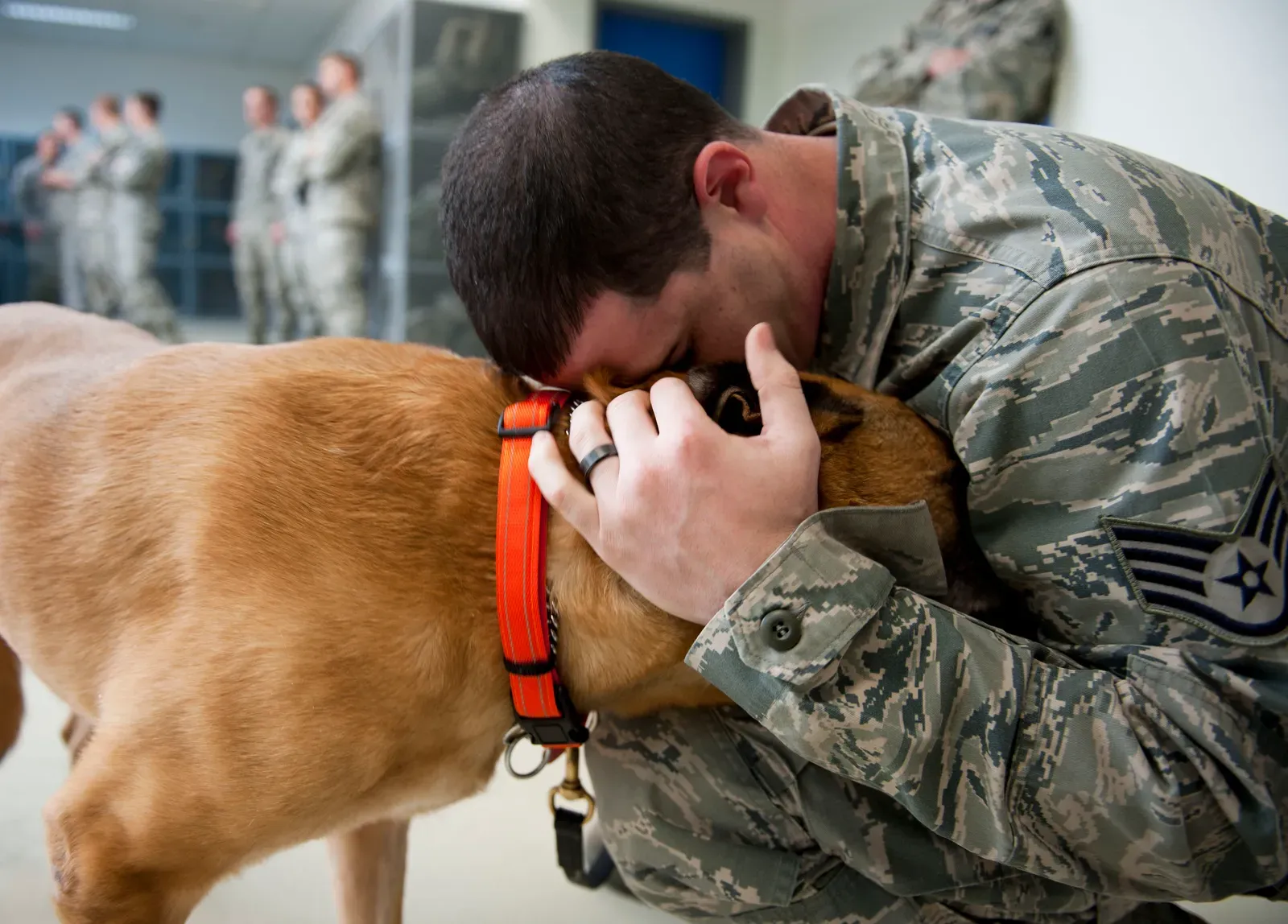
There’s something in a senior dog’s eyes when they realize they’re getting a second chance. Elderly dogs can almost instantly bond with you, as they see you as a lifesaver, and are eager to bond and settle into their new, loving home, showing appreciation with frequent cuddles, licks, and closeness. It’s not just your imagination.
Senior dogs seem to show gratitude to their adopters, appearing as a quiet, soulful appreciation for being given a second chance, and after settling in, they’re typically affectionate, intuitive, and content simply being near their people. Many senior dog adopters describe this unique connection as life-changing. These dogs have often lost their original families through no fault of their own. Older dogs tend to be surrendered more for human issues like the owner becoming ill, moving into nursing care, or passing away, meaning they were once cherished companions.
Caring for Your Golden Companion
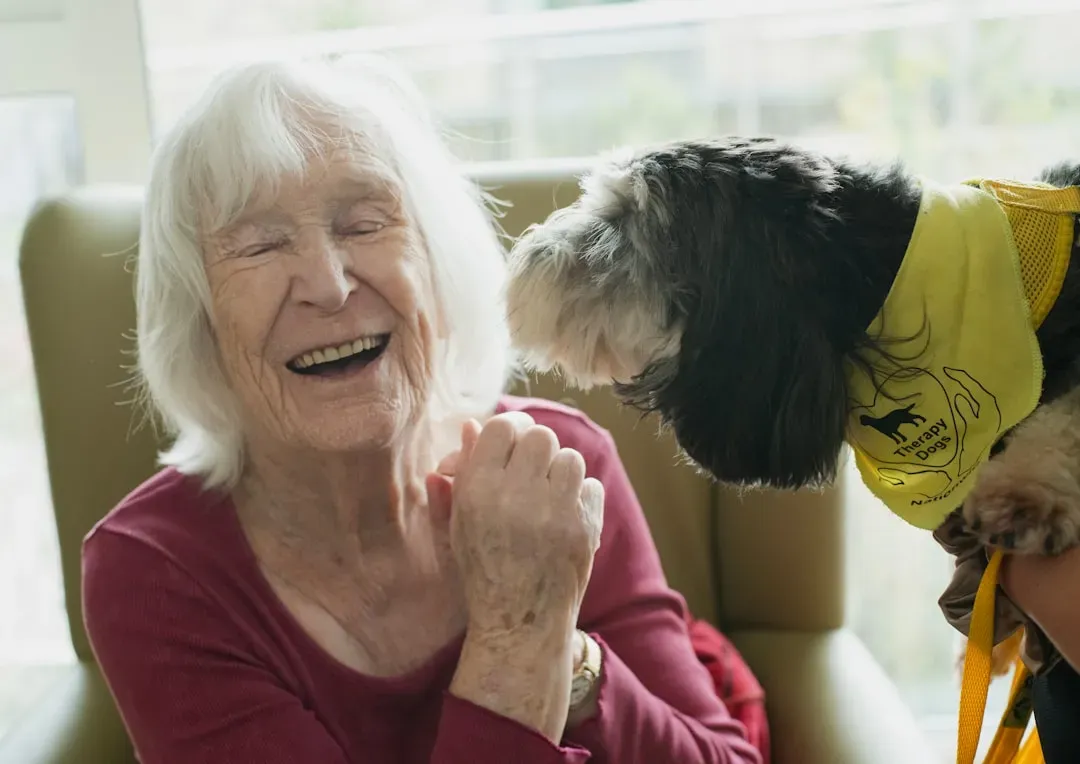
Yes, senior dogs need some extra attention, and you should know what you’re signing up for. Twice-yearly veterinary checkups are essential for senior pets because their health status can change rapidly. Watch for behavior shifts or physical changes. Increased water consumption or urination is associated with diabetes and kidney and liver disease, so monitor their daily habits closely.
Schedule a veterinarian visit as soon as you can to identify any underlying health conditions early so that long-term management can be discussed. If your senior dog has mobility issues, block off stairs with a pet gate, use dog stairs or a ramp for cars and furniture, and consider senior products like elevated food bowls and an orthopedic dog bed. Small adjustments in your home create massive improvements in their comfort and quality of life.
Conclusion
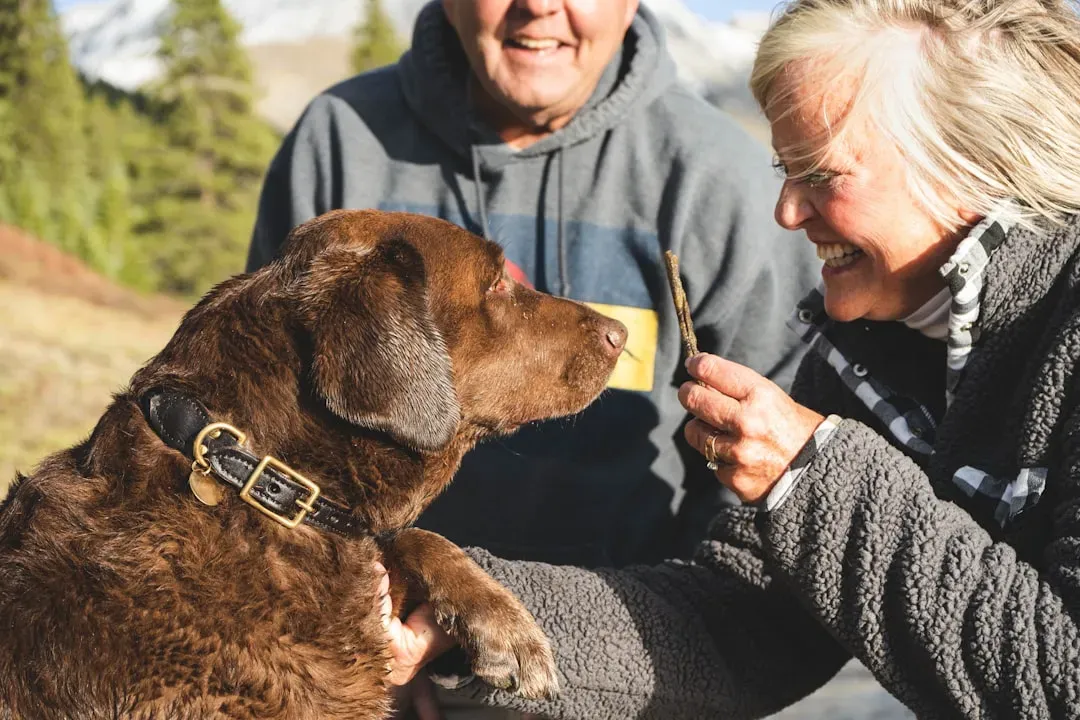
Adopting a senior dog isn’t the easy path, nor is it the trendy one. Senior dogs have a 25% adoption rate, compared to a 60% adoption rate for younger dogs and puppies. Those numbers are devastating when you consider what these dogs offer. They provide companionship without the chaos, wisdom without the work, and love that feels like pure gratitude.
There’s a deep emotional reward in knowing you’ve given a senior dog comfort and love in their golden years, and it might even be good for your health, as studies show that spending time with dogs reduces stress and lowers blood pressure. You’re not just saving a life. You’re enriching your own in ways that stay with you long after they’re gone.
So next time you visit a shelter, walk past the puppy section. Look for the gray muzzles and the patient eyes. Give a senior dog the chance they deserve. What do you think? Could you be the person who changes everything for one of them?


