

Have you ever caught yourself wondering what’s really going through your dog’s mind when they let out that particular whine or bark? Every groan, yip, and howl carries meaning. Dogs talk to us constantly through sound, yet we’re only beginning to fully appreciate the richness of their vocal language.
Think of it like learning a new language, one without words but packed with emotion, intent, and urgency. Your dog might not speak English, but they’re fluent in something far more primal. They’ve been refining their communication skills since they were tiny puppies, and by now, they’ve figured out exactly which sounds get your attention fastest. Let’s decode what they’re really saying.
Barking Is More Nuanced Than You Think

A higher-pitched bark typically signals excitement, while a repetitive and monotone bark often indicates boredom, and a sharp, intense bark alerts you to sounds or sights. The context matters immensely. If your dog barks at the window with ears perked and tail high, they’re probably alerting you to something they’ve spotted outside. On the other hand, that same dog barking with a wagging tail and relaxed face is likely expressing joy.
A prolonged string of barks with moderate to long intervals between each one typically signals loneliness or a need for companionship, while one or two sharp, short barks of high or midrange pitch serve as a typical greeting sound. Pay attention to the rhythm and pitch. Dogs don’t just bark randomly. They’re master communicators when we take the time to listen properly.
Whining Often Signals a Specific Need or Feeling

Dogs use whining to express specific needs such as going outside, a desire to play, or feelings of hunger, unhappiness, pain, anxiety, or excitement. It’s their multipurpose tool for getting what they want. Picture a toddler tugging at your sleeve – that’s essentially what your dog is doing with sound.
That high-pitched whine near the back door? Pretty obvious. The whine while staring at their leash? They’re practically begging for a walk. Yet whining isn’t always about wants. Dogs can also whine, groan, or even yelp when experiencing pain or discomfort, and if you suspect these sounds are due to a medical concern, consulting with a veterinarian is important. Look at their body language. Are they limping, panting heavily, or avoiding eye contact? Those are your clues that something might be wrong.
Growling Isn’t Always a Threat
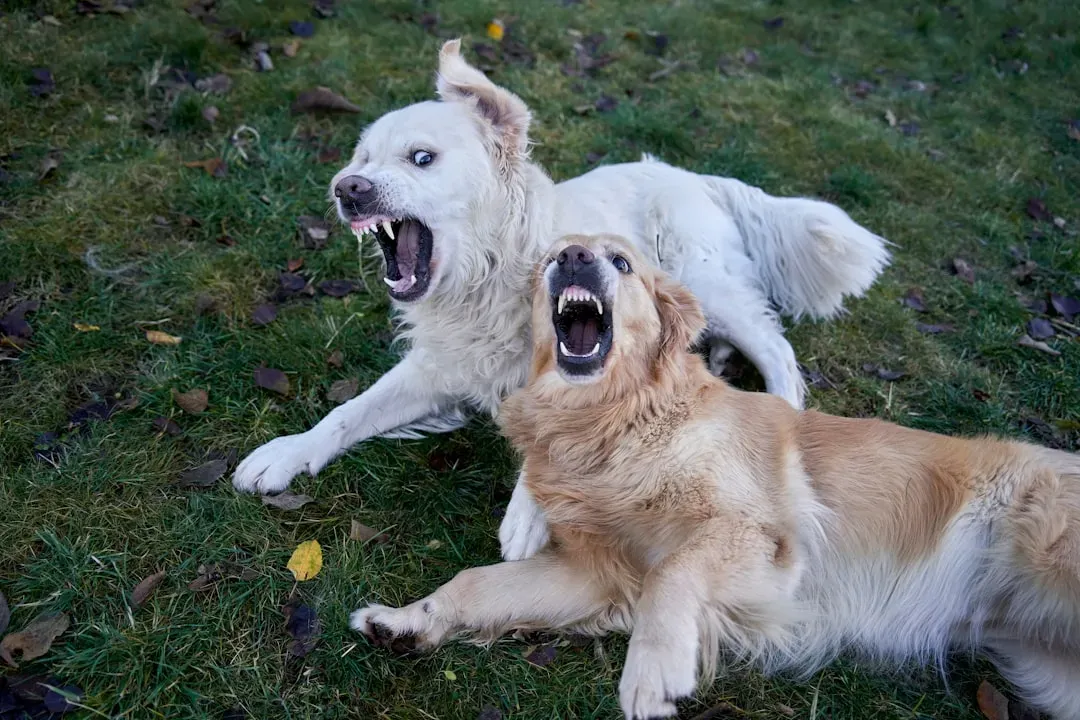
Let’s be real – hearing your dog growl can be unnerving. However, not all growls are created equal. Though dogs can growl while playing, they tend to use growling when they are fearful, upset, sensing a warning or threat, or protecting their territory. Context is everything here. A growl during a tug-of-war game, accompanied by a wagging tail and loose body posture, is completely different from a stiff-bodied growl with raised hackles.
Growling can help prevent potentially dangerous situations, such as a bite, by signaling to others to stay back or indicating a personal boundary has been crossed. In other words, your dog is actually showing restraint by growling. Research has found people are actually quite good at discerning when a growl is serious versus when it’s playful. Trust your instincts and observe the whole picture – their ears, tail, stance, and facial expression.
Howling Connects to Ancient Instincts

Howling is a distinctive and long vocalization, often transitioning from a low to high pitch, that reflects long-range communication instinct passed down through ancestral ties to wolves. Some breeds howl more than others. Huskies, Beagles, and Malamutes are notorious for their vocal concerts. They’re not trying to annoy you – honestly, they’re just doing what comes naturally.
Dogs commonly howl in response to high-pitched tones such as alarms, doorbells, and loud or upbeat music, which are inaudible to humans but detectable by dogs. Ever notice your dog howling along to a siren or a particular song? They might be responding to frequencies you can’t even hear. Howling can also indicate loneliness or separation anxiety, especially if your dog does it primarily when left alone.
Sighing and Groaning Reveal Contentment or Disappointment

Sighing or groaning can happen when a dog is settling down to rest or being petted, but it can also be a sign of disappointment, such as when it is not mealtime yet or they’re not getting to go for a walk when they want. If your dog lets out a deep sigh while curling up next to you on the couch, that’s pure contentment. Their eyes might be half-closed, their body completely relaxed. It’s the canine equivalent of “Ahh, this is the life.”
Yet sometimes that groan carries a hint of melodrama. You know the one – when you walk past the leash without picking it up, or when dinner is still ten minutes away. They’re letting you know they’re not thrilled about the situation. It’s harmless and often quite endearing, a little window into their emotional world.
When Vocal Changes Signal Health Concerns

If there are any significant or persistent changes in a dog’s vocalization patterns, owners should schedule an appointment with a veterinarian, behaviorist, or trainer. Sudden hoarseness, excessive whining, or unusual silence can all point to underlying issues. Dogs don’t fake illness – if something sounds off, it probably is.
If a dog is barking from anxiety, which often sounds high-pitched and increases in frequency, veterinary or behavioral intervention may be necessary to address the underlying cause. Pain, respiratory infections, laryngeal problems, and even anxiety disorders can change how your dog sounds. Keep track of what’s normal for your dog, so you’ll notice when things shift. Early detection makes all the difference.
Conclusion

Your dog’s sounds aren’t random noise – they’re deliberate attempts to communicate their needs, emotions, and thoughts. Understanding the meaning behind different vocalizations can help owners address their pets’ needs more effectively, leading to a stronger bond and a happier, healthier dog. Every bark, whine, growl, howl, and sigh is a piece of the conversation.
The more you listen – really listen – the better you’ll understand what your dog is trying to tell you. It takes patience and observation, but the payoff is a deeper connection with your furry companion. What sound does your dog make most often? Have you figured out what they’re trying to say?


