

You see them everywhere. Golden Retrievers bounding through parks with tongues lolling. Labs greeting strangers with tail wags that could power windmills. Cavaliers gazing at their people with eyes so warm they could melt glaciers. These dogs seem made of pure sunshine and loyalty.
We adore them for it. We choose them as family companions, therapy dogs, emotional support animals. Their cheerful demeanor brings comfort to nursing homes, hospitals, and anxious homes alike. They look perpetually content, and honestly, that’s exactly what we need them to be.
Yet here’s what most people miss. These same happy-faced breeds often hide profound inner struggles, an evolutionary trait from their ancestors who learned that showing vulnerability could be risky. The wagging tail might mask chronic pain. The eager greeting could conceal crushing anxiety. The dog who seems endlessly patient might be silently drowning in stress. Let’s explore what really goes on beneath all that apparent joy.
When Boundless Love Becomes a Burden
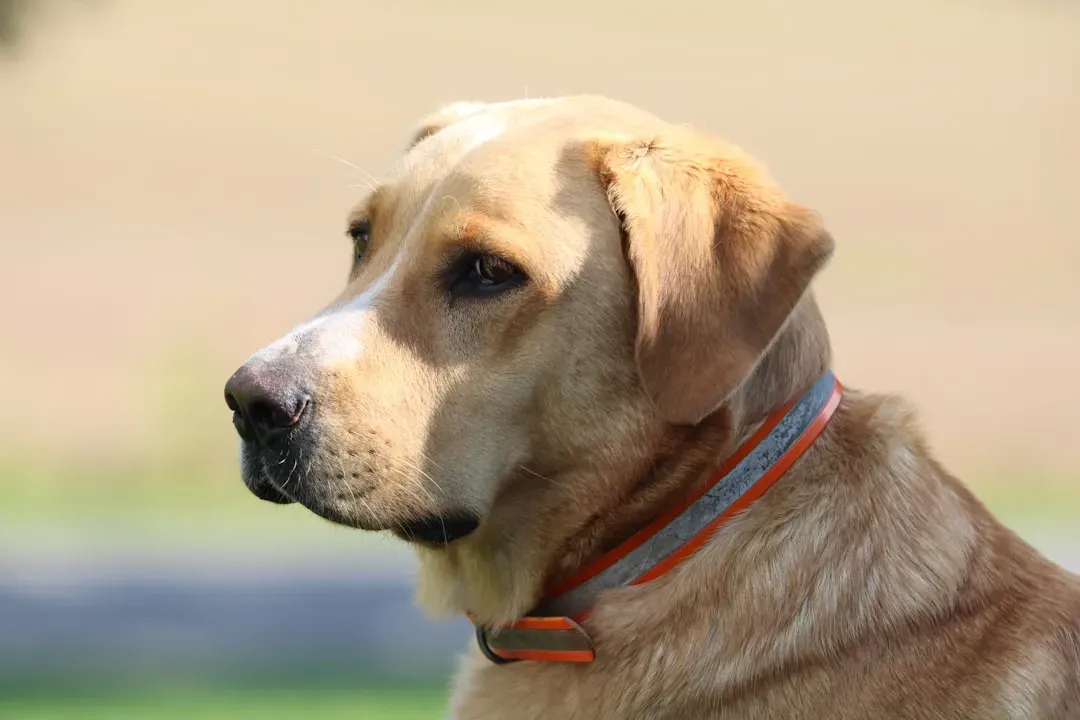
Golden Retrievers possess a sweet disposition that makes them exceptional service dogs, but this depth of bonding renders them highly susceptible to emotional disorders themselves. Think about that for a moment. The very trait we treasure most becomes their Achilles heel.
For a Golden Retriever, watching you walk out the door can be devastating, and they commonly suffer from depression and anxiety. They may sit for hours in the exact position they were in when you left, just waiting in anticipation for you to return. That’s not loyalty. That’s torment.
Their nervous systems stay flooded with stress hormones while we’re at work, running errands, or grabbing coffee with friends. We come home to chewed furniture or accidents on the floor and assume they’re being naughty. Reality check: they’re unraveling.
The Master Pretenders Among Us
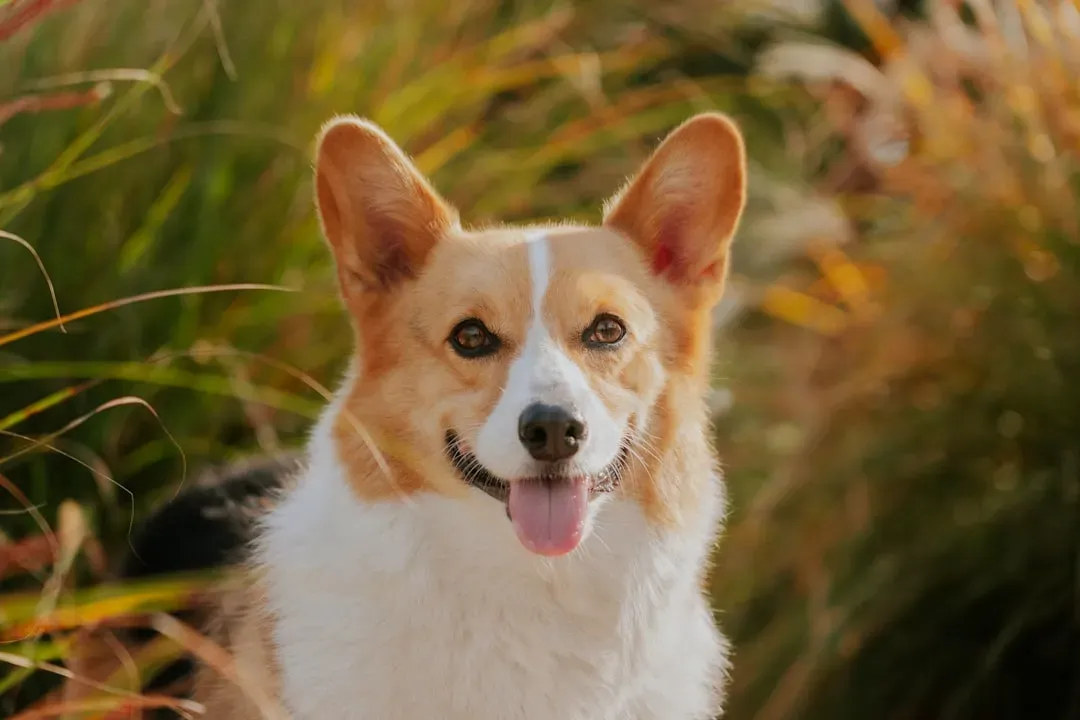
Dogs tend to mask their discomfort through subtle cues, which can make it difficult for owners to recognize when something is wrong. Let’s be real, they’re better actors than most Hollywood stars.
Indicators of pain may be masked by behaviors characteristic of the species, such as a dog wagging its tail and greeting an observer at the cage door despite being in significant pain. Your Lab might be greeting you with enthusiasm while secretly dealing with arthritis that makes every step agony. Your retriever might fetch that ball one more time even though their joints are screaming.
Many dogs experience anxiety, but they’re surprisingly good at hiding it through low-level appeasement behaviors like looking away, lip-licking, and making slow movements to avoid conflict while coping with stress. These signals flash before us constantly. Most of us just never learned the language.
Stress Signals We Mistake for Quirks

Dogs yawn when stressed, and a stressful yawn is more prolonged and intense than a sleepy yawn. That big yawn your dog does at the vet? Not tired. Terrified.
Stressed dogs may have dilated pupils and blink rapidly, opening their eyes wide to show more white than usual, giving them a startled appearance. A tucked tail between the legs is one of the most recognizable signs of fear or anxiety, while pinned-back ears flattened against the head often indicate stress.
Here’s the thing. Dogs may also drool and lick excessively when nervous. That’s not affection when your dog licks you repeatedly during a thunderstorm. That’s a panic attack with fur. Pacing or that whole-body shake can be amusing and quite normal unless it occurs as the result of a stressful situation, like the shake dogs often do after descending from the veterinarian’s exam table, which is likely triggered by stress.
The Hidden Epidemic Nobody Discusses

Studies suggest that roughly one-quarter to one-half of pet dogs exhibit some form of anxiety-related behavior, but much of it goes unnoticed. Wrap your head around that statistic. That means nearly every other happy-looking dog you see might be struggling internally.
Separation anxiety happens when dogs don’t feel confident and content when separated from family members, and it’s estimated that somewhere between fourteen and twenty percent of dogs experience this. Separation anxiety is a common behavioral disorder in dogs that is often treatable but may require changes in approach to both medication and behavior modification.
Research found that thirty to eighty percent of patients referred for behavioral complaints had at least one underlying painful condition. Pain and behavioral problems intertwine in ways we’re only beginning to understand. In dogs with musculoskeletal disorders, behavioral signs typically precede physical signs, with indicators like increased fearfulness, prolonged recovery after stressful events, or reduced caregiver interaction appearing before limping or stiffness.
When Your Stress Becomes Their Stress

Dogs possess abilities to perceive and absorb human emotions, and research found that job stress related to behaviorally indicated stress in dogs. Your bad day at work follows you home like a shadow, except your dog absorbs it like a sponge.
Employees with more job stress owned dogs who showed more behavioral signs of stress, with this crossover effect explained by work-related rumination, which may remove the owner’s attention from their pet or induce physiological changes that communicate negative feelings to their dog. They read our cortisol levels, our tense shoulders, our distracted minds.
For many dogs, being around a stressed family member will be enough to affect them, as dogs can sense when things aren’t quite right. So when we bring home anxiety from deadlines, traffic, or difficult conversations, our dogs don’t just witness it. They internalize it. They become collateral damage of our modern stress epidemic.
The Породы Who Suffer Most Silently

Some breeds, such as Labrador Retrievers and Golden Retrievers, may be more prone to depression due to genetic factors. The irony cuts deep. The breeds we choose specifically for their cheerful temperaments carry genetic vulnerabilities to the very mental health challenges we need them to help us with.
Golden Retrievers are known for their strong attachment to their families, and being left alone for extended periods can cause significant distress. Golden Retrievers form strong bonds with their families, and separation anxiety from being left alone can cause significant stress.
Cavalier King Charles Spaniels, those gentle lap warmers with soulful eyes, carry similar burdens. Border Collies, with their genius-level intelligence, can spiral into anxiety when their brilliant minds lack sufficient stimulation. The happiest-looking breeds often need the most from us, yet we assume their sunny dispositions mean they’re fine.
Building a Better Life for Dogs Who Hide Their Pain
Almost all anxious dogs benefit from positive reinforcement training and increased predictability and consistency in their routine and interactions. Structure isn’t boring for dogs. It’s lifesaving.
Keep a predictable daily routine to build a sense of security. Same feeding times. Regular walks. Consistent bedtime rituals. What seems to work best is predictability, where if a dog does one thing, then another thing happens, because it helps dogs know what happens when.
The best way to prevent anxiety is to ensure dogs get appropriate socialization and exposure in a non-stressful way to a variety of novel situations during the developmental stage of three to fourteen weeks old. Provide daily exercise and mental stimulation, offer puzzle feeders or treat-dispensing toys to redirect anxious energy, and keep a predictable routine. Tired dogs aren’t just physically exhausted. They’re mentally satisfied.
The work isn’t complicated. If you notice signs that your dog is stressed, first remove them from the stressor and find a quiet place to regroup, resisting the urge to overly comfort them. Sometimes the best gift we give our dogs is simply understanding their silent language and responding with informed compassion rather than frustrated confusion.
Conclusion
Those perpetually happy faces we love so much might be carefully maintained masks. The enthusiastic greetings could hide separation anxiety that tortured them for eight hours. The patient demeanor might conceal chronic pain they’ve learned to suppress because showing weakness felt dangerous.
We owe these dogs more than our affection. We owe them our attention. Our willingness to look beyond the wagging tail and see the whole animal. Anxiety isn’t a sign of stubbornness or poor training but a welfare issue, and while your pup may not tell you they are anxious, their body language speaks volumes, with spotting these signs early preventing long-term problems.
deserve to actually be happy, not just appear that way. Start watching for those subtle signals today. Your dog has been trying to tell you something all along. Did you catch what they’ve been saying?


