
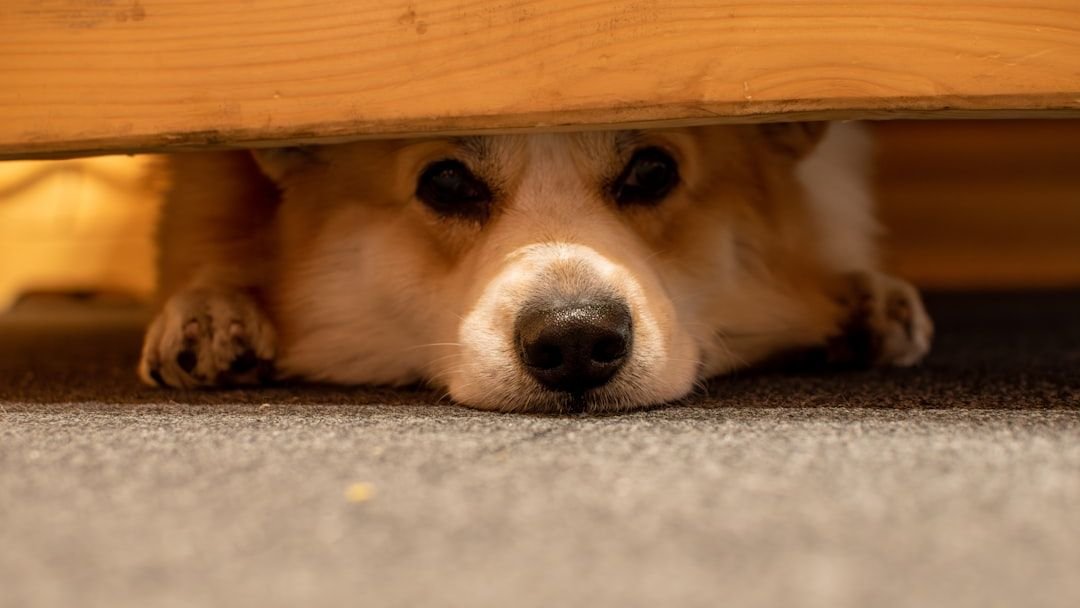
You’ve done everything right. Your dog has a cozy bed, a safe home, a loving family, and a yard to run around in. So why does it seem like your pup is still on edge? Why the pacing, the whale eye, the sudden clinginess, even in a place they’ve lived in for years?
Here’s the thing – familiarity doesn’t automatically mean comfort. Not for dogs. Their world is a rich landscape of sounds, smells, memories, and emotional associations that we barely scratch the surface of understanding. Something that feels completely normal to you might be quietly overwhelming to them. The good news? Once you know what to look for, you can actually do something about it. Let’s dive in.
Your Dog’s Senses Experience Home Very Differently Than You Do
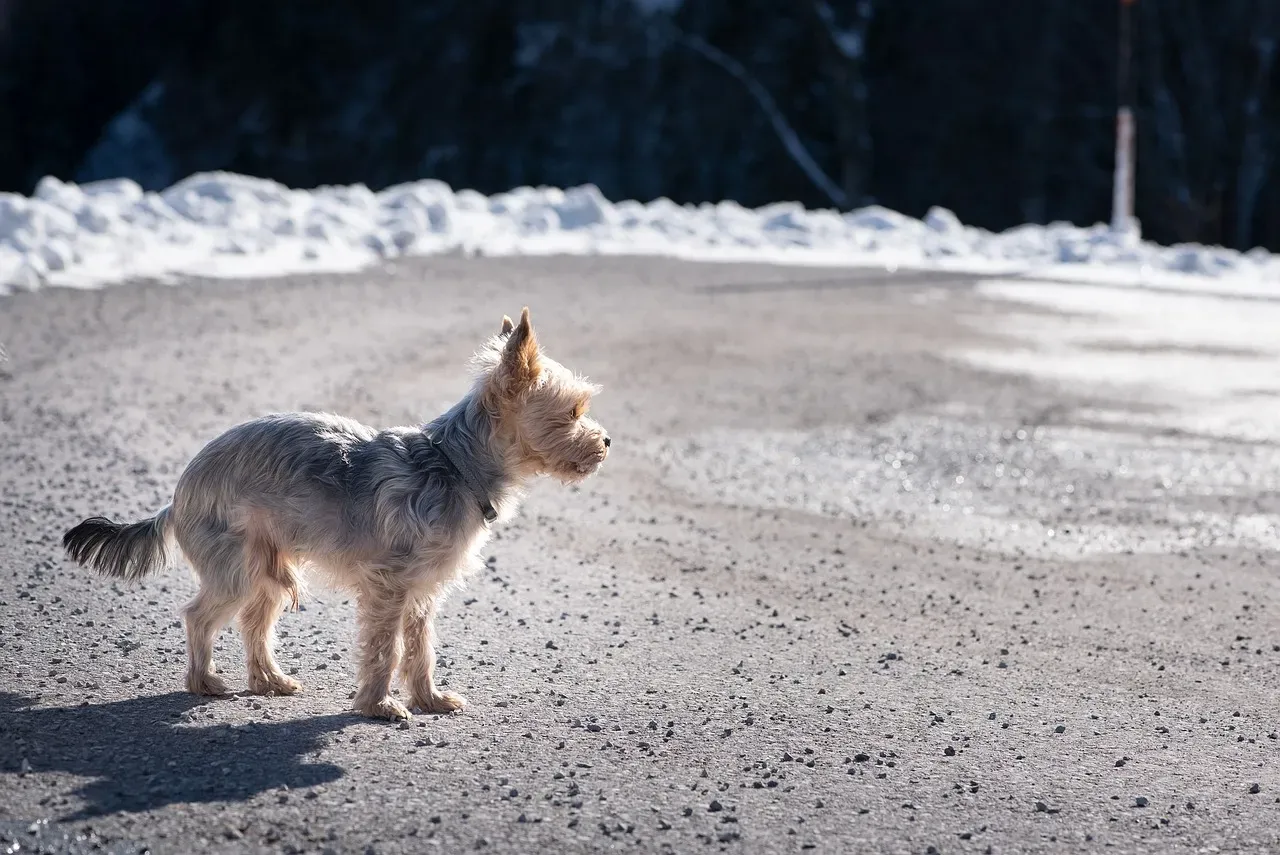
Think about the last time you ran the vacuum cleaner, set off a smoke alarm, or had a particularly animated phone call. You moved on quickly. Your dog? Not so fast. Sudden, loud noises are one of the most common triggers for fearful behaviors in dogs, and many companion dogs suffer from noise sensitivity. The vacuum isn’t just loud to them – it’s a giant unpredictable monster that roars to life without warning.
What makes this so surprising is that it’s the everyday stuff, not the dramatic storms or fireworks, that quietly wears them down. Anecdotally, and based on reports of undesirable behaviors in response to noises in the home, many common household noises may also be causing fear and anxiety in companion dogs, with numerous signs of canine fear and anxiety observed in response to both daily and irregular but “normal” household noises. Your morning blender, a phone buzzing on a hard surface, even the beep of a microwave – all of it registers.
Individual dogs may find different sounds scary, and these can include the noise of objects falling, phones beeping or ringing, cars idling, and noisy traffic. While most dogs might be startled by an unexpected sound and then move on, a sound-sensitive dog does not recover from that initial reaction and will continue to show signs of distress. If your dog seems to be bracing themselves between everyday sounds, that’s not quirky behavior. That’s anxiety talking.
The Subtle Body Language Clues You’re Probably Missing
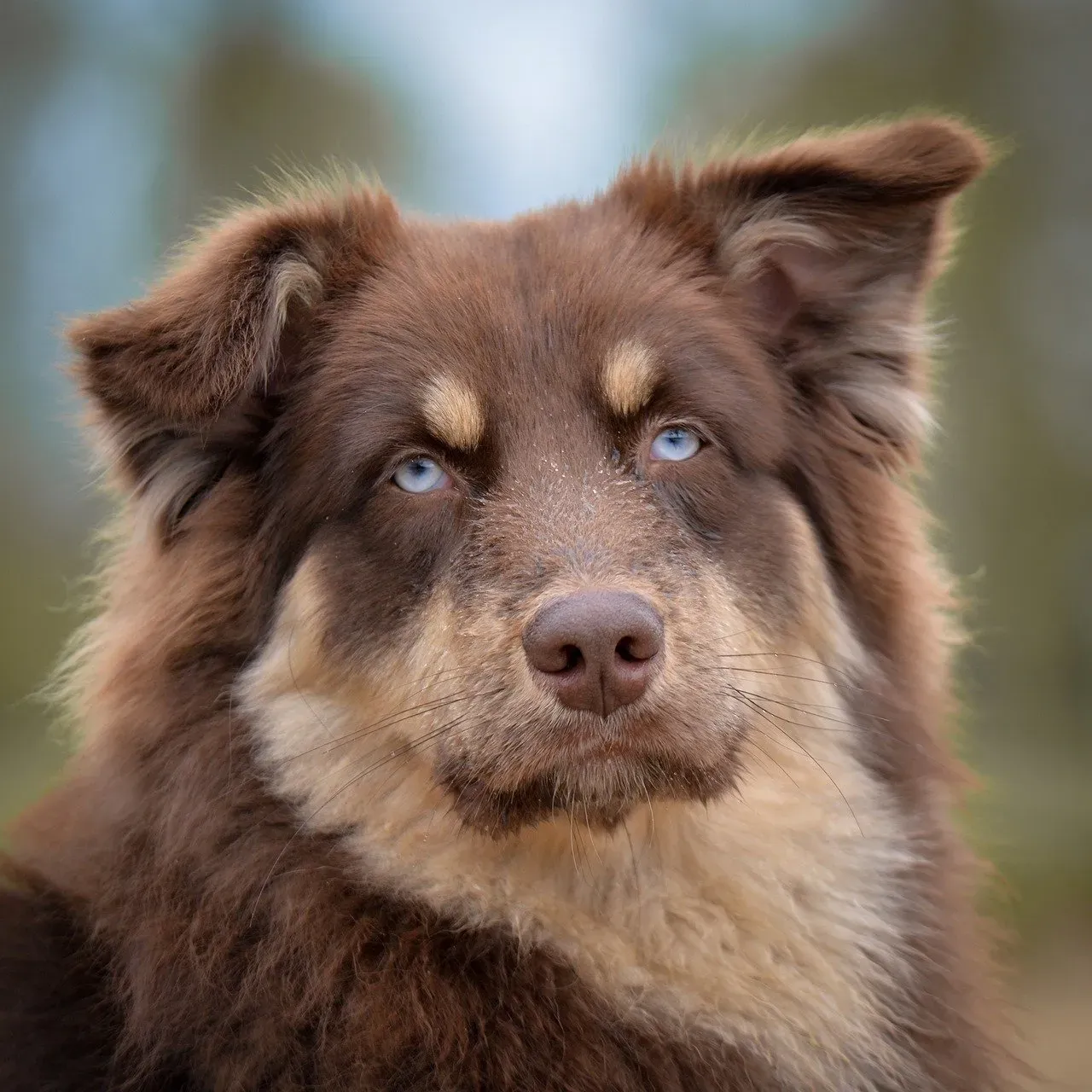
Let’s be real – most of us are scanning for the obvious stuff. Shaking, barking, hiding. But dog anxiety wears a much quieter costume most of the time. While some anxious dogs tremble or bark excessively, most display far subtler behaviors. Look for frequent yawning when they are not tired, lip-licking, avoiding eye contact, or showing the whites of their eyes, known as “whale eye.” Others may slow down, freeze, hide, pace, or become unusually clingy.
There’s another layer that often gets completely overlooked. Anxious dogs may also demonstrate displacement behaviors, which are normal behaviors that occur out of context when a dog is stressed. Common displacement behaviors include yawning when not tired, stretching when not stiff, rapid blinking when nothing is in the eye, sneezing when there is nothing bothering the nose, and sniffing the ground when nothing of interest has happened. Think of it like when a nervous person doodles in a meeting – it’s displacement, not boredom.
When dogs exhibit behaviors out of context, called displacement behaviors, they are signaling discomfort with their current situation. Dogs tend to keep a close eye on the people, pets, or objects that cause them stress but also want to avoid direct eye contact or engagement with those stressors. Their solution is to turn their body away from the stressor while looking peripherally back at it, exposing the whites of their eyes. Honestly, once you see this pattern, you can’t unsee it.
How the Home Environment Itself Can Become a Hidden Trigger
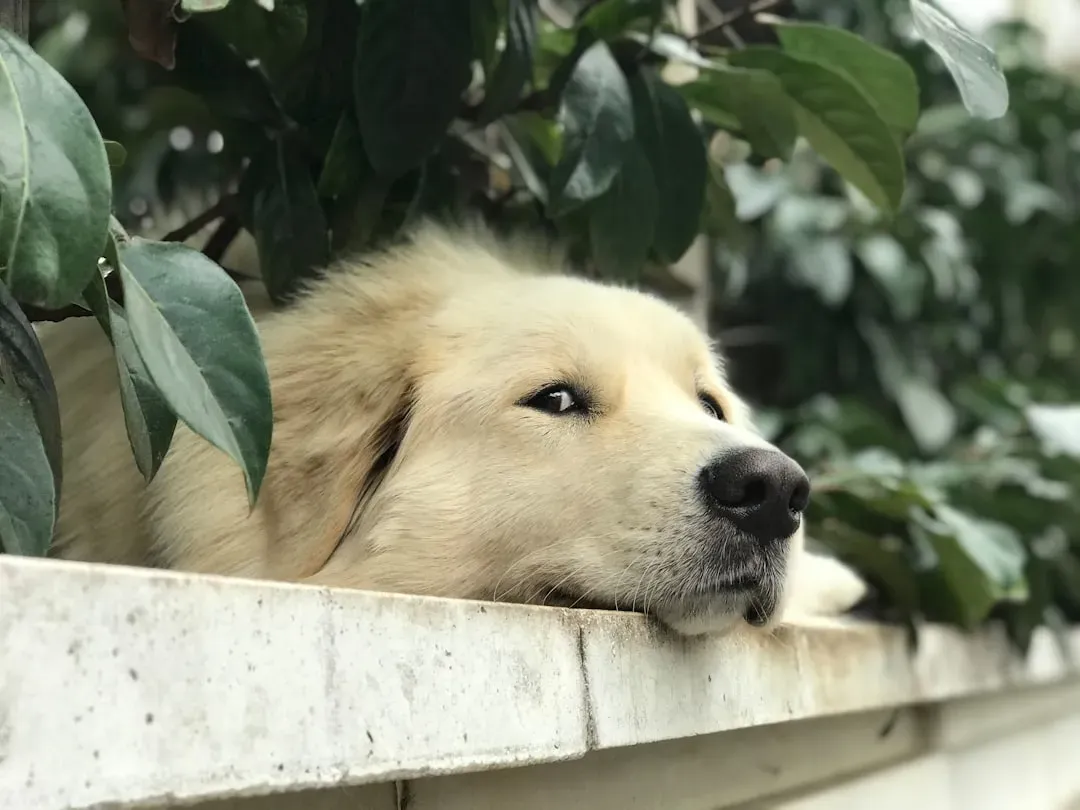
Your home might feel like a sanctuary to you, but to your dog, it can hold invisible landmines of stressful memory. If your dog is frightened in a specific location, it is possible that they experienced an emotional trauma during a prior visit. Dogs can perceive scents and sounds that people cannot detect. It is also possible that a stimulus you don’t find scary, such as a large statue or dumpster, could frighten your dog. Your dog would associate the feeling of fear with being in that place, and in a way, the place itself might seem to have “caused” the fear. Your dog might then anticipate the unpleasant emotion of fear even when the original trigger is not present.
Even something as subtle as a slippery floor can quietly erode your dog’s sense of confidence at home. Make sure your dog has good footing around the home and in familiar spaces. Feeling off-balance due to slippery surfaces will increase your dog’s fear. It’s a bit like trying to relax in a chair that wobbles – your body just never fully settles. Add in changes to furniture arrangement, new smells from cleaning products, or a recent renovation, and you have a recipe for a dog who feels unsettled in a place that should feel safe.
When Everyday Routine Changes Quietly Unravel Your Dog’s Sense of Safety
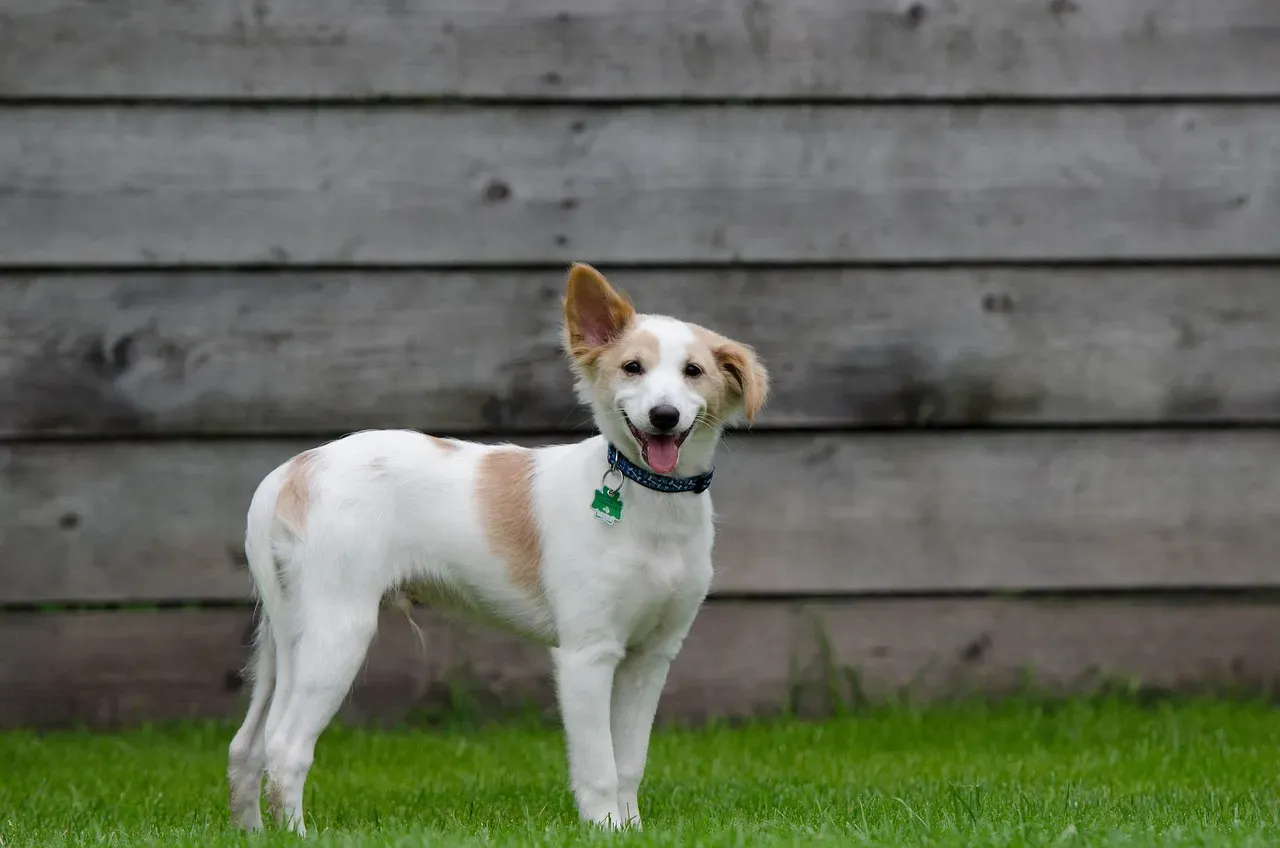
Dogs are creatures of rhythm. When that rhythm shifts, even slightly, the ripple effect on their emotional state can be profound. While at home, dogs with separation anxiety often prefer to be in the same room as their owners, and they start becoming stressed when they see their owner preparing to go out. Your dog isn’t being dramatic when they follow you to the door with that heartbreaking look. They’ve clocked your routine down to the second.
Separation anxiety can occur due to changes in the family, home, or routine. A new work schedule, a child going back to school after a long holiday, or even a partner working from home suddenly disappearing back to the office – all of these shifts can genuinely unsettle a dog who has built their emotional security around predictability. Establishing a consistent daily routine for feeding, walks, play, and training can help. Predictability can help reduce anxiety in dogs. It’s a simple tool, but honestly, it’s one of the most powerful ones you have.
What You Can Do Right Now to Help Your Anxious Dog Feel Safer
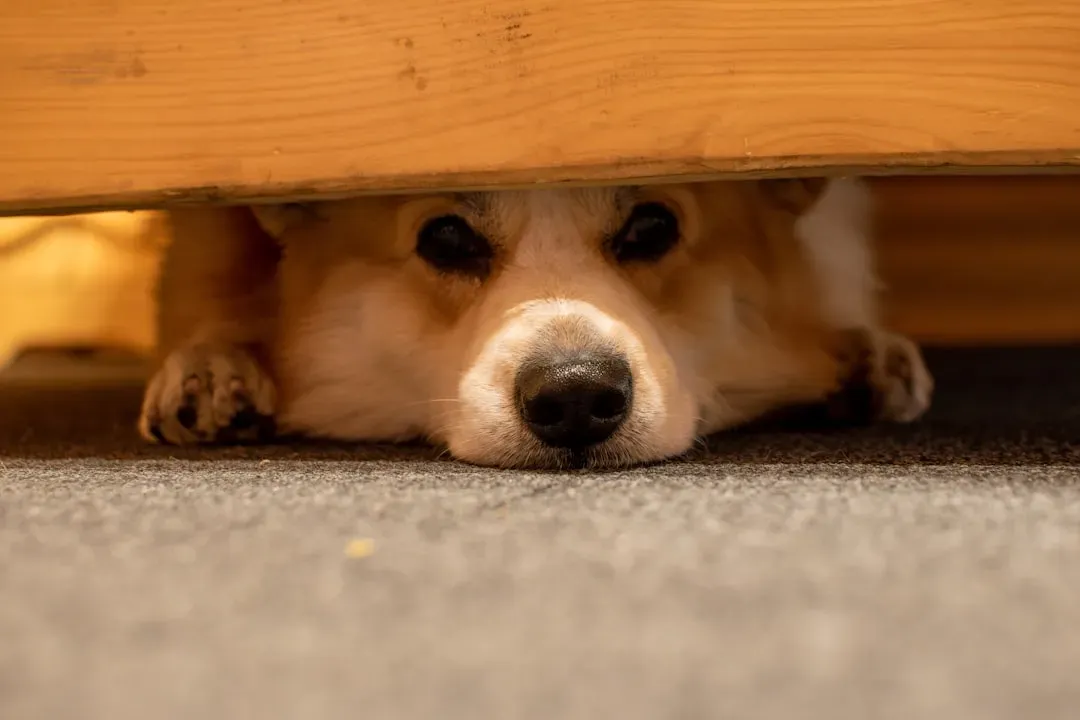
The good news is that you don’t need a degree in animal behavior to start making meaningful changes. Begin by creating a dedicated retreat. Create a designated area in your home where your dog can retreat when feeling anxious. This space should be quiet, comfortable, and stocked with their favorite items such as blankets and toys. Think of it as their personal off-switch room, a place where the world gets quieter and safer.
Movement and mental engagement are also genuinely transformative. Physical activity can significantly reduce anxiety. Engage your dog in regular walks, play sessions, and interactive games to help expend excess energy. Providing puzzle toys, treat-dispensing toys, or training exercises that stimulate your dog’s mind can also help. Activities that require problem-solving can help reduce anxiety. Think of it like draining a bathtub – a well-exercised, mentally enriched dog simply has less anxious energy to work with.
If the anxiety feels persistent or severe, please don’t tough it out alone. The best way to help an anxious dog is to first schedule a vet visit to check for medical causes, such as pain, inflammation, or disease. If your vet diagnoses a medical issue, they will begin appropriate treatment. You can then help an anxious dog relax with positive reinforcement, training, and calming pheromones and supplements that promote calm, balanced behavior. Your vet is your teammate here, not a last resort.
Conclusion: Your Dog Is Talking – Are You Listening?
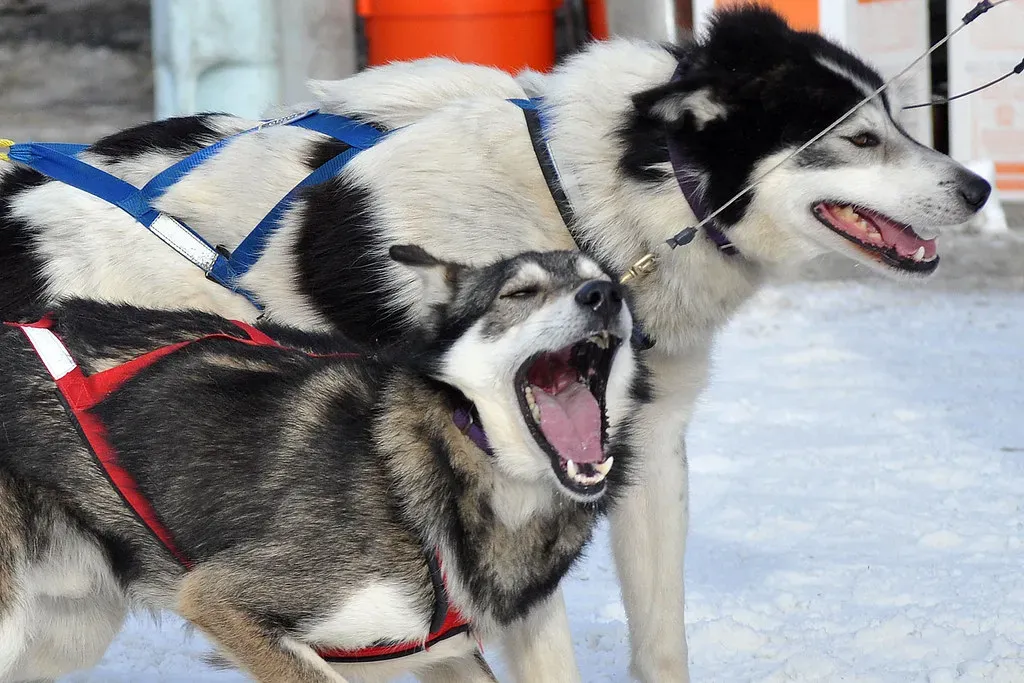
The truth is, dogs tend to mask their discomfort through subtle cues, which can make it difficult for owners to recognize when something is wrong. Ethological studies suggest that roughly one-quarter to one-half of pet dogs exhibit some form of anxiety-related behavior, but much of it goes unnoticed. That’s not a small number. That could easily be the dog sleeping at your feet right now.
The beautiful thing about understanding your dog’s anxiety is that the solutions are rooted in connection. Routine, safety, movement, and your calm presence are genuinely powerful medicines. You don’t have to fix everything overnight. Almost all anxious dogs benefit from positive reinforcement training and increased predictability and consistency in their routine and in interactions. Start there. Start small. Your dog will notice.
They’ve always been paying attention to you. Now it’s your turn to pay attention back. What small change will you make for your dog today?


