
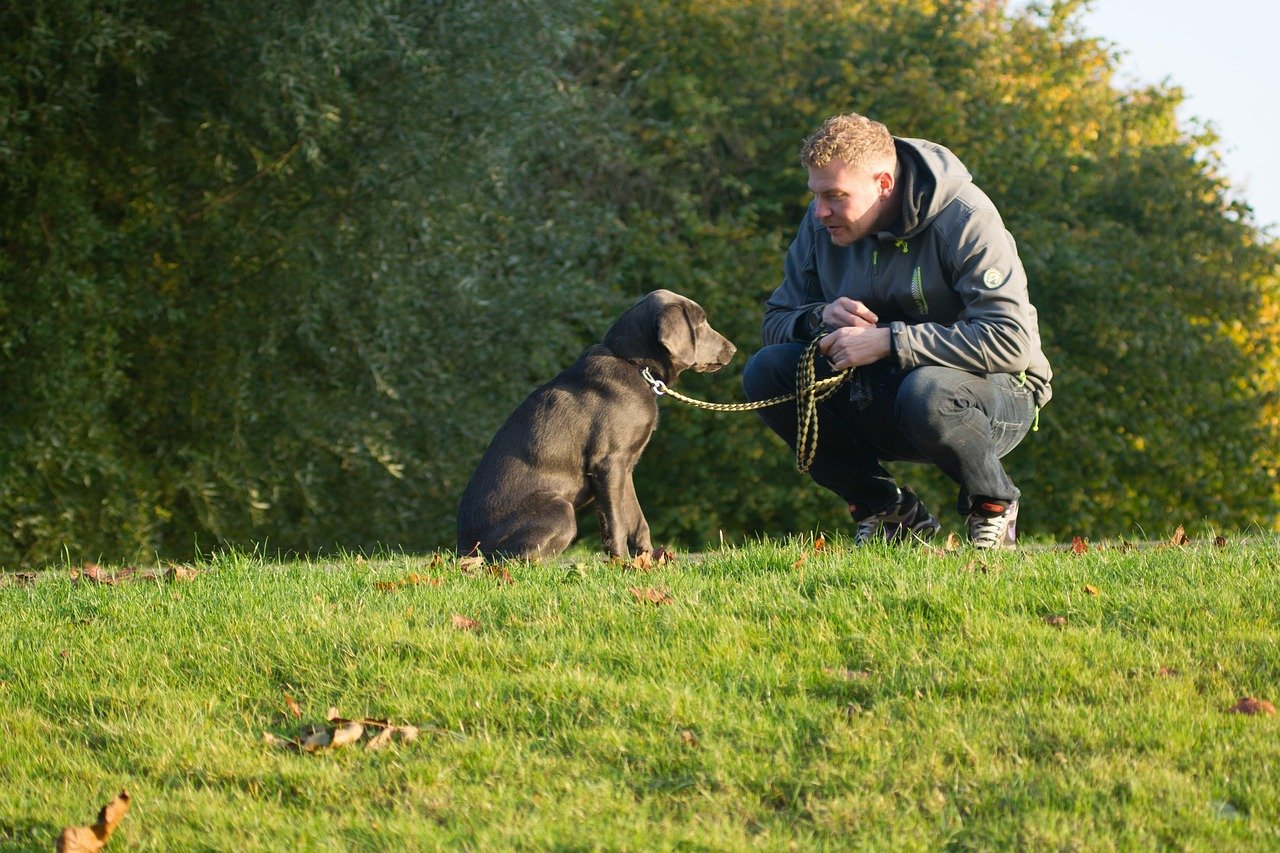
When your dog tilts their head at the sound of your voice or somehow appears by your side during your toughest moments, there’s more happening than mere coincidence. This connection we share with our canine companions is one of the most extraordinary interspecies relationships on Earth, built on a sophisticated communication system that evolved over thousands of years of co-evolution.
While we may never fully decode every nuance of canine expression, science has begun to reveal remarkable insights into how dogs and humans have developed their own secret language. From subtle tail movements that reveal emotional states to the release of bonding hormones that mirror parent-child relationships, the communication between dogs and their beloved humans is far more complex and meaningful than we ever imagined.
The Science Behind Those Soulful Eyes
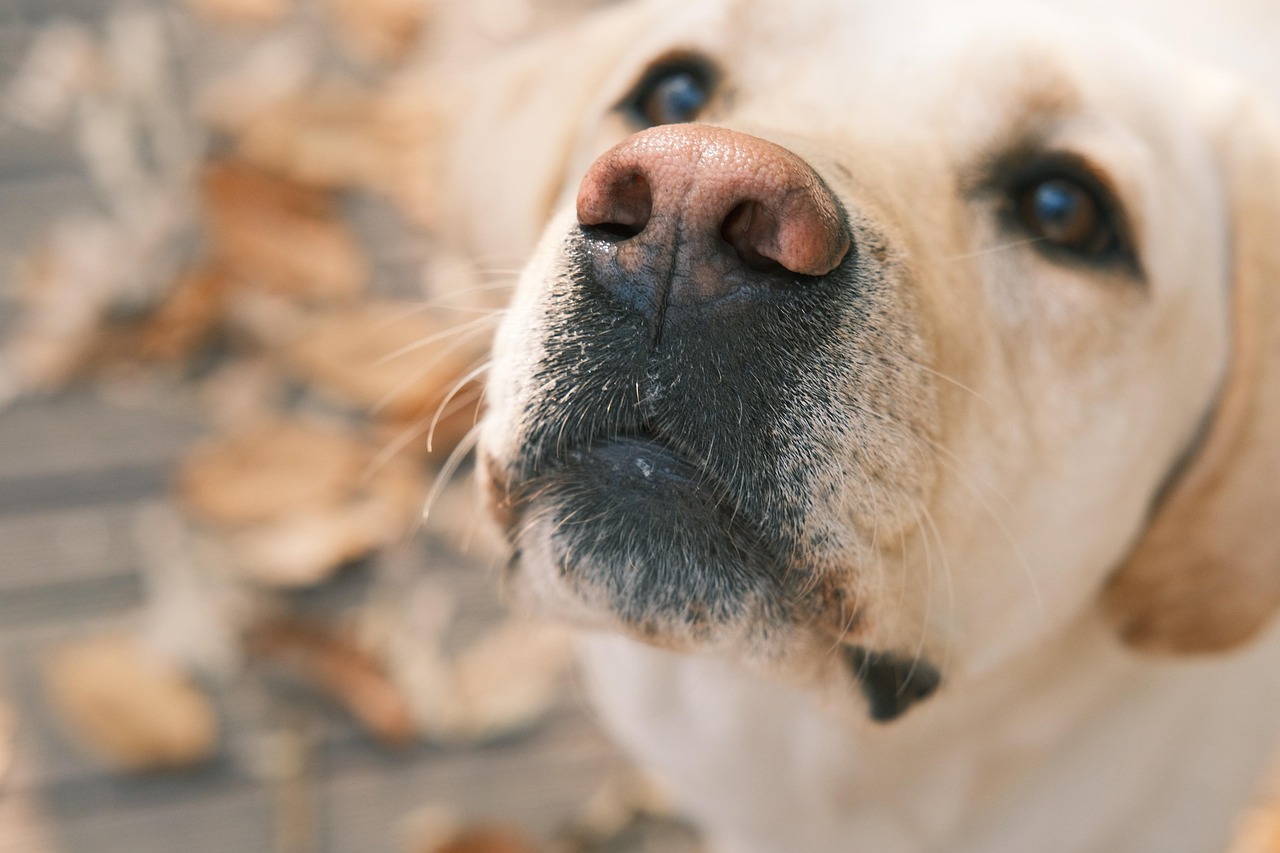
There’s something magical about the way your dog looks at you, and science has proven this feeling is more than wishful thinking. These results support the existence of a self-perpetuating oxytocin-mediated positive loop in human-dog relationships that is similar to that of human mother-infant relations. Human-dog interaction by dogs’ human-like gazing behavior brought on social rewarding effects due to oxytocin release in both humans and dogs.
People and dogs also look into each other’s eyes while interacting – a sign of understanding and affection that dogs’ closest relatives, wolves, interpret as hostility. It was this mutual gazing that piqued the interest of Takefumi Kikusui, an animal behaviorist at Azabu University in Sagamihara, Japan. Kikusui’s lab studies oxytocin, a hormone that plays a role in maternal bonding, trust, and altruism.
The dogs who gazed at their guardians longer displayed higher levels of oxytocin than those in pairs who did not gaze at one another for as long. While gazing into the eyes of a dog you love and who loves you can create a tender moment, staring into the eyes of an unknown or unfriendly dog can be perceived by the dog as threatening and scary. Context matters tremendously in this delicate dance of eye contact.
Reading the Secret Messages in Tail Language
That wagging tail isn’t just expressing simple happiness – it’s broadcasting complex emotional information that other dogs and observant humans can learn to decode. Studies show that dogs wag their tails to the right when they are happy or confident, and to the left when they are frightened.
Usually positive feelings within a dog are associated with the right side. For instance, if a dog is about to receive a treat, their tail will likely move with a bias towards its right. On the other hand, negative feelings are typically connected with a bias towards its left side. If a dog is being approached by another dog and feels threatened, the dog’s tail will usually move more to its left.
When dogs looked at tails wagging to the left, their heart rate increased and they showed more signs of stress and anxiety. Canines that see tails wagging to the right are more relaxed, whereas they become more stressed when they see tails wagging to the left. The responses are a result of the differing roles played by the left and right hemispheres of a dog’s brain.
The Body Language Dictionary Every Dog Owner Should Know
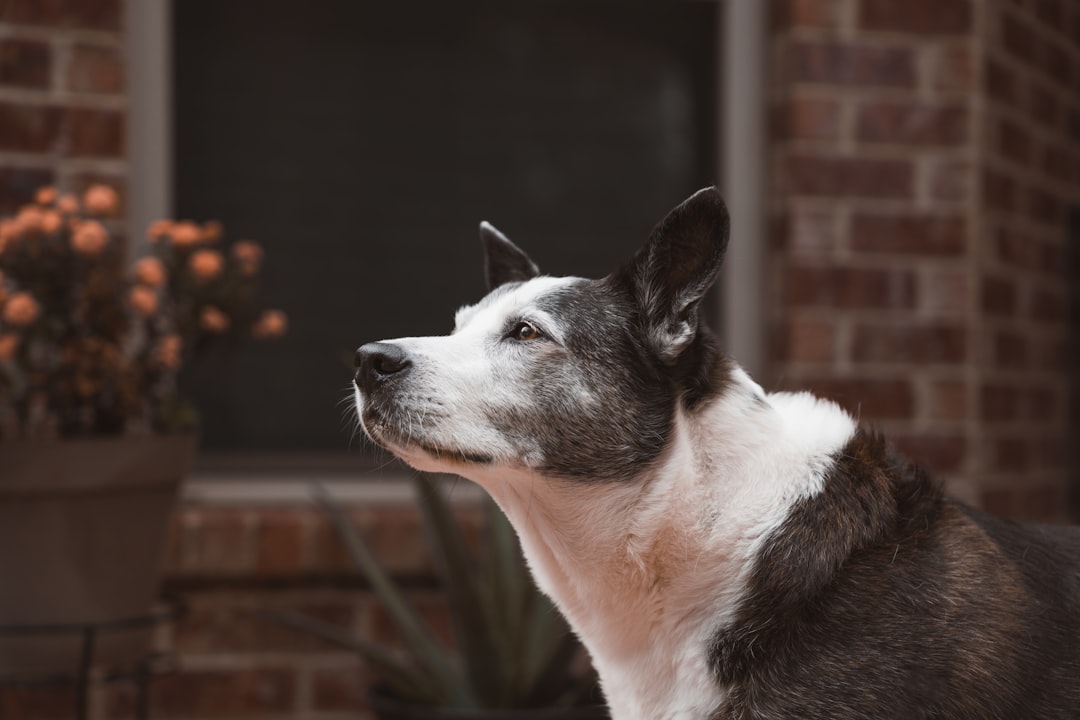
Unlike in people, canine body postures and olfactory (scent) cues are significant components of dog language and vocal communications are less significant. People are listeners; dogs are watchers. This fundamental difference shapes how we need to approach understanding our canine companions.
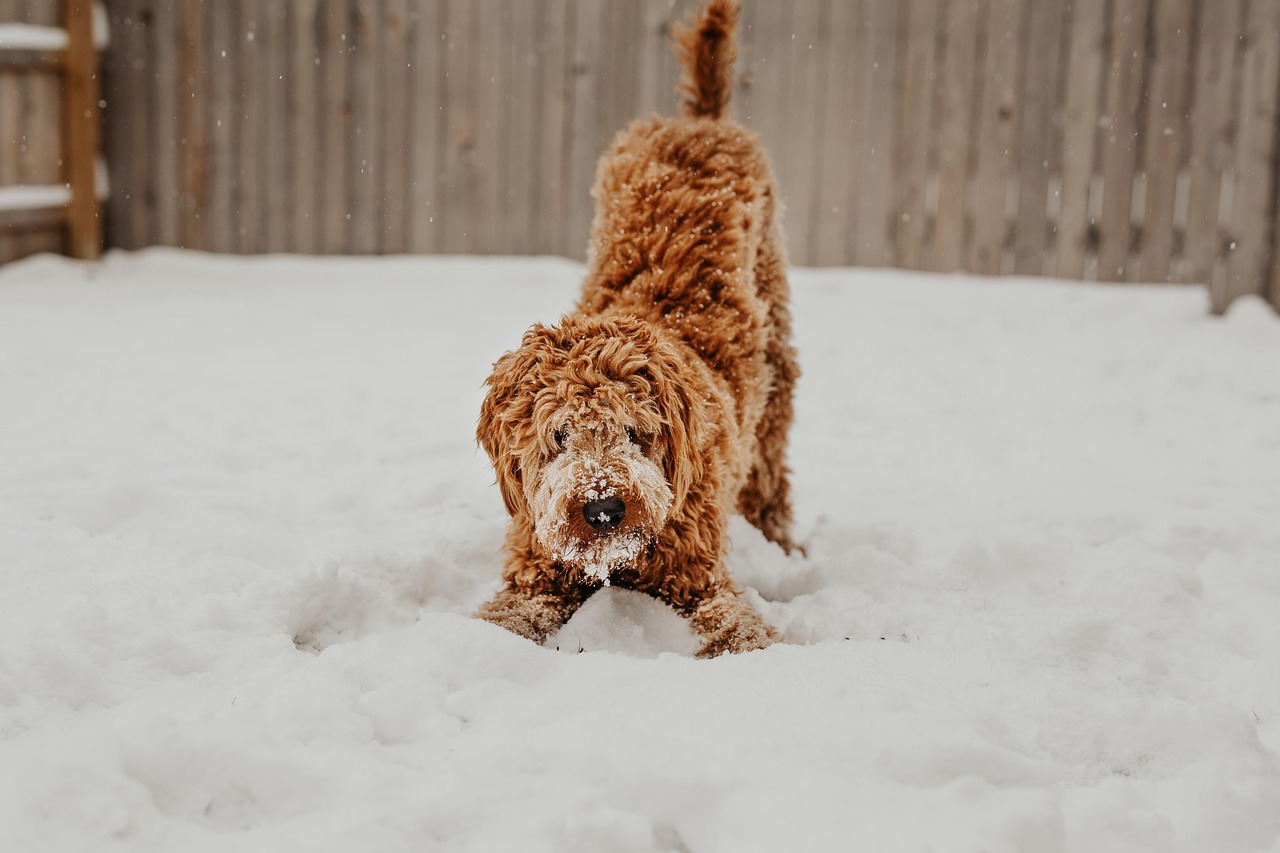
No dog body language signals act alone. They’re all part of a package. So, when you read a dog’s communication, look at every signal the dog is using from the tail height to the eye shape. A dog’s lifted paw might indicate uncertainty, while a play bow with chest down and rear up is a clear invitation to engage.
People yawn when they’re tired or bored, but dogs yawn when they’re stressed. According to Turid Rugaas, author of “On Talking Terms With Dogs: Calming Signals,” dogs use yawning to calm themselves in tense situations and to calm others, including their owners. Learning to recognize these calming signals can prevent misunderstandings and strengthen trust.
When Dogs Try to Tell Us They’re Uncomfortable
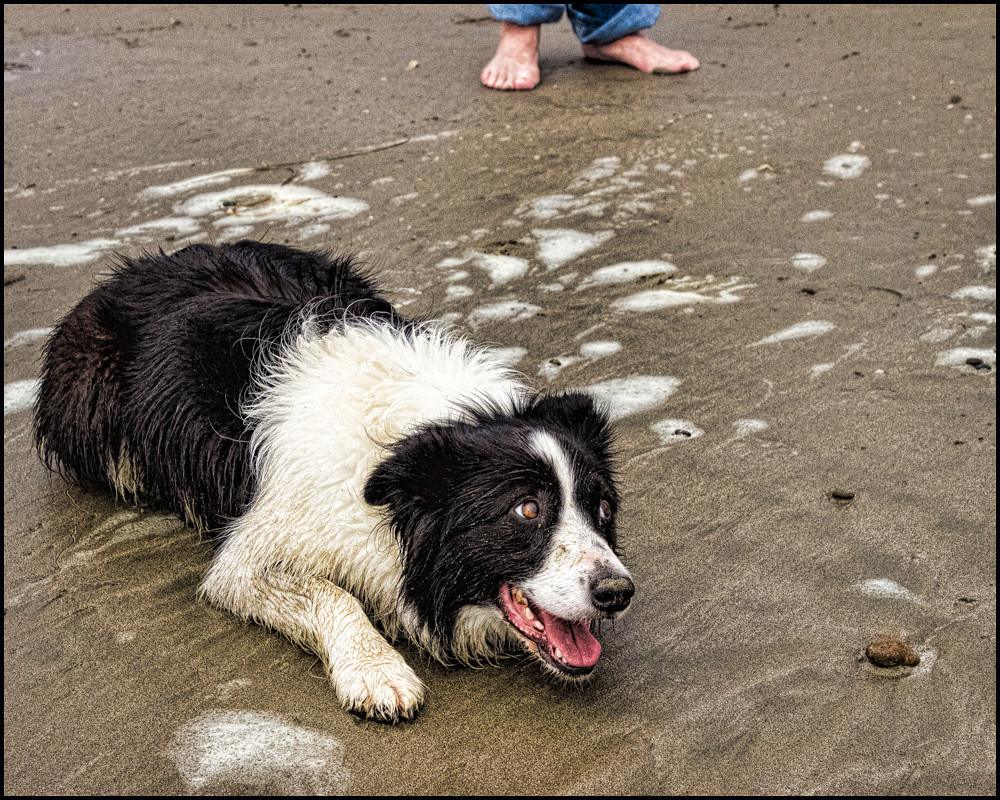
Many dog bites could be prevented if humans better recognized the subtle warning signs dogs provide before they feel compelled to use their teeth. Warning signs or threats typically present first. How well these signs can be read by people varies both in the dog’s skill at expressing himself and the humans’ skilful attention to these cues.
An example would be a dog rolling over. Some dogs will roll over when relaxed and wanting a belly rub from their favorite human. That dog may also roll over and show its belly to a stranger visiting the home. However, in this instance, the dog is not inviting the person to rub its belly but instead asking that person to please stop. Misreading this signal could lead to a bite if the stranger believes the dog wants pets when he does not and ignores the polite request.
Rolling on back/showing belly – this is also called a “tap out;” – the dog flips over quickly, exposing his stomach, with ears back and tail tucked between his legs or hugging his body; the dog is not asking for a belly rub, but signaling that he is withdrawing from and is nervous about interaction. Respecting these signals builds trust and prevents fearful responses.
The Hidden Chemistry of Human-Dog Bonds
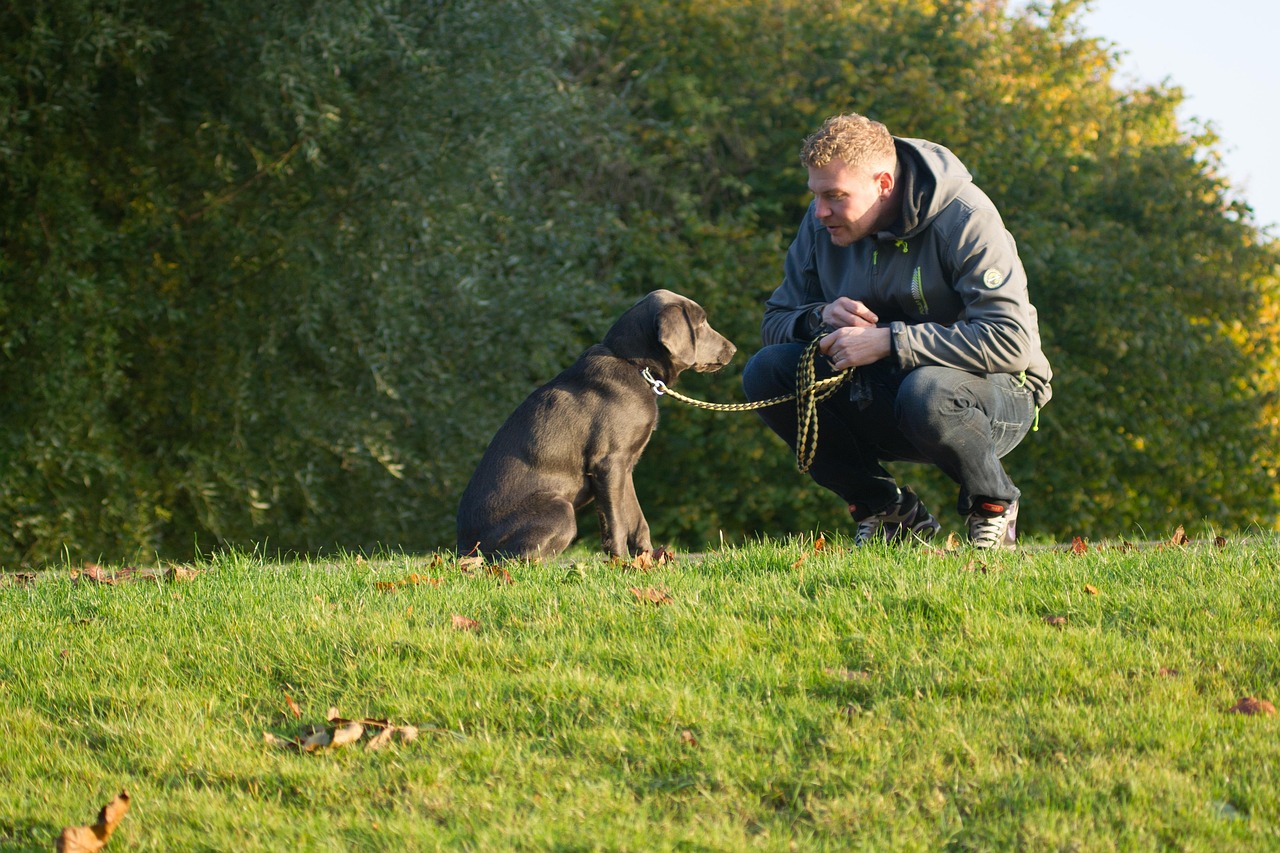
The attachment between dogs and their humans involves the same biochemical processes that bond parents to their children. The attachment relationship between a dog owner and its dog can be regarded as functionally similar to that seen between a parent and child. Several studies have demonstrated that this type of relationship shows behavioral and neuroendocrine similarities to that described for mothers and infants.
We have previously shown that dog–owner interaction results in increasing oxytocin levels in owners and dogs, decreasing cortisol levels in owners, while effects on cortisol in dogs vary depending on the specific interaction and context. Also interaction between humans and dogs, which include pleasant non-noxious sensory stimulation, can induce oxytocin release in both humans and dogs and generate effects such as decreased cortisol levels and blood pressure.
Interestingly, in the present study we found that an increase in dogs’ OT levels was associated with affiliation being reciprocated, rather than with the sole act of providing it or receiving it. Our finding thus supports recent studies in human and nonhuman animals, showing that social contact alone is not sufficient to raise OT levels. The present research demonstrates not only that OT motivates social bonding beyond genetic ties or reproductive interest, but also that the exchange of social-positive behaviors associated with bond maintenance triggers the release of OT.
How Our Human Body Language Affects Our Dogs
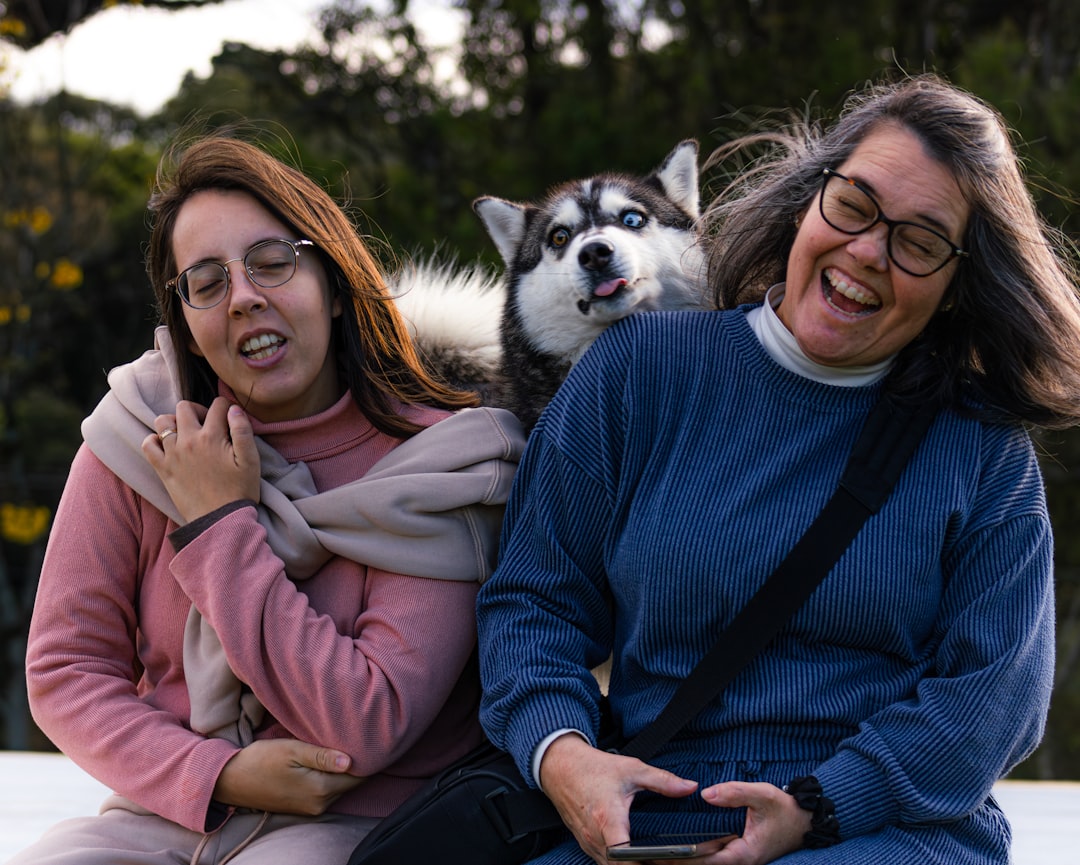
Your own body language significantly affects how dogs respond to you and interpret situations. Turning your body sideways rather than facing dogs directly, moving slowly, avoiding direct eye contact, and keeping your hands relaxed all help dogs feel more comfortable around you. Leaning over dogs, making direct eye contact, reaching over their heads, or using fast, direct movements can be interpreted as threatening even when you don’t intend threat.
Dogs are incredibly sensitive to human emotional states and energy levels. Your anxiety, excitement, or tension directly affects their behavior and stress levels. This emotional contagion works both ways, which explains why dogs often appear by our sides during difficult moments.
Our pilot studies show many causes for concern as humans tend not to necessarily understand the body language or vocalizations exhibited by dogs, when interacting with them. One of the main functions of human-dog play is creating and strengthening the bond between species, however our results revealed a high number of stress behaviours or calming signals observed in the dogs involved which may have occurred due to misunderstanding of the information a dog. Our studies show a lack of awareness of the meaning or interpretation of canine signaling and communicative behaviours.
Building Deeper Communication Through Understanding
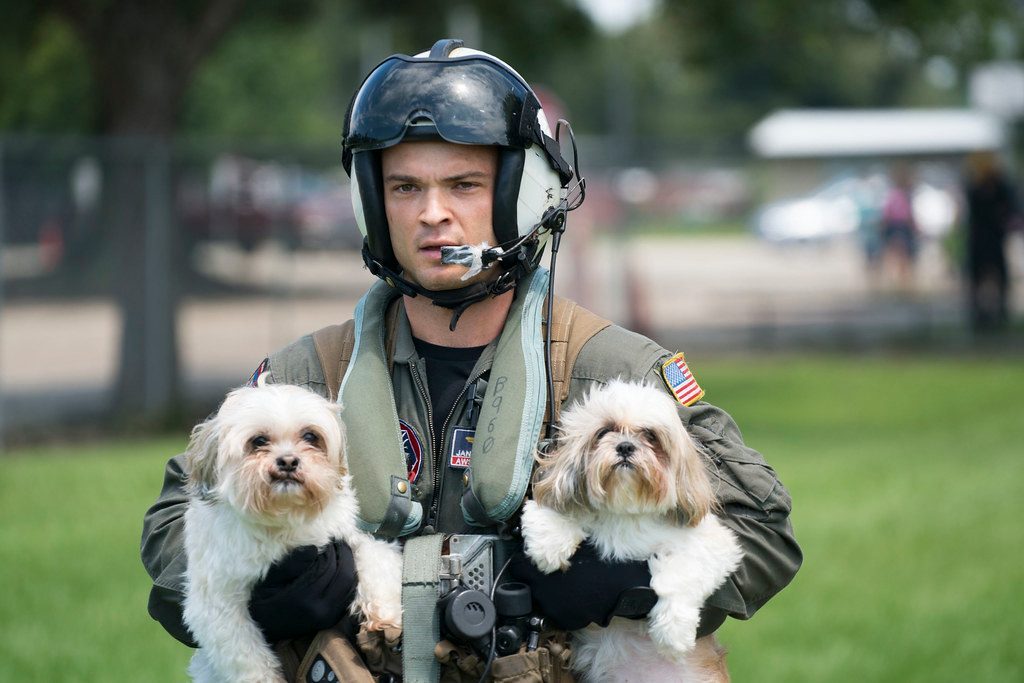
Your dog is “talking” to you all the time. If you learn what your dog is saying, you will develop a deeper bond of trust and respect. Plus, your newfound understanding of your dog’s emotional state can help you predict their behavior and prevent problems before they arise.
Learning to read dog body language is like learning a new language – it takes time, practice, and patience, but the rewards are enormous. Dogs who feel understood are happier, more confident, and easier to live with. Humans who can read dog communication are safer, more effective trainers, and better advocates for their dogs’ needs.
Understanding and respecting a dog’s body language is invaluable for those who love and want to connect with dogs on a deep level. There’s nothing quite like unlocking the rewards that come from what a dog gives back to us when we learn to listen to how they communicate. As social beings, it feels uplifting to have a human friend who listens to you, respects you, and loves you for who you are.
The relationship between dogs and their humans represents something truly remarkable in the animal kingdom. Through thousands of years of co-evolution, we’ve developed an intricate communication system that transcends species barriers, creating bonds that mirror the strongest human relationships. Understanding this unspoken language doesn’t just make us better dog owners – it opens a window into the profound emotional intelligence of our canine companions and reminds us that sometimes the most meaningful conversations happen without saying a single word. What new signals might you notice in your dog’s communication today?


