
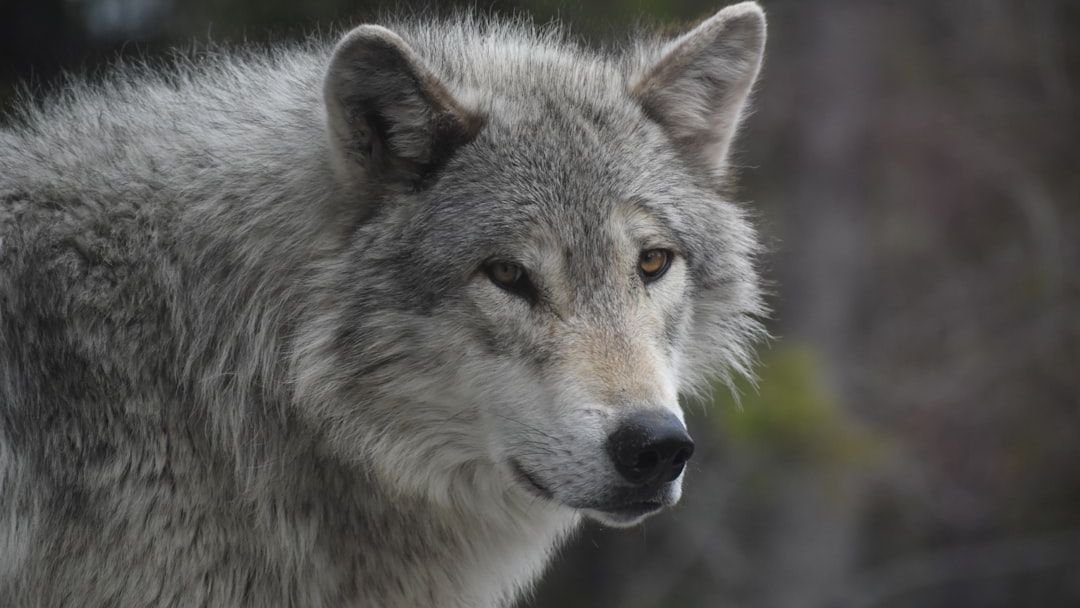
Your pup’s distant cousin, the gray wolf, still roams wild in certain corners of the United States. These magnificent creatures share an incredible history with our beloved dogs, and understanding where they thrive today helps us appreciate the delicate balance between wildlife conservation and the canine companions we adore. Let’s be honest, there’s something deeply moving about knowing that somewhere out there, wolves are living the lives our dogs’ ancestors once lived.
While your dog might chase squirrels in the backyard, gray wolves are navigating vast wilderness territories, hunting elk, and maintaining complex pack structures. Honestly, it’s fascinating how much these wild relatives still influence dog behavior today.
Alaska: The Last Great Wilderness for Wolves
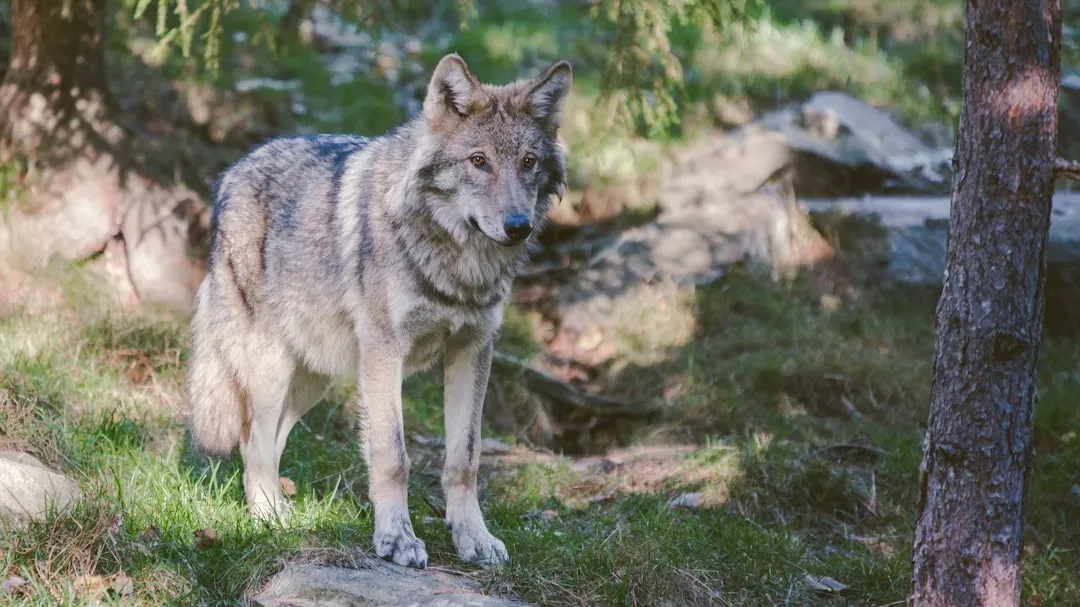
Alaska stands as the undisputed champion when it comes to wolf populations, hosting somewhere between 8,000 and 11,000 gray wolves. Think about that for a moment – that’s more wolves than all the lower 48 states combined. The state manages wolves as both big game animals and furbearers, with hunting allowed from August to April.
The sheer vastness of Alaska provides wolves with endless territory to roam. Your husky or malamute might remind you of these northern wolves, and that’s no coincidence. The Arctic landscape supports healthy wolf populations because there’s abundant prey and relatively low human density in many regions.
What’s remarkable here is how wolves have maintained their numbers despite hunting pressure. It’s hard to say for sure, but the ecosystem seems to support this balance naturally, with wolves playing their crucial role as apex predators.
Minnesota: The Lower 48’s Wolf Haven
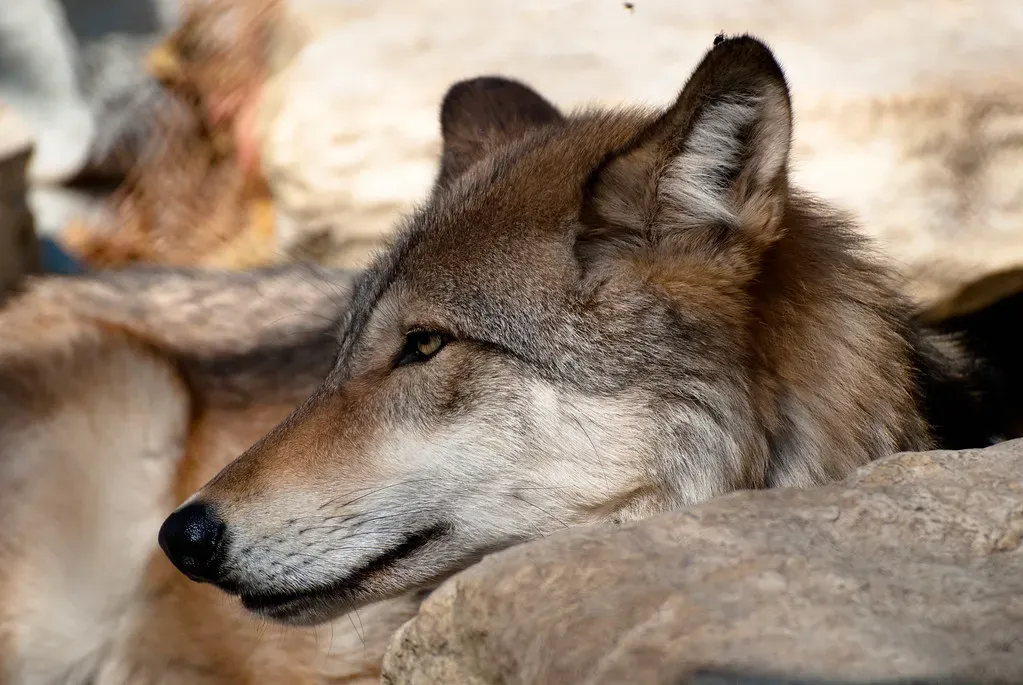
Minnesota proudly maintains about 2,700 to 2,919 wolves, making it the leader among the contiguous United States. Besides Alaska, Minnesota is the only state that has always held a viable gray wolf population, even during the darkest days when wolves were nearly eliminated everywhere else.
Here’s the thing about Minnesota – they’ve prioritized wolf protection for decades. The state enforced the Endangered Species Act of 2014, which has been instrumental in increasing wolf numbers. If you’ve ever walked through Minnesota’s northern forests, you might sense that wild presence, that primal energy that our domestic dogs have largely traded for treats and belly rubs.
The state’s wolf population was federally delisted in January 2021 but then relisted as endangered in February 2022, reflecting the ongoing debate about how best to protect these animals. Your dog might be perfectly content on the couch, but these wolves are out there surviving harsh winters and maintaining territories that can span hundreds of square miles.
Idaho: Rocky Mountain Wolf Territory
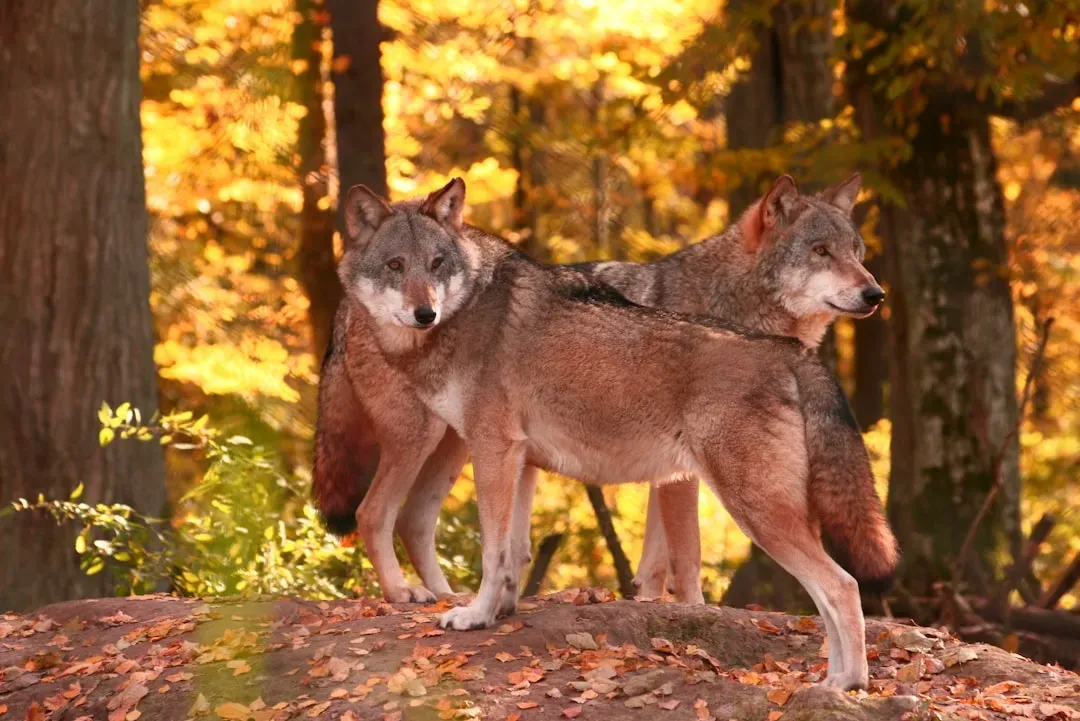
Idaho hosts around 1,500 wolves throughout the state, making it another significant stronghold for gray wolf populations. Hunting of wolves is permitted as part of the state management program, which has sparked considerable controversy among conservation groups and wolf advocates.
The wolves here descended from those reintroduced to Yellowstone and central Idaho in the mid-1990s. It’s honestly incredible how quickly they’ve repopulated suitable habitat. These wolves hunt elk, deer, and other ungulates across rugged mountain terrain that would exhaust even the fittest trail dog.
Let’s be real – Idaho’s wolf management remains contentious. While the state argues controlled hunting keeps populations stable, conservationists worry about aggressive reduction targets. If your dog has that intense prey drive, imagine it multiplied tenfold in these wild hunters.
Wisconsin and Michigan: Great Lakes Survivors
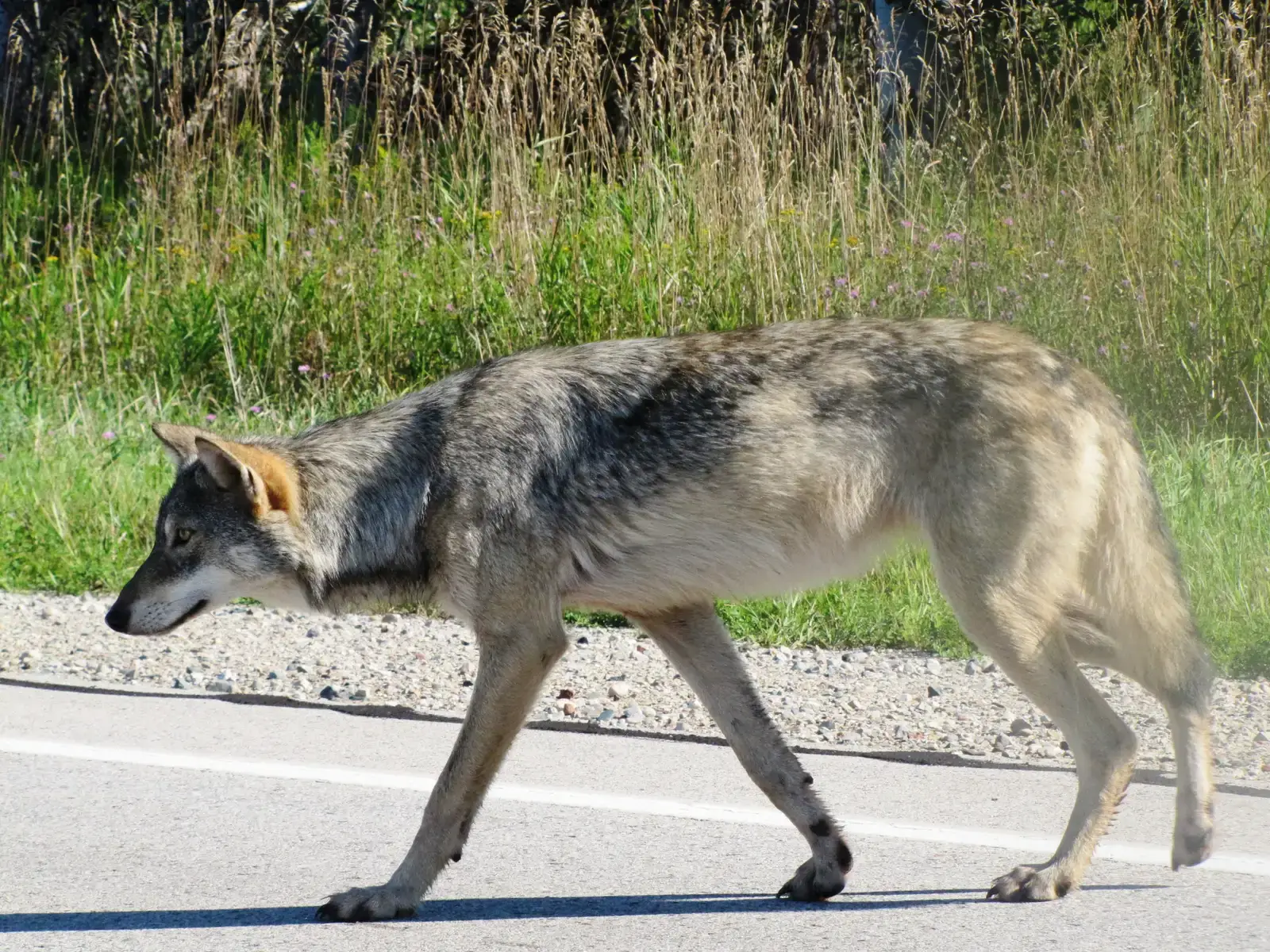
Wisconsin maintains approximately 1,200 wolves as of 2024-2025, while Michigan supports around 762 wolves as of 2023. Both states saw their wolf populations federally delisted in January 2021 and then relisted as endangered in February 2022.
These Great Lakes wolves represent one of conservation’s real success stories. They naturally recolonized from Minnesota over several decades, proving that when given protection and suitable habitat, wolves can recover. Your German Shepherd might share that same determination and pack mentality these wolves display daily.
What strikes me most about these populations is their resilience. Despite living in states with substantial human populations, these wolves have carved out territories in northern forests. It’s illegal in Wisconsin to hunt wolves, and non-lethal methods must be used to control them, showing a commitment to coexistence that benefits both wolves and the people who share the landscape.
Montana and Wyoming: Yellowstone’s Neighbors
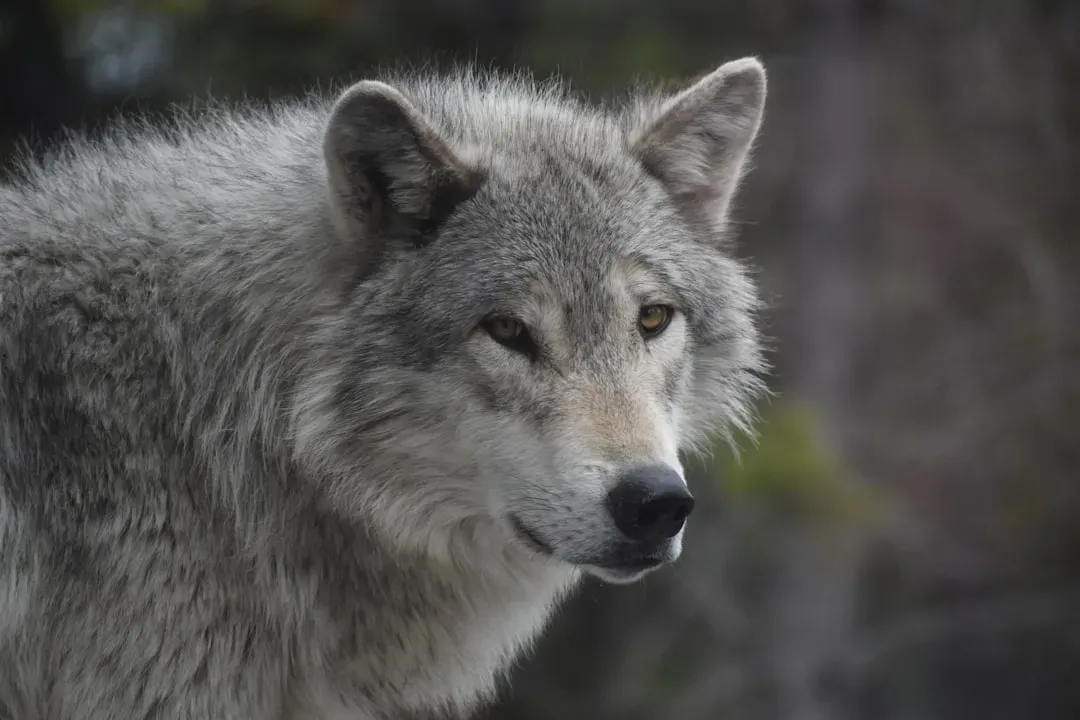
Montana has maintained about 800 wolves throughout the state over the past decade. The state’s Fish, Wildlife, and Parks Department says controlled hunting has helped stabilize the population. Meanwhile, Wyoming hosts approximately 330 wolves as of late 2024, with roughly half residing in the protected ecosystem around Yellowstone National Park.
These states witnessed the dramatic return of wolves through the famous Yellowstone reintroduction program. I know it sounds crazy, but the ecological changes that followed – the so-called “trophic cascade” – transformed entire river systems. Elk behavior changed, vegetation recovered, and the whole ecosystem shifted.
Your dog’s instinct to patrol the yard? That’s a pale shadow of how these wolves maintain massive territories. Wyoming removed wolves from the endangered species list within the state in 2017, transferring management to state authorities who balance wildlife conservation with ranching interests.
Emerging Populations: Hope for the Future

Beyond the major wolf states, smaller populations are establishing footholds elsewhere. California now has around 50 wolves, including adults, yearlings, and pups, naturally dispersing from neighboring states. Oregon supports 204 wolves as of April 2025, while Washington hosts 230 individual wolves in 43 family groups.
These emerging populations represent something truly special – wolves reclaiming historic range through their own determination. No human carried them there; they walked, sometimes hundreds of miles, to establish new territories. If your dog has ever shown that stubborn, independent streak, you’re glimpsing their wolf heritage.
New Mexico maintains about 162 Mexican gray wolves as of 2024, a critically endangered subspecies fighting for survival. These smaller, southwestern wolves remind us how fragile recovery can be. Still, their presence offers hope that with dedicated conservation efforts, even the most endangered populations can persist.
Conclusion: Understanding Our Dogs’ Wild Relatives
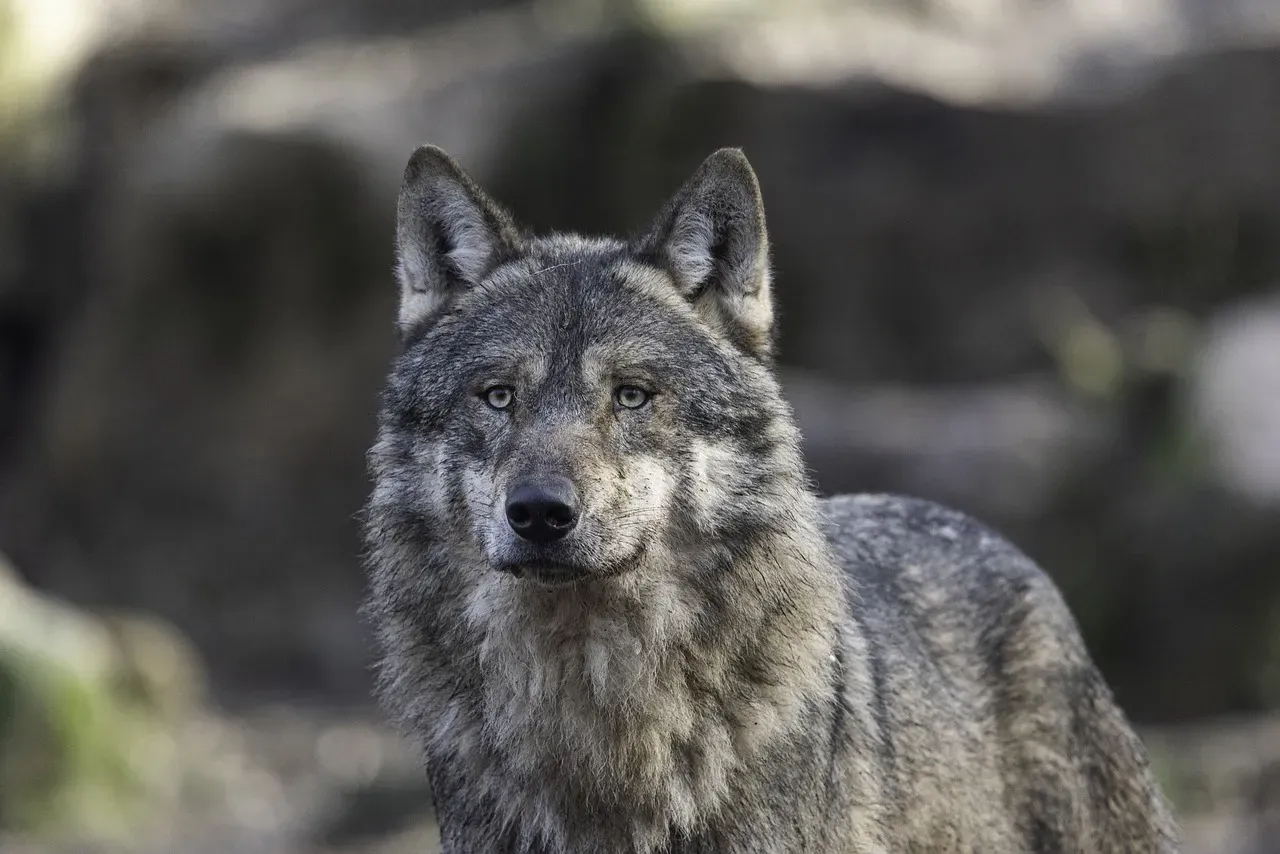
Gray wolves occupy less than ten percent of their historic range across the United States, yet their persistence in these key states shows us nature’s remarkable resilience. The total wolf population across all these states numbers somewhere between 14,000 and 18,000, a testament to decades of conservation work.
Every time your dog tilts its head at a distant sound or circles before lying down, you’re seeing wolf behavior preserved through thousands of years of evolution. These wild populations matter not just for ecological reasons, but because they connect us to something primal and essential about the animals we’ve welcomed into our homes and hearts.
What do you think about wolves reclaiming their historic territories? Should we be doing more to support their recovery, or are current populations sufficient? Tell us your thoughts in the comments.


