
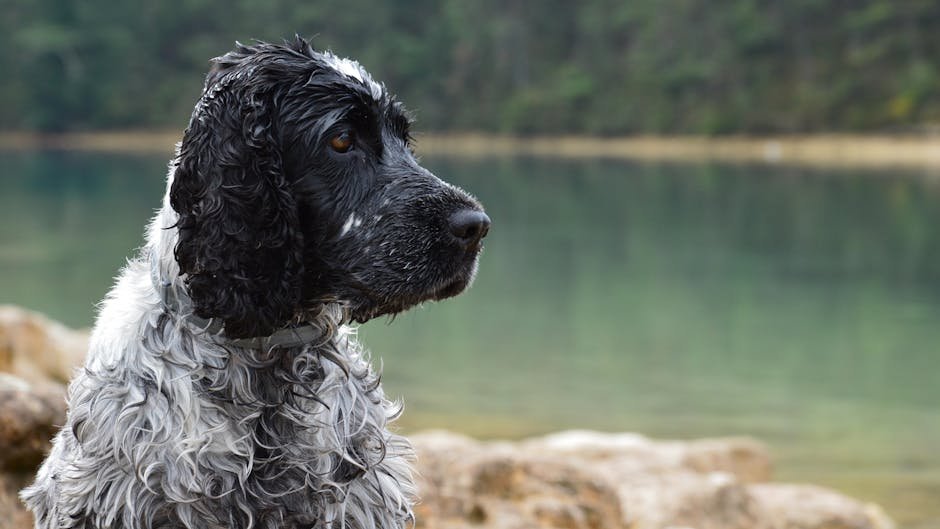
There’s a dog out there that helped pioneer families survive brutal Midwestern winters, nearly vanished from the face of the earth, got rescued by one determined doctor, and is still so rare today that most people have never even seen one in person. That dog is the American Water Spaniel, and honestly, it might just be the most underrated breed in the entire country.
If you’ve ever spotted a compact, curly-coated chocolate brown dog bounding into a lake or leaping into a canoe with pure joy, there’s a good chance you were somewhere in the upper Midwest. There’s also a good chance that dog had a story richer than almost any other breed you could name. So let’s dive in and find out which US states claim the most of these incredible dogs, and why that map looks the way it does.
Wisconsin: The Birthplace and True Home of the Water Spaniel

Let’s be real – no conversation about the American Water Spaniel starts anywhere except Wisconsin. The breed was developed during the mid 1800s in the Fox and Wolf River valleys of Wisconsin, where it is officially the State Dog. That’s not just a fun fact. That’s a deep, cultural bond between a state and its dog.
In 1986, Wisconsin chose the breed as its state dog. Think about what that means. Wisconsin had hundreds of breeds to choose from, and they picked this one, because it was theirs. Born from the cold rivers and misty marshlands of Wisconsin, this curly-coated brown dog is not just a pet or a hunting companion. It is quite literally a living piece of American history.
European immigrants who settled in Wisconsin and Minnesota needed a special dog. They wanted a breed small enough to ride in a canoe or skiff without rocking the boat. They also needed a dog with a water-resistant coat, immune to cold weather. That kind of practical thinking produced something extraordinary.
Even today, Wisconsin remains the epicenter of AWS ownership and breeding. Even today one will find the majority of the American Water Spaniel owners and breeders are still located in Wisconsin, Michigan, Minnesota, and surrounding states. If you’re searching for one of these dogs, Wisconsin is your best bet, full stop.
Minnesota and Michigan: The Loyal Neighbors Keeping the Breed Alive
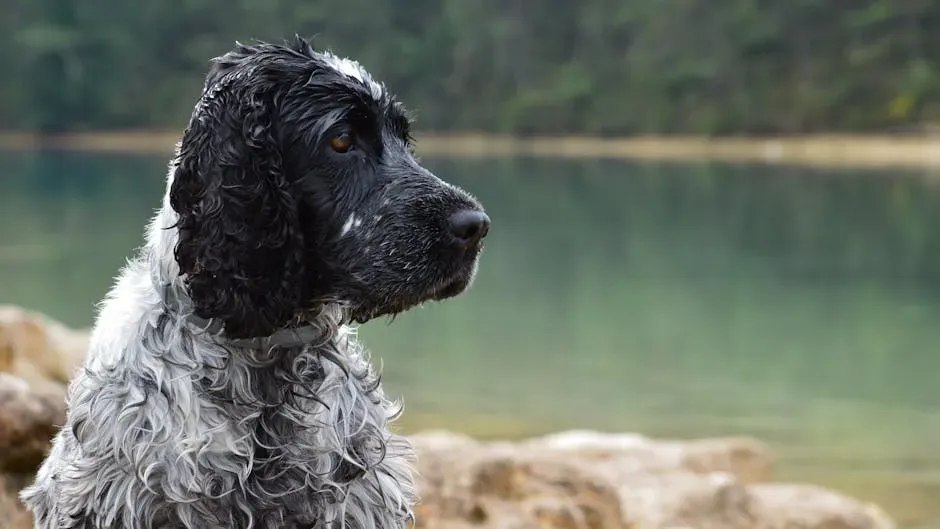
With an estimated 3,000 dogs in existence mostly around the Midwestern United States, in particular in Wisconsin, Minnesota and Michigan, it’s clear that these two states share Wisconsin’s deep-rooted connection to the breed. Minnesota and Michigan aren’t just runner-ups. They’re essential pillars in the AWS’s continued survival.
The geography tells the whole story. This is Great Lakes territory, where the marshland is thick, the water cold, and hunting both waterfowl and furred game is confined to the deep woods and narrow river passes. The AWS was literally engineered for this exact landscape, which is why it thrives wherever that environment exists.
Almost all of the tiny American water spaniel population live in the Great Lakes region where they were first developed. Minnesota’s abundance of lakes and Michigan’s sprawling wetlands create ideal conditions for a breed that lives to swim and retrieve. Owners in these states tend to be outdoorsy, active, and deeply committed to preserving the breed’s working heritage.
I think there’s something genuinely moving about that. These communities aren’t keeping the AWS alive because it’s trendy. They’re doing it because they understand its worth. Despite the influx of foreign breeds, the American Water Spaniel retained a small but loyal following in its Midwestern birthplace.
The Breed’s Rarity: Why These Numbers Are So Small Everywhere Else
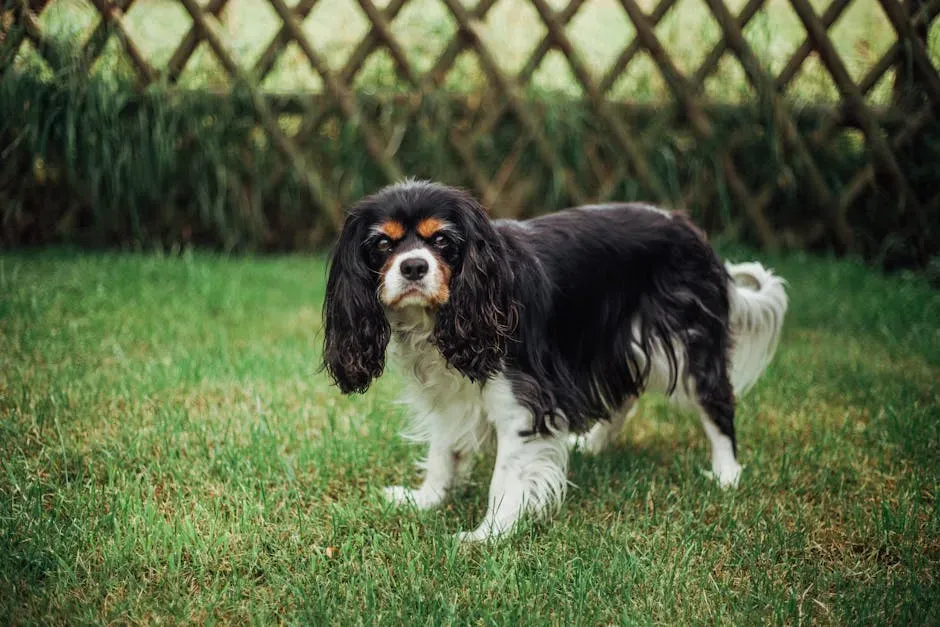
Here’s the thing – outside the Great Lakes corridor, the American Water Spaniel is practically invisible. The American Water Spaniel is a rare breed with only an estimated 3,000 in existence on any given date. While it is one of five hunting breeds recognized as having been developed in the United States, it has never been a popular breed.
The reasons go deeper than fashion. Over the years the breed’s numbers began to dwindle for three primary reasons: a reduction in the duck population, an evolution of hunting styles, and an influx of hunting dogs after World War II. It’s a perfect storm of historical pressures that knocked this breed off the map in much of the country.
The breed reached its peak of popularity sometime between the 1920s and 1930s, after which time its numbers started to dwindle. Fortunately, breed enthusiasts have managed to maintain a reasonable population that is not likely to disappear anytime soon. That’s reassuring, but it also means that in places like Texas, Florida, or California, you’d be hard-pressed to spot one at the dog park.
American Water Spaniels are relatively rare outside of America’s Great Lakes region. If you live in one of those states and you happen to own one, congratulations – you’re practically a unicorn among dog owners.
What Makes the AWS So Special: Temperament, Traits, and Behavior Cues
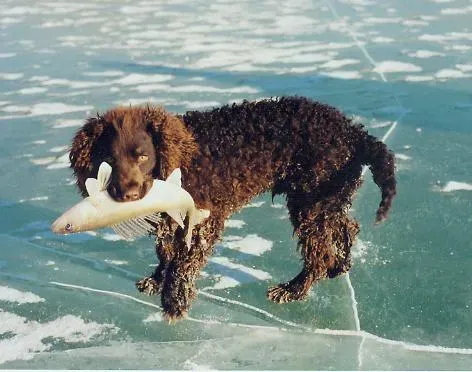
So why do people in these Midwestern states hold on so fiercely to this breed? Because once you’ve known an AWS, honestly, it’s hard to imagine life without one. The American Water Spaniel is an intelligent, upbeat, athletic breed that excels at hunting and retrieving. These eager bundles of energy are friendly, affectionate, and playful, all of which make them loving companions.
That said, they do come with some quirks. The American Water Spaniel takes a while to warm up to new people and strange dogs, and is more of a one-family dog who would rather wait and see than rush in to make friends. If your dog hangs back at the dog park, that’s not anxiety. That’s just classic AWS behavior. Don’t push it.
Due to their backgrounds as active hunters and swimmers, American Water Spaniels need plenty of regular exercise to keep them happy. If they don’t get enough exercise, they may respond with nuisance barking or destructive behaviors. Think of it like a kettle. Enough exercise, and they’re calm and sweet. Too little, and things get loud.
The American Water Spaniel during training responds best to positive reinforcement. Harsh words and negativity will make them lose interest and fall into stubbornness. Be patient, as American Water Spaniels mature a little slower than most other breeds. Gentle consistency is everything with this dog.
Health, Grooming, and Caring for Your Water Spaniel the Right Way
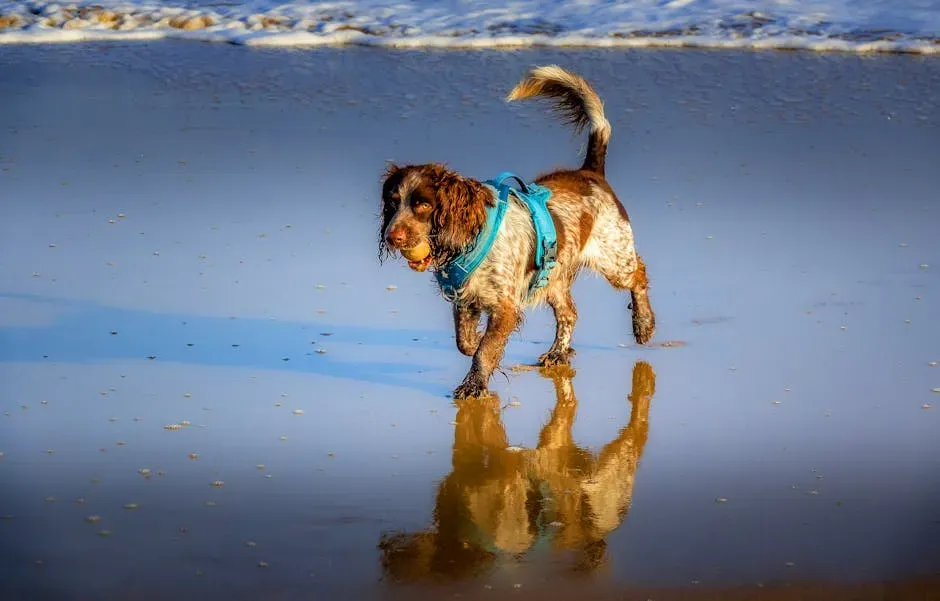
Owning an AWS in Wisconsin, Minnesota, or Michigan means your dog is likely spending serious time outdoors in challenging conditions. That makes health awareness even more important. The American Water Spaniel’s biggest health concern is mitral valve disease of the heart. Two other cardiac-related problems, pulmonic stenosis and patent ductus arteriosis, are also of some concern, as is hip dysplasia. These aren’t things to panic about, but they are things to discuss with your vet regularly.
The breed is known to suffer from eye issues including cataracts and progressive retinal atrophy. Inheritance is suspected in both conditions, with the average age of cataract onset at under one year old. Scheduling annual eye checks is a simple, practical step every AWS owner should take.
That glorious curly coat? It needs attention. That curly coat has an oily texture, which is good for repelling water, but not so good for the grooming-challenged. Even though American Water Spaniels don’t leave shed hair around the house, they still need to be brushed at least once or twice a week to prevent matting and encourage good skin circulation.
One more tip worth knowing: when it comes to grooming, the advice is to brush the dog’s coat only once a week and not over-bathe your pup for fear of taking away the natural oils in the skin and making it irritable. Less really is more here. That oily coat is a feature, not a bug. It’s what keeps your dog warm in cold Midwestern water.
Conclusion: A Rare Treasure Worth Protecting

The American Water Spaniel is, without question, one of the most fascinating and overlooked breeds in America. Its story is tied almost entirely to a handful of Midwestern states, and that geographic loyalty is both its vulnerability and its charm. Wisconsin, Minnesota, and Michigan aren’t just the . They’re the custodians of a living piece of American heritage.
The American Water Spaniel is a dog that rarely gets the spotlight it deserves. It is not the most famous breed, not the most popular, and certainly not the most common. Yet its story is one of the most compelling in all of dog history.
If you ever get the chance to welcome one of these chocolate-brown, curly-coated athletes into your life, grab it. You won’t be getting a trend. You’ll be getting a legacy. So here’s a question worth sitting with: if a breed this remarkable nearly disappeared because people stopped paying attention, what other extraordinary dogs might we be overlooking right now?


