
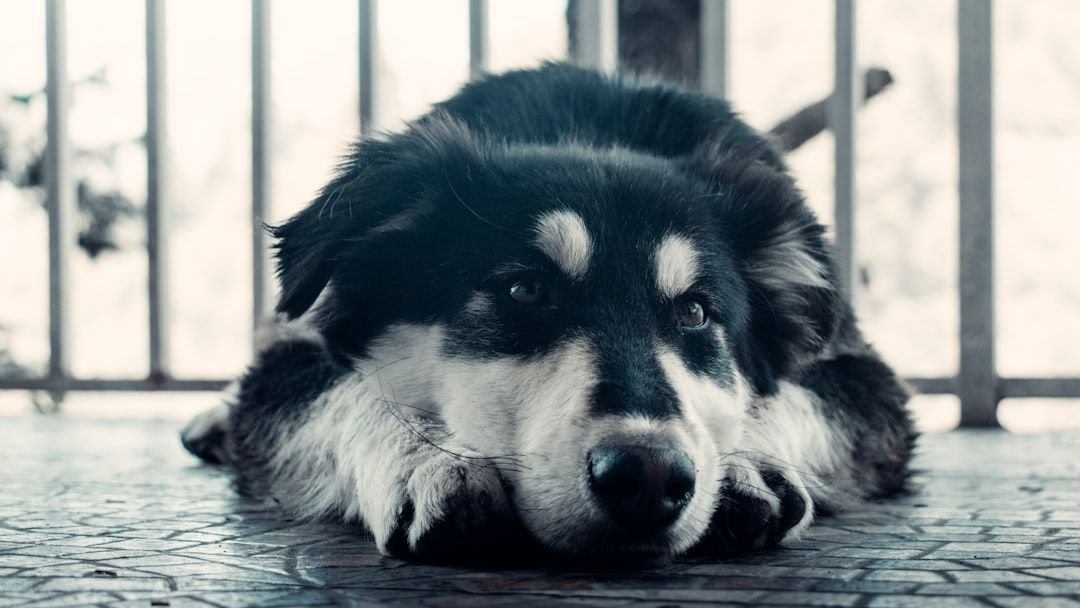
There’s something deeply unsettling about watching a beloved companion change before your eyes. Your dog, who once bounded to the door at the sound of your keys, now barely lifts his head. You tell yourself it’s just a bad day, maybe the weather, perhaps old age catching up. Yet somewhere deep inside, a quiet voice whispers that something more profound is happening.
Dogs can’t tell us in words when they’re approaching the end of their journey. They can’t sit us down for a difficult conversation or explain what they’re feeling. Instead, they communicate through subtle shifts in behavior, physical changes, and quiet signals that are easy to miss if we’re not paying attention. Recognizing these warnings isn’t about preparing for sadness. It’s about giving our loyal friends the comfort, dignity, and love they deserve in their final chapter.
The Sudden Disinterest in Food and Water
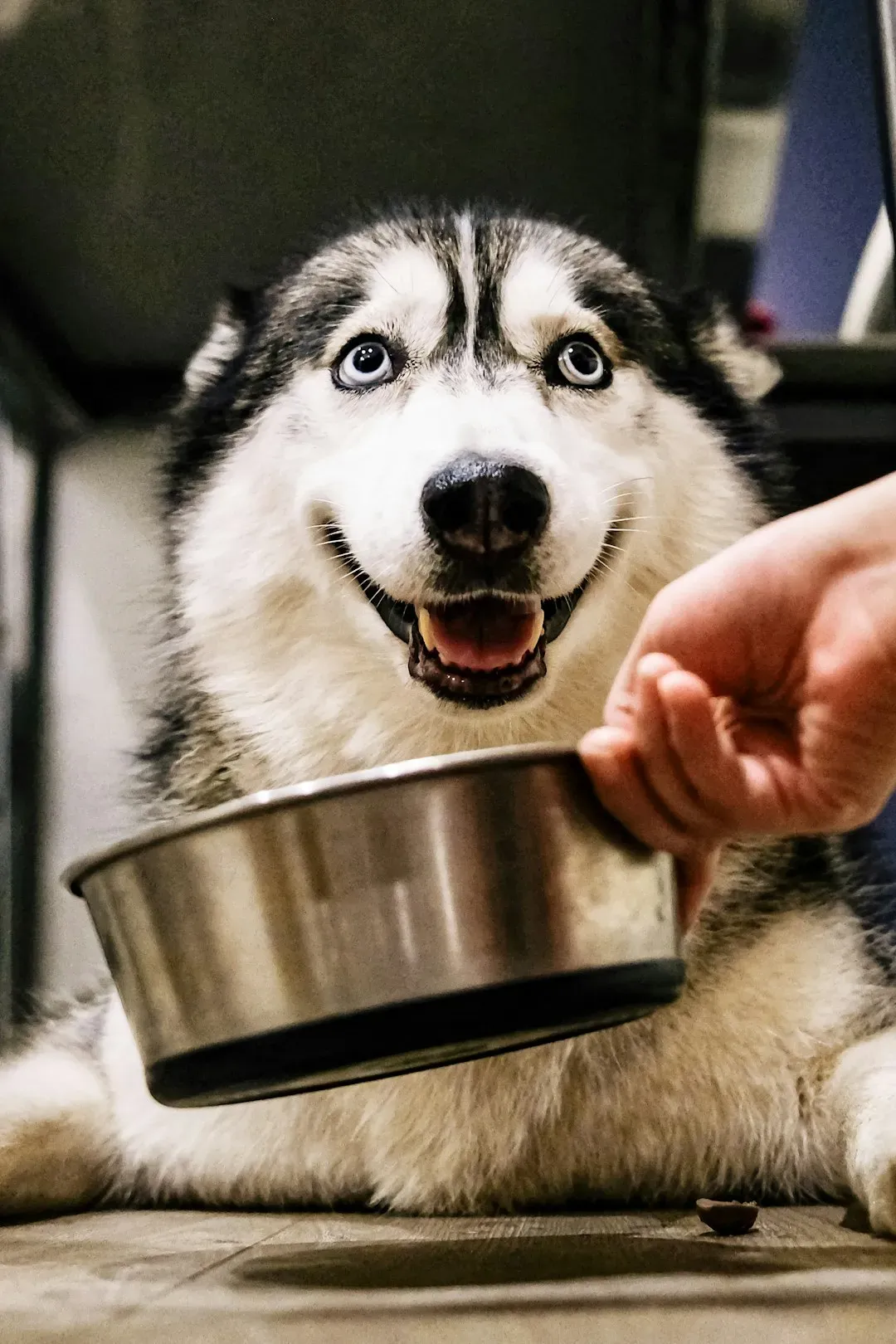
When a dog nears death, one of the first signs is refusing to eat or becoming fussy with certain foods, especially if they feel sick or take medication affecting their sense of smell or taste. It’s jarring when a dog who once devoured every meal suddenly turns away from their bowl.
Loss of appetite becomes particularly common in a dog’s final days, often accompanied by decreased thirst and sometimes other gastrointestinal symptoms like vomiting and diarrhea. This isn’t just pickiness. Their body is beginning to shut down, and eating becomes less instinctive, less necessary.
Extreme Lethargy and Withdrawal from Activities

Dogs nearing the end of life typically sleep more and become disinterested in going for walks or other usual activities. The afternoon game of fetch that once brought so much joy now seems exhausting, maybe even impossible.
They may refuse to get up from their spot, even for their most favorite things like toys, treats, and offers to go for a walk, and might not even seem happy to see family members. This withdrawal can feel like rejection, yet it’s simply their body conserving whatever energy remains. They’re not choosing to leave you emotionally. They’re preparing for what comes next.
Breathing That Becomes Labored and Irregular
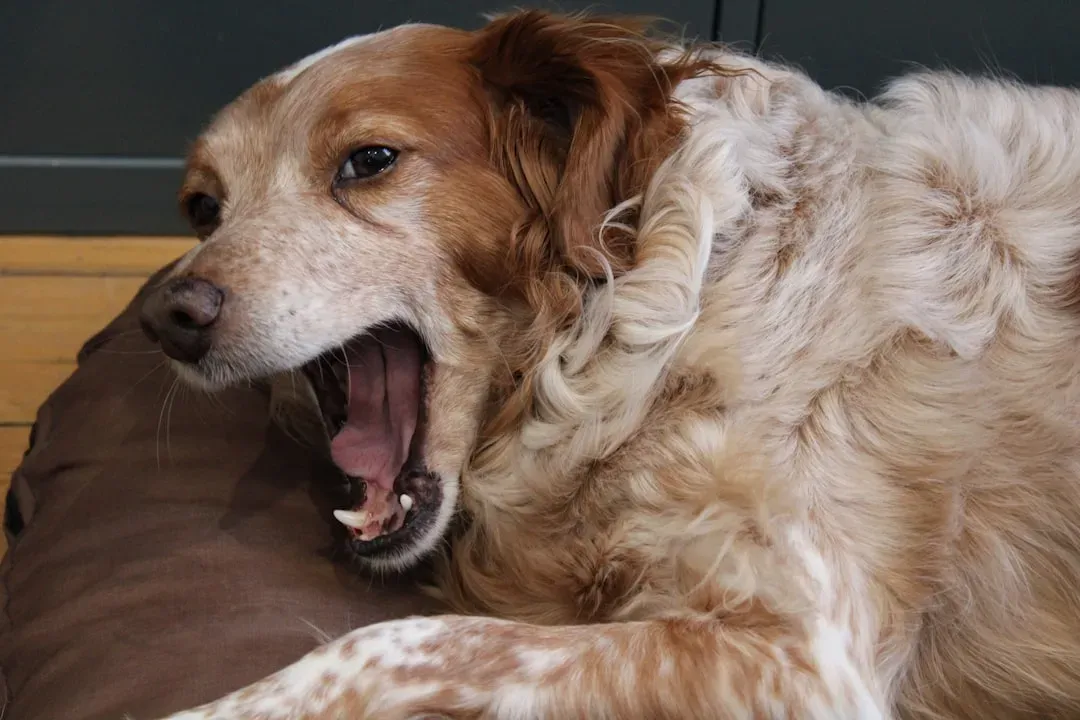
Abnormal breathing patterns, open-mouth breathing, and inhaling and exhaling at intervals are all signs of dying. You might notice your dog panting even while resting, or taking great breaths followed by unsettling pauses.
At the very end of life, breathing often becomes ragged, with great breaths in followed by long pauses and little sighs out, possibly with panting or almost a rattling sound. It’s one of the most distressing signs to witness, yet understanding it can help you respond with calm compassion rather than panic.
Loss of Bladder and Bowel Control
If your dog starts soiling the house involuntarily when walking or sleeping, it might indicate they are close to death. This isn’t behavioral. They haven’t forgotten their training or decided to misbehave.
Incontinence refers to when a dog loses control of its bladder or bowels, a common condition in senior dogs that worsens as they approach their end. The muscles and systems that once functioned automatically are failing. Your dog likely feels confused or distressed by this change, so patience and gentle reassurance matter more than ever.
Dramatic Changes in Body Temperature

Dying dogs will find it difficult to regulate their body temperatures and lose control over their bodily functions, growing vulnerable to becoming hot or cold. You might notice their ears feel cooler than usual, or they’re shivering despite a warm room.
Dogs who are sick, aging, or near the end of life may get hotter or colder than they used to due to hormonal changes that make it difficult for their body to regulate temperature. Creating a comfortable environment with soft bedding, warmth in cool weather, or shade and water in heat becomes an act of love during these final days.
Behavioral Shifts Between Clinginess and Isolation
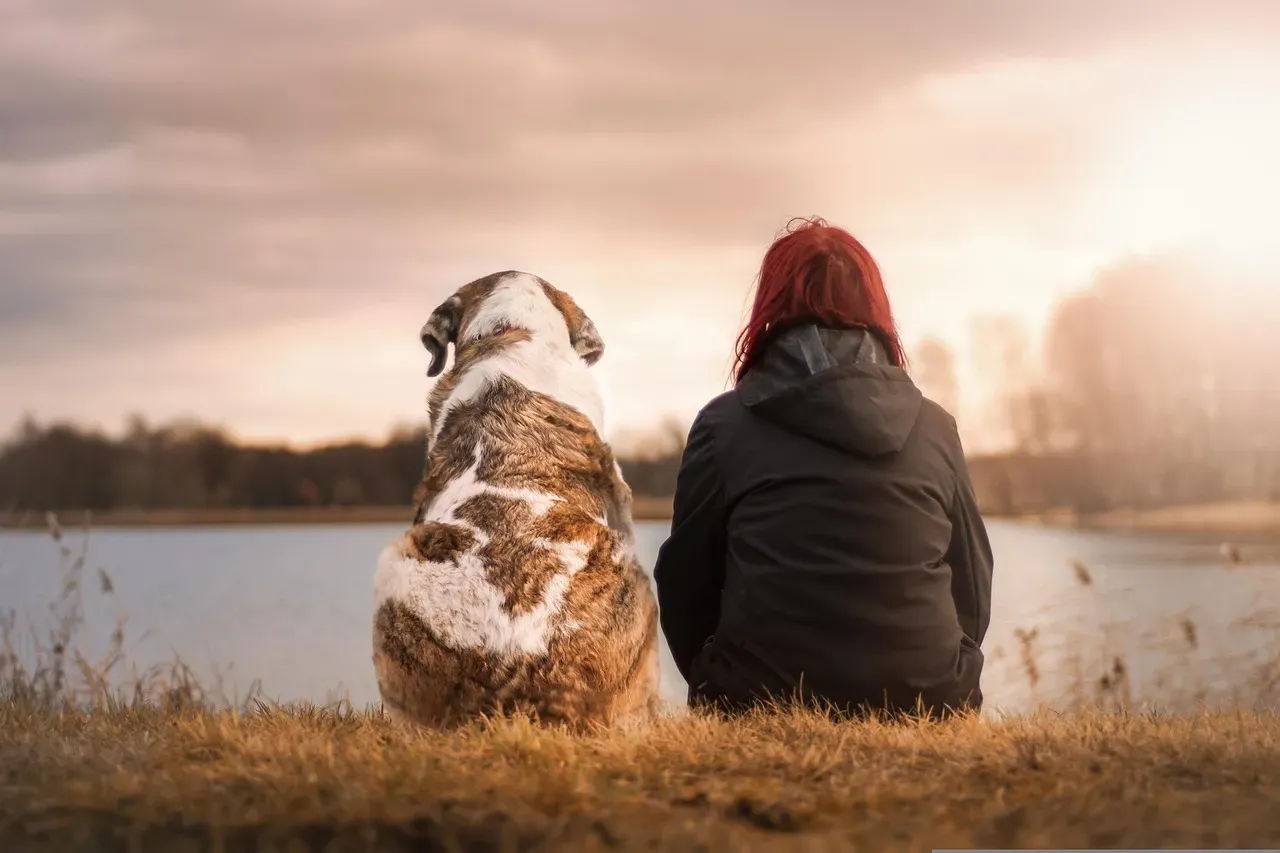
Some dogs seek out the comfort and company of their humans to the point of clinginess, while others become more solitary and seek quiet corners to be alone. There’s no single way a dog behaves when facing the end, and that’s what makes it so personal.
You may notice behavior changes toward the end of your dog’s life, things like lack of interest, lethargy, depression, anxiety or even aggression or clinginess. One day they might follow you from room to room, desperate for your presence. The next, they might retreat to a secluded spot, seeking solitude. Both responses are valid, natural, and heartbreaking in their own way.
Increased Pain and Restlessness
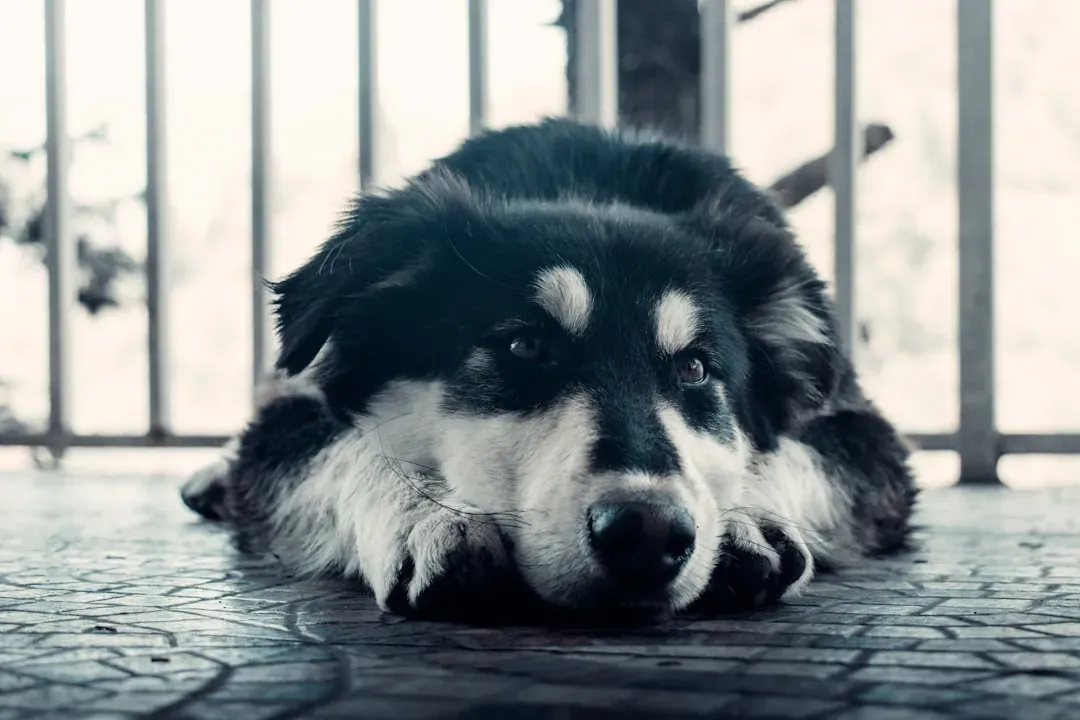
One of the most common signs of dying is often an increase in pain and an inability to get comfortable, with dogs sleeping more and having trouble getting up, sometimes crying out or panting even at rest. Watch for subtle signs like reluctance to move, whimpering, or unusual positioning.
Signs of pain include irritability, restlessness, or aggression, while discomfort may cause dogs to sleep more than usual or seek out new resting places they’re reluctant to leave. Pain management becomes crucial at this stage. Your veterinarian can provide medications to ease their suffering, ensuring their final days aren’t defined by discomfort.
Seeking Extra Affection or Saying Goodbye

Some pet owners have observed behavior at the end of life that could be a dog communicating their goodbye, like seeking out extra companionship or solitude. There’s something almost mystical about those final moments of connection.
Many dogs absolutely know they are dying and want to make the most of their last moments, with dogs often spending hours before they isolate themselves asking for kisses, pets, and snuggles from their human family members. If your dog suddenly becomes more affectionate, pressing against you or gazing into your eyes with unusual intensity, they might be telling you something profound. They’re saying thank you. They’re saying goodbye. They’re saying they love you, one last time.
Conclusion
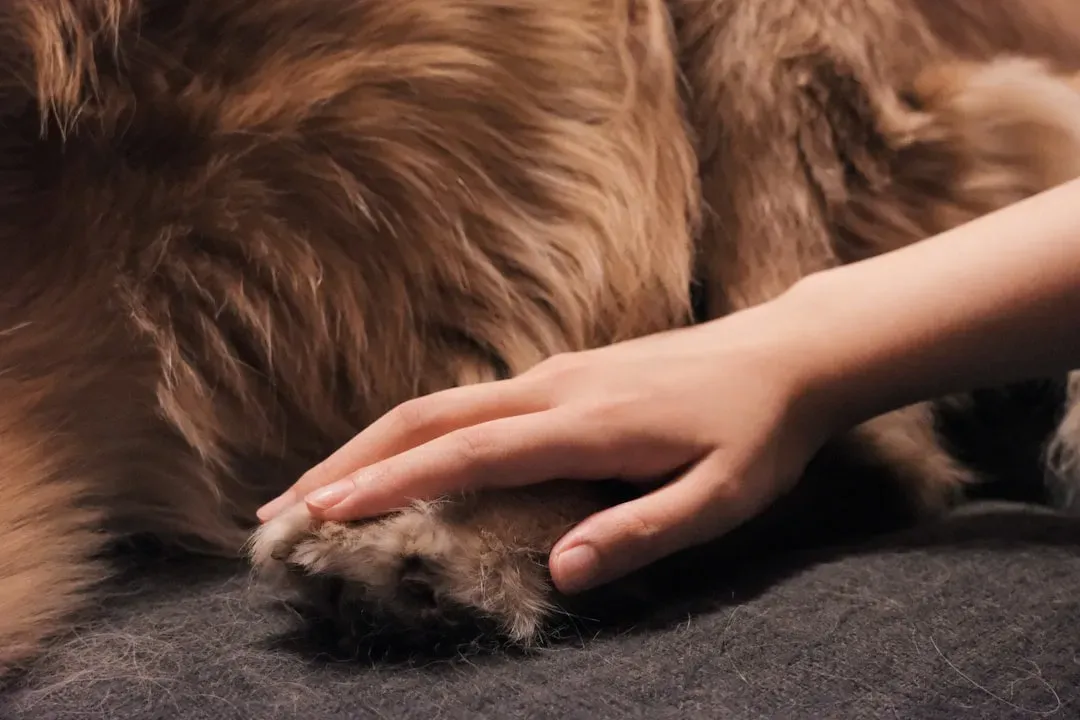
The warnings a dog leaves when approaching the end are written in quiet gestures, physical changes, and shifts in the rhythms you’ve shared together for years. Recognizing these signs isn’t about accepting defeat. It’s about honoring the relationship you’ve built and ensuring your companion’s final chapter is filled with comfort, dignity, and unwavering love.
The kindest thing you can do for your dog in their final days is to make sure they are as comfortable as possible. Whether that means pain medication, soft bedding, favorite foods, or simply your presence, every gesture matters. The bond between human and dog transcends words, and in those last days, your touch and voice become the greatest comfort they’ll know.
What will you do to make your dog’s final moments peaceful? How will you say goodbye to the friend who asked for nothing but loved you unconditionally? These are questions worth considering long before the moment arrives.


