
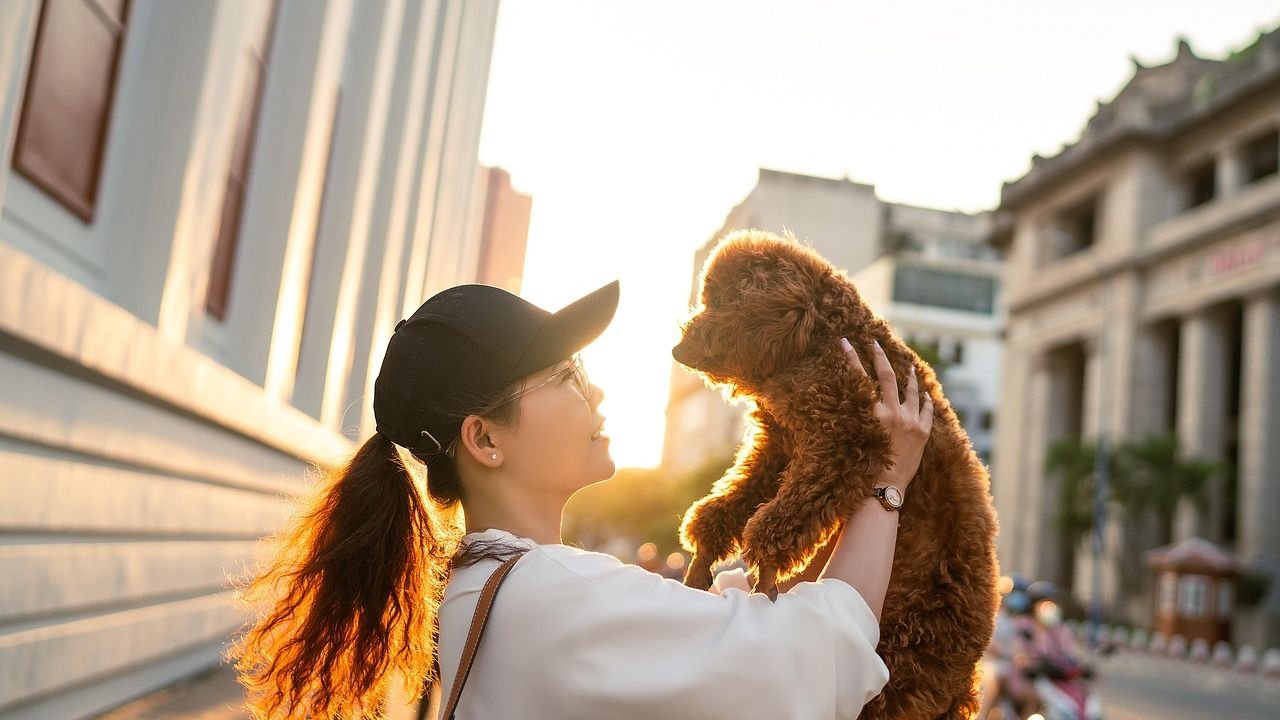
You love your dog more than most things in this world. You scoop them up for a cuddle, wrap your arms around them for a hug, and maybe even hold them like a baby while you binge-watch TV. It feels like the most natural expression of love. The problem? Your dog might not be seeing it quite the same way you do.
Here’s the thing – the way we hold, lift, and embrace our dogs is one of those areas where human instinct and canine instinct are completely at odds. What feels warm and loving to you can genuinely feel alarming or even painful to your dog. The good news is that once you understand what’s really going on, you can make small changes that will mean the world to your furry companion. So, let’s dive in.
Why Dogs Experience Holding Differently Than We Think
Let’s be real: we love dogs so much that we project our own feelings onto them. Hugging feels like love to us, so we assume it must feel the same to them. The truth is far more complicated. When you watch dogs interact with each other, you will notice they don’t embrace each other. They might pin each other to the ground, but only in the context of play fighting or real fighting.
When you hug a dog, they don’t understand what you’re trying to say. You’re essentially trapping them. They can’t get away from anything that scares them or makes them uncomfortable while in your arms. That’s not a minor thing. For an animal that is wired to move freely, having its body restrained is genuinely unsettling.
As primates, we are wired to express affection through hugging. Dogs show their love in other ways, as their legs are not exactly made to wrap around another dog or person. Hugging is truly a foreign concept to our canine companions. Honestly, once you see it this way, it changes everything.
The Silent Signals Your Dog Sends When They’re Uncomfortable
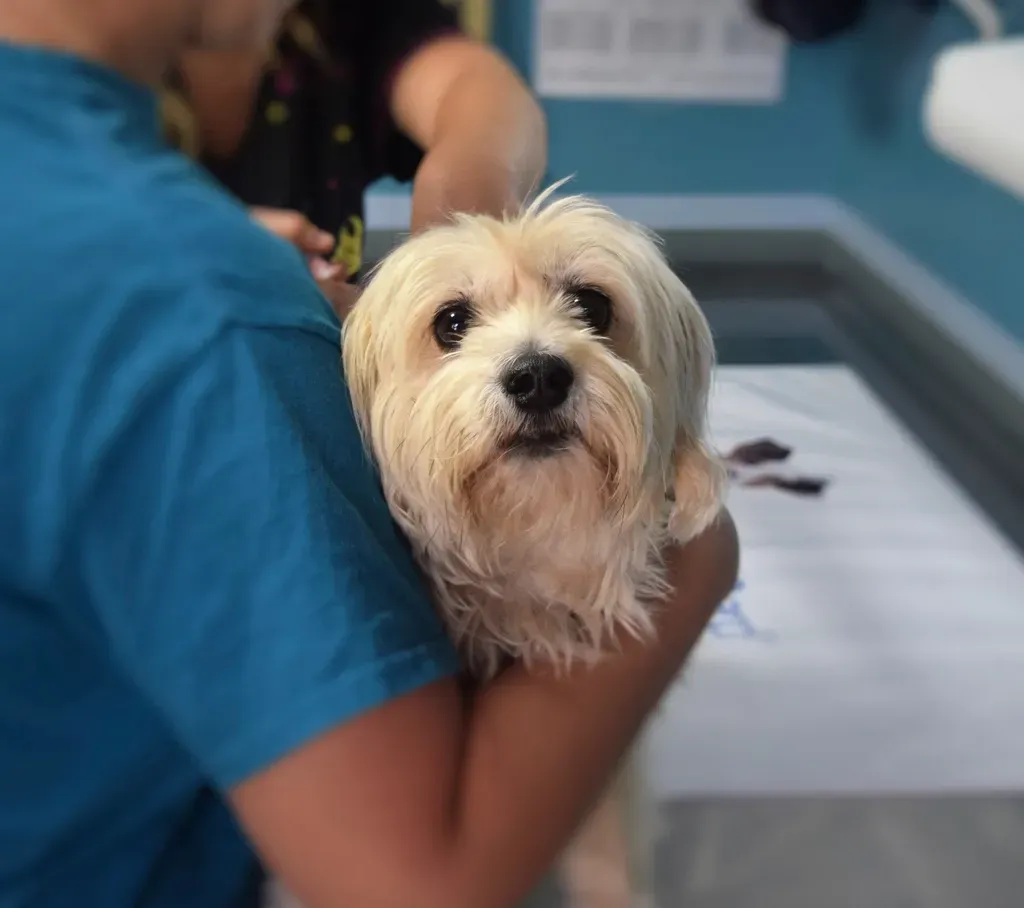
Your dog is probably already telling you they’re uncomfortable. They just aren’t using words. Stress signs to look for include whale eye (when dogs reveal the whites of their eyes), tucked ears or tail, raised hackles, lip-licking, yawning, and panting. Your dog might also avoid eye contact or look away.
Lip-licking is another bit of dog body language that people often misinterpret. Just like people, dogs will lick their lips after a delicious meal, but they’ll also do it when they feel anxious. Sometimes the tongue flick is so quick it’s tricky to notice. Your dog isn’t signaling a desire to lick your face. Rather, it’s a sign of discomfort with a given situation.
Dogs communicate using body language. Dog body language involves a dog’s entire body, not just their vocalizations or tail. It’s important to look at all aspects of their body because just one component of a dog’s body language can mean different things. Think of it like reading a whole sentence, not just one letter.
The Holding Mistakes That Are Hurting Your Dog Without You Realizing
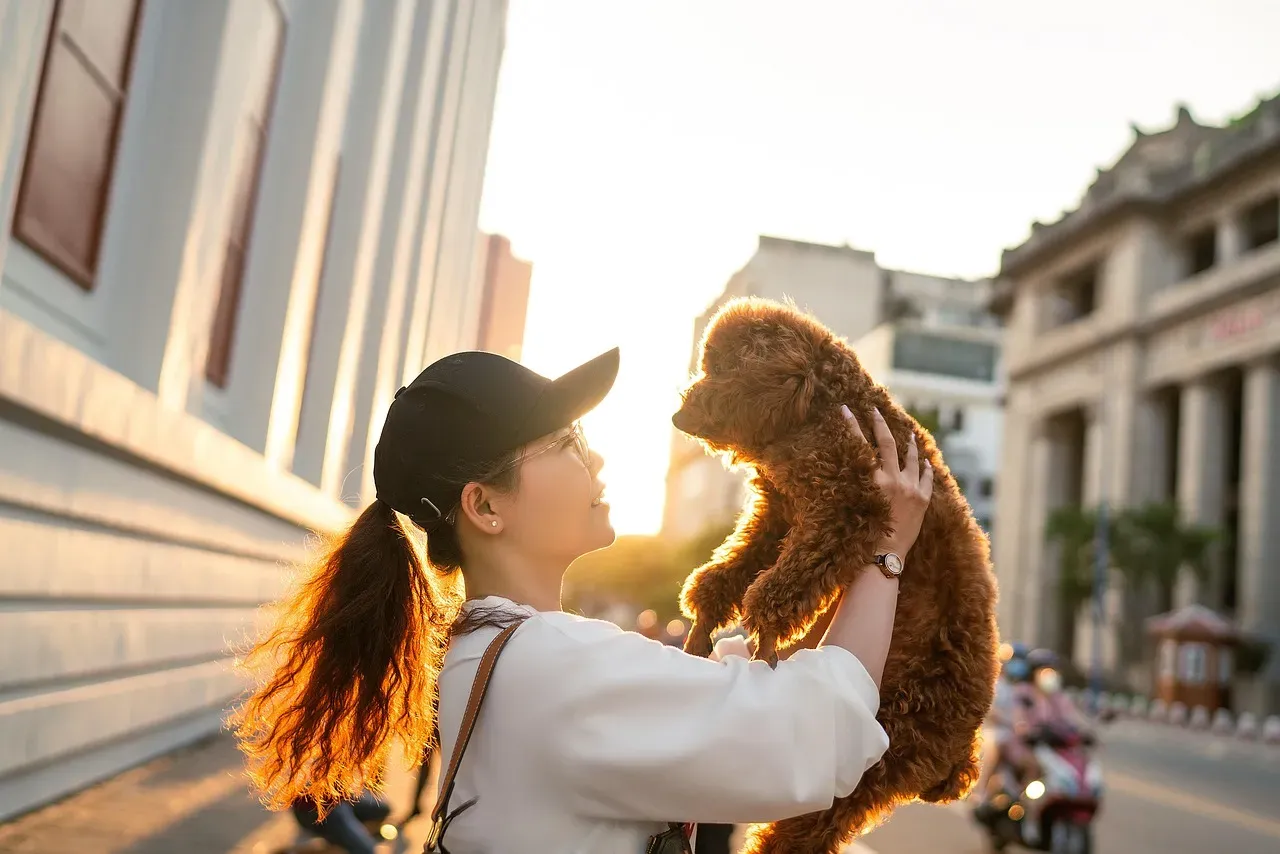
Some of the most common ways people hold dogs are also the most harmful. Don’t ever lift your dog by his front legs or right under his armpits, like he’s a doll. This puts far too much weight on the elbow and shoulders and could injure him. Also, don’t lift your dog by the scruff of his neck.
Grabbing the scruff of your dog’s neck the way a mother dog carries her pups is only suitable for young puppies. For adult dogs, whose weight has significantly increased, this method can cause discomfort or even injury. It’s one of those well-meaning habits that has quietly caused harm for years.
Holding your dog tightly in an upright position puts excessive pressure on their spine. Repeated use of this hold can compress nerves and even lead to paralysis, particularly in long-bodied breeds like Dachshunds. I know it sounds scary, but this is exactly the kind of information that can protect your dog long-term.
The Right Way to Hold and Lift Your Dog
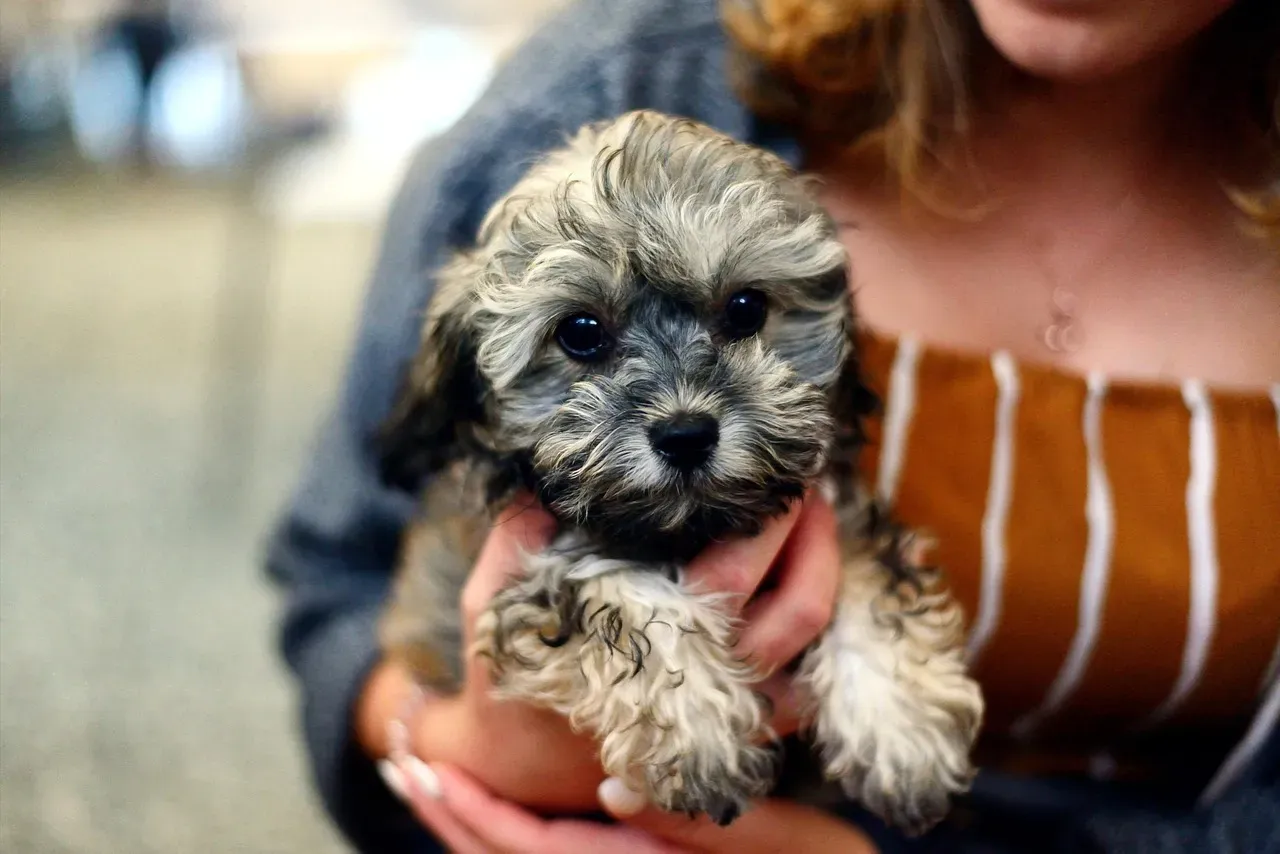
Here’s the good news: getting it right is actually simple once you know the mechanics. When picking up and carrying your dog, it’s important to use both arms to provide front and back support and to hold your pet close to your chest for added security. You may need to tweak your technique depending on your dog’s size and if they have any medical conditions or show pain or discomfort when being handled.
Pull your dog close to your chest. Holding your dog against your chest, a technique some vets call the “chest cradle,” helps to minimize wiggling and support them so they feel secure. For larger dogs, place one hand around the front of your dog’s chest, at the base of their front legs, to support the dog’s weight and keep them stable. Place your other arm behind your dog’s back legs to support their back half without placing pressure on their abdomen. This two-arm method distributes the dog’s weight evenly and prevents unnecessary strain.
From helping your dog in and out of the car to giving your dog a cuddle, it’s always important to let your dog know they’re about to be carried. A cue can be verbal, like “Ready?” or a physical cue like hovering your hands over their shoulders, which can help mentally prepare dogs for being carried. A cue can also decrease the likelihood of bites as it’s a method of asking for consent.
How to Build a Holding Relationship Your Dog Actually Enjoys
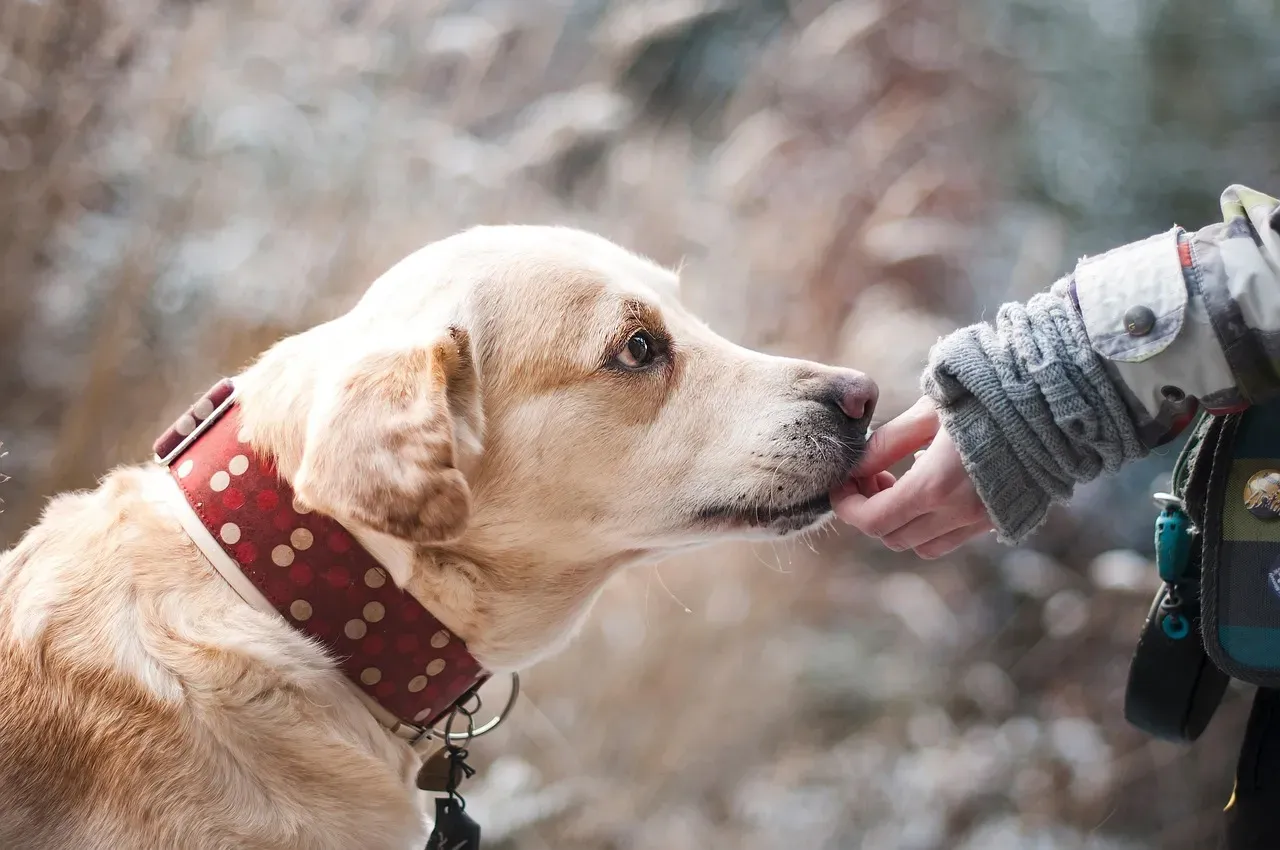
The goal isn’t to never hold your dog again. The goal is to hold them in a way that builds trust rather than eroding it. If you can respond to your dog’s subtle signs of discomfort, your dog will be less likely to communicate by lunging, baring teeth, snarling, growling, snapping, or biting. The more we can show our dogs that we understand and respect how they are feeling, the more they can trust us to help them.
You can change your dog’s negative association with hugs using desensitization and counter-conditioning training techniques. Start by pairing gentle petting with treats or another reward, then slowly increase the invasiveness until you are gently restraining your dog. Increase the firmness of your embrace, all while continuing to reward your dog after each hug.
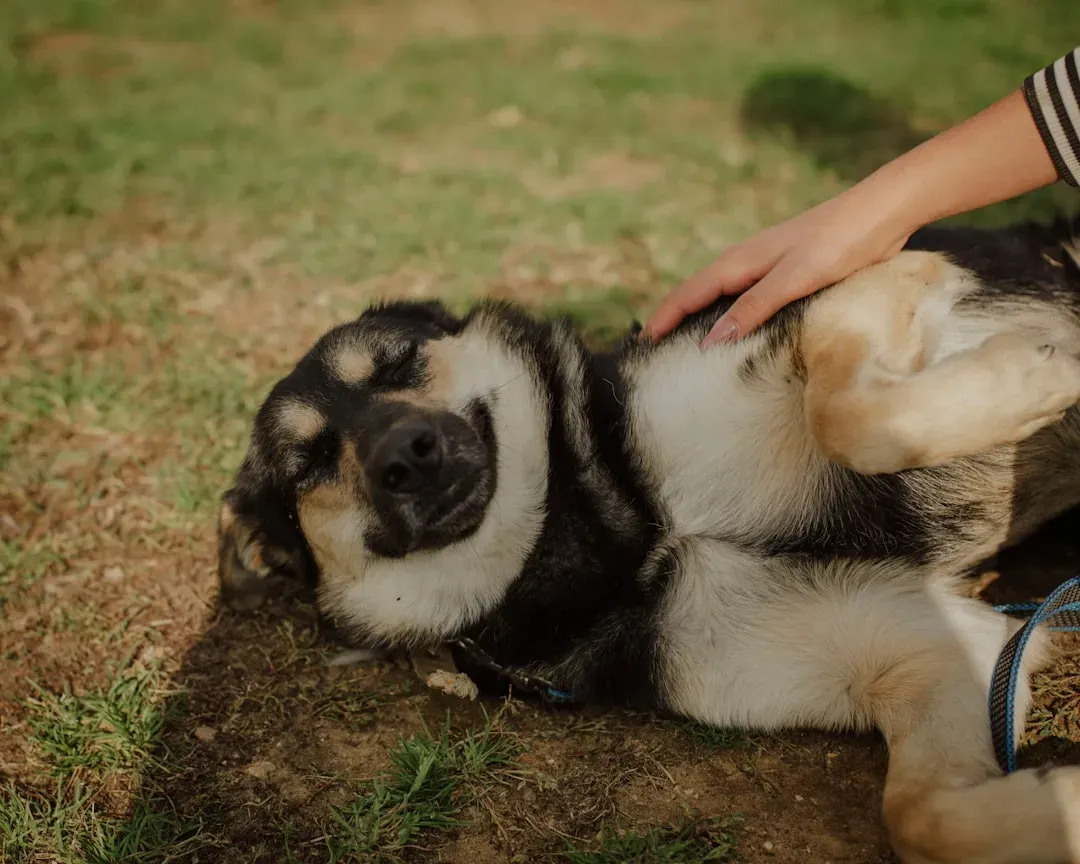
If you force affection on your dog, they can become more reluctant to interact with you. Instead of a hug, you can show affection to your dog by scratching them behind the ears or on the chest, rubbing that sweet spot between the eyes, or giving them a belly rub if that’s what they love best. Small adjustments like these genuinely deepen the bond between you and your dog in ways that forced hugging never could.
Conclusion: Love Your Dog the Way They Understand
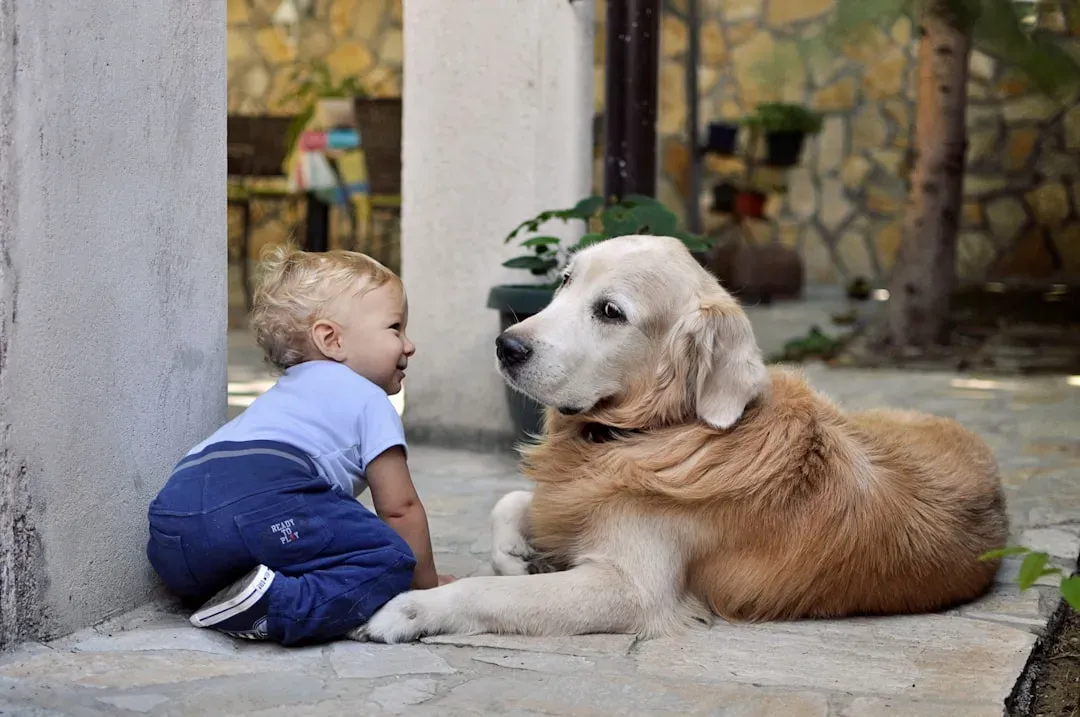
Real love, when it comes to dogs, means paying attention. It means putting their comfort above our own instinct to squeeze what we adore. Every dog is unique, some may enjoy being held while others may not. If your dog’s ears are pinned back, tail is down, or body is stiff, they are likely uncomfortable. If they try to break free or avoid being held, respect their wishes.
Think of it this way: you wouldn’t keep hugging a person who quietly stiffened and looked away every time you reached for them. Your dog deserves the same respect. Whether at home or on a therapy visit, remember that you are your animal’s best advocate. Respecting their communication is the foundation of a strong partnership.
The most beautiful thing about learning your dog’s language is that it brings you closer, not further apart. When your dog chooses to lean into you without being held in place, that choice means everything. So take a moment to watch, listen, and adjust. Your dog has been trying to tell you something all along. Are you ready to really hear them?


