

You know that feeling when your dog pulls so hard on the leash that your shoulder aches for hours afterward? Or when every walk feels like a tug of war instead of the peaceful bonding time you imagined? Here’s the thing: the problem might not be your dog. It might be your grip.
Most of us never think twice about how we hold a leash. We loop it around our wrist, wrap it a few times around our hand for better control, and off we go. Yet that simple choice, that unconscious habit, might be sending your dog all the wrong signals. Research shows that leash handling technique influences everything from pulling behavior to stress levels in both you and your pup. Let’s dive into how a few simple changes to your grip can transform your daily walks from frustrating to fantastic.
Why Your Grip Matters More Than You Think
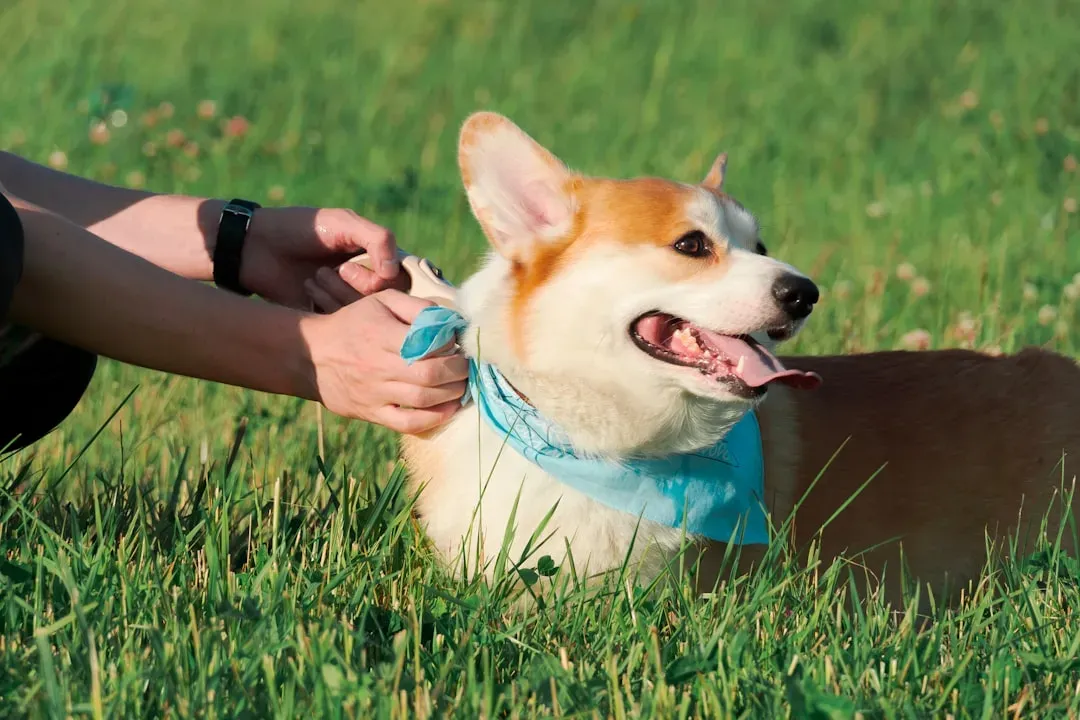
The way you hold the leash can significantly impact your dog’s behavior and overall walking experience, as wrapping the leash around your hand sends tension down the leash which the dog can sense and respond to, contributing to increased excitement or anxiety. Think of the leash as a phone line between you and your dog. Every bit of tension you create travels straight down to them.
Proper slack management reduces pulling behavior by roughly forty percent because dogs receive clear, consistent feedback about acceptable walking boundaries. When you death grip that leash or wrap it tight around your wrist, you’re essentially shouting anxiety through that line. Your dog feels it, interprets it as stress or urgency, and responds accordingly.
A tense leash when walking a dog is a critical animal welfare issue as it potentially causes damage to a dog’s neck and eyes. The stakes are higher than just a pleasant walk. Over time, constant tension can lead to physical harm for your furry friend and serious strain on your own hands, wrists, and shoulders.
The Thumb Lock: Your New Best Friend
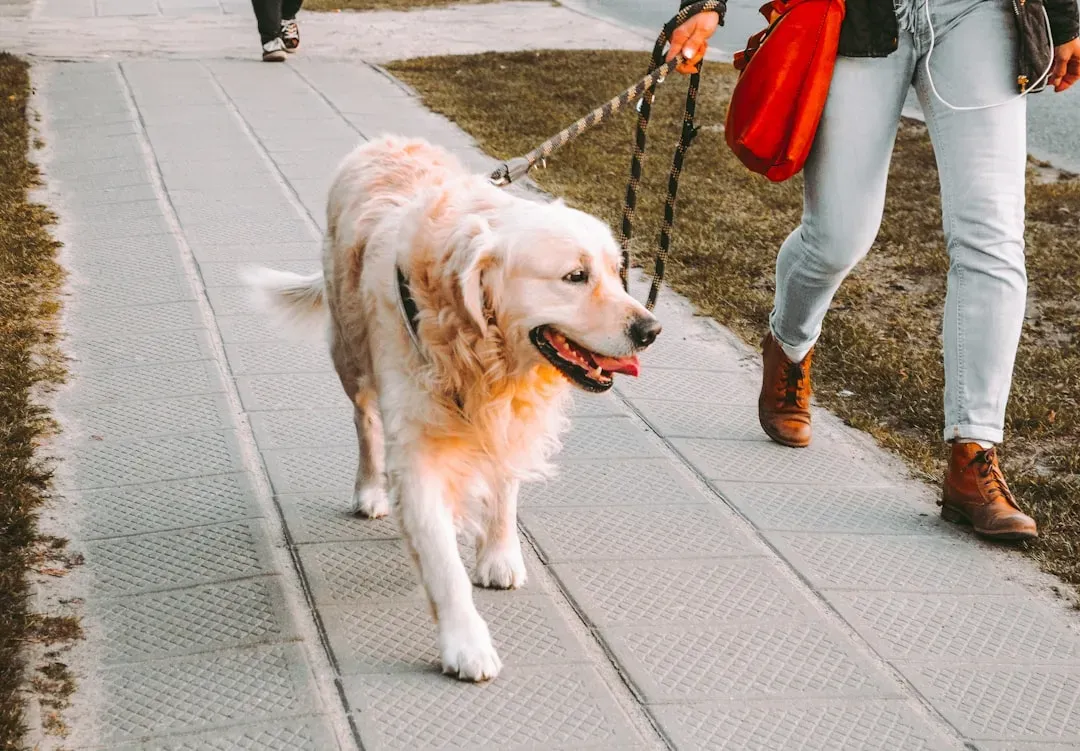
Hold the leash with a thumb lock by placing the handle over your thumb so the loop sits in your palm, with the thumb remaining locked inside the loop of the leash handle, which allows handlers to adjust quickly if a dog’s behavior changes suddenly on a walk or if they shift side to side. This technique might feel awkward at first, especially if you’ve been looping the leash around your wrist for years.
Honestly, wrapping the leash around your hand is one of the worst things you can do. Wrapping creates a tendency to crush your hand and kills any kind of sensitivity or dexterity. Plus, it’s dangerous if your dog suddenly lunges because the leash can tighten so much you can’t let go when you need to.
The thumb lock gives you security without sacrifice. It creates a nearly unbreakable grip at the leash handle that is supported by the second hand on the leash itself by slipping your thumb through the loop and closing your fist around both legs of the loop to lock the leash in place. Your hand stays safe, you maintain flexibility, and your dog gets clearer communication.
The U-Shape Secret
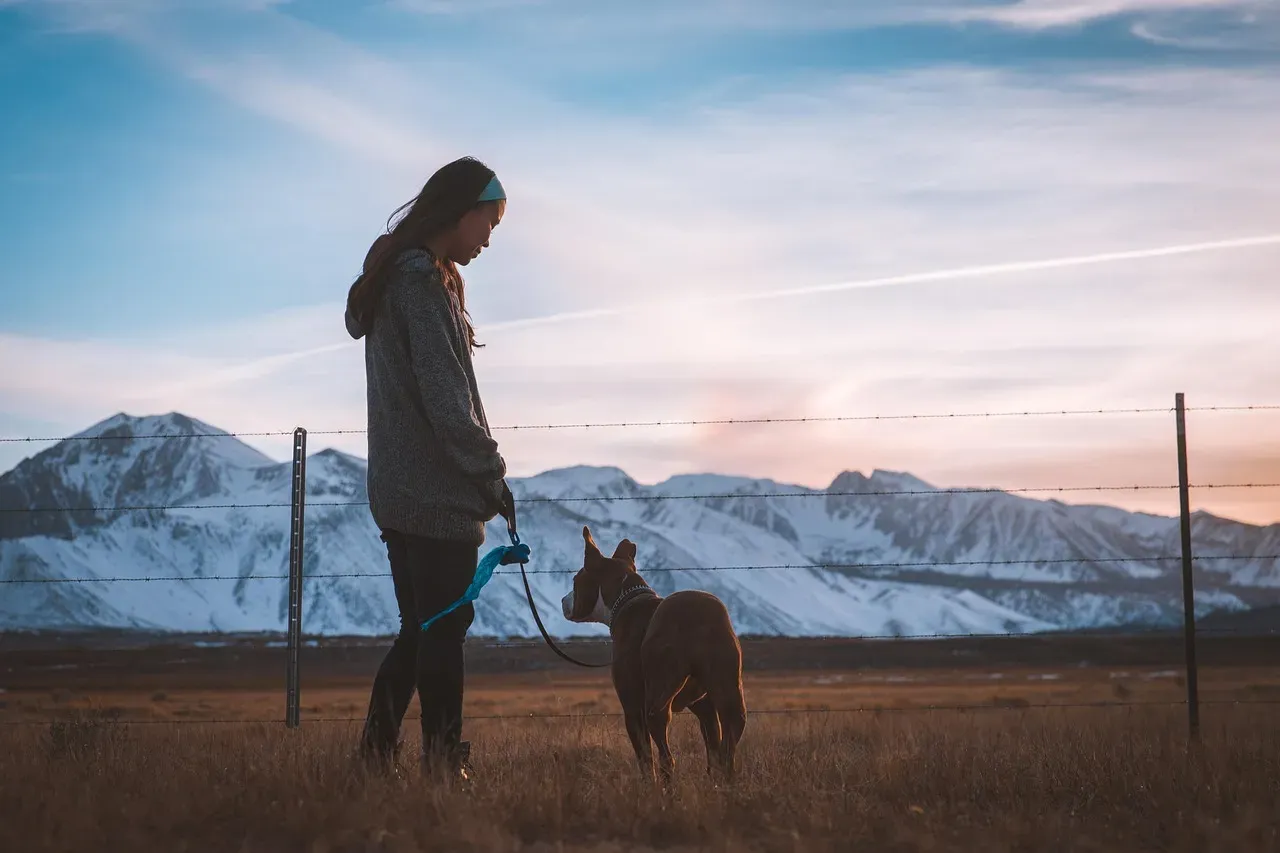
Your goal should be to maintain a u-shape in your leash as much as possible throughout the walk, which is a great test of whether you are using the correct equipment and your training is working. Picture a smile hanging between you and your pup. That gentle curve means there’s no constant tension pulling on their neck.
The amount of slack in your leash directly affects your control and your dog’s behavior, as too much slack gives your dog space to build momentum before pulling while too little slack creates constant tension that frustrates both of you. It’s about finding that sweet spot.
Maintain approximately forty-five to sixty centimeters of slack between your hand and your dog’s collar in normal walking conditions, which allows your dog to move naturally while keeping them close enough for immediate control. When you need more control, like crossing streets or passing other dogs, shorten it temporarily. Otherwise, let that U-shape do its job.
Positioning Your Body for Success
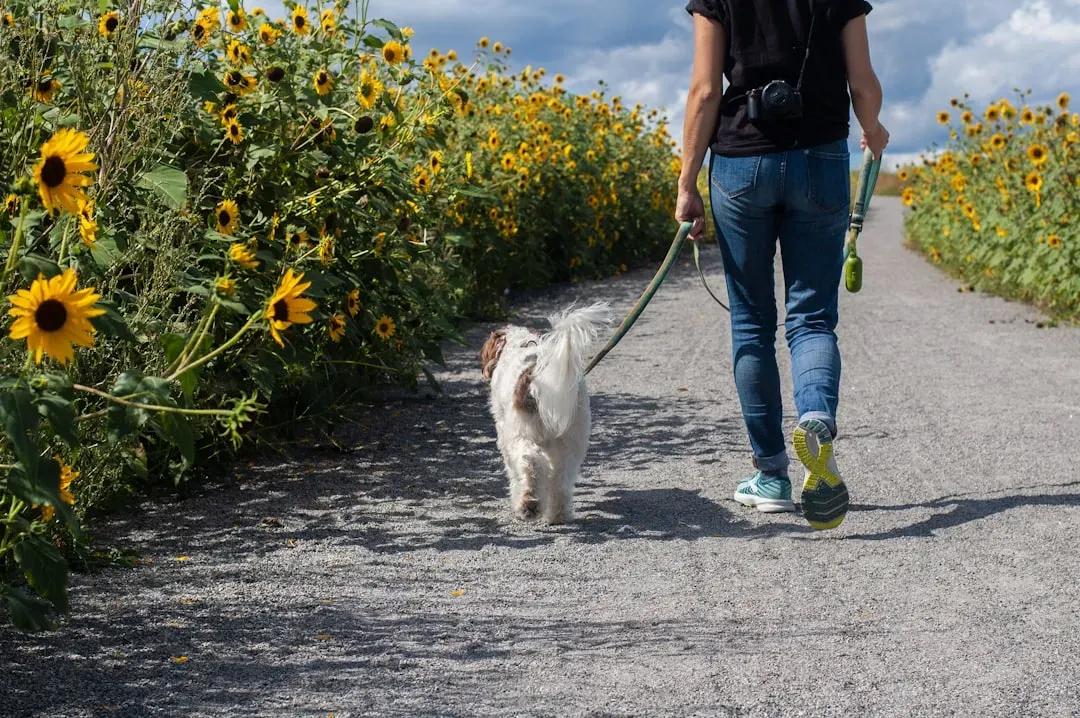
Most people hold the leash casually at their side, arm hanging down. When your dog pulls with your hand casually at your side, your arm will fly forward and your shoulder will be hit with a downward forward force, and since your shoulder is above your center of gravity, it is easy to topple you over, as even a small dog can topple a person with the right timing. Physics isn’t on your side with that approach.
Instead, position your hand at your abdomen, roughly around belly button height. This positioning changes the point of force from above your center of gravity to your center of gravity, which helps you stay on your feet and not be pulled over, as the bend in your arm also changes how your body can absorb the force of the pull.
Having the leash across your body means your body will do more work than your arms, and you can use your anchor hand to manage range more effectively than with your control hand. Let your core take the load instead of your poor arms and shoulders. Your future self will thank you.
Reading the Tension Between You
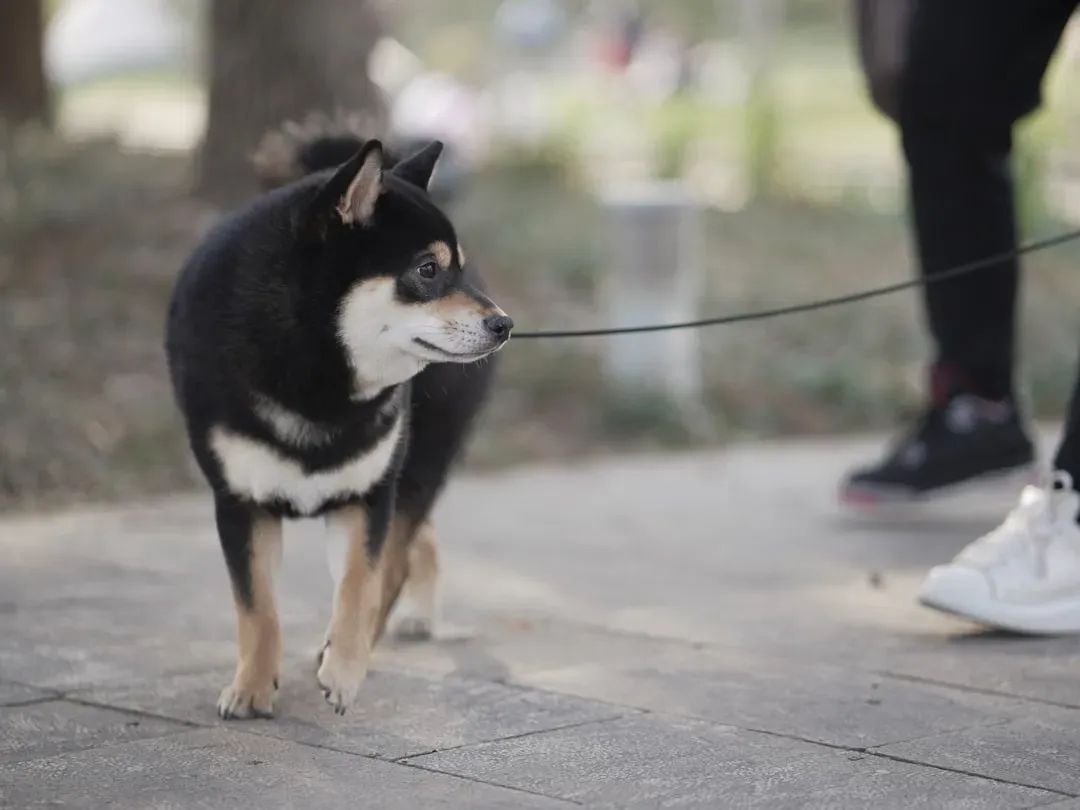
Leash tension forces exerted by dog and handler during walks affect their welfare. It’s a two-way street. When volunteers pulled the leash harder, dogs displayed more lip-licking and body shaking, and extroverted volunteers were associated with stronger maximal leash tension at both the human and dog ends of the leash. Your energy, your grip, your tension travels right down that line.
Larger and heavier dogs exerted higher leash tension but had a lower pulling frequency than their smaller and lighter conspecifics, with this pattern observed in the reactional forces of handlers, and young dogs pulled more frequently during walks, which was also mirrored in handlers’ pulling. We unconsciously mirror what our dogs do. Breaking that cycle starts with awareness.
Pay attention to your own body. Are your shoulders tight? Is your jaw clenched? Your dog picks up on all of it. Research shows that relaxed arm positioning reduces shoulder strain by about sixty percent compared to rigid, locked-arm techniques during dog walking. Staying loose and flexible isn’t just better for you, it’s better for your dog too.
Conclusion
The way you hold your leash isn’t just a minor detail. It’s the foundation of every walk you take with your dog. That thin strip of nylon or leather becomes a communication channel, a safety line, and a relationship builder all at once. When you grip it correctly, maintain that gentle U-shape, and position your body smartly, everything changes.
Your dog feels calmer. You feel more in control. The whole experience shifts from a daily chore into something you both genuinely look forward to. It takes practice, sure. Your hand might feel strange in that thumb lock position for the first few walks. You’ll need to remind yourself to check that U-shape, to keep your arm relaxed, to breathe through the moments when your pup gets excited.
The beauty is that small changes create big ripples. Start with just one walk using these techniques. Notice the difference. Feel how your dog responds when you’re not broadcasting tension through that leash. Give it time, give it patience, and watch your walks transform. What does your current leash grip say to your dog? Are you ready to change the conversation?


