
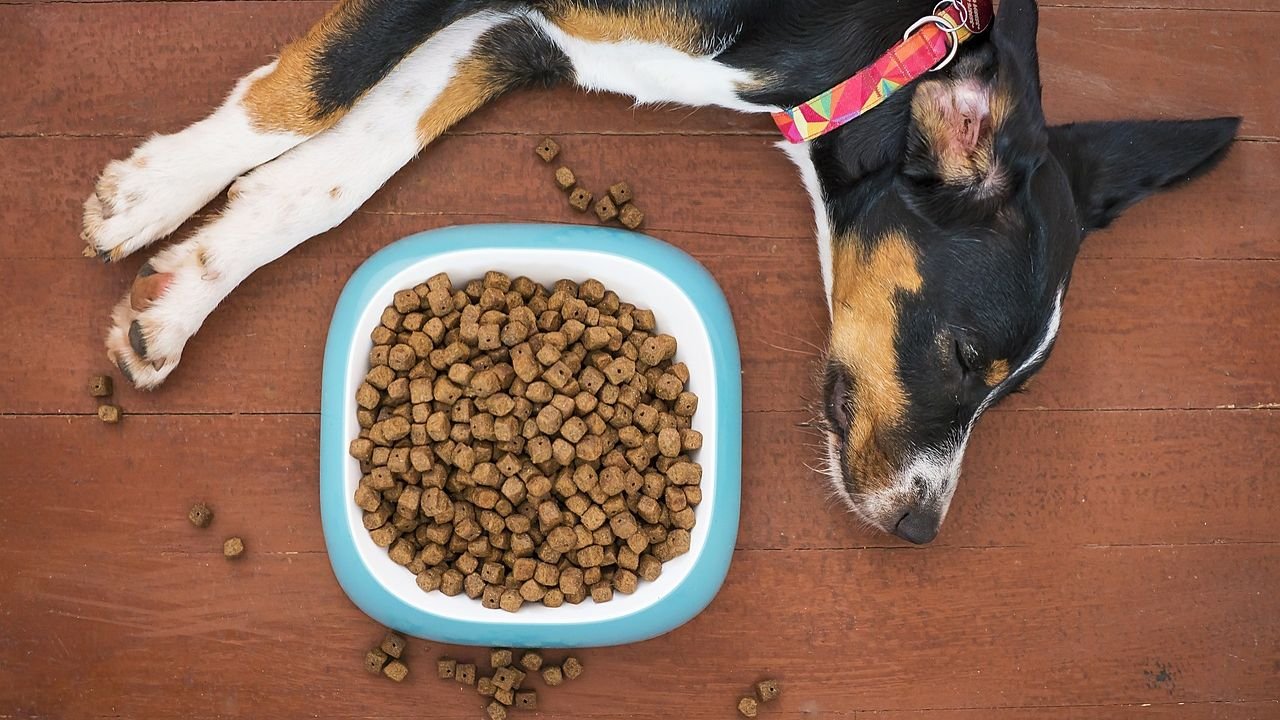
Picture this: your dog trots over to their bowl, tail wagging, and inhales their food in under thirty seconds flat. Cute, right? Maybe even a little funny. But here’s the thing – the way your dog eats is one of the most powerful windows into what’s really going on inside their body and mind. Most of us watch our dogs eat every single day without ever truly seeing what’s happening.
From the speed of eating to sudden pickiness, from growling at the bowl to turning their nose up at their favorite food – every single eating behavior carries a message. I think this is one of those topics that sounds simple on the surface but gets genuinely fascinating the deeper you go. So let’s dive in, because what you’re about to discover might change the way you see dinnertime forever.
When Your Dog Inhales Food Like There’s No Tomorrow
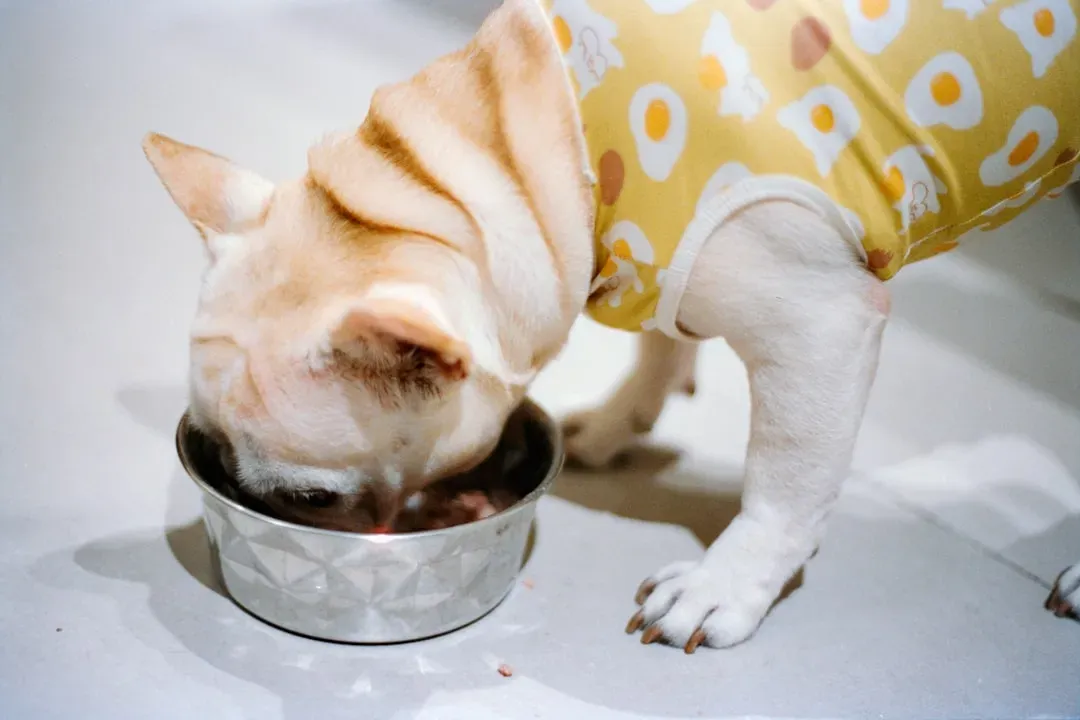
You know that dog – the one who acts like every meal might be their last. Some dogs inhale their meals within seconds. Labrador Retrievers are especially notorious for this trick, though other breeds do it too. It looks harmless, even entertaining. Honestly, it’s one of those habits that can sneak up on you before you realize it’s become a real concern.
When a dog eats too fast, they gulp down an excessive amount of air along with their food, causing the stomach to expand and increasing the chances of bloat. There is also a condition called “food bloat,” which isn’t a true GDV but involves huge amounts of food sitting in the stomach. That might sound alarming – because, honestly, it should be.
Eating too fast can also be a sign of something affecting your dog’s well-being. Parasites, for example, can rob a dog of nutrition and make them insatiably hungry. Changes in levels of hormones that tell your dog’s body that it’s full, or a thyroid condition, can cause an increase in appetite, resulting in faster eating. Think of it like a smoke detector: the speed is the alarm, and the real fire might be hiding underneath.
Feeding smaller, more frequent meals instead of one large meal can help reduce the urgency your dog feels at mealtime, giving them time to pace themselves. Food puzzle toys are another excellent way to slow down your dog’s eating – they generally have different nooks and crannies for your dog’s food to fit into, making it impossible for your dog to take large gulps of food. Small changes at mealtime can make a big difference for your dog’s long-term health.
When Your Dog Suddenly Refuses to Eat
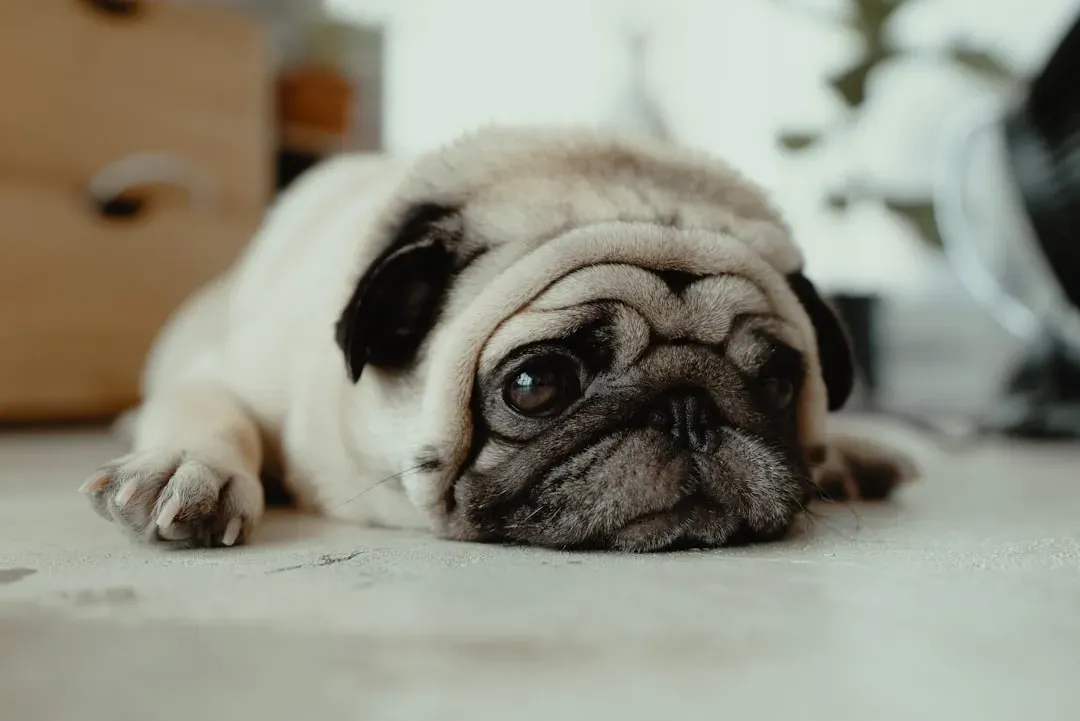
There are few things more unsettling than watching your usually food-obsessed pup walk past their bowl without a second glance. Because loss of appetite in dogs can indicate illness, it is important to seek veterinary care if you notice changes in your dog’s eating habits. It is especially important to respond promptly to a refusal to eat in dogs that usually eat well. This isn’t the moment to shrug it off and hope for the best.
When faced with anxiety, grief, or sudden changes – like a move, a new baby, or being left at a kennel – your dog’s body activates the hypothalamic-pituitary-adrenal axis. The same system manages stress in humans. This hormonal cascade can suppress hunger, as the body shifts into a “fight-or-flight” state and deprioritizes digestion. So that skipped breakfast after a big family move? It might be emotional, not physical.
Chronic illnesses like kidney failure, liver disease, or cancer can suppress appetite. Your dog can also refuse food if swallowing is painful due to dental problems or throat injuries. Warning signs to watch for include complete refusal to eat, eating much less than usual over a 24-hour period, or showing interest in food but backing away after sniffing it. Additional symptoms such as vomiting, diarrhea, lethargy, or weight loss often accompany a decrease in appetite and can signal a more urgent health problem.
Here’s a practical rule of thumb. If your dog’s appetite doesn’t return to normal within two days, it’s best to schedule an appointment with the veterinarian. If your dog isn’t eating and has other symptoms such as vomiting and diarrhea, contact your veterinarian within eight to twelve hours. Trust your gut – you know your dog better than anyone.
The Hidden Language of Food Guarding and Mealtime Anxiety
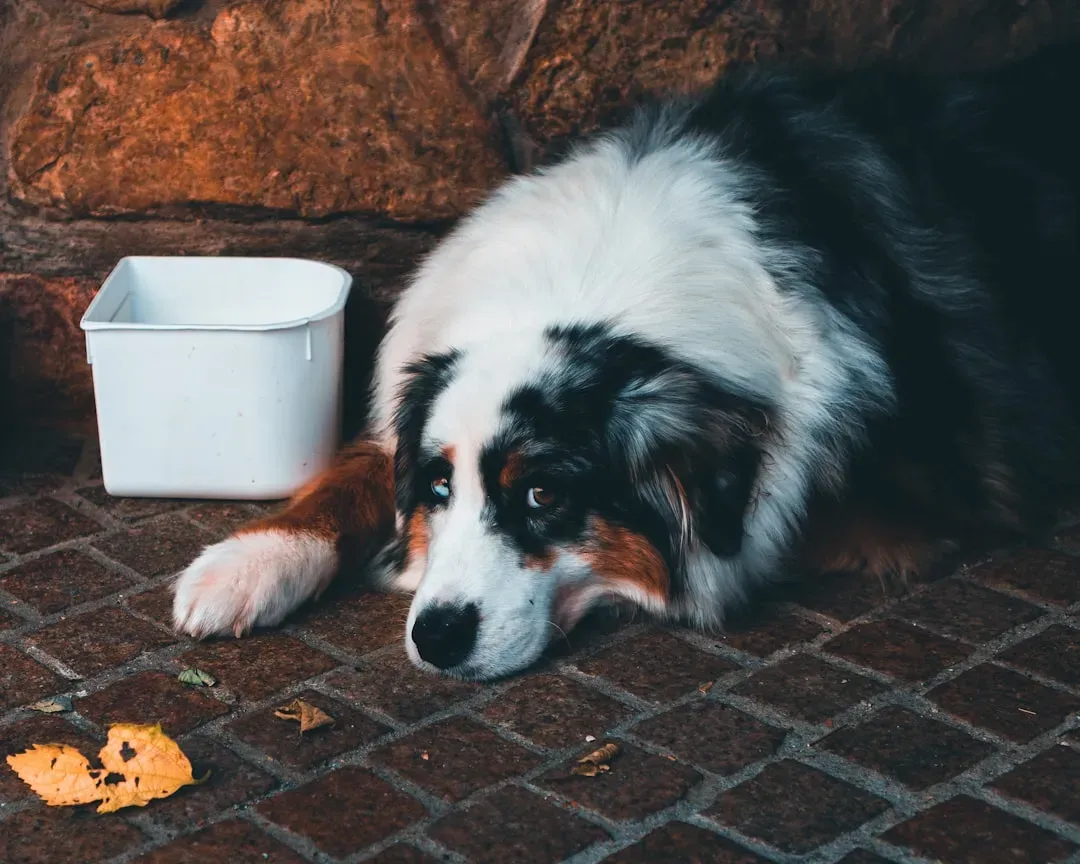
Does your dog hunch over their bowl when you walk by? Do they stiffen, growl, or shoot you a side-eye that could curdle milk? Thousands of years ago, dogs were not fed in bowls on a schedule. They hunted in a feast-or-famine cycle. Resource guarding, also known as possessive aggression, is an instinct that dogs have to protect something valuable to them – and it helped ancient wild dogs survive. It’s basically prehistoric behavior playing out in your modern kitchen.
The psychology behind resource guarding is typically based in anxiety. Former street dogs, for example, often guard food because they’ve gone through a period where they had to forage for every meal. That drive to protect resources can continue even when the dog is in a new home with a secure food source. Even the most loving home can’t instantly undo deep survival instincts.
Signs of stress in a food-aggressive dog include food gulping, a stiffened body, raised hackles, growling, snapping, staring, panting, or widened eyes. When a dog is stressed, guarding behavior may increase. This stress could be due to guests in the home, new family members, or other stress-inducing events such as fireworks. It’s easy to mistake this for “bad behavior” when it’s often a cry for reassurance.
Feeding at consistent times helps reduce uncertainty. Dogs quickly learn when to expect meals or training sessions, which lowers stress and prevents guarding driven by worry. Routine isn’t just comforting for us – for dogs, it’s genuinely therapeutic. A predictable mealtime is one of the easiest gifts you can give your anxious pup.
Odd Cravings and Eating Non-Food Items: What It Really Means

Dirt. Socks. Rocks. The corner of your favorite couch cushion. Let’s be real – some dogs seem determined to eat absolutely everything except what’s actually in their bowl. Some animals develop unusual eating habits, consuming objects such as rocks, wood, plastic, strings, rubber bands, and other non-food items. This problem, called pica, is defined as the persistent chewing and consumption of non-nutritional substances that provide no physical benefit to the animal.
This behavior can be a symptom of an underlying medical problem, such as nutritional deficiencies, or a behavioral problem, such as anxiety, boredom, or true compulsive behavior. Pica can lead to medical problems including poisoning, dental problems, and gastrointestinal obstructions. So that dog happily munching on garden soil isn’t just quirky – their body could genuinely be signaling something important.
The most likely reason why dogs eat dirt is to make up for a nutritional imbalance. Certain kinds of soils are rich in zinc, iron, magnesium, and potassium – nutrients dogs and humans need to stay healthy. Dogs experiencing anxiety, stress, or emotional distress may also turn to pica as a coping mechanism. Ingesting non-food items can provide a sense of comfort or relief from their emotional state. Think of it as their version of stress-eating a bag of chips – just significantly more concerning.
You can help reduce this behavior by increasing environmental enrichment. Giving your pet toys that are breed and size appropriate may decrease unwanted behavior by increasing positive stimuli. More mental engagement often means less desperate searching for stimulation in all the wrong places.
How Chronic Disease Quietly Changes the Way Your Dog Eats
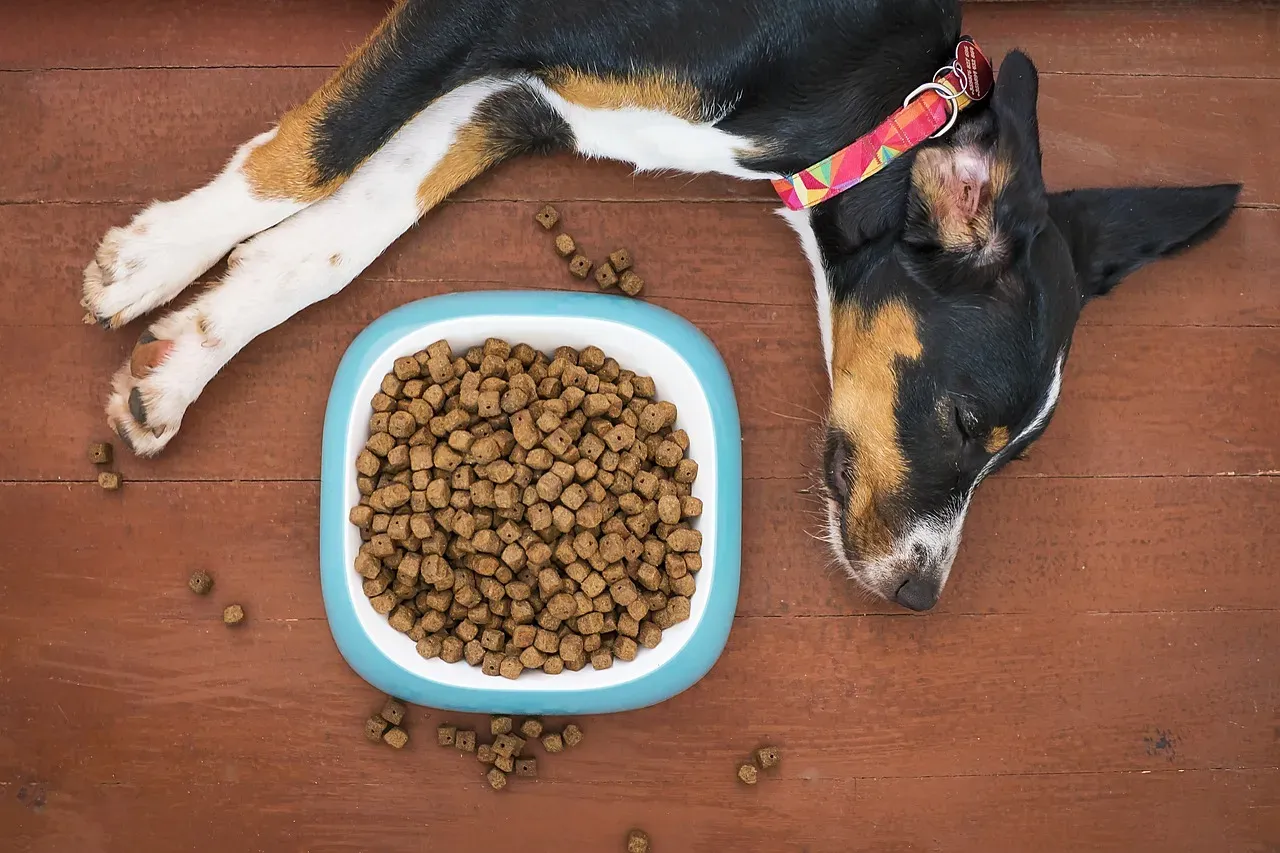
This is the one most dog parents miss the longest – and honestly, it’s the most important. Some of the most noticeable clues indicating your pet has an underlying health issue are altered eating and drinking habits. Whether the changes are small and gradual, or abrupt and alarming, they typically indicate your pet needs veterinary care. Gradual is the keyword here. Gradual changes are easy to normalize, easy to overlook, and easy to mistake for “just getting older.”
Common chronic diseases that affect eating include diabetes, which creates excessive hunger, thirst, and urination; kidney disease, which generally causes increased thirst and urination; and the possibility that your pet’s appetite may decrease because of nausea induced by metabolic waste and toxin buildup in the bloodstream. In dogs with Cushing’s disease, the adrenal gland produces too much cortisol, the natural steroid hormone that triggers increased appetite, thirst, and urination.
Dental disease is common in pets older than three years of age. It develops as a result of bacteria accumulating around and under the gumline, attacking tooth attachments and the jawbone. If your dog has dental disease, they may have loose, painful teeth and infection deep in the bone. As a result, your dog may refuse to eat hard or crunchy foods or stop eating altogether. Imagine having a terrible toothache and trying to chew on kibble. That’s your dog’s reality, and they can’t tell you.
These eating behaviors may appear ordinary, but they often serve as silent signals about your pet’s health. Overeating may indicate boredom or underlying metabolic issues, while sudden loss of appetite might suggest illness or stress. Your dog’s bowl is practically a health dashboard – you just need to know how to read it.
Conclusion: Your Dog’s Bowl Is Trying to Tell You Something
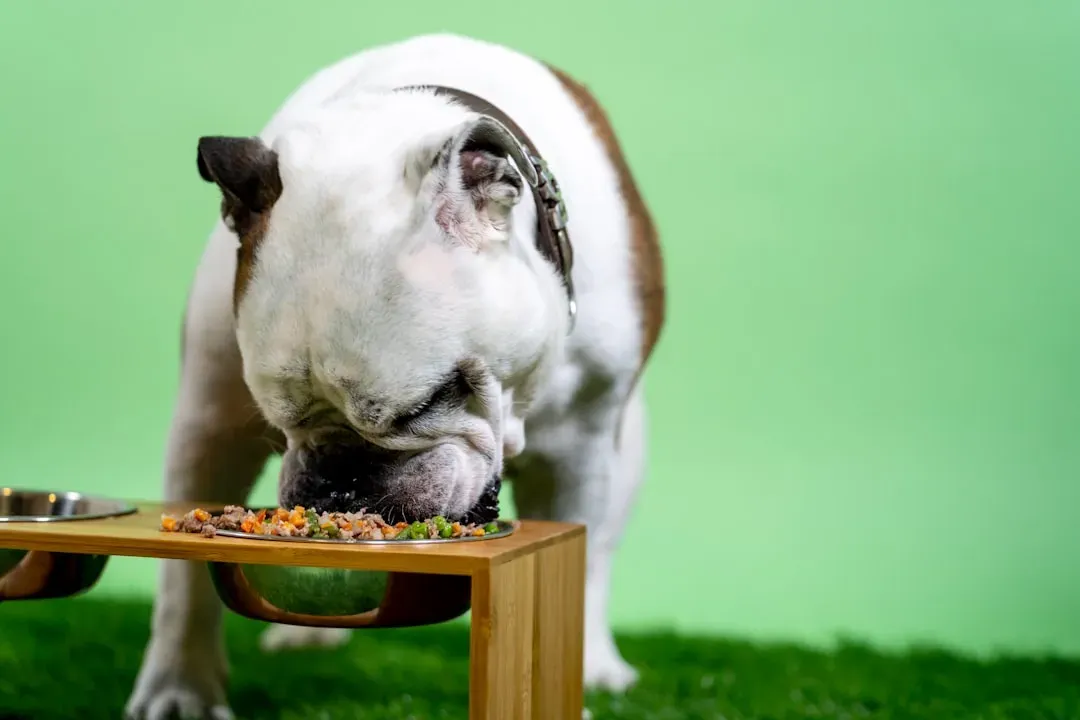
Mealtime with your dog is so much more than a twice-daily routine. It is, in many ways, a daily check-in – a moment where your dog communicates things they simply cannot say out loud. Understanding your pet’s food habits unlocks valuable insights into their health and behavior. Balanced nutrition builds physical strength, while thoughtful feeding routines encourage emotional stability and good manners.
The speed, the enthusiasm, the reluctance, the strange cravings – none of it is random. I genuinely believe that the dog owners who pay close attention to these small, everyday signals are the ones who catch problems early, seek help sooner, and ultimately give their dogs longer, happier lives. You don’t need a veterinary degree to be observant. You just need to care enough to look.
So the next time your dog walks up to their bowl, take a moment. Watch them. Notice anything different? That tiny shift in behavior might just be the most important thing you notice all week. What has your dog’s eating behavior been telling you lately – and have you been listening?


