
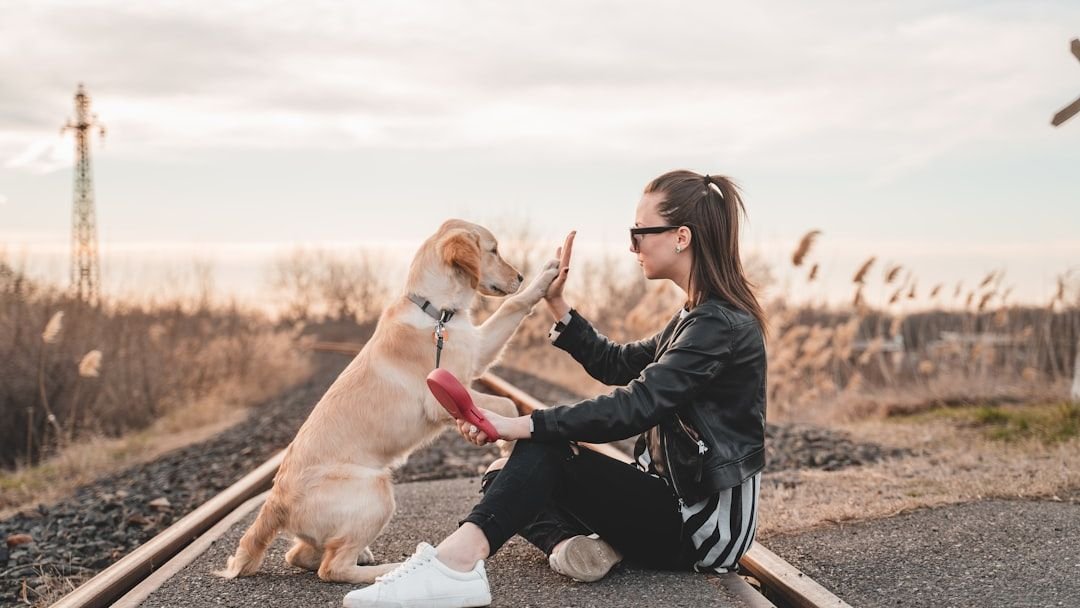
You walk through the door after a long day and there it is. That moment. Your dog springs to life like you’ve been gone for years instead of hours. Maybe their whole body wiggles. Maybe they press their nose into your hand. Maybe they grab a toy and prance around like they’ve won the lottery.
Here’s the thing. Those greetings aren’t just adorable rituals. They’re windows into something deeper, something real. The way your dog greets you tells a story about love, attachment, and the bond you’ve built together. Dogs don’t fake it. They can’t. Their greetings are pure, unfiltered emotion written in body language, tail wags, and those soulful eyes. Let’s dive into what all those wiggles and wags really mean.
That Full Body Wiggle Says Everything
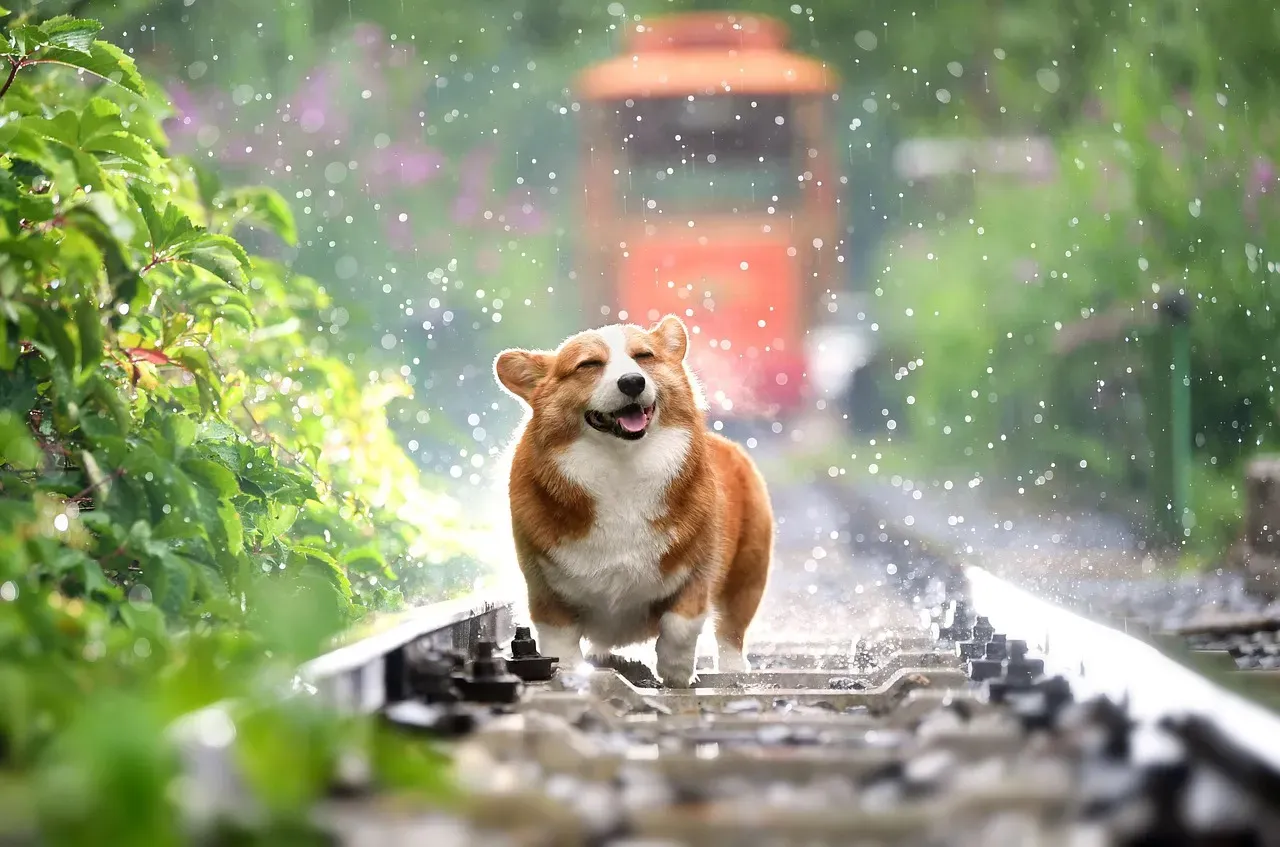
When your dog jumps, wags their tail vigorously, and even barks out of excitement when you return home, that full body excitement is one of the most obvious signs of attachment. It’s hard not to smile when your dog becomes a tornado of joy the second they see you. This greeting isn’t just happiness. It’s relief, recognition, and pure elation all rolled into one.
Those long, slow, side to side tail sweeps that wag the dog’s whole body during greetings show genuine arousal and excitement. The bigger the wiggle, the bigger the emotion. Some dogs practically turn into helicopters, their entire backend swaying with the force of their tail. The helicopter tail that moves in circular motions is normally reserved for people your dog knows and their close doggy friends, indicating they’re feeling excited and particularly social.
Broad tail wags with wide swings that pull the hips from side to side signal a happy greeting. This is your dog’s way of saying you matter more than anything else in that moment. They’re not holding back. There’s no hesitation. Just total, unguarded joy.
The Calm Greeting Can Mean Just As Much
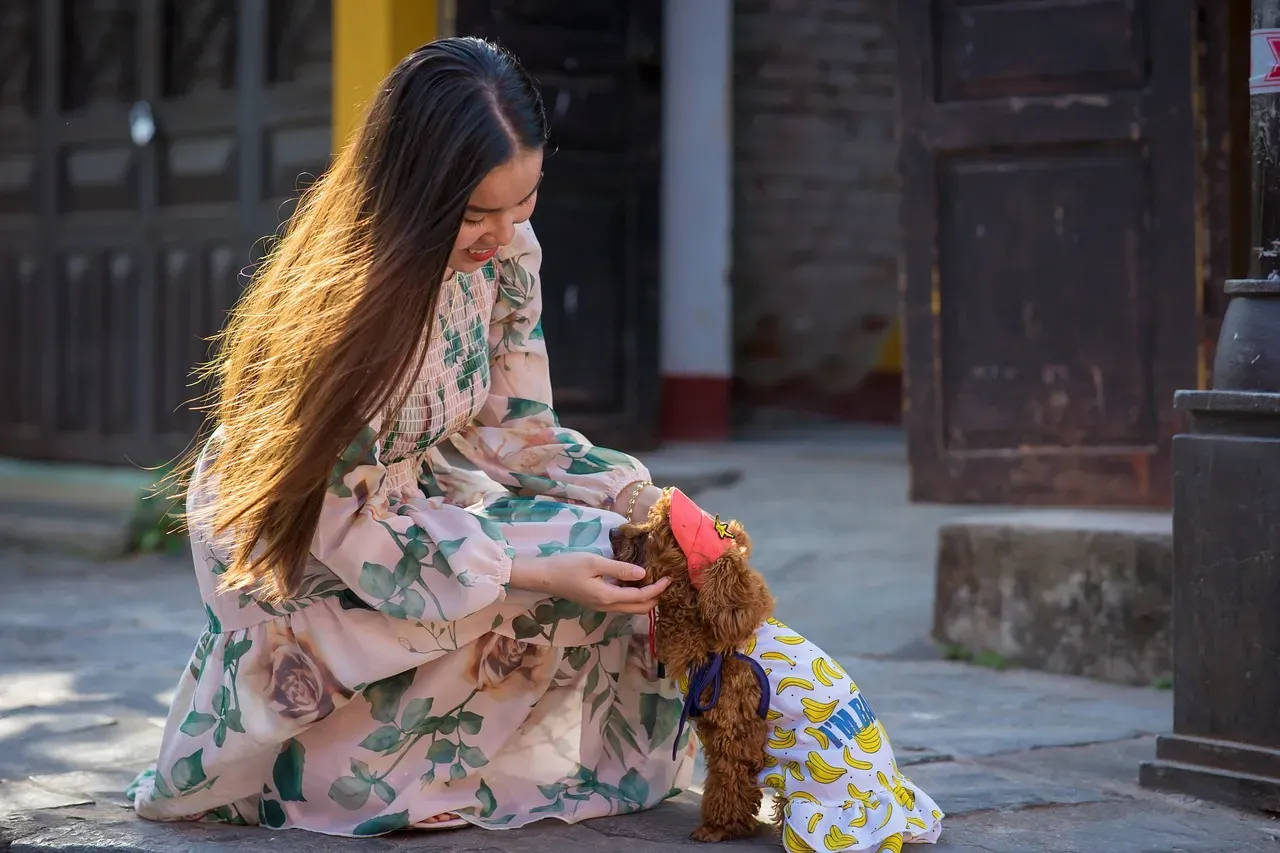
Not every dog turns into a whirlwind at the door. Some dogs greet you with quiet confidence, a gentle tail wag, and maybe a soft lean against your leg. Honestly? That’s just as meaningful. Their tail falls midway while wagging side to side, ears are typically flopped with their head down just a little bit, and this is a calm, excited or loving greeting for almost all dogs.
If your dog leans their body weight against you or rests their head on your lap, it’s a sign of trust and attachment, something they only do with people they feel comfortable and secure around. This kind of greeting isn’t loud or flashy, but it runs deep. It’s the greeting of a dog who feels safe with you, who doesn’t need to perform or prove anything.
When a dog is happy, they hold their tail in a neutral or slightly raised position with a healthy wag, and when very friendly, may wag their tail more freely and even wiggle their hips. The calmness here doesn’t mean less love. It means security. Your dog knows you’ll always come back.
Eye Contact That Melts Your Heart
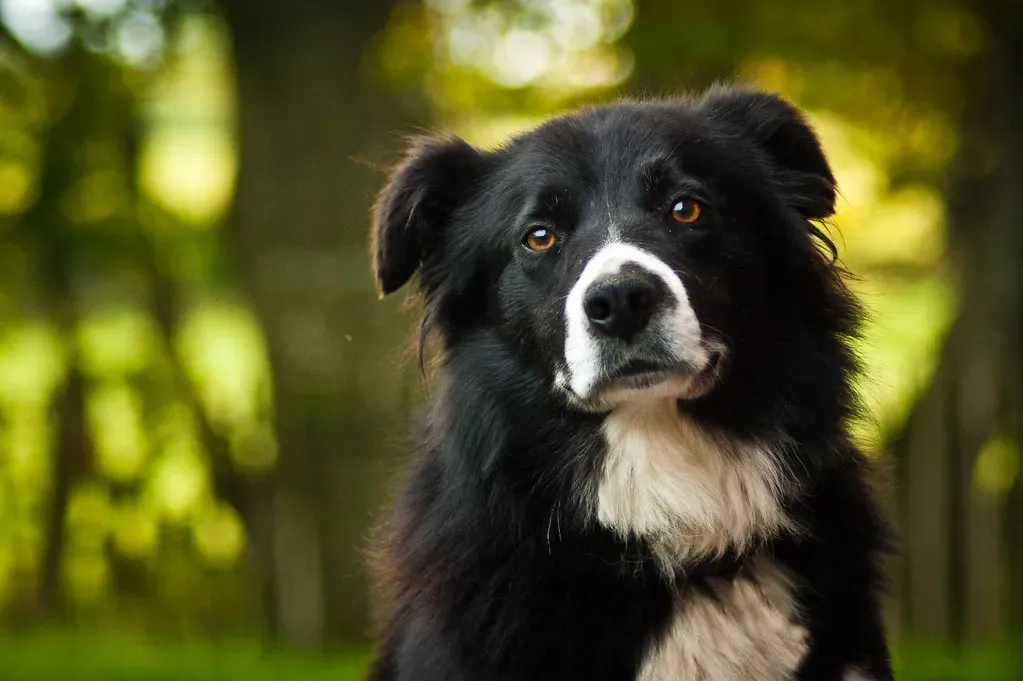
Let’s be real. When your dog looks at you with those soft, warm eyes during a greeting, something shifts inside you. Dogs that are emotionally attached to their owners tend to maintain eye contact with soft, relaxed eyes, and eye contact releases oxytocin in both dogs and humans, which helps foster a sense of connection and affection.
That gaze isn’t random. Prolonged eye gazing is an attempt to bond with you, and some dogs appear to be driven to establish eye contact, which can be a marker of attachment. It’s the canine version of “I see you, and you’re everything.” Your dog isn’t just acknowledging your presence. They’re connecting with you on an emotional level.
Soft eyes, characterized by relaxed lids or a squinting appearance, indicate calmness or happiness. When your dog meets your gaze with that gentle look, they’re telling you they trust you completely. They’re vulnerable in that moment, and that vulnerability is a gift. It’s hard to say for sure, but this kind of connection feels almost spiritual, like you’re both speaking a language that doesn’t need words.
Bringing You Gifts Shows You’re Their World
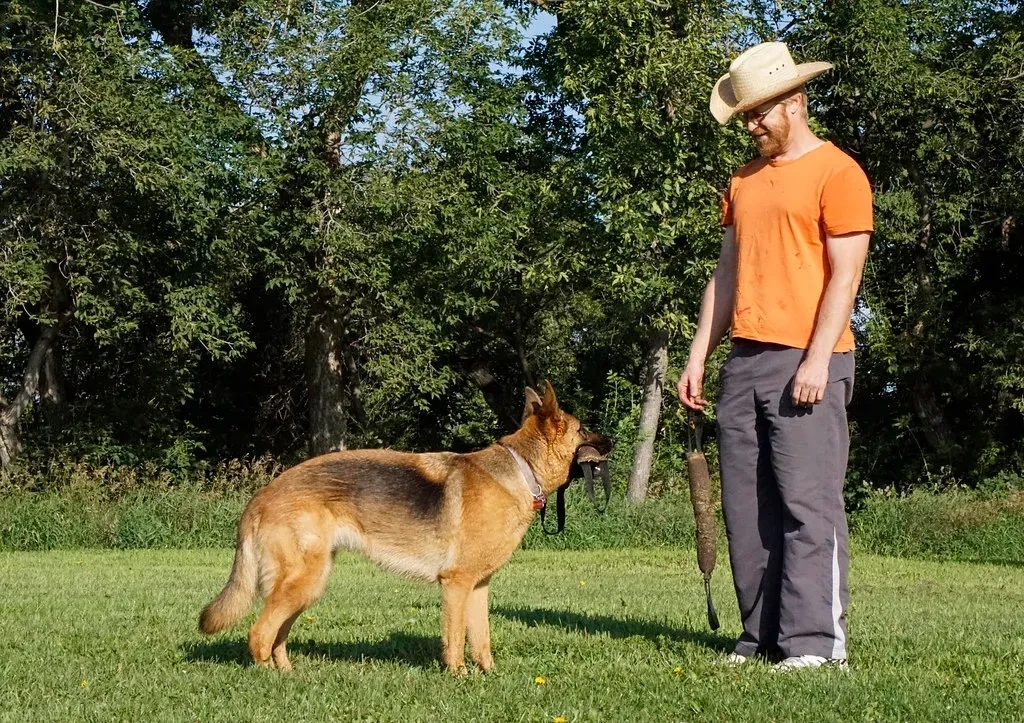
Does your dog grab their favorite toy the moment you walk in? Or maybe they bring you a shoe, a sock, or whatever happens to be lying around? If your dog really loves you, they will often bring you their favorite toy. This behavior might seem quirky, but it’s incredibly meaningful.
Some dogs express their attachment by bringing toys or other items as gifts throughout the day, and this behavior is similar to how a mother dog might bring food to her puppies, showing they want to provide for you. Your dog is offering you something valuable, something that makes them happy, because they want to share that joy with you. It’s generosity in its purest form.
Think about it. When you love someone, you want to give them things that matter to you. Dogs do the same thing. They can’t buy you flowers or make you dinner, but they can offer their most prized possession. That squeaky ball? That’s their version of saying “You’re special to me.”
The Anxious Greeting Reveals Something Different
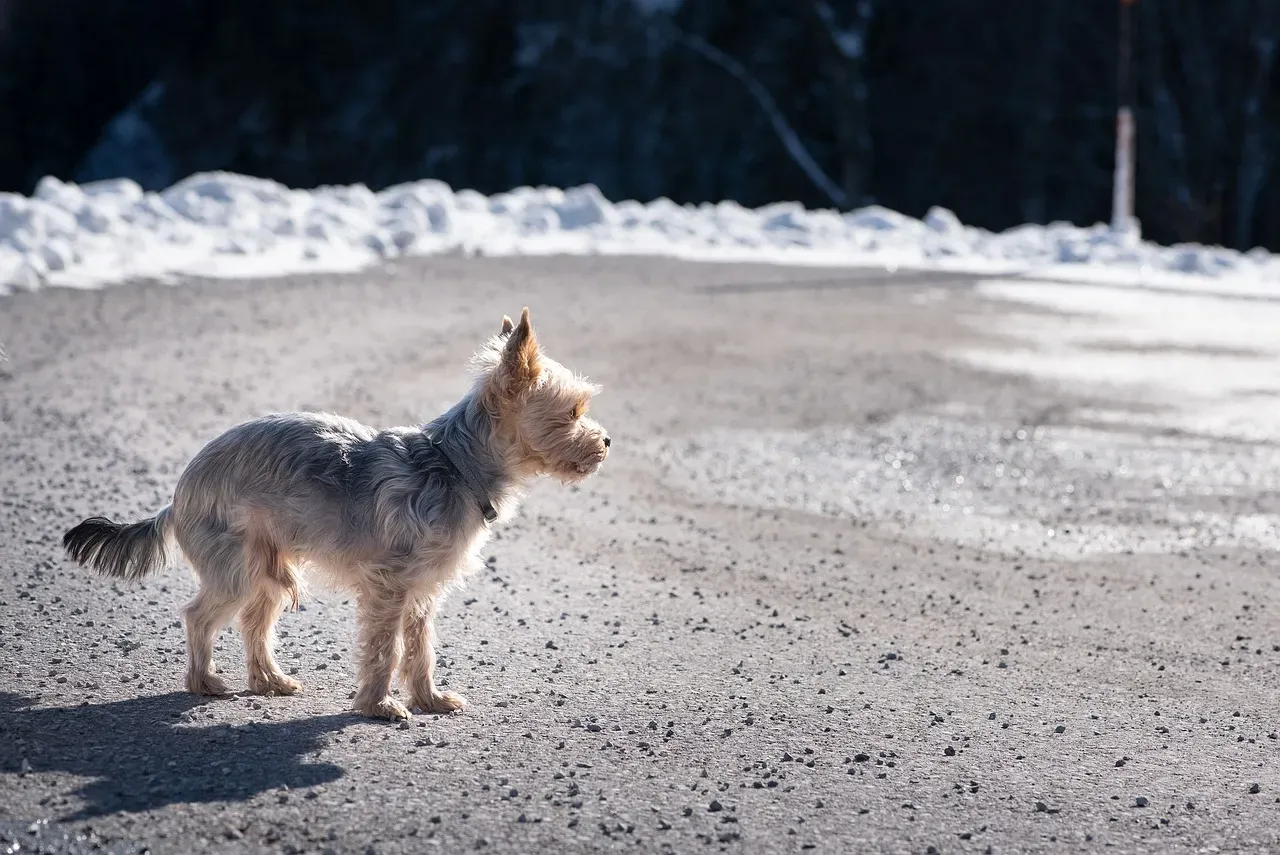
Sometimes greetings aren’t calm or joyful. They’re frantic. When a dog with an anxious attachment style is separated from their owner, they typically show a high frequency of distress behaviors and vocalizations, actively search for their owner, and upon reunion make strong efforts to maintain physical contact mixed with persistent distress.
An over excited and excessively attention seeking dog could be expressing an anxious attachment style, and if dogs are similar to humans, these dogs may have learned that their owner’s care is inconsistent, sometimes warm and caring but dismissive and cold at other times, leaving the dog confused by mixed signals and unsure about the relationship, which may explain why they cannot cope with being alone.
This isn’t about love. It’s about insecurity. If your dog greets you with overwhelming intensity that doesn’t settle down, they might be struggling with anxiety. They’re not sure you’ll stay. They’re not confident in the bond. Several studies have linked owners’ attachment style to the development of the dog’s attachment style, as well as certain canine behavioral conditions including separation anxiety and aggression. The way we show up for our dogs matters more than we realize.
Your Response Shapes The Bond
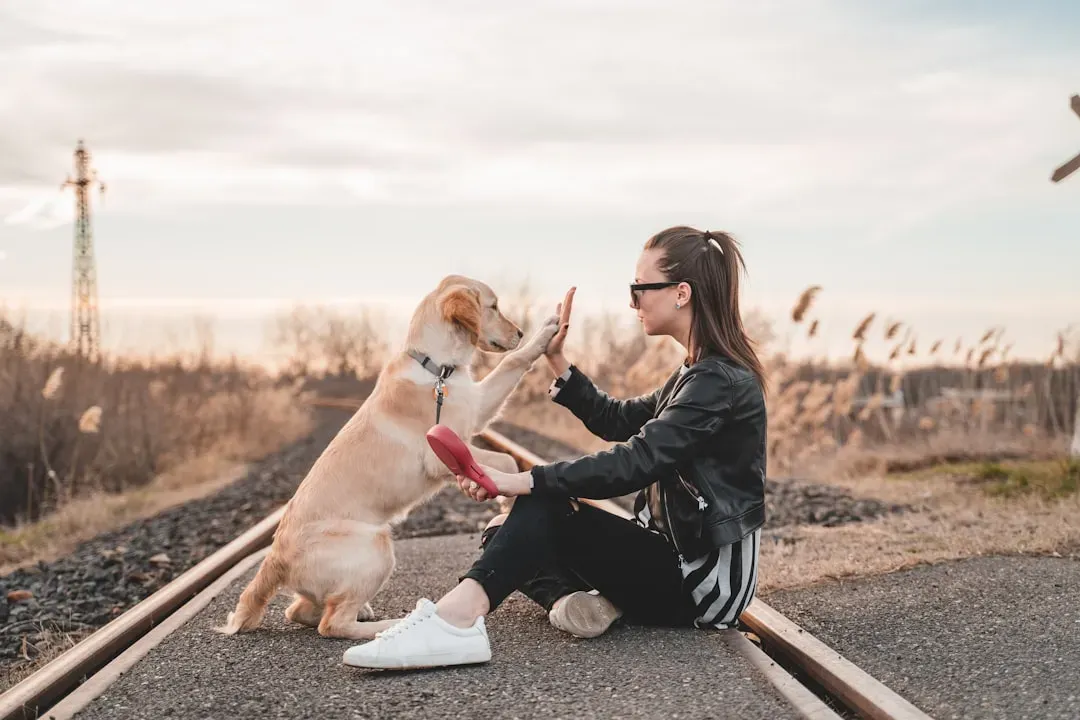
Here’s what’s fascinating. The way you respond to your dog’s greeting actually shapes their attachment to you. How you respond to your dog’s closeness signals determines how your bond develops over time, and this process already starts in puppyhood, with the dog owner bond being consistent over time and space and maintained even during periods of separation.
Owners with a secure attachment style are warmly enthusiastic, sensitive, and responsive caregivers, and with their caregiving strategy, the psycho emotional needs of the dog are more likely to be met, so when attachment styles are tested, dogs of securely attached owners respond in ways similar to a securely attached child, exhibiting secure attachment behavioral responses. You don’t have to be perfect. From human studies, it seems that giving the right response about sixty percent of the time is enough to build a secure attachment style.
Owners that have a secure attachment style with their dog respond to their dog’s signals and acknowledge their need for closeness and safety, providing a secure base from which the dog can explore their environment while acting as a safe haven to return to when the dog faces danger. Your consistency, your warmth, your presence, all of it builds the foundation of how your dog greets you and how deeply they love you. The greeting is the mirror. You’re seeing the relationship reflected back.
Conclusion
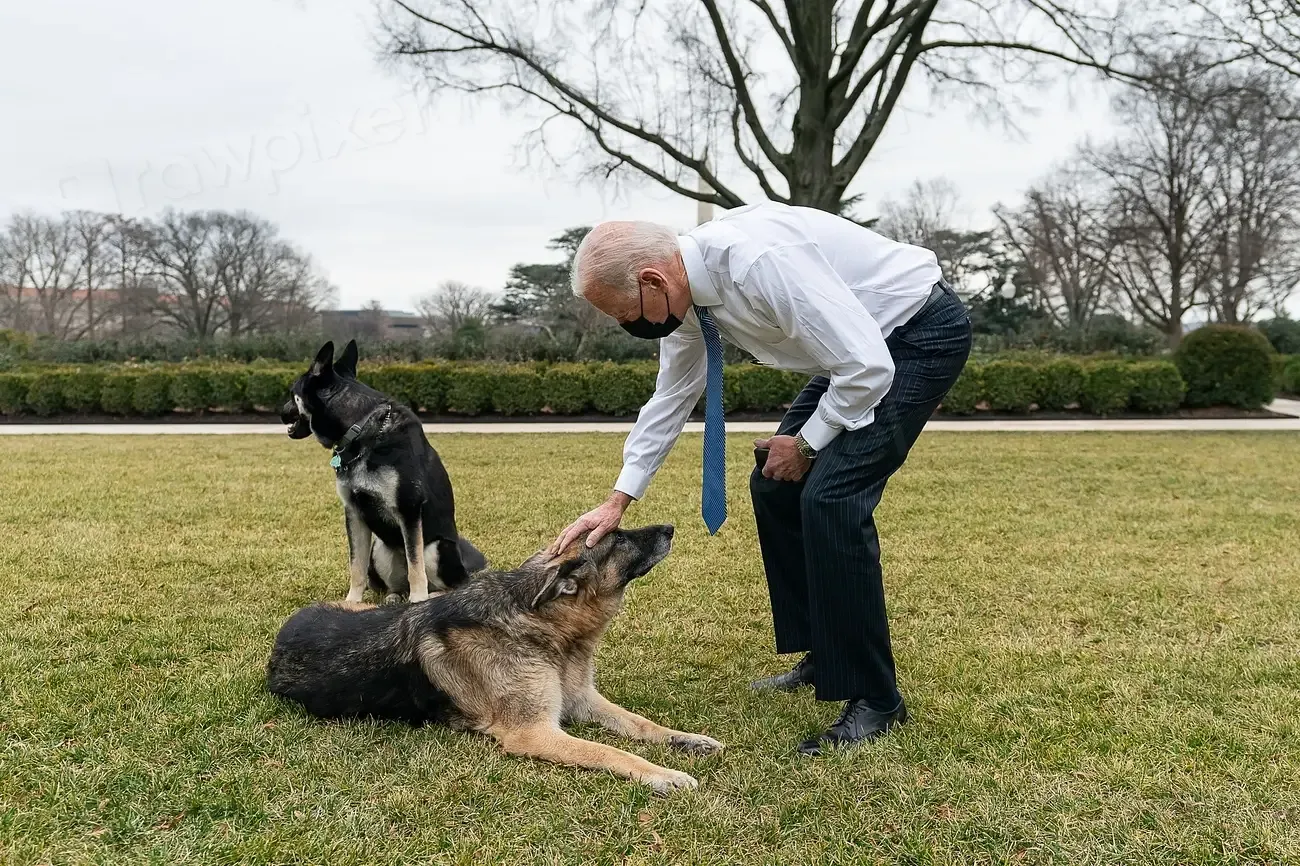
The way your dog greets you isn’t just cute. It’s a language all its own, telling you exactly how they feel about you and the life you’ve built together. Whether it’s the full body wiggle, the calm lean, the soft gaze, or the gift of a well loved toy, these greetings are honest expressions of love and attachment.
Pay attention to what your dog is telling you in those moments. Respond with warmth and consistency. Show up for them the way they show up for you. The greeting you get tomorrow depends on the bond you build today. What does your dog’s greeting tell you about your relationship? Have you noticed changes over time? Think about it.


