
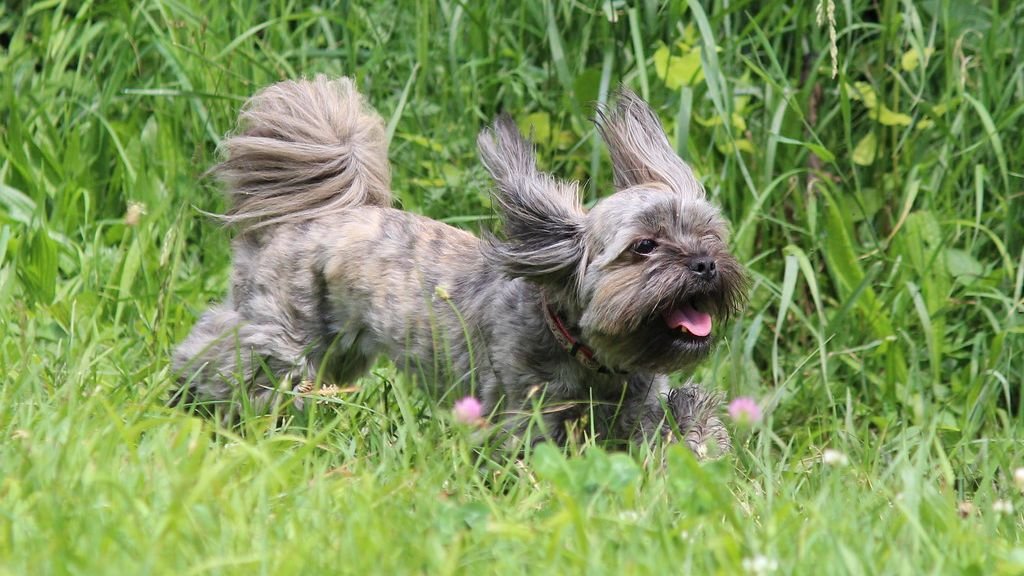
You walk through the front door after a long day, and there it is. That moment. Your dog’s entire body erupts into motion, tail spinning like a helicopter blade, maybe a toy clutched in their mouth, eyes locked on yours with an intensity that makes your heart swell. Have you ever stopped to wonder what all that enthusiasm actually means? Sure, we know they’re happy to see us. That much is obvious. Here’s the thing, though. The specific way your dog greets you, from the speed of that tail wag to the pitch of their whine, is telling you something far more nuanced than simple joy.
It’s like they’re handing you a report card about your relationship, their emotional state, and yes, even their read on how your day went. I know it sounds a bit wild, but stick with me. Let’s dive into the secret language hidden in those wiggling, jumping, licking greetings that we’ve come to expect every single time we come home.
That Tail Isn’t Just Wagging – It’s Talking
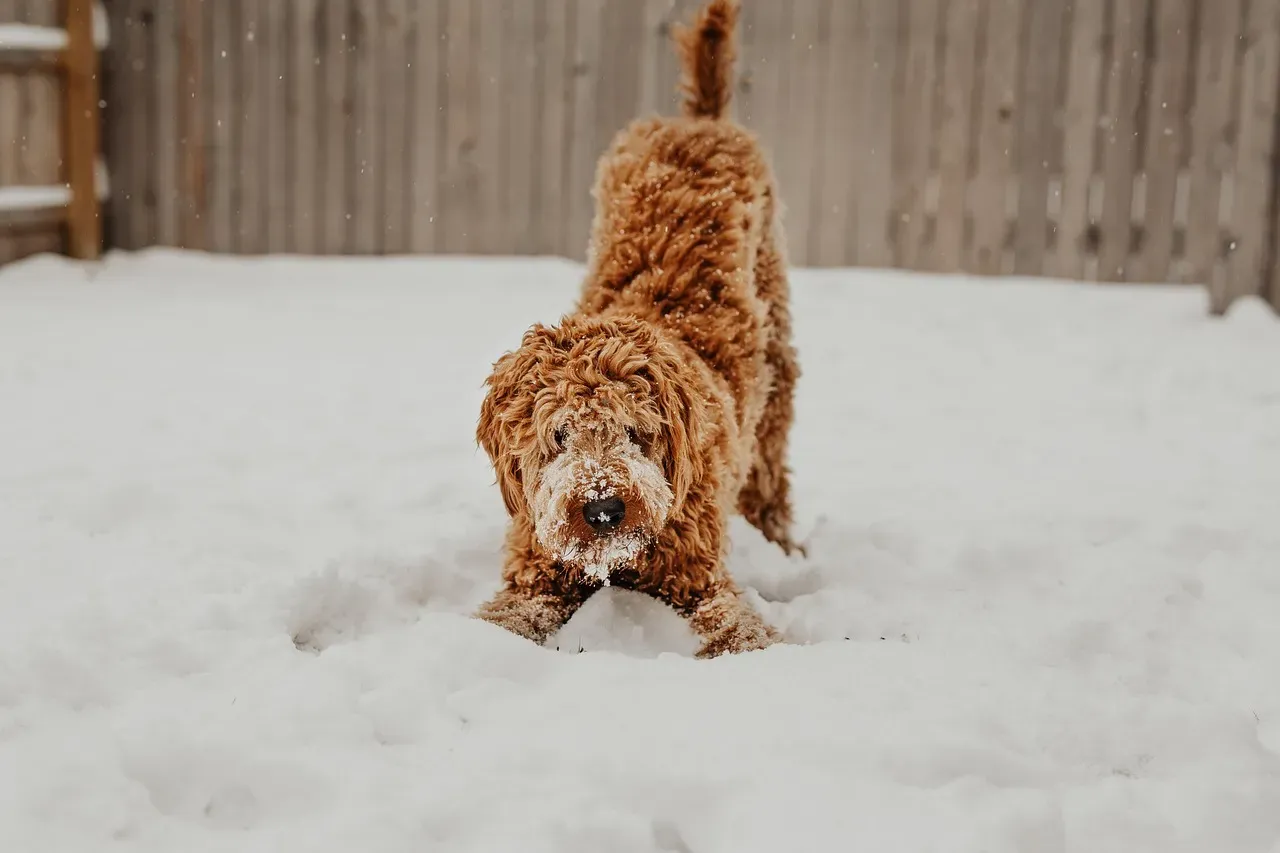
Let’s be real. Most of us see a wagging tail and immediately think “happy dog.” It’s almost automatic. Yet a wagging tail means the dog is emotionally aroused, not necessarily delighted. The tail is more like an emotional thermometer than a simple happiness meter.
The faster the wag, the more aroused the dog, while those long, slow, side-to-side tail sweeps that wag the dog’s whole body indicate a relaxed dog. When your pup greets you with that full-body wiggle, hips swaying side to side, you’re witnessing genuine, unfiltered contentment.
Now here’s where it gets really interesting. Dogs tend to wag their tails more to the right when feeling positive about something, such as interacting with their owner, while tails wagged more to the left when dogs faced something negative. Pay attention next time. Is your dog’s tail doing a rightward happy dance, or is there a subtle leftward bias that might suggest some underlying stress?
The helicopter tail wag, where the dog’s tail spins in a circle, is without question a happy wag, usually seen when a dog is greeting a beloved person. That’s the gold standard of dog greetings right there.
The Whole Body Speaks Volumes
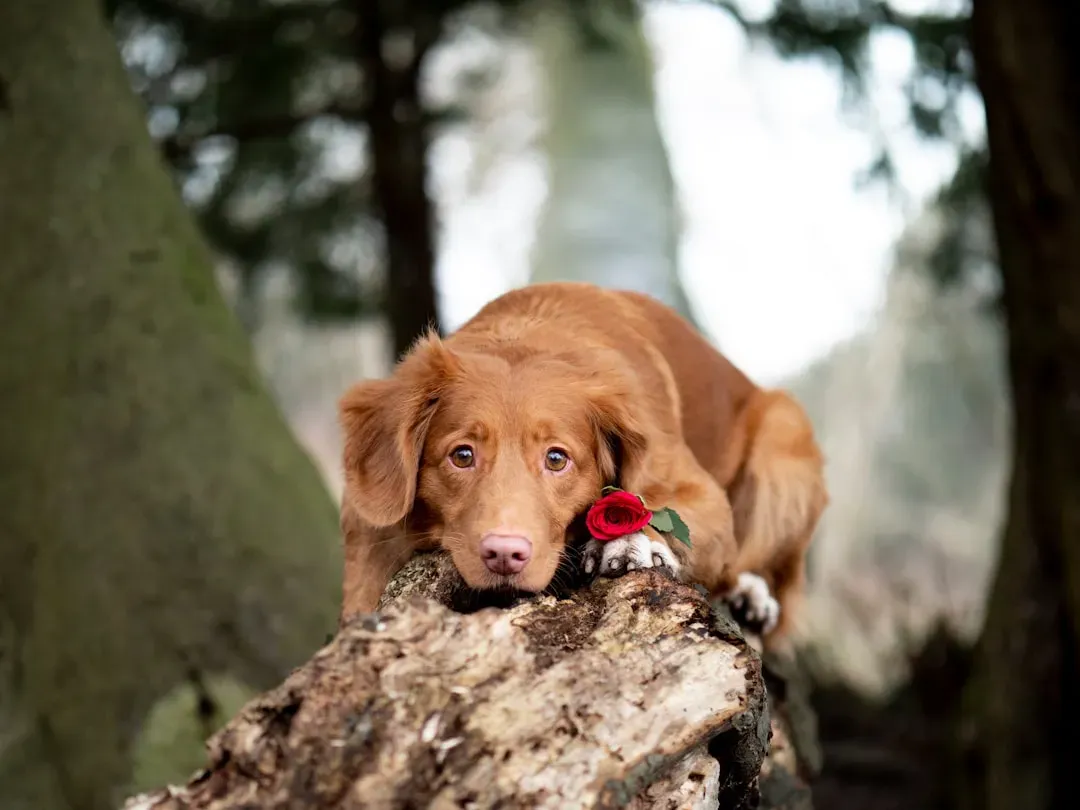
Tails are just the beginning. Your dog’s entire body becomes a canvas of communication the moment you walk in. Watch their eyes closely. Known as “whale eye,” when a dog shows the whites of the eyes, it’s a signal that they’re feeling anxious or stressed in a situation.
A genuinely thrilled dog will have soft, almond-shaped eyes with no white showing. Their ears will be in a neutral or slightly forward position, not pinned back against their head. If your dog’s body is loose and wiggly, their mouth is open and relaxed, they’re moving or leaning toward the person, they’re ready to greet.
Honestly, I think we sometimes miss the subtler cues because we’re so focused on the obvious excitement. A dog that approaches you with a stiff body, even while wagging their tail, might be feeling conflicted. Maybe something stressful happened while you were gone, or perhaps they’re picking up on tension you’re bringing home with you. Dogs possess a remarkable ability to read and respond to human emotions, are attuned to their owner’s feelings and often react accordingly, and this emotional connection is vital to their excitement when you return home.
When Excitement Crosses Into Anxiety Territory
We need to talk about the difference between a dog who’s genuinely happy and one who’s actually experiencing separation-related distress. Dogs with separation anxiety usually are overly attached or dependent on family members and become extremely anxious, showing distress behaviors such as vocalization, destruction, or house soiling when separated from the owners.
If your dog’s greeting involves frantic jumping, excessive barking, maybe even a little accident on the floor, that might not be pure joy. Dogs with separation anxiety are also often quite excited and aroused when the owner returns. The over-the-top greeting could signal that your pup struggled emotionally during your absence.
Think about it this way. Our dogs are pack animals and it’s unnatural for them to feel separated from the pack, so when we leave our homes, our pups can feel anxious and worried, and being separated is not a natural choice for the dog, hence when we return, our dogs are overjoyed to be reunited with us. Some dogs handle this separation better than others. The intensity of the greeting often correlates with how well they coped while you were away.
Reading the Room – And Your Mood
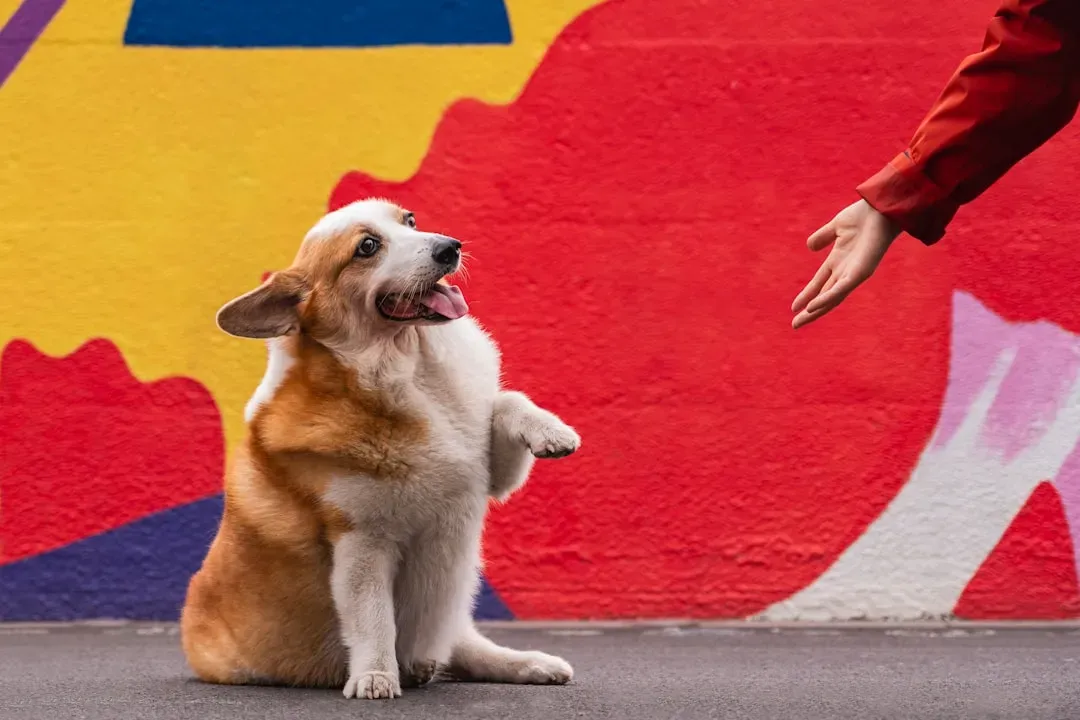
Here’s something that might surprise you. Your dog isn’t just expressing their own feelings when they greet you. They’re also responding to yours. Dogs are able to pick up on your body language if you’re excited, relaxed or relieved to be home, and will mirror those right back at you in their own upbeat, canine way.
Had a rough day? Your dog knows. Research has shown that the scent of a dog’s owner triggers the area of the brain associated with reward, creating a powerful positive response. They’re not just reacting to your presence but to the entire emotional package you bring through that door.
This is why some dogs greet different family members differently. Maybe they’re calmer with one person and absolutely lose their minds with another. It’s not necessarily favoritism. They’ve learned to read each person’s typical emotional state and energy level, adjusting their greeting accordingly. Pretty sophisticated social skills for a creature who can’t speak our language, right?
The Licking, Jumping, and Everything In Between
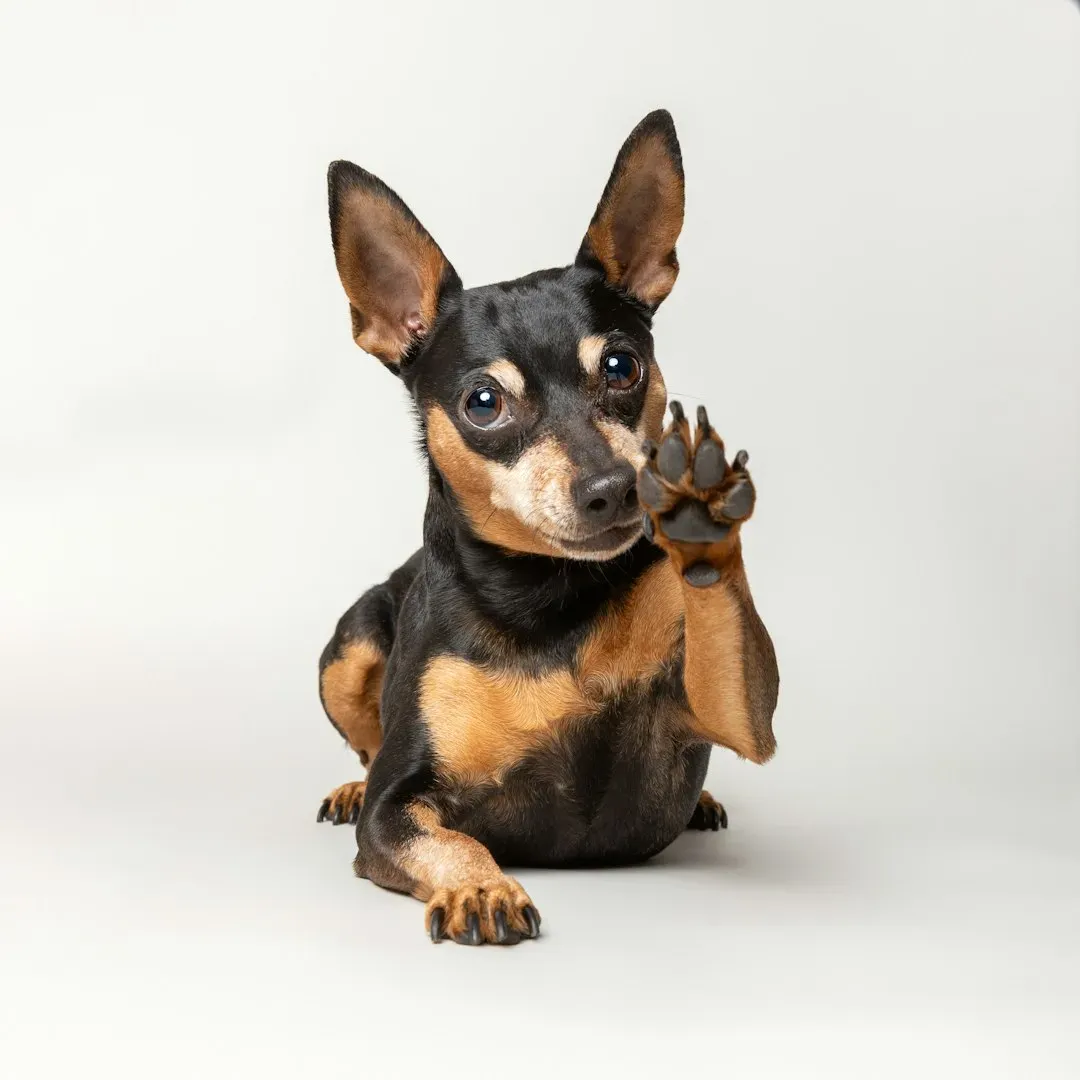
Let’s decode some of those specific greeting behaviors. Licking behavior has multiple causes and meanings, and dogs that are familiar with each other may lick each other’s faces in greeting, then sniff any moist membranes where odors are strongest. When your dog licks your face during greetings, they’re doing a canine version of catching up. Where have you been? What have you eaten? Who did you meet?
Jumping is trickier. While it might seem like pure enthusiasm, lip-licking forms part of dogs’ greeting behavior towards humans since socio-positive focuses were observed with greater frequency, and this gesticulation can play a crucial role in communication by serving as a signal that expresses peaceful intentions. Sometimes what looks like uncontrollable excitement is actually your dog trying to get closer to your face, the canine equivalent of a proper hello.
When your dog happily runs around you when you get home, this energetic greeting shows that your dog’s heart is racing with joy, they’re super excited and love having you around. Those zoomies aren’t random chaos. They’re your dog’s way of releasing pent-up emotional energy, a physical manifestation of how much they missed you.
What This All Means for Your Bond
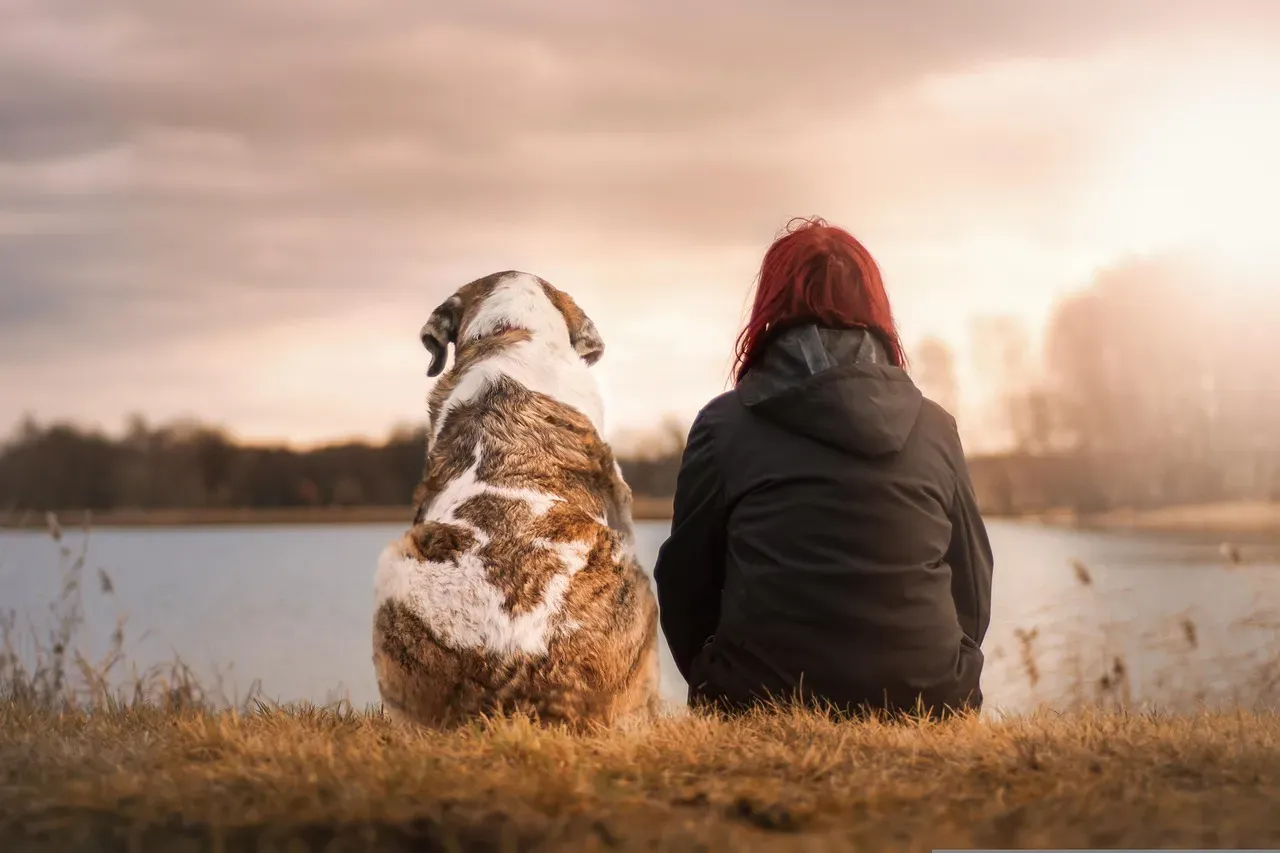
Understanding your dog’s greeting behavior isn’t just academic curiosity. It’s a window into the quality of your relationship and your dog’s overall wellbeing. A dog who greets you with confidence, joy, and a balanced level of enthusiasm is probably doing pretty well emotionally. They feel secure in your bond and comfortable being alone when necessary.
Your pooch associates you with all of their good times, building up happy points over the years of all their positive experiences with you, which explains why dogs are always happy to see their pet parents after being separated. Every walk, every treat, every quiet evening together deposits into an emotional bank account that overflows the moment you return.
If the greeting seems off, too intense or conversely too subdued, it might be worth examining. Has your routine changed? Is your dog getting enough mental and physical stimulation? Are there stressors in their environment you haven’t noticed? Your dog’s greeting is often the first clue that something needs attention. The beautiful thing is, by paying attention to these signals, you can strengthen your bond and address issues before they become serious problems.
Conclusion
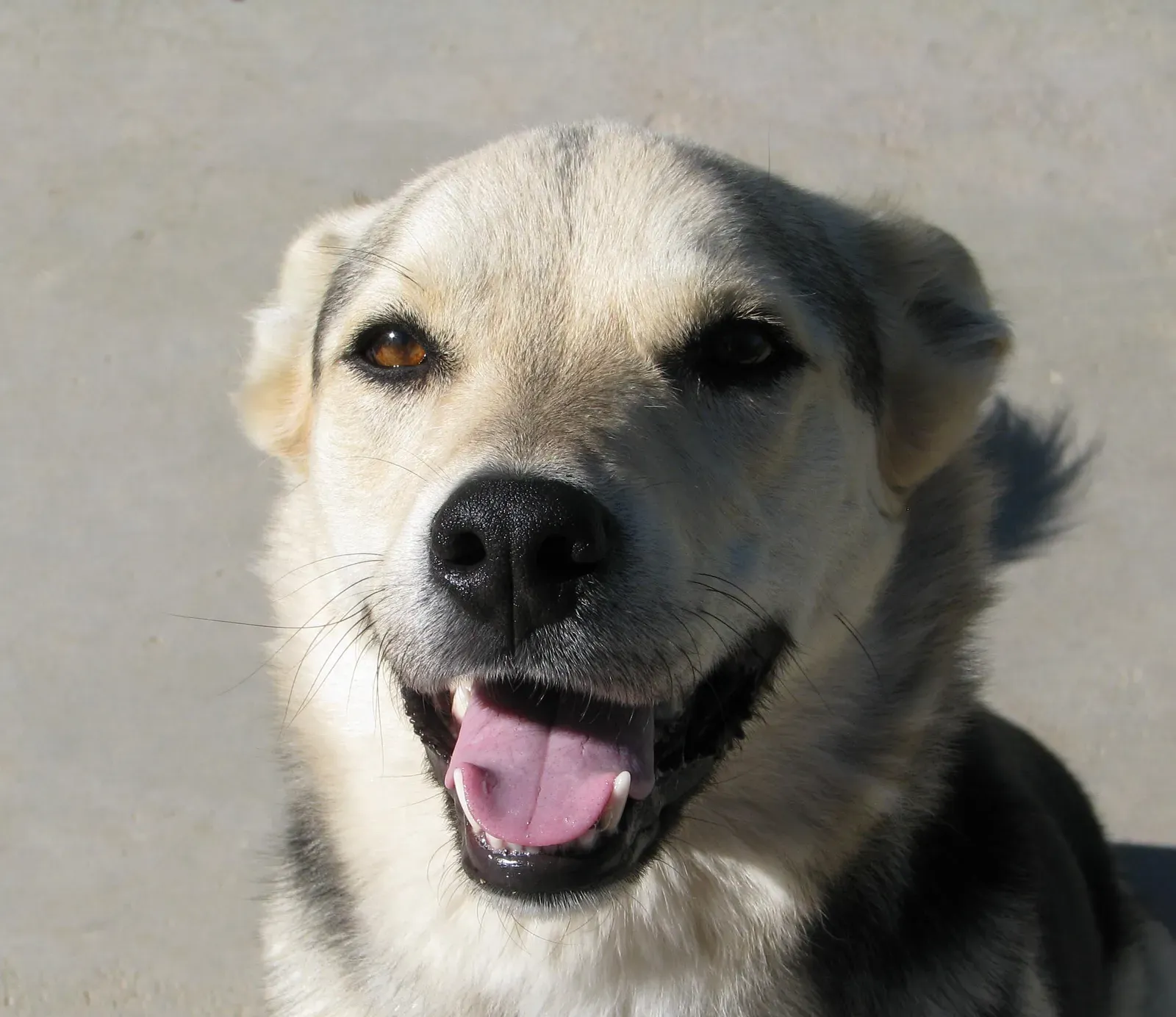
The way your dog greets you is so much more than an adorable ritual. It’s a complex communication system that reveals their emotional state, reflects the quality of your bond, and even picks up on the energy you’re bringing home. From that rightward tail wag signaling genuine happiness to the full-body wiggle that says all is right in their world, every element of the greeting tells a story.
Next time you walk through that door, take a moment. Really look at how your dog greets you. Are their eyes soft? Is their body loose and wiggly? Is that tail doing the helicopter spin of pure joy? Or are there subtle signs of stress, anxiety, or something else bubbling beneath the surface? Your dog is speaking to you in the only language they have. The least we can do is learn to listen. What does your dog’s greeting say about your relationship? I’d love to hear your thoughts.


