
You know that moment when someone new walks through your door and you hold your breath, waiting to see how your dog will respond? Maybe your pup bounds over with a wiggling body and an instant smile. Or maybe they hang back, watching with wary eyes and a stiff posture. Here’s the thing that might surprise you: that reaction probably has less to do with your training skills than you think.
Your dog’s response to strangers is deeply wired into who they are. For centuries, we’ve shaped breeds to do specific jobs, and their reactions to unfamiliar people weren’t just side effects. They were the whole point. Understanding this can change everything about how you see your furry friend.
Written in Their Genes: Why Some Dogs Are Natural Greeters
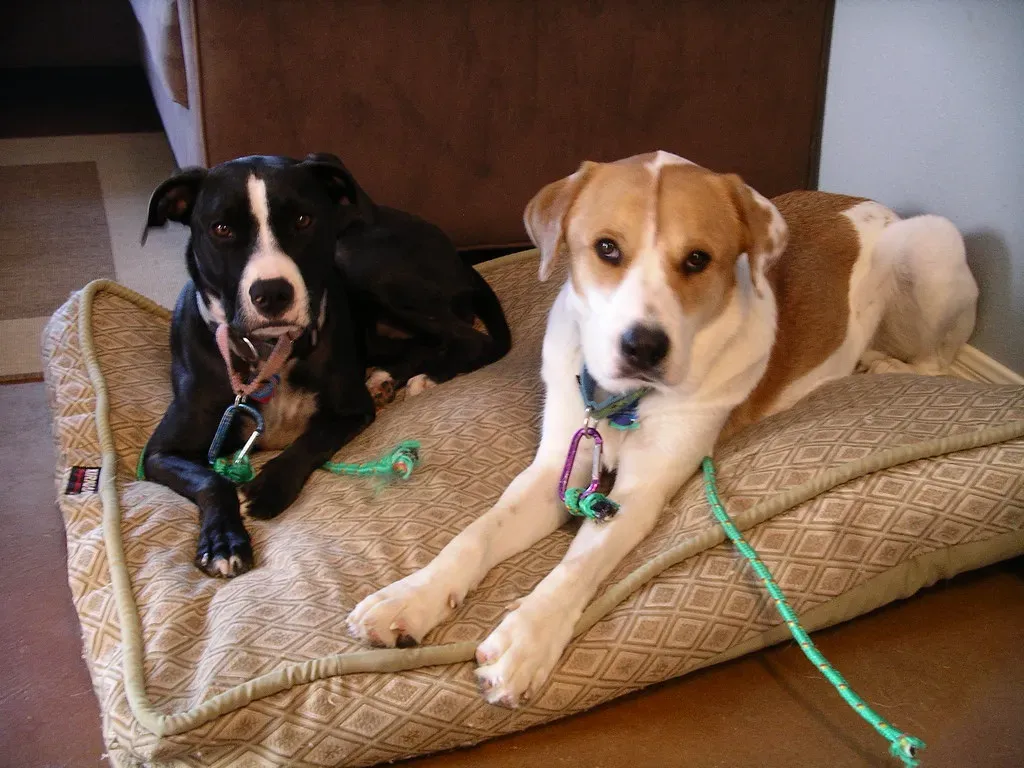
Some breeds are naturally more reserved and less trusting of strangers, and some are social butterflies who love everyone from day one. Golden Retrievers make you feel like you’ve been friends forever, even if you just met them, and their friendly and gentle nature isn’t just a trait – it’s in their DNA.
Think about what these breeds were created to do. Labs and Goldens spent generations working closely alongside humans, retrieving game and providing companionship. Behaviors like human sociability were more heritable, and researchers speculate that humans likely selected for friendly pooches in the early days of dog domestication. When friendliness is literally bred into your bones, meeting strangers feels as natural as breathing.
Beagles, small to medium-sized dogs known for their friendly and outgoing nature, were initially bred for hunting and have a strong pack mentality, which makes them pleasant and eager to interact with people and other animals. Their cheerful disposition means they approach newcomers like long-lost pals. It’s honestly hard to stay grumpy around a Beagle bouncing toward you with those soulful eyes.
The Guardian’s Instinct: Breeds Born to Protect
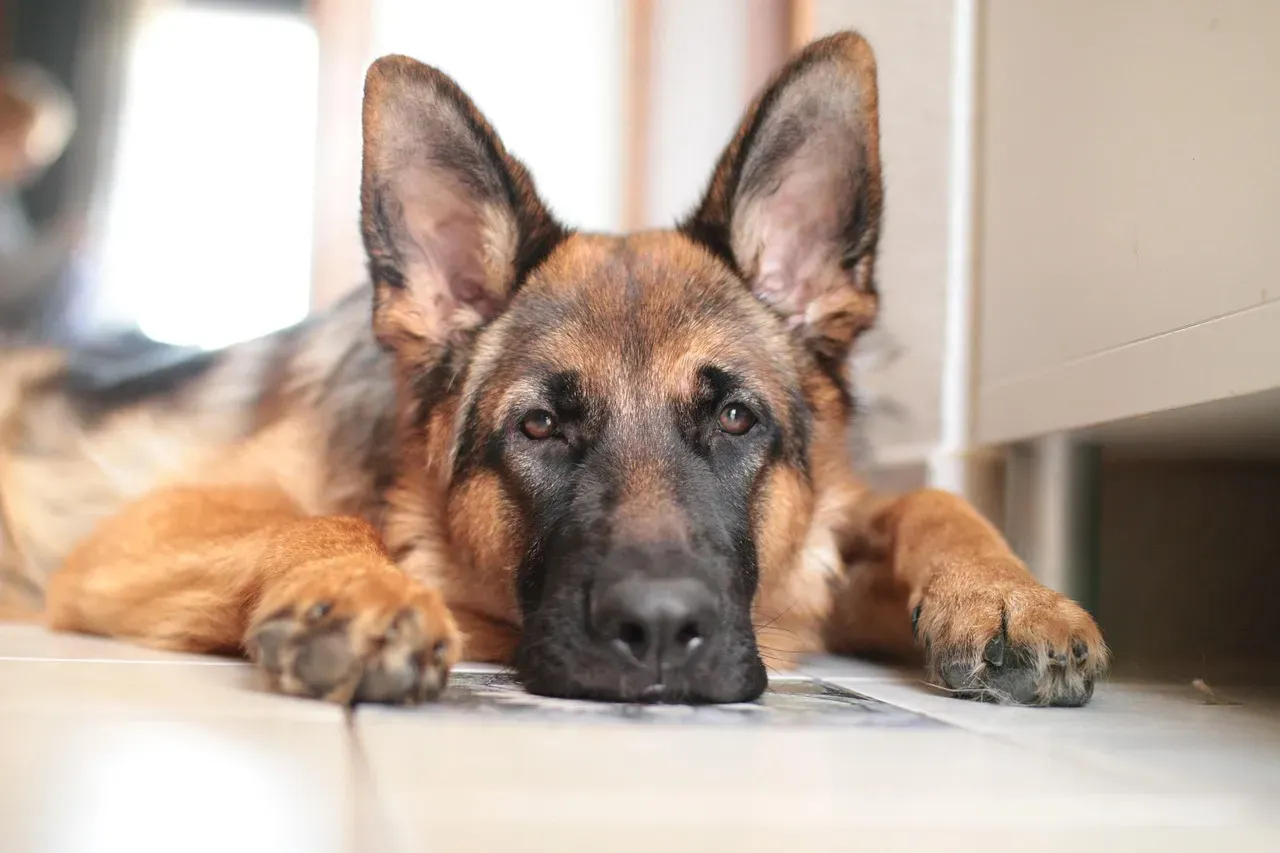
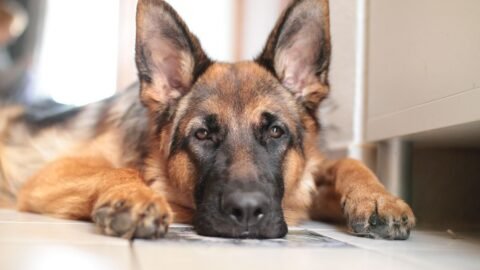
Not every dog is supposed to welcome strangers with open paws. Purpose-bred or working line breeds such as Shepherd breeds and Livestock Guardian Dogs may have a higher rate of displaying aggressive behavior towards strangers due to their more protective nature, so yes, the breed of dog can play a role in aggressive behavior towards strangers and visitors.
Guardian dogs often exhibit strong loyalty, protectiveness, and a natural wariness of strangers, as these breeds were selectively bred for their ability to deter intruders, protect property, and remain vigilant. For thousands of years, these dogs stood between livestock and predators, between families and danger. That instinct doesn’t just disappear because they’re living in a suburban home instead of guarding sheep on a hillside.
Traits with the highest rates of heritability were behaviors such as trainability, predatory chasing, stranger-directed aggression, and attention seeking, and for these traits, genetics explained 60 to 70 percent of variation across breeds. Let’s be real, if your German Shepherd or Rottweiler is reserved around strangers, they’re doing exactly what their ancestors were bred to do. It’s not a flaw. It’s their heritage showing up.
Herding Breeds and the Wary Eye
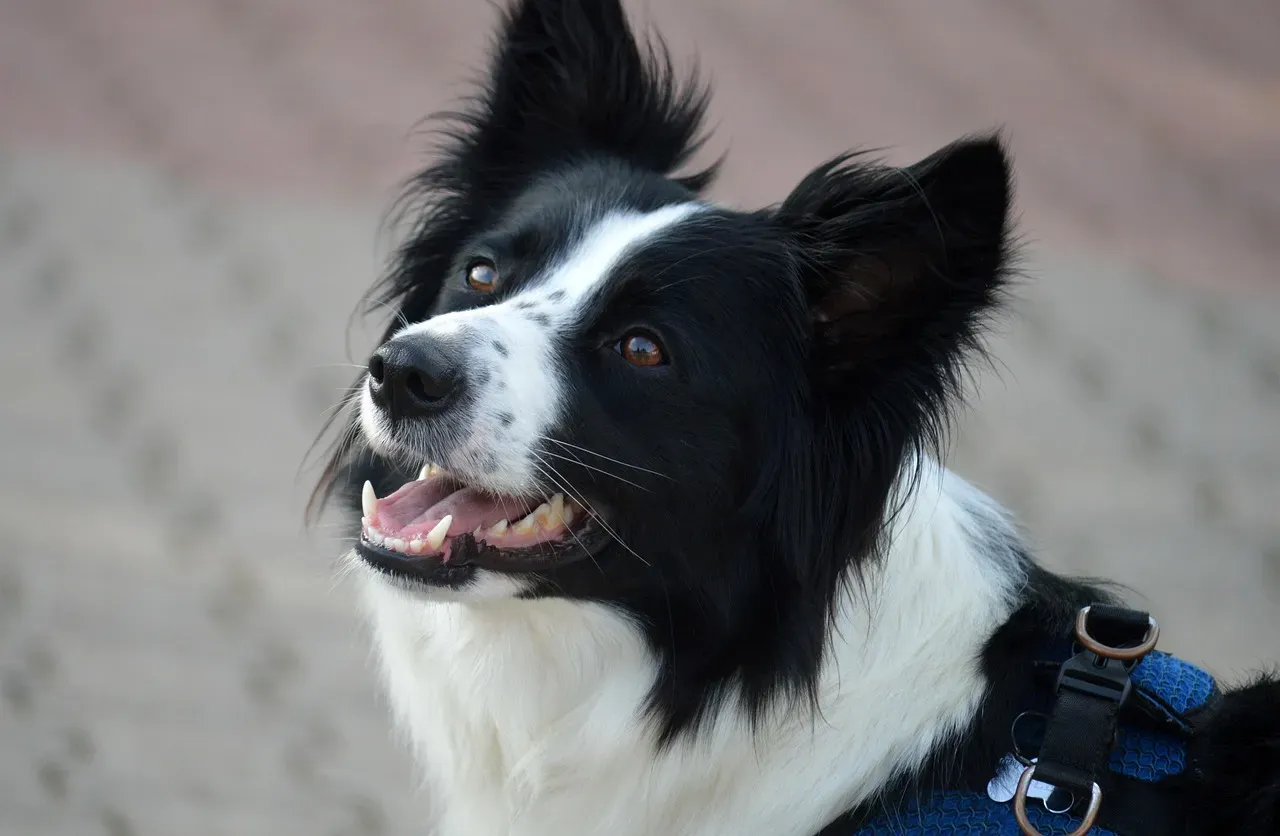
Many herding breeds are a bit wary of new people, to the point that it’s included as a trait in their breed standards, and without proper socialization, it’s easy for Cattle Dogs, Border Collies, and more to develop full-blown fear reactivity to people they don’t know. If you’ve ever wondered why your Australian Shepherd seems suspicious of the mail carrier, now you know.
Historically, many herding dogs simply never encountered people or animals outside their family. These dogs spent their days focused on sheep or cattle, working independently in isolated areas. Meeting new people wasn’t part of the job description. That legacy lives on today in their cautious approach to strangers.
Dogs’ herding instincts make them great guard dogs since herding breeds tend to be suspicious of new people and unwanted visitors. Your Border Collie isn’t being rude when they stand at a distance, watching your guests intently. They’re gathering information, assessing the situation. It’s what makes them brilliant at their work, even if that work is now just keeping tabs on who’s in their living room.
The Social Butterfly Effect: Toy and Companion Breeds
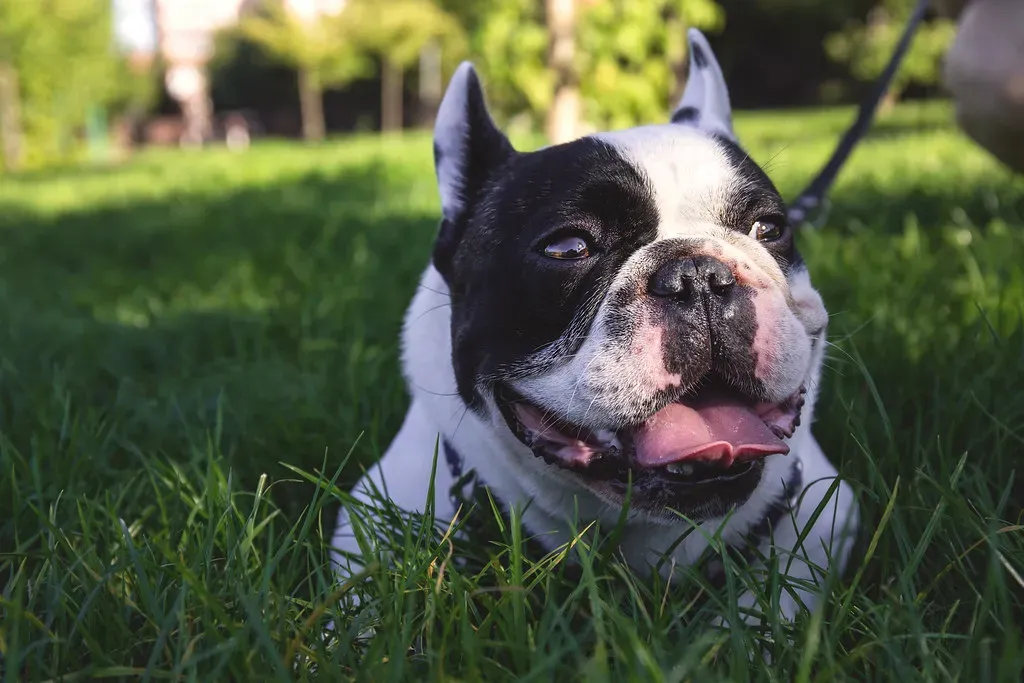
Then there are the dogs who seem to think every human exists solely to adore them. The Shih Tzu is a charming and loving breed known for its friendly temperament, even toward strangers, bred to be lap dogs and naturally inclined to be warm and welcoming to unfamiliar faces, often greeting new people with wagging tails and friendly behavior.
These smaller companion breeds were created for one main purpose: to be delightful company. Bichon Frises are small dogs known for their cheerful and affectionate nature, are amiable and thrive on human interaction, and their friendly disposition ensures they quickly form bonds with new people, often approaching strangers with a wagging tail and a joyful demeanor. When your entire genetic history revolves around being charming and lovable, stranger anxiety doesn’t really make the cut.
Cavalier King Charles Spaniels take this even further. They’re famous for treating everyone like royalty, whether it’s their beloved owner or someone they met three seconds ago. This isn’t pushover behavior. It’s centuries of careful breeding to create the perfect companion animal showing up in every tail wag.
Individual Personality Still Matters More Than You Think
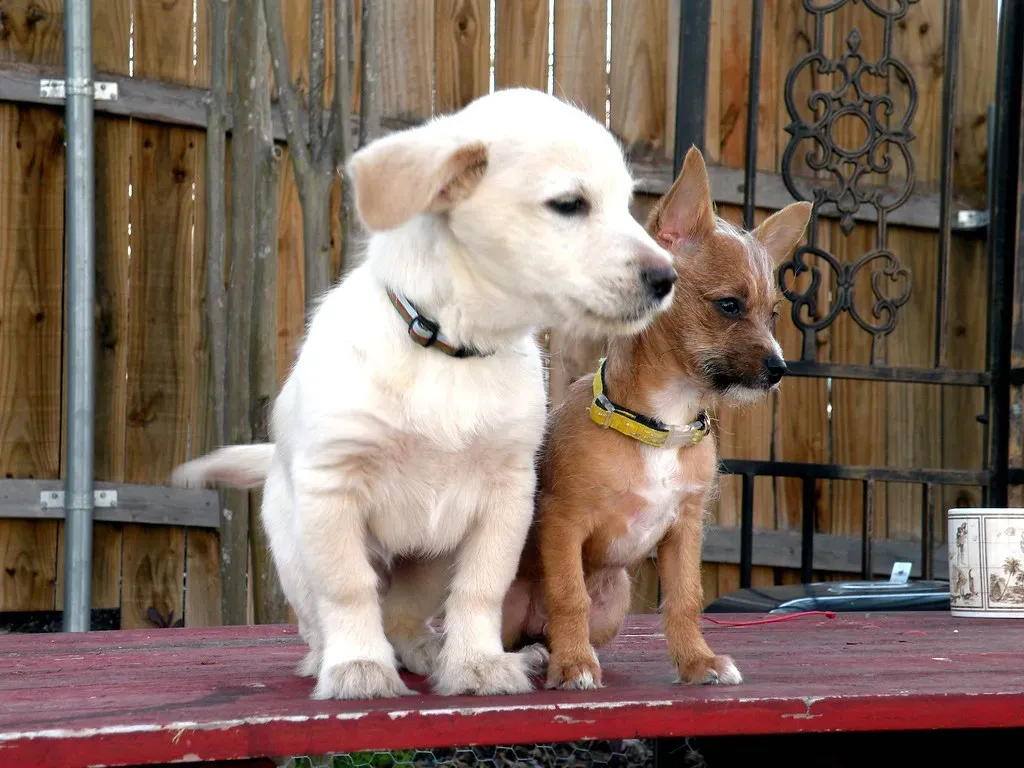
Here’s where it gets interesting. Breed explains just 9% of behavioral variation in individuals. Yes, you read that right. While breed tendencies exist and matter, every individual dog is just that: an individual, and while one dog may rush to the door excited to greet visitors while another dog of the same breed may just lounge on the couch unbothered, the type of dog breed will likely predict common traits.
I’ve met Golden Retrievers who were shy and reserved. I’ve known Rottweilers who thought every stranger was their new best friend. Tod was registered with the American Kennel Club, whose website describes his breed as curious and friendly, but the puppy was shy and scared of strangers, and when Morrill’s family got another papillon, Rosie, a year later, she was entirely different: bold, outgoing, and adoring of all people. Same breed, same family, completely different personalities.
No matter what the breed, a dog who was socialized and exposed to lots of different types, ages, sizes, and shapes of people as a puppy will respond better to strangers as an adult. Your puppy’s early experiences matter enormously. A naturally reserved breed can become more confident with the right socialization. A naturally friendly breed can become fearful without it.
Honestly, this is both empowering and humbling. You can’t override genetics completely, but you’re not helpless either. The best approach? Understand your dog’s breed tendencies, then work with them, not against them. Don’t expect your Livestock Guardian Dog to be the life of the party at the dog park. Don’t be shocked when your Labrador tries to befriend a burglar.
What matters most is knowing your individual dog. Watch their body language. Respect their comfort zones. Celebrate their unique personality, whether they’re a social butterfly or a selective snob. Because at the end of the day, every dog – regardless of breed – deserves to feel safe and understood in their own home. What surprised you most about your dog’s reaction to strangers?


