

Have you ever noticed how some dogs greet every person with a waggy tail and bright eyes, while others duck behind their owner’s legs or bark like they’re facing imminent danger? It’s honestly fascinating to watch. These reactions aren’t random quirks or personality traits your dog was simply born with. They’re like little windows into your dog’s earliest weeks of life, revealing stories about experiences they had before they even knew your name.
The way your furry friend responds to strangers is essentially telling you a story. Maybe it’s one of gentle socialization and careful introductions, or perhaps it’s a story with missing chapters – moments when the world felt overwhelming and no one was there to make it feel safer. Let’s dive in and explore what your dog’s stranger reactions really mean, and more importantly, what you can do about it.
The Critical Window: Those Make-or-Break Early Weeks
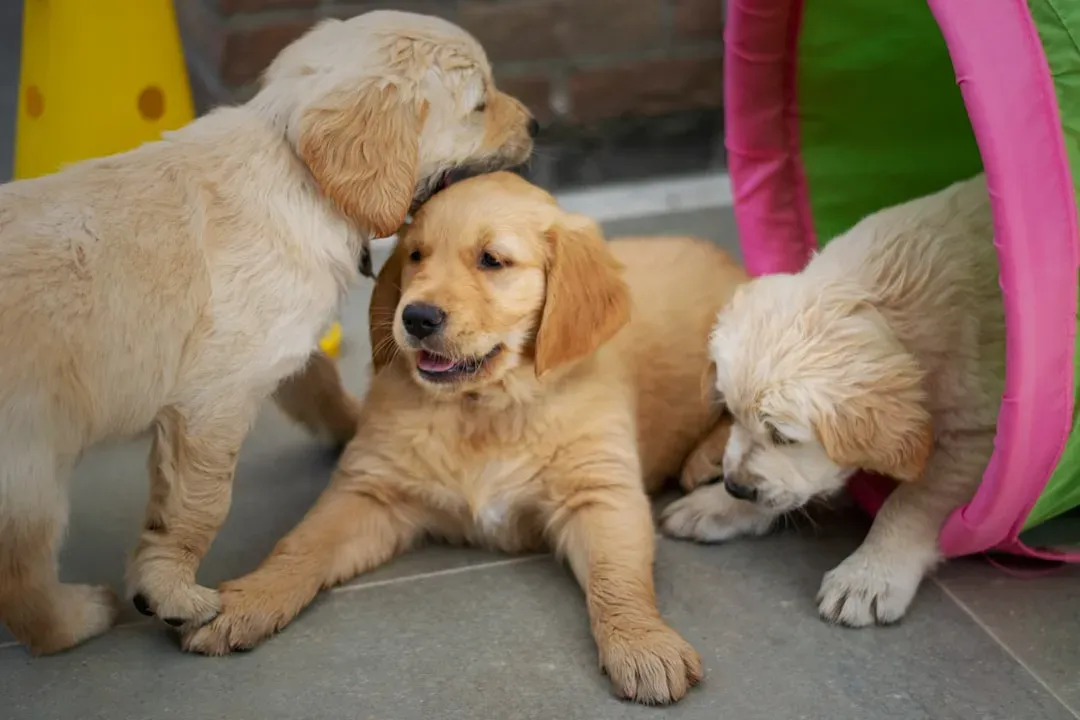
Puppies have a crucial learning window that starts around three weeks of age and closes between 16 and 20 weeks, during which they can be exposed to various sights, sounds, smells, and sensations without becoming fearful. Think of this period as your puppy’s brain being like a sponge – ready to absorb everything about the world with curiosity rather than fear.
Without exposure to humans before the age of 14 weeks, puppies are unable to form normal relationships with humans, and the fear response can become permanent. That’s a sobering thought, isn’t it? This window isn’t just important; it’s everything. Puppies who miss out on these experiences may never learn to be comfortable around unfamiliar things, paving the way for anxiety, fear, and aggression later on in life.
Here’s the thing: this isn’t about exposing your puppy to absolutely everything under the sun. It’s about quality experiences that leave them feeling safe and curious rather than overwhelmed. While it’s impossible to expose a young puppy to absolutely everything they will encounter in life, covering more bases during the peak socialization period of 3 to 12 weeks makes it more likely the puppy will be able to generalize from their prior experiences.
Fear Imprint Periods: When Bad Experiences Stick Forever
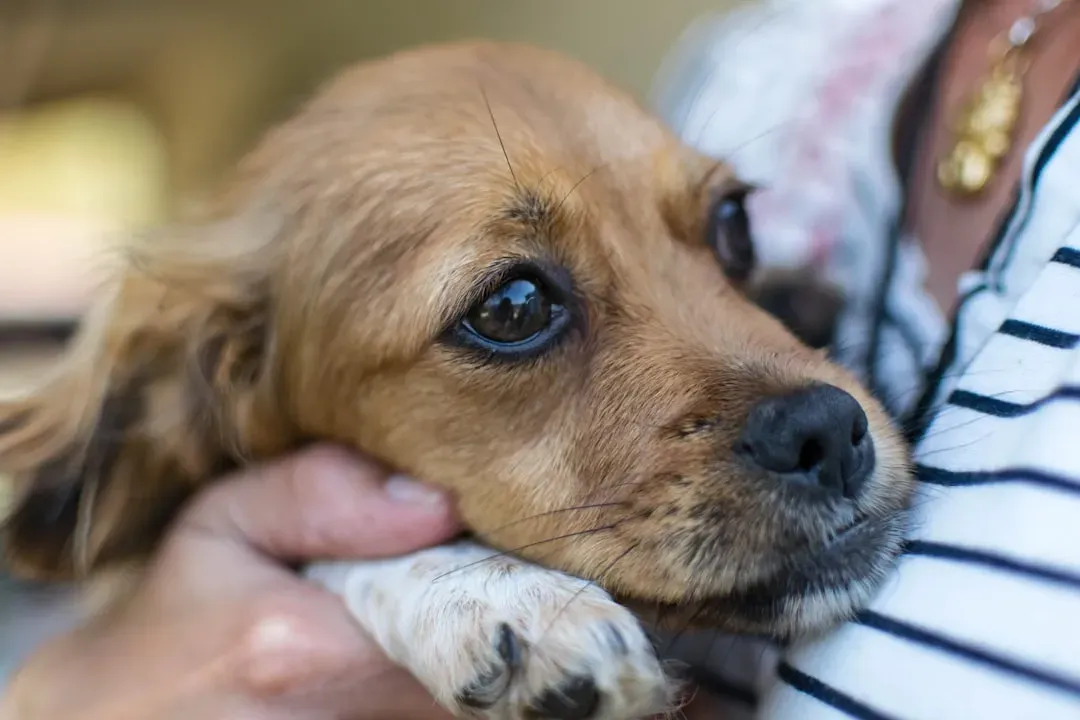
The first fear imprint period occurs at approximately eight to ten weeks of age, which in the wild would have been the time when pups first ventured outside the safety of their pack’s den. During this stage, traumatic experiences aren’t just upsetting – they can literally shape your dog’s brain for life.
During these fear periods, puppies are extremely sensitive to traumatic experiences, and scary incidents will imprint deeply into a young dog’s mind, affecting behavior for the rest of their life. I think this is one of the most misunderstood aspects of puppy development. Many new owners don’t realize that a single frightening encounter during this window can create lasting anxiety.
The second fear period takes place between the ages of six and 14 months, which is the stage during which wild dogs would learn to hunt. So just when you thought you were out of the woods with your adolescent pup, boom – they’re suddenly spooked by things they previously ignored. Fear periods usually last for one to two weeks and can happen more than once in a young dog’s life.
The Link Between Early Socialization and Stranger Reactions
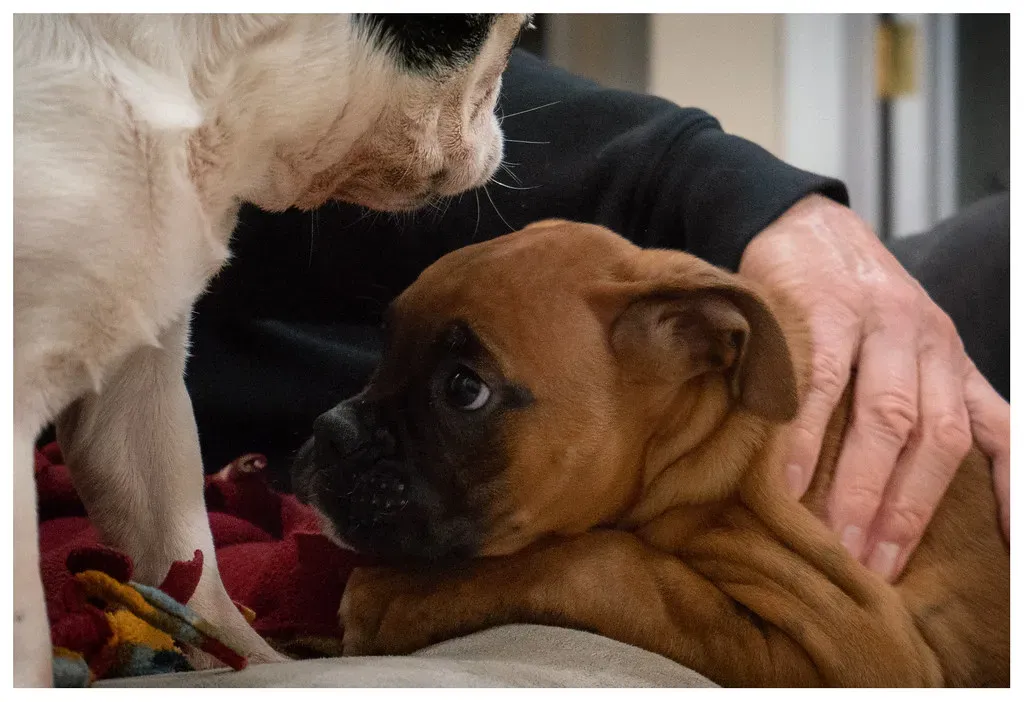
Dogs aged between 2 months and 17 years with less socialization during puppyhood were more likely to fear other dogs and strangers. That research finding really drives it home. The connection between what happens in those early weeks and how your adult dog behaves years later is undeniable.
A reactive dog is usually a fearful dog, and causes can be genetic, but they are more likely due to a lack of socialization, prior bad experiences, or a lack of training. When your dog lunges or barks at strangers, they’re not being mean or dominant. Most stranger danger dogs are using their reactive behaviors to help them feel safe.
Let’s be real: a dog who hides when guests arrive or goes ballistic at the mailman is typically showing you they never learned that unfamiliar people are safe. Anxious dogs are often reactive due to a lack of socialization while they were a puppy. The world feels bigger and scarier than it should because those early positive experiences simply didn’t happen enough – or sometimes at all.
Reading Your Dog’s Body Language Around Strangers
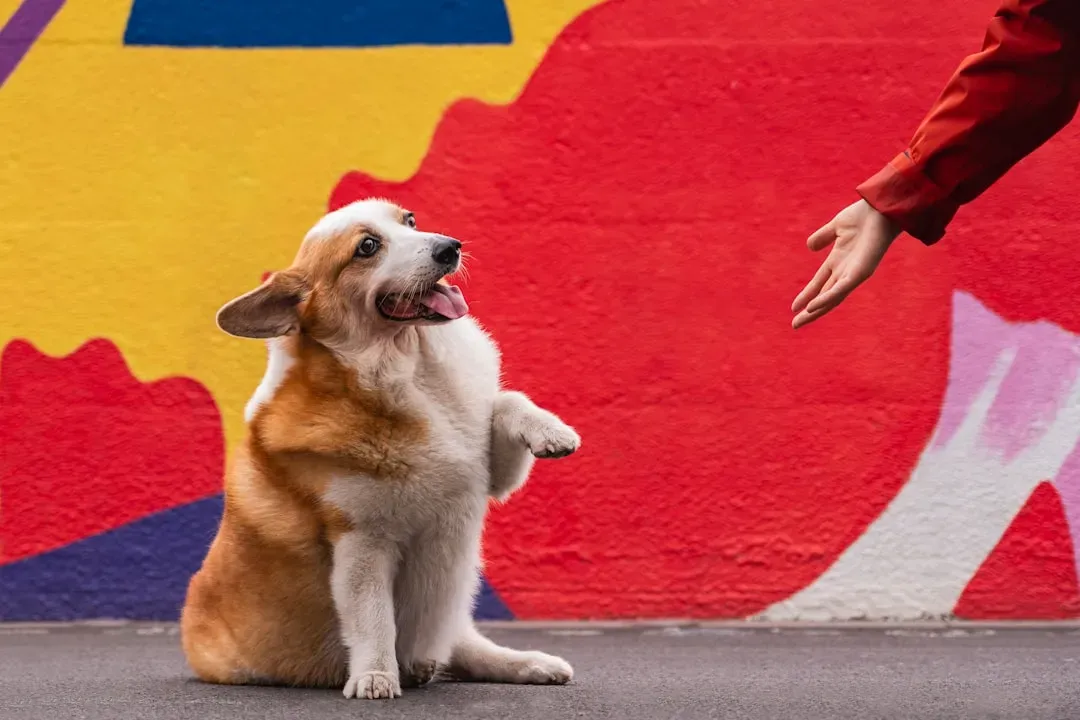
Your dog is constantly communicating with you, even when they’re not making a sound. If your puppy is tentative about interacting with calm people and dogs – for instance, if he takes a treat from a stranger but then backs away – then he is frightened. Subtle signals matter more than you might think.
Watch for stiff body posture, whale eyes (when you can see the whites of their eyes), a tucked tail, or ears pinned back. These are your dog’s way of saying they’re uncomfortable before the barking or lunging even starts. There are typically many smaller behaviors leading up to the big behaviors that are worth noting and understanding, because they tell us about how that dog is feeling before they’re over their comfort threshold.
Some dogs will freeze in place when they’re scared. Others might pant excessively or yawn repeatedly – not because they’re tired, but because they’re stressed. Learning these signals gives you the chance to intervene before your dog feels like they need to use those dramatic behaviors to protect themselves.
Why Some Dogs Never Warm Up to Strangers
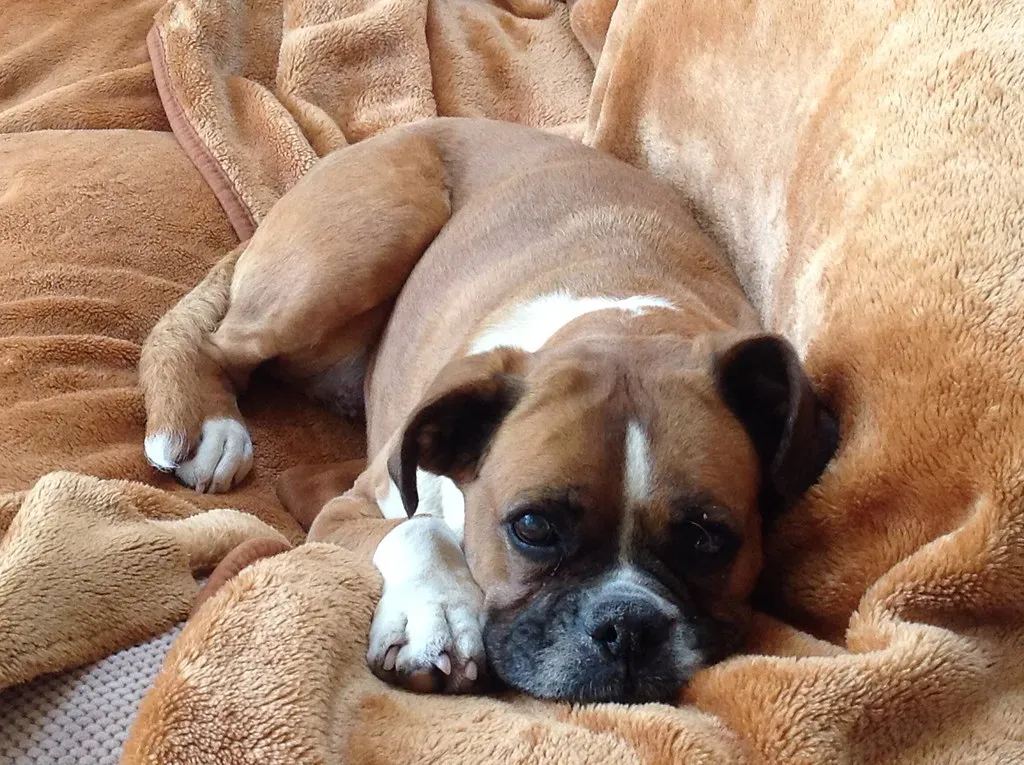
Dogs that are denied socialization during the critical period regularly become unpredictable because they are fearful, and this can lead to aggressive behavior. It’s hard to accept sometimes, but the truth is that not every dog will become a social butterfly, no matter how much training you do later.
Dogs only remain social when continually exposed to unfamiliar people, and continued pleasant exposure to new people keeps the idea that strangers are good news in the forefront of your dog’s mind. That means even dogs with great early socialization can become wary if they stop having positive experiences with new people.
Honestly, it’s also about genetics and temperament. Puppies often take after their parents’ personalities and reactivity can have a genetic link. If both parents were anxious around strangers, your puppy might have inherited that predisposition. Yet even then, early socialization makes an enormous difference in whether that tendency becomes a full-blown problem or just a mild quirk.
Helping Your Dog Feel Safer: What Actually Works
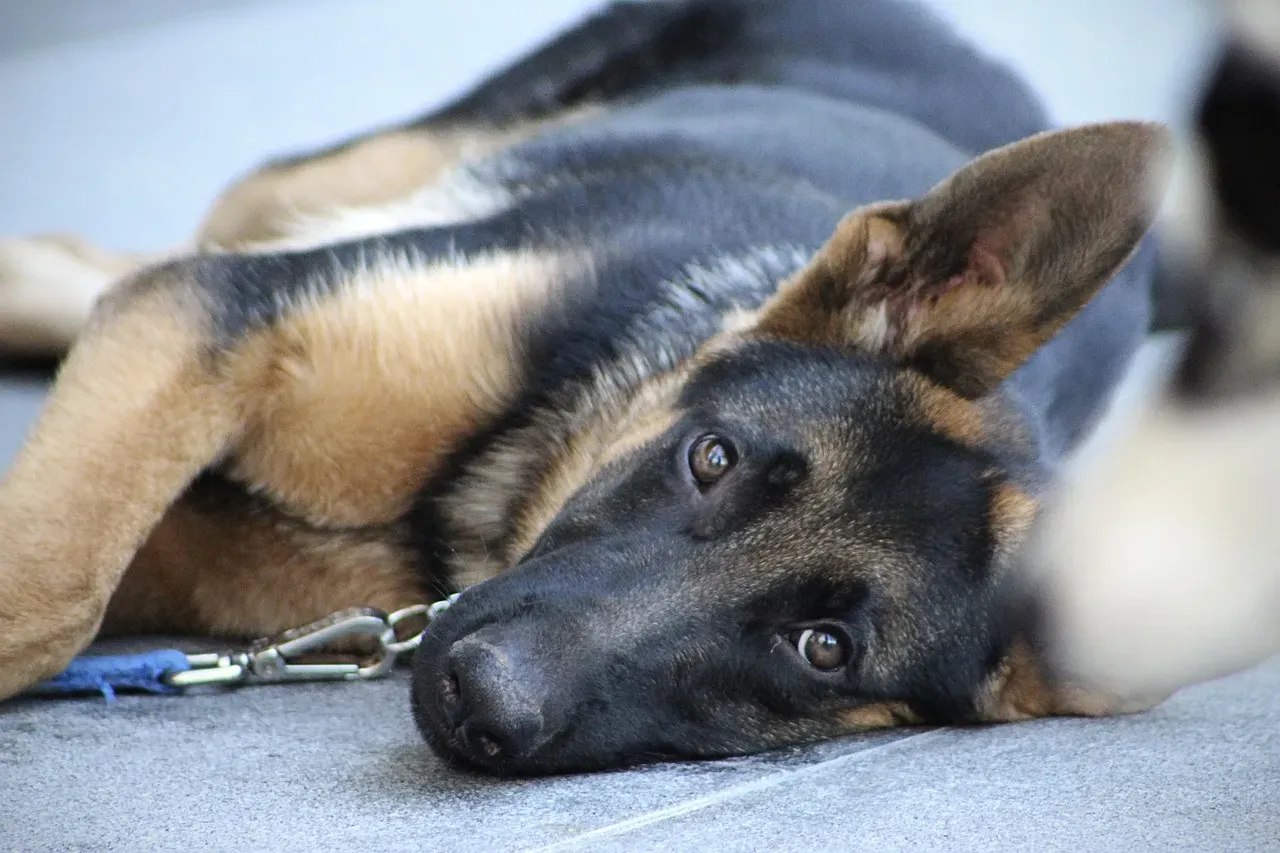
Behavior modification and counter-conditioning to help make your dog’s triggers less scary are the long-term answer, giving them coping strategies to deal with stressful situations. There’s no magic overnight fix here, but there is hope. The key is patience and changing how your dog feels, not just how they behave.
Reward your dog as soon as the trigger appears, feeding them treats while the scary thing passes by or as you move by it, starting at a safe distance from the trigger so your dog feels comfortable. This isn’t bribery – it’s rewiring their brain to associate strangers with good things. Never force your puppy to face their fears or thrust them into new situations when they seem panicked or fearful, as it may worsen the fear.
Management is equally important. After you’ve identified triggers, try to avoid them while working on a training plan, walk your dog when others aren’t out, and avoid the dog park, because immersing your dog in situations where they’re not comfortable will increase their fear and may make their behavior worse. It’s not about avoiding forever – it’s about giving your dog space to learn new, positive associations without constantly practicing the reactive behavior.
Conclusion: Understanding Is the First Step
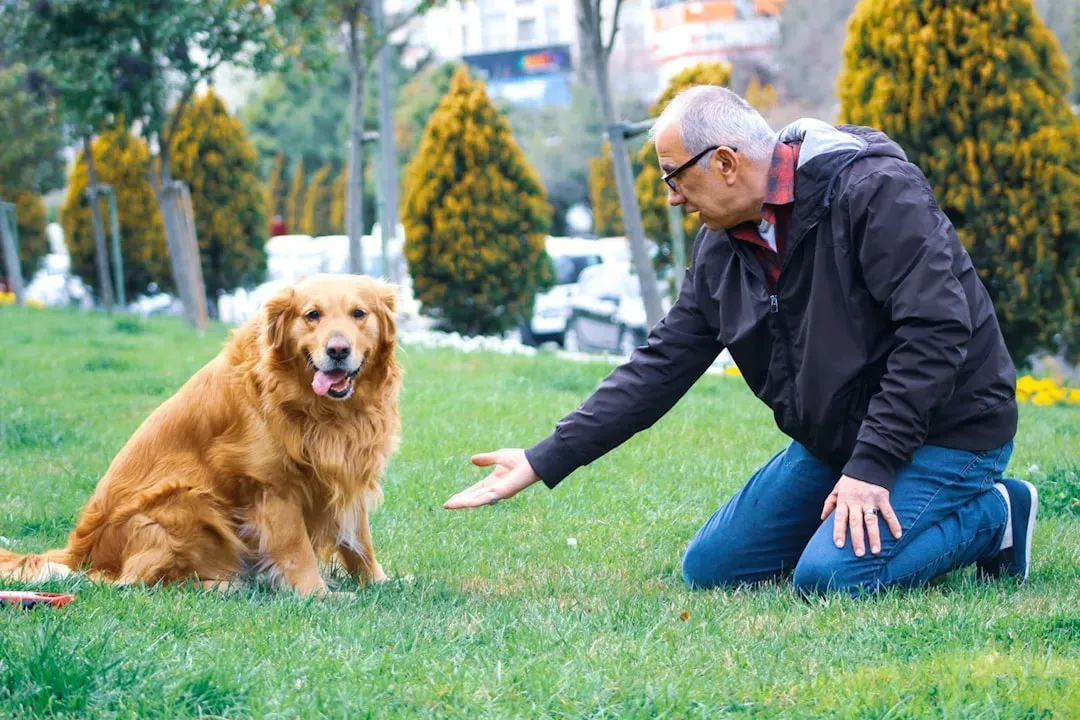
Your dog’s reaction to strangers isn’t just a behavior problem to fix – it’s a message about their past. Whether they had a rich tapestry of positive experiences during those critical early weeks or missed out on crucial socialization, understanding the roots of their behavior helps you respond with compassion rather than frustration. The only way to bring about true behavioral change in a reactive dog is with science-backed, positive reinforcement training.
Some dogs will make tremendous progress and eventually greet strangers with confidence. Others might always prefer to keep their distance, and that’s okay too. What matters most is that you meet your dog where they are, respect their comfort level, and work patiently to help them feel safer in the world. The way they respond to strangers tells their story – and with your help, that story can have new, happier chapters.
What’s your experience been with your dog around strangers? Have you noticed changes in their behavior over time?


