
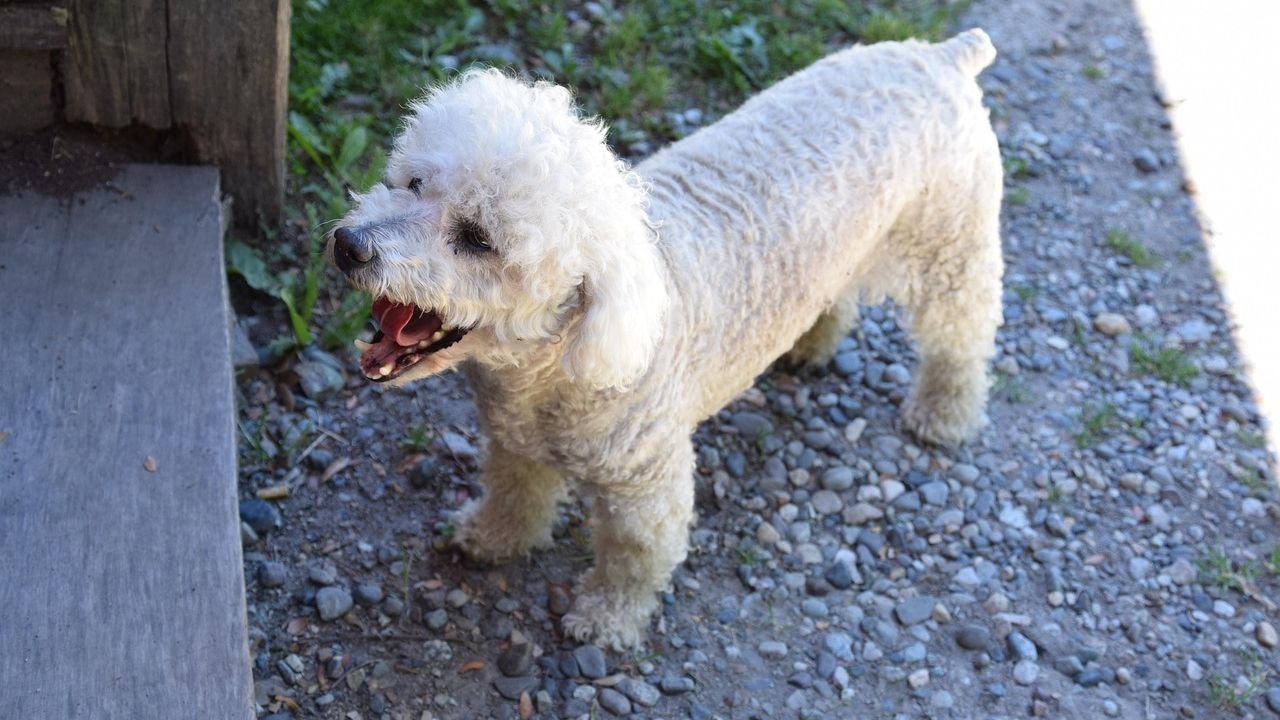
You’re curled up on the couch watching TV. Your dog is lying nearby, and suddenly lets out a big, wide yawn. Adorable, right? You probably smile, maybe even yawn back, and move on without a second thought. But what if that yawn was your dog quietly asking for help?
Here’s the thing most dog owners don’t realize: that simple, everyday yawn can carry a message far more complex than tiredness. It could be a whisper of anxiety, a polite plea for calm, or a signal that your pup is quietly overwhelmed. Dogs are masters of nonverbal communication. They tell us how they feel with their bodies. Learning to read those signals is one of the most loving things you can do for them. Let’s dive in.
Not All Yawns Are Created Equal
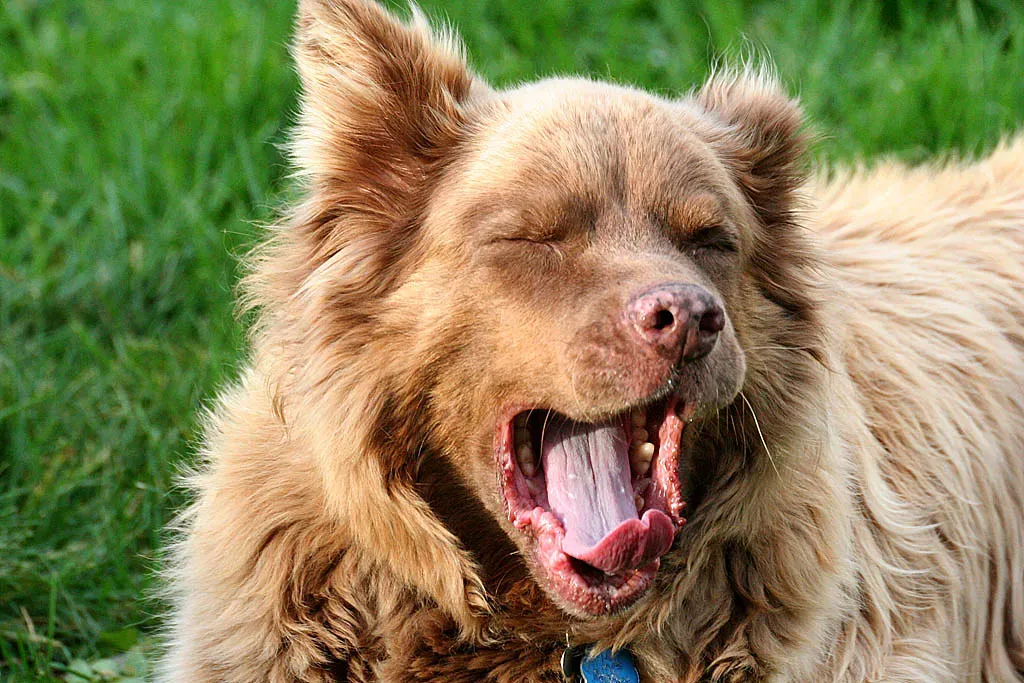
Most of us assume a yawn means one thing. Sleepy. Done. Moving on. But dogs actually yawn for a surprisingly rich range of reasons, and context is everything.
Dogs yawn when they are tired or bored, and they also yawn when stressed. A stressful yawn is more prolonged and intense than a sleepy yawn. Think of it like the difference between a lazy Sunday morning stretch and the tight, audible sigh you let out before a difficult conversation.
A sleepy yawn is typically wide and relaxed, often accompanied by a loose body posture and squinty eyes. A stress yawn often looks more prolonged or deliberate and is usually accompanied by body stiffness or pinned ears. Once you know the difference, you genuinely cannot unsee it.
If your dog yawns repeatedly in the middle of a noisy waiting room, during a training session, or while being hugged by a stranger, it’s less about sleepiness and more about unease. The key is context. A yawn on the couch at bedtime is one story. A yawn at a crowded dog park is an entirely different one.
What a Stress Yawn Is Actually Saying
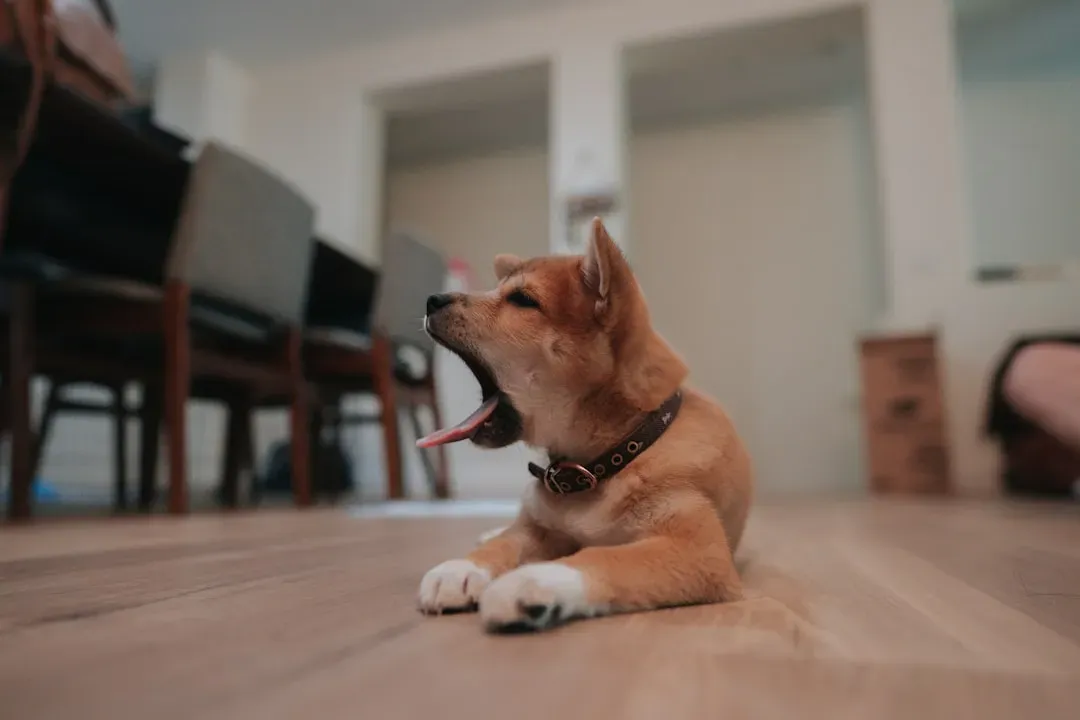
Honestly, once you understand the concept of calming signals, your whole view of dog behavior shifts. A stress yawn is a fascinating piece of dog body language known as a “calming signal.” Calming signals are a set of subtle behaviors dogs use to de-escalate a situation, avoid conflict, and soothe their own anxiety.
Yawning can sometimes act as a self-soothing mechanism for dogs. Yawning can slow a dog’s breathing, which can help them calm down in stressful situations. It’s almost like how we humans take a deep, slow breath when we feel the pressure building. Dogs just happen to do it with their whole jaw.
Dogs may exhibit repetitive or exaggerated yawns when they are feeling stressed or uneasy in a particular situation. This behavior is their way of attempting to self-soothe and communicate their emotional state to others. When a dog yawns in such circumstances, it can be a plea for relief from the perceived stressor or a signal to defuse potential conflicts.
Dogs yawn when they are tired, but also to communicate emotions, manage stress, or as a form of submission in social situations. Your dog is essentially trying to speak a language they hope you understand. Learning a little of that language goes a very long way.
The Body Language Clues Hiding Alongside the Yawn
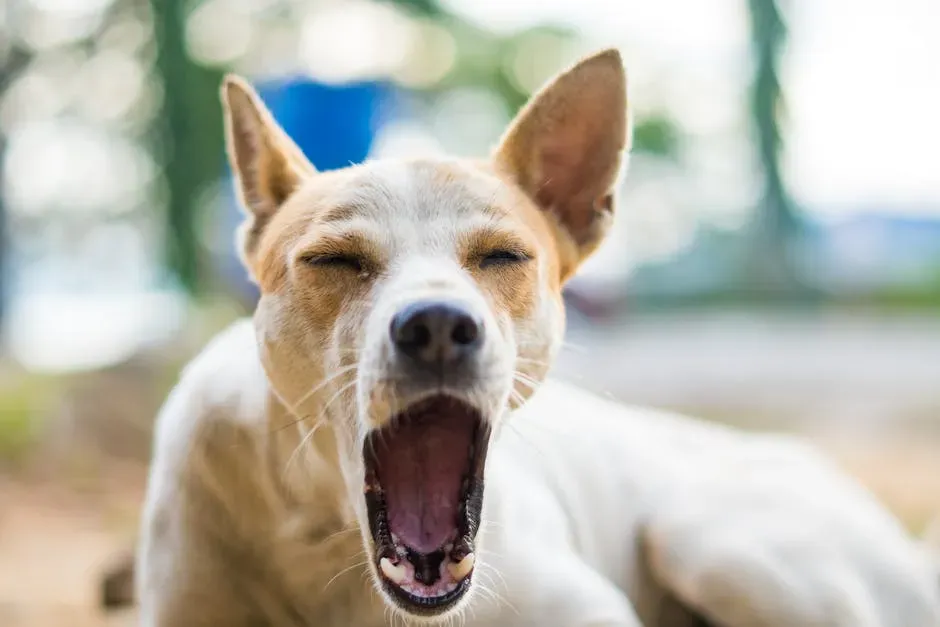
A stress yawn rarely shows up alone. It’s part of a whole chorus of signals your dog might be broadcasting, and if you only notice the yawn, you’re missing most of the song.
A stress yawn is accompanied by a tense body. A stressed-out pup will also typically exhibit other indicators of stress, including tucking their tails, pointing their ears back, avoidance, pacing, cowering, looking away, and lip licking. Watch for even one or two of these alongside the yawn, and take it seriously.
Stressed dogs, like stressed people, may have dilated pupils and blink rapidly. They may open their eyes wide and show more sclera (white) than usual, giving them a startled appearance. Their ears may be pinned back against their head. This wide-eyed look is sometimes called “whale eye,” and it’s one of the clearest distress flags in the canine world.
The “shake off” is a full-body shake as if they’re wet, but they are perfectly dry. This is a common way dogs release tension after a stressful encounter. Sniffing the ground suddenly, becoming intensely interested in a random spot on the floor, can also be a way to avoid a stressful interaction. Pair any of these with a yawn, and your dog is telling you something important.
Everyday Situations That Trigger a Stress Yawn
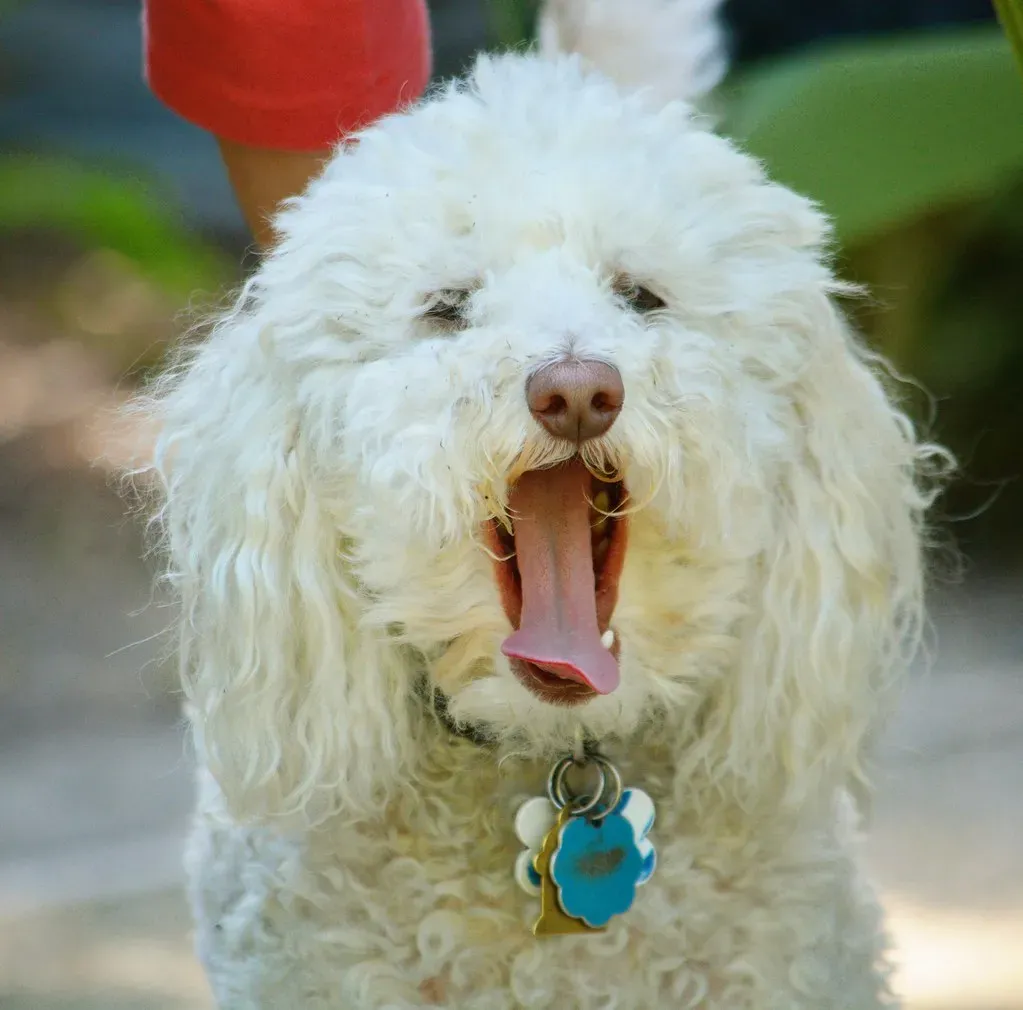
You might be surprised to discover how many perfectly ordinary moments feel stressful to your dog. Let’s be real, our lives can be chaotic, and our dogs absorb more of that energy than we ever imagine.
Dogs might yawn more at the vet, at crowded events, or during thunderstorms. Those are the obvious ones. But what about during a hug, a training session, or when a stranger bends down to pet them? These situations happen all the time.
Yawning while being cuddled might be your dog’s way of showing you that they are stressed. Some dogs love to be smooshed up against you, and others greatly dislike it. Since dogs can’t talk, they might be using yawning as a way to show you that they are uncomfortable, along with other body language cues. Hard truth, but an important one.
A dog may yawn when they’re struggling to understand what’s expected of them. This is a type of stress that can occur during training sessions if the dog feels confused or pressured. So if you’re mid-training and your pup keeps yawning, that’s not disinterest. That’s overwhelm. Time to slow down, simplify, and make it easier for them to succeed.
How to Respond When Your Dog Stress Yawns
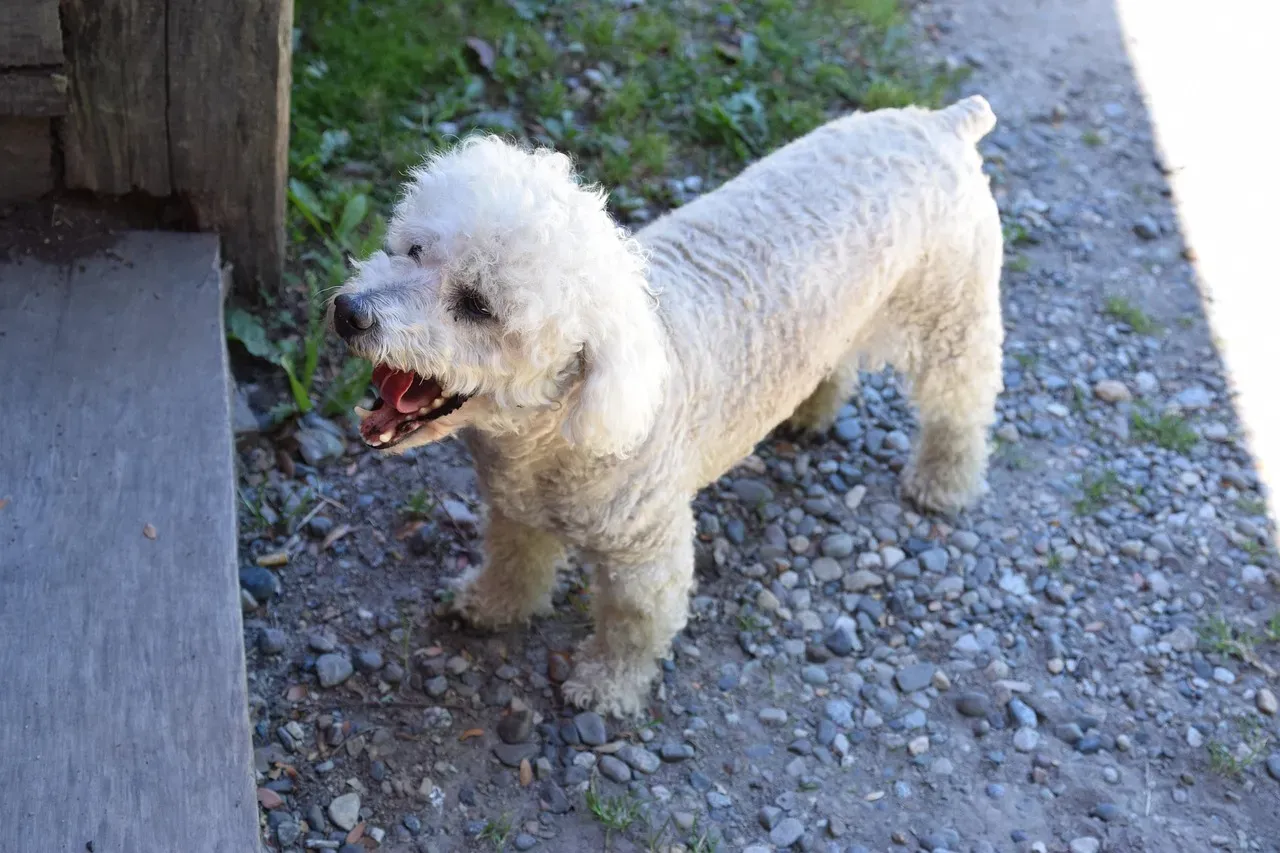
So you’ve spotted it. The prolonged yawn, the stiff body, the tucked tail. What now? The good news is that responding well doesn’t require expert training. It mostly requires awareness and a generous dose of empathy.
If you notice signs that your dog is stressed, first remove them from the stressor. Find a quiet place to regroup. Resist the urge to overly comfort them. I know, that last one feels counterintuitive. But over-reassuring can actually reinforce the anxious state. A calm presence is far more powerful than frantic soothing.
Excessive yawning is linked to higher cortisol levels, a hormone the body releases when stressed, in humans, and a similar link has been found in dogs. Chronic, unaddressed stress isn’t just uncomfortable for your dog. It can have real health consequences over time, including effects on their immune system and appetite.
If your dog is stress yawning all the time, that may be a signal of a larger problem, like separation anxiety. The best thing you can do is consult with a vet or professional trainer. Interestingly, if you notice your dog showing signs of anxiety, you can actually yawn yourself to help them feel more relaxed. Don’t cover your mouth, as dogs don’t do this and won’t see you yawn. You can apply this if your dog hears a noise and appears anxious. Simply yawn without looking at them or saying anything. This message lets your dog know there is nothing to worry about.
Conclusion: Your Dog Is Always Talking. Are You Listening?
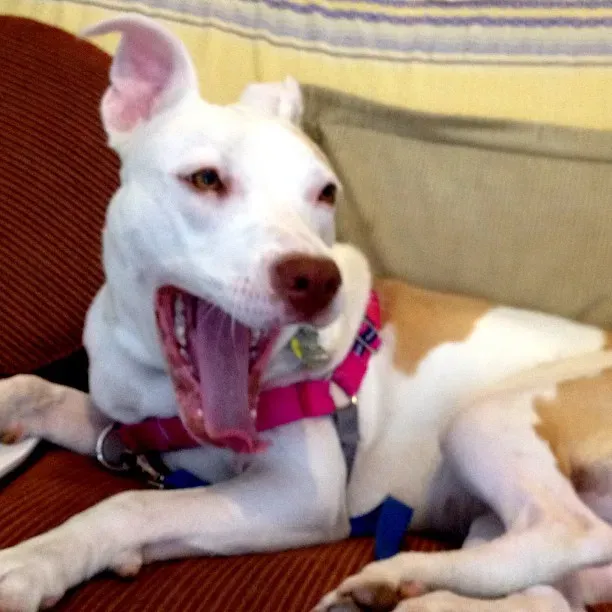
There is something quietly profound about realizing your dog has been communicating with you all along, and you just needed to learn the language. By learning these signals, you’re better prepared to keep your dog safe and happy. You’ll notice stress before it gets worse and can help your dog feel calm in new or busy places.
Subtle stress signals like yawning are not signs of misbehavior or disobedience. They’re polite, peaceful communications that say, “I need help; I’m feeling overwhelmed.” Your dog isn’t being dramatic. They are being incredibly patient, actually, asking gently before things escalate.
The next time your dog opens wide in what looks like a sleepy yawn, pause for just a moment. Look around. Notice what’s happening. Check their body. Because that small moment of attention could be the difference between a dog who feels heard and a dog who feels invisible. And of all the things we owe our dogs, feeling truly seen might just be the most important one of all.
What’s one moment you now think back on and wonder if your dog was stress yawning? Tell us in the comments – we’d love to hear your stories.


