
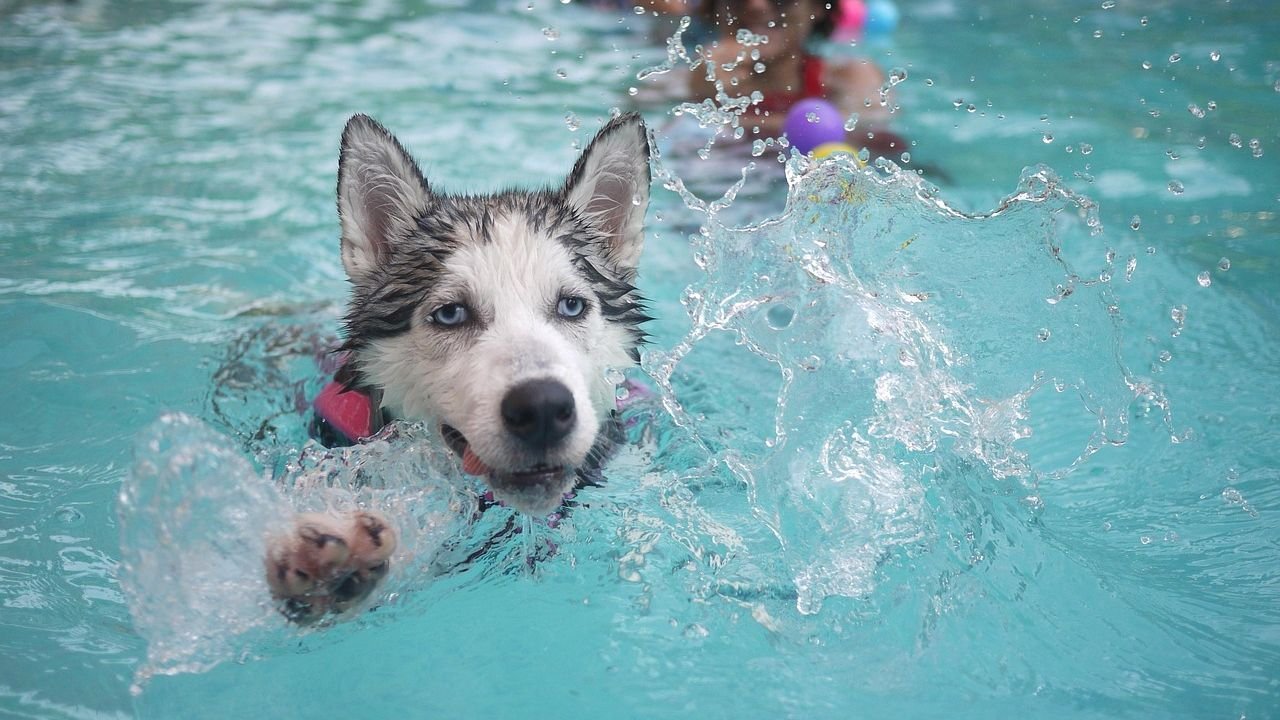
Picture this: it’s a blazing summer afternoon, the pavement is practically sizzling, and your beloved dog is panting so hard they can barely catch a breath. You rush to find shade, pour water, and pray nothing serious is happening. Sound familiar? If it does, you’re not alone – and this moment of panic is something countless dog owners know all too well.
Here’s what most people don’t realize when they fall in love with a fluffy Husky puppy or a squishy-faced Bulldog: some dogs are simply not built for heat. Their bodies, their coats, even the shape of their faces can put them at serious risk when temperatures climb. The good news? With the right knowledge, you can protect your pup – or make a smarter choice when choosing a new one. Let’s dive in.
Why Some Dogs Struggle So Much With Heat
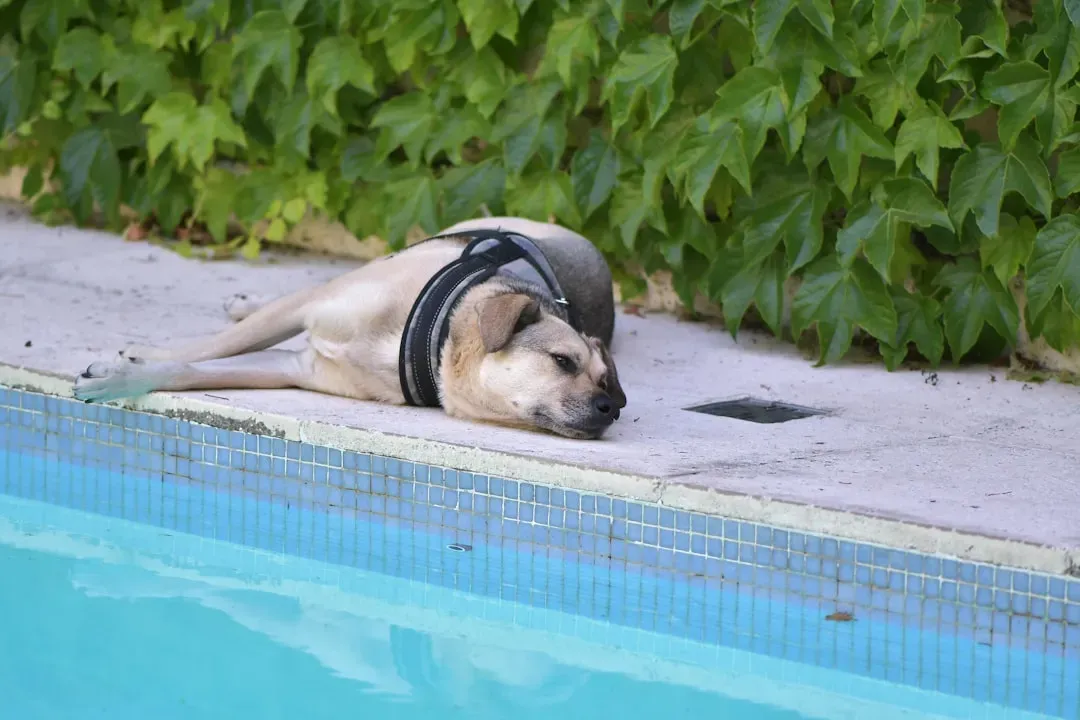
Dogs can’t sweat like humans do. They pant to evaporate moisture from their lungs, which helps cool the body – but this method is far less effective than sweating. Think of it like trying to cool your house with a single hand fan versus a full air conditioning system. For most dogs, panting works just fine. For others, it barely scratches the surface.
Some dog breeds are more sensitive to heat than others because of their physical traits, such as a flat face or a thick double coat. Brachycephalic breeds like Pugs, Bulldogs, and Boston Terriers are especially prone to overheating in the summer, while double-coated breeds like Alaskan Malamutes and Saint Bernards are better suited for cooler climates.
Early symptoms of overheating include extreme panting and an elevated heart rate. Advanced signs of heat stroke can include vomiting, disorientation, or excessive drooling. Dogs with elevated body temperatures can seem lethargic or even lose consciousness altogether. Knowing these signs isn’t optional – it’s life-saving.
English Bulldog: The Lovable Dog Who Hates Summer
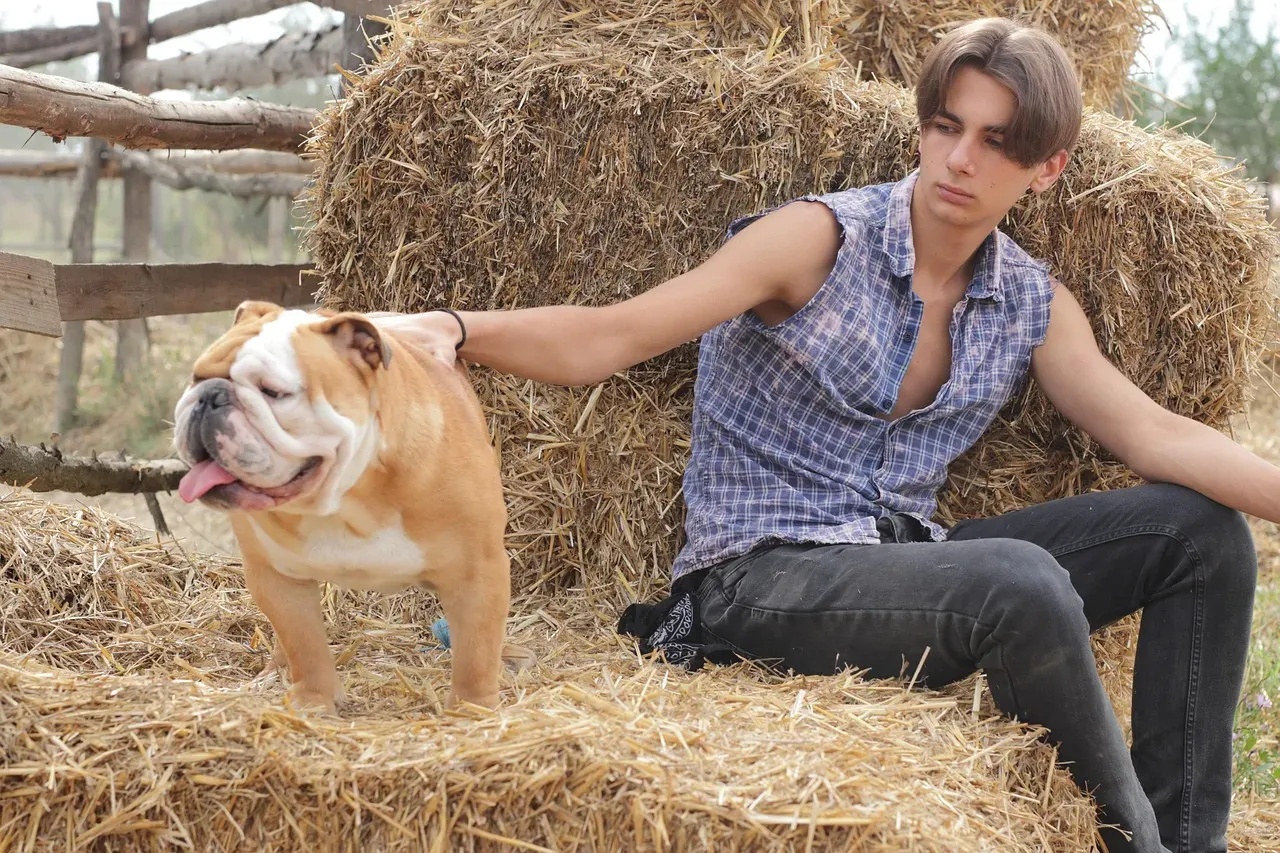
English Bulldogs are loved for their friendly disposition, but they are not built for the heat. Their short noses and thick fur make it difficult for them to cool down in hot weather, leading to serious health risks like heatstroke. Honestly, they’re like wearing a winter coat in July and being told to exercise. Not fair, not fun.
Brachycephalic dogs, a term used for dogs with a flat face, are extremely prone to heatstroke due to their narrow airways and nostrils. English Bulldogs are one of those dogs and often experience difficulties in hot weather because they can’t breathe properly when they overheat. Keep them inside during peak heat hours, use cooling mats, and never leave them in a parked car – not even for a minute.
Pug: Small Package, Big Heat Problem
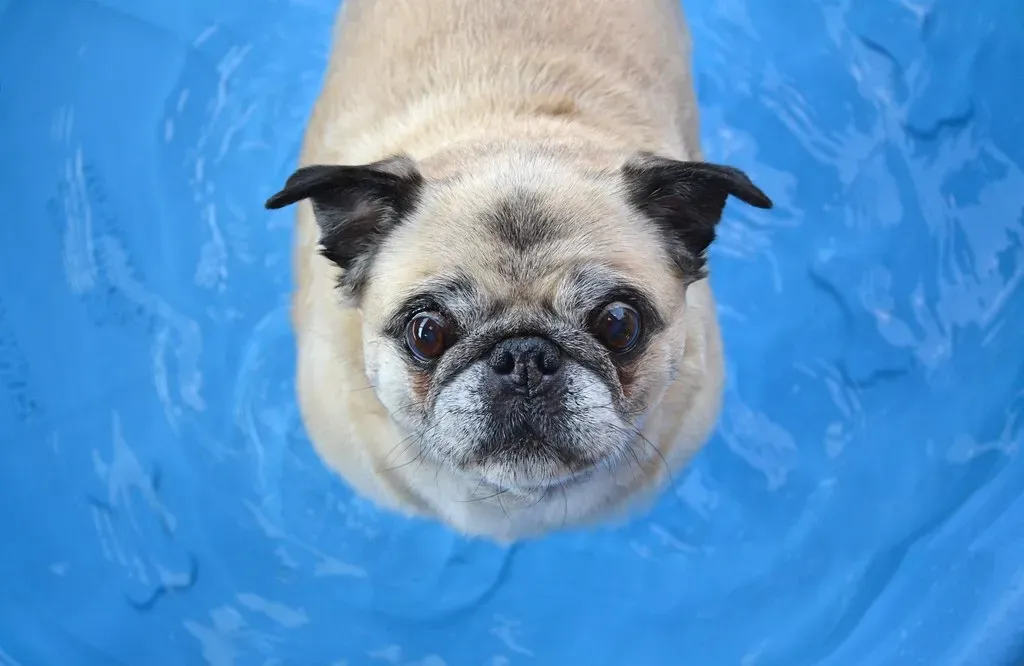
Despite the Pug’s short fur and compact size, they don’t do well in hot weather because of their flat face. Cool, well-ventilated places are important for keeping this small dog breed cool during the summer. If your Pug starts snorting more than usual or seems restless in the heat, that’s your cue to act immediately.
Pugs are prone to many health problems caused by their snub noses. Breathing troubles are especially common in pugs, and they are also prone to obesity, which makes them extremely susceptible to heatstroke. Keeping a Pug lean and at a healthy weight isn’t just about looks – it’s genuinely about survival in warm months.
Alaskan Malamute: Built for the Arctic, Not Arizona
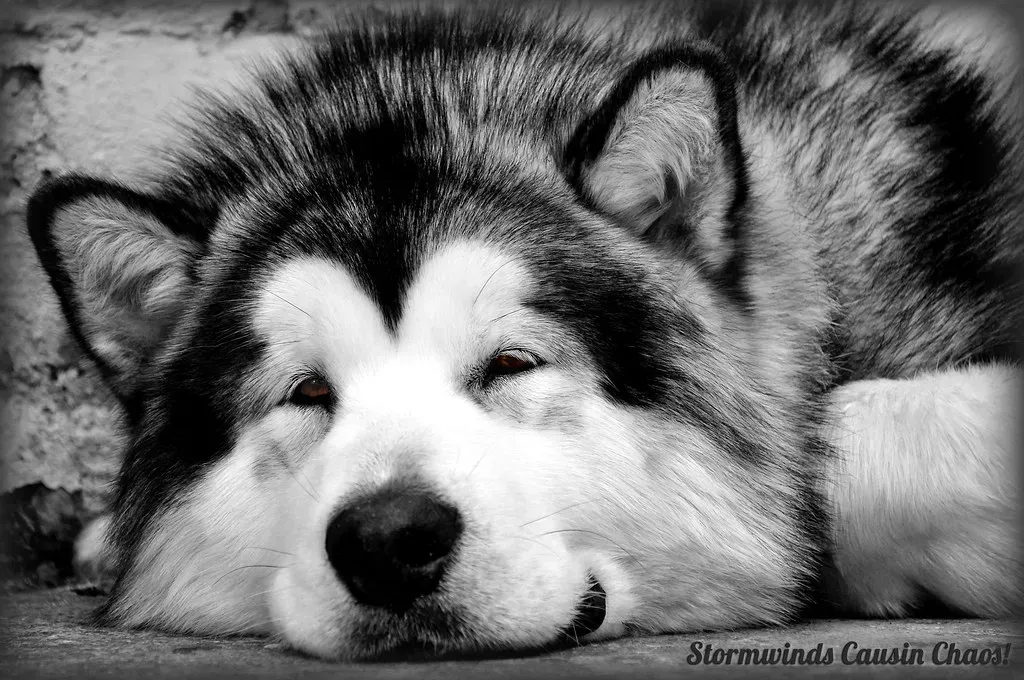
The Alaskan Malamute was bred to pull heavy loads in freezing Alaskan temperatures, making them one of the best dog breeds for cold weather – but one of the worst for hot climates. I always say it’s like putting a polar bear in the Sahara. That coat was engineered for survival in snow, not sunshine.
The Alaskan Malamute has an incredibly dense coat that was designed for Arctic expeditions, not summer strolls. Their thick fur traps heat and makes it difficult for them to regulate their body temperature in warm weather. They may enjoy outdoor adventures, but those should be short and always accompanied by cool-down breaks. In warm or humid climates, these dogs often struggle just walking a short distance.
Chow Chow: The Fluffy Lion That Wilts in Warmth
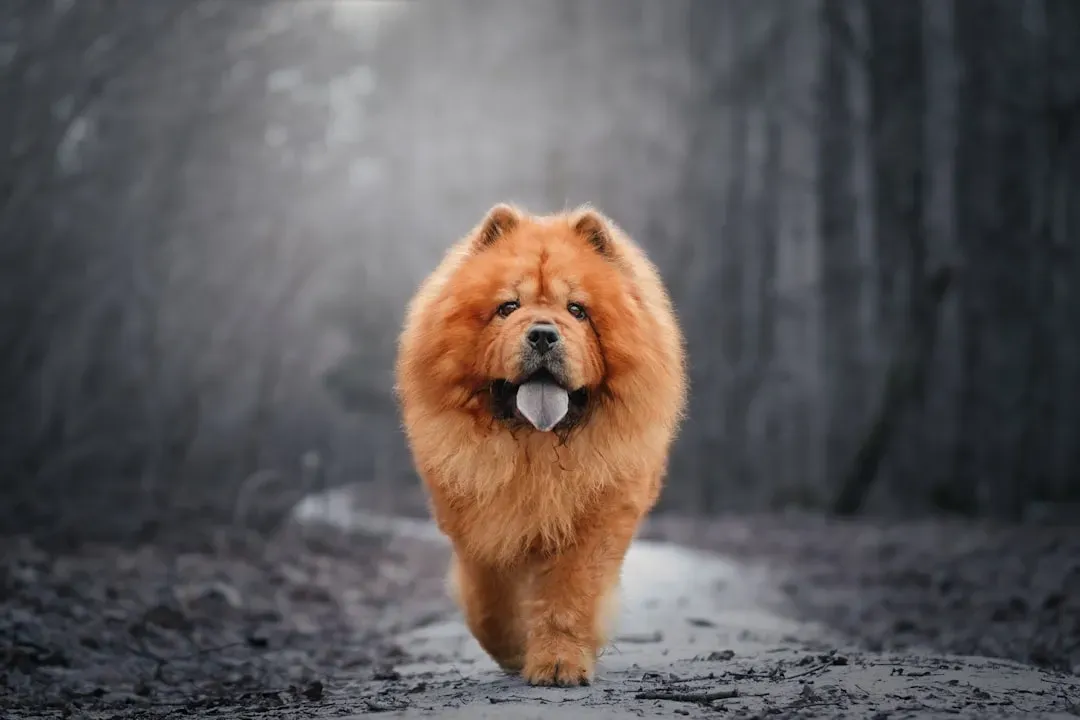
The Chow Chow’s thick, lion-like coat is one of its most recognizable features – and also one of its biggest challenges in the heat. Originally from cold northern China, this breed isn’t equipped to handle high temperatures. Chows can quickly become irritable or sluggish when they’re too warm and require daily grooming to reduce trapped heat.
Chow Chows had an increased risk of heatstroke because of their thick double coats. A thick coat acts as insulation, trapping hot air and limiting heat loss if the dog overheats. If you own a Chow Chow in a warm city, committing to early morning walks, consistent brushing, and keeping AC at home isn’t a luxury – it’s a responsibility.
Boxer: High Energy Meets High Heat Risk
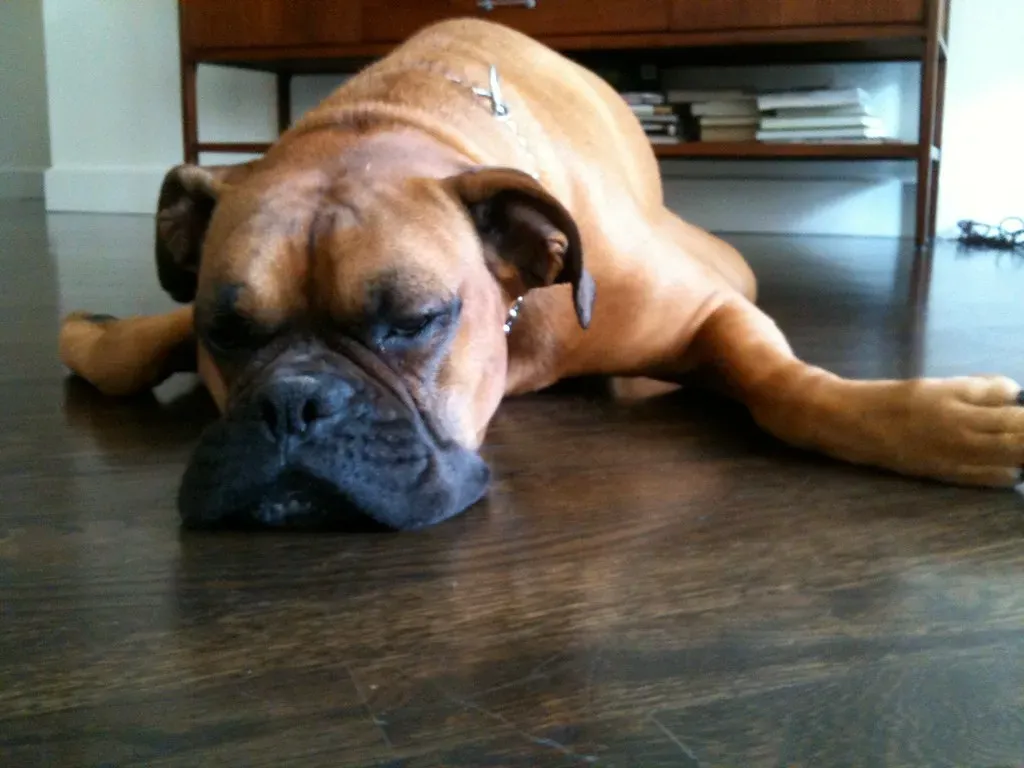
Because Boxers are brachycephalic and have high energy levels, they tend to overheat easily. That’s a tough combo. Imagine having a flat nose that makes breathing difficult AND a personality that wants to run, jump, and play all day. That’s a Boxer in July.
Boxers are known for their high energy levels, and that might lead to overheating if they don’t stop running around to cool down and drink water. They also have a short muzzle, which can lead to breathing problems. Make your Boxer take a break often if they are outside when it’s hot. A frozen treat, a paddling pool, or simply air conditioning between play sessions can genuinely make all the difference.
Saint Bernard: The Mountain Giant Who Can’t Take the Sun
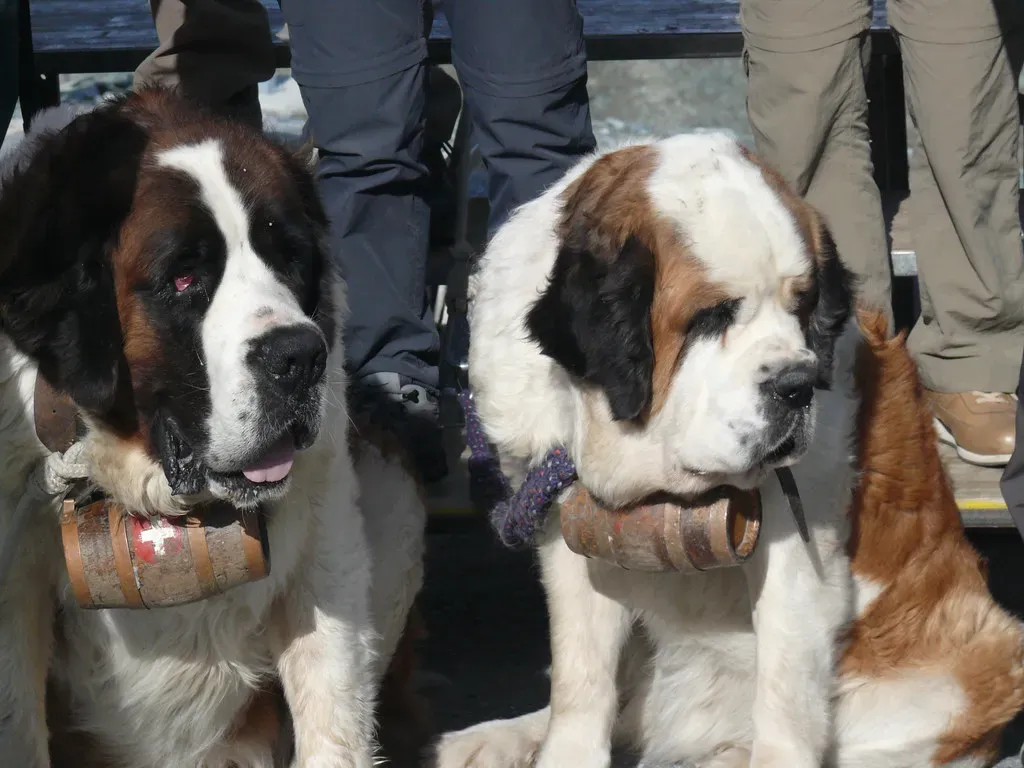
Originally from the Swiss Alps, Saint Bernards were bred for cold-weather rescue work. Thanks to the thick coat that protects them in the mountain snow, Saint Bernards can struggle in hot and humid climates. There’s something almost poetic and heartbreaking about a breed designed to rescue people in blizzards being the one who needs rescuing in summer.
Their massive size and heavy coat make them prone to overheating, even in moderately warm temperatures. These dogs tend to overexert themselves without realizing it, which can lead to heat exhaustion or even heatstroke. If you live in a warm climate, Saint Bernards need constant access to cool indoor spaces, and walks should be kept very short.
French Bulldog: Adorable and Dangerously Heat-Sensitive
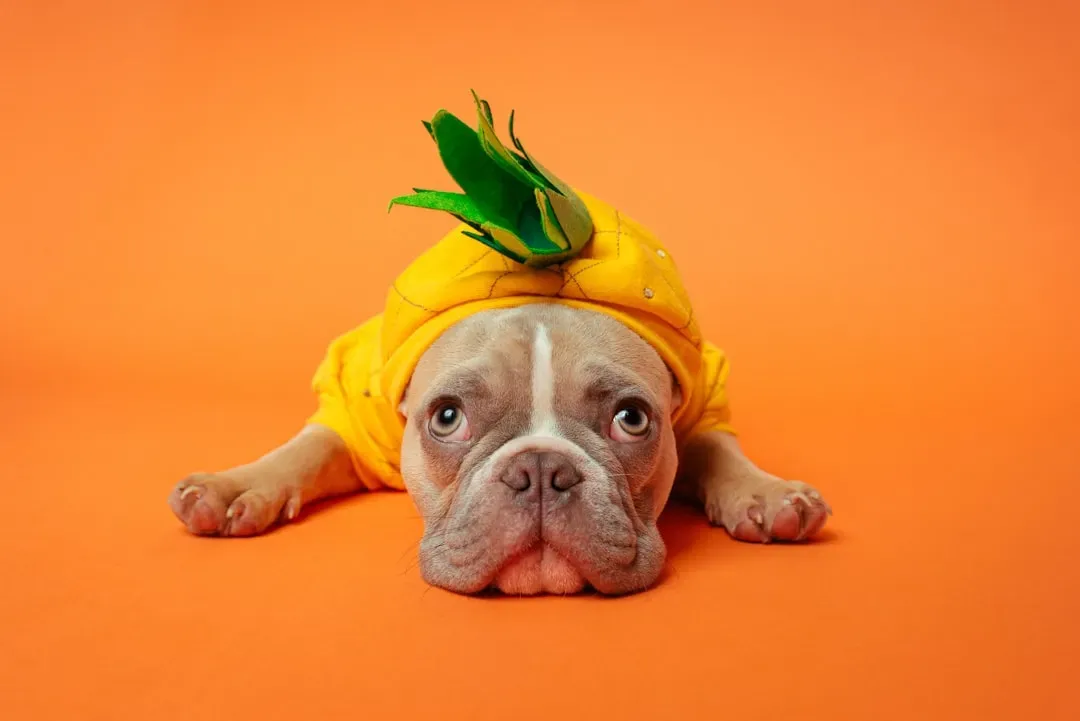
French Bulldogs cannot effectively cool down through panting. Because dogs don’t sweat like humans do, this can be dangerous. French Bulldogs are the most popular dog breed in the U.S., and their pet parents need to know how to keep this breed cool and safe. Their enormous popularity makes this an urgent conversation. So many owners love them without knowing the risks.
The French cousins of the English Bulldog share the same problems and also don’t do well in hot weather. In addition to their breathing problems, they are also high-energy dogs, which is a problem in hot weather because there is no way to spend that energy without overheating the dog. Short, early morning play sessions and indoor games are your best friends here.
Siberian Husky: Stunning, Spirited, and Summer-Challenged
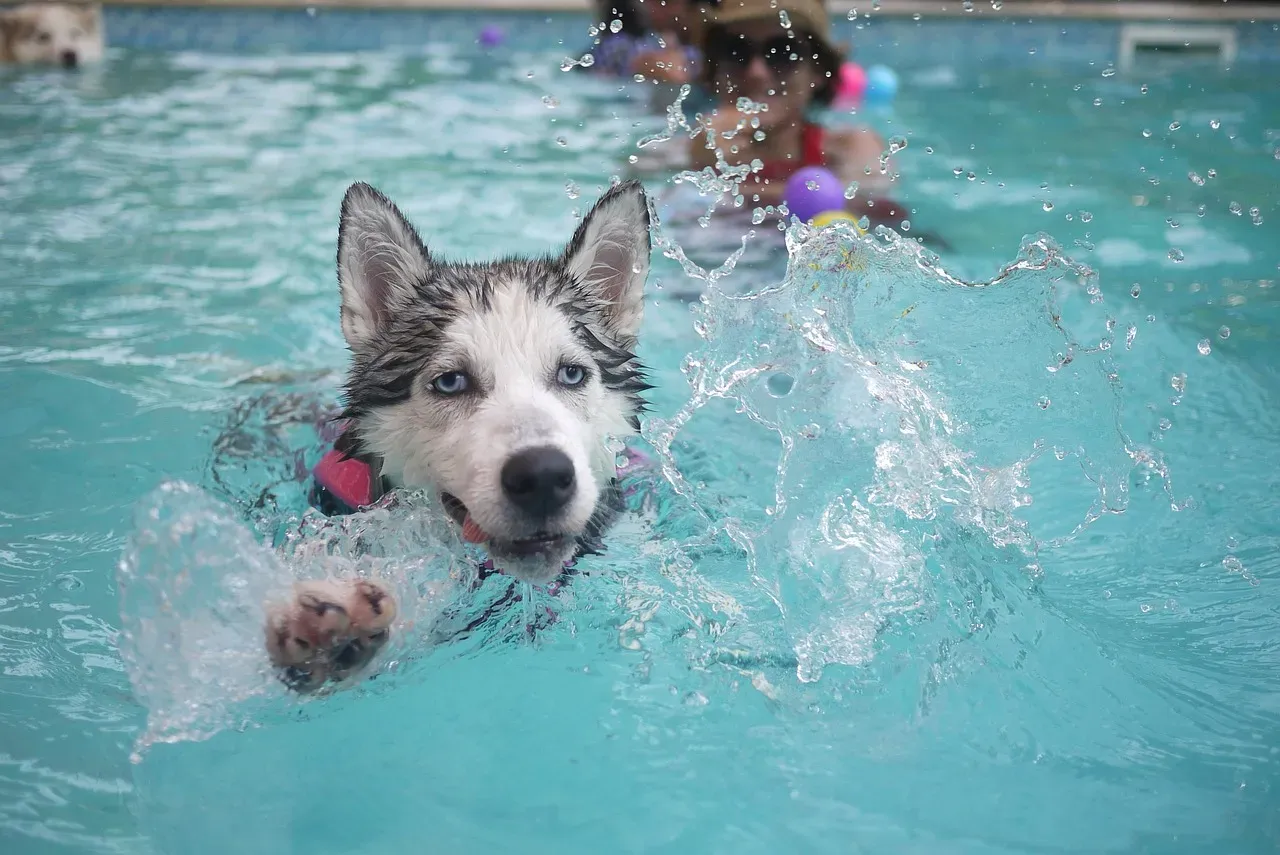
Siberian Huskies were developed to work in freezing temperatures, pulling sleds over long distances. Their double-layered coat insulates them against the cold but becomes a serious problem in hot climates. They are extremely active dogs who love to run, but warm temperatures can quickly wear them out. Without constant shade, water, and rest, they can easily overheat and become lethargic or ill.
Shaving double-coated breeds isn’t recommended. Their coat helps regulate body temperature and provides protection from sunburn. Regular brushing to remove loose undercoat is more beneficial. It’s a common mistake – well-meaning owners think shaving a Husky helps when it actually removes the natural protection their coat provides.
Heat-Tolerant Breeds: The Dogs That Thrive in Warm Weather
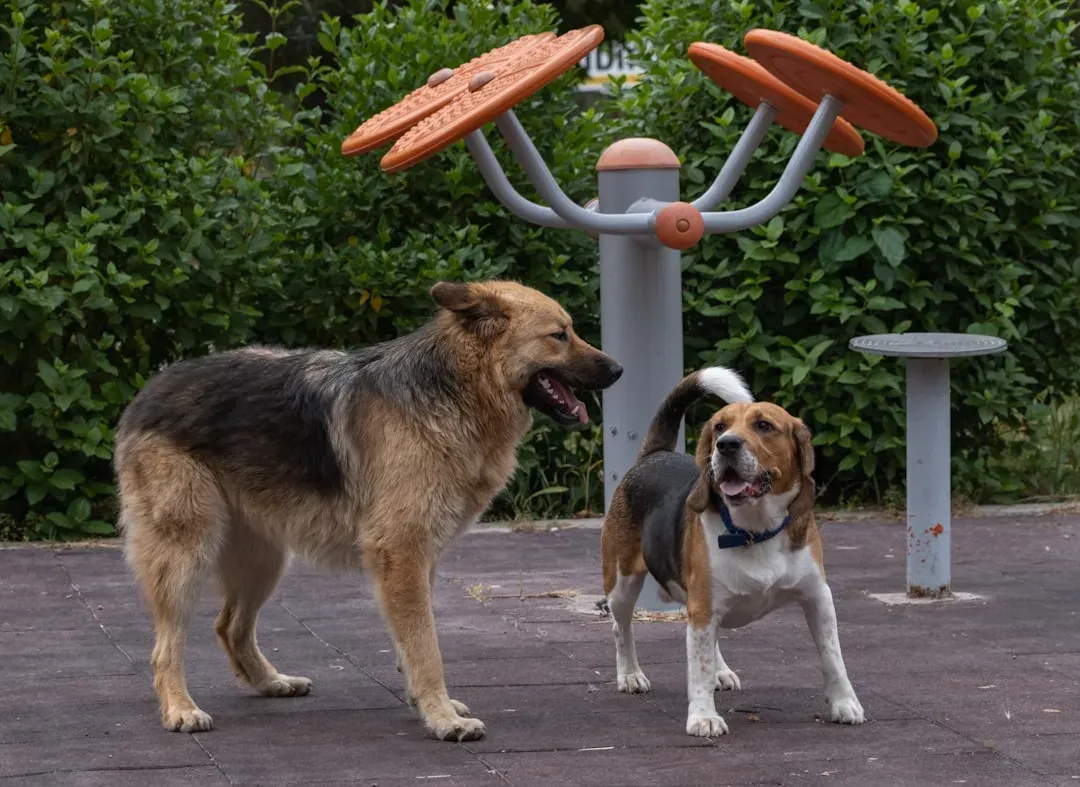
Let’s be real – not every dog is a heat catastrophe waiting to happen. Some breeds were literally forged in desert heat and warm climates, and they absolutely love it. In general, dogs that can handle hot weather have roots in warmer climates, short coats, or physiques that effectively cool air as they breathe.
Basenjis originate from Central Africa and have a rich history of living in hot climates. They are often called “barkless dogs” and their short, fine coat provides natural insulation and allows for efficient heat dissipation, making them well-suited for warmer weather. Basenjis are highly adaptable and tend to be more tolerant of heat compared to other breeds.
The Pharaoh Hound, originally from Malta, possesses incredible heat tolerance and is called the “blushing dog” due to its unique ability to display a rosy hue when excited or warmed. Their short coat is fine and thin, allowing for better heat exchange, and their large thin ears also aid in heat regulation. Other brilliant hot-weather choices include the Rhodesian Ridgeback, originally bred in Africa, whose short, sleek coat and strong, muscular build make it well-suited for warmer temperatures and known for endurance and a protective nature. The Chihuahua was bred in warm, desert-like environments, making it naturally adaptable to high temperatures, with a short coat, small body, and high-energy nature perfect for warm climates.
Keeping Any Dog Safe in the Heat: The Non-Negotiables
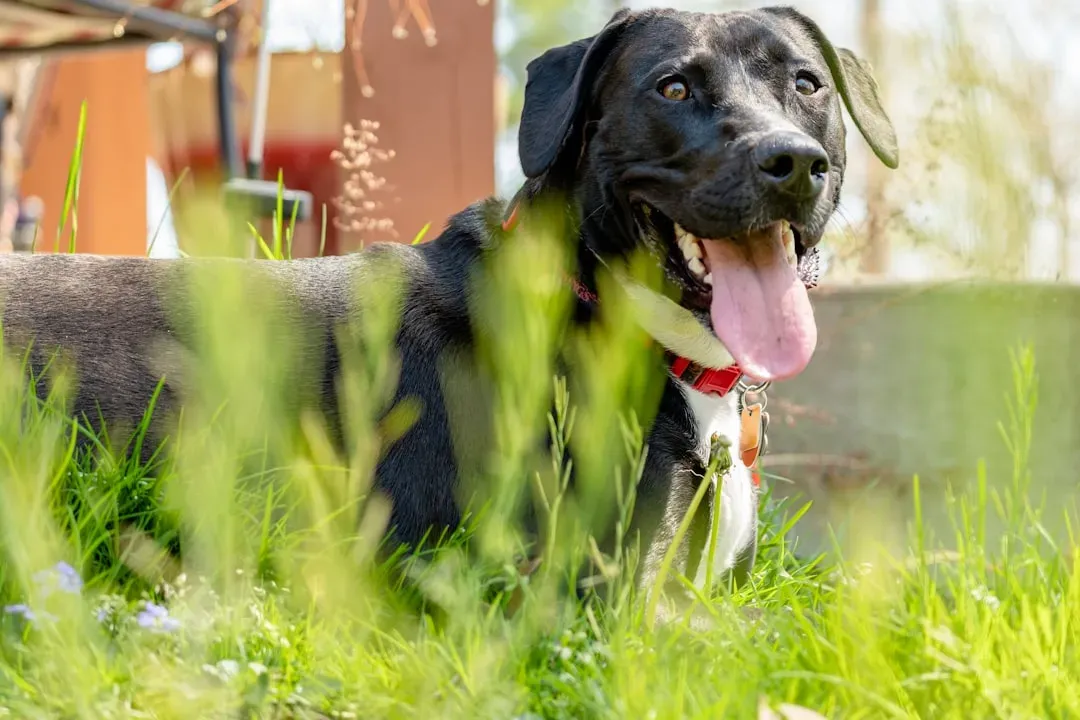
The darker the dog’s fur, the more heat it will absorb – and dogs with black fur are at a higher risk of overheating. It doesn’t matter if you own a heat-tolerant breed. Dark coats plus strong sun is always a dangerous combination worth monitoring.
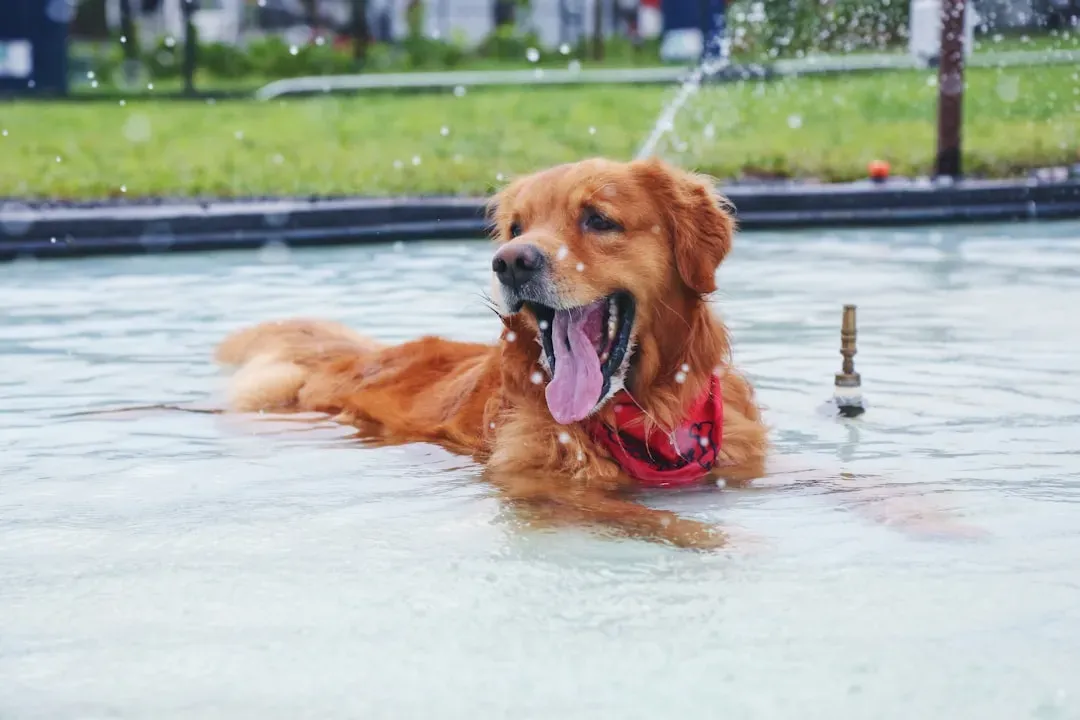
Any dog can develop heatstroke if left or exercised in a hot environment. For any dog, it’s far safer to skip walks altogether during hot weather and you may need to find ways to keep your dog cool, such as paddling pools, fans, and grooming.
Ensure your dog always has access to fresh water, provide shaded areas in your yard or outdoor space, and schedule outdoor activities during cooler times of the day to prevent overheating. Never leave your dog in a parked car, monitor for signs of heat exhaustion, and protect their paws from hot pavement. These aren’t extra tips. They are the basics every dog owner must know by heart.
Conclusion: Love Your Dog Enough to Know Their Limits
Understanding your dog’s heat tolerance is one of the most powerful things you can do as a pet parent. It’s not about loving one breed more than another. It’s about loving your specific dog enough to know when summer becomes a threat rather than a season to enjoy together.
Whether you have a wheezing Frenchie or a sun-chasing Basenji, every dog deserves an owner who pays attention, adapts their routine, and puts safety first. The relationship we have with our dogs is built on trust – and that trust includes protecting them from the things they can’t protect themselves from.
So next time you lace up your sneakers for a midday summer run, take a good look at your furry companion first. Are they built for this? Do they need you to choose a different time, a cooler route, a shaded path? The answer to that question might just save their life. What kind of dog do you have, and how do you keep them cool? Share your tips in the comments – your experience might help another dog owner more than you know.


