
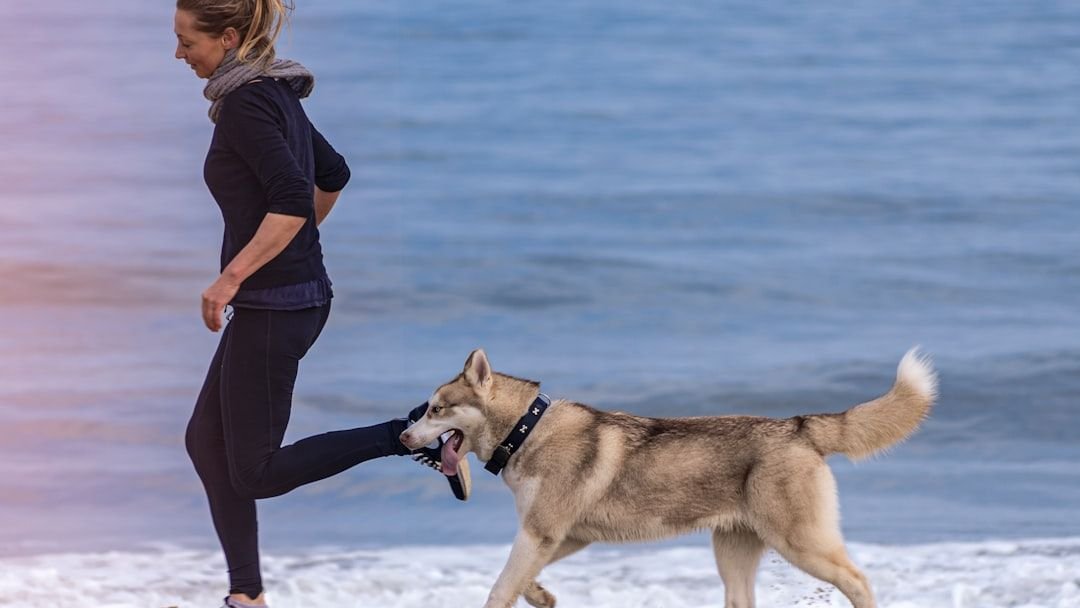
You know the scene. One minute your dog is lying peacefully on the couch, maybe dozing off or watching you potter around the kitchen. Then suddenly, without warning, their eyes go wide, their body coils like a spring, and boom. They’re off. Racing around the living room like they’ve been possessed, tail tucked, tongue flapping, doing laps that would make an Olympic sprinter jealous.
If you’ve witnessed this chaotic burst of canine energy, you’ve seen what we affectionately call the zoomies. Yet despite how random and hilarious these episodes look, there’s actually something deeper going on beneath all that frantic running. It’s not just your dog being silly or acting out. Let’s dive into what’s really happening when your pup decides to go full speed ahead.
What Exactly Are the Zoomies?
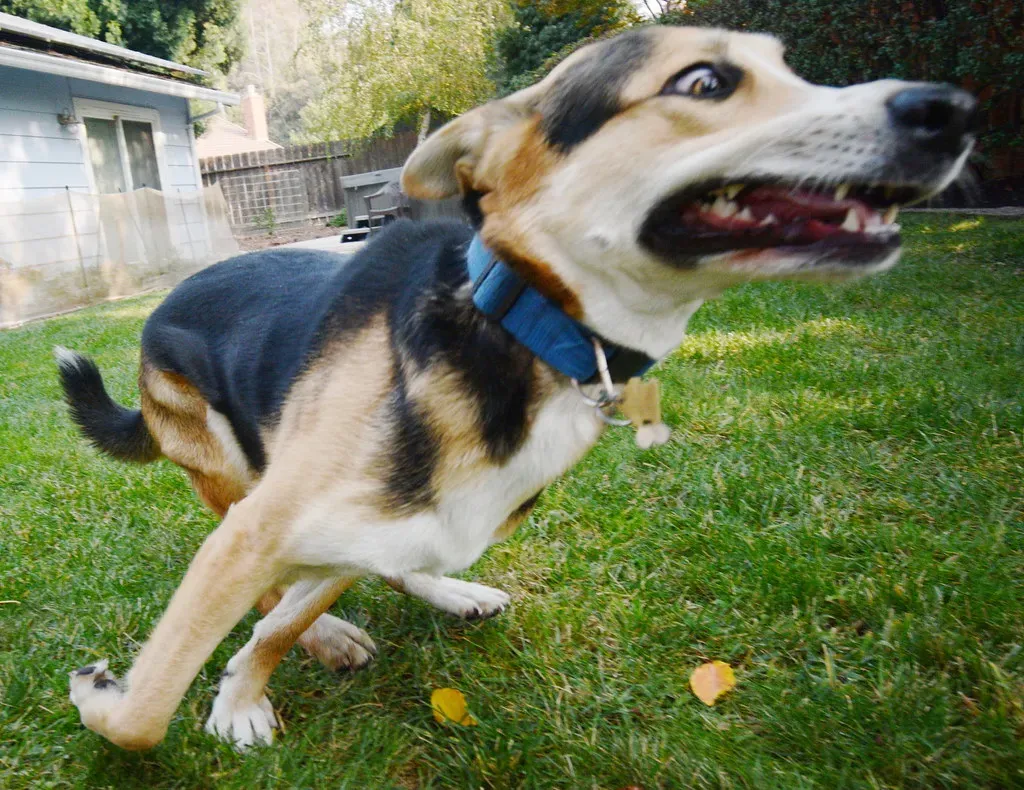
The official scientific term for this behavior is frenetic random activity periods (FRAPs), though honestly, zoomies sounds way more fun. These are random bursts of energy occurring in dogs in which they run frenetically, commonly in circles, and they usually last a few minutes or less.
Picture this: your dog suddenly shooting off the furniture, racing from one end of the room to the other, sometimes spinning in tight circles with what can only be described as a wild glint in their eye. Then, just as abruptly as it started, they flop down, exhausted and content. That’s a classic FRAP episode, and it’s completely normal canine behavior that happens across all breeds and ages, though puppies and young dogs tend to get them more frequently.
The Real Reason Behind Those Wild Sprints
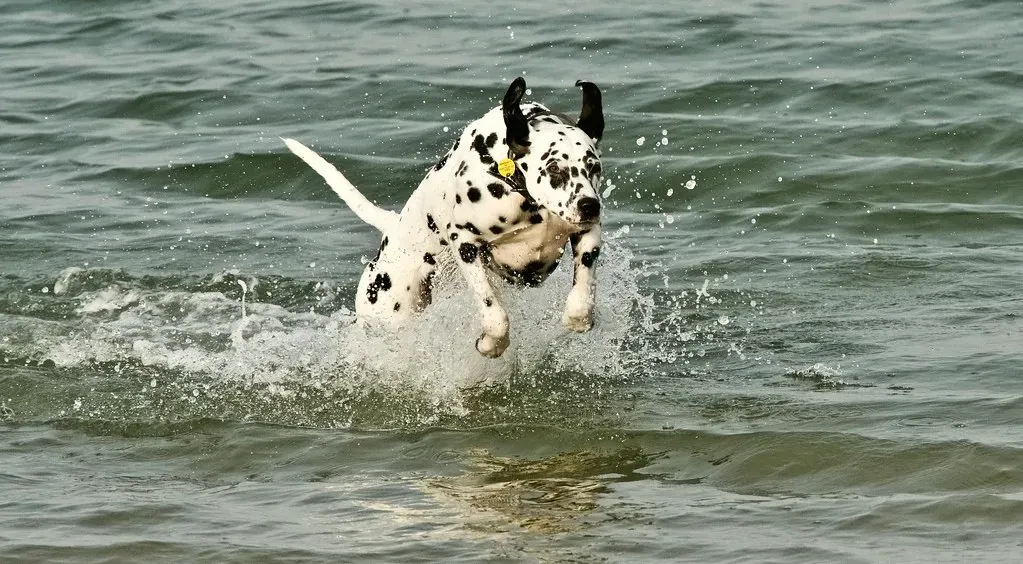
They appear to be a way to release pent-up energy, or perhaps, to alleviate stress, and a dog who has been home alone all day with nothing to do may feel the need to zoom around the house or yard to expend some of that energy and get some relief from hours of under-stimulation. Think of it like a pressure valve suddenly releasing.
Your dog isn’t crazy or misbehaving. They’re essentially hitting the reset button on their energy levels. One theory simply comes down to a dog’s need to release pent-up energy, and this is especially common in younger dogs or breeds that are known for being high-energy, like Australian Shepherds or Border Collies. I’ve seen this firsthand with herding breeds who seem to have boundless reserves of enthusiasm.
It’s worth noting that zoomies can also stem from sheer joy. Maybe you just came home from work, or it’s dinnertime, or they spotted their favorite dog friend at the park. These bursts of energy are often a reaction to something that has made your pet happy, like the arrival of a beloved family member. Sometimes dogs just can’t contain their excitement, and honestly, that’s pretty endearing.
When Do Zoomies Typically Strike?
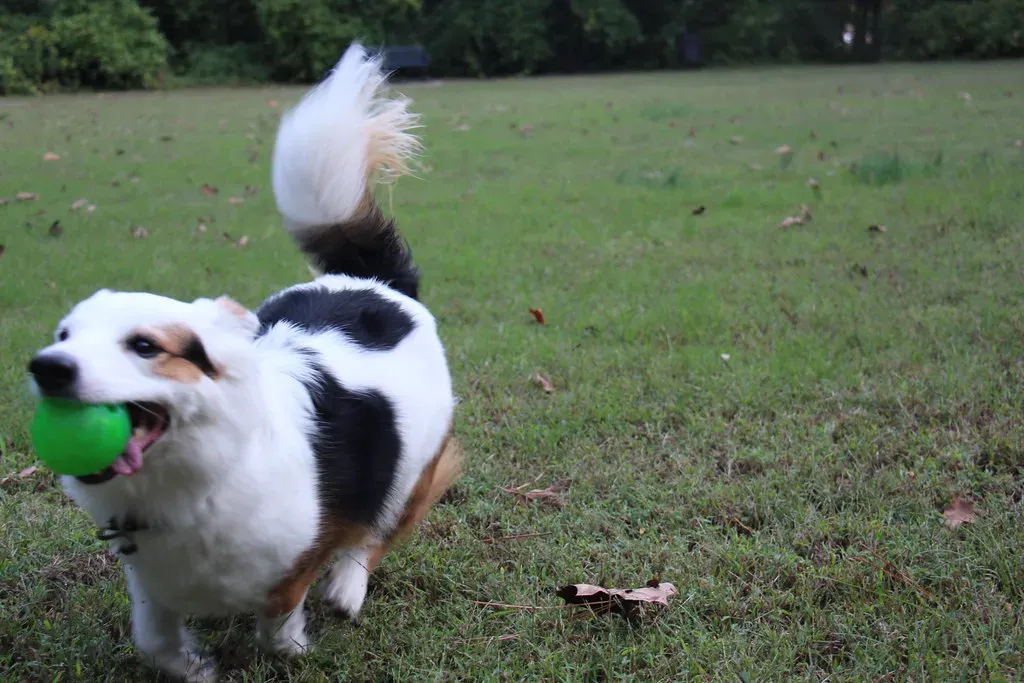
Timing matters with zoomies, and you’ve probably noticed patterns if you pay close attention. Dogs are temporal creatures, and many have a “witching hour” between 5 to 8 p.m., which can coincide with mealtime, your arrival home from work, or even an early bedtime for very young pups, signaling the beginning of a wind-down period.
Post-bath zoomies are legendary among dog owners. Dogs frequently zoom around after bath time, which is probably a way for them to get rid of anxious energy, and zoomies help dogs release that built-up tension. There’s also a practical element. They’re trying to dry off and shake that weird, wet feeling from their fur. Some dogs will run around wildly in a rush of adrenaline after bath time, and this adrenaline rush may be a combination of many factors from relief to simply trying to dry off.
Another common trigger? Right after they poop. Yes, really. Many pet parents note that their dogs get zoomies after pooping, and it’s like they just unloaded something major and it’s time for a celebration. It’s hard to say for sure, but the relief factor is probably real.
Reading Your Dog’s Body Language During Zoomies
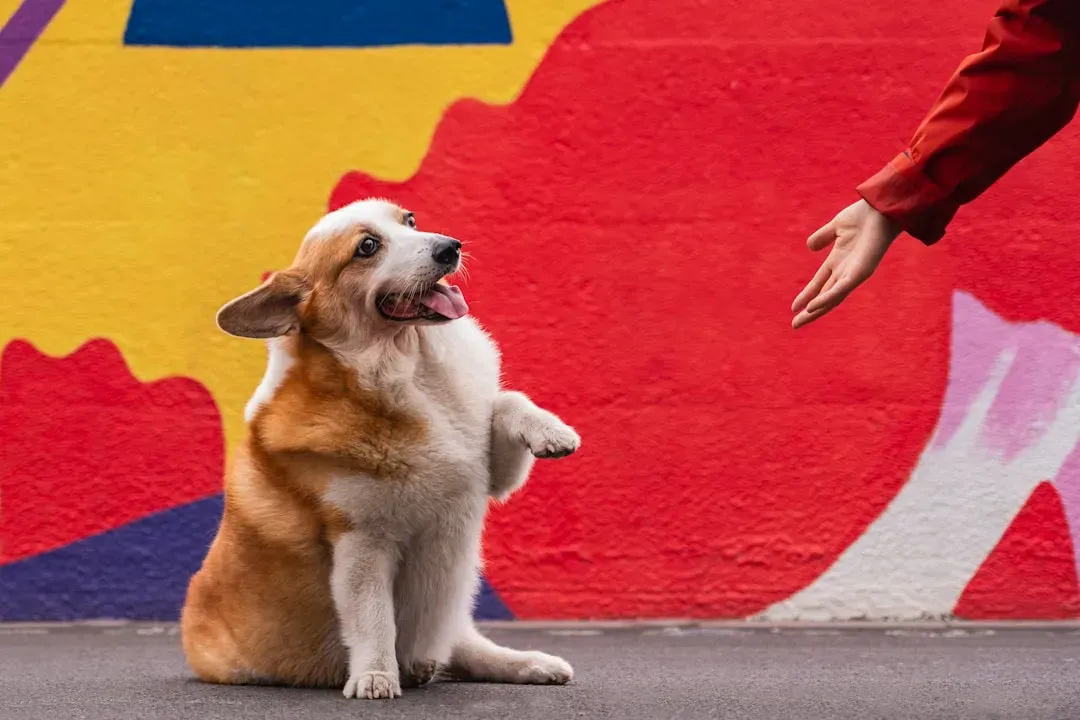
Not all zoomies are created equal, and learning to read your dog’s body language is crucial. A typical happy zooming dog will be loose and even wiggly, bouncing around you when they slow down, and their tongue might flap out with play bows. This is joyful energy in motion.
A frightened dog will be more tense, with wide eyes and a tightly tucked tail that stays tucked to the belly even when stopping, and they may also carry their head low with ears folded back submissively. If you’re seeing these signs, your dog isn’t having fun. They’re stressed or anxious, and that’s your cue to step in and figure out what’s wrong.
Context matters too. If zoomies happen right after something exciting, like getting the leash out for a walk, those are excitement zoomies. If they happen after a stressful event, like a vet visit, your dog might be burning off nervous energy. Pay attention to the circumstances, and you’ll start understanding what your dog is really telling you.
Keeping Your Zooming Dog Safe
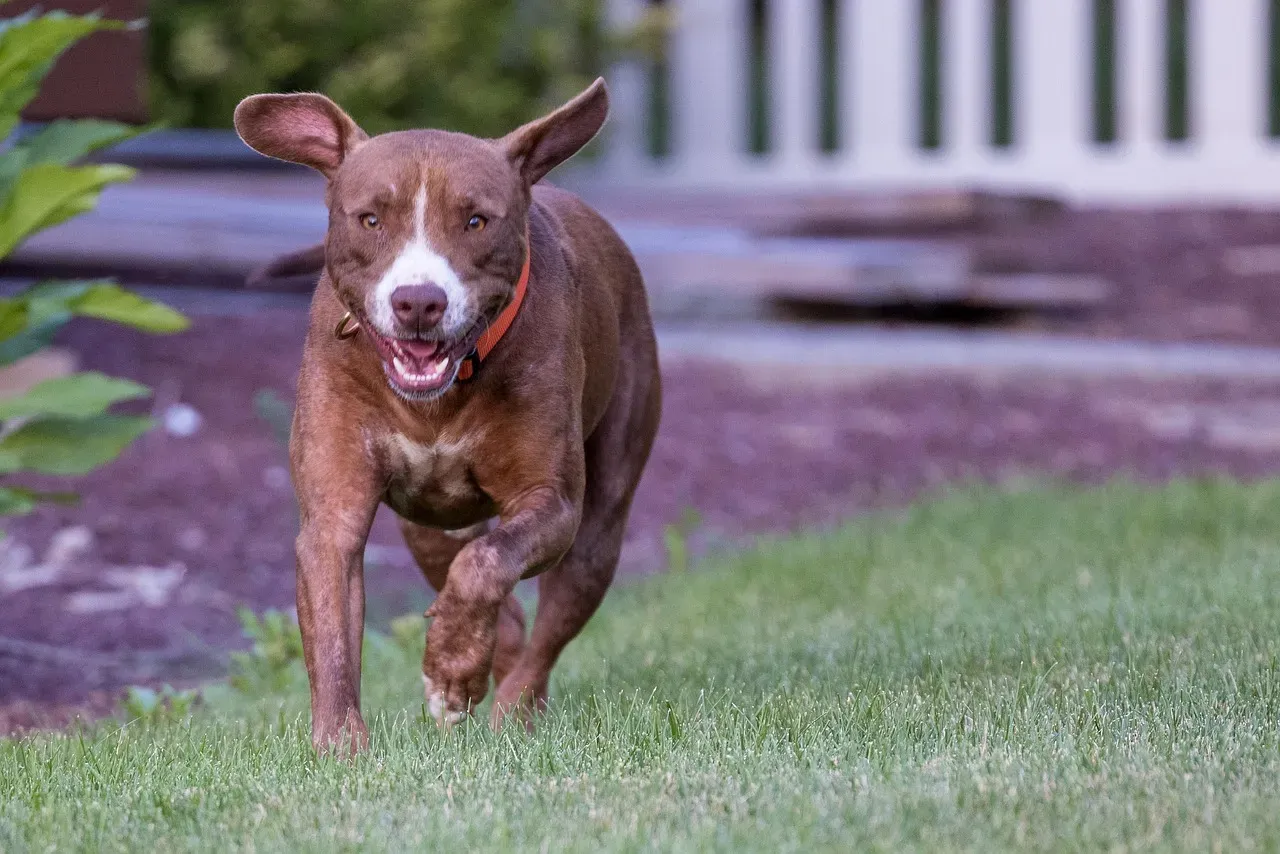
Zoomies themselves are harmless and natural, but the environment matters. A dog zooming around the house or yard may be in danger of injuring themselves or breaking something, so owners should keep zooming dogs away from stairs, slippery floors, obstacles and the road.
The best footing for hard running is grass, but carpet and packed dirt are also good options, while hard floors, ice and unstable footing, such as gravel or sand, increase the risk of the dog slipping or falling, which could result in an injury. If your dog gets the zoomies indoors on hardwood or tile, try redirecting them to a carpeted area or outside to a fenced yard where they can run safely.
Keep breakables out of the zoomie path. Trust me, heirloom vases and frantic dogs don’t mix well. If you have a multi-level home, block off stairs during prime zoomie hours if possible. Let your dog tire themselves out naturally rather than trying to chase them down, which often just encourages more zooming.
Managing and Channeling That Energy
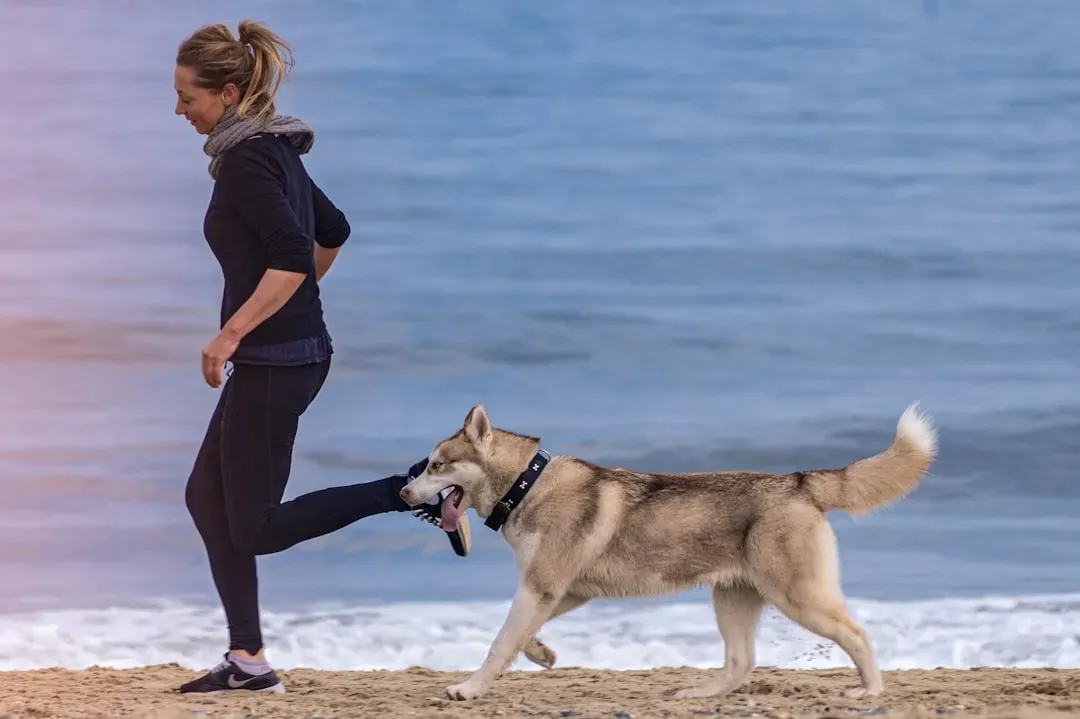
If your dog is getting zoomies constantly, especially at inconvenient times like midnight, it might be a sign they need more physical and mental stimulation during the day. You may find you’re able to lessen the degree or frequency of zoomies by increasing physical exercise or challenging your dog mentally.
Daily walks are essential, but so are activities that engage their brain. Try adding in either longer or more frequent walks, or try a new activity like nose work or agility, and using treat puzzles, playing hide-and-seek, and changing up their routine on walks can also help your dog receive more mental enrichment. A tired dog is a happy dog, as the saying goes, and mental exhaustion is just as effective as physical exhaustion.
While getting the zoomies is normal dog behavior, if they are happening frequently, it might be a sign your dog is stressed or unsure about what’s going on, and zoomies can become what’s called a displacement behavior. If you’re concerned about the frequency or intensity of your dog’s zoomies, or if they seem distressed rather than joyful, consult your vet or a certified dog behaviorist. They can help you determine if there’s an underlying issue that needs addressing.
Conclusion: Embracing the Chaos
The zoomies are one of those quirky, wonderful things that make living with dogs so entertaining. They’re a window into your dog’s emotional world, showing you when they’re bursting with happiness, relieving stress, or just need to shake off excess energy.
Rather than fighting it, embrace these moments. Watch for patterns, keep your dog safe, and make sure they’re getting enough exercise and mental stimulation during the day. Most importantly, enjoy the show. There’s something genuinely delightful about watching a dog experience pure, unfiltered joy in the form of chaotic laps around the backyard.
Has your dog ever gotten the zoomies at the most unexpected moment? What’s their favorite zoomie trigger? Share your stories in the comments below.


