
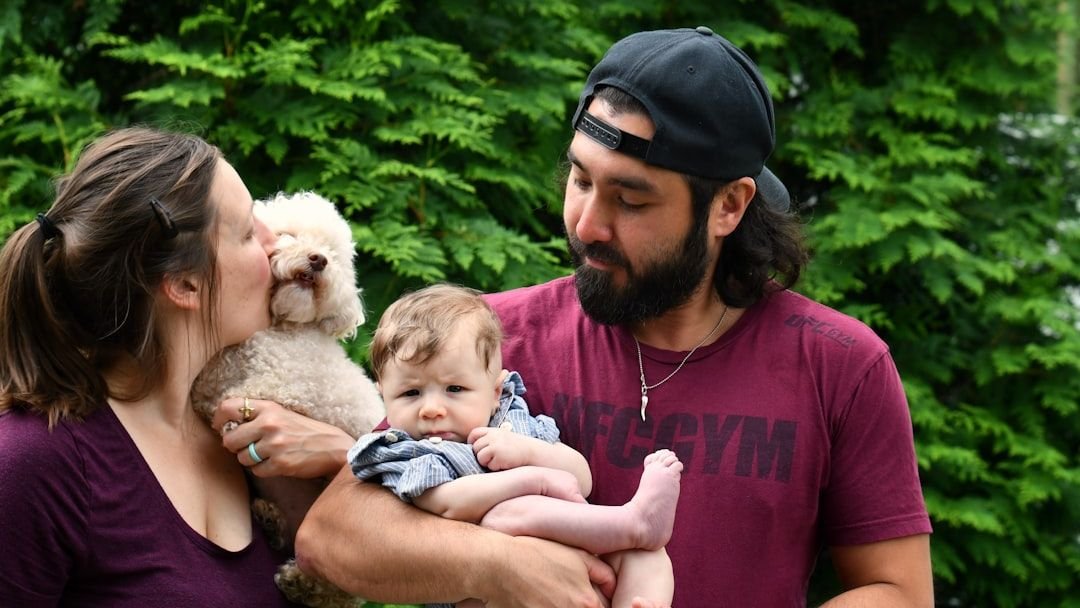
You know that feeling when you’re scrolling through photos of adorable puppies and your heart just melts? That moment when you think, this is it, I’m getting a dog. Maybe you imagine long walks together, cozy cuddles on the couch, a loyal companion who understands you without words. I get it. Honestly, there’s nothing quite like the bond between a human and their dog.
Here’s the thing, though. Not every furry face is the right match for someone just starting their journey into dog ownership. Some breeds come with challenges that even experienced handlers find demanding. Others practically train themselves and adapt to your life like they’ve been waiting for you all along. Choosing wisely means setting yourself up for years of joy instead of frustration, and your future dog deserves that thoughtful decision too.
So let’s dive in, shall we? Let’s talk about which breeds might test your patience beyond measure and which ones will make your first experience as a dog parent feel like pure magic.
Siberian Husky: Beautiful But Wildly Independent
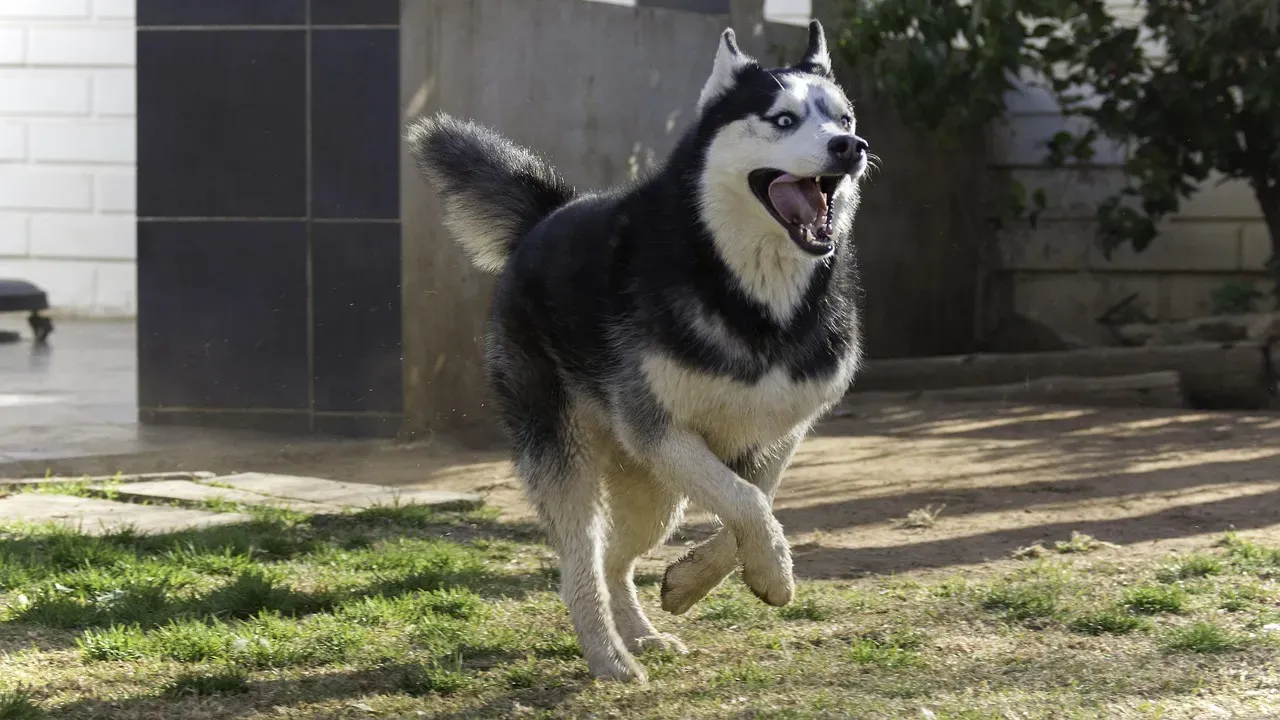
The Siberian Husky is a medium-sized, athletic dog originally bred in Siberia as a sled dog, known for its striking appearance with blue or multicolored eyes and a thick double coat. They look like something out of a winter fairy tale, right? Those piercing eyes and wolf-like features make them absolutely mesmerizing.
A Siberian Husky can be notoriously difficult for first time owners, as their high energy levels and need for constant exercise can overwhelm a first-time owner, and they can be destructive if bored. They’re also notorious escape artists who will find every weak point in your fence. These dogs are notorious escape artists and require plenty of dedicated training and a secure environment to keep their escapades in check.
If you’re not a fan of noise, be aware that huskies are extremely vocal dogs, as they love the sound of their own voice and aren’t afraid to express their feelings to the world, whether through whines, chirps, or howls, and training a husky to keep their voice down can prove challenging, especially for first-time dog owners. Picture your neighbors giving you looks at three in the morning.
Akita: Loyal Guardian With Serious Attitude
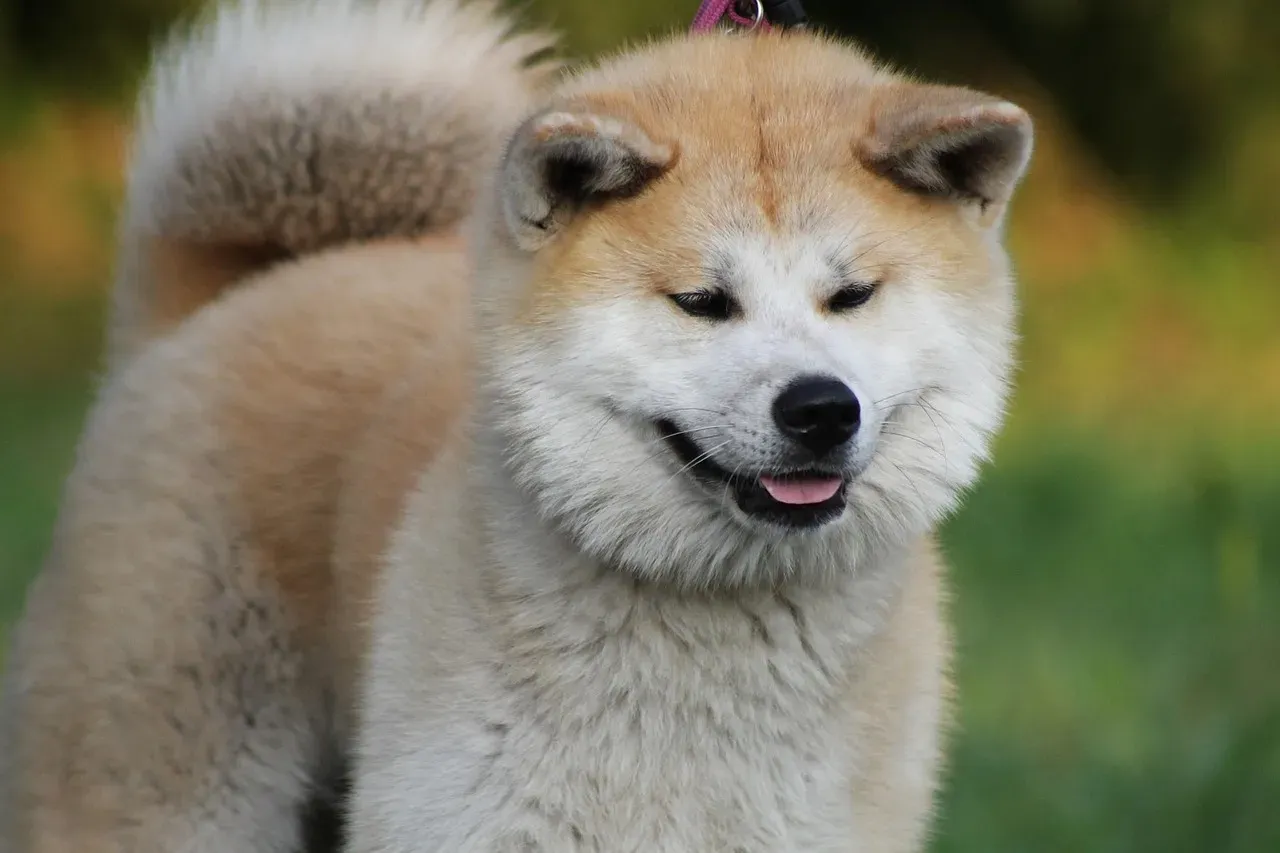
Akitas were bred to hunt big game, so they have a strong prey drive and can be aggressive if not adequately socialized and trained, and these highly protective dogs are often wary of strangers and do not always get along with other dogs. They’re the kind of dog that forms an intense bond with their family but views the rest of the world with deep suspicion.
Their size alone demands respect. Their size and strength can mean Akitas aren’t the best breed for first time owners, as they’re better suited to someone who has the confidence to take control and the strength to control them on the lead, since Akitas have a strong prey drive.
The Akita is known to be quite loyal, protective, and a canine shadow to its favorite person, though that person will have a bit more work to do with this breed. They’re also quite smart and stubborn, which can present a challenge when training, and a firm, knowledgeable owner is needed to get the job done, both with standard training and socialization. Without that experienced hand, things can go sideways fast.
Border Collie: Too Smart For Their Own Good
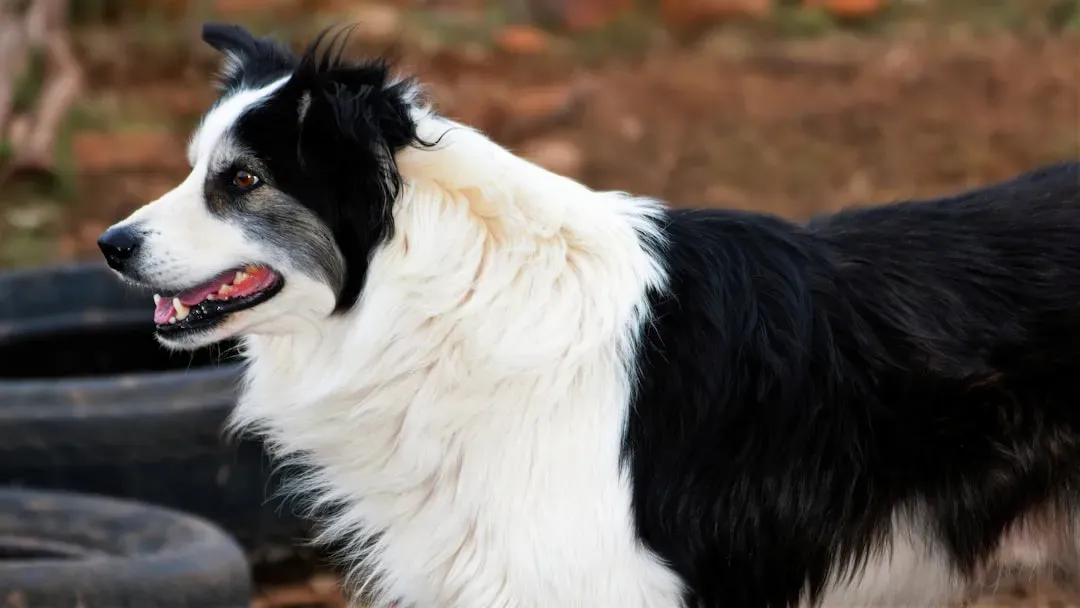
Let me tell you something about Border Collies. Border Collies are extremely intelligent and bursting with energy, and these qualities make them exceptional workers. Sounds perfect, doesn’t it? Except here’s the catch.
These dogs are very high energy and need ways to expend that energy, and with their high intelligence and history as herders, having a job to do can help address their higher physical and mental stimulation needs. Without that outlet, you’re basically living with a genius who’s bored out of their mind. They may take to herding people or doing more destructive things if they don’t get those needs met or get proper training.
I’ve seen Border Collies who weren’t given enough mental stimulation literally dismantle furniture. These dogs are best suited to country life and do not do well as urban apartment dwellers because of their intense need for physical activity. They need work, purpose, constant engagement. For a first timer who just wants a companion to relax with after work? This is probably not your dog.
Chow Chow: The Aloof Teddy Bear
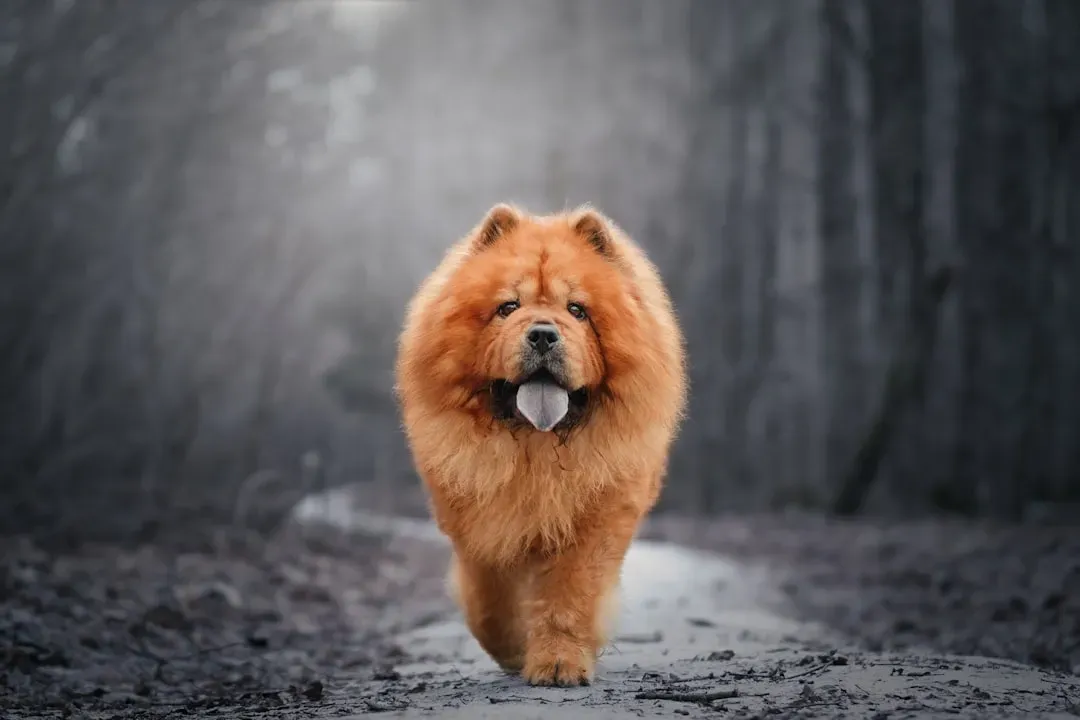
These large teddy bears are super cute, but don’t be misguided by their appearance as they are very stubborn and strong-willed, training isn’t going to happen quickly and they need an owner who knows how to handle them, and Chow Chows need lots of mental stimulation. They look cuddly, like oversized stuffed animals. That appearance is deceptive.
While they look like they’d be cuddly and sweet with their plump faces and fluff, they’re independent dogs that aren’t known to offer much affection, and they’ve had some tough jobs in the past, from hunting to guarding, so they can be quite independent.
Without proper socialization, they can also be aggressive toward other dogs, and training is most effective with a seasoned, firm owner who knows the ropes and can keep the dog from thinking it’s in charge. Raising a well-mannered and well-adjusted Chow takes a lot of training and patience, so these dogs do best with experienced owners. They’re not mean, just… unimpressed by your attempts to tell them what to do.
Dalmatian: High Energy Firehouse Dog
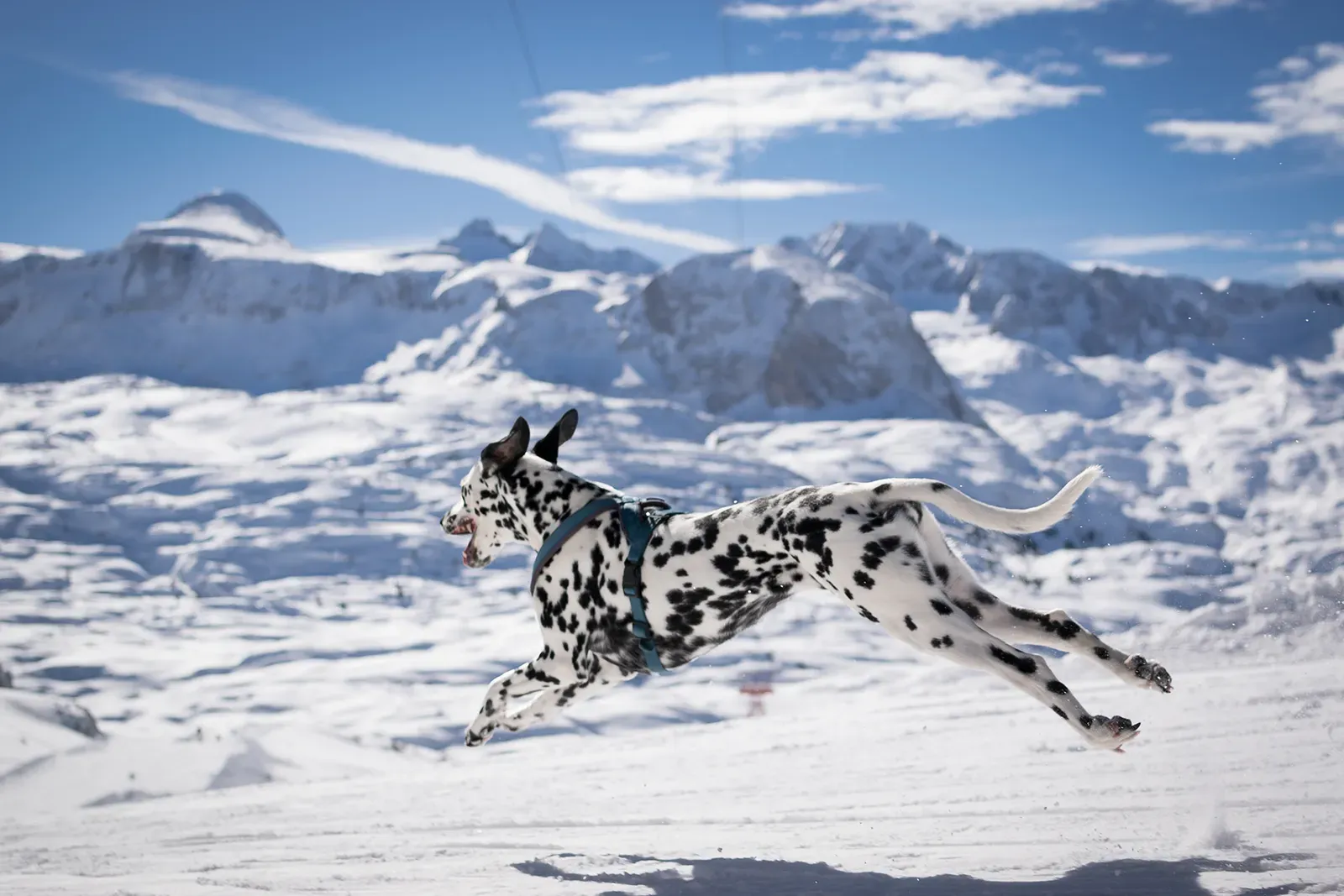
Popularized by the movie 101 Dalmatians, these dogs are notoriously difficult for even experienced owners, as they were originally bred to run barking ahead of fire engines, so they need a lot of energy release and can be quite barky. Those spots are adorable, but they come with a whole lot of demands.
Dalmatians can have a reputation for being stand-offish, so they need socialising from an early age to get used to being around people, other animals, and being in different environments. They’re not naturally the social butterflies people expect.
A protective, loyal dog more apt to cuddle with its favorite people is the Dalmatian, though while their personalities are bright, their needs are also high, as this breed was used as carriage dogs, including for firemen, so they love a good run and have a lot of energy to burn. If you’re not prepared to commit to serious daily exercise, you’ll end up with a frustrated, destructive dog.
Rottweiler: Powerful And Protective
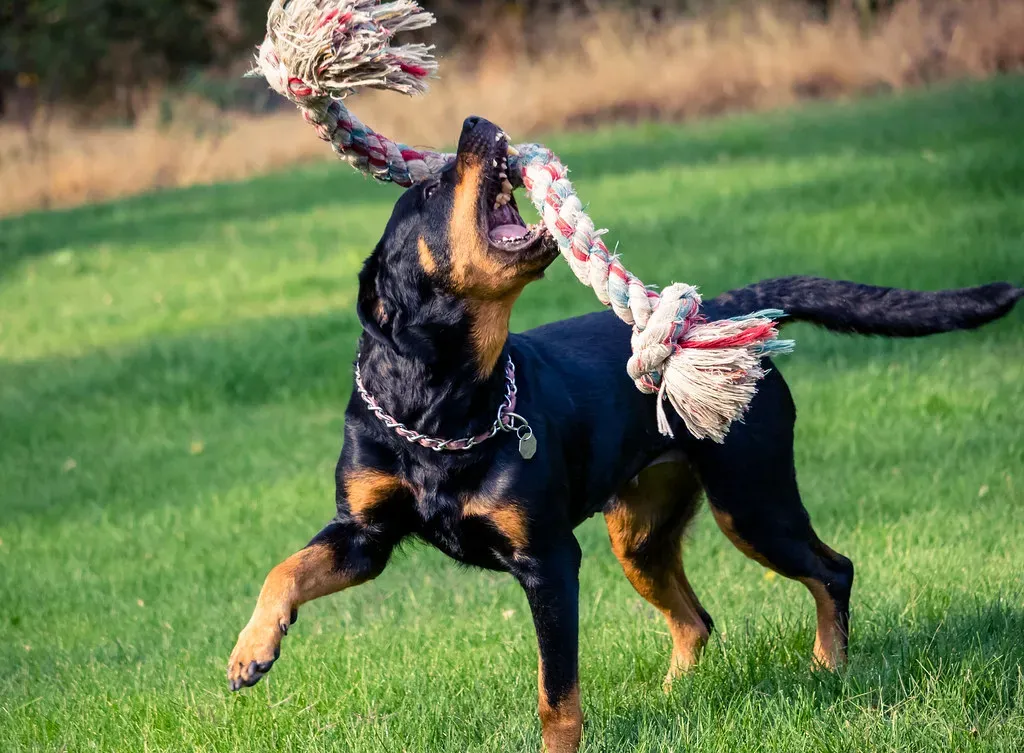
Rottweilers are muscular, giant dogs that are totally convinced they’re tiny lapdogs, as they love nothing more than cuddles and belly rubs, and they’re utterly goofy at heart. That sweetness can be misleading when you’re dealing with over a hundred pounds of dog.
However, they are usually extremely loyal to their owners, especially when properly trained, and the key to training a Rottweiler is early socialization and consistent, firm training, as they can be stubborn and become overly protective if not trained correctly, and this breed requires an owner who understands the importance of establishing clear leadership and boundaries.
In the care of an ill-equipped owner, they can become too overprotective, which can lead them to act out aggressively toward strangers, and they need a determined owner who has experience dealing with strong-willed pups or is dedicated to learning the ins and outs of how to train and socialize them. The stakes are simply higher when your dog has that much physical power.
Afghan Hound: Elegant But Stubborn
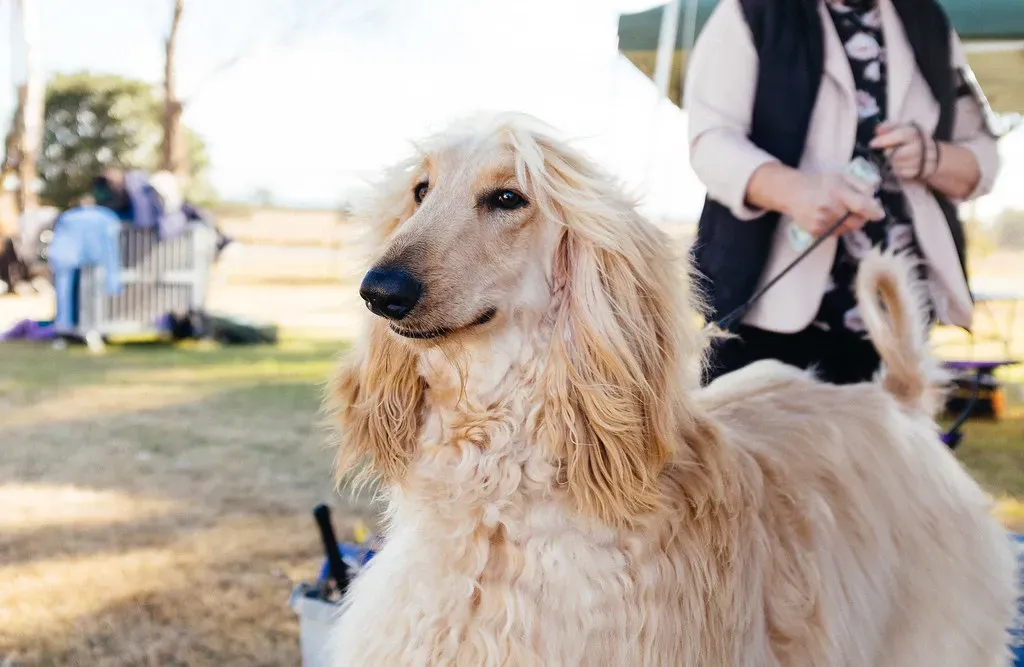
Beneath that silky exterior lies a fiercely independent personality, making training a test of patience and creativity, as these dogs were bred for hunting in the rugged mountains of Afghanistan, so they’re built for speed, stamina, and thinking for themselves, and Afghans are graceful, intelligent, and somewhat aloof, often choosing to follow their own instincts rather than your commands.
The striking Afghan hound needs at least 80 repetitions to understand a new command, and this may stem mainly from the fact that it is one of the most stubborn breeds, notorious for ignoring its owners’ commands. Imagine repeating yourself eighty times. Now imagine doing that for every single command.
Afghan hounds can be aloof and distant, but also independent and stubborn, and these traits make them hard to train, but that does not necessarily mean they are not smart, as they simply prefer to think for themselves and do things on their own terms. They’re basically the cats of the dog world, but with more grooming requirements.
Labrador Retriever: The Friendly Classic
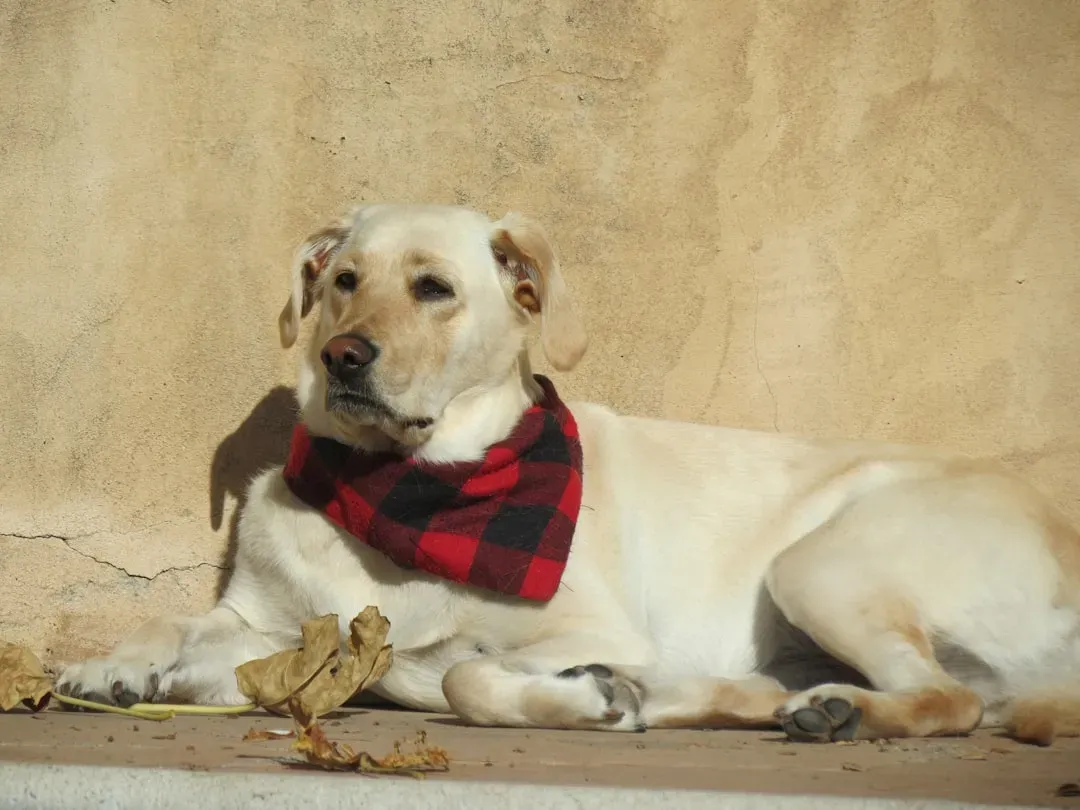
Now let’s switch gears and talk about dogs that actually make your life easier. The most popular dog in Britain is also a pretty good choice for a first time owner, as the Labrador Retriever has the perfect combination of brains, beauty and friendliness, though it should be noted that they need regular exercise and don’t like being left alone for long periods of time.
Their gentle yet fun-loving personalities make them perfect playmates for children and for adults, too, as they are highly intelligent and eager to please, which makes training easy, even for inexperienced owners. They genuinely want to make you happy, which is half the battle won right there.
They are active dogs, so they definitely need exercise, but they tend to be easy to train and are good family dogs, and a Lab is an excellent fit for those who seek an active companion to take on long walks or to the dog park to play. They’re forgiving of your mistakes and enthusiastic about life in general.
Golden Retriever: Pure Sweetness
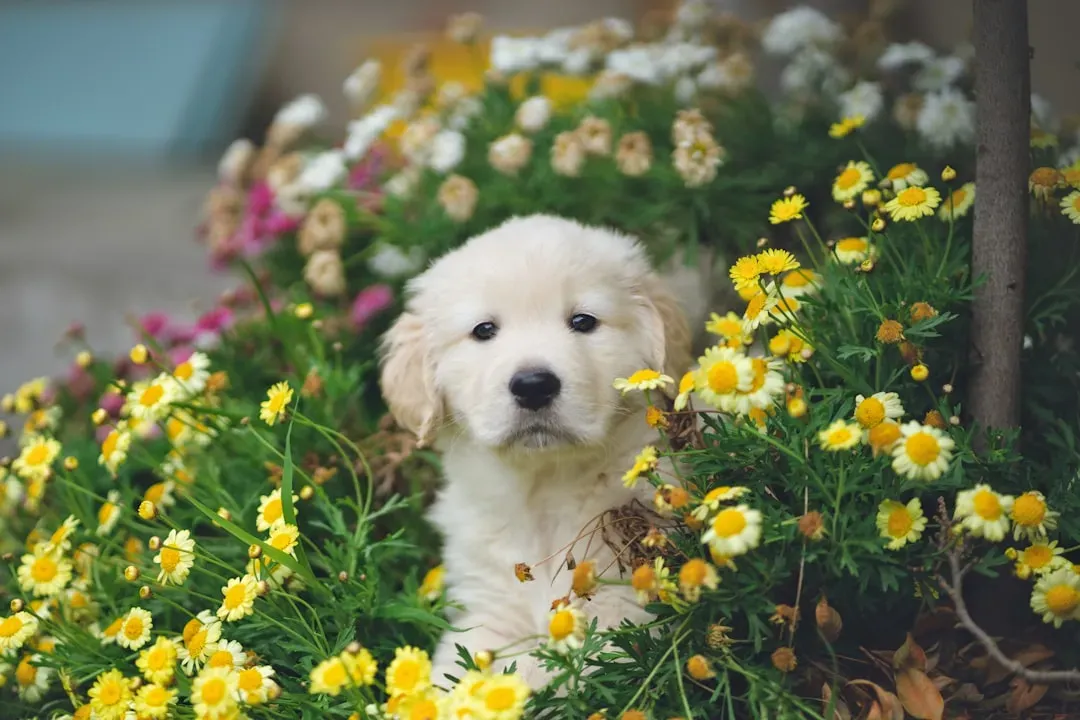
Arguably one of the best dogs for first-time owners, the golden retriever is one of America’s most beloved canines for good reason, as this lovable pup is exceptionally friendly, gentle in nature and devoted to its owners, and as a bonus, goldens are also known for being obedient and easy to train.
Golden retrievers tend to be easy to train and usually have a very good temperament, as they love to play yet can also snuggle on the couch for movie night. They’re basically the definition of a people-pleaser wrapped in golden fur.
Known for their patience and gentle temperament, Goldens get along well with children, other dogs, and even cats when properly socialized, and they’re active dogs that need regular exercise and mental stimulation, but their eagerness to learn and affectionate personalities make them one of the best breeds for novice pet parents. Honestly, it’s hard to mess up with a Golden if you’re willing to put in basic effort.
Cavalier King Charles Spaniel: The Perfect Lap Dog
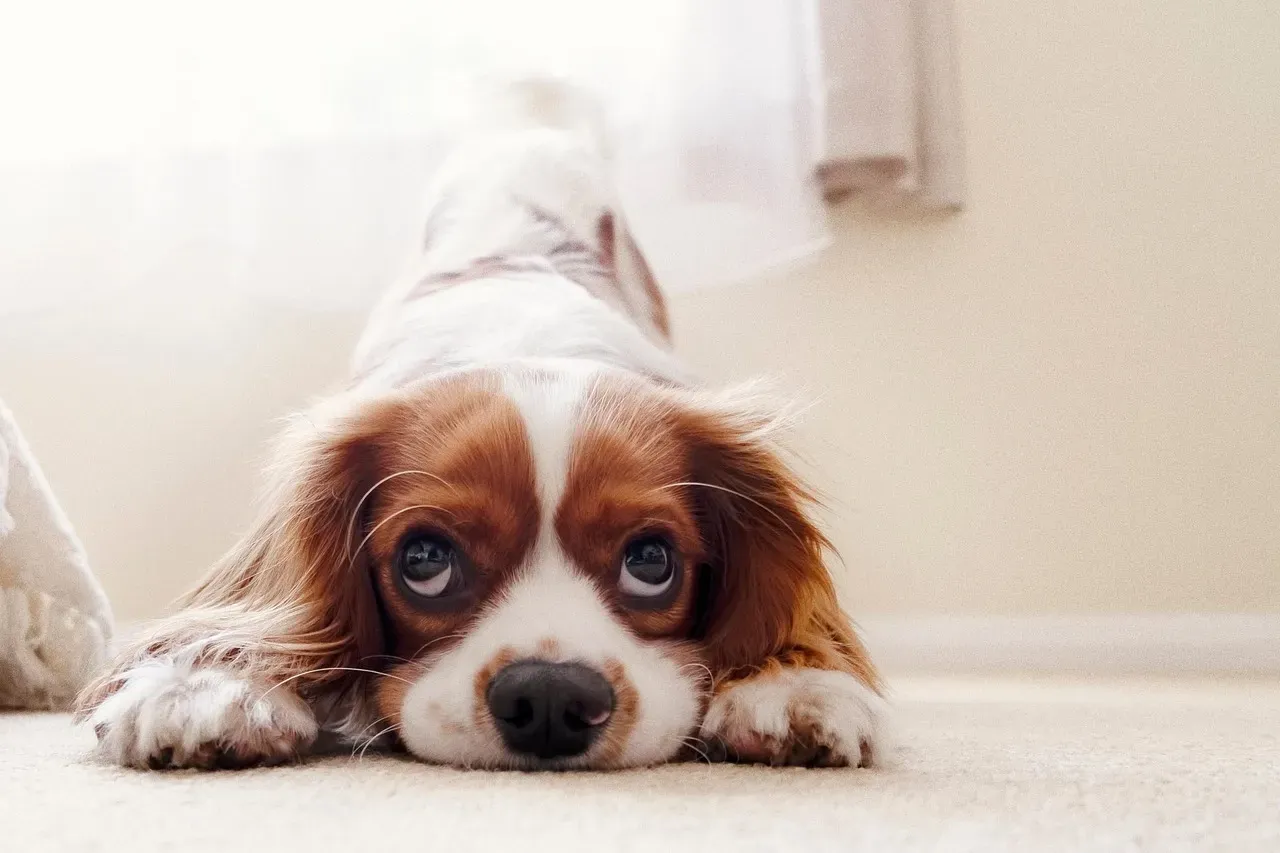
With their soft ears and big, soulful eyes, these dogs are great companions for anybody, but especially for first-time dog owners, as Cavaliers are smart and adaptable, which makes them easier to train than some other dog breeds, and they are typically gentle and eager to please. They’re small enough not to be intimidating but sturdy enough not to be fragile.
This gentle, affectionate Cavalier King Charles Spaniel is known for being adaptable and good with all sorts of people, from young children to the elderly, as the Cav is very trainable and open with strangers, and while they do need regular grooming and an average amount of exercise, they are overall a low-maintenance breed.
The Cavalier King Charles Spaniel is a small dog with a big heart, as this breed is affectionate, gentle, and loves being close to people, making them an excellent choice for new pup parents who want a loving lap dog, and while Cavaliers do need regular grooming, their easygoing personalities and adaptability to apartments or larger homes make them a top pick. Just be aware they can get clingy because they love you so much.
Poodle: Intelligent And Hypoallergenic
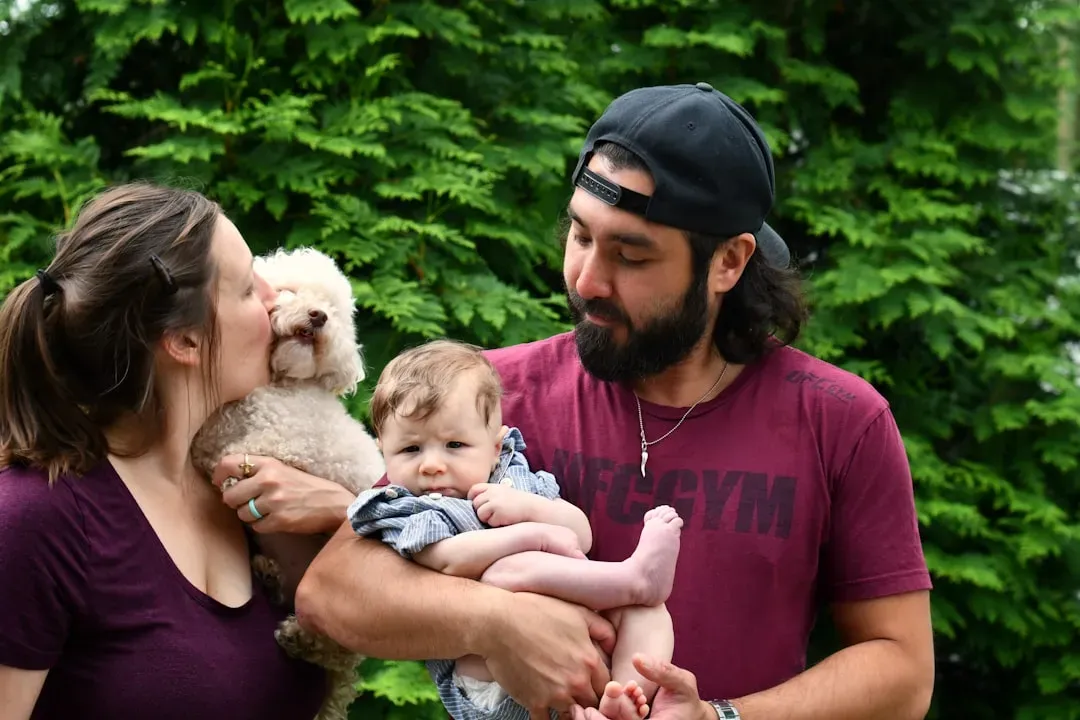
Poodles are incredibly intelligent dogs and have hypoallergenic coats, explaining their huge popularity around the world, and they even come in three sizes – Standard, Miniature and Toy – so there’s guaranteed to be one to suit your home and lifestyle. That versatility is a huge advantage for first timers with different living situations.
Poodles are highly intelligent dogs and adept at learning new tricks and commands, and they are also playful, loyal and loving, all of which makes them a great choice for first-time owners. They pick things up quickly without being so smart they get bored and destructive.
The Poodle is an exceptionally smart breed that excels in all kinds of dog sports, and the breed comes in three size varieties which may contribute to why this is one of the most popular breeds. Whether you live in a studio apartment or a house with a yard, there’s a Poodle size that works.
Bichon Frise: Cheerful And Adaptable
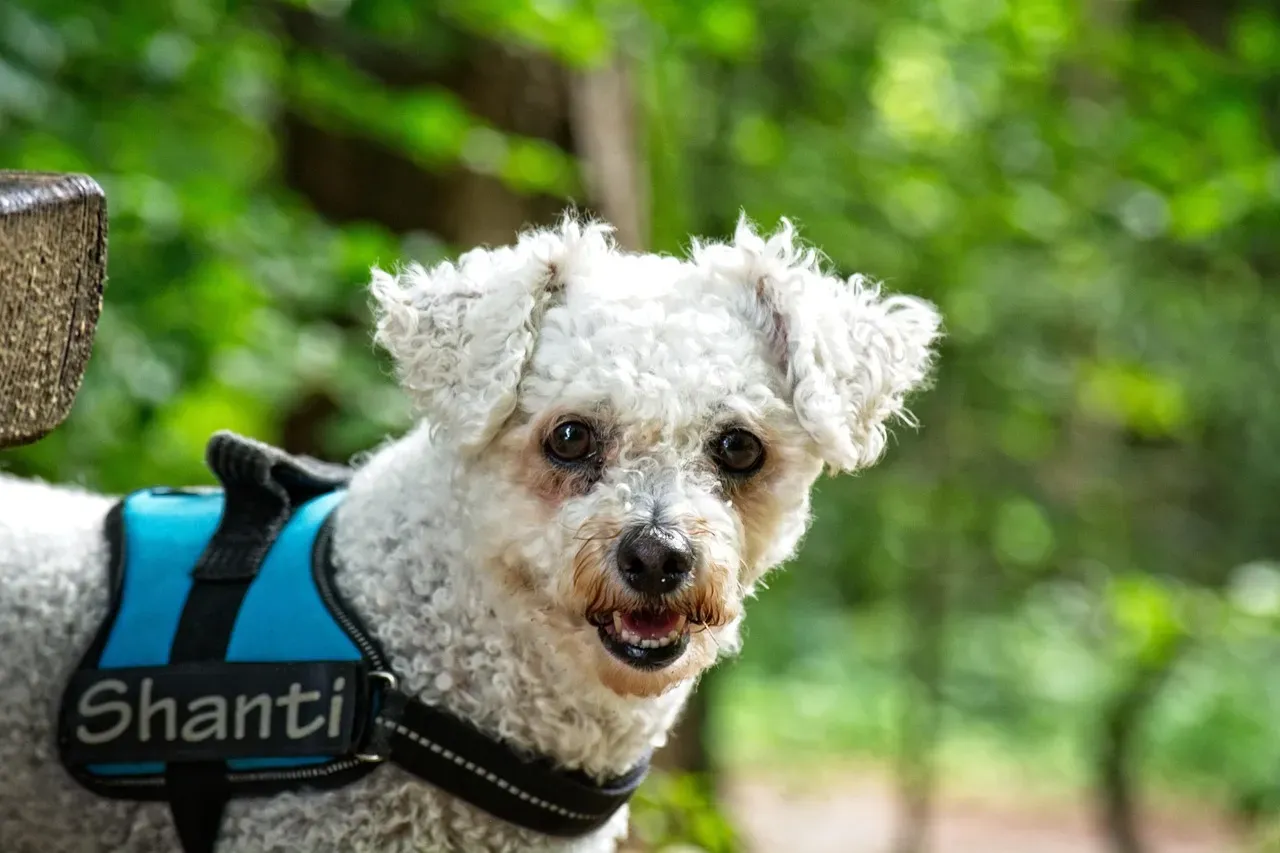
Known for its loving and playful personality, the bichon frise is an intelligent and charming lapdog who befriends just about everyone they meet, as they are one of the best dogs for first-time parents because they’re typically easier to train and are great with kids, and their fluffy white coat is considered hypoallergenic and they don’t shed much.
Small and extremely cute, Bichon Frise is well suited to different living environments, so they are happy in flats or apartments or smaller homes, as they love to please, which is fantastic for training, and they’re a real friendly breed too. Their size makes them manageable even for people with physical limitations.
Bichons are highly intelligent, which makes training a relatively easy proposition, and they are easygoing enough to adapt to life in a big house in the country or a small city apartment, and they are moderately active, so it is best for them to get at least 20 to 30 minutes of exercise a day. One fair warning though: the bichon is notorious for being hard to house break, and if you have priceless oriental rugs, this may not be the breed for you.
Bringing It All Together
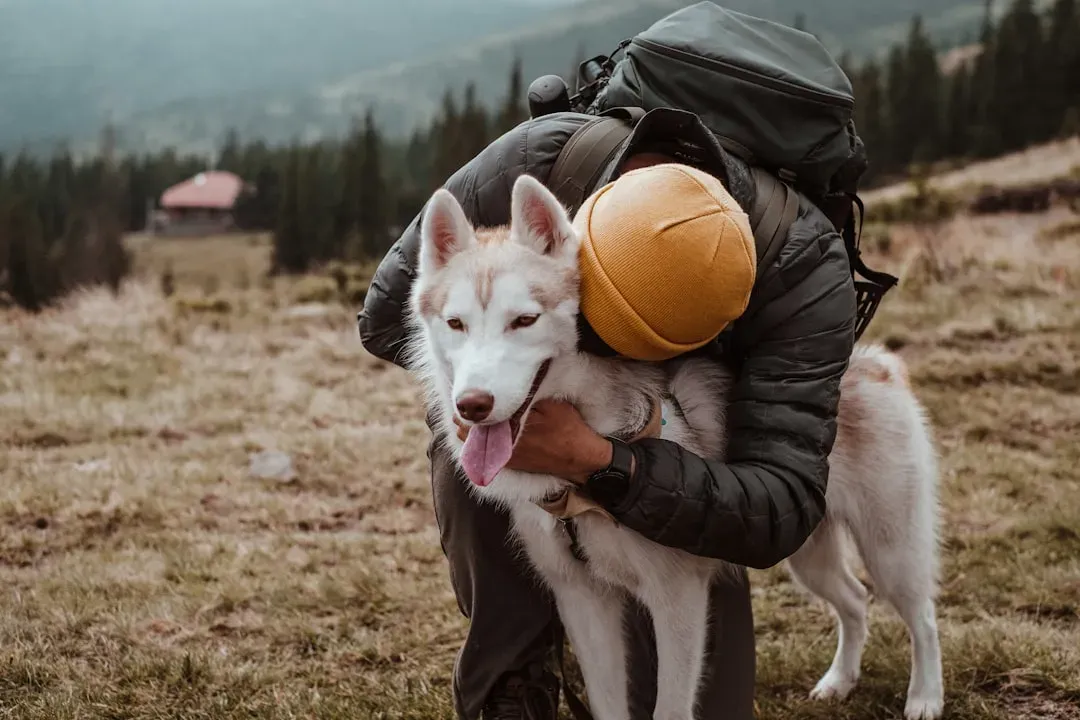
Look, I know every dog is an individual. I’ve met lazy Huskies and high-strung Labs. Breed tendencies aren’t destiny, but they’re patterns worth respecting. When you’re choosing your first dog, why make life harder than it needs to be?
The challenging breeds we talked about aren’t bad dogs. They’re spectacular, actually, in the right hands. Someone experienced who understands their needs can bring out the absolute best in an Akita or a Border Collie. Those dogs will shine with proper guidance. They deserve owners who know what they’re signing up for.
Meanwhile, the beginner-friendly breeds offer you grace as you learn. They forgive your training mistakes, adapt to your schedule, and generally just want to be part of your life without drama. That’s the kind of foundation that builds confidence and sets you up for success.
So here’s my question for you as you start this journey: Are you ready to meet a dog where they are, or do you need a dog who’ll meet you halfway? There’s no wrong answer, only honest ones. What do you think your lifestyle can realistically handle? Tell us in the comments.


