
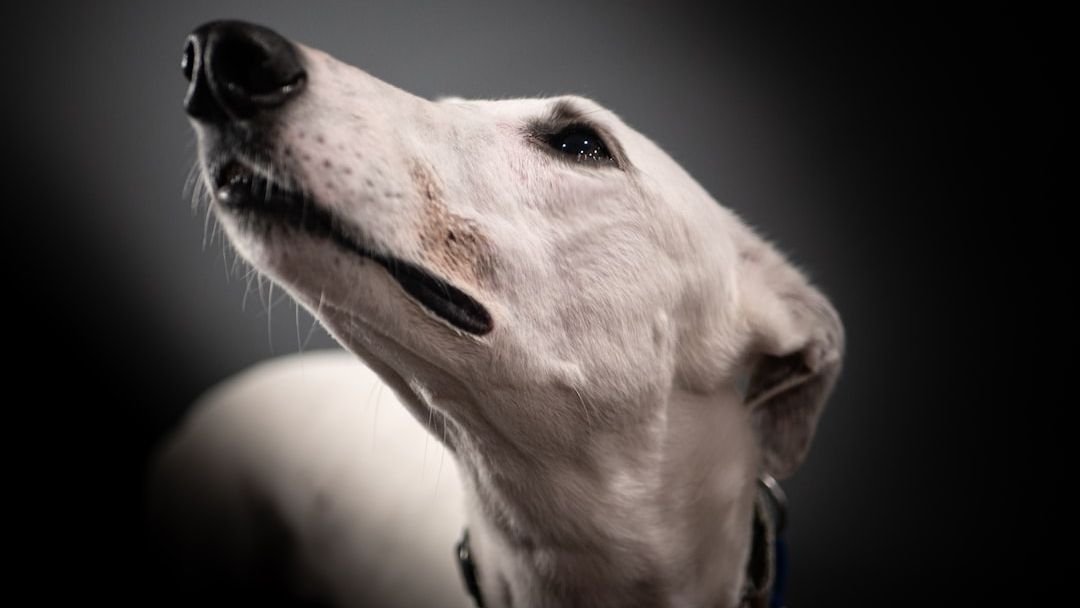
You know that feeling when you come home and your dog is waiting by the door, tail wagging, eyes bright with pure joy? That connection we share with our canine companions is something truly special. They fill our lives with unconditional love, goofy moments, and comforting snuggles. Yet, just like us, dogs experience a full range of emotions, including anxiety and stress. Some breeds seem to carry the weight of the world on their furry shoulders, while others float through life with an enviable sense of zen.
Understanding your dog’s emotional needs isn’t just about being a good pet parent. It’s about giving your furry friend the best possible life. Whether you’re considering adding a dog to your family or you’re trying to better understand the one snoozing on your couch right now, knowing which breeds tend toward anxiety and which ones stay surprisingly calm can make all the difference in how you approach training, socialization, and daily care.
Border Collie: The Brilliant Worrier
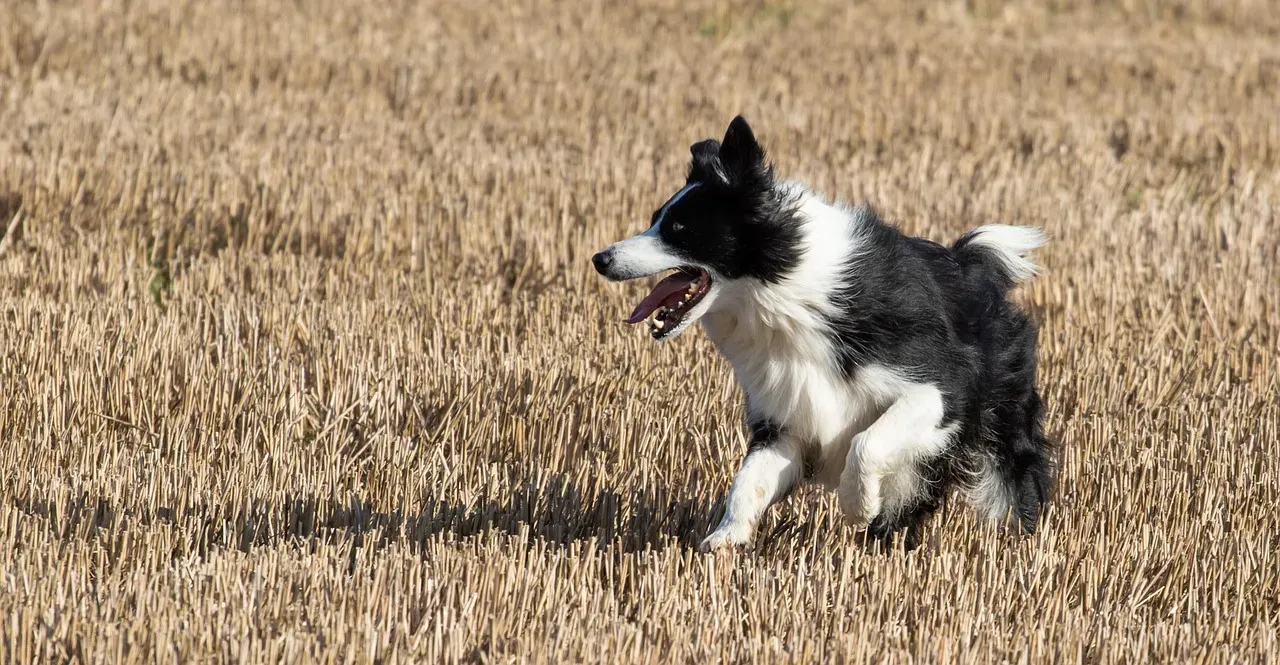
Border Collies are energetic and friendly dogs, but when boredom strikes, they may exhibit anxious behaviors, such as excessive barking. These incredibly intelligent pups were bred to herd sheep across vast landscapes, which means their brains are wired for constant problem-solving and vigilance. Without proper mental and physical stimulation, that brilliant mind can turn inward, creating worry where none should exist.
Without sufficient physical and mental stimulation, these dogs can get anxious or restless and exhibit destructive behaviors. These dogs need at least 1-2 hours of intense exercise (like running or sprinting) daily. Think of puzzle toys, agility courses, and activities that challenge both their bodies and minds. A bored Border Collie isn’t just mischievous; they’re genuinely distressed.
German Shepherd: The Protective Overthinker
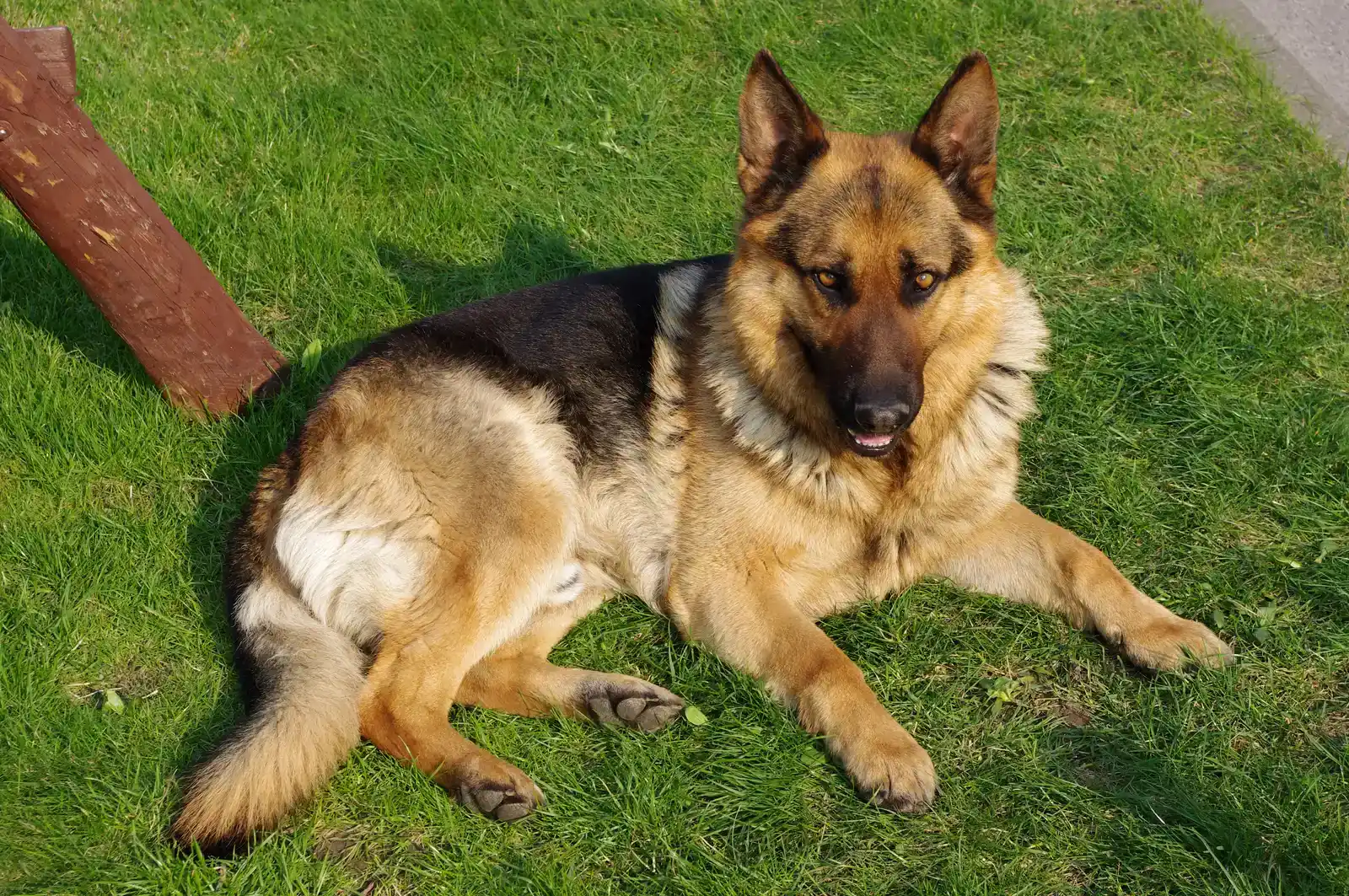
They thrive on consistency, so being thrown off their routine may result in anxious behaviors such as pacing and door-scratching. German Shepherds form incredibly deep bonds with their families, which is part of what makes them such outstanding service and protection dogs. That same devotion, though, can become a source of stress when their world feels unpredictable or chaotic.
Their protective nature, deep attachment to their owners, and need for mental stimulation all contribute to their susceptibility to anxiety. These dogs need a job to do, whether that’s formal training, nose work, or long hikes where they can use their natural abilities. Structure and routine aren’t just nice for German Shepherds; they’re essential for their emotional wellbeing.
Labrador Retriever: The People-Pleaser With Separation Struggles
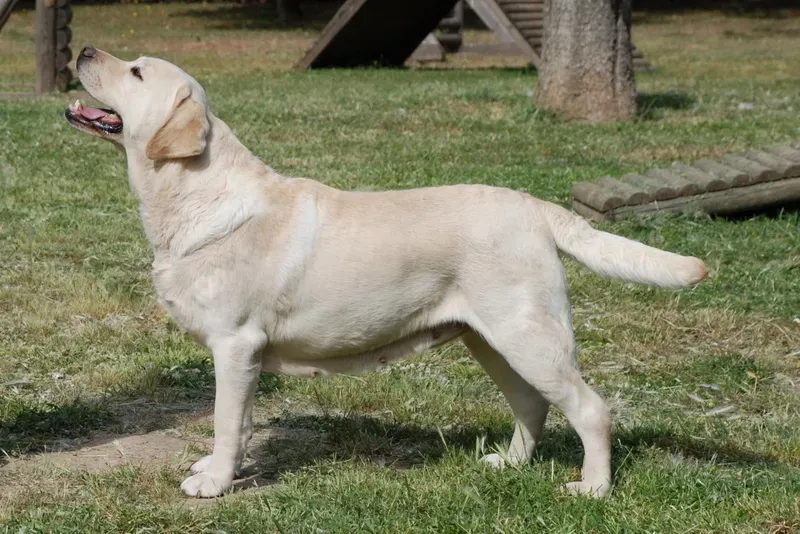
Labs have a reputation for being easygoing, happy-go-lucky companions, and honestly, they often are. Yet beneath that wagging tail and goofy grin can lurk genuine anxiety, particularly when left alone. Labs are particularly prone to separation anxiety, stemming from their strong desire to be with their human family and their historically bred role as companion dogs. This breed thrives on companionship and activity, and when left alone for extended periods, they can become distressed, leading to destructive behavior and excessive barking.
Their friendly nature means they want to be where the action is, right by your side. If you’re someone who works long hours away from home, a Lab might struggle more than you’d expect. Daily exercise, interactive toys, and gradually building up their alone time can help these social butterflies feel more secure when you’re not around.
Chihuahua: The Tiny Dog With Big Worries
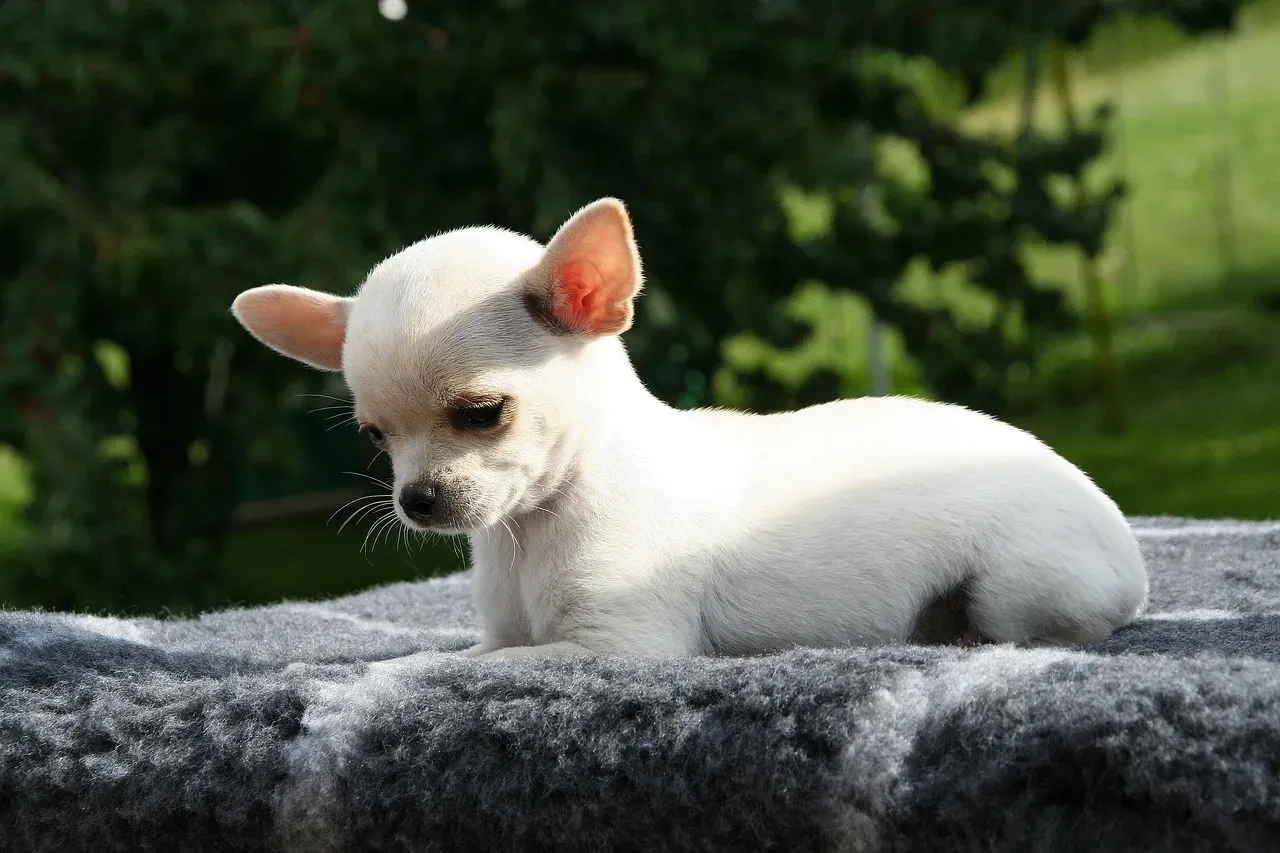
Don’t let their pocket-sized bodies fool you. Chihuahuas are prone to social and separation anxiety. They may be shy and timid around new people and bark excessively when nervous. These little dogs often form incredibly strong attachments to one or two people, and anyone outside that inner circle can feel like a threat.
Their small size can actually contribute to their anxiety. The world is a much bigger, scarier place when you’re only a few inches off the ground. Providing a predictable routine, engaging toys, and a safe space can help ease their stress. Proper socialization from puppyhood is crucial, but even adult Chihuahuas can learn to feel more confident with patient, positive reinforcement training.
Australian Shepherd: The High-Strung Herder
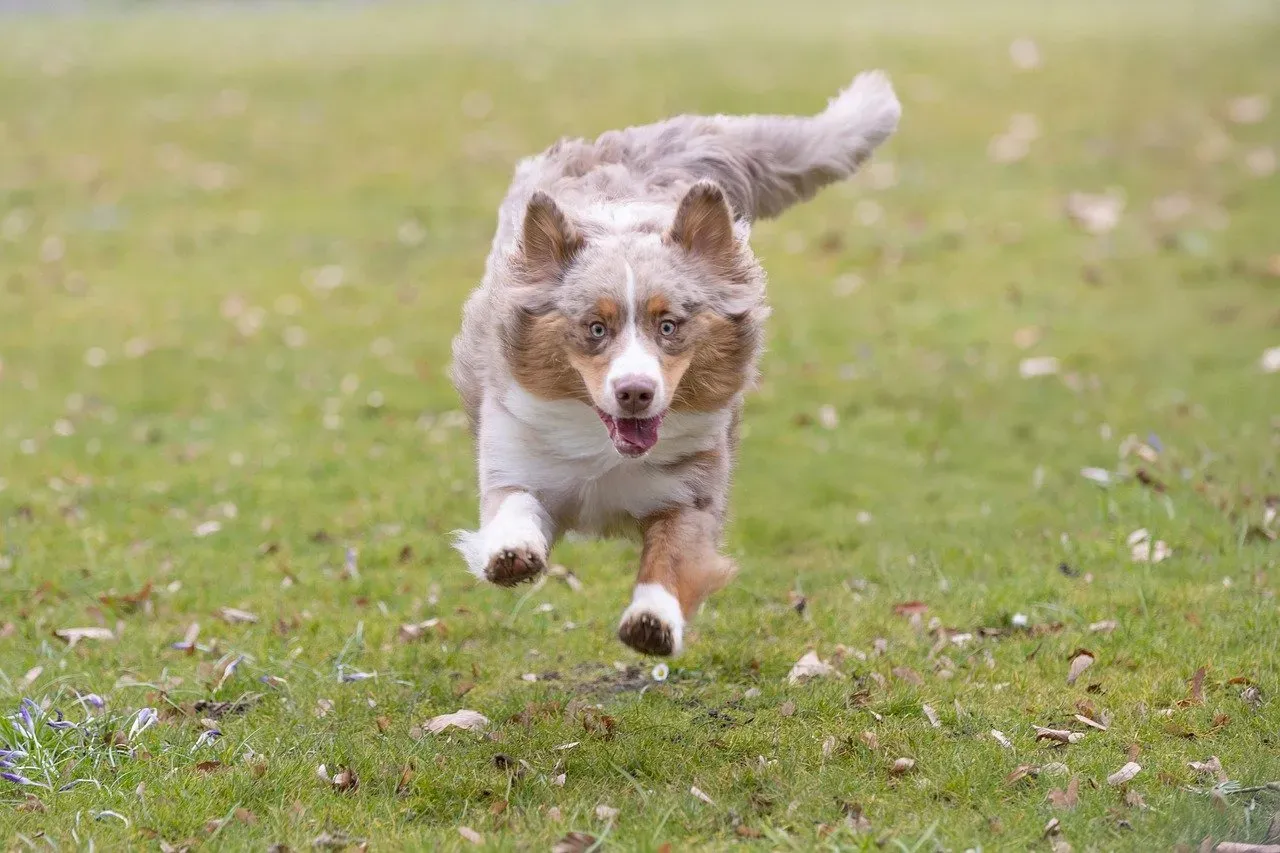
Australian Shepherds are dynamic, intelligent, and highly energetic dogs that were originally bred for herding livestock. Their boundless energy and sharp minds mean that they require constant engagement and exercise, without which they can develop severe anxiety. These dogs aren’t content to simply exist; they need purpose and stimulation to feel balanced.
Like Border Collies, Australian Shepherds require structured mental and physical stimulation to stay emotionally stable. If under-stimulated, they may exhibit behaviors such as barking, circling, or anxious pacing. Aussies thrive in active households where they can participate in dog sports, accompany their people on adventures, or have actual jobs to perform. A sedentary lifestyle with an Australian Shepherd is a recipe for anxiety-driven chaos.
Bichon Frise: The Velcro Dog
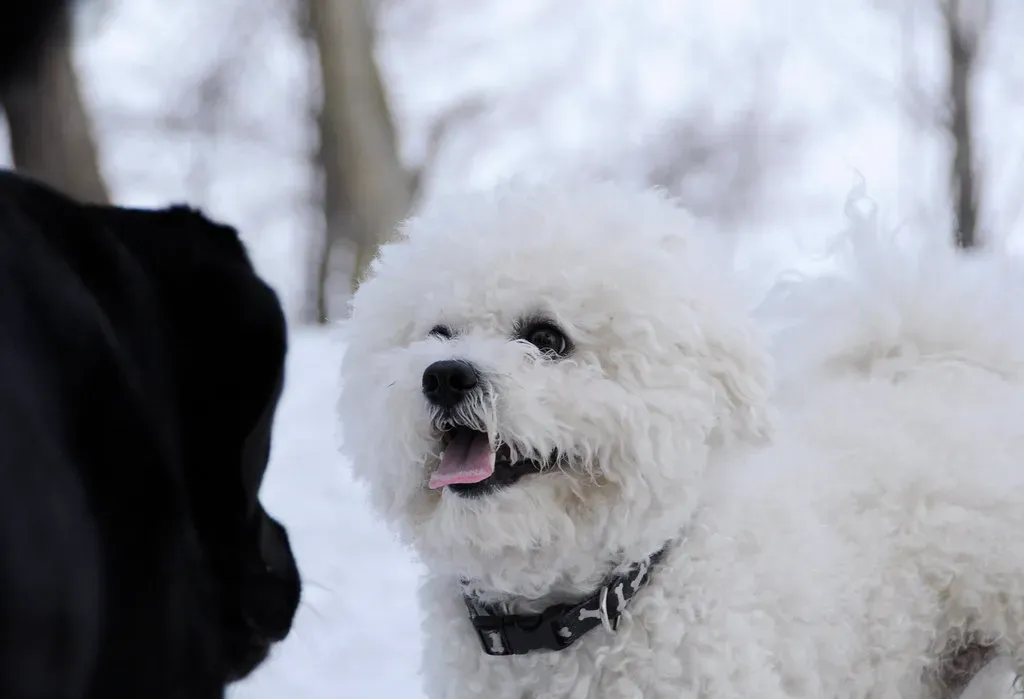
However, as soon as you leave them alone, they can become aggressive and destructive. Their anxiety, when overlooked, can quickly change into depression. These fluffy white companions were bred specifically to be devoted companions to their humans, which means independence isn’t exactly in their DNA.
The Bichon Frise is a bright, affectionate companion dog known for its emotional sensitivity and tendency to develop separation anxiety. These social dogs form tight bonds with their human family, making alone time a real challenge. They’re happiest when they’re the center of attention, snuggled in your lap, or following you from room to room. Training them to feel comfortable during solo time takes patience, consistency, and lots of positive reinforcement.
Cavalier King Charles Spaniel: The Sensitive Soul
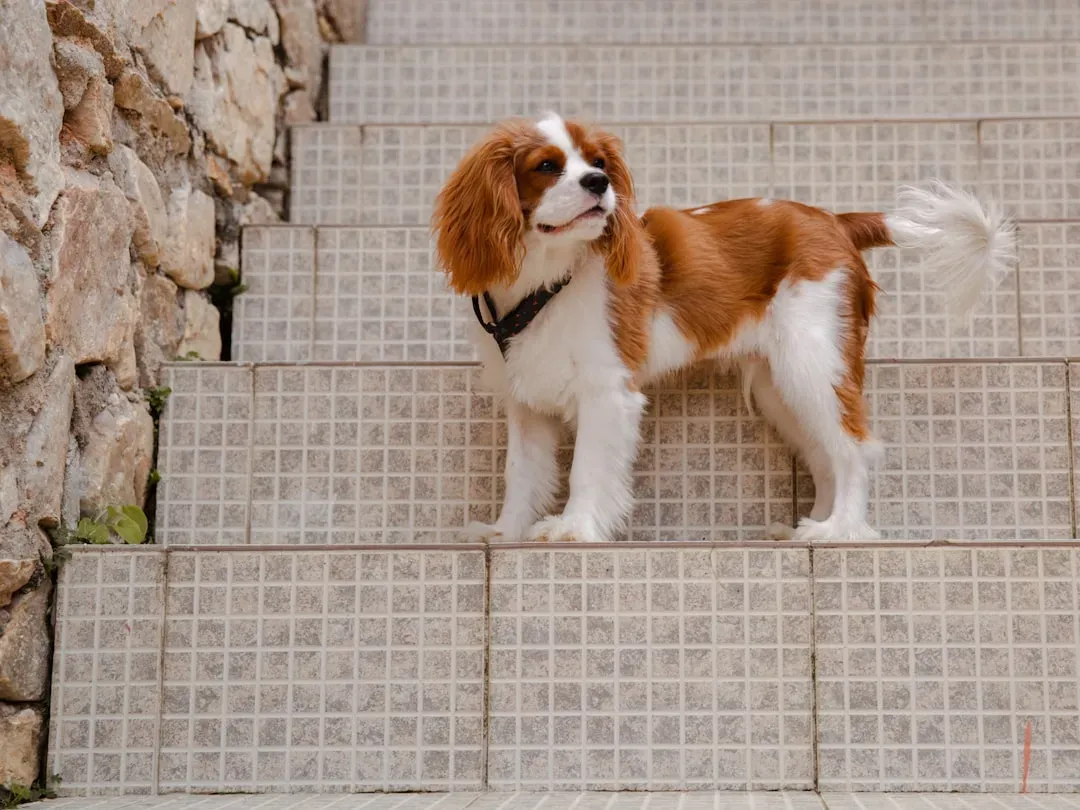
Unfortunately, some Cavalier King Charles Spaniels are prone to separation anxiety. These gentle, affectionate dogs were literally bred to warm the laps of royalty, so being left alone feels fundamentally wrong to them. Their sweet, soulful eyes aren’t just for show; they reflect a genuinely sensitive temperament that picks up on the emotions around them.
While they’re wonderful family dogs who get along beautifully with children and other pets, their emotional sensitivity means they need gentle handling and consistent routines. Harsh training methods or chaotic households can trigger anxiety in these tender-hearted pups. They respond best to calm, predictable environments where they feel secure and loved.
Basset Hound: The Laid-Back Lounger

Now let’s shift gears and talk about the breeds that seem to have found inner peace. The Basset Hound is a calm, gentle dog breed that’s adaptable to new surroundings and content with moderate exercise. These low-energy dogs aren’t very athletic, so don’t expect them to excel at sports! With their droopy eyes and long ears dragging on the ground, Bassets look perpetually relaxed, and that’s pretty much accurate.
The right home is one where the Basset hound’s characteristics of being patient, loyal, low-key and sometimes stubborn are expected and appreciated. After all, it’s not that difficult to accept the Basset’s tendency to be a bit bullheaded when it’s otherwise so lovable and charming. These dogs are happy to follow their nose on a leisurely sniff-filled walk, then spend the rest of the day napping on the couch.
Cavalier King Charles Spaniel: Gentle and Adaptable
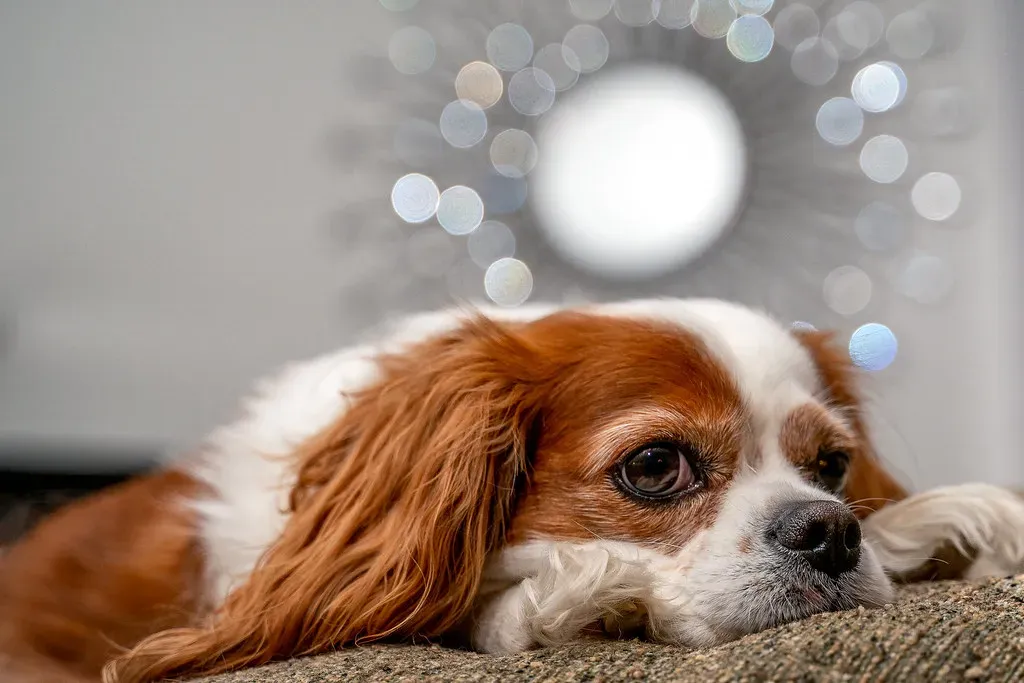
Wait, didn’t we just mention Cavaliers in the anxiety section? Here’s the interesting thing about this breed: while they can develop separation anxiety, Their sweet, gentle temperament makes these calm, small dogs great for families with kids and other pets, and they are easy to train. When their emotional needs are met and they’re not left alone for extended periods, Cavaliers are remarkably calm and adaptable.
The Cavalier King Charles Spaniel, often referred to simply as the Cavalier, is a small and elegant breed known for its friendly and affectionate nature. Cavaliers are social and thrive on human companionship, making them excellent family pets. The key is understanding that their calmness comes with the condition of having their people nearby. They’re peaceful companions who adapt beautifully to various living situations as long as they’re not isolated.
English Bulldog: The Professional Napper
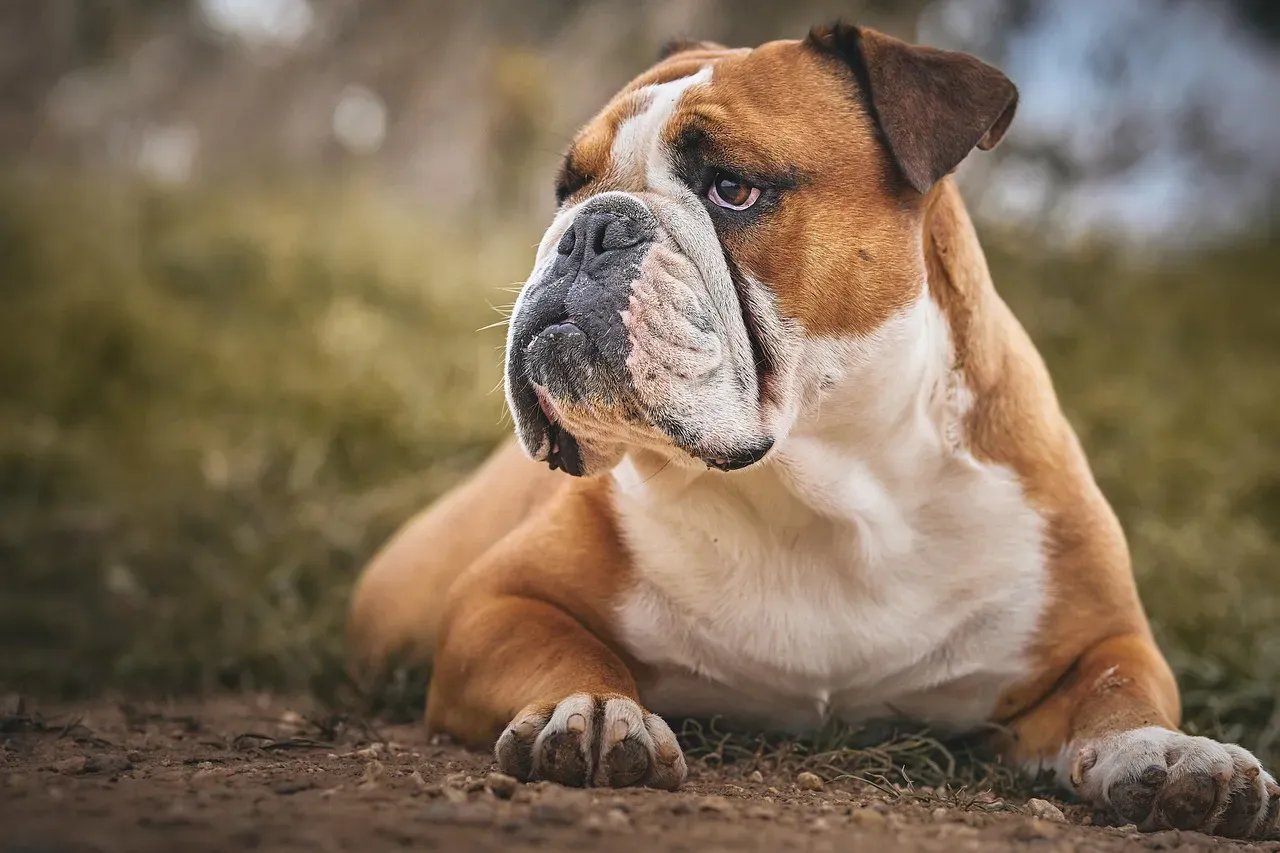
Not only are English Bulldogs calm, but they also tend to be downright sleepy. This means they’ll absolutely love cuddling up with you on the couch and taking naps with you in bed. If there were an Olympic event for lounging, Bulldogs would take gold every single time. Their stocky build and brachycephalic (flat) face mean they’re not built for marathon runs or high-energy activities.
English Bulldogs are known for their gentle and easygoing nature. Despite their somewhat imposing appearance with their wrinkled faces and muscular build, they are often incredibly gentle and affectionate dogs. They’re content with short walks and prefer air-conditioned comfort over outdoor adventures. For people seeking a low-key companion who won’t demand hours of exercise, Bulldogs are perfect matches.
Greyhound: The Couch Potato Sprinter
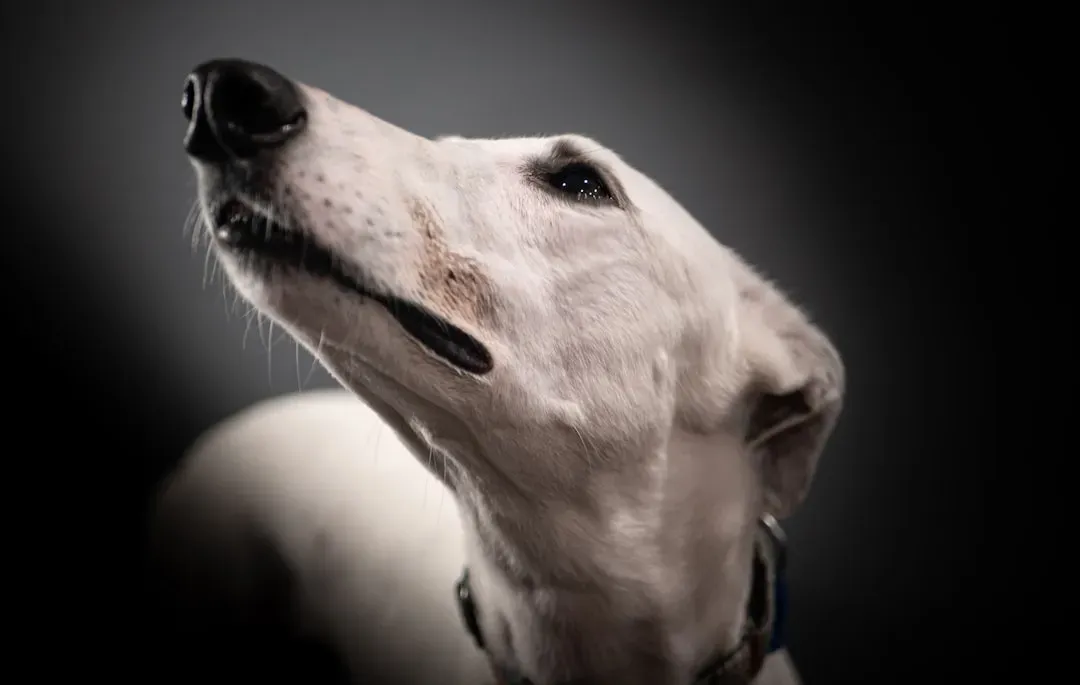
Here’s something that surprises many people: They’re surprisingly mellow, calm, and distinguished. Since they’re so graceful, you don’t need to worry that they’ll run rapidly around your house. Yes, Greyhounds can run at incredible speeds, but they’re actually sprinters, not marathon runners. After a good run, they’re perfectly happy to curl up and sleep for hours.
At home, they are typically calm and content to lounge, but outdoors, they need to blow off steam. Retired racing Greyhounds especially make wonderful, peaceful companions. They’re gentle with children, quiet in the house, and their energy comes in short bursts rather than constant hyperactivity. Think of them as the elegant introverts of the dog world.
Newfoundland: The Gentle Giant
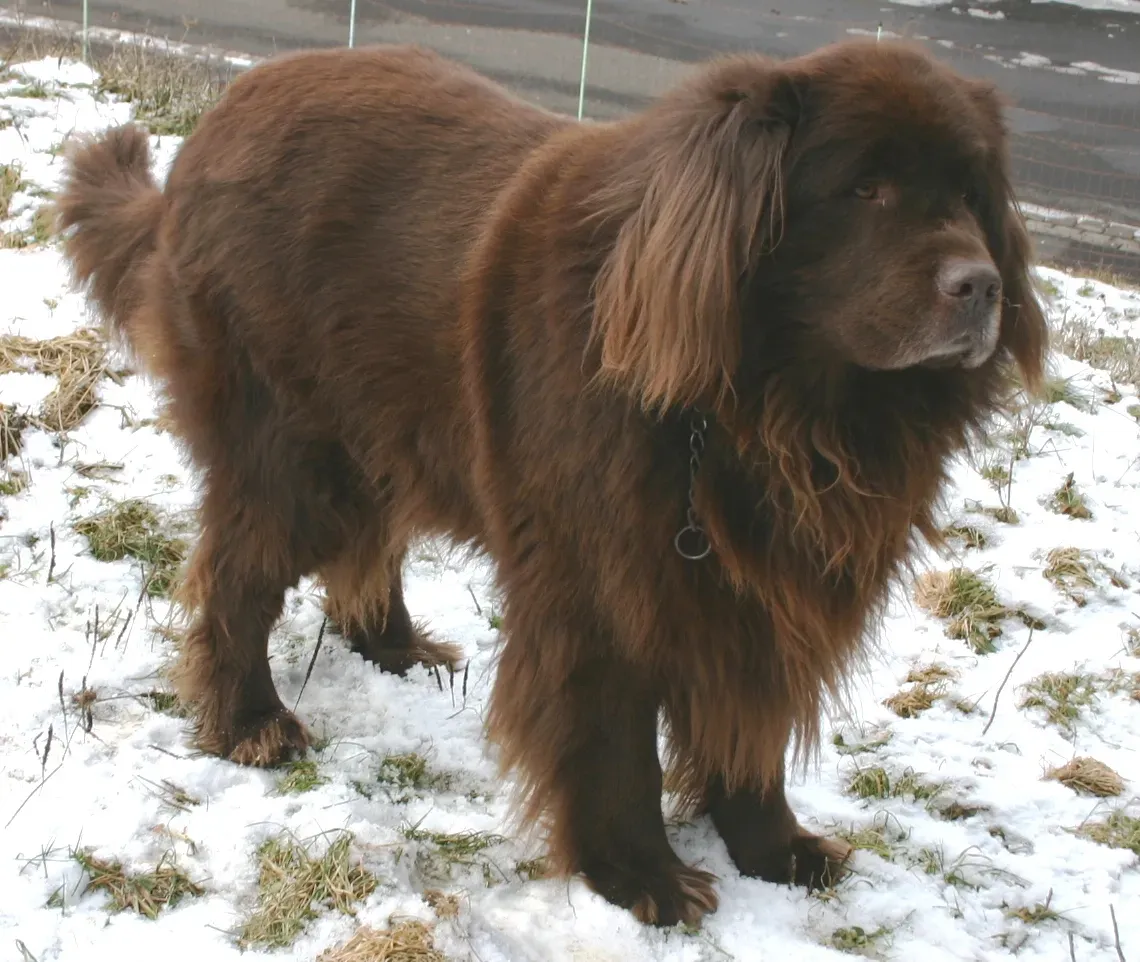
They’re incredibly calm and unruffled. despite weighing in at around 130 pounds. Newfoundlands have earned the nickname “nanny dogs” because of their patient, protective nature with children. Often referred to as “gentle giants,” Newfoundland are calm and sweet-natured dogs with a strong desire to please their owners. Despite their large size, they are incredibly gentle and are known for being great with children.
Their calm temperament makes them excellent therapy dogs and wonderful family companions. They do need moderate exercise and absolutely love water, but they’re not demanding or high-strung. These massive teddy bears approach life with a steady, peaceful demeanor that makes them feel like a calming presence in any home.
Understanding the Signs: What Anxiety Actually Looks Like
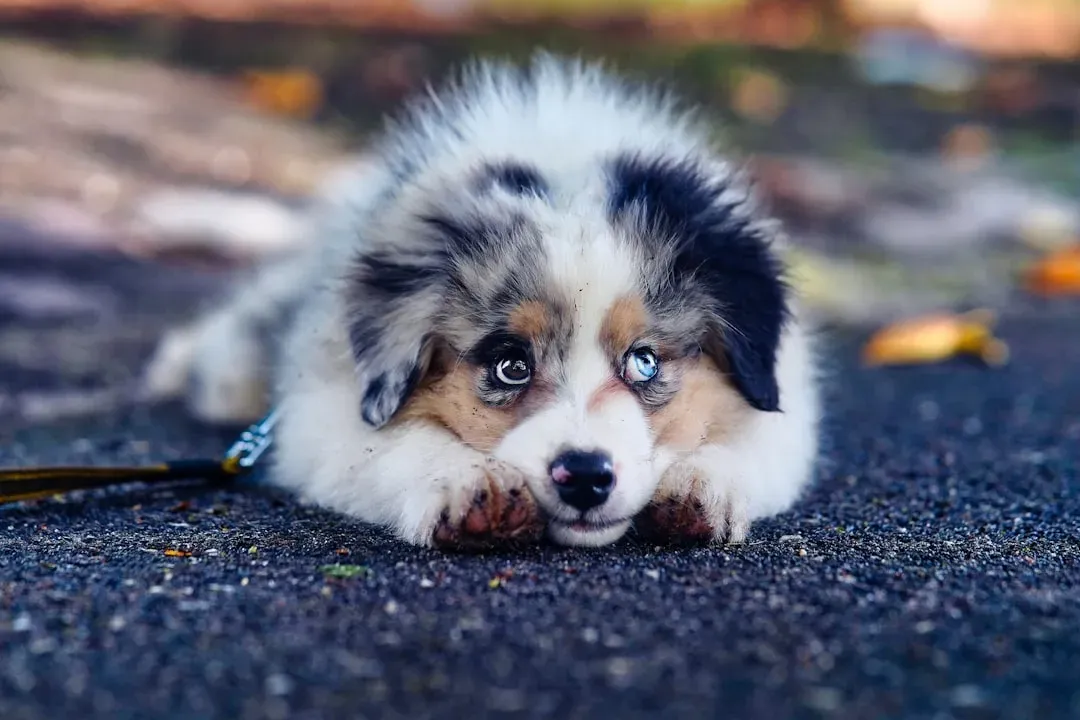
Recognizing anxiety in your dog is the first step toward helping them feel better. An anxious dog may pant, pace, tremble, drool, withdraw from its owner, or hide. Alternatively, they may appear irritable or aggressive (i.e., bark or growl at someone). Some signs are subtle, like whale eye (showing the whites of their eyes) or repeated yawning when they’re not tired.
Urinating and defecating in the house is a common symptom of separation anxiety. Anxious dogs often work themselves up to the point that they pee or poop in the house, even if they are housebroken. Other behaviors include destructive chewing, excessive barking, escape attempts, or refusing to eat. The context matters tremendously. A dog who occasionally seems nervous during thunderstorms is very different from one who exhibits chronic anxiety throughout the day.
Building Confidence: Prevention and Management Tips
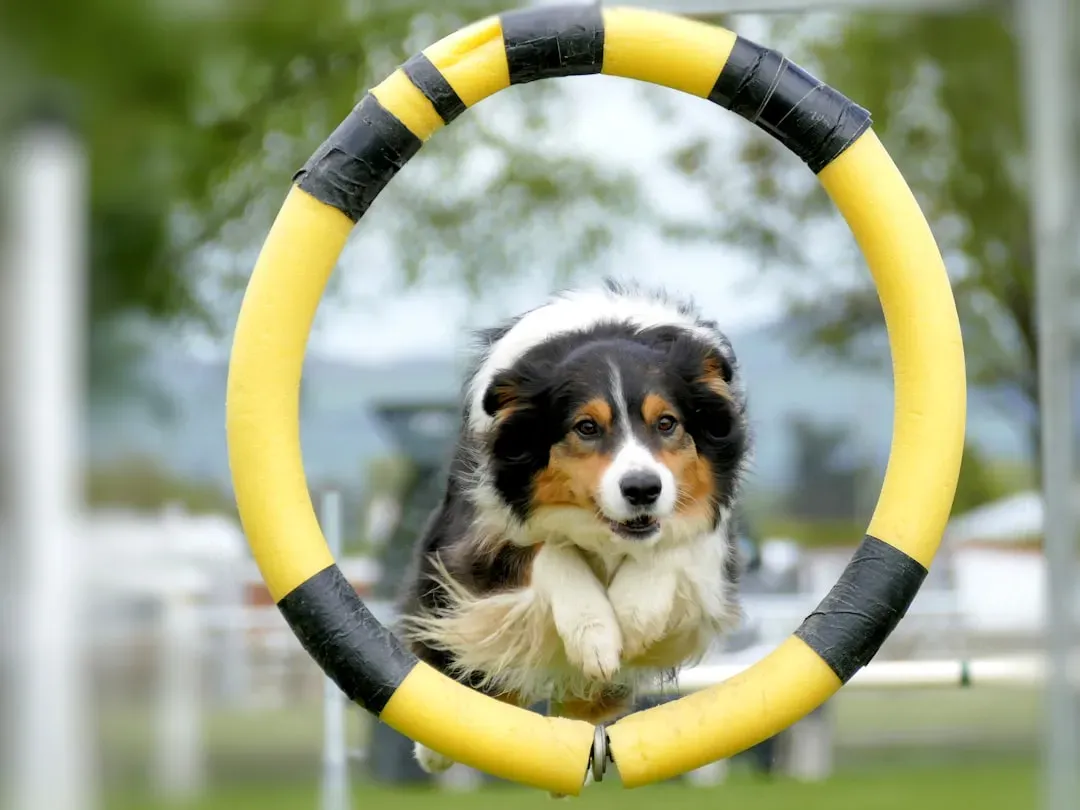
The good news is that anxiety doesn’t have to control your dog’s life or yours. Proper socialization can prevent the development of anxiety. Introducing your dog to new people, dogs, animals, places, and experiences can help avoid an exaggerated response down the road. Starting early makes a huge difference, but even adult dogs can learn new coping skills with patience.
Regular exercise and stimulation are crucial for a dog’s development, physical, and mental well-being. A stimulated dog is less likely to pick up destructive behaviors. Positive reinforcement training, predictable routines, mental enrichment through puzzle toys, and ensuring your dog gets adequate physical exercise all contribute to a calmer, more confident companion. For severe cases, working with a veterinary behaviorist and considering anxiety medication can be life-changing for both you and your dog.
Every dog is an individual, shaped not just by their breed tendencies but by their unique experiences, upbringing, and environment. Whether you have an anxious Border Collie who needs structured activities or a peaceful Basset Hound content to snooze away the afternoon, understanding your dog’s emotional world helps you meet their needs and strengthen that incredible bond you share. Did you notice any of these signs in your own furry friend? Tell us in the comments.


