
While a definitive list of 8 breeds “gone by 2035” is speculative, several breeds are currently vulnerable or critically endangered. Without intervention, these breeds face potential extinction due to factors like declining popularity, limited breeding, and genetic issues. Organizations like the Kennel Club maintain “at watch” or “vulnerable native breed” lists to highlight those at risk. Conservation efforts are crucial for their survival.
The Harrier: A Single Dog Stands Against Extinction

Picture this: only one single dog of an entire breed was registered in 2024. That’s the shocking reality for the Harrier, also known as the Beagle Harrier. Only one single Harrier was registered by the Kennel Club last year, making it the most vulnerable breed. This medium-sized hound, similar to a Beagle but slightly larger, has an ancient heritage dating back to the 13th century when they were prized for hunting. That’s down from a high of 28 in 2021. The dramatic drop from 28 dogs to just one represents a 96% decline in just three years. Think about that for a moment – an entire breed’s future hanging by the thread of a single registered dog. If something happens to this lone Harrier or if breeding efforts fail, we could witness the complete disappearance of a breed that has served humans for over 700 years.
English Foxhound: From Presidential Favorite to Near Oblivion
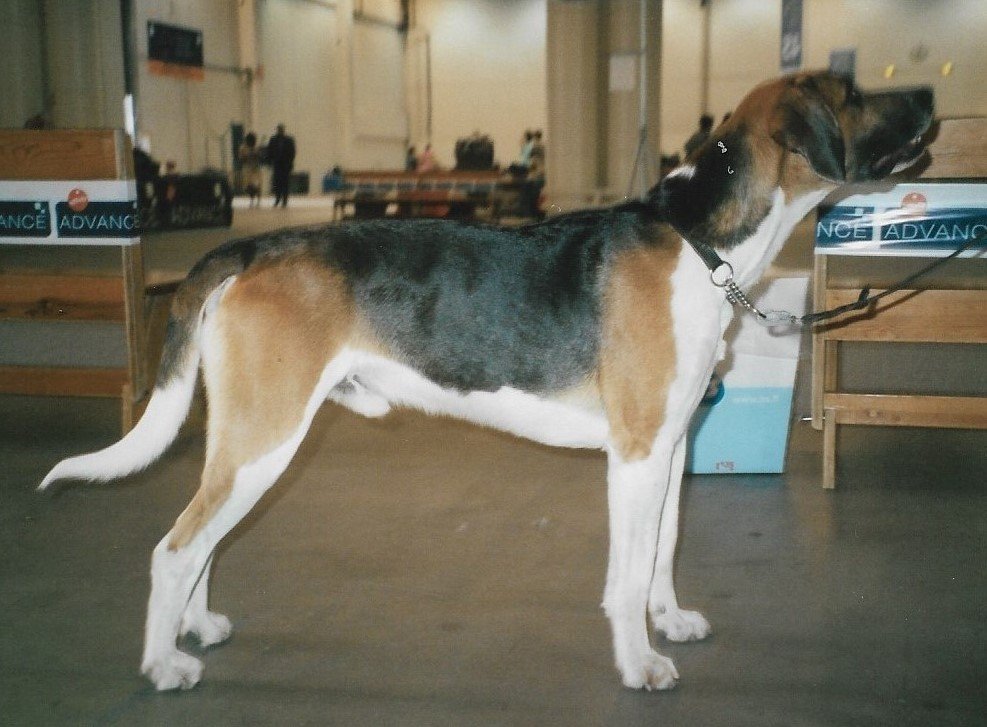
The English Foxhound was once the breed of choice for none other than George Washington himself. The foxhound, George Washington’s favorite dog breed, gained a reputation for operating well in packs and exhibiting a gentle and fair demeanor. Fast forward to today, and this noble breed is teetering on the edge of extinction. The decline in hunting foxes is partially responsible for the drop in popularity of the Foxhound, also known as the English Foxhound. Only six were Kennel Club registered in 2024, although that’s something of a resurgence compared to the single dog registered last year. The irony is heartbreaking – a breed that helped shape America’s early history is now struggling to survive in modern times. In both 2022 and 2023, the Kennel Club recorded just one English foxhound among their numbers. Their decline parallels the shift away from traditional fox hunting, leaving these gentle pack hunters without their historical purpose.
Greyhound: The Racing Breed Nobody Sees Coming
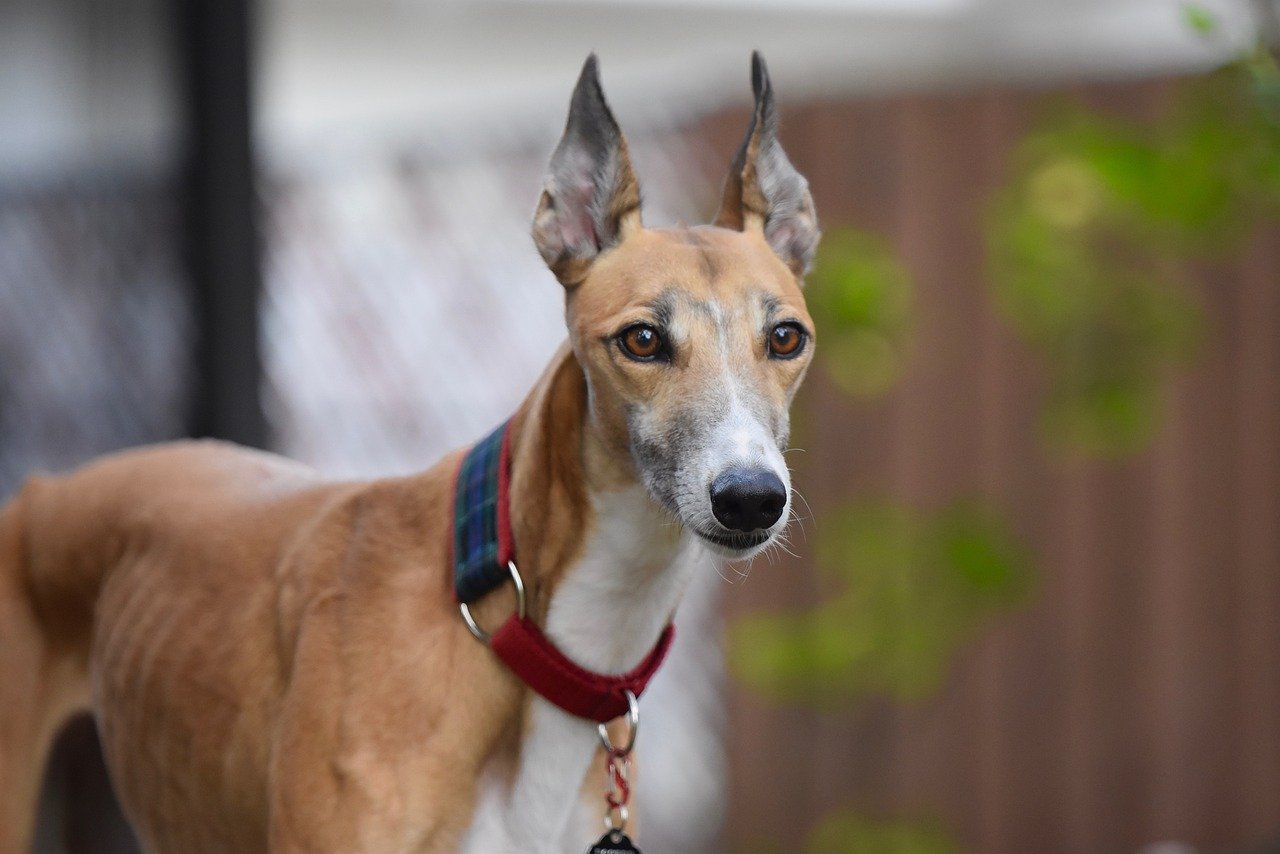
Here’s something that’ll surprise you: Greyhounds are actually endangered. There’s a perception that the Greyhound is a fairly common breed, but most of the dogs you see at the local park and the dog track aren’t pure bred. Only 20 pedigree Greyhounds were registered last year, making it the third most at risk dog. Most people assume Greyhounds are everywhere because of racing, but those track dogs are often mixed breeds or unregistered. The purebred Greyhound, with its elegant lines and gentle nature, is quietly disappearing while everyone thinks they’re still common. It’s like having a famous actor that everyone recognizes, but nobody realizes they’re actually broke and homeless. The disconnect between public perception and reality makes this breed’s plight even more dangerous – when people think a breed is thriving, they don’t feel the urgency to help preserve it.
Otterhound: Rarer Than a White Rhino
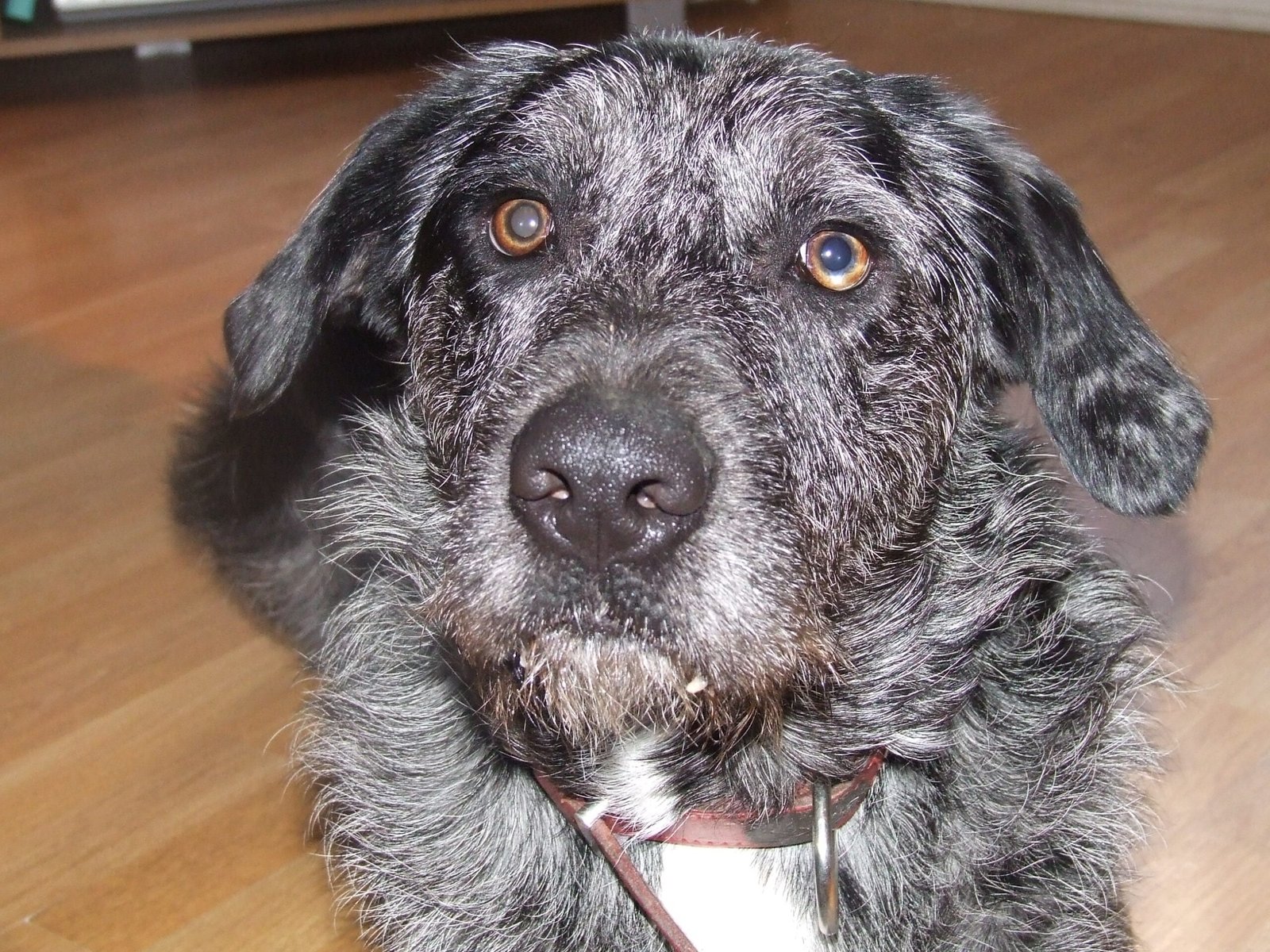
The Otterhound holds the devastating title of being officially rarer than the white rhino with fewer than 1,000 worldwide, is the United Kingdom’s most endangered native dog breed. These big, shaggy-coated dogs were originally bred to hunt otters, but their very success led to their downfall. Since otter hunting was banned in 1978, and the packs were dispersed or destroyed, numbers have dwindled. Ironically, these dogs were so skilled at hunting otter that the sport was outlawed to protect that species from extinction, with the effect of decimating the breed. Only 18 puppies were registered in 2023, making them the most at-risk breed in recent statistics. These expert swimmers are big, bouncy and affectionate, with shaggy coats, bottomless stamina and a superb nose. The Otterhound represents a perfect storm of conservation irony – saved one species, lost another.
Sussex Spaniel: The Forgotten Clown

Known for their clownish and energetic temperament, the Sussex Spaniel is one of 13 at-risk UK spaniels. There were just 24 registrations last year, and no more than 56 registrations in each of the last 10 years. While their cousins like the English Springer Spaniel and Cocker Spaniel rank in the top 10 most popular breeds, the Sussex Spaniel has been completely overshadowed. While other land spaniels such as the English springer and cocker spaniel pop up in the top 10 breeds, others seem to be largely forgotten with just 27 puppy registrations in 2023. The feathery, golden liver-coated Sussex is the rarest of all land spaniels. A unique feature is that he is the only spaniel to bark while working – possibly to enable his handler to keep tabs on him. Their distinctive barking while working was once an asset, but in our noise-sensitive modern world, it might be working against them. The Sussex Spaniel’s decline shows how even within successful breed families, individual breeds can slip through the cracks.
Irish Red and White Setter: Lost in Their Cousin’s Shadow
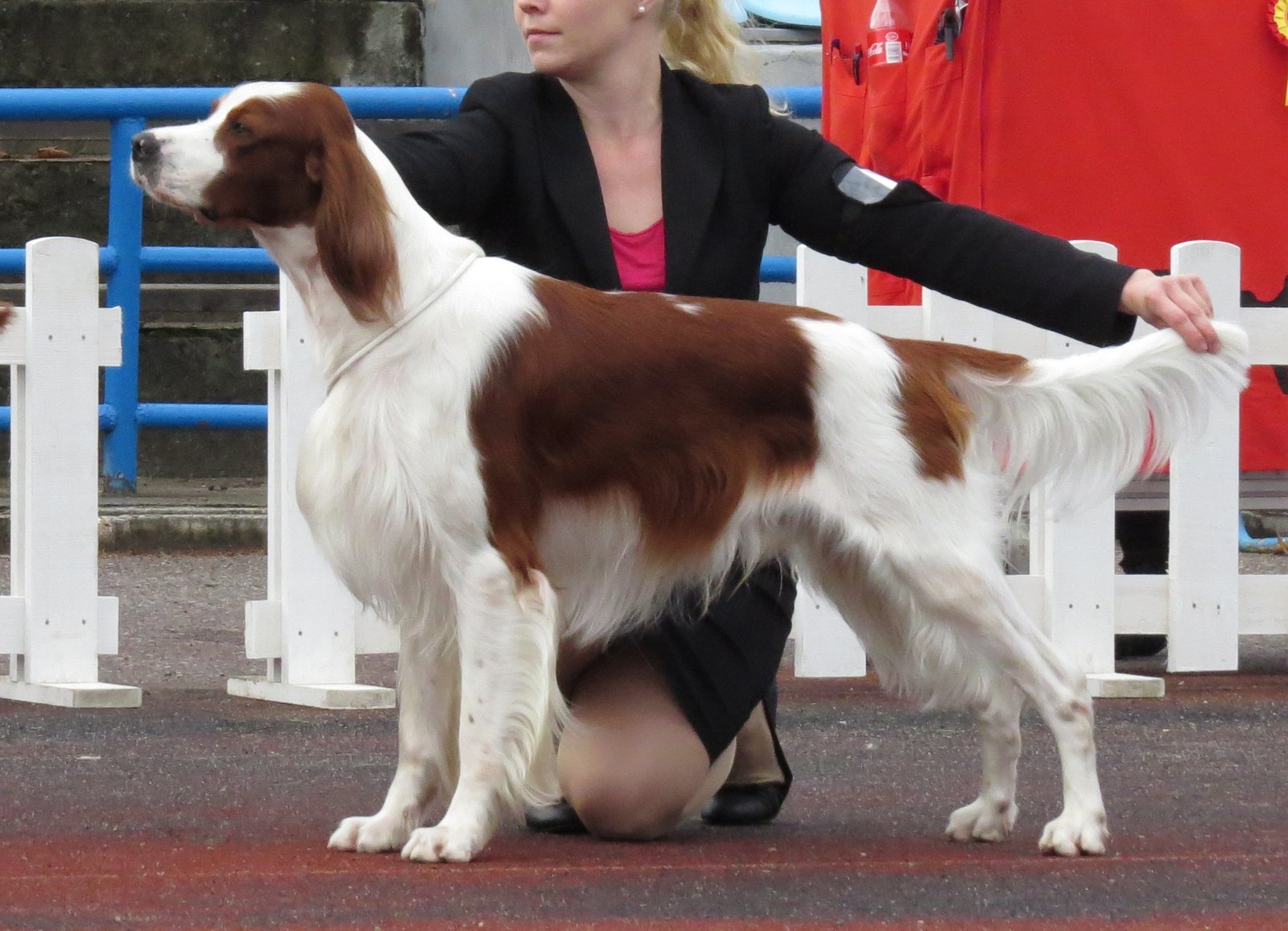
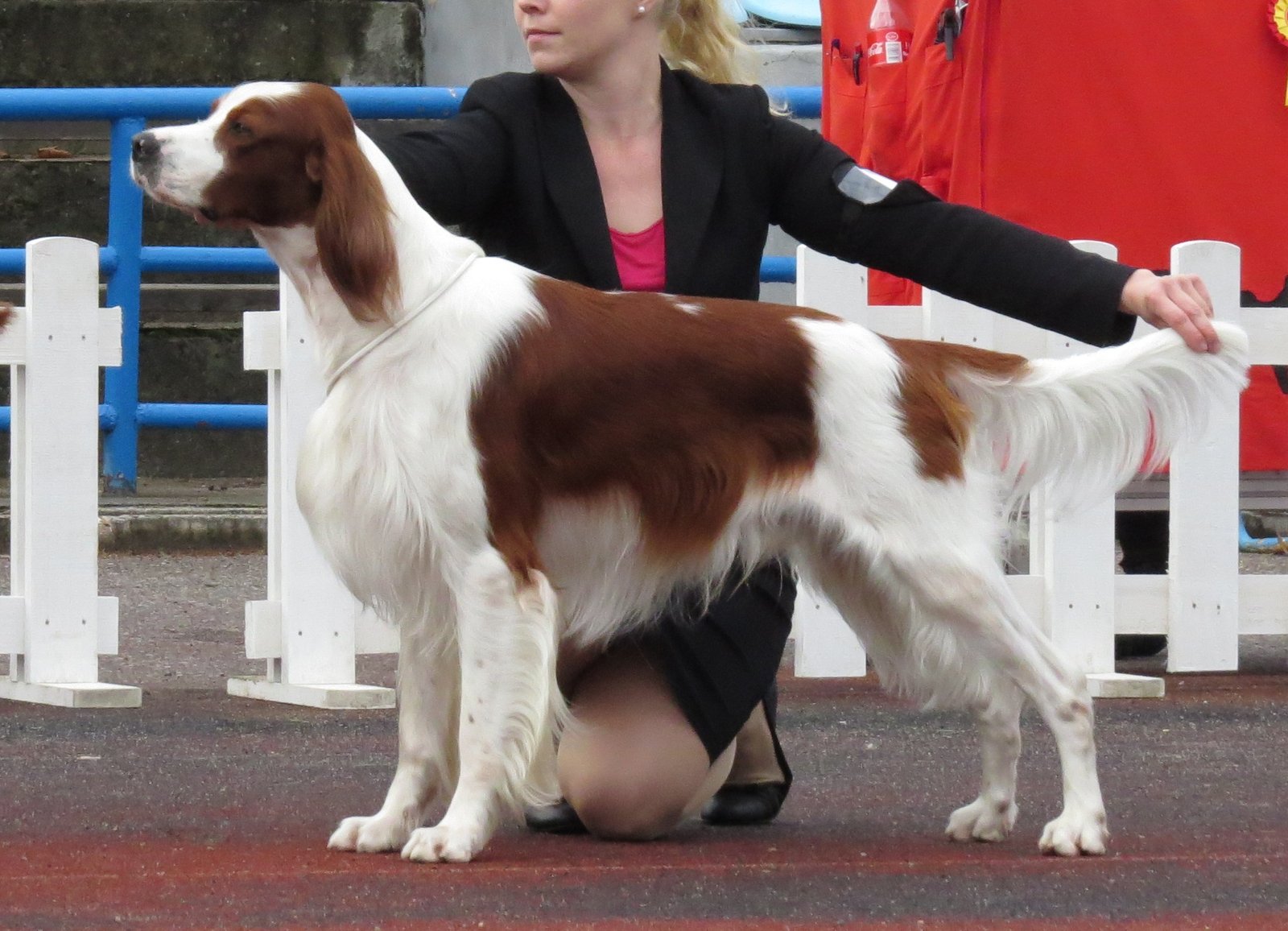
When most people think of setters, they picture the famous Irish Setter with its flowing red coat. But there’s another Irish setter that’s quietly disappearing. When most people picture setters, they imagine the Irish setter—a cousin of the Irish red and white setter. Red and white setters are typically a bit shorter and thicker than their more popular relatives. The breed is experiencing dwindling numbers and is listed as vulnerable by the Kennel Club. Less than 50 of these dogs were registered in the UK in 2023 despite their friendly, fun-loving personalities. It’s classic case of mistaken identity working against them. People see an Irish Red and White Setter and think “Oh, that’s just an Irish Setter with different coloring,” not realizing they’re looking at an entirely different breed fighting for survival. The Irish Red and White Setter predates the solid red Irish Setter, making their near-extinction even more tragic from a historical perspective.
Scottish Deerhound: Noble Heritage Facing Modern Extinction

The Scottish Deerhound, similar in appearance to the Irish Wolfhound, originated from the misty hills of Scotland. Known for their skilled deer hunting, they served as a noble companions to Scottish chieftains. With a tall, slender frame, shaggy coat, and gentle temperament, Scottish Deerhounds played a vital role in Scottish history. During the 18th and 19th centuries, political upheaval nearly wiped them out entirely. During the 18th and 19th centuries, the breed faced a perilous decline as political conflicts and uprisings transformed the culture of the Scottish Highlands. By the late 19th century, they were at risk of disappearing entirely. Dedicated enthusiasts worked tirelessly to revive the breed through careful breeding and preservation initiatives. While they survived that crisis, today they face new challenges. While Scottish deerhounds managed to regain some numbers and survive into the 21st century, they’re still considered a “vulnerable native breed” by the Kennel Club, with just 132 of them added to its registry in 2023. These gentle giants represent the classic story of a working breed losing purpose in modern society.
Glen of Imaal Terrier: The Irish Underdog
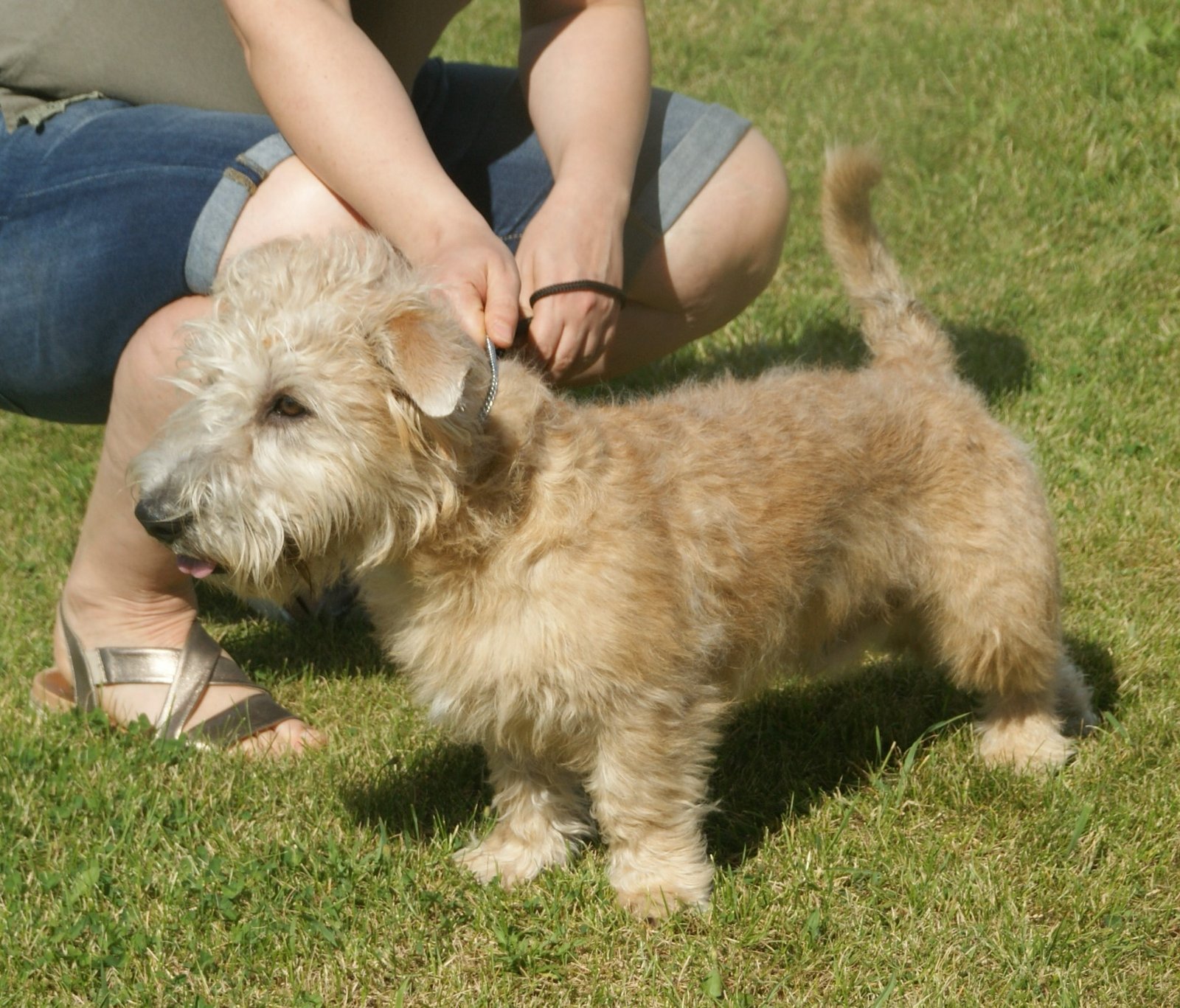
From Ireland’s remote Glen of Imaal region comes a terrier that most people have never heard of, and that’s exactly the problem. For Terrier enthusiasts desiring a down-to-earth companion, the Glen of Imaal Terrier, originating from the remote Irish region that shares its name could be an ideal match. Affectionately known as “Glens,” these dogs evoke the image of sturdy farm dogs found in beloved children’s books. Like many terrier breeds, they suffered during wartime when breeding programs were halted due to food rationing. Like many Terrier breeds, Glens encountered challenges during wartime rationing. They are now classified as at-risk for potential extinction according to the UK Kennel Club. The Glen of Imaal Terrier embodies everything people love about terriers – they’re scrappy, loyal, and full of personality – but their remote origins and the disruption of two world wars left them struggling to find their footing in the modern world. Also known as the Wicklow Terrier, the adorable Glen of Imaal Terrier joins the Bloodhound in third spot with just 36 registrations in 2020.
The clock is ticking for these eight remarkable breeds. A total of 35 breeds are now ‘considered vulnerable’ by the Kennel Club, having fallen below 300 annual registrations, with a further 14 on the less-critical ‘at watch’ list. These breeds are at risk of disappearing from our parks and streets, simply because people don’t know they exist or because they aren’t considered fashionable. Without immediate intervention – through dedicated breeding programs, public awareness campaigns, and breed-specific rescue efforts – we could lose these living pieces of history forever. Each breed represents hundreds of years of careful selection, unique genetic traits, and irreplaceable cultural heritage. The question isn’t whether we can save them all, but whether we have the will to try. What would you have guessed about which breeds were closest to disappearing?


