

You’ve probably seen it before. Your dog waiting by the door exactly three minutes before walk time, staring at their bowl precisely when dinner should be served, or trotting to bed without a word at their usual snooze hour. Some dogs are clock-watchers, living for predictability and structure. Others? They’re happy to roll with whatever life throws at them.
Honestly, understanding whether your dog craves routine or thrives on spontaneity isn’t just interesting – it changes everything about how you care for them. Structure can be a lifeline for some breeds, reducing anxiety and bringing out their best behavior. For others, a rigid schedule feels suffocating when what they really want is a bit of adventure. Let’s dive into which breeds love their routines and which ones are ready for anything.
Border Collie: The Schedule Enthusiast
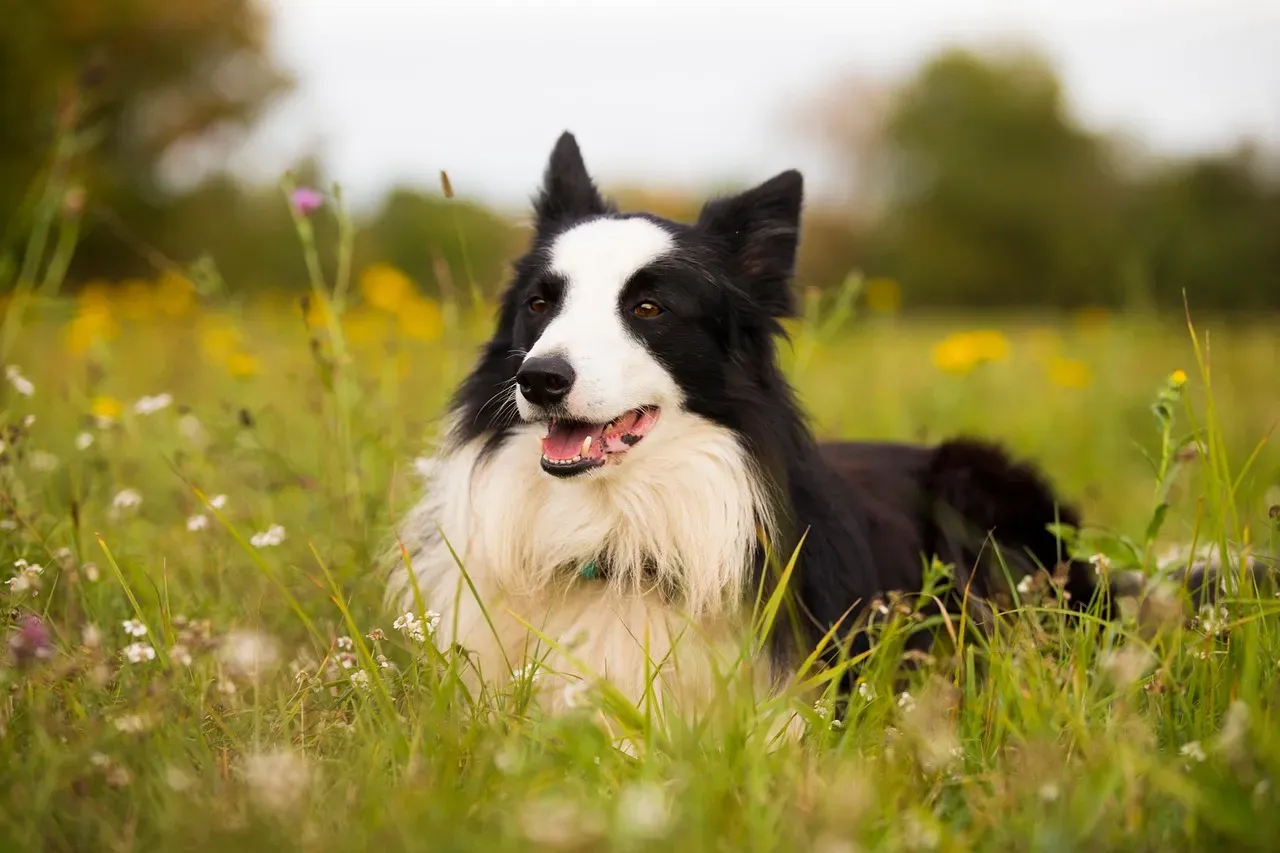
Border Collies are often hailed as the workaholics of the dog world, born to herd and organize, thriving when every day follows a predictable pattern, loving to know exactly when it’s time to walk, train, and play. Their incredible intelligence means they need mental stimulation constantly.
Without a routine, a Border Collie can quickly become bored, which may lead to mischief. Picture your couch cushions rearranged or your shoes mysteriously relocated. Regular activities, set feeding times, and consistent rules help them feel secure and focused, and owners often find that their Collie will even remind them if they’re late for a daily walk.
These dogs don’t just appreciate routine – they demand it. When you give a Border Collie structure, you unlock their happiest, most obedient self. They’re watching you, learning your patterns, and they’ll hold you accountable.
German Shepherd: The Tactical Thinker

German Shepherds are famous for their discipline and intelligence, and it’s no coincidence they excel as police and service dogs, feeling most at ease when they know what’s coming next. These dogs are built for structure.
Whether it’s patrols like walks, scheduled meals, or training drills, German Shepherds thrive when things are predictable and purposeful, and disrupting the routine brings confusion or at least a raised eyebrow. Their history as working dogs gives them an innate need for clear expectations.
Here’s the thing: a German Shepherd without routine may become anxious or develop behavioral issues. They want to know the plan. Feed them, walk them, and train them at consistent times, and you’ll have a calm, loyal companion who takes their responsibilities seriously.
Australian Shepherd: The Herding Perfectionist
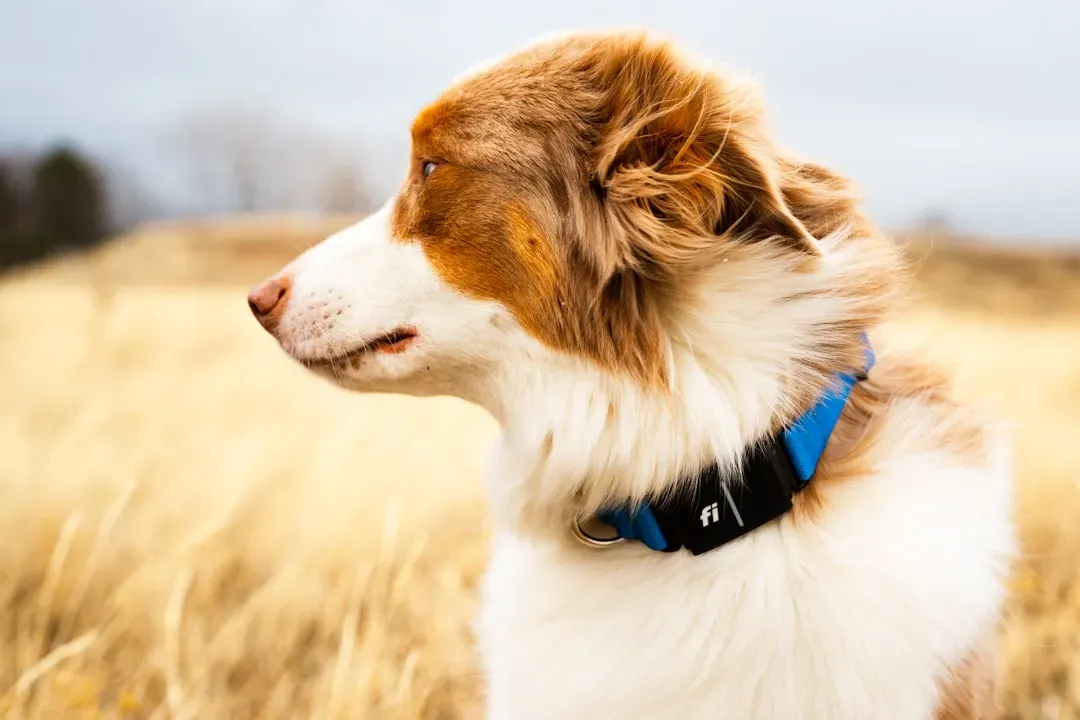
Australian Shepherds are natural herders with a deep love of structure, finding joy in having a job to do and knowing what’s expected of them each day, and without routine, an Aussie can become restless or even try to “herd” their family members to restore order.
Scheduled training, exercise, and play help keep their minds sharp and their spirits high. These dogs are problem solvers who need daily mental challenges. Let’s be real – an under-stimulated Aussie is a creative Aussie, and not always in ways you’ll appreciate.
They reward consistency with loyalty and enthusiasm. Give them a job within a predictable framework, and they’ll be the most focused, driven companion you could ask for.
Doberman Pinscher: The Sensitive Protector
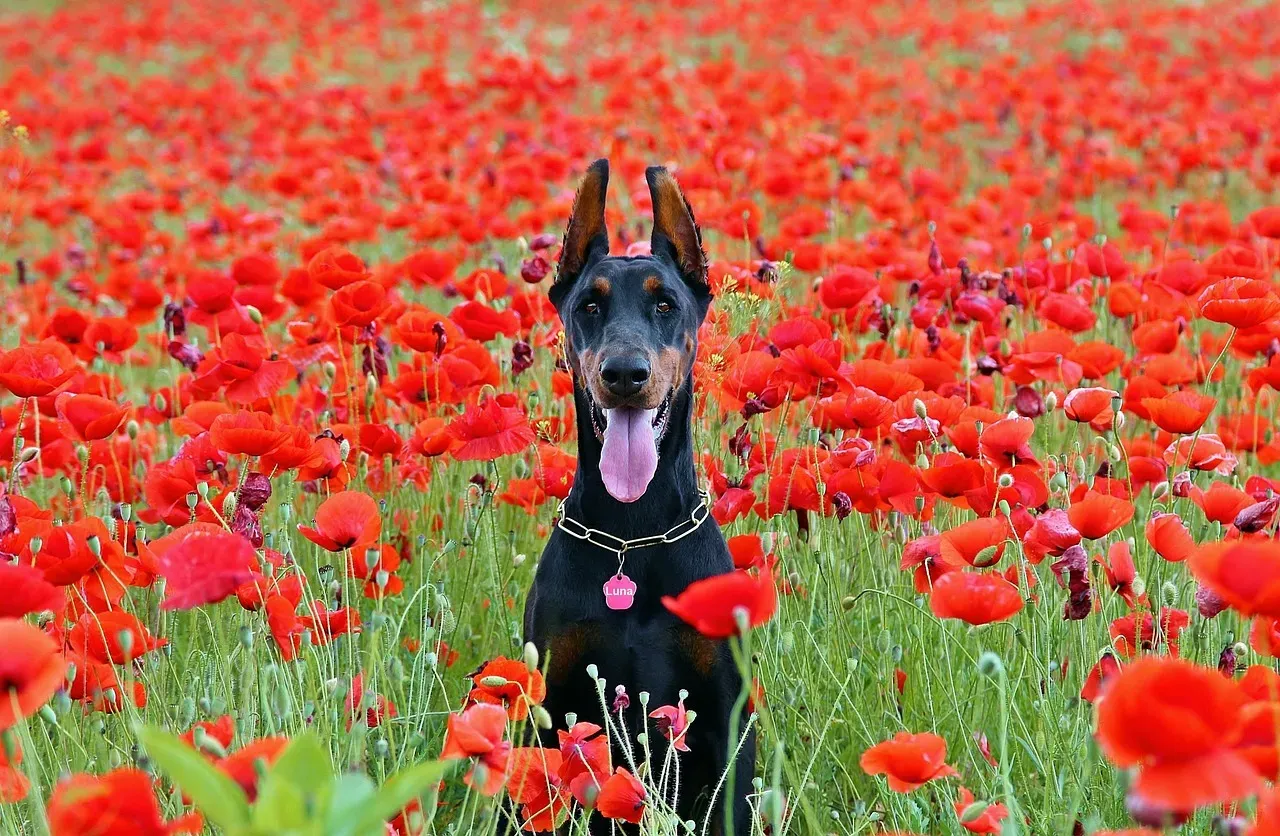
Dobermans are often misunderstood as aloof, but in reality, they are loyal dogs who find comfort in structure, thriving on routines that include exercise, training, and affection, and without a set schedule, they can become anxious or even develop behavioral issues.
Owners often find that their Doberman learns household routines quickly – sometimes even anticipating changes before they happen. These elegant protectors are highly intelligent and sensitive to shifts in their environment. I think people underestimate how emotionally attuned Dobermans really are.
Give a Doberman structure, and they’ll repay you with steady loyalty and calm confidence. Regular exercise, training sessions, and family bonding time provide them with a sense of purpose that keeps them balanced.
Rottweiler: The Predictability Lover

Rottweilers are confident, loyal, and surprisingly sensitive to changes in their environment, feeling safest when their world is predictable, and a structured day filled with regular training, exercise, and downtime helps a Rottweiler stay calm and happy.
Without routine, they may become anxious or overly protective, but owners who provide consistency find that their Rottweiler is not only well-behaved but also deeply bonded to the family. Routine gives these powerful dogs emotional security.
It might sound surprising for such a strong breed, yet Rottweilers truly need that daily rhythm to feel grounded. When life is predictable, they’re gentle giants who know their place in the family.
Sheltie: The Creature of Habit
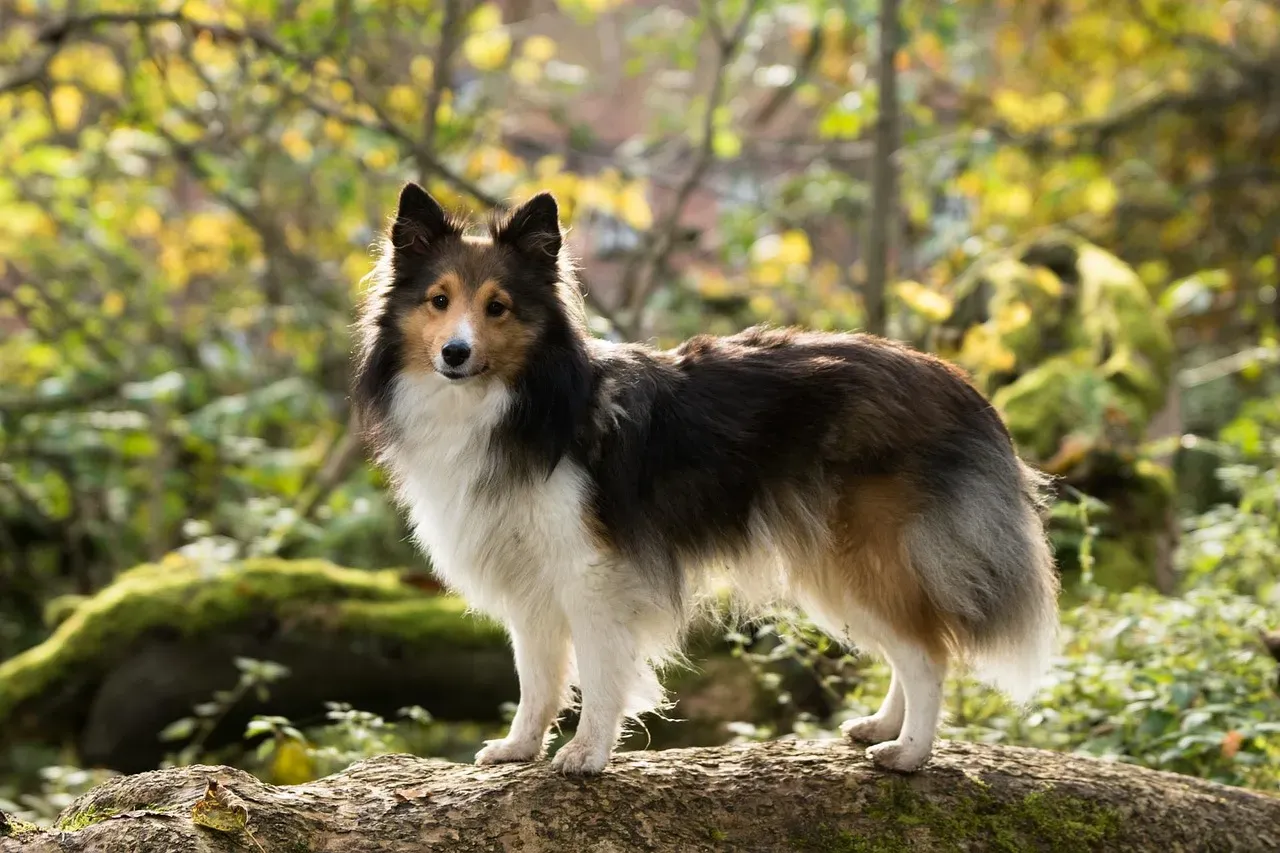
The Sheltie is a small dog with a big preference for routine, intelligent and sensitive, often forming deep attachments to their family’s habits, and change can make a Sheltie uneasy, but consistency brings out their best traits.
Daily walks, set training times, and regular meals help them feel safe and content, and Shelties are known to excel in dog sports, thanks to their love of structure and order. These dogs practically live by the clock.
If you’re someone who likes to plan ahead, a Sheltie will fit perfectly into your organized lifestyle. They notice even the smallest deviations from the schedule and aren’t shy about letting you know when something’s off.
Miniature Schnauzer: The Pocket-Sized Scheduler
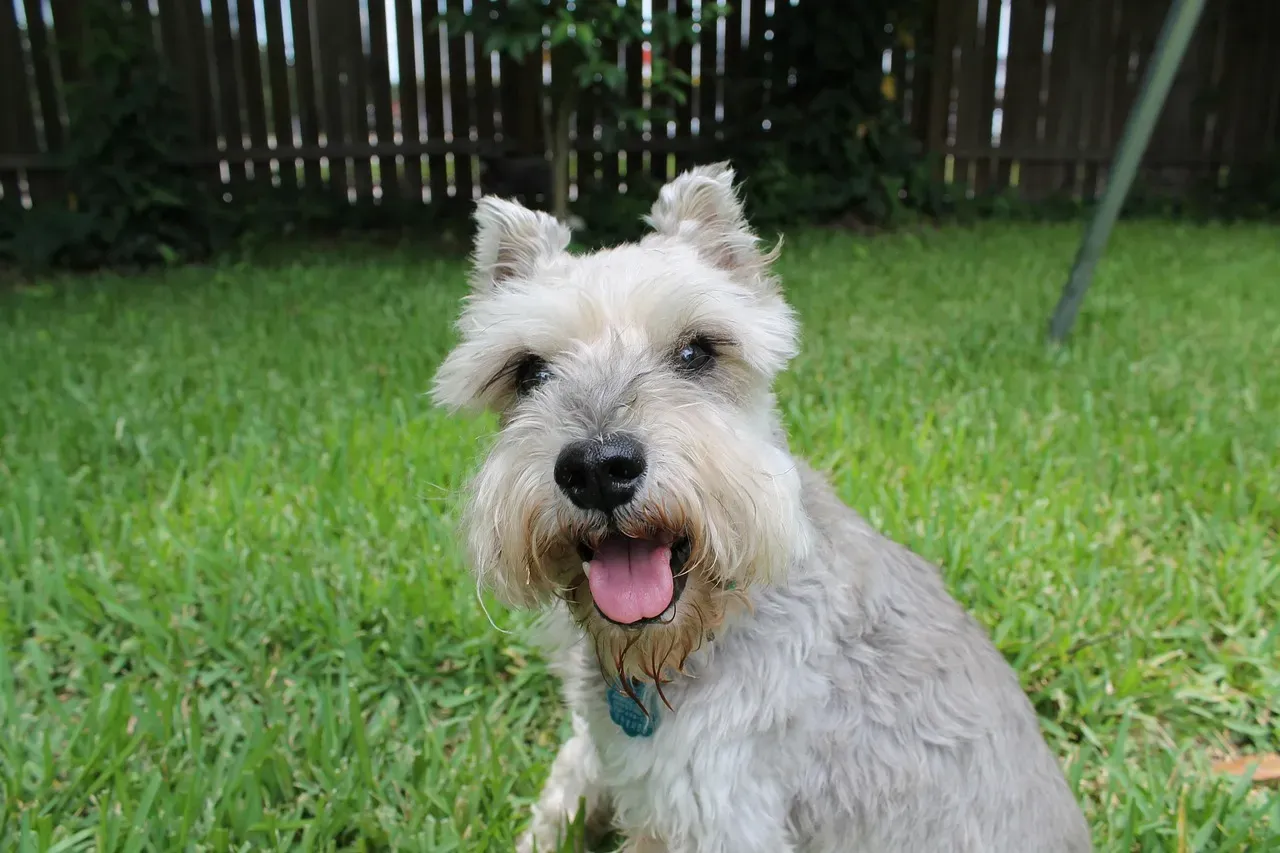
Miniature Schnauzers might be small, but they have a strong need for consistency, quickly learning the household schedule and depending on it for their sense of security, and changes in routine can leave a Schnauzer feeling unsettled.
They love knowing when it’s time for their walk, meal, or cuddle session, and by sticking to a routine, owners can help these dogs stay calm and well-behaved. These alert, lively dogs are surprisingly bossy about their schedules.
Don’t let their small size fool you. Miniature Schnauzers take their routines seriously and will remind you if you’ve forgotten a step.
Labrador Retriever: The Structured Enthusiast

Labrador Retrievers are known for their friendly and adaptable nature, making them one of the most popular dog breeds worldwide, but they also thrive on routine and consistency, being very responsive to training and doing well when they know what to expect from their day, enjoying a structured daily schedule that includes regular walks, playtime, and training sessions.
Both need plenty of exercise – at least an hour a day – and Labs tend to need more intense activity, like running or playing fetch. They may seem easygoing, yet underneath that waggy tail is a dog who really appreciates knowing what comes next.
Labs are food-driven and incredibly trainable, which makes establishing feeding routines especially effective. When they know the plan, they’re happy, calm, and focused companions.
Golden Retriever: The Gentle Routine Seeker

Golden Retrievers are one of the most well-loved breeds due to their loyal and gentle nature, not only affectionate and intelligent but also thriving in environments that offer consistency, responding very well to daily routines and becoming more balanced when their day is structured, looking forward to their regular walks, meal times, and play sessions.
You want a dog that thrives on routine, closeness, and cuddles. Goldens are emotionally intuitive and form deep bonds with their families. That sensitivity means they notice when things feel off.
While they’re adaptable, they’re happiest when life follows a familiar rhythm. Regular routines help them feel secure and bring out their naturally sweet temperament.
Beagle: The Spontaneous Sniffer

Now we shift gears. Beagles are curious, social, and surprisingly adaptable for a breed with a nose that tends to get them into trouble, happy to live in an apartment, a house with a yard, or even nomadic van life as long as they’re with their people and getting a little stimulation, and they’re just as content lounging on the couch as they are sniffing out every leaf on the walking route.
Beagles mesh well with other pets and kids, making them a top choice for families with unpredictable schedules. Their flexibility comes from their easygoing nature. Sure, they appreciate routine, but they won’t fall apart if dinner is late or the walk happens at a different time.
These scent hounds are driven by their noses and curiosity, which means they’re often too distracted to worry about whether life is following a strict schedule.
Cavalier King Charles Spaniel: The Go-With-The-Flow Companion

These dogs are the literal embodiment of “go with the flow,” with Cavaliers being affectionate and low-maintenance, equally satisfied by an all-day cuddle fest or a spontaneous road trip, and their calm demeanor and natural sociability make them wonderful companions for laid-back lifestyles and busy households, not needing rigid schedules to stay sane.
They want love, snacks, and maybe a lap to drape themselves across like royalty. Cavaliers are adaptable little souls who just want to be near you, regardless of what the day holds. It’s hard to say for sure, but I think their royal lineage might have something to do with their ability to adapt to any environment.
Whether your routine is predictable or chaotic, a Cavalier will adjust beautifully as long as they’re included.
Poodle: The Flexible Genius
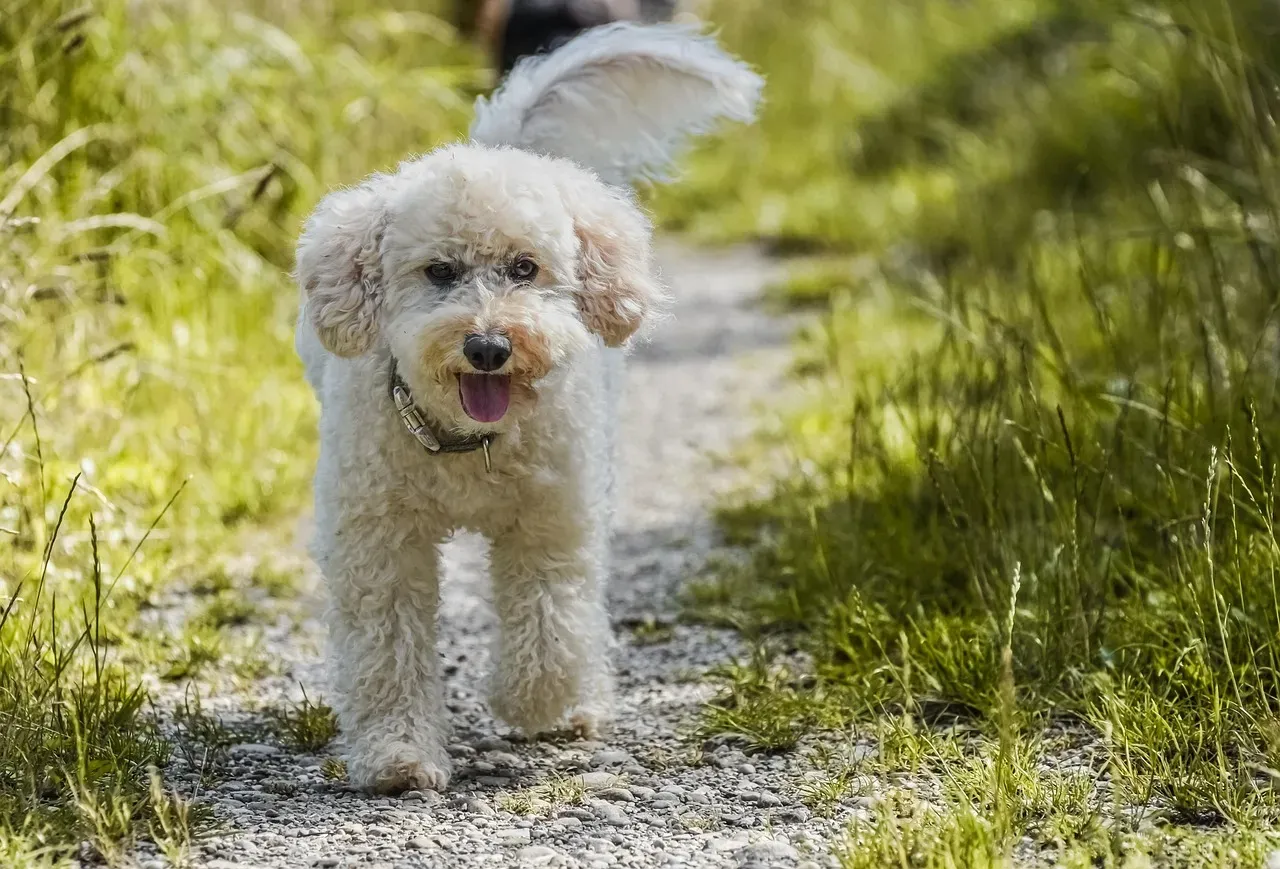
Don’t let the perfectly sculpted curls fool you – Poodles are highly intelligent, active, and impressively flexible, and whether a toy, miniature, or standard, this breed quickly adjusts to your pace and preferences. Poodles are smart enough to thrive within structure but resilient enough to handle variety.
They’re problem solvers who can adapt to apartment living, active outdoor lifestyles, or anything in between. Their intelligence means they don’t rely on rigid routines to feel secure – they’re confident navigating different situations.
Poodles love mental challenges and new experiences. While they appreciate consistency, they’re equally happy with variety as long as they’re mentally engaged.
Bichon Frise: The Cheerful Diplomat
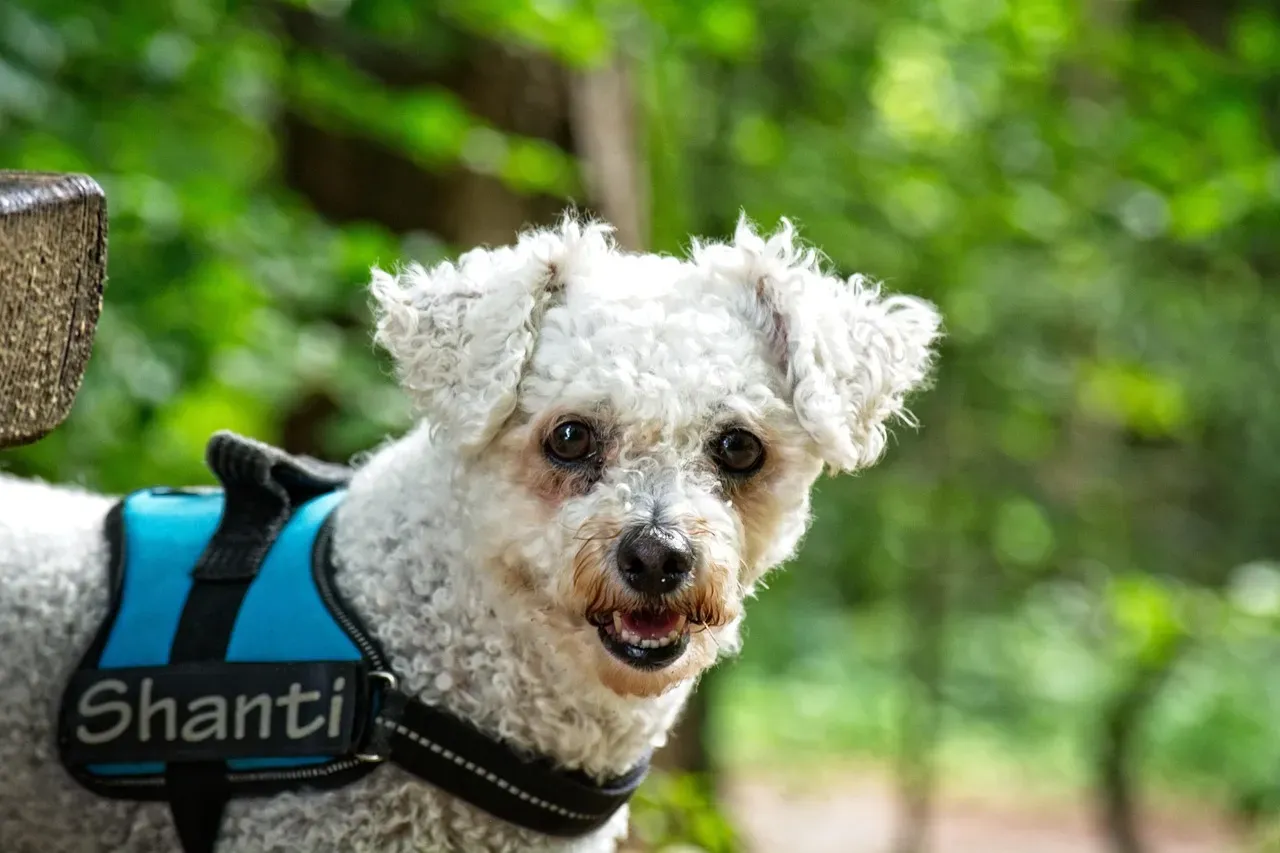
This breed is a marshmallow with legs and also one of the most adaptable companions, with Bichon Frises being cheerful, charming, and exceptionally resilient to changes in routine, rolling with it like a tiny, fluffy diplomat whether you’re late for dinner or traveling across time zones.
They get along with other animals, children, strangers, and even those weird vacuum robots, and since they’re hypoallergenic, they’ll fit into your life without triggering allergies or drama. These little charmers are incredibly easygoing.
Bichons bring sunshine wherever they go, and their flexible nature means they’re perfect for people whose schedules vary widely. They just want to be part of the fun.
Why Routine Matters (Or Doesn’t)
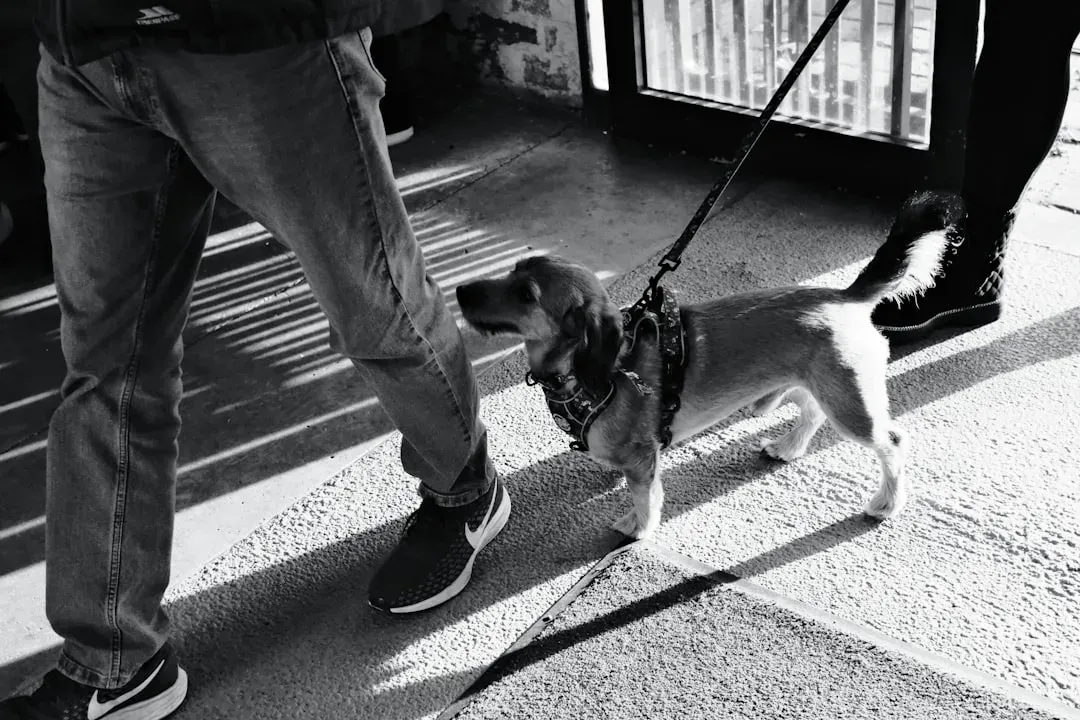
For dogs, life is all about stability, comfort, and predictability, and while humans may thrive on variety, most dogs are at their happiest when they know what to expect each day, with establishing a routine playing a critical role in shaping your dog’s behavior, mental well-being, and overall happiness, providing structure that helps dogs feel secure and confident in their world.
Dogs thrive on consistency and benefit from knowing what to expect, and routines can support every aspect of your relationship with your dog, from house training to grooming to preventing some behavioral challenges and boosting canine confidence. Think of routine as a language your dog understands – it tells them they’re safe and cared for.
Yet not all dogs need the same level of structure. Some breeds feel anxious without predictability, while others adapt beautifully to whatever life brings. Understanding your dog’s individual needs is key to building a relationship based on trust and security.
Conclusion: Finding Your Dog’s Rhythm
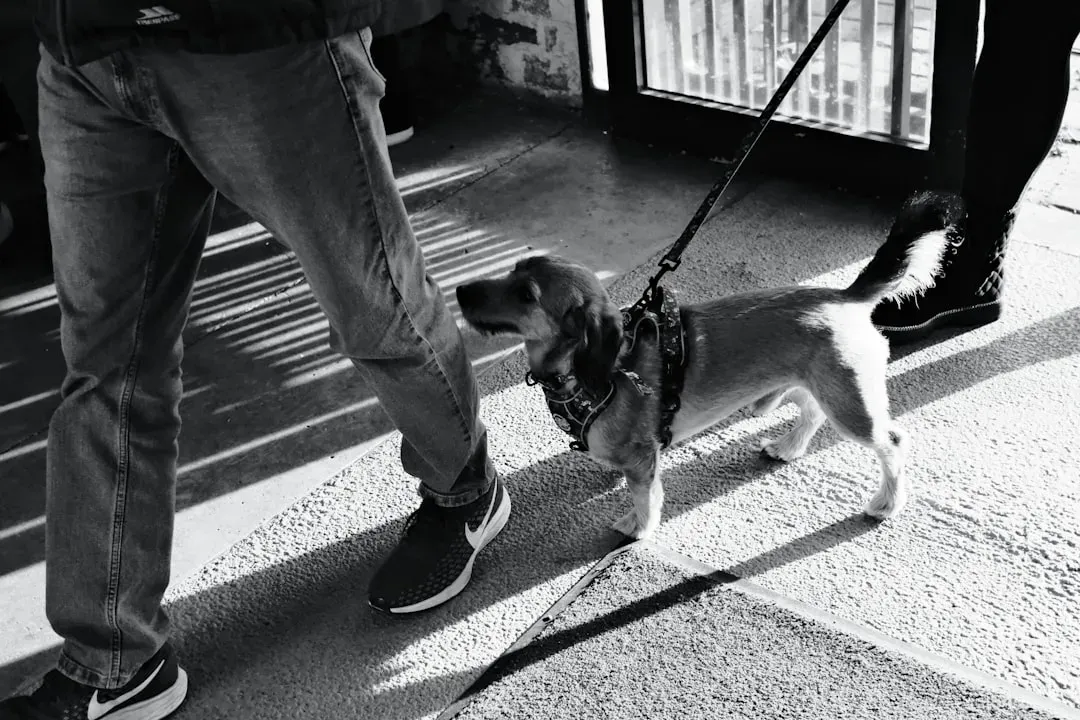
Whether your dog is a schedule-obsessed Border Collie or a spontaneous Bichon Frise, understanding their needs makes all the difference. Routine-loving breeds find comfort in predictability – it reduces anxiety, improves behavior, and gives them a sense of purpose. Spontaneous breeds, meanwhile, thrive on flexibility and adapt beautifully to life’s surprises.
The beautiful thing is that neither approach is better or worse – they’re just different. Your job as a dog owner is to observe your pup, recognize their personality, and create an environment where they feel most at home. Some dogs need their breakfast at seven sharp; others are fine with whenever you get around to it.
What kind of dog do you have – a creature of habit or a free spirit? Think about it, and you might just realize your daily routine (or lack thereof) is already telling you everything you need to know.


