

You come home after the worst day imaginable. No words, no explanation. You drop your bag and slump onto the couch. Within seconds, your dog is there. Head on your lap. Eyes soft and searching. It feels like magic, but honestly? It’s science. Dogs have been quietly reading human emotions for thousands of years, and some breeds have taken that gift to a whole other level.
In recent years, this remarkable hunch held by dog lovers everywhere has been backed by solid scientific research. Studies confirm that dogs use three main senses – sight, smell, and hearing – to determine human emotions. That loyal, knowing gaze your dog gives you when you’re struggling? It’s not coincidence. It’s instinct. And certain breeds carry that instinct more deeply than others. Let’s dive in.
The Science Behind the Gift: Why Dogs Really Do “Feel” You
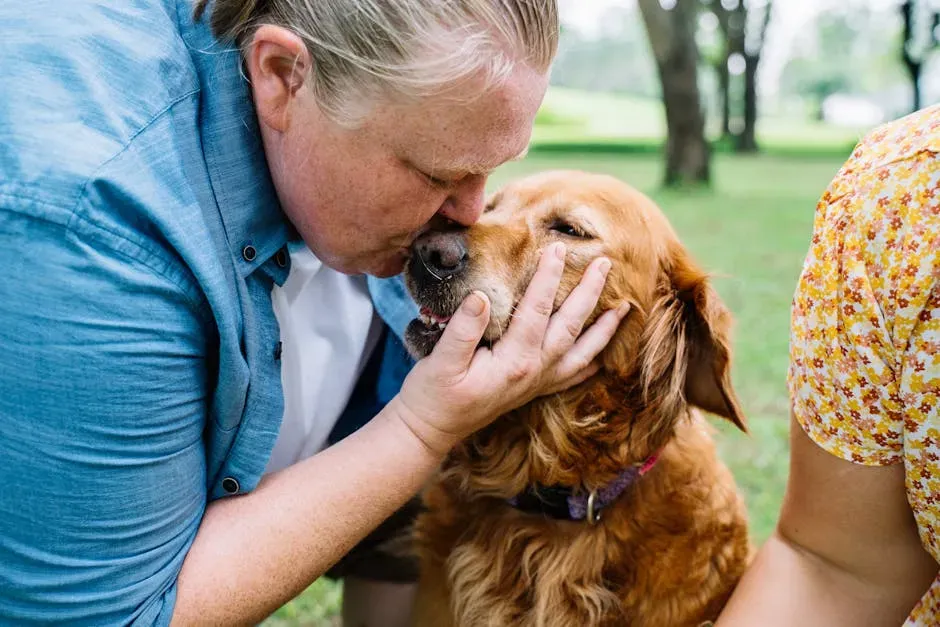
Here’s the thing most people don’t realize: your dog isn’t guessing at your mood. Dogs can tell the difference between emotions shown through body language, facial expressions, tone of voice, and even smell. These emotional signals don’t just register with dogs – they can actually change how dogs behave. Think about that for a second. Your posture on a Monday morning is basically a news broadcast your dog is already watching.
Dogs respond not just to any sound, but to the emotional tone of your voice. Brain scans reveal that emotionally charged sounds – a laugh, a cry, an angry shout – activate dogs’ auditory cortex and the amygdala, a part of the brain involved in processing emotions. It’s not shallow observation. It’s neurological. Deep, biological wiring connects your dog’s brain directly to your emotional state.
Dogs also use their acute sense of smell to detect hormonal changes in us, which helps them understand how we’re feeling. When we’re stressed, we release cortisol, and dogs can actually sense this. So before you even register your own anxiety, your dog has already clocked it. That’s not just impressive. That’s humbling.
The most remarkable discovery in canine-human bonding may be the chemical connection we share. When dogs and humans make gentle eye contact, both partners experience a surge of oxytocin, often dubbed the “love hormone.” In one study, owners who held long mutual gazes with their dogs had significantly higher oxytocin levels afterwards – and so did their dogs.
The Golden Retriever: Your Home’s Resident Emotional Barometer

If emotional intelligence had a mascot, it would wear a golden coat. Golden Retrievers are famously sensitive to the mood of their household. They possess a very natural “emotional radar” that allows them to detect tension or grief immediately. Since they have such a gentle temperament, they are frequently utilized as therapy dogs. I think it’s that combination of gentleness and awareness that makes them feel almost human at times.
Golden Retrievers have a level of emotional intelligence that allows them to sense moods and quietly act in comfort. In everyday life, a Golden might walk in and place its head gently on your lap, or quietly stay at your feet when you’re feeling down. Because they thrive on human companionship and love being included in family moments, many owners say their Golden feels like a true family member.
Hospitals and therapy centres often use Golden Retrievers as therapy dogs because this breed accounts for thousands of certified “comfort-canine” teams thanks to their emotional sensitivity. That’s not just reputation. That’s a real-world track record.
To care well for a Golden’s emotional nature, keep their days structured and rich with human interaction. These dogs don’t do well with isolation. They mirror your life, so the calmer and more connected your home, the more they flourish.
The Labrador Retriever: The Empath Who Never Gives Up On You

Labs are the kind of dogs that make you feel like everything is going to be okay, even when logic says otherwise. Labrador Retrievers are often called nature’s empath because they sense human moods and respond with tenderness. These dogs are friendly, outgoing, and deeply people-oriented, making them ideal companions in everyday life.
Their true gift is emotional intuition. Labs pick up on distress signals quickly and answer with calm, steady comfort. They’ll nudge your hand when you’re sad, bring a toy to break the tension, or curl up close like living reassurance. This empathy makes them one of the most popular service and rescue dogs.
Labs seem to read energy effortlessly. If you’re cheerful, they’re ready to chase a ball. If you’re quiet and reflective, they’ll curl up beside you and offer calm presence. Their eyes stay locked on yours, as if tracking every shift in tone, body language, or breathing. Let’s be real, that kind of presence is a gift most humans struggle to offer.
One practical note: Labs are deeply sensitive to their owner’s stress, which means a chaotic household or an owner dealing with prolonged anxiety can cause them to internalize tension. Regular walks, playtime, and a calm environment are not just good for Labs physically. They’re emotionally essential.
The Border Collie: The Emotional Detective in a Fur Coat
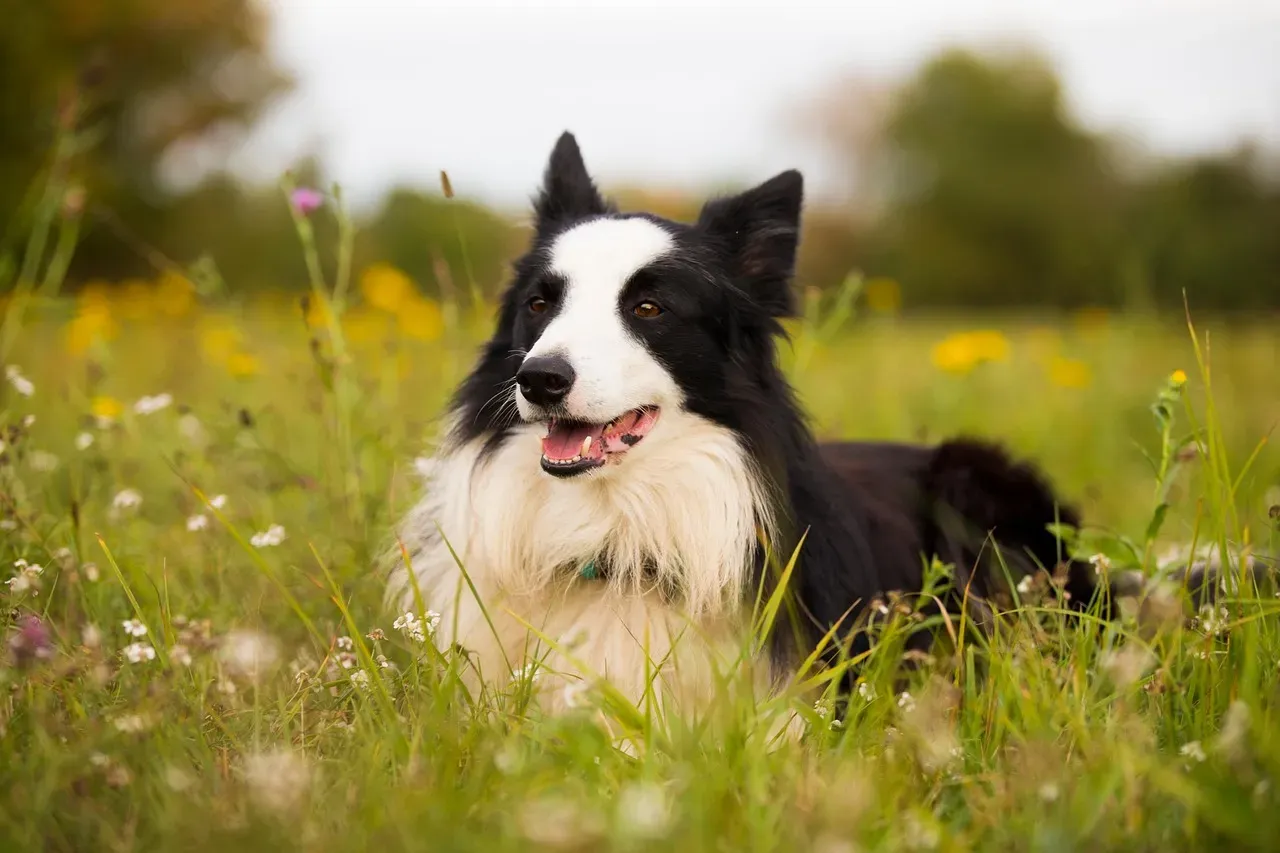
Border Collies are almost unsettling in how precisely they track you. Border Collies are like emotional detectives in a fur coat. They’re ultra sensitive to changes in mood and silently adjust their behavior to match yours. They don’t miss a thing. Your slumped shoulders on a hard day. Your tight jaw when you’re stressed. They notice all of it.
Border Collies watch you closely, reading every gesture and tone. If you’re frustrated or tense, they may redirect your energy through play or a quick training session. If you’re calm and peaceful, they settle into that rhythm too. Think of them as an emotional mirror with four legs and a herding instinct.
Harsh treatment in training or raised voices can genuinely hurt their feelings, often causing them to withdraw. They are a treat to train for any kind of work. Positive reinforcement methods work best on Border Collies.
Their sensitive nature means they respond best to positive reinforcement training, and harsh methods can cause anxiety. They are also reactive to loud noises, which can make thunderstorms or fireworks particularly stressful for them. If you share your life with a Border Collie, create predictability. Routine is their emotional anchor.
The Cavalier King Charles Spaniel: The Tiny Dog With a Heart Bigger Than the Room

Don’t let the size fool you. These little dogs carry enormous emotional intelligence in a compact, silky package. Cavalier King Charles Spaniels are well-known for their affectionate and empathetic nature. They are extremely sensitive to the emotions of their owners and are known to be very attuned to the mood in their environment. Cavaliers often mirror the emotions of their owners, offering cuddles and comfort when they sense sadness or distress.
Let’s be honest about something very special about them: the Cavalier King Charles Spaniel is very sensitive to sadness. They lean in when you need them, without drama or demand. Their small size and gentle approach make them ideal for being close companions, often found sitting on laps or lying beside their owners to provide comfort. This breed’s loving and intuitive nature makes them particularly good at understanding and responding to human emotional cues, making them excellent emotional support animals.
Cavaliers thrive in calm, nurturing homes. While their sensitivity makes them incredibly intuitive and loving companions, it also means they need gentle handling, consistent reassurance, and a peaceful environment to truly flourish. Loud, unpredictable environments can genuinely unsettle them. They give you so much emotionally, and they deserve the same care in return.
Conclusion: Your Dog Already Knows. Now It’s Your Turn.

There’s something quietly profound about living alongside a creature who reads you without needing an explanation. Dogs excel at picking up on what you’re projecting and responding accordingly. They may not read our minds, but by reading our behaviour and feelings, they meet us emotionally in a way few other animals can.
The breeds explored here – the Golden, the Lab, the Border Collie, the Cavalier – are not unique in loving you. They’re exceptional in understanding you. Emotionally sensitive breeds are intuitively able to read and feel emotions around them, and they often respond in ways that support the well-being of the humans around them. These breeds bring a unique sort of depth to human companionship. Their sensitivity can be both a gift and a responsibility.
The relationship you build with an emotionally intuitive dog is one of the most reciprocal things in life. They tune into you. Now tune into them. Notice their cues, protect their peace, and honor the bond. Because the dog curled at your feet right now? They already know how you’re feeling. The question is, do you know how they’re feeling too? Drop your thoughts in the comments – we’d love to hear about your own emotionally brilliant dog.


