

Have you ever watched your dog tilt their head at a familiar sound or wag their tail at a certain spot in the park? It’s not just random—it’s memory at work. Dogs remember more than we sometimes realize, and those memories can be heartwarming or heartbreaking. As someone who’s spent years surrounded by furry friends, I’ve witnessed the power of a dog’s memory, from the joyful leaps at reunion to the quiet flinches at forgotten hurts. Let’s dig into what sticks with our pups forever, and how we can make sure their memories are as happy as possible.
The Power of First Impressions

A dog’s first experiences with people, animals, or even certain places can shape their behavior for life. Many pups never forget the first kind hand that stroked their fur, or sadly, the first harsh word they heard. If you’ve ever adopted a rescue, you might notice how they respond differently to new faces—sometimes with excitement, sometimes with caution.
Behavioral cues like cowering, barking, or immediate affection are often rooted in these first meetings. To create positive first impressions, keep greetings calm and gentle. If your dog seems nervous, give them space and comfort; trust is built slowly, but it’s worth every moment.
The Lasting Impact of Trauma
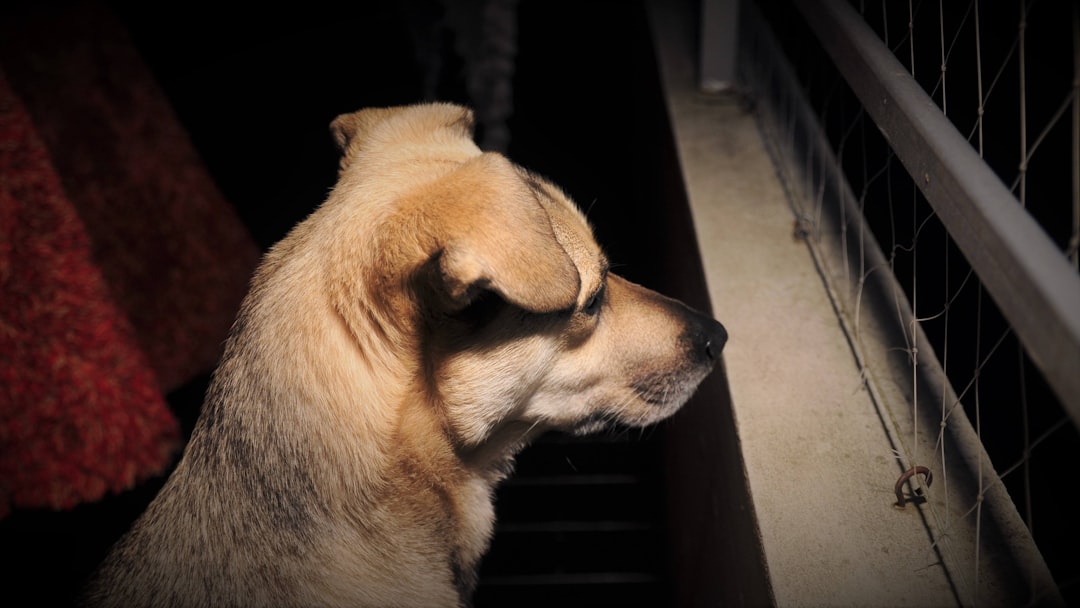
Dogs don’t just “get over” bad things. Trauma—whether from abuse, neglect, or even a scary storm—can stay with a dog for years. You might see signs like trembling, hiding, or a sudden aversion to certain objects or noises. It’s heartbreaking to witness, but it’s a real part of their memory.
Healing takes patience. Offer a predictable routine, treats for bravery, and tons of gentle encouragement. For some, professional help from a trainer or behaviorist is key. Remember, a dog’s fear isn’t stubbornness—it’s a memory trying to protect them.
Unforgettable Bonds With People
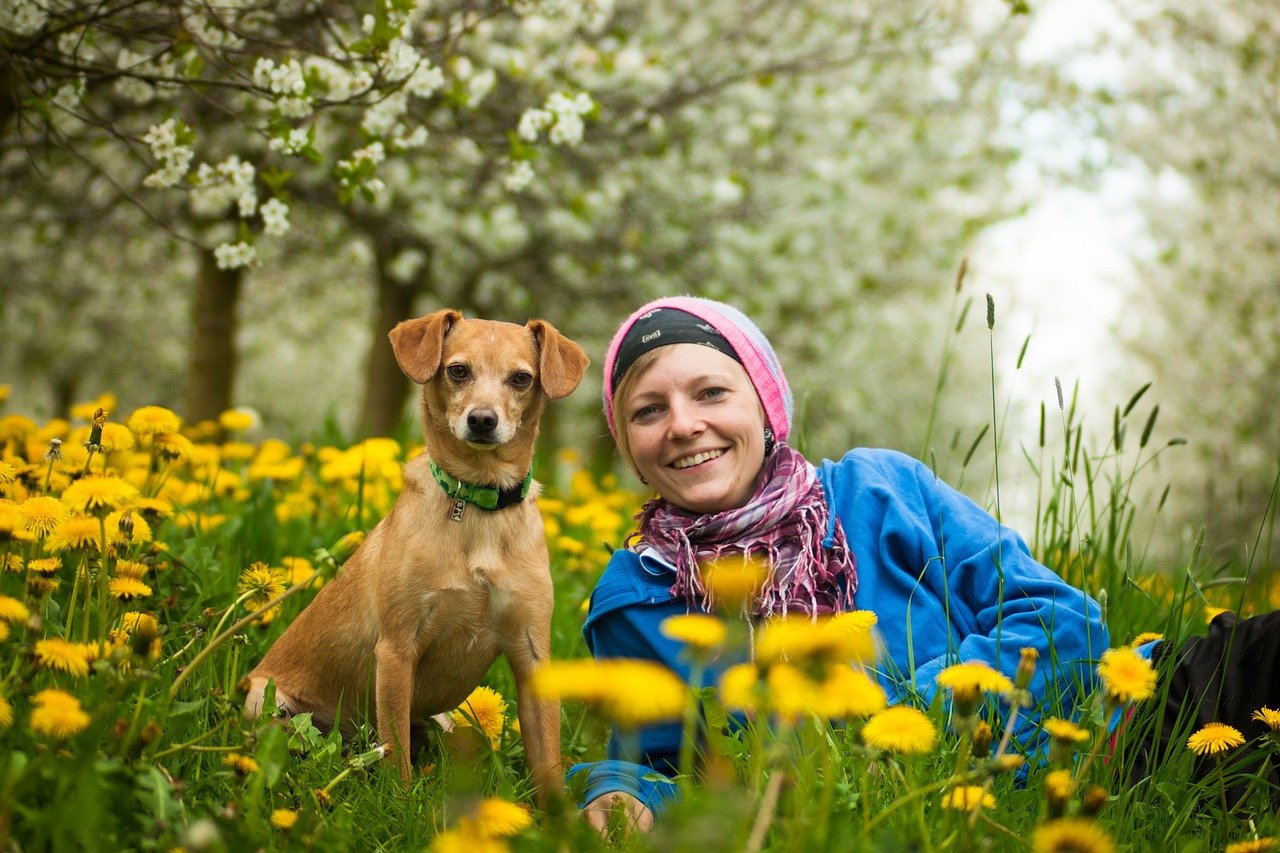
Once a dog loves you, they rarely forget you—no matter how long you’re apart. Stories abound of dogs recognizing their humans after years apart, leaping into their arms with sheer joy. It’s not just fairy tales; dogs truly form emotional attachments that last a lifetime.
Look for cues like excited tail wags, “smiling” faces, and following you from room to room. Strengthening your bond is as simple as quality time, shared adventures, and a steady supply of belly rubs. Your love becomes a core memory they carry forever.
Joyful Memories of Play and Adventure
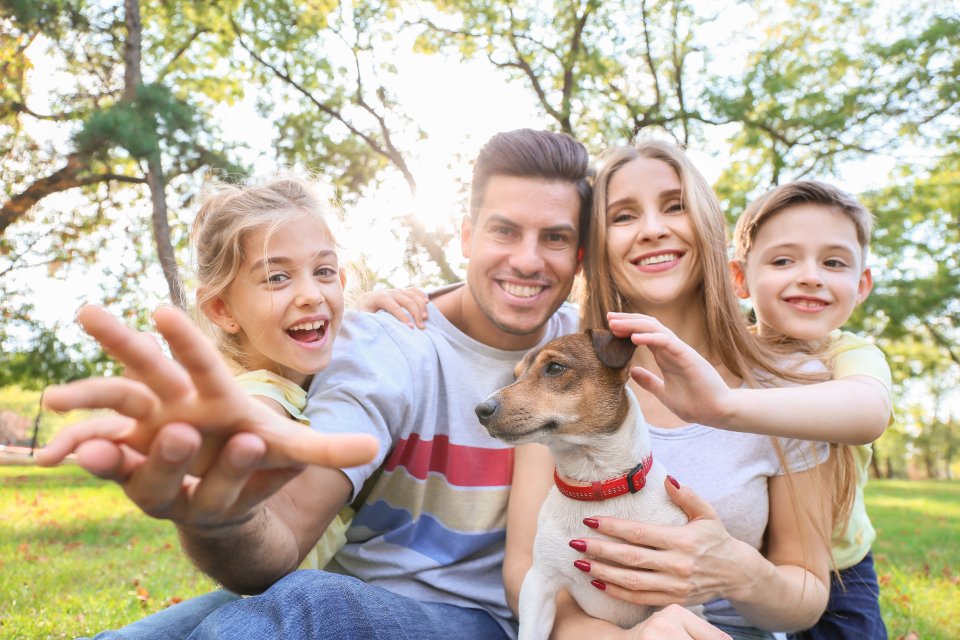
Dogs remember their favorite games, walks, and playmates. Ever notice your pup getting giddy at the sight of a familiar ball or a certain park bench? These are the moments they cherish and expect to repeat—sometimes with hilarious, puppy-like enthusiasm.
Creating new adventures keeps their minds sharp and hearts happy. Switch up your walking route, introduce novel toys, or schedule playdates with canine pals. These positive memories enrich your dog’s life and deepen your connection.
Not-So-Good Encounters With Other Animals
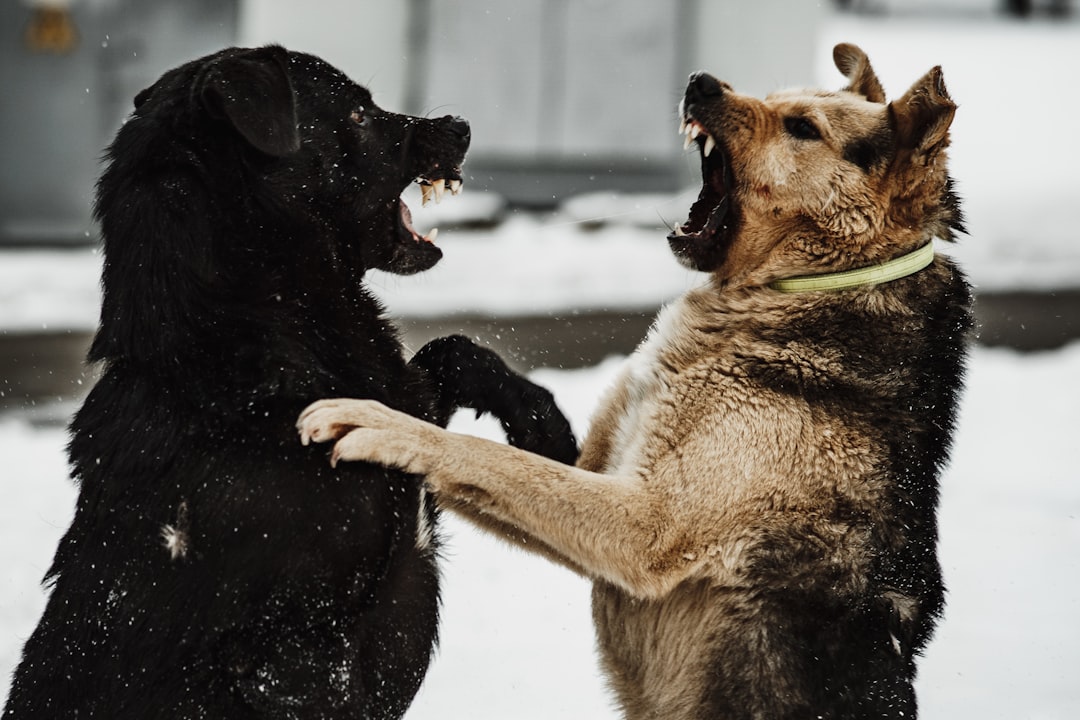
One bad run-in with another dog or even a squirrel can stick with your pup for years. Aggressive encounters may cause lasting fear or reactivity, making future walks or social outings stressful for everyone.
Watch for signs like barking, lunging, or avoiding certain areas. Prevention is best: keep introductions slow, use positive reinforcement, and never force interactions. If trouble arises, calmly remove your dog and try to end the day on a positive note.
Memories Tied to Pain or Illness

Dogs remember unpleasant trips to the vet, painful injuries, or even the sound of medicine bottles. These memories can trigger anxiety during future visits or treatments—just like us dreading the dentist after a bad experience.
You can help by making health routines positive. Bring treats to the vet, keep your tone upbeat, and reward calm behavior. If anxiety persists, ask your vet about desensitization techniques or calming aids. Small changes can make a big difference.
Routine and Familiar Places

A dog’s memory thrives on routine. They remember the sound of your car, the jingle of their leash, or the exact spot where treats are kept. Even small changes can throw them off, causing stress or confusion.
Whenever you need to change routines—like moving house or altering feeding times—do it gradually. Offer extra comfort, stick to familiar cues, and keep their favorite things close. This helps them adjust and creates new, positive associations.
The Scent of Home—and Loss
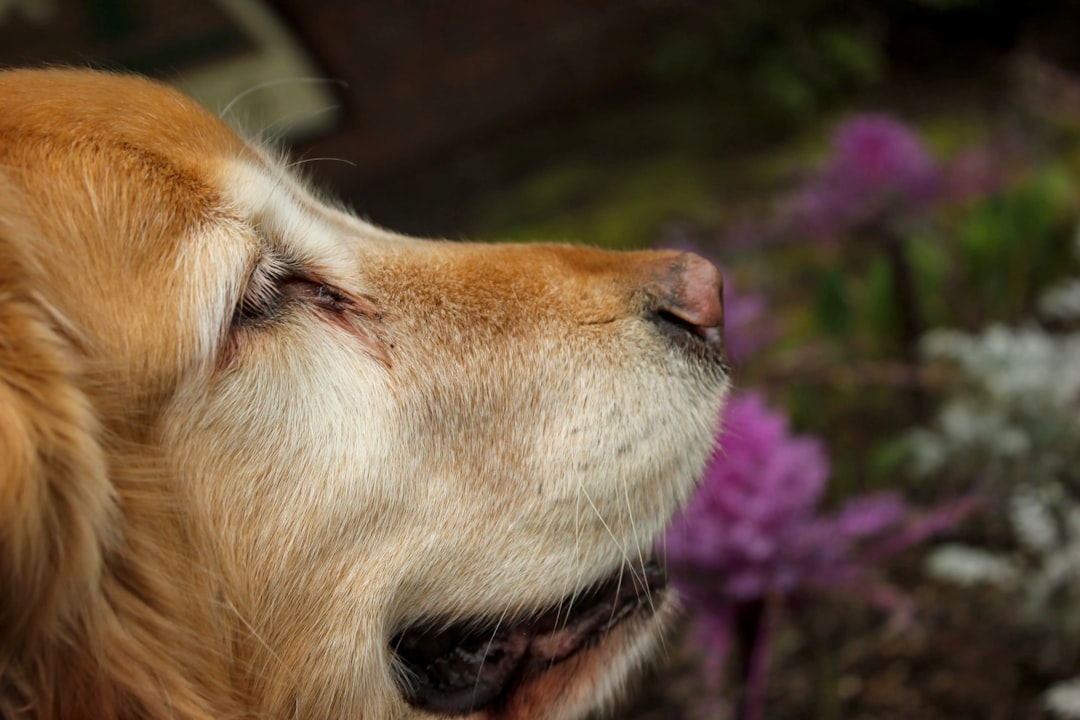
Dogs experience the world through their noses, and scents are among their most powerful memories. They remember the smell of loved ones, favorite blankets, and even lost companions. A change in scent, like a family member leaving, can trigger grief or anxiety.
To comfort your dog during transitions, provide familiar-smelling items and extra affection. If grieving a loss, keep routines steady and watch for signs of depression. A little patience and love help them navigate these emotional memories.


