
You know your dog better than anyone else. You’ve memorized every quirk, every tail wag, every silly sleeping position. So when they suddenly start acting up, your first instinct might be to chalk it up to bad behavior or maybe blame that neighbor’s cat for causing mischief. They’re refusing to come when called. Growling when you reach toward them. Snapping at the kids.
Here’s the thing though. That “naughty” behavior might not be naughtiness at all. Dogs cannot verbally communicate their pain, so they speak through their actions instead. What looks like defiance or aggression could actually be your dog’s desperate way of saying, “Please, something hurts.”
When Bad Behavior Is Actually a Pain Signal
Let’s be real about this. Animals hide pain as a behavior developed long ago in the evolutionary process to protect themselves from predators during times of injury or sickness, and this adaptive advantage has remained ingrained in our pets to this day. It’s hard to say for sure, but your sweet pup might be suffering in silence right now.
Signs indicating that your dog is suffering from chronic pain are not as obvious, and may be mistaken for a behavior issue. That dog who suddenly refuses to jump into the car? The one who’s been withdrawing from family cuddle sessions? They might not be stubborn or moody. They might be hurting and trying their best not to show it.
Vocalizing, or crying out, is actually quite uncommon with chronic pain, as the pain is a constant, normalizing the condition, so most dogs won’t cry or whimper unless the pain is quite severe or of a sudden, acute onset. This is why owners often miss the early warning signs entirely.
The Shocking Connection Between Pain and Aggression
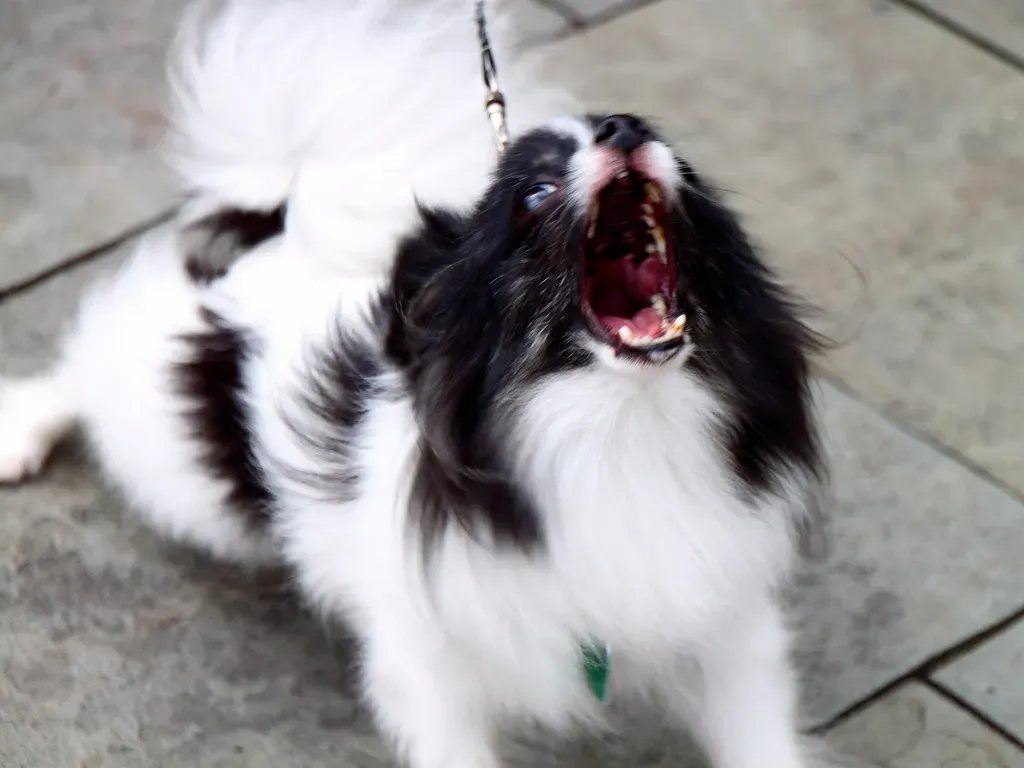
Picture this. Your normally gentle dog suddenly growls when you try to pet their hip. Or maybe they’ve snapped at your hand when you reached for their collar. Honestly, it’s terrifying and confusing. A sudden onset of aggressive behavior can be one of the most severe and misunderstood signs of pain in dogs.
Hip dysplasia was the most common cause of pain in pain-related aggression cases. The connection runs deeper than just a defensive reaction, too. Chronic pain enhances the intensity of behavior through prolonged activation of stress responses, and the stress response associated with pain can lead to a reduction in serotonin activity, which can be linked to aggressive behavior in dogs.
Think about it this way. When you have a pounding headache or a strained back, you probably get a bit snappy with people around you, right? Dogs are no different. Pain-elicited aggression is displayed when a dog is in some kind of pain and wants to keep people from touching or handling them due to their discomfort or even just the fear of increased pain.
Subtle Signs Your Dog Is Hiding Discomfort
Behavioral changes due to pain often develop gradually, so being attentive to your dog’s daily habits is key. You might notice your pup hesitating before climbing stairs they used to bound up. Maybe they’re sleeping in different positions or shifting their weight oddly when they sit.
Signs of pain include altered posture such as holding an arched back or positioning their tail abnormally, stiffness or limping, and trouble moving like difficulty sitting, climbing stairs, or getting up from a resting position. These changes can be so gradual that you might not even realize something’s wrong until the behavior becomes extreme.
Dogs in pain often sleep more as they try to heal, or it might even be difficult for them to move around and be active. Watch for restlessness too. If your dog is pacing back and forth repeatedly, has difficulty getting comfortable, or is sleeping a lot less, there could be an underlying issue.
Why Movement Changes Tell a Bigger Story
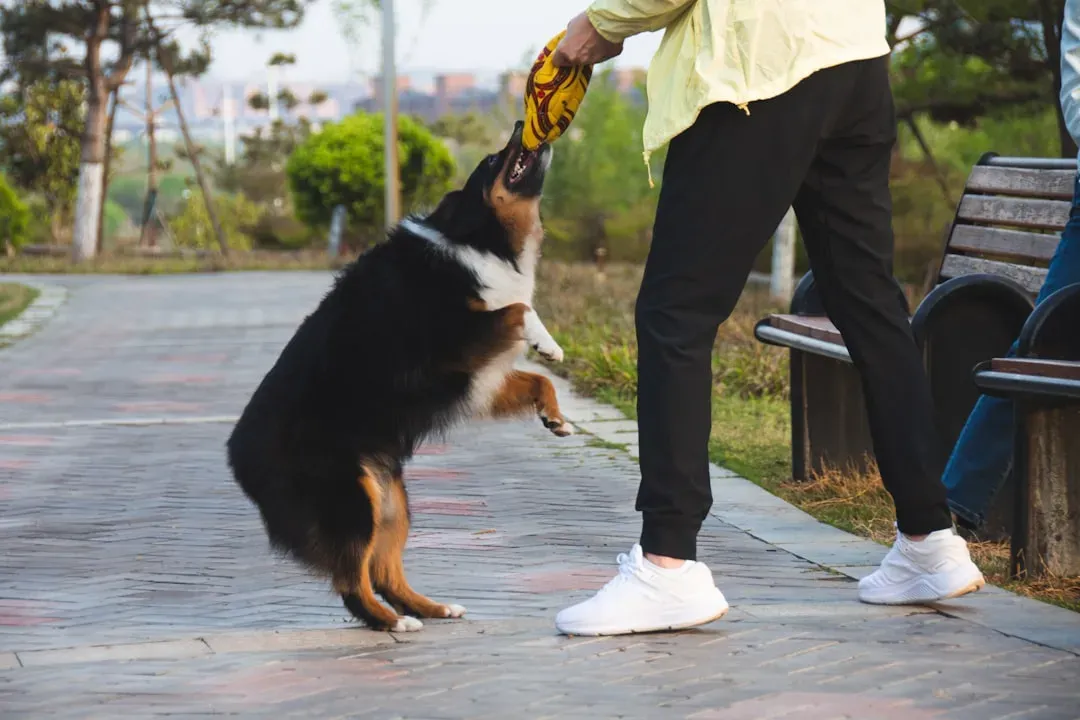
Movement is where pain really shows itself. Most of the behavioral changes reported by owners were related to movement-based behaviors observed in day-to-day activities. Your dog isn’t being lazy when they refuse to go for their usual walk. They’re probably trying to avoid the pain that comes with it.
The first sign may be your dog shows a bit of stiffness when they first get up after resting, and in the early stages, the stiffness will diminish quickly with activity as they warm up, but they may have more difficulty getting their rear end up when they try to rise from the floor. Maybe they’re lagging behind on walks or slipping more on smooth floors.
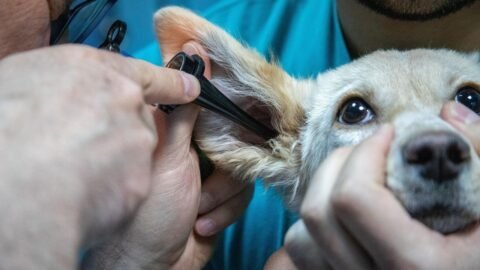
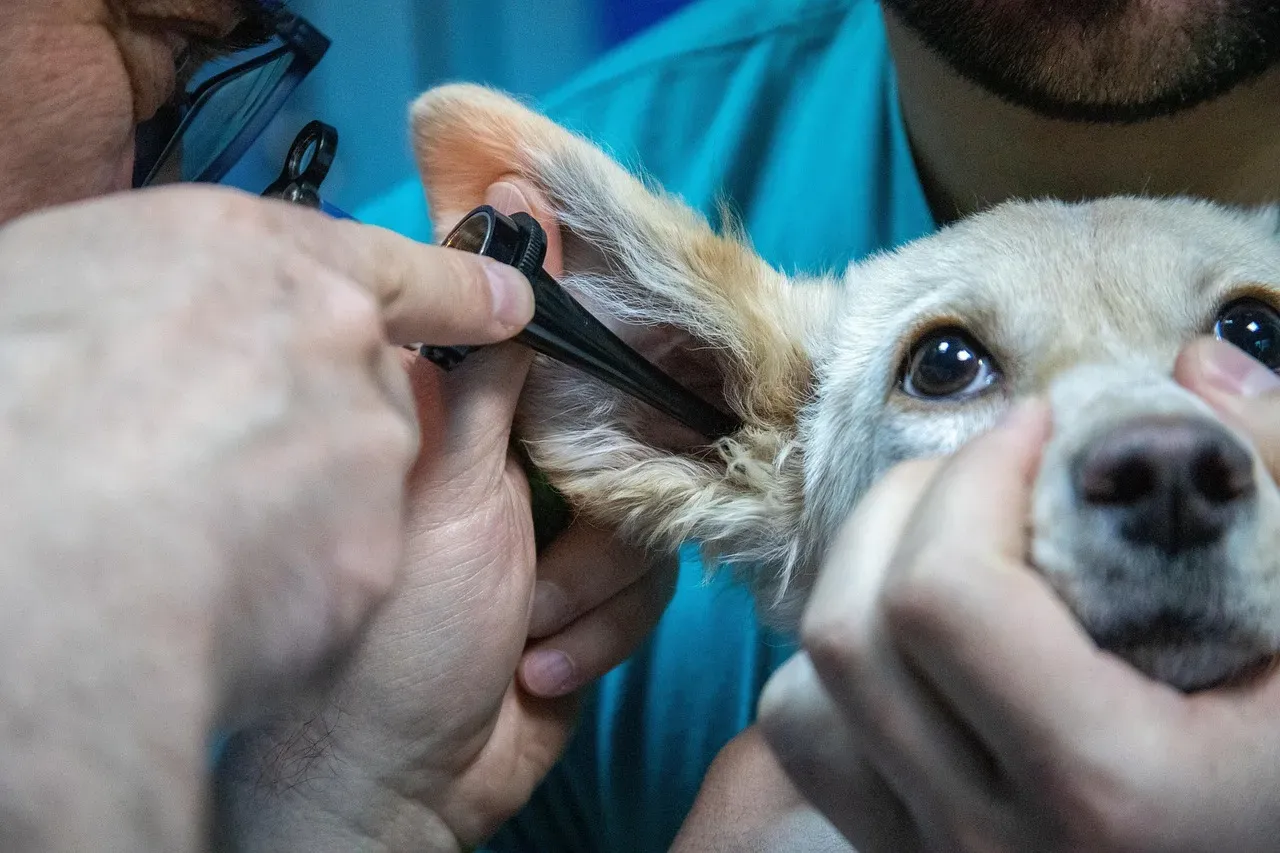
Osteoarthritis is far and away the most common cause of chronic pain in dogs, but there are others including intervertebral disc disease, which causes back or neck pain, or pain from dental disease and ear infections. The variety of possible causes means you really need professional help to figure out what’s going on.
What You Can Actually Do About It
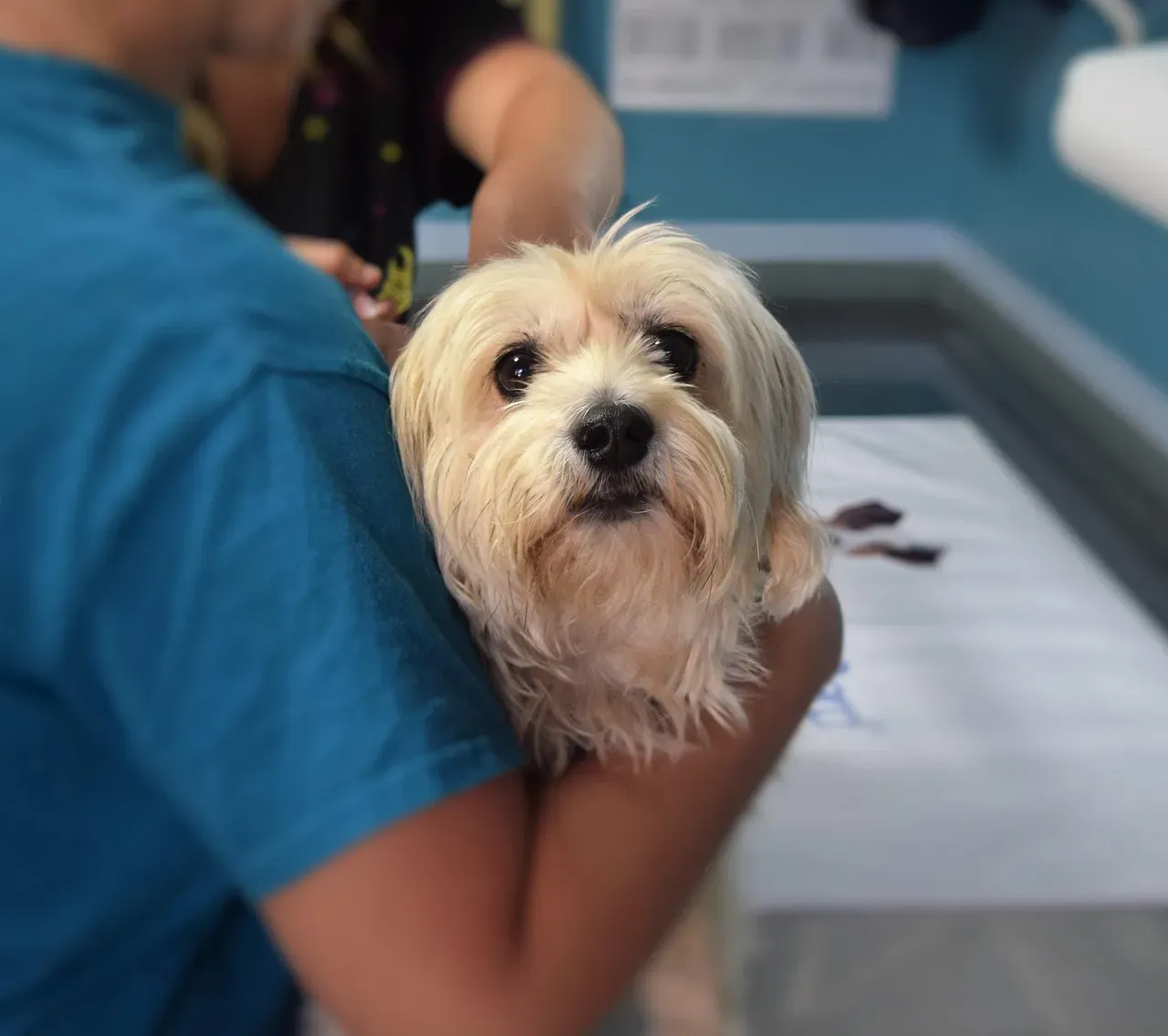
First things first. Try to document your dog’s behavior by taking photos, videos, or written notes to share with your veterinarian, as anxiety or fear may mask certain pain behaviors in a clinic setting, so these observations from home can provide critical insights. Your phone is your best friend here.
Never give your dog human pain medications without talking to your veterinarian first, as not all human pain medications are safe for dogs, and some can cause serious harm. I know it’s tempting to reach for the ibuprofen when you see your pup suffering, but please resist that urge.
Pain management plans may include medication, acupuncture, therapeutic laser, physical therapy, supplements to improve joint health and other approaches, and multi-modal treatment often provides the best response by attacking the pain from different angles with multiple strategies. Working with your vet opens up so many more options than you might expect.
Conclusion
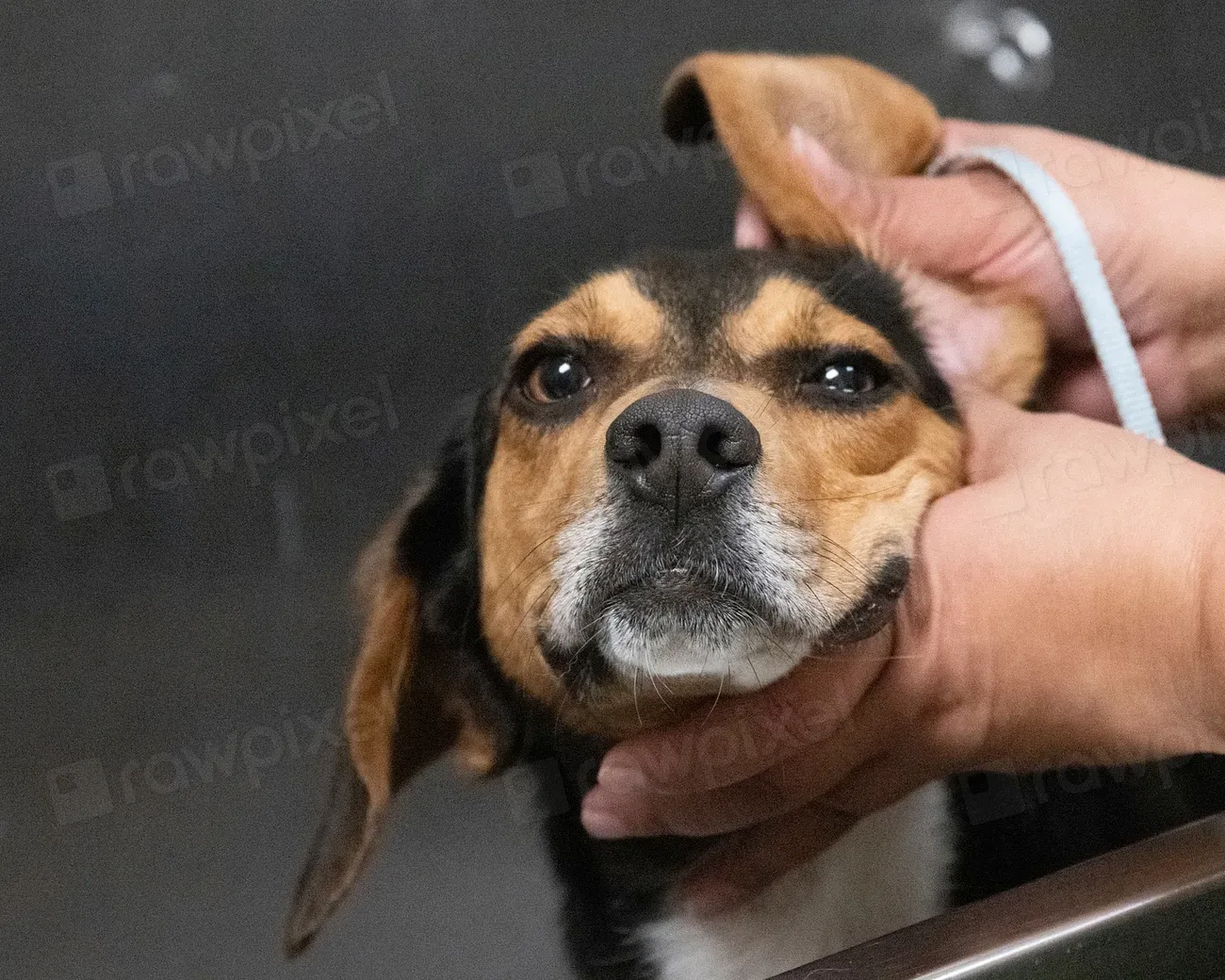
Proactive pain recognition can help slow the progression of chronic pain and improve your dog’s quality of life. The difference between dismissing behavior as naughtiness and recognizing it as pain could mean years of better quality life for your furry companion.
Early detection of disease or illness is key to better outcomes for your dog’s health, fewer long-term complications, and less risk during treatment. Your dog depends on you to be their voice and their advocate. Trust your instincts. If something feels off, it probably is.
What subtle changes have you noticed in your dog’s behavior lately? Could pain be behind them? Share your experiences in the comments below.


