

You know that look your dog gives you when you ask them to come inside for the fifth time and they just stand there, staring at you like you’re speaking a foreign language? Maybe they’re lounging in the yard, perfectly aware of your command but choosing to ignore it. Most of us label this behavior as stubbornness, maybe even a little defiance. Here’s the thing, though: what if your dog isn’t being difficult at all? What if that selective hearing is actually a sign of something far more interesting – intelligence, independence, and a mind that’s working overtime in ways we don’t always recognize?
Dogs are incredibly clever creatures, but their smarts don’t always show up in the ways we expect. Let’s dive into why your seemingly stubborn pup might actually be a canine genius in disguise.
When Stubbornness Is Actually Strategic Thinking

Let’s be real, when your dog refuses to obey a command they’ve known for years, it’s frustrating. You might think they’re being willful or even spiteful. Yet research shows something fascinating is happening in that furry head.
Dogs labeled as stubborn may actually be making conscious decisions about whether a reward is worth their time and effort. Think about it: if you’ve asked your Beagle to come inside but there’s a tantalizing scent trail in the grass, they’re weighing their options. Some of the smartest dogs misbehave because they get bored easily, which means that “bad” behavior might signal a sharp mind that needs more stimulation.
When dogs are faced with an unsolvable problem, they look at a nearby human for help, while socialized wolves do not – modern domestic dogs use humans to solve their problems. That’s not laziness or defiance. That’s social intelligence at work, recognizing that you’re a valuable resource.
The Truth About Obedience and Intelligence
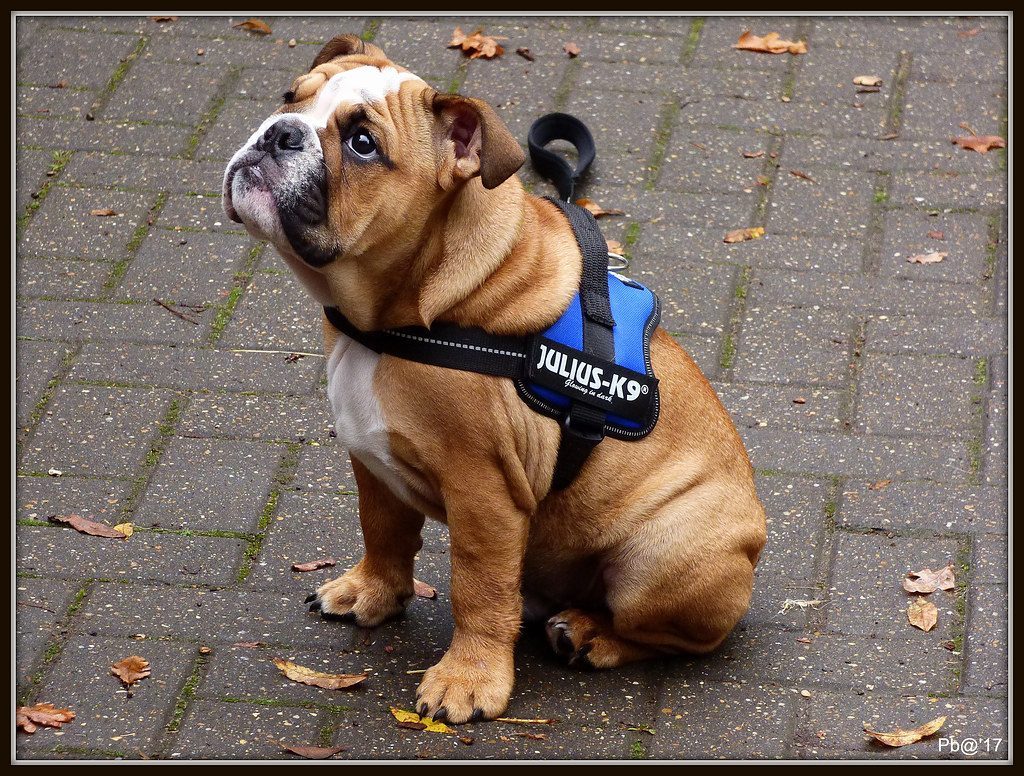
Most canine intelligence tests measure trainability and obedience, observing how many repetitions it takes a dog to learn a new task. Fewer repetitions supposedly mean a smarter dog. Still, that system doesn’t account for independent thinkers.
Some dog breeds are independent thinkers who decide the best course of action for themselves instead of blindly obeying commands from the human master. Breeds like the Great Pyrenees or Afghan Hound often rank lower on traditional intelligence lists, not because they’re dim, but because they’re bred to think for themselves. Flock guardians might not see any reason to learn to shake or roll over on command – they don’t think such tricks are important because they’re not part of their job.
It’s a bit like judging a fish by its ability to climb a tree. Your dog might be brilliant at reading situations, solving problems, or protecting the family, but if the test only measures how quickly they sit on command, their genius goes unnoticed.
Different Breeds, Different Smarts

Stanley Coren defines three types of dog intelligence: instinct, adaptive problem-solving, and school learning. Border Collies excel at following commands and learning tricks. Meanwhile, breeds with strong instinctive intelligence were designed to work independently.
Significant breed differences were found for understanding of human communicative gestures, following misleading gestures, spatial problem-solving ability, inhibitory control, and persistence during unsolvable tasks. Every dog has unique cognitive strengths. Breeds like the Malinois and German Shepherd received low scores in inhibitory control tests, likely because they have high motivation for rewards and react quickly – traits valuable in working roles.
It’s hard to say for sure, but those Afghan Hounds and Basenjis people call “dumb” might just be marching to the beat of their own drum. Beagles are considered deaf to commands, but that’s only because their nose outweighs the human voice – they’re exceptionally intelligent trackers.
Your Dog Might Be Outsmarting You

Ever noticed how your dog has figured out exactly when it’s dinnertime, even without looking at a clock? Or maybe they’ve mastered opening cabinets, gates, or even doors. Some dogs display too-smart-for-their-own-good scenarios, like mastering opening the treat cabinet and helping themselves.
Dogs showcase problem-solving skills by learning, remembering, and applying past experiences to new situations, while their social intelligence allows them to communicate effectively with humans and other dogs. That’s genius-level thinking wrapped in fur. Border Collie “Chaser” learned over 1,000 names, and “Rico” learned over 200 using exclusion learning.
Honestly, if your dog has learned to manipulate you into extra treats or longer walks, that’s not stubbornness. That’s advanced negotiation skills.
Social Intelligence: Reading You Like a Book
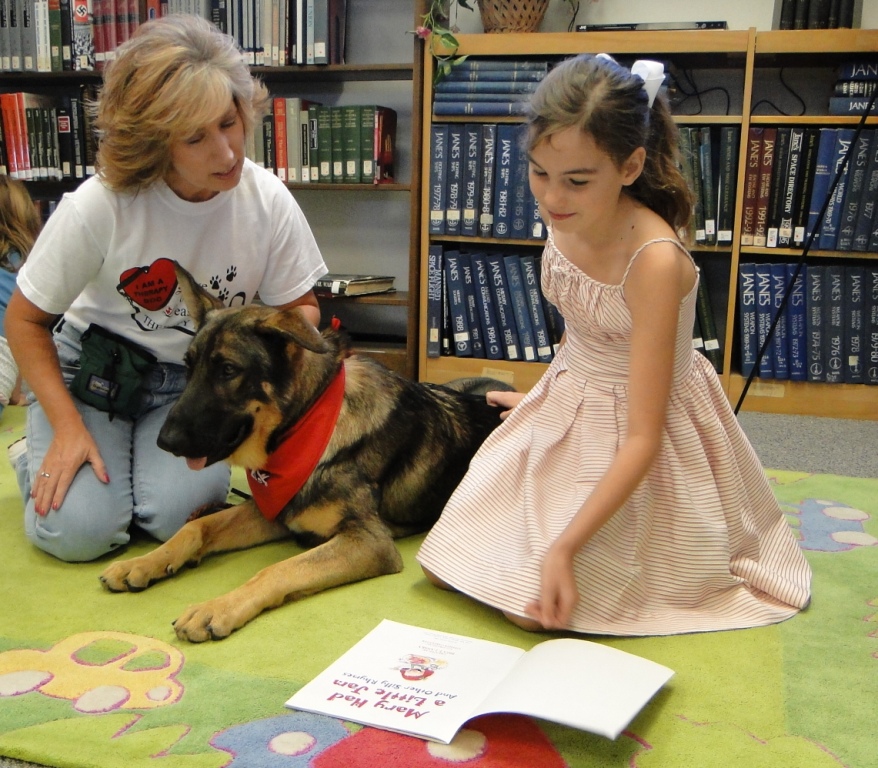
Dogs are able to read and react appropriately to human body language such as gesturing and pointing, and understand human voice commands. They can sense when you’re stressed, sad, or happy, adjusting their behavior accordingly. Dogs can often read the intentions of humans, making them exceptionally skilled at interpreting social cues – this human-dog bond has shaped their social intelligence.
Dogs that spent the most time asking humans for help were more obedient, easier to train in everyday life, and had fewer management issues like pulling on the leash, stealing food, or running away. Looking to you for guidance isn’t weakness. It’s strategic collaboration.
Many dogs have a high degree of social intelligence, looking to you as a manifestation of their social skills – they might rely on you for safety or simply try to impress you and earn your approval. When your dog ignores your recall command at the park but somehow knows you’re upset, they’re showing emotional intelligence that goes beyond simple obedience.
What This Means for Training and Daily Life
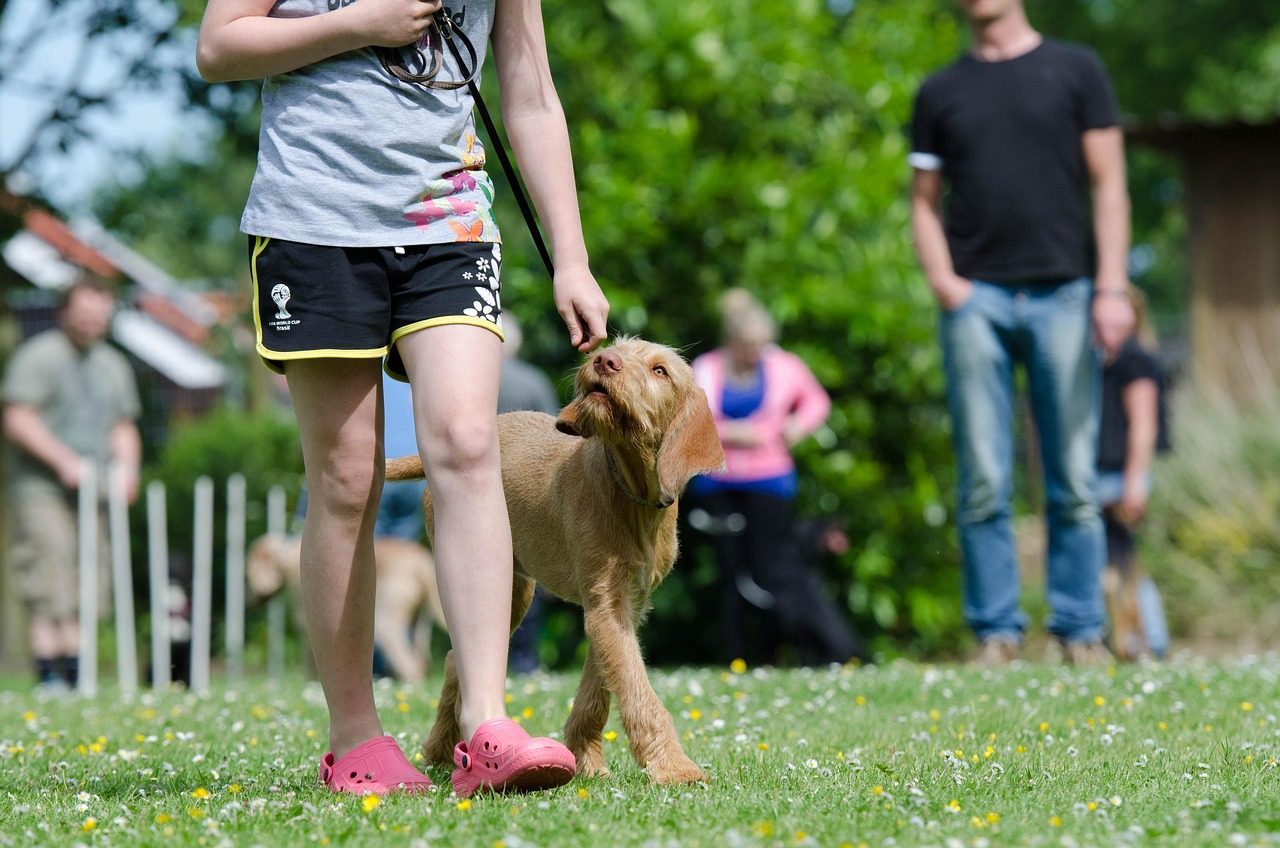
If your pup resists training, don’t assume it’s due to a lack of brain power – quite the opposite might be true. Your dog might be bored, unmotivated by your chosen reward, or simply having an off day. Finding the right type of reward helps, whether that means different treats, toys, or attention, and training in shorter increments keeps it fun.
I think recognizing your dog’s individual cognitive style makes all the difference. Dogs raised in close contact with humans tend to rely much more on people to guide and direct them, while dogs reared in less nurturing environments tend to be less reliant on human attempts to communicate. Understanding how your specific dog thinks – whether they’re a people-pleaser or an independent thinker – helps you tailor your approach.
No matter what a dog’s formal intelligence level, they need mental enrichment to keep their mind sharp, prevent boredom, and help them be emotionally healthy – continue to play games, give puzzle feeders or toys, and train them if they demonstrate interest. Mental exercise matters just as much as physical exercise.
Celebrating Your Dog’s Unique Genius

Canine intelligence is multi-faceted, blending memory, learning ability, emotional awareness, and adaptability – while some breeds may have reputations for being smarter, every dog has unique strengths that make them special companions. Your scent-hound who won’t come when called but can track a rabbit for miles? Genius. Your terrier who ignores “sit” but figures out complex puzzles? Brilliant.
A dog’s intelligence is not only about sit and fetch, but also independence, empathy, and the ability to adapt to the human world. Maybe your dog doesn’t perform tricks on command, but they know when you need comfort after a rough day. That’s emotional intelligence most humans struggle to master.
The next time your dog gives you that look – the one that says “I heard you, but I’m choosing not to comply” – pause before getting frustrated. They might be weighing options, problem-solving, or simply demonstrating the independent thinking we bred into them generations ago. That’s not defiance. That’s a mind at work.
Conclusion: Rethinking What Smart Really Means

We’ve spent decades measuring canine intelligence by how quickly dogs obey us, but that’s only one tiny piece of a much bigger picture. Your stubborn dog might be a strategic thinker, an independent problem-solver, or a master of emotional intelligence. They’re reading your body language, making calculated decisions, and sometimes outsmarting you in ways you don’t even realize.
So the next time your dog “ignores” you, consider what’s really happening in that brilliant brain. Are they being defiant, or are they being smart? Chances are, it’s the latter. What would you have guessed about your own dog’s hidden genius?


