
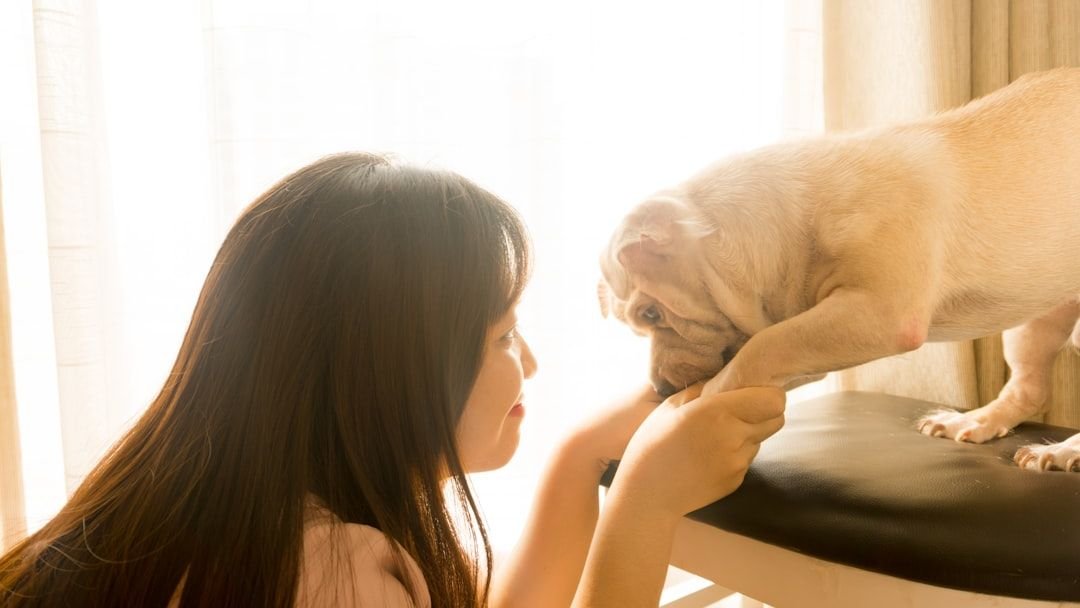
Ever wonder what goes through your dog’s mind when you’re no longer there? It’s one of those heart-wrenching questions that many of us push to the back of our minds, but it deserves honest conversation. Dogs experience the world so differently from us, yet their emotional landscape might be more similar than we realize. They notice when we’re not home for dinner. They sense when routines shift. And when we’re gone forever, they feel that absence in ways that science is only beginning to truly understand.
What we know for certain is that your dog won’t grasp death the way you do. There’s no funeral, no closure in the human sense. What they do understand, though, is that you’ve vanished from their daily existence. Your scent fades from the furniture. Your footsteps never echo down the hall anymore. That’s the reality they’re left to navigate, and honestly, it’s more complicated than most people think. Let’s dive into what really happens in your dog’s world when you’re no longer part of it.
They Don’t Understand Death, But They Feel the Absence

Your dog won’t understand the full extent of human absence, but they absolutely understand the feeling of missing someone who’s no longer part of their daily lives. Think of it like a child under five years old. They may not grasp the permanence of death, but they know something fundamental has changed.
Certain indicators like a change in routine, or the absence of their owner’s sensations (sight, sound, or smell) signal to them that something is different. Imagine waiting for someone who never comes home. Your dog might sit by the door at the time you usually returned from work, ears perked, listening for your car. Days pass, weeks even, and that ritual of waiting continues because in their mind, you’re just delayed. That’s both beautiful and devastating.
The Physical Signs of Canine Grief Are Real

Dogs may become depressed and listless, have a decreased appetite and decline to play, and may sleep more than usual and move more slowly, sulking around. These aren’t just behavioral quirks. They’re genuine expressions of emotional distress that mirror human grief in surprising ways.
About one third of dogs experienced a decreased appetite following the loss of a companion, with roughly one in ten refusing to eat at all. Some dogs will search the house relentlessly, checking your favorite chair, your bedroom, anywhere your scent lingers. Others become unusually vocal, whining or howling in ways they never did before. It’s their way of calling out to you, hoping you’ll respond.
Your Dog’s Brain Chemistry Actually Changes
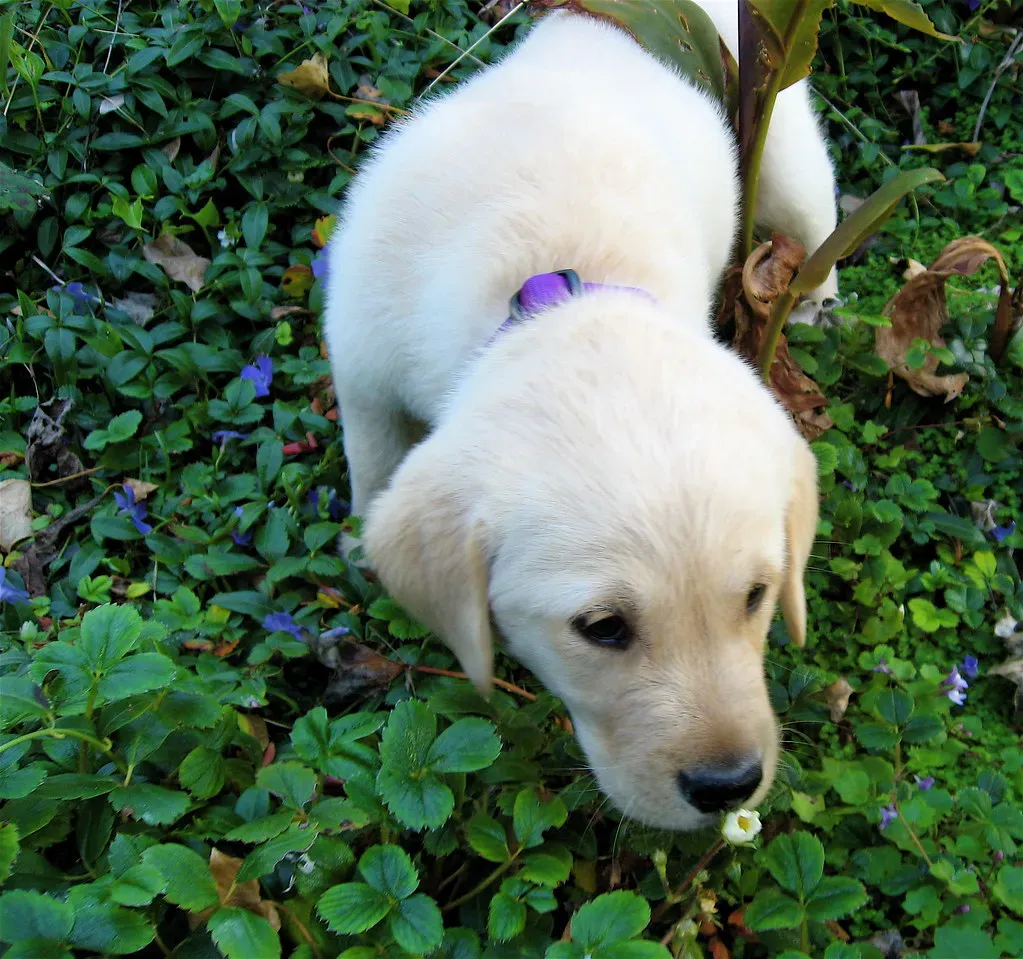
Dogs have the same brain structure as humans, including a rich emotional life. Recent brain imaging studies have shown that similar areas light up in dogs’ brains when they’re experiencing emotions parallel to human feelings. This isn’t anthropomorphizing or projecting our feelings onto them.
The stress hormones in grieving dogs spike measurably. Dogs experienced increased levels of stress during their owner’s absence, with heightened heart rates and more frequent pacing or vocalizations, and the longer the separation, the more intense the dog’s emotional response. Their bodies are literally responding to the trauma of loss. Sleep patterns get disrupted. Some dogs develop what looks like separation anxiety on steroids.
They Pick Up on Everyone Else’s Grief Too
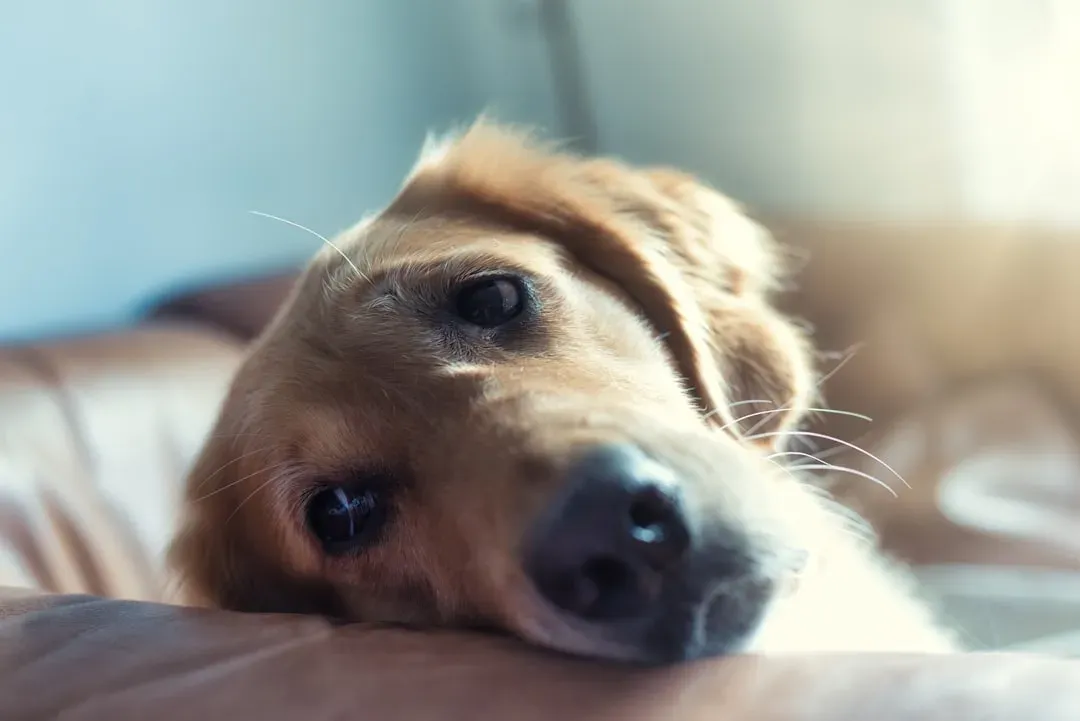
Here’s something that makes the situation even harder for your dog. Dogs pick up on our mood, odors, facial expressions, and even read our postures, and they can feed off our own feelings, including sadness and grief. So if your family is mourning, your dog is absorbing that emotional energy like a sponge.
Owner grief and anger are principal predictors of negative behavioral changes in dogs. It’s a double blow for them. Not only have they lost you, but everyone around them is also acting differently, crying more, moving through the house with heavy sadness. Dogs are incredibly intuitive creatures, and they sense when their whole world has tilted off its axis.
The Grieving Process Takes Time and Varies Widely

Similar to humans, the grieving process differs for each individual dog experiencing it, lasting from weeks to months. Some dogs bounce back relatively quickly, especially if they form strong new attachments. Others carry that grief much longer. I think we underestimate how deeply individual dogs can be.
Studies show that roughly two thirds of dogs experienced four or more behavioral changes after the loss of a family pet that indicated grief. The quality of your relationship matters enormously. A dog who spent every waking moment with you will likely grieve more intensely than one who had a more independent lifestyle. That doesn’t mean one loved you more than the other, just that the disruption to their routine and emotional life is more profound.
How Others Can Help Your Dog After You’re Gone
If you’re reading this and thinking about your own mortality, there are things you can arrange. Keeping their routine as close to normal as possible is a good way to avoid the stress of disruption, keeping meal times the same, not changing their diet, and making sure they are eating, drinking and toileting properly. Consistency becomes their anchor.
Spending extra time with your dog and diverting their attention by engaging in their favorite pastimes helps them navigate the fog of grief. Whoever takes over your dog’s care needs patience and understanding. They need to know that destructive behavior or accidents in the house aren’t defiance, they’re distress. Extra walks, gentle affection, and maintaining the rhythms of life you established together can make all the difference in helping your dog heal.
Conclusion
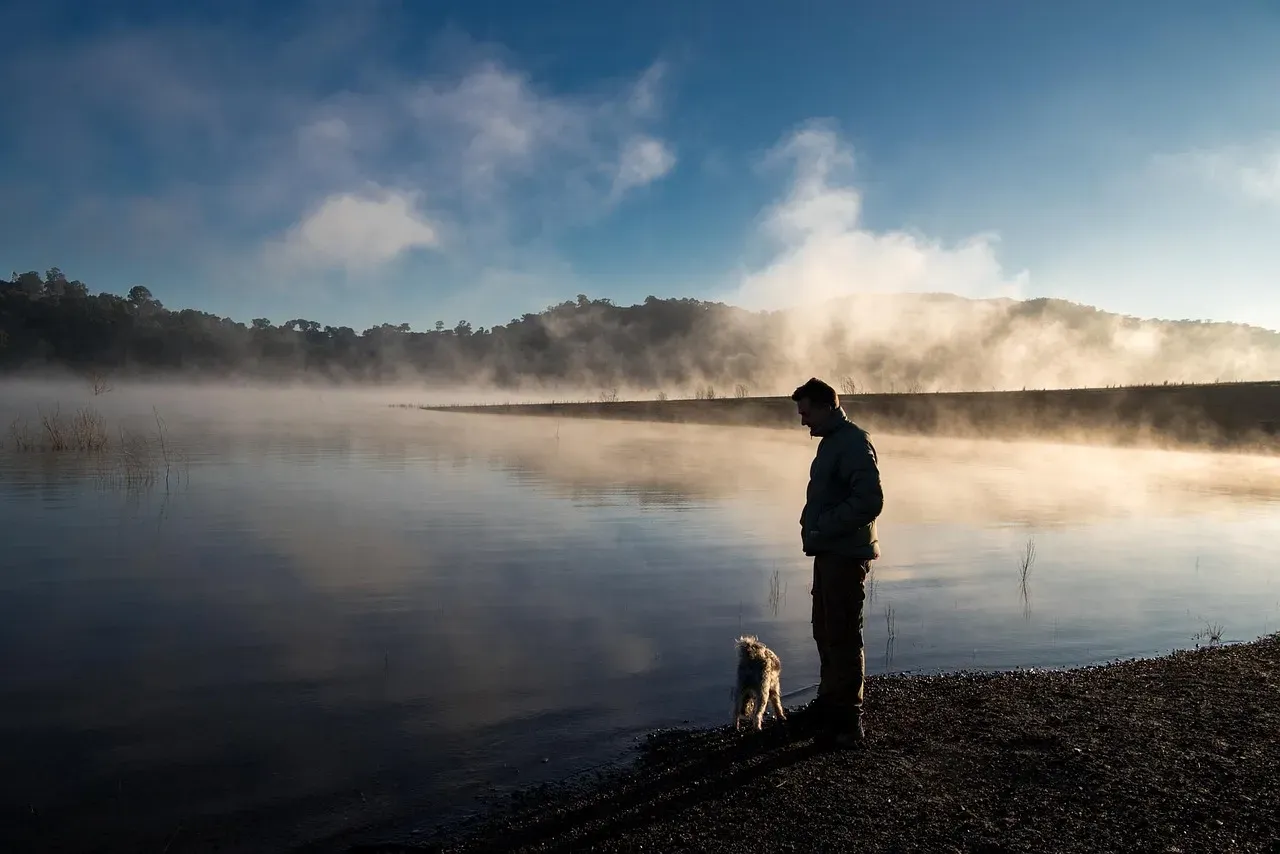
Your dog won’t sit around pondering mortality or understanding that you’ve crossed some final threshold. What they will know, deep in their bones, is that you’re missing. They’ll wait for you, search for you, and eventually, with time and care, they’ll learn to live without you. It’s not the same as moving on, not really. The bond you built doesn’t just evaporate.
As one holistic therapist puts it, dogs miss us as much as we miss them, and like us, they need time to heal from a deep emotional loss. If there’s comfort to be found here, it’s knowing that the love was real, the connection profound, and that your dog’s grief is simply the other side of all the joy you shared together. What do you think happens in your dog’s heart when change comes? It’s worth considering how we can prepare for the inevitable, isn’t it?


