
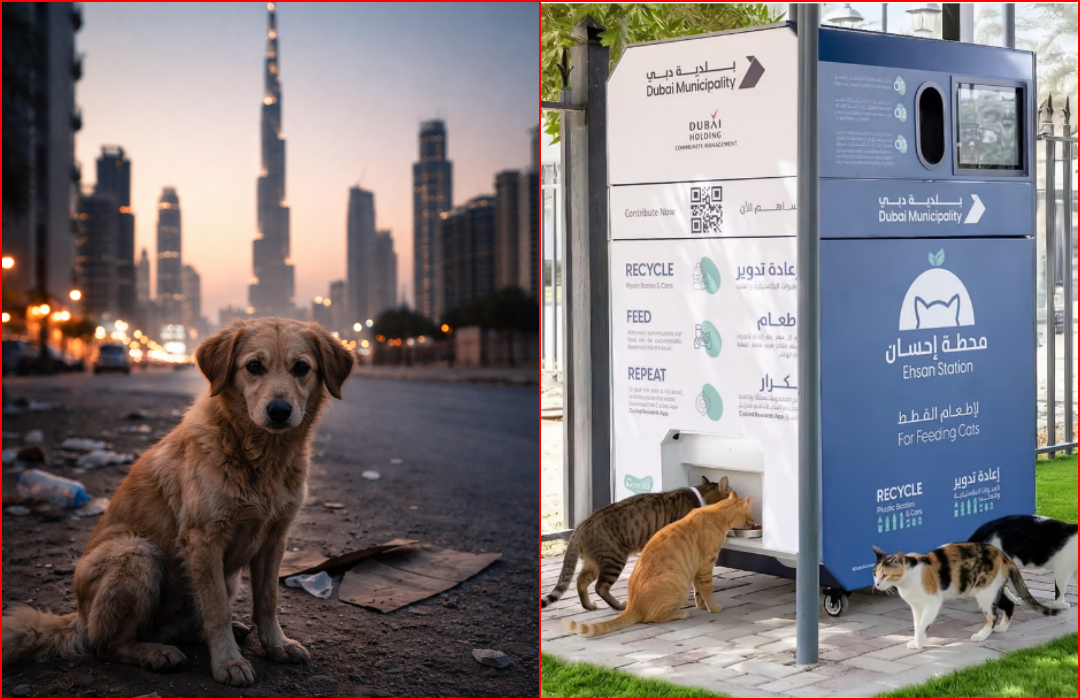
War doesn’t just displace people. It displaces everything they love. As missile strikes from Iran shook the UAE in early March 2026, a mass human exodus from Dubai began unfolding at terrifying speed. Tens of thousands of expats scrambled for any available flight, and in the panic, something quietly devastating happened behind closed apartment doors, on city streets, and at shelter gates across the emirate.
The animals got left behind. Dogs tied to lampposts. Kittens dropped in boxes. Healthy pets brought to vets with a single, unthinkable request. This is a story that deserves to be told in full, because what’s happening to these animals is not just a footnote to a geopolitical crisis. It’s a crisis of its own. Let’s dive in.
How the Crisis Began: Iranian Strikes Trigger a Mass Exodus
Following US-Israeli strikes on Iranian soil on 28 February 2026, Iran launched a series of retaliatory missile and drone attacks targeting UAE strategic interests, including critical infrastructure near Dubai and Abu Dhabi. The scale of the retaliation was swift and shocking, sending shockwaves through Dubai’s large expat population almost overnight.
After Iranian missile strikes hit the UAE in early March 2026, thousands of expats rushed to leave Dubai, with animal rescue centres and veterinary clinics across Dubai and Al Ain reporting a sharp surge in abandonments in the days that followed. The speed of departure left little room for careful planning, and for many pet owners, their animals became a casualty of that panic.
According to a report in the Guardian: The RSPCA said pets of fleeing UK nationals could become “hidden victims” of the conflict as people who had relocated to the Gulf city scramble for an exit and struggle to bring their animals.
The Scale of Abandonment: Shelters Pushed to the Brink
Animal rescue groups in Dubai reported a spike in pets being abandoned since the outbreak of the conflict, a crisis exacerbated by the pace of departures along with flight limitations for animals and relocation paperwork. Think of it like trying to pack your whole life into an hour. Something gets left behind, and tragically, it was often the most loyal thing in the room.
Dubai Street Kitties reported being at full capacity, with every room and every space taken and calls still not stopping. Volunteers at animal shelters described facilities as overcrowded and reaching their breaking point, making it difficult to care for all the animals equally. The sheer volume of incoming animals overwhelmed even the most prepared organizations.
Dogs Tied to Poles and Kittens Left in Boxes: The Heartbreaking Reality on the Ground
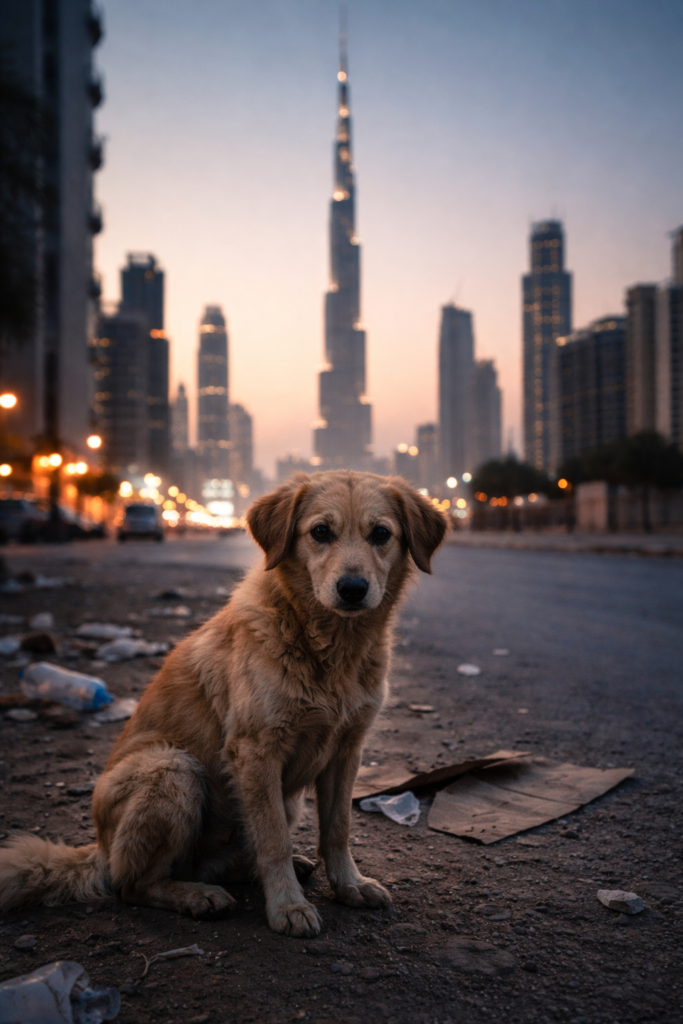
Dogs were found tied to lampposts without food or water, boxes of kittens were dropped at shelter doors overnight, and according to rescue workers, at least two dogs were shot dead in the desert as their owners attempted to cross into neighbouring Oman. Honestly, that last detail is the one that stops you cold. Not left behind. Shot.
One Al Ain resident found a cat and four kittens abandoned in a cage on her doorstep, accompanied by a handwritten note from their owner explaining that they were unable to take the animals when they fled. The cats were in good health and were subsequently offered for fostering in the area. Small mercy in an otherwise bleak picture. One volunteer reported that cats were being left at her door every day, and that a Saluki had been tied so tightly to a lamppost that its collar had cut into its neck.
The Euthanasia Requests Nobody Wanted to Talk About
The situation in veterinary clinics has been equally grim, with a staggering surge in euthanasia requests for healthy animals, as fleeing owners faced with the difficulty of securing pet transport on short notice reportedly asked vets to end the lives of their companions rather than leave them to wander. This is, without question, one of the most disturbing aspects of this entire crisis.
The problem was compounded by the fact that many people hadn’t prepared their pets for travel. To bring a dog to the UK, for example, a rabies vaccination is required, which creates a further delay of three weeks before travel is possible. Rescue workers said vets had received inquiries about euthanasia and described it as disgusting, noting that most vets would pass animals on to rescues that were already full. It’s a cruel logistical trap with innocent animals caught in the middle.
The RSPCA Warning and the Influencer Backlash
The UK’s Royal Society for the Prevention of Cruelty to Animals warned that animals belonging to immigrants could become “hidden victims” of the conflict, as people rushed to leave the Gulf city and struggled to bring their pets along. According to The Guardian, approximately 45,000 British citizens have left the Middle East since March 1. That is a staggering number, and the ripple effect on animal welfare has been immense.
Influencers were seen fleeing Dubai in droves after the UAE became caught up in the Middle East conflict, and Geordie Shore star Vicky Pattison publicly slammed those who were fleeing the UAE and abandoning their pets, calling it “shameful.” The revelation of this mass abandonment prompted widespread criticism online, with users calling for accountability among high-profile residents who left their pets behind. Social media, for once, was absolutely right to be furious.
What Rescue Groups and Authorities Are Doing Now
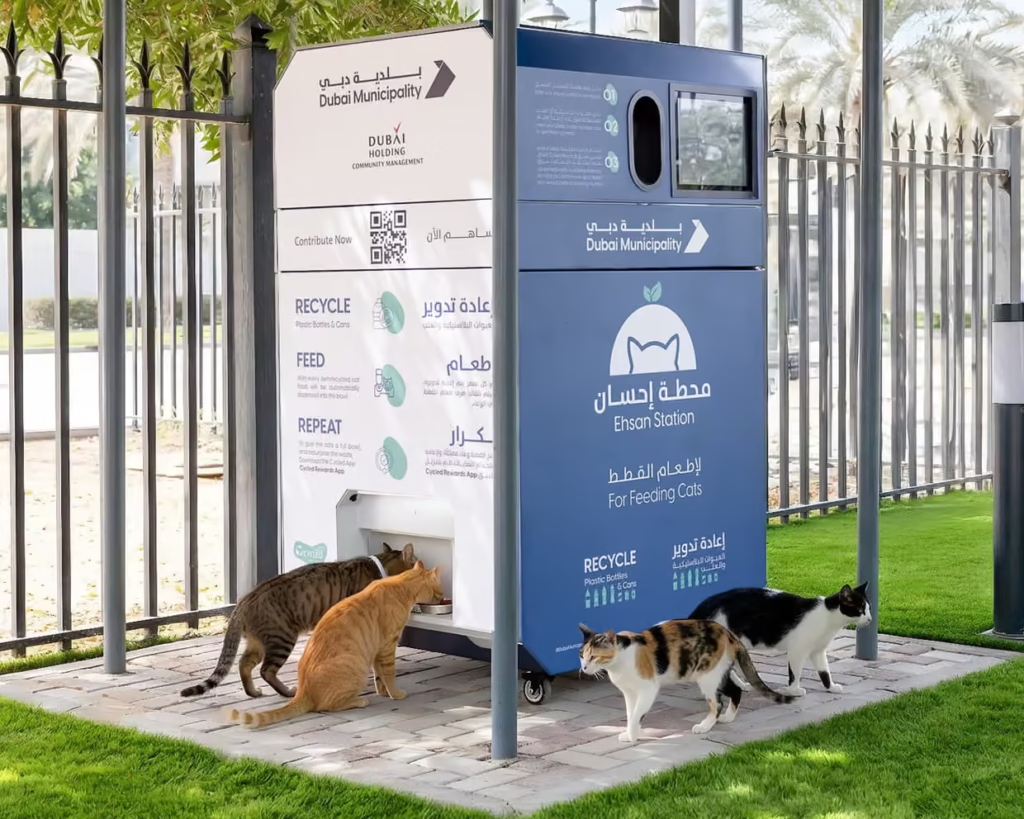
The RSPCA confirmed that the UK has an agreement with the UAE so that pets do not need quarantining when brought back home, while Dubai Municipality has also reacted to the rise in stray cats and dogs by launching 12 AI-powered feeding stations across the city. It’s a practical response, though it barely scratches the surface of what’s needed right now.
The RSPCA urged expats looking to leave the Middle East to do their due diligence and research the best way to handle their pets, advising that pets arriving to the UK from the UAE do not need to be quarantined as long as they have updated vaccinations, are microchipped, and have a Great Britain Pet Health Certificate. They also advised expats to speak to reputable pet relocation companies and, in extreme cases where travel with a pet is not possible, to contact a rescue organization. The infrastructure exists. The will, it seems, was the missing ingredient.
Conclusion: A Crisis That Reveals More Than Just a War
Here’s the thing: wars expose everything. They strip away the curated Instagram aesthetic and reveal what people actually value when everything is on the line. And in Dubai in March 2026, far too many people revealed that their pets were, ultimately, accessories. Props for a glamorous lifestyle, not family members worth fighting for.
I’ll be direct about this. The logistical challenges are real. Rabies paperwork, flight restrictions, border controls – none of that is simple in a war zone. The abandonment crisis has been linked to a broader collapse of confidence among Dubai’s expatriate and investor base, with the UAE government’s threat of criminal prosecution for social media posts about the Iranian strikes reinforcing fears that foreign residents operate without the legal protections they may have assumed. The panic was real. The fear was legitimate.
According to a press release by the Dubai Municipality, it has reacted to the rise in stray cats and dogs by launching 12 AI-powered feeding stations called ‘Ehsan Stations’ across the city. Dubai rules say It is illegal to abandon pets in the UAE with offences punishable by fines of up to tens of thousands of pounds.
Still, a dog tied to a lamppost in the scorching heat with its collar cutting into its neck is not an acceptable outcome of that fear. The animals left behind are living proof that emergency planning matters, that compassion must be practiced before the crisis, not improvised during it. What would you have done differently if you were in that situation? Drop your thoughts in the comments below.


