You’ve probably met that dog. The one that sits beautifully for his neighbor, only to ignore every word you say when you try the same command with yours. Maybe you’ve watched your friend’s Labrador master a trick in two tries while your little furball looks at you like you’re speaking another language. Here’s the thing: it’s not you, and it’s not personal. Some dogs simply march to the beat of their own drum, and honestly, that’s part of their charm.
Training a dog isn’t always the picture-perfect Instagram moment we imagine. Sometimes it’s a test of wills, patience, and a whole lot of deep breaths. The truth is, certain breeds come with their own rulebook. They’re not being difficult to spite you. They were bred for independence, for making their own choices, for trusting their instincts over your instructions. Let’s dive into which breeds might keep you on your toes and which ones make you look like a training genius.
The Siberian Husky: Beautiful, Clever, and Utterly Defiant
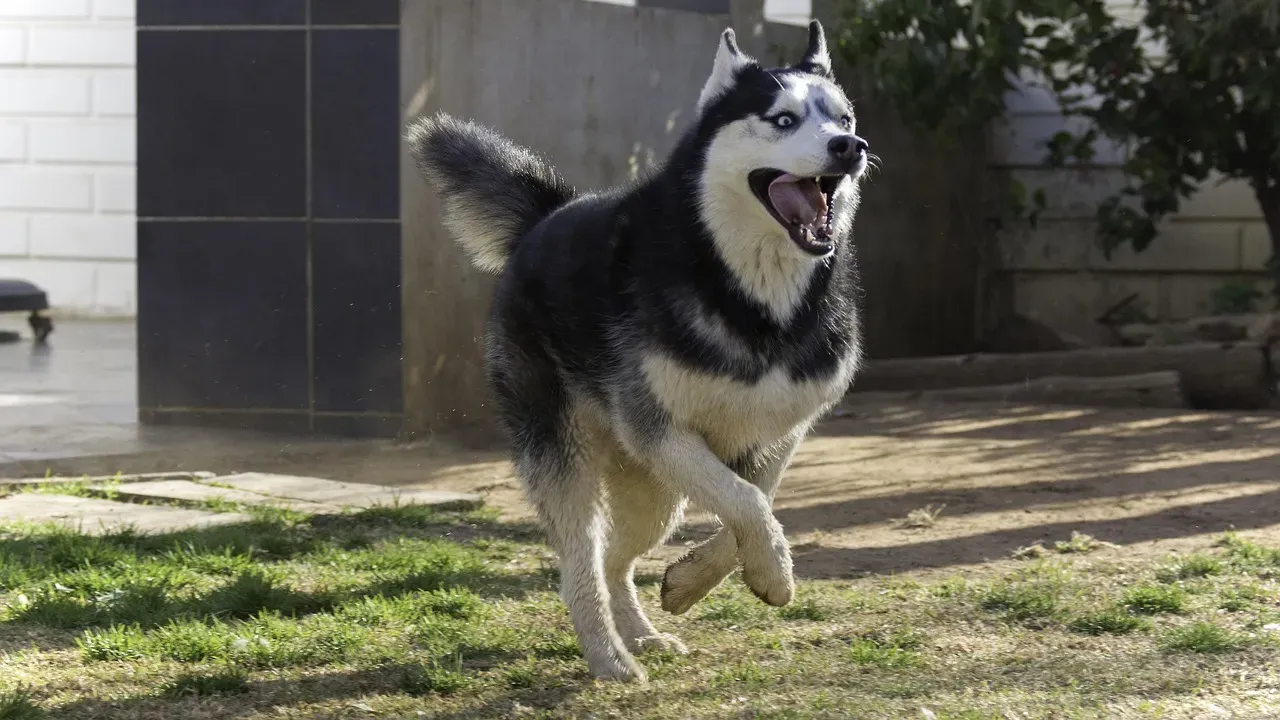
Siberian Huskies were bred to be independent to ensure mushing groups would ignore commands if terrain was deemed unsafe, which means their modern descendants have a stubborn streak when listening to commands. They’re gorgeous, no question. Those striking blue eyes and wolf-like elegance draw people in instantly. Yet living with a Husky means accepting that they think they know better than you most of the time.
These dogs are extremely energetic and were originally bred to run for miles on end in frozen tundra. Without proper outlets for that energy, you’re looking at destruction and chaos. They’re also skilled escape artists with trouble controlling their small prey drive around cats and small animals. Training requires persistence, creativity, and the acceptance that your Husky may never be perfectly obedient.
The Beagle: Nose First, Commands Second
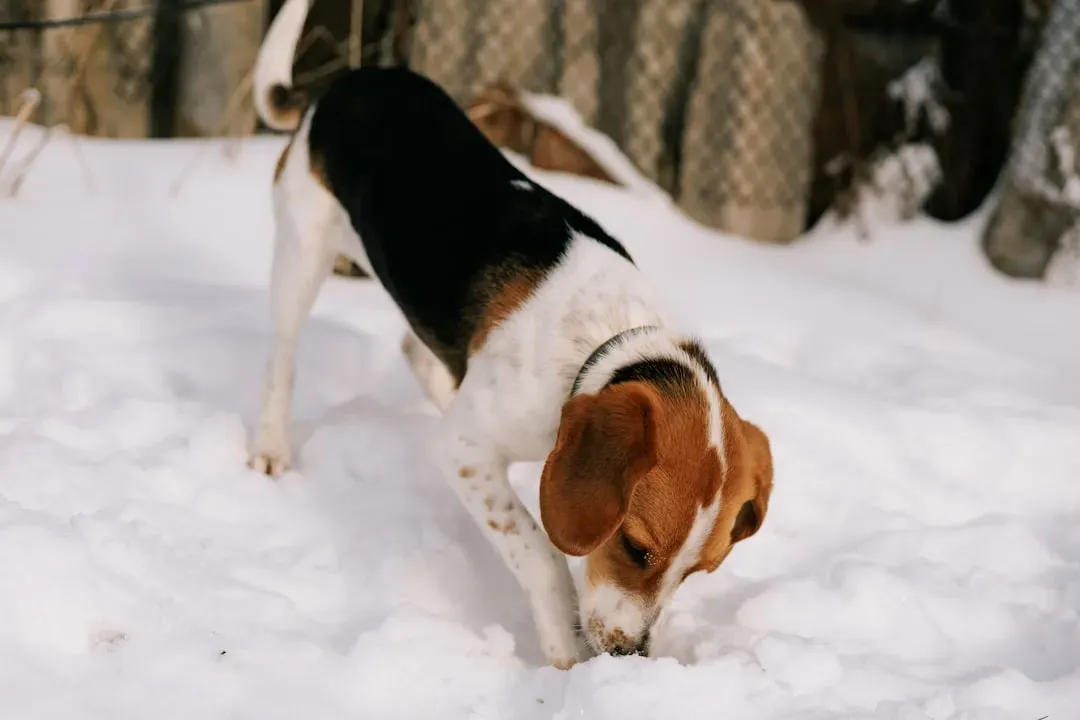
Let’s be real, Beagles are adorable. Those floppy ears and soulful eyes make them irresistible. Beagles are friendly, loving, and notoriously difficult to train. Their noses control their brains, plain and simple. When they catch an interesting scent, everything else fades into the background.
Bred for scent tracking, they’ll follow their noses over your voice any day. You can call their name until you’re hoarse, but if there’s a squirrel trail to follow, good luck getting their attention back. Training a Beagle means working around this natural instinct, not against it. High-value treats and short sessions work best. Their stubbornness is matched by their charm.
The Afghan Hound: Elegant, Aloof, and Independent
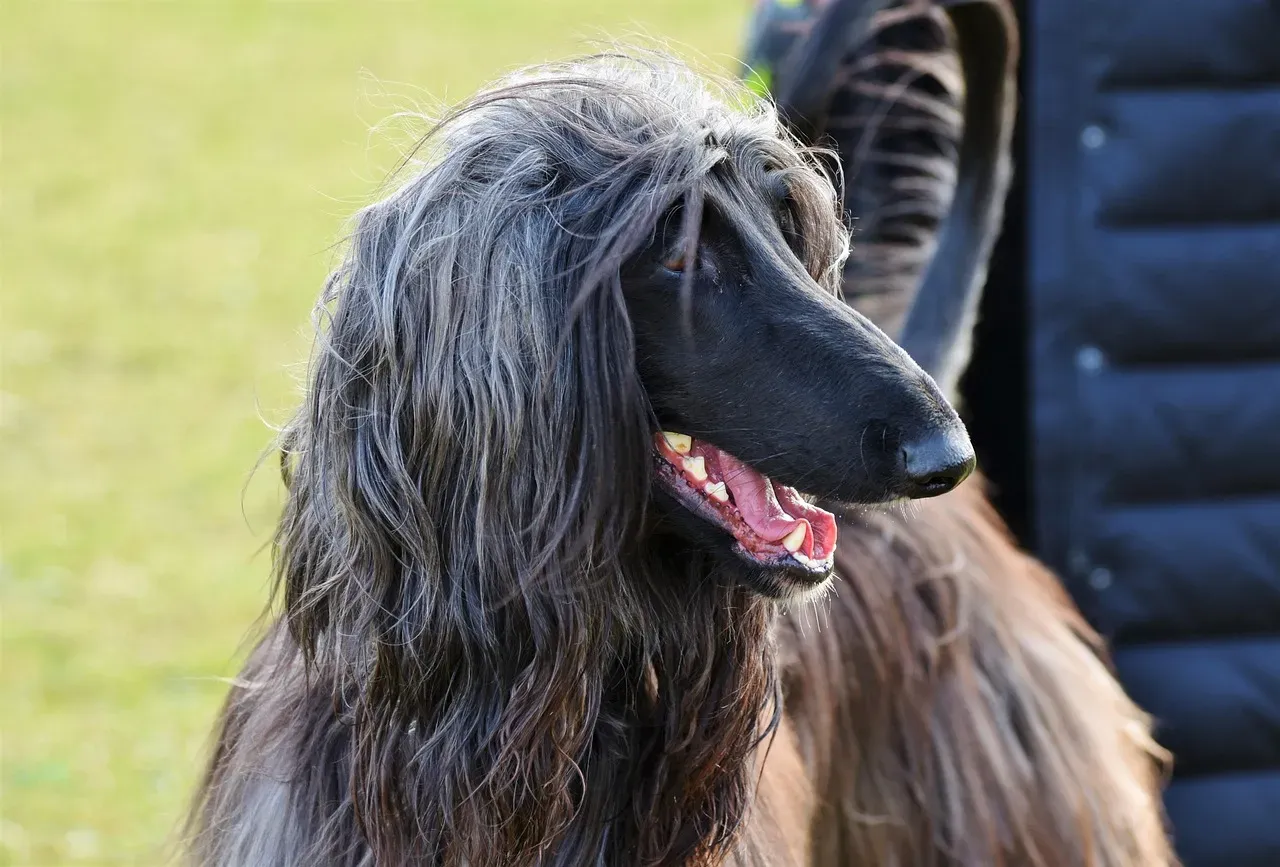
The Afghan Hound has an elegant appearance and aloof demeanor, with a strong independent streak that can make it aloof during training sessions. These dogs look like they belong on a runway, not in your living room practicing “sit.” Their beauty is matched only by their complete disinterest in following your instructions.
Afghan hounds can be aloof and distant, independent and stubborn, which doesn’t mean they’re not smart – they simply prefer to think for themselves and do things on their own terms. Training them requires creativity and patience. They’re not trying to be difficult. They just genuinely don’t see the point in repetitive commands. If you want an Afghan Hound, prepare for a relationship built on mutual respect rather than blind obedience.
The Dachshund: Small Body, Massive Attitude
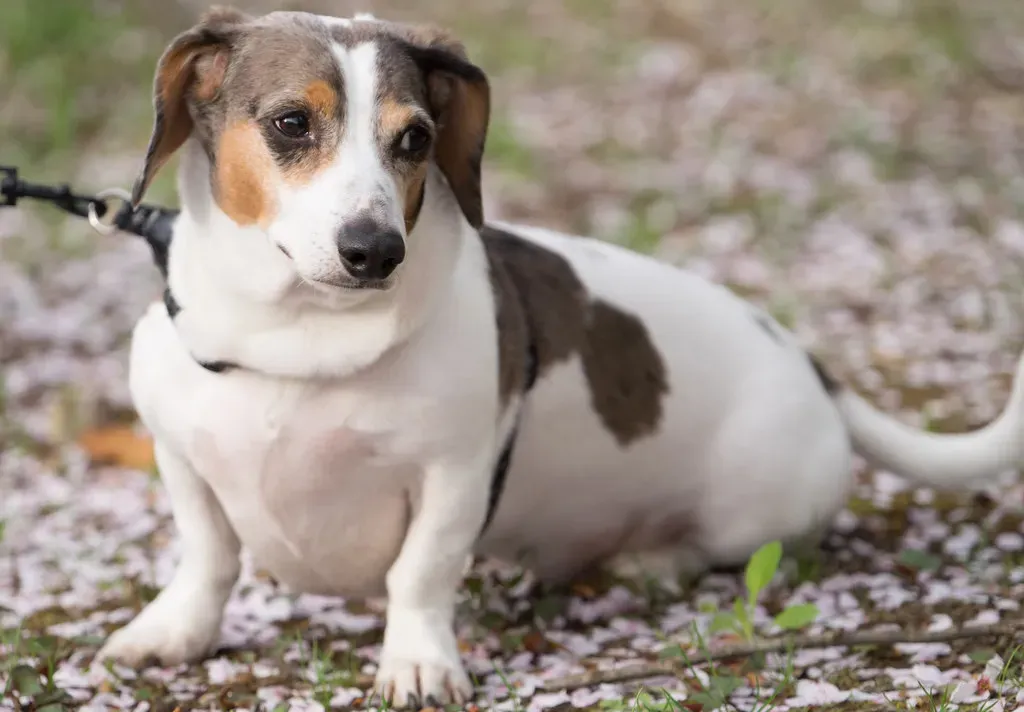
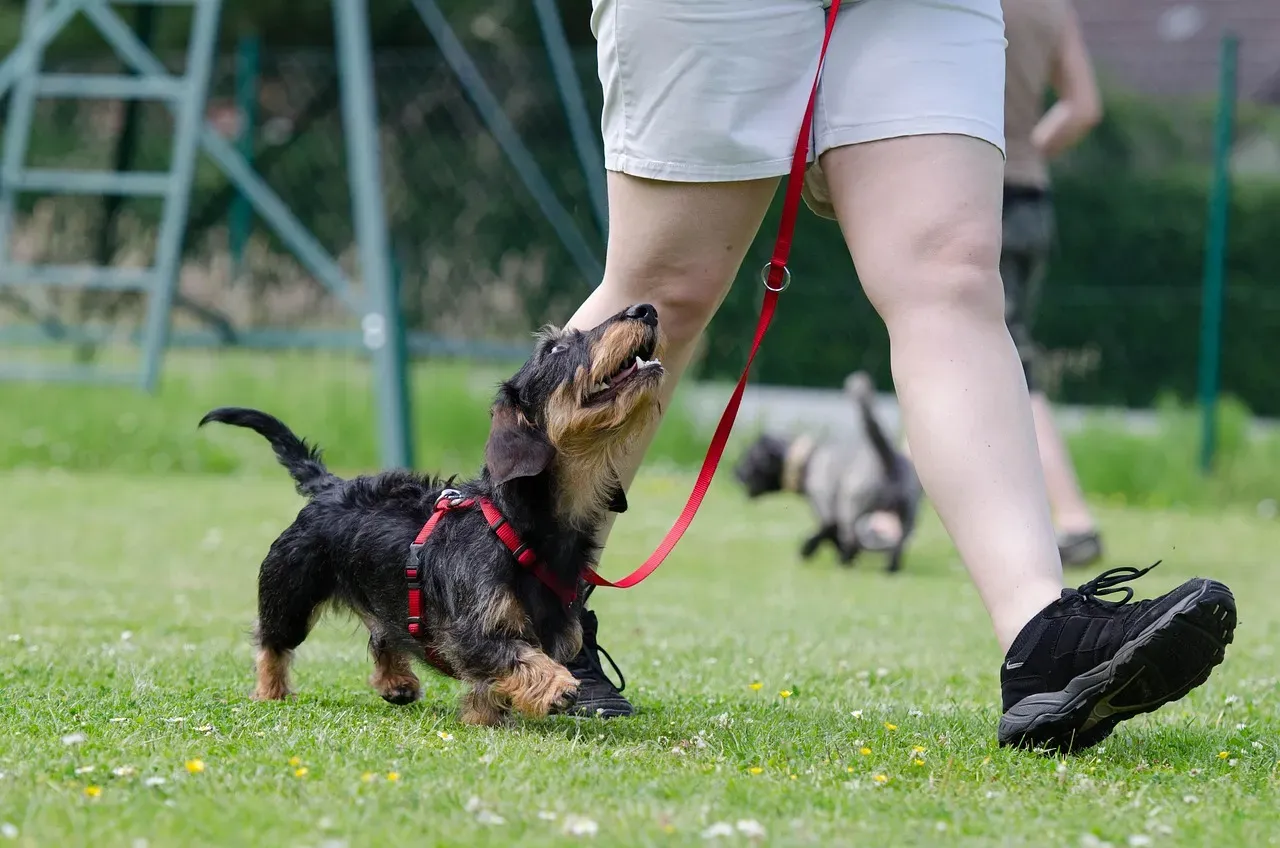
Don’t let their adorable sausage shape fool you. Dachshunds are well-known for their lively and independent attitude, intelligence, hunting ability, and stubbornness, often digging holes, chewing on shoes, or chasing other pets. These little dogs were bred to hunt badgers in underground tunnels, which required serious courage and independence.
That brave, stubborn streak remains today. Dachshunds are brave and bold, showing no fear despite their small size, and this courage combined with independence can make them quite stubborn when it comes to training or obeying commands. They’ll test boundaries constantly. Consistent, patient training from the start is essential, but even then, expect some sass.
The Shiba Inu: The Dog That Acts Like a Cat
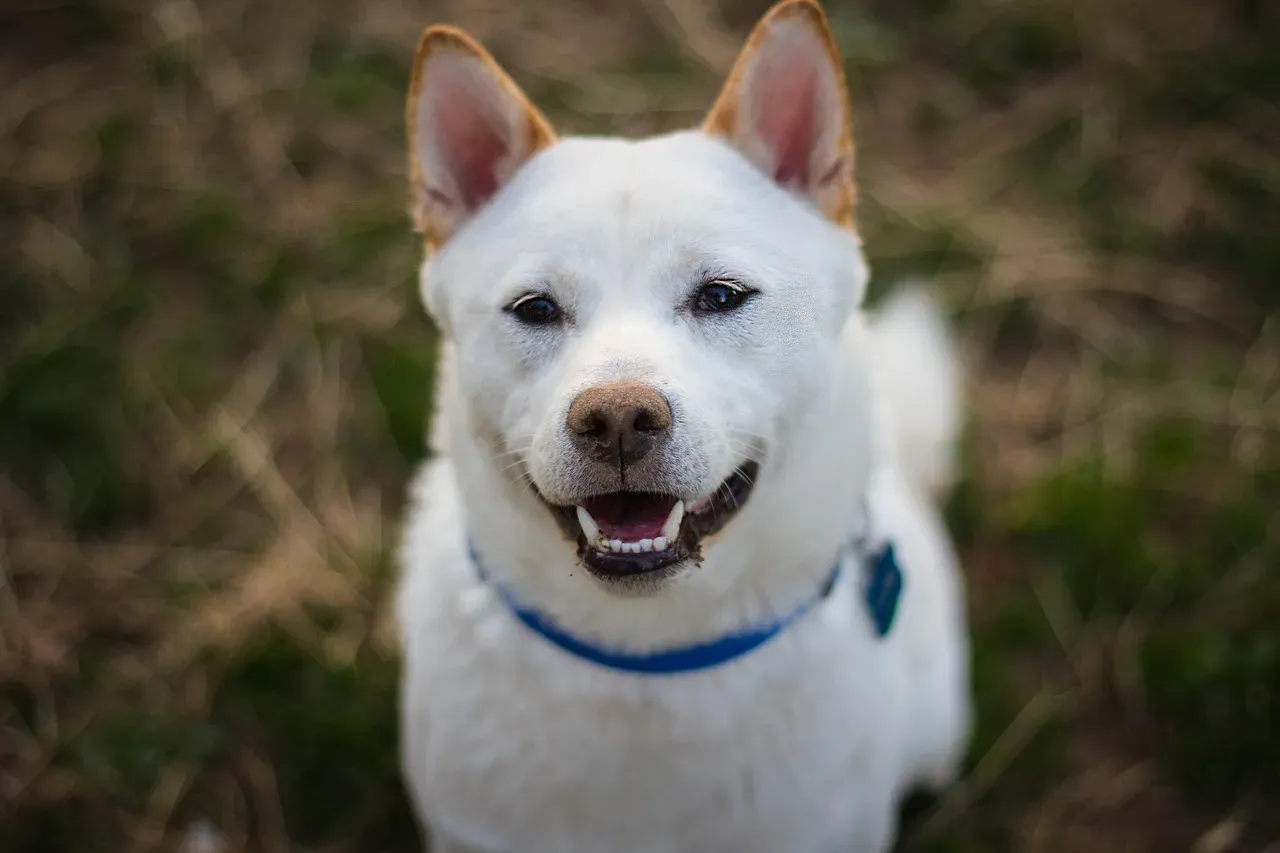
Many believe Shiba Inus are very feline-like, built around three strong characteristics: independence, aloofness, and determination, plus a dash of wilderness that comes with unwillingness to be cuddly. They’re incredibly clean, they groom themselves meticulously, and they’re highly intelligent. Unfortunately for training purposes, that intelligence translates into stubbornness.
This breed is highly disobedient and needs consistent and assertive training techniques. Shibas form their own opinions about the world quickly, and those perceptions can be difficult to change, which is where their stubbornness is most highlighted. You need patience, experience, and a thick skin to handle their strong-willed personality.
The Basset Hound: Droopy Eyes, Iron Will
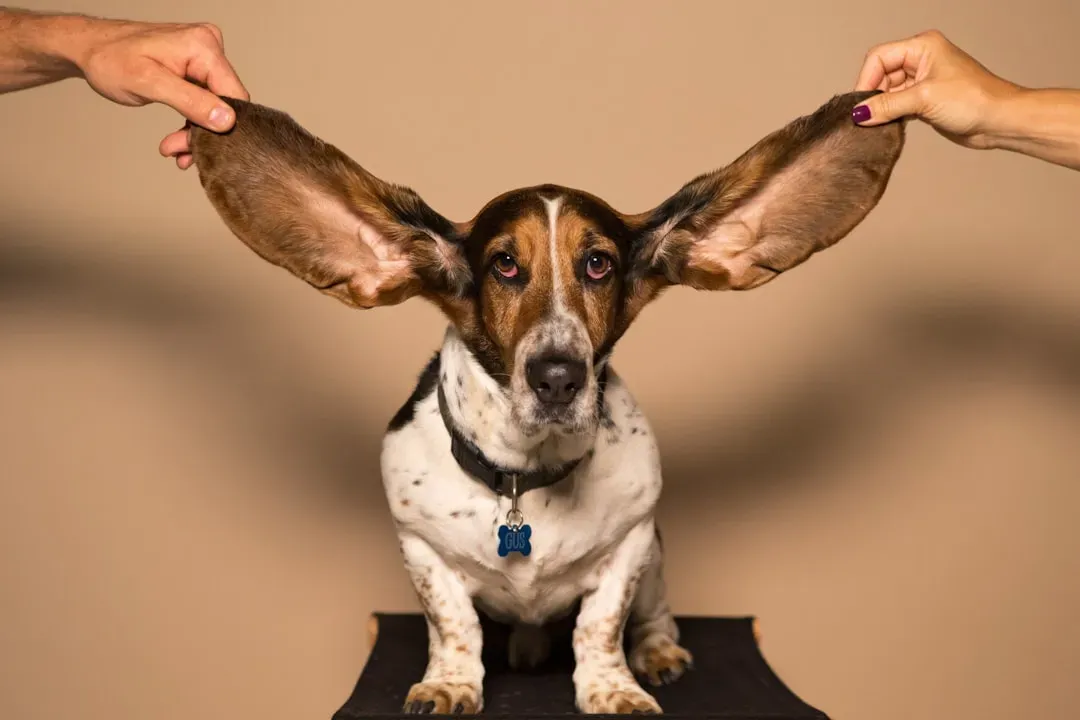
Those droopy eyes are deceiving because Basset Hounds are some of the most stubborn dogs around. They look lazy and sweet, and they are – until you try to get them to do something they don’t want to do. Then you’ll meet their surprisingly strong will.
Basset Hounds can be stubborn, especially when it comes to housebreaking, and their keen sense of smell often distracts them during training sessions. Like Beagles, their noses rule their world. Training requires positive reinforcement and an acceptance that progress will be slow. Celebrate small wins and keep treats handy because they are food motivated, which is your best tool.
The Chow Chow: Loyal but Fiercely Independent
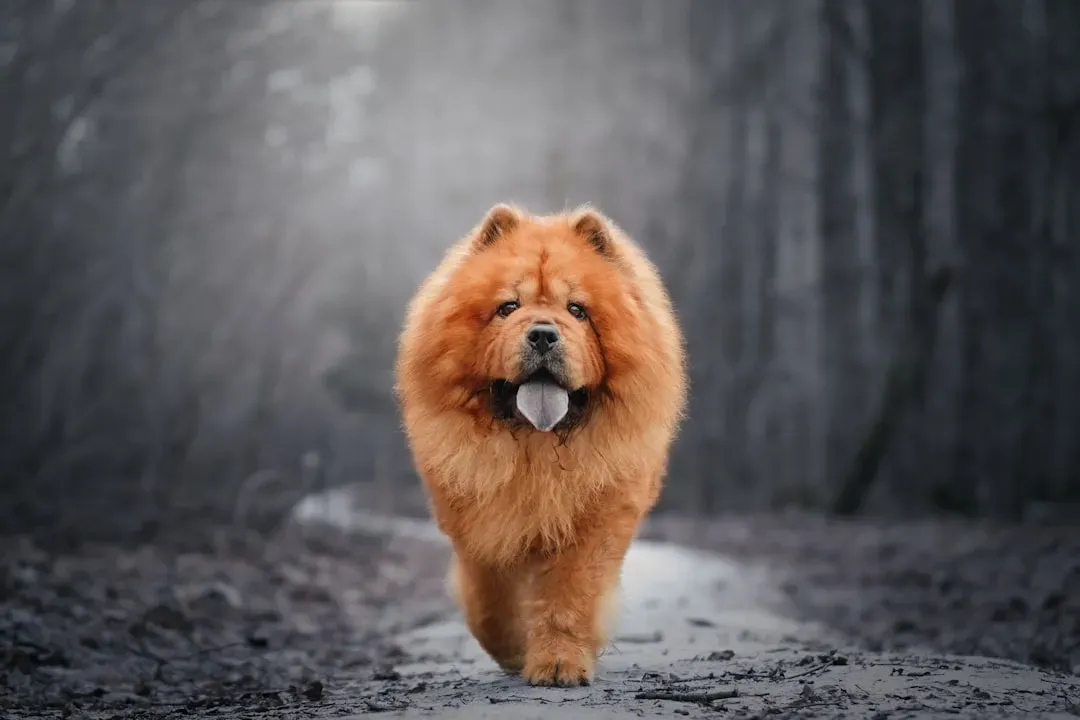
Ancient Chinese breeds like the Chow Chow were bred as guardians and for various purposes, which means they have headstrong personas and trust issues, with traits like aloofness and independence hardwired in their genes. These fluffy, lion-like dogs are gorgeous and deeply loyal to their families. However, loyalty doesn’t mean obedience.
Dogs of this breed can be stubborn, which makes training difficult and requires patience. Chow Chows are famous for being selective listeners. They’ll respond when they feel like it, not necessarily when you ask. Early socialization and positive training techniques are critical to building trust and cooperation.
The Jack Russell Terrier: Energy, Intelligence, and Chaos
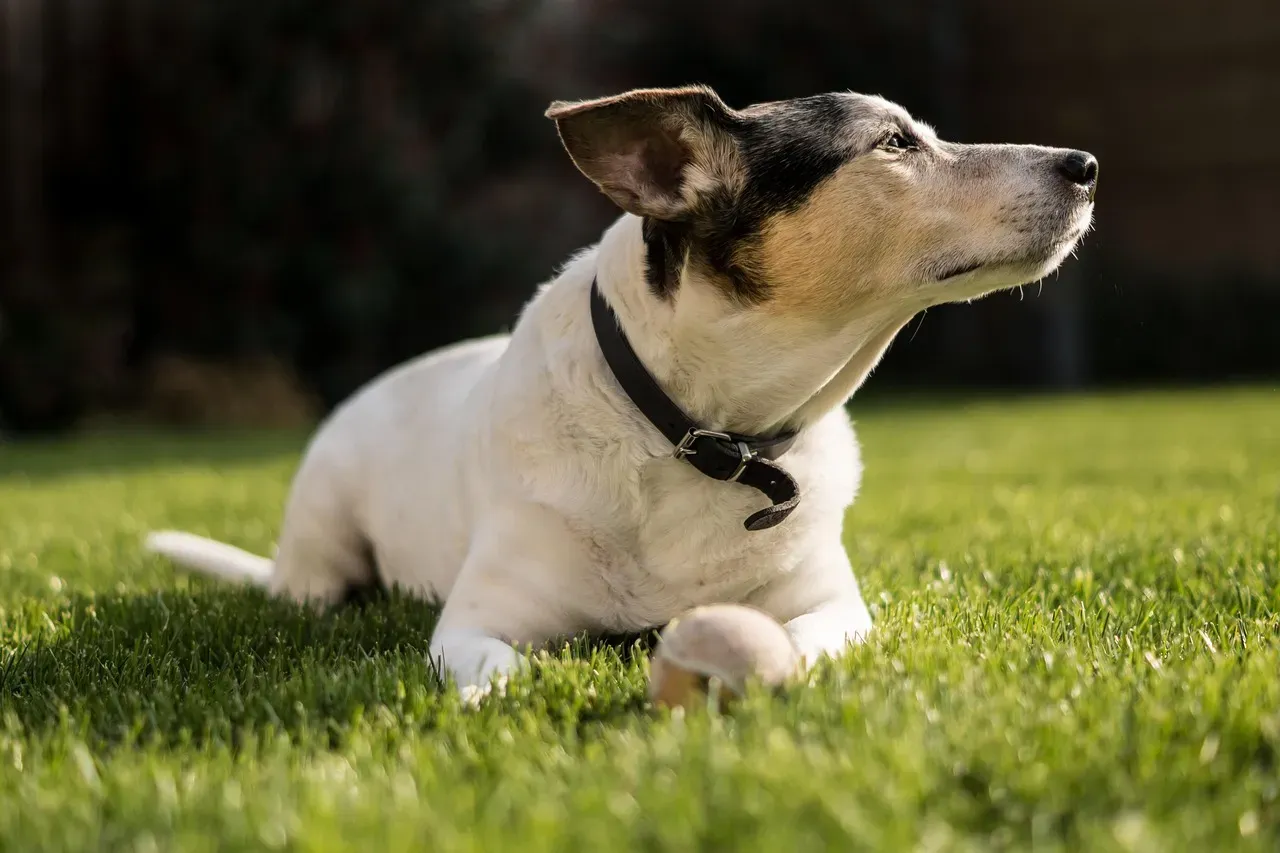
Jack Russell Terriers have big personalities for small dogs, known for their fun-loving and independent attitude with a streak of stubbornness that makes them difficult to train. They’re bundles of energy, always looking for the next adventure, and training often ranks low on their priority list.
These energetic terrier breeds are clever and stubborn, bred to hunt small prey like foxes, so it’s no surprise they often act like they’re on their own mission. Stubborn pups like these do best with structured routines and plenty of exercise. Without mental and physical stimulation, they become bored and destructive. Training a Jack Russell means staying one step ahead and keeping sessions fun and engaging.
The Labrador Retriever: Your Eager, Food-Motivated Friend
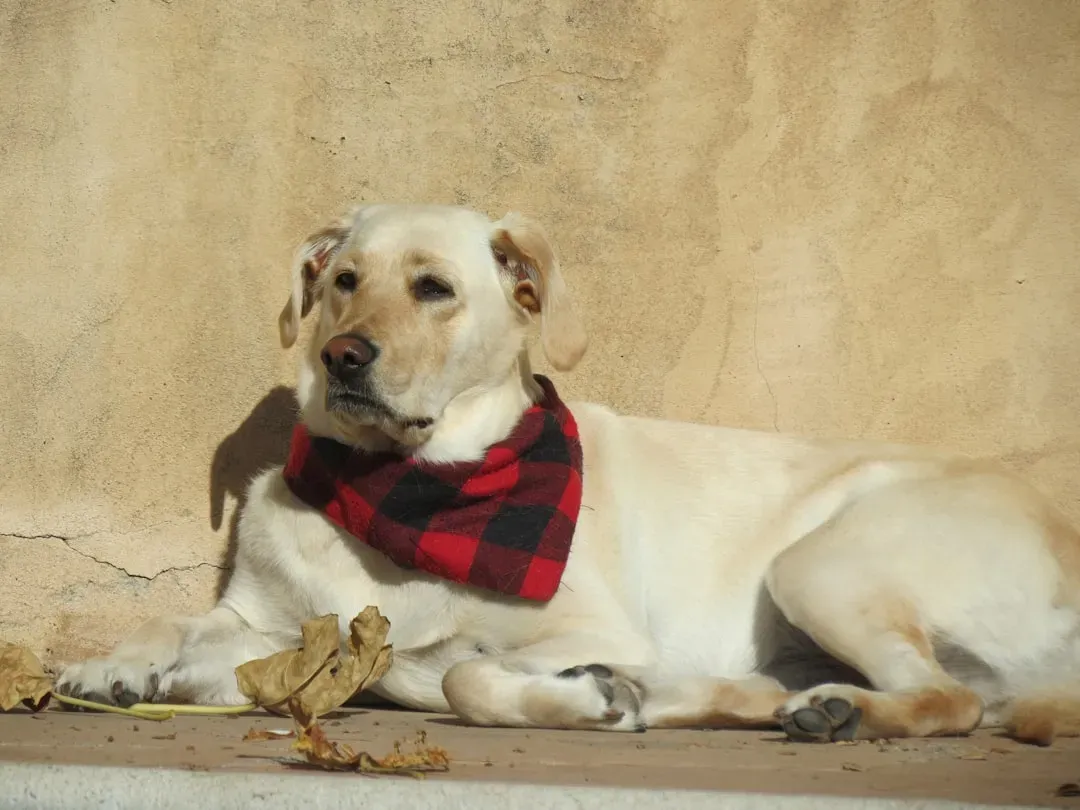
Now let’s talk about the other side of the spectrum. Labrador Retrievers are consistently ranked as one of the most popular breeds in the United States, winning hearts with their intelligence and adaptability, and they love to please their owners, which makes them fast learners. Labs are the golden standard for trainability.
Labs are known for their friendly and outgoing personalities and are among the easiest dogs to train, partly because their very high food drive means they’ll do backflips for a treat, plus they’re bred to be people-pleasing, stable, and confident. They respond beautifully to positive reinforcement and thrive on praise. Whether you’re teaching basic commands or advanced tricks, Labs pick things up quickly. They’re ideal for first-time dog owners and families.
The Border Collie: The Genius Workaholic
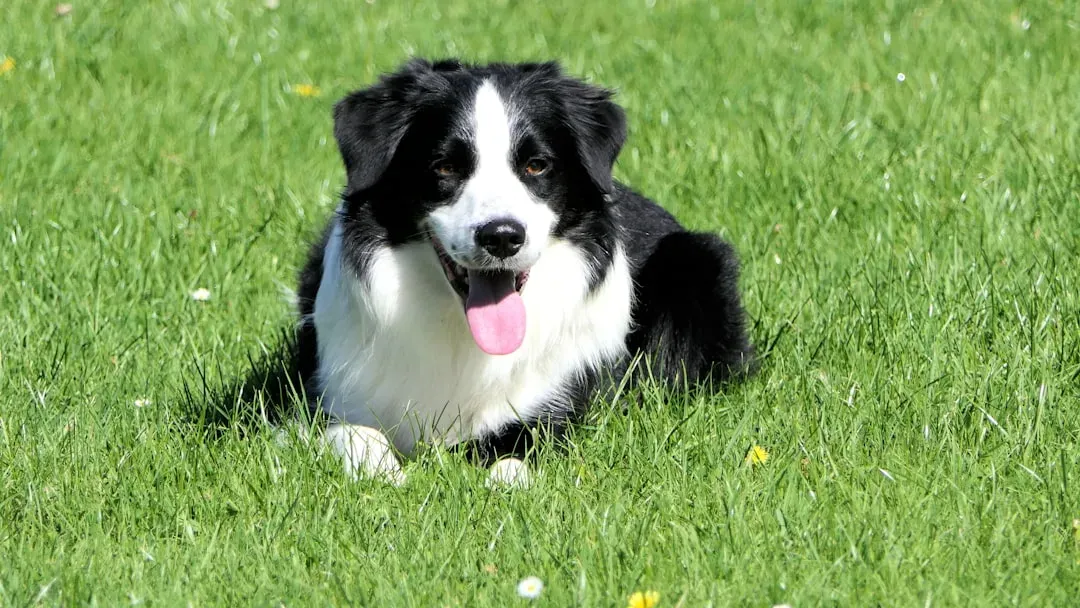
The Border Collie is a whip-smart workaholic that learns remarkably fast, and you might find them looking at you as if to say, “Is that all you wanted?” These dogs are often considered the most intelligent breed in the world. They were bred for herding, which requires quick thinking and rapid response to commands.
They learn new commands in just a few repetitions. The challenge with Border Collies isn’t teaching them – it’s keeping them mentally stimulated. Owners should be ready to provide daily exercises, advanced tricks, and agility training to keep this genius dog happy. Without a job to do, they can become anxious or destructive. If you love training and want a dog that’s always ready to learn, this is your match.
The Poodle: Smart, Stylish, and Seriously Trainable
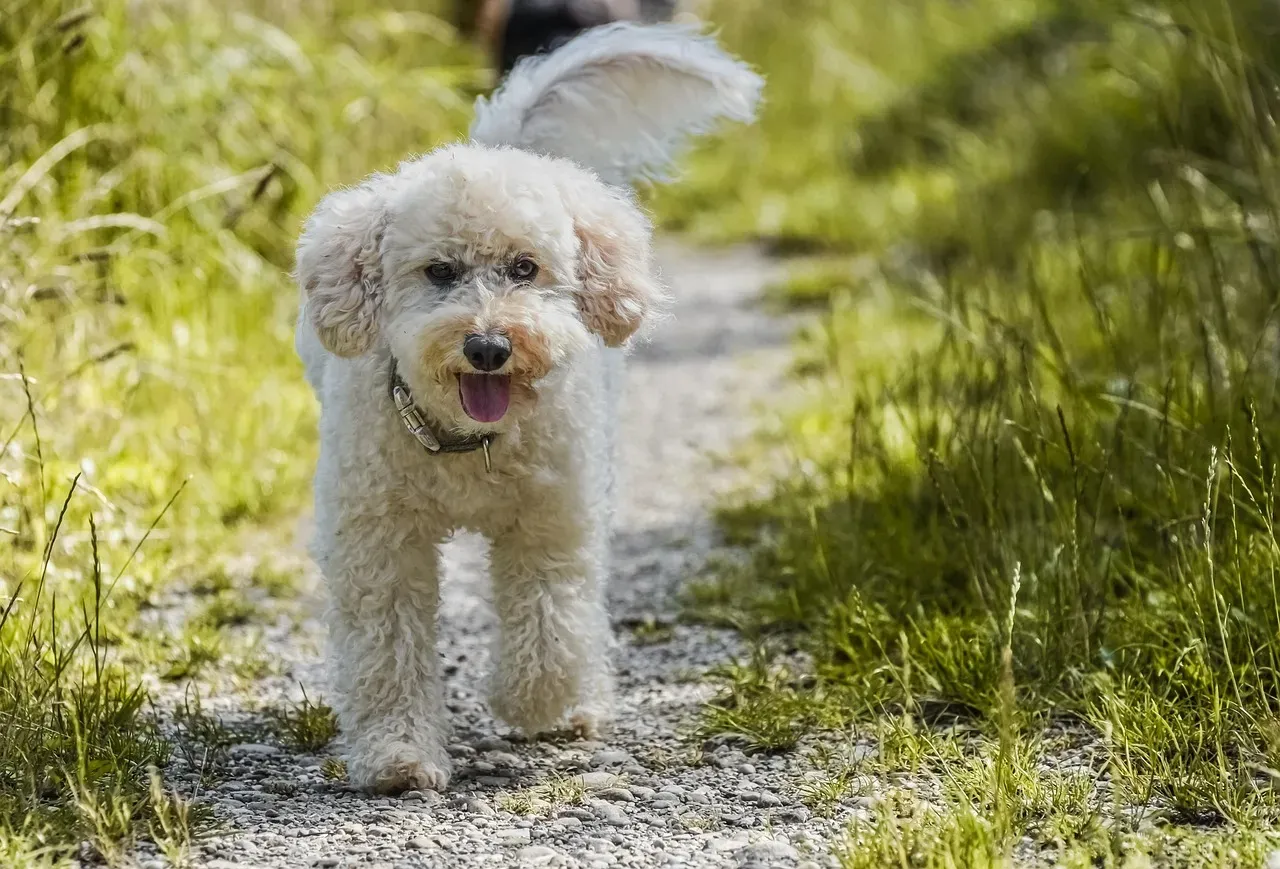
Poodles are often mistaken for just being stylish show dogs, but they are remarkably smart and available in standard, miniature, and toy sizes, adapting well to families and city living. Don’t let the fancy haircuts fool you. These dogs are brilliant and highly motivated to work with their humans.
Standard Poodles are quick learners, and their desire to please their owners makes them one of the easiest breeds to train. They excel in obedience, agility, and even therapy work. Poodles respond beautifully to positive reinforcement. Whether you choose standard, miniature, or toy, you’re getting an intelligent, trainable companion that thrives on learning.
The Golden Retriever: The Gentle, Obedient Family Favorite
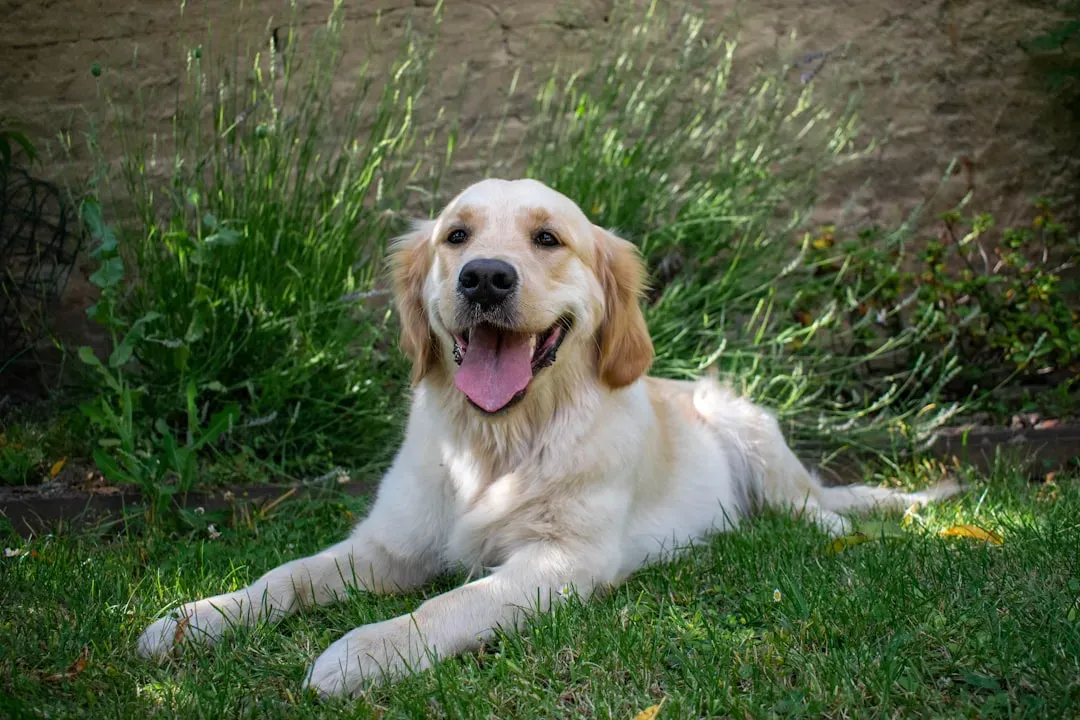
Golden Retrievers are among the most popular dog breeds in the world, largely due to their kind disposition and eager-to-please personality, and they are smart, gentle, and obedient, making them fun to train. They’re patient, loving, and incredibly responsive to training. Goldens seem to understand what you want before you even ask.
Golden Retrievers respond well to positive reinforcement methods, including treats, praise, and play, and consistent training is essential to develop their hallmark well-mannered behavior. They’re commonly used as therapy dogs and service animals because of their calm temperament and willingness to learn. For families or first-time owners, a Golden Retriever is an excellent choice that makes training feel effortless.
Understanding Why Some Dogs Are Harder to Train
Here’s what a lot of people don’t realize: stubbornness isn’t always about intelligence. The idea of breeds being easy or difficult to train is relative, as different breeds were developed to perform specific jobs. A dog bred to make independent decisions while hunting or herding won’t naturally look to you for constant guidance.
What seems to us as stubborn is actually a very strong motivation that doesn’t lie in the rewards we offer, as strong-willed dogs are usually more driven by their instincts than external rewards. Training becomes easier when you understand your dog’s history and work with their natural tendencies instead of against them. Patience, consistency, and positive reinforcement work for every breed, but some just need more time and creativity.
Conclusion: Every Dog Deserves Patience and Understanding
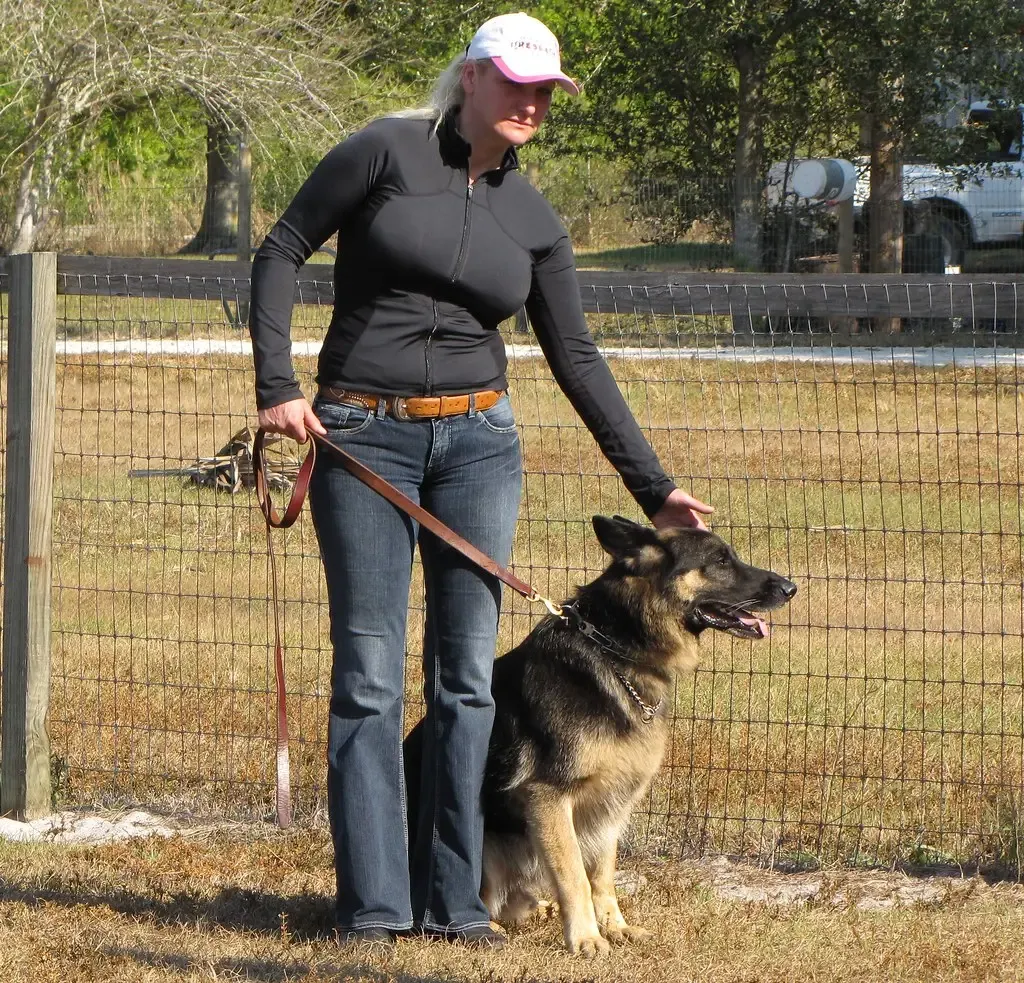
Training isn’t a one-size-fits-all process. Some dogs learn commands in days, while others take weeks or months. That doesn’t make them bad dogs or you a bad trainer. It just means you’re working with a breed that values independence and needs a different approach. The stubborn breeds often become the most loyal, devoted companions once you earn their trust and respect.
The easy-to-train breeds make life simpler, sure. They’re wonderful for families, first-time owners, and anyone who wants a dog that listens consistently. Whether you choose a headstrong Husky or an eager Lab, the key is understanding what drives your dog and meeting them where they are. So what’s your experience been? Have you trained a stubborn breed, or did you luck out with a quick learner? Either way, the bond you build through training is what truly matters.