
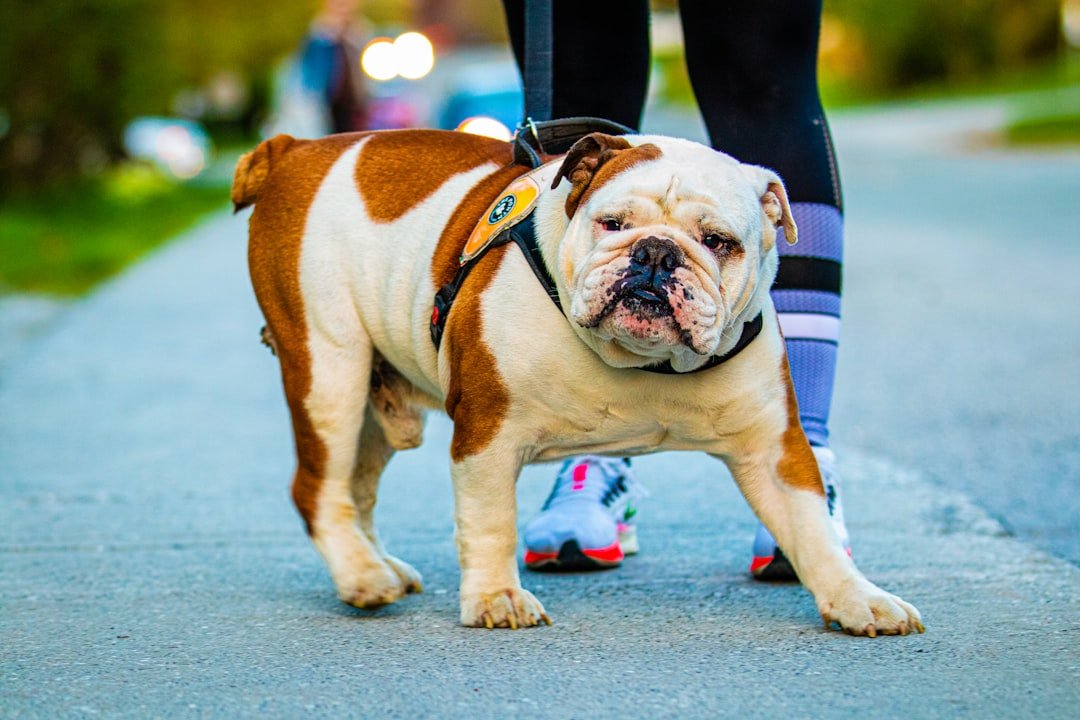
You think you’ve got what it takes to train any dog? Well, think again. Some four-legged friends march to the beat of their own drum, and honestly, that’s part of their charm. These breeds have earned their reputation as canine rebels, not because they’re unintelligent, but because they’ve got personalities stronger than your morning coffee.
Don’t get me wrong – these dogs are absolutely brilliant. They just happen to believe that your suggestions are exactly that: suggestions. Let’s dive into the fascinating world of canine independence and discover why these breeds make their own rules.
Afghan Hound
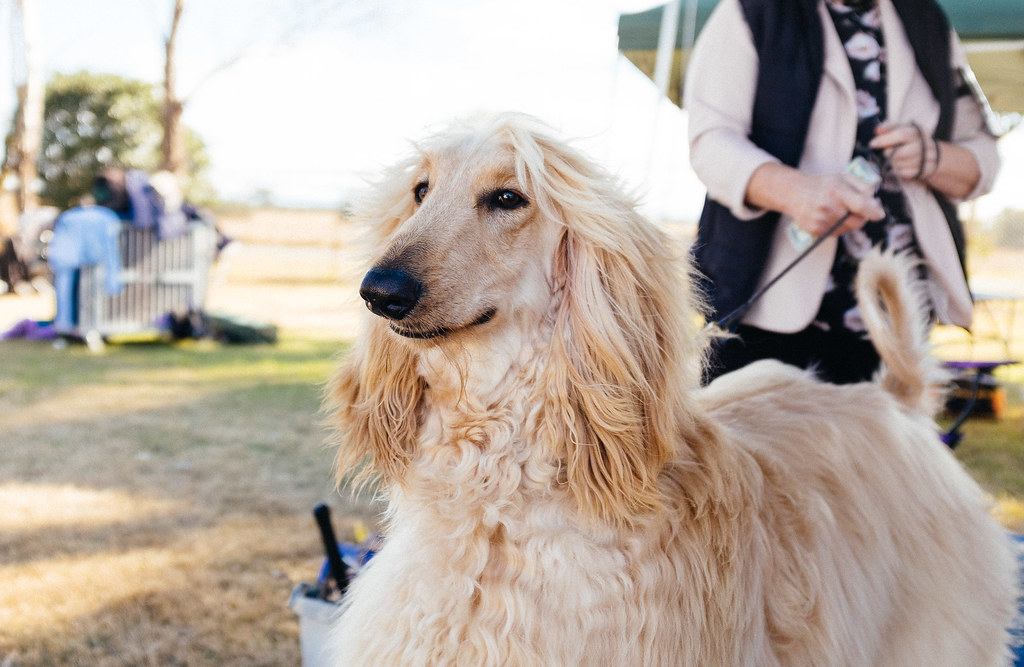
Coren noted that Afghan Hounds were consistently ranked among the least obedient dog breeds among all of the trainers he consulted, with a majority (121 out of 199) ranking the Afghan Hound in the lowest ten breeds out of 133 listed. These stunning sighthounds weren’t bred to constantly check in with humans for instructions. Instead, The Afghan Hound was bred to spend all day chasing prey over long distances. These sighthounds needed to think for themselves to keep track of the prey instead of looking to their owner for direction.
Picture this: your Afghan decides that your “come here” command is merely a friendly suggestion while they’re busy analyzing every scent in the neighborhood. The Afghan Hound is known for its long, silky hair and statuesque appearance, but according to Coren, the breed is known for being stubborn and selective in following commands. These dogs compensate for their selective hearing with incredible loyalty and affection toward their families.
Basenji

According to the book The Intelligence of Dogs, they are the second least trainable dog, when required to do human commands (behind only the Afghan Hound). The Basenji brings a whole new meaning to independent thinking. Like the Chow Chow, the Basenji has a very cat-like personality. Like the Afghan Hound, they were bred to be independent hunters.
These “barkless” dogs might not vocalize like other breeds, but they sure know how to communicate their opinions about your training sessions. Their boundless energy and short attention span make it difficult for them to pay attention to training. The good news is that you can use their high play drive to train them with positive reinforcement techniques. They’ll outsmart you in ways you never imagined possible.
Chow Chow

Chows are serious, independent, and aloof. They are strong-willed and stubborn, and therefore more difficult to train, which lands them a spot on the list of dumbest dog breeds. However, calling them “dumb” completely misses the point. Chows are easily house-trained but would rather do as they please than please their owners.
Think of Chow Chows as the aristocrats of the dog world. They’ve got their own agenda, thank you very much, and your training schedule might not align with their priorities. Elegant, aloof, and proud – Chow Chows tend to bond with one person and tolerate the rest. They’re not naturally affectionate or eager to obey, and they don’t respond well to harsh corrections. Early socialization and patience are absolutely crucial with these fluffy emperors.
Bulldog

The Bulldog does everything on his time. Not unintelligent, he just sees no reason to hurry when asked to do something by his owner. These wrinkled charmers have perfected the art of selective compliance. They’ll look at you with those adorable droopy eyes as if to say, “I heard you, I just don’t feel like it right now.”
Bulldogs needed the tenacity to drive cattle to the market and participate in the bloody sport of bull-baiting, and that trait has carried over into today’s Bulldog as stubbornness. While they are no longer aggressive, they do things on their own time, at their own speed, and only if they want to. Patience becomes your best friend when training these lovable couch potatoes who happen to have opinions about everything.
Beagle

A smart hunting breed, the Beagle’s main problem with training is his nose. Off-leash work is almost impossible without a very firm obedience foundation because if they pick up a scent, they’re gone. These friendly hounds live in a world dominated by scents that humans can’t even imagine. Your voice commands are competing with a symphony of smells that tell fascinating stories.
Beagles on the other hand are hunting hounds and follow their nose over their humans. Training a Beagle requires creativity and understanding that their brain is wired to follow trails, not necessarily your pointing finger. Their strong sense of smell and hunting instincts can lead them to become easily distracted, making obedience training challenging. Consistency and creativity in training methods are key to keeping a Beagle’s attention.
Siberian Husky

Huskies are smaller than malamutes and although they are working sled dogs, they can be mischievous and stubborn. Siberians are very social and enjoy training sessions with their owners. These beautiful arctic dogs were bred to make decisions while pulling sleds across frozen landscapes. That independent thinking doesn’t just disappear when they’re living in your suburban home.
Huskies are the ultimate escape artists who will test every boundary you set. Breeds like the Siberian Husky, Alaskan Malamute, and Jack Russell Terrier are notorious for their stubbornness. This stubborn streak can make it challenging to maintain their focus during training sessions. They’re incredibly intelligent but prefer collaborative relationships rather than strict hierarchies.
Bloodhound

Bloodhounds like to take charge, are stubborn, and their sense of smell is thousands of times stronger than a human’s. Like other breeds on this list, they follow their nose over voice commands. These magnificent scent hounds live in an olfactory universe that we simply cannot comprehend. When they catch an interesting scent trail, your commands become background noise.
Training a Bloodhound means accepting that you’re working with a dog whose nose is essentially a supercomputer processing millions of pieces of information. Basset Hound & Bloodhound: Their incredible sense of smell often leads to distraction, which is a hurdle during training sessions. Their tracking instincts are so strong that disobedience often stems from their overwhelming drive to investigate fascinating smells.
Pekingese

Bred as a lapdog for the royals of China, the Lion Dog, was never meant to carry out an obedience drill or an agility course. So it makes sense that people often find these intelligent courageous dogs are more interested in attention than in training. These tiny lions believe they deserve royal treatment, and honestly, can you blame them?
These little dogs see themselves as the leaders. They are stubborn and don’t see why they should have to listen to their owner’s commands. Pekingese have centuries of breeding that emphasized being pampered companions rather than working partners. Pekingese: They possess a regal demeanor and can be aloof, often indifferent to commands, requiring a trainer’s persistence.
Basset Hound

Short legs, long ears – and a mind of their own. Basset Hounds are gentle but stubborn, often described as “slow to obey” not because they don’t get it, but because they’d rather sniff first, think later. These low-riding hounds have perfected the art of polite defiance. They’ll acknowledge your command with a gentle tail wag before completely ignoring it.
Their droopy expressions might make you think they’re not paying attention, but they’re actually processing every scent molecule in their environment. Bassets can be a little stubborn, and like their scenthound cousins, Bloodhounds and Beagles, Bassets might have trouble ignoring the amazing scents around them long enough to concentrate on learning. Training requires incredible patience and understanding of their scent-driven priorities.
Mastiff

Mastiffs are actually quite bright; they just get bored of training easily, so keep things short and positive. These gentle giants have their own ideas about when and how they want to participate in training sessions. Think of them as the wise, elderly relatives who’ve seen it all and aren’t easily impressed by your enthusiastic commands.
Mastiffs, sometimes referred to as Old English mastiffs, are large but good-natured. However, the AKC states they are in need of solid training and require a lot of exercise and stimulation to prevent them from getting bored and destructive. Their size means that establishing good habits early is crucial, even if they prefer to learn at their own leisurely pace.
Scottish Terrier

Stacker also shares their opinion on the Scottish Terrier: “A popular breed of the 1930s and 1940s, Scotties were bred as watchdogs and farm helpers, so they are used to being independent and aloof. They carry themselves with confidence and respond well to different vocal cues.” These confident little dogs have never met a rule they didn’t want to question first.
Scottish Terriers are on the list of least obedient dog breeds because they were bred to be hunting and tracing dogs. This makes any kind of dog have these crazy instincts to go beyond their owner’s command, no matter how attached they are to their owner, and how lovable they are. Their independent spirit was essential for their original jobs, and that same determination shows up in modern training sessions.
Shih Tzu

The Afghan Hound, Shih Tzu, Basenji, Bulldog, and Chow Chow are some of the breeds often found difficult to train. These little lion dogs were bred to be cherished companions in Chinese palaces, not obedient servants. They approach training with the attitude of a beloved family member who knows they’re adored regardless of their compliance.
Shih Tzus have mastered the art of being absolutely adorable while completely ignoring your commands. Their flowing coats and sweet expressions can make you forget that they’ve just decided your recall command was optional. Training success comes from making sessions feel like fun social interactions rather than formal lessons.
Dachshund

Notorious for being almost impossible to house train, the doxie is, in a word, stubborn. Yet another hunting breed, they also are independent and want to make their own house rules, much to the chagrin of their owners. These sausage-shaped comedians have perfected selective hearing. They’ll hear a treat bag rustle from three rooms away but somehow miss your “come” command.
Dachshunds were originally bred to hunt badgers in underground tunnels, requiring them to make independent decisions without human guidance. That same determination that made them excellent hunters now makes them challenging students. Their low-to-the-ground perspective gives them a unique view of the world, and they’re not always interested in seeing things from your point of view.
Bull Terrier

Bull Terrier: Known for their energetic nature, Bull Terriers require firm and consistent training to manage their exuberance. These egg-shaped heads house incredibly active minds that are constantly analyzing whether your suggestions align with their current interests. They’re not defiant out of spite; they’re just very selective about which activities deserve their full attention.
Bull Terriers are entertaining, mischievous and stubborn, requiring firm but loving training with patient owners. Once socialised, these cheeky dogs make excellent family pets. Their playful nature can make training sessions feel more like games, which actually works in your favor if you embrace their spirited approach to life.
Welsh Terrier

Although some may feel all terriers should be on this list (most terrier breeds are known for being intelligent but also somewhat stubborn), the Welsh Terrier may be King of the Terriers when it comes to being independent. They are difficult to housebreak, cannot be trusted off-leash (due to chasing), and definitely have a “why should I do what you are asking” attitude.
The Welsh terrier is distinguished as a bit calmer than its relatives, but still up for a challenge; this dog was bred to fight badgers, otters, and other feisty game. These compact terriers approach training with the confidence of dogs who know they were bred to take on formidable opponents. Your training commands are just another challenge to evaluate and potentially negotiate.
Conclusion
Remember, labeling these breeds as “least obedient” doesn’t mean they’re less intelligent or less loving. Stubborn Doesn’t Mean Stupid: Labels like “disobedient” often mask a dog’s intelligence. Some breeds learn differently, thriving on positive reinforcement, engaging games, and clear communication. These independent thinkers were bred for specific jobs that required them to make decisions without constant human input.
With trust, time, and positive reinforcement, even the so-called “least obedient” breeds can become your most loyal companion. The key is understanding that these dogs aren’t being difficult on purpose – they’re simply showing you the same independent spirit that made their ancestors so valuable to humans throughout history.
What do you think? Does your dog’s breed make this list, and if so, do you recognize these charming acts of rebellion? Tell us in the comments about your experiences with these wonderfully independent breeds!


