
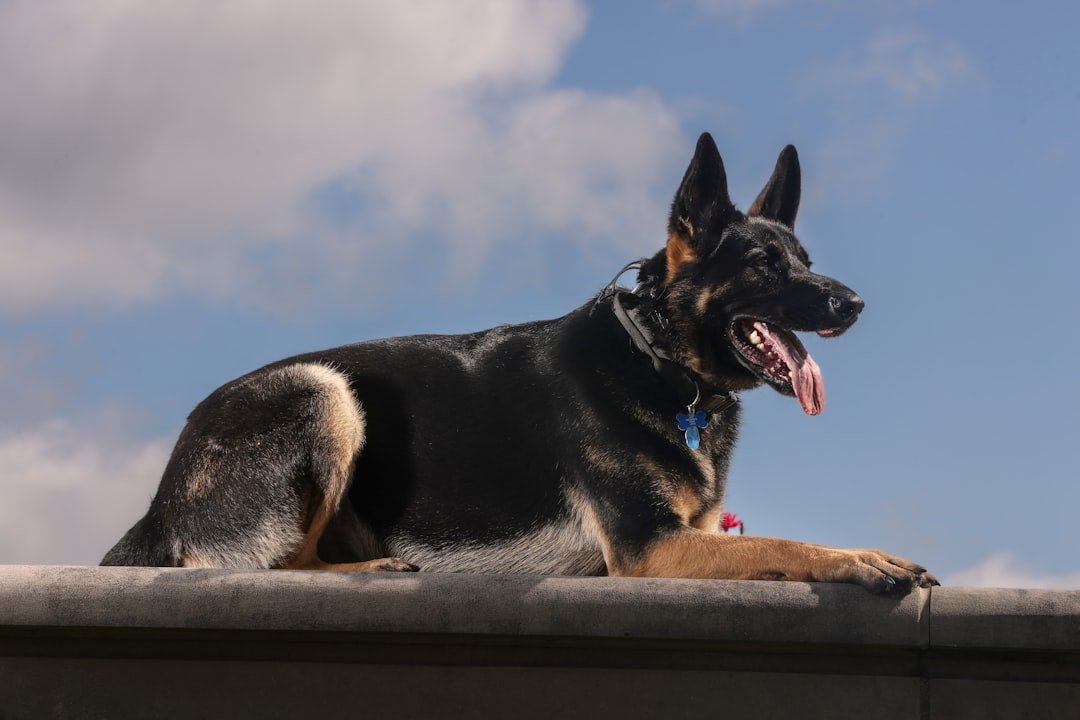
Dog training challenges like pulling on leashes, delayed responses, and unreliable come-when-called moments frustrate many owners, yet targeted use of treats offers a straightforward path to improvement.
Harness Treats for Loose-Leash Walking
One of the most common issues arises during walks, where dogs tug ahead eagerly. Trainers emphasize rewarding calm behavior to reshape this habit effectively.
Start by stopping movement whenever the leash tightens, then offer a high-value treat only when the dog returns to your side with slack in the lead. Repeat this process consistently over short sessions. Progress by gradually increasing the duration of calm walking before delivery. Owners report noticeable reductions in pulling after just a few outings.
- Select small, soft treats that deliver quickly without disrupting flow.
- Practice in low-distraction areas first, like quiet streets or yards.
- Combine with verbal praise to build association beyond food rewards.
- Monitor progress and fade treats as the behavior solidifies.
This method fosters self-control, turning chaotic strolls into pleasant shared experiences.
Master the Instant Sit Command
Teaching a dog to sit on cue transforms daily interactions, from greeting guests to waiting at doors. Treats accelerate this by linking the action directly to rewards.
Lure the position by holding a treat above the nose and moving it back until the hindquarters drop, then immediately dispense the treat paired with the “sit” command. Practice in varied settings, starting with 10 repetitions daily. Once reliable, add distance by stepping away briefly before rewarding. Resistance fades as the dog anticipates the payoff.
- Use the lure technique initially for clear guidance.
- Transition to verbal cue alone after 20-30 successful reps.
- Increase challenges with distractions like toys or food on the floor.
- End sessions on successes to maintain enthusiasm.
Soon, sits become automatic, enhancing safety and obedience in real-world scenarios.
Build Reliable Recalls with Joyful Rewards
Recalls save lives during off-leash adventures, yet dogs often ignore calls amid excitement. Treats make returning irresistible when timed perfectly.
Begin indoors: say the dog’s name and “come,” then back away enthusiastically while showing a treat. Reward lavishly upon arrival, with extra play or affection. Extend to yards, using long lines for safety. Never call for punishment; reserve for positive outcomes only. Consistency across family members prevents confusion.
Advanced steps involve proofing against temptations, rewarding promptly even if delayed. This creates a rock-solid response rooted in trust and delight.
Essential Strategies for Treat Success
Beyond specific commands, smart treat management maximizes results. Choose varieties suited to size, age, and motivation level, keeping portions tiny to avoid weight gain.
Rotate flavors to prevent boredom and maintain value. Track usage to wean off gradually, replacing with life rewards like continued walks or toy access. Sessions should remain brief, under 10 minutes, to preserve focus.
| Command | Treat Type | Frequency |
|---|---|---|
| Walks | High-value meat bits | Every slack moment |
| Sits | Soft kibble treats | Per success |
| Recalls | Jackpot (multiple) | On return |
Patience proves key; results emerge over weeks with daily practice.
- Prioritize high-value treats for motivation.
- Practice consistently in progressive environments.
- Fade rewards to ensure lasting habits.
These treat-focused approaches deliver calmer walks, prompt sits, and eager recalls, strengthening the human-canine bond. What challenges do you face in training, and which tip will you try first? Share in the comments.


