
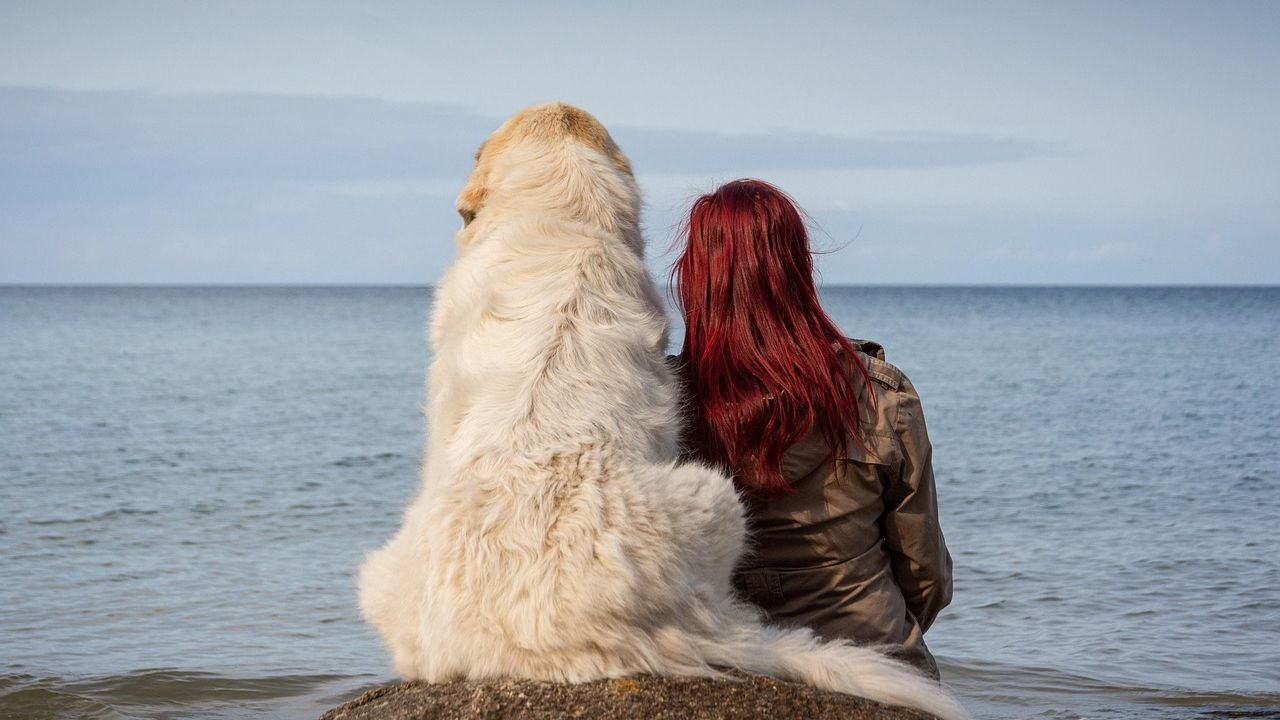
We all know that moment. You reach for the treat jar, and your dog materializes like magic, eyes bright, tail wagging. It’s adorable, sure. They love you, right? Well, maybe. Or maybe they just love what’s in your hand. The truth is, real love between you and your dog runs much deeper than a pocket full of biscuits. It’s woven through trust, understanding, and a connection that doesn’t depend on food.
Think about the dogs who seem to know when you’re sad before you even cry. Or the ones who check your face before deciding if that vacuum cleaner is friend or foe. That’s not about treats. That’s about something far more powerful.
The Science Behind Your Dog’s Gaze Tells Us Everything
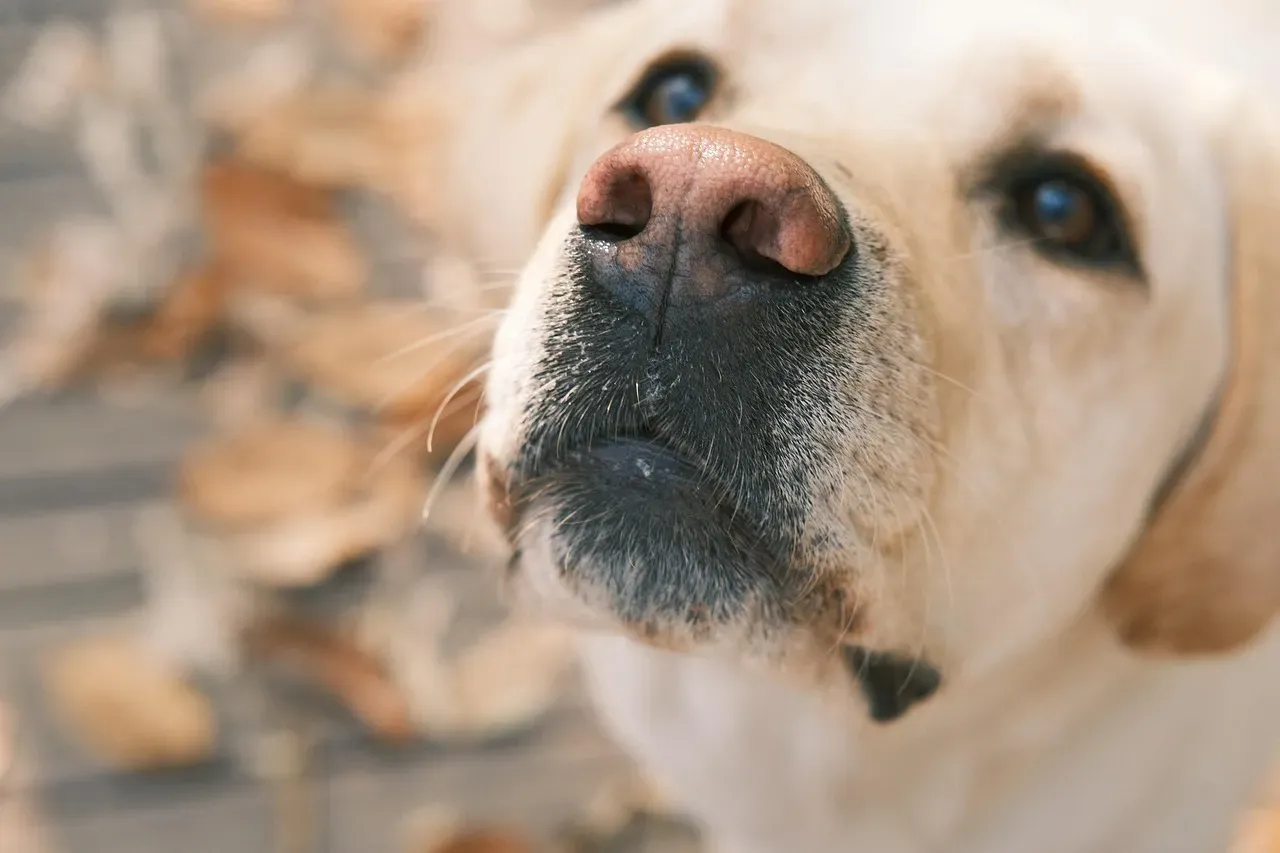
When dogs look into our eyes, they activate the same hormonal response that bonds human mothers to their infants, and studies show that mutual gazing triggers significant oxytocin increases in both species. Oxytocin is a hormone that plays a role in maternal bonding, trust, and altruism, so this isn’t some trivial connection. On a neurological level, dogs have that same kind of love response when they see us as babies have when they see their mom.
This matters because it means your dog isn’t just staring at you hoping for lunch. That mutual oxytocin rush builds trust, affection, and a sense of deep connection, and every time you share a loving glance with your pup, you’re literally strengthening your bond on a chemical level. It’s biology at work, creating something beautiful between two different species.
Trust Shows Up in the Small Moments
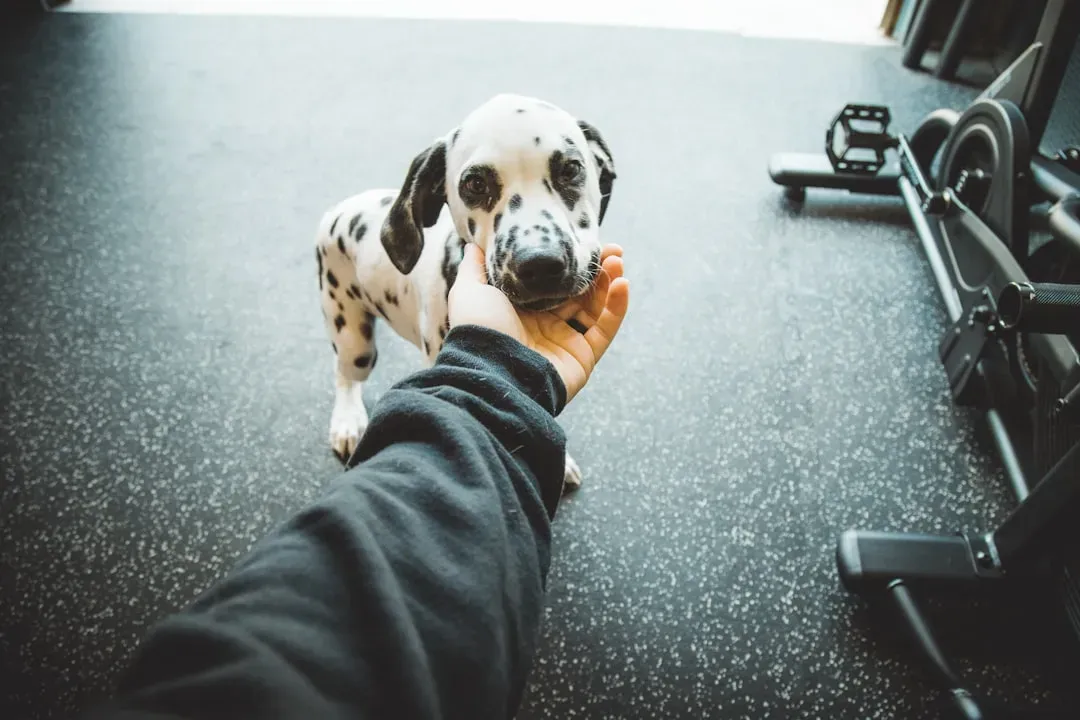
You’ll see trust most clearly when your dog isn’t asking for anything at all. One of the most vulnerable parts of a dog’s body is the belly, so when a dog feels comfortable enough to roll onto their back in your presence, they trust you enough to voluntarily roll into this exposing position. That’s not performative. That’s pure vulnerability.
Dogs choose to sleep where they feel most comfortable and at ease, so if your dog enjoys sleeping in your bed or likes to snuggle up to you for a nap, they feel trust in you that they will be safe to do so. Watch where your dog rests. If they’re curled up at your feet or sprawled across your lap, that’s trust speaking louder than any trick ever could.
Your Dog Reads You Better Than You Think
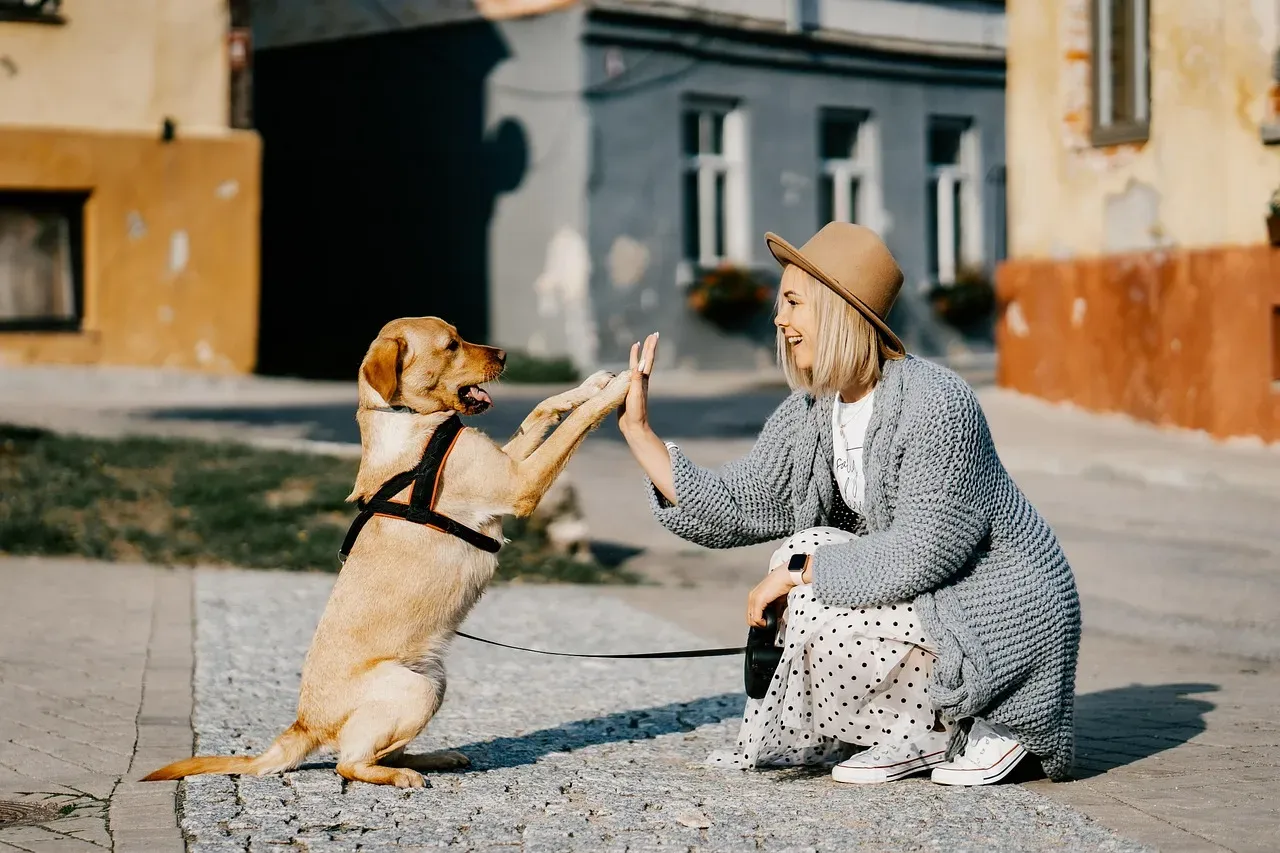
Dogs will look at where you’re pointing, an intuitive reading of our intentions that confounds our closest relatives, chimpanzees. They’ve evolved alongside us for thousands of years, learning to interpret our emotions, our gestures, even the tone of our voice. Dogs learn to use emotional cues from humans to guide their own behaviour, and these intelligent animals look to their companions to learn more about the world around them.
This means your dog is constantly checking in with you. They’re asking, “Are we safe? Is this okay?” That’s social referencing, and it only happens when trust exists. Picture a nervous dog in a new environment who glances back at their owner before proceeding. That glance isn’t about food. It’s about faith in you as their safe person.
Body Language Never Lies
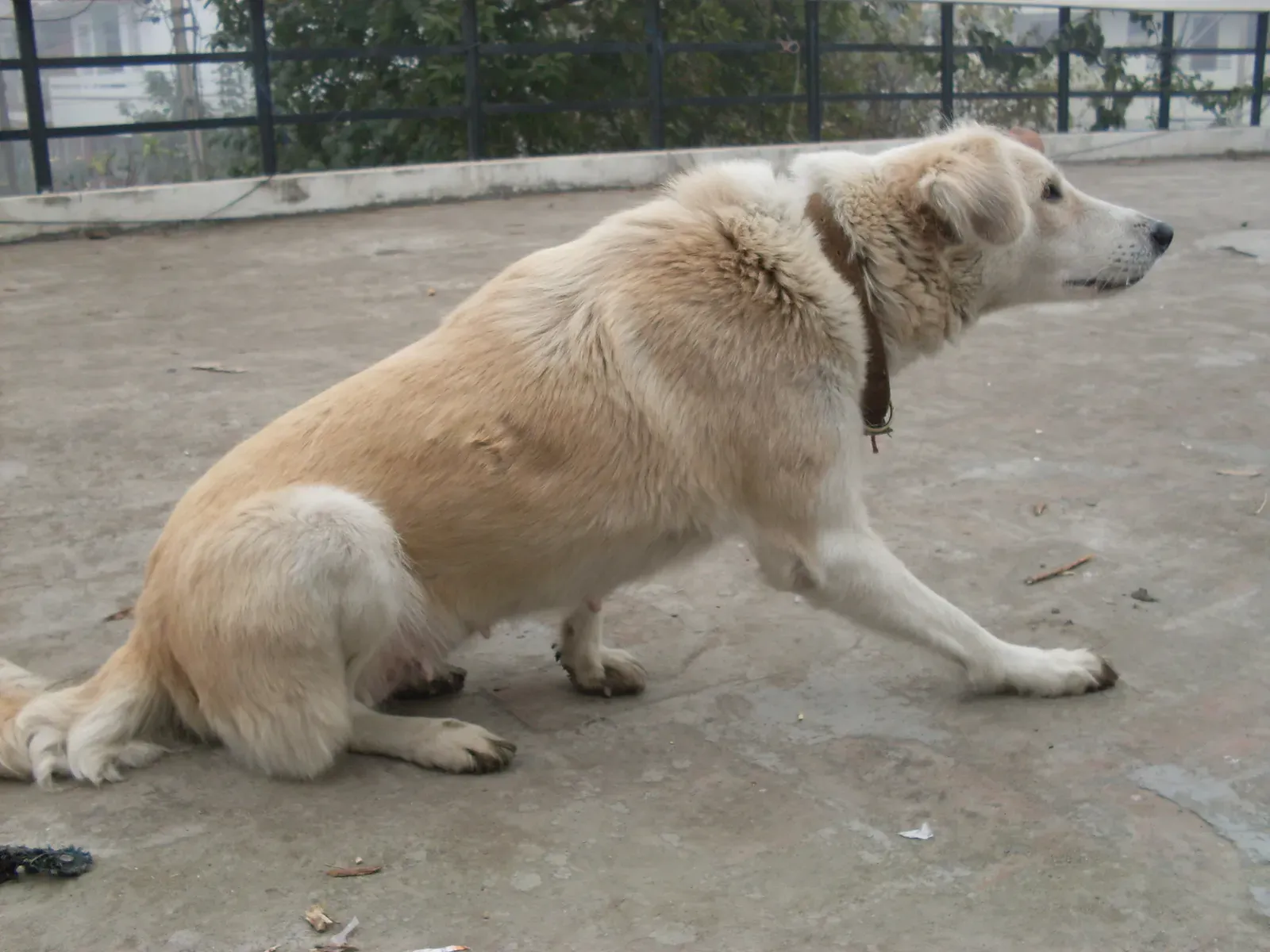
Dogs communicate their wants, needs, happiness and fear primarily through body language. Learning to read those signals is your responsibility if you want to build genuine trust. A relaxed dog has soft eyes, loose body movement, and a gently wagging tail. Dogs that are calm, confident and relaxed should be interested in what’s happening around them and responsive to their owners, but also able to settle.
Pay attention to the subtle stuff. Dogs yawn when they’re stressed, and according to experts, dogs use yawning to calm themselves in tense situations and to calm others, including their owners. If your dog is yawning during a training session, they might not be bored. They might be overwhelmed. Responding to those signals instead of pushing through them? That’s how you build trust brick by brick.
Consistency Builds the Foundation
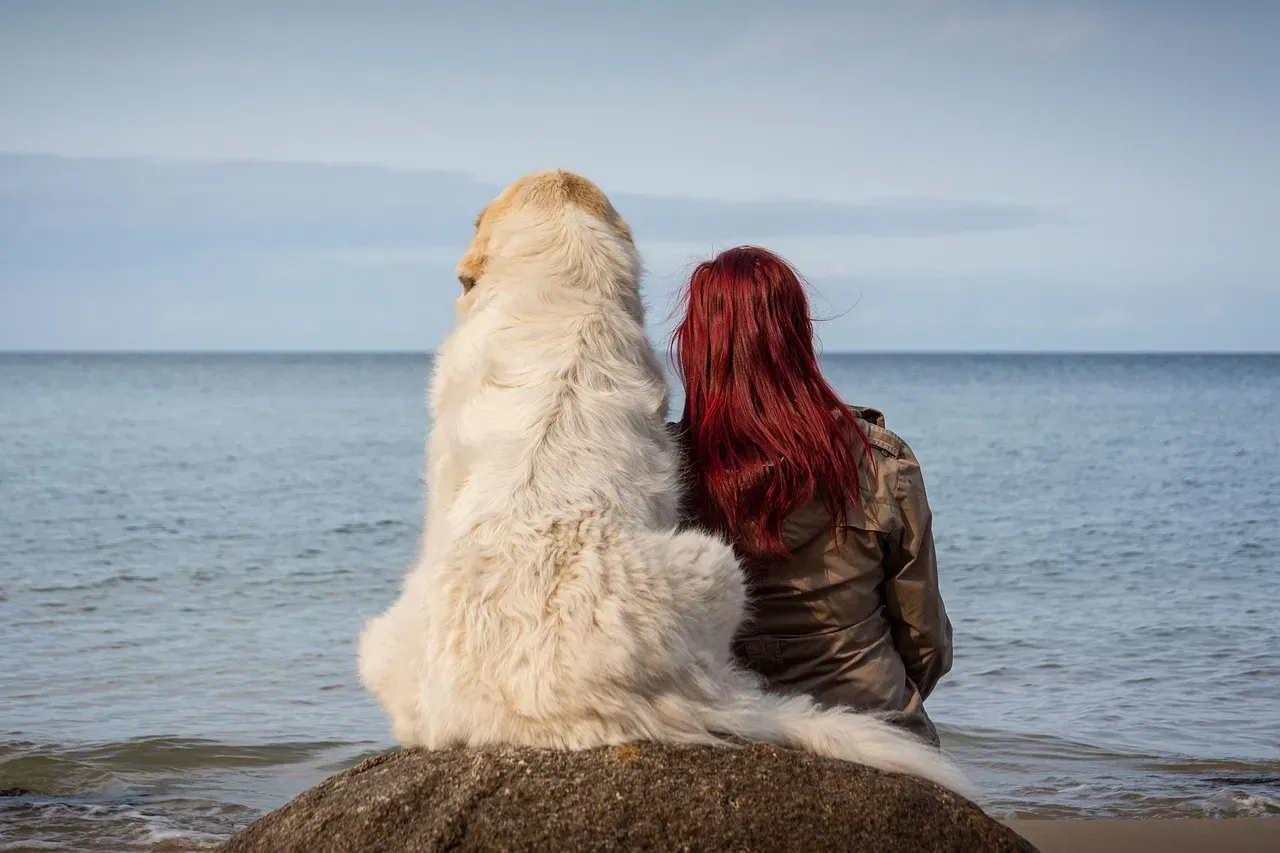
The relationship between human and canine is a bidirectional attachment bond that resembles the typical human caretaker and infant relationship, and dogs display proximity seeking behavior where the canine will seek out its caretaker as a means to cope with stress. Your dog doesn’t just want you around. They need you to be predictable, reliable, and present.
Trust isn’t automatically given and needs to be earned and maintained through consistent positive interactions, focusing on creating predictable routines, using positive reinforcement training methods, and respecting your dog’s boundaries during care activities. This means showing up the same way every day. It means not punishing out of frustration. It means being the person your dog can count on, whether you have treats in your pocket or not.
Conclusion
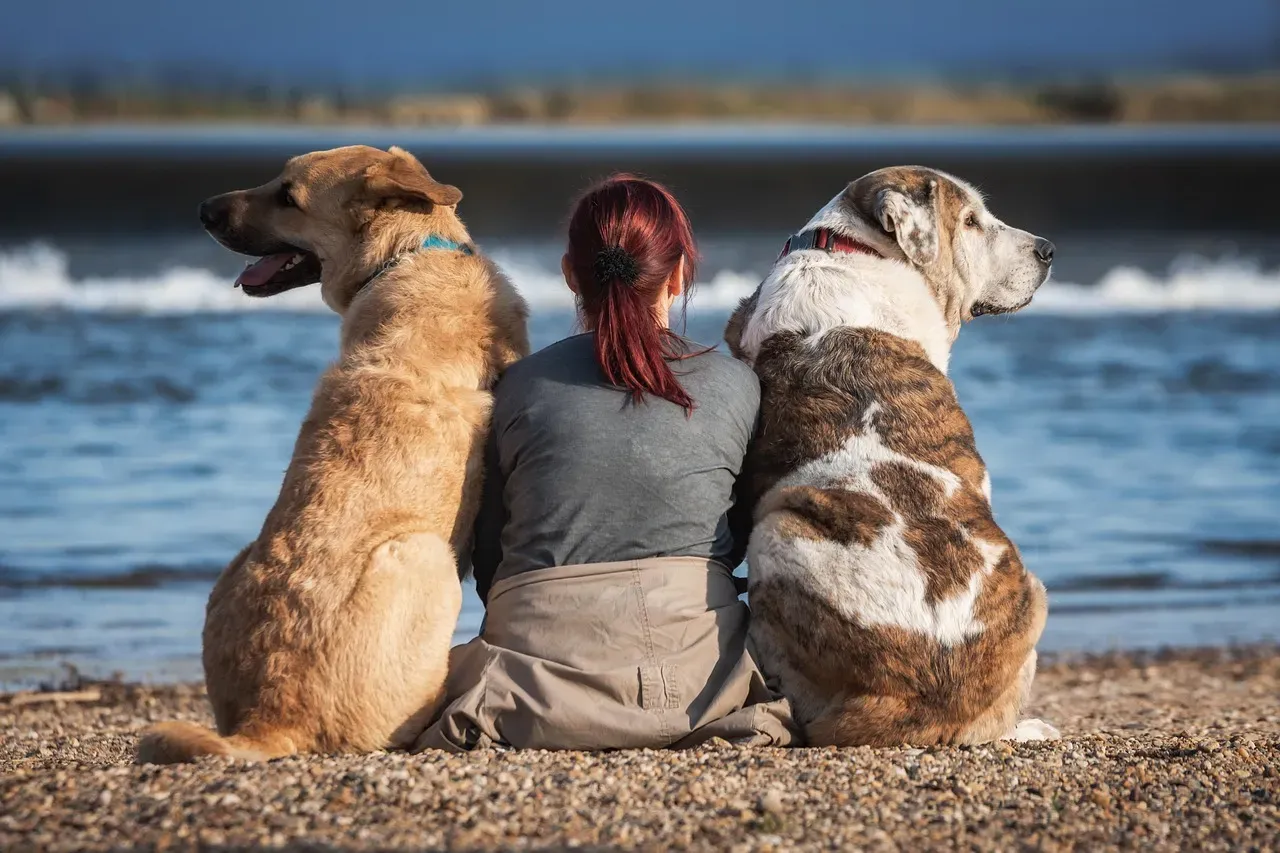
Real dog love doesn’t live in a treat jar. It lives in the quiet trust between you, built through understanding, patience, and mutual respect. Treats are tools for training, sure. They’re fun rewards and moments of joy. Yet the dogs who truly love us aren’t the ones who perform for snacks. They’re the ones who rest their head on our knee when we’re sad, who look to us for guidance when the world feels scary, who choose to be near us even when there’s nothing in it for them.
That kind of bond takes time. It requires you to listen to what your dog is really saying, not just with their behavior but with their body, their eyes, their energy. So what about you? Do you think your dog trusts you beyond the biscuit tin?


