
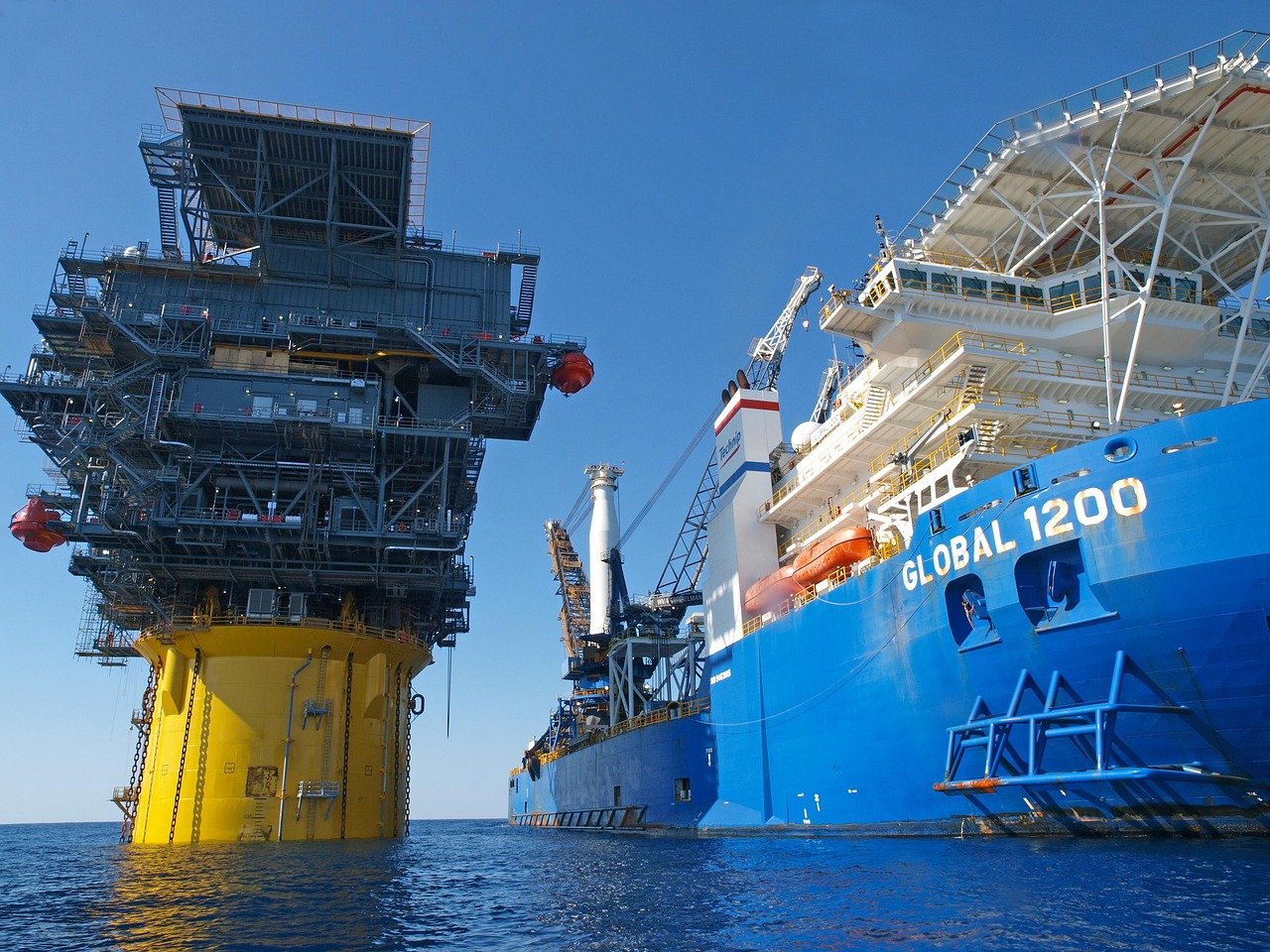
Gulf of Mexico – A rare federal panel known as the Endangered Species Committee voted unanimously on March 31, 2026, to exempt all oil and gas operations in the region from key provisions of the Endangered Species Act.[1][2] The decision, triggered by Defense Secretary Pete Hegseth, prioritizes energy production over wildlife safeguards during a period of global supply disruptions.[3] Critics warned that imperiled marine species now face heightened risks from drilling activities.
The Unprecedented Vote Unfolds
Federal officials convened the committee after Hegseth invoked a national security provision in the Endangered Species Act, a step never taken before.[1] Interior Secretary Doug Burgum chaired the meeting, which included leaders from agencies like the EPA, NOAA, and the Departments of Agriculture and the Army. The panel approved the exemption for “Gulf of America Oil and Gas Activities,” overriding biological opinions that mandated protective measures.[2]
The Gulf supplies about 15 percent of U.S. crude oil production, making it vital for domestic energy needs.[3] Hegseth argued that ongoing lawsuits by environmental groups threatened to halt operations, divert resources, and create regulatory uncertainty. He linked stable production to military readiness and economic stability, especially amid the U.S. and Israeli conflict with Iran that disrupted global oil supplies.[1]
Decoding the ‘God Squad’ Legacy
Congress created the Endangered Species Committee in 1978, dubbing it the “God Squad” for its power to bypass species protections in extraordinary cases.[3] Over nearly five decades, it has met only a handful of times, granting exemptions just three times previously. This marked its first gathering in over 30 years and the initial use of the national security clause.[1]
Typically, exemptions require proving no viable alternatives exist and outlining mitigation plans. Here, the panel deemed those standards inapplicable under the security finding. NOAA Under Secretary Dr. Neil Jacobs noted that existing avoidance measures would continue under the order, though enforcement details remain unclear.[1]
Marine Life Hanging in the Balance
The exemption removes requirements tied to federal biological opinions from the National Marine Fisheries Service and U.S. Fish and Wildlife Service. These documents outlined steps to shield species from vessel strikes, noise pollution, trash discard, and spills during exploration and production.[2]
Rice’s whales bear the brunt of concern. With an estimated 51 individuals left—all in the Gulf—the population plummeted after the 2010 Deepwater Horizon disaster.[1] Other affected species include:
- Sperm whales
- West Indian manatees
- Sea turtles (multiple Gulf species, threatened or endangered)
- Gulf sturgeon
- Manta rays and certain sharks
The Gulf hosts around 20 threatened or endangered marine species vulnerable to oil industry impacts.[4]
Security Rationale Versus Ecological Warnings
Hegseth emphasized during the livestreamed session that litigation risked vacating protective opinions, stalling new approvals and long-term planning. “Exemption from the Endangered Species Act in the Gulf is not just a good idea, it is a critical matter of national security,” he stated.[3] Burgum highlighted recent global events underscoring energy vulnerabilities.
Environmental advocates countered that science-based measures already allowed operations without jeopardy. Groups like the Center for Biological Diversity filed suits challenging the opinions and the exemption itself, alleging procedural flaws and manufactured threats. “They’re making it harder to list species or protect their habitats,” one expert remarked.[1]
Key Takeaways
- The exemption shields all Gulf oil and gas from ESA Section 7 for decades, prioritizing energy over species safeguards.
- First national security invocation sets a precedent amid geopolitical tensions.
- Rice’s whales, with just 51 left, lose mandated protections against key threats like ship strikes.
This decision reshapes the balance between energy independence and biodiversity in one of America’s most productive offshore basins. As legal challenges mount, the Gulf’s wildlife faces uncertain futures amid expanded drilling. What do you think about this trade-off? Tell us in the comments.


