
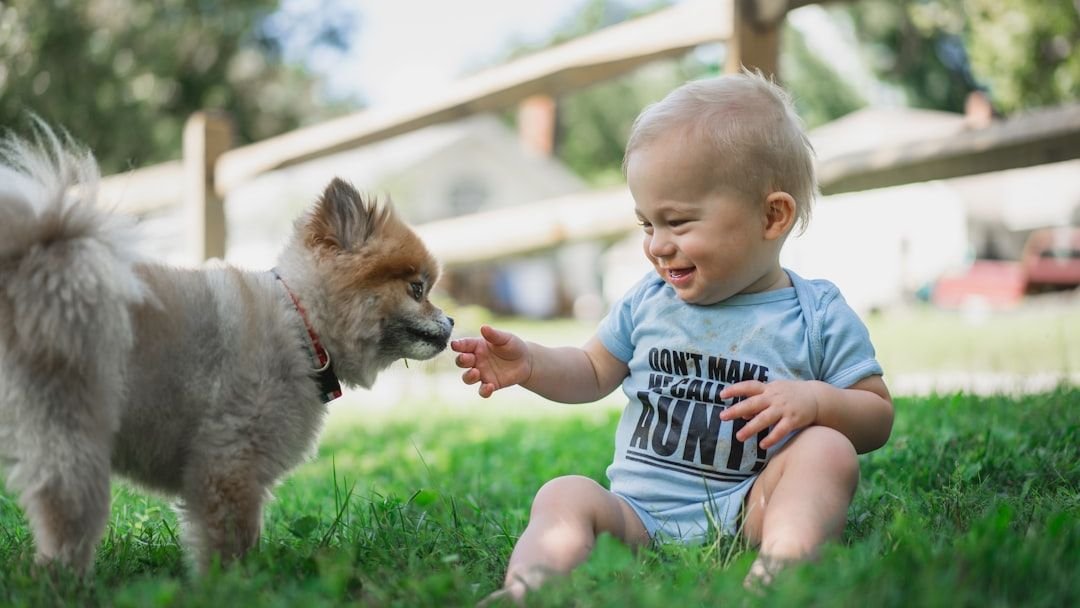
You talk to your dog every single day. You narrate walks, whisper sweet nothings at bedtime, cheer them on during zoomies, and yes, you’ve probably had full conversations in the kitchen. Most people assume their dog hears a warm blur of noise and responds purely out of habit or training. But here is the thing – science has been quietly uncovering something far more extraordinary. Your voice is doing so much more to your dog’s brain than you ever imagined.
What researchers have found in labs across the world is honestly a little mind-blowing. The emotional intelligence your dog brings to listening to you rivals what we once thought was exclusively human. Buckle up, because what’s happening inside your dog’s head every time you open your mouth might just change the way you speak to them forever. Let’s dive in.
Your Dog Knows It’s You – Even Before They See You
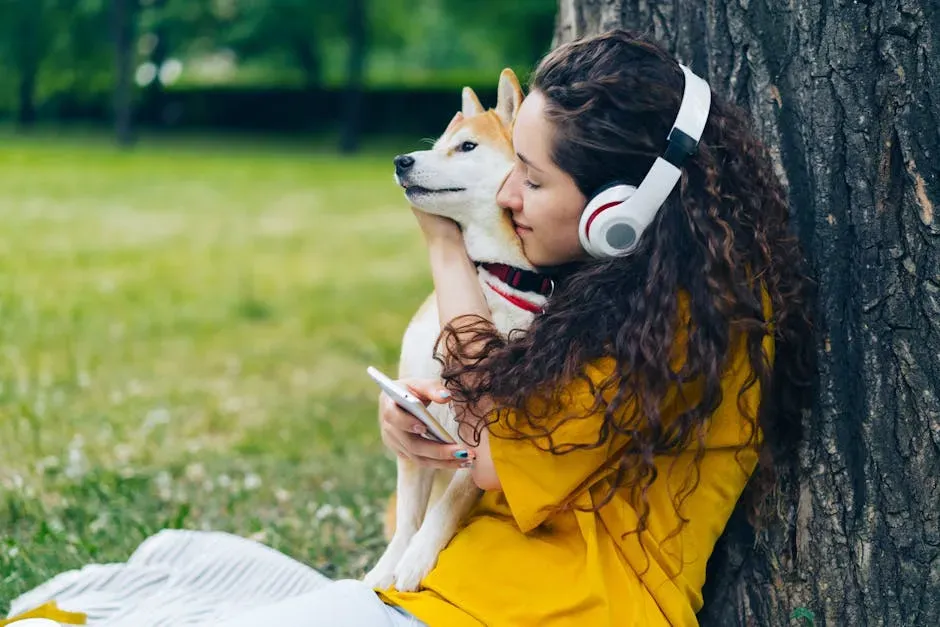
Imagine hiding behind a door and calling out to your dog. No visual clues. No familiar scent drifting their way. Just your voice alone. Researchers found that dogs successfully identified their owner in roughly four out of five of these exact scenarios. That is not a guess – that’s near-perfect recognition.
Differences in sound properties, including pitch and timbre, help dogs recognize the voice of their owners over that of a stranger, according to a study from the Department of Ethology at Eötvös Loránd University in Hungary. Honestly, it’s like having a living, breathing voice-recognition system in your living room.
Given that dogs have adapted to the human social environment, recognizing individual humans’ voices was an adaptive trait – those dogs who could do so enjoyed a selective advantage, and so dogs gradually got better and better at this ability. Think about that for a second. Your dog’s ancestors were literally shaped by evolution to lock onto your specific voice like a radar system.
It turned out that if the owner’s and the stranger’s voice differed more in pitch and noisiness, it helped dogs recognize their owner’s voice, though timbre and other sound properties did not play the same role. So when you’re speaking in that slightly dramatic, animated voice you use with your dog, you’re actually making it easier for them to find and follow you.
Your Dog’s Brain Processes Your Words Like a Human Brain Does
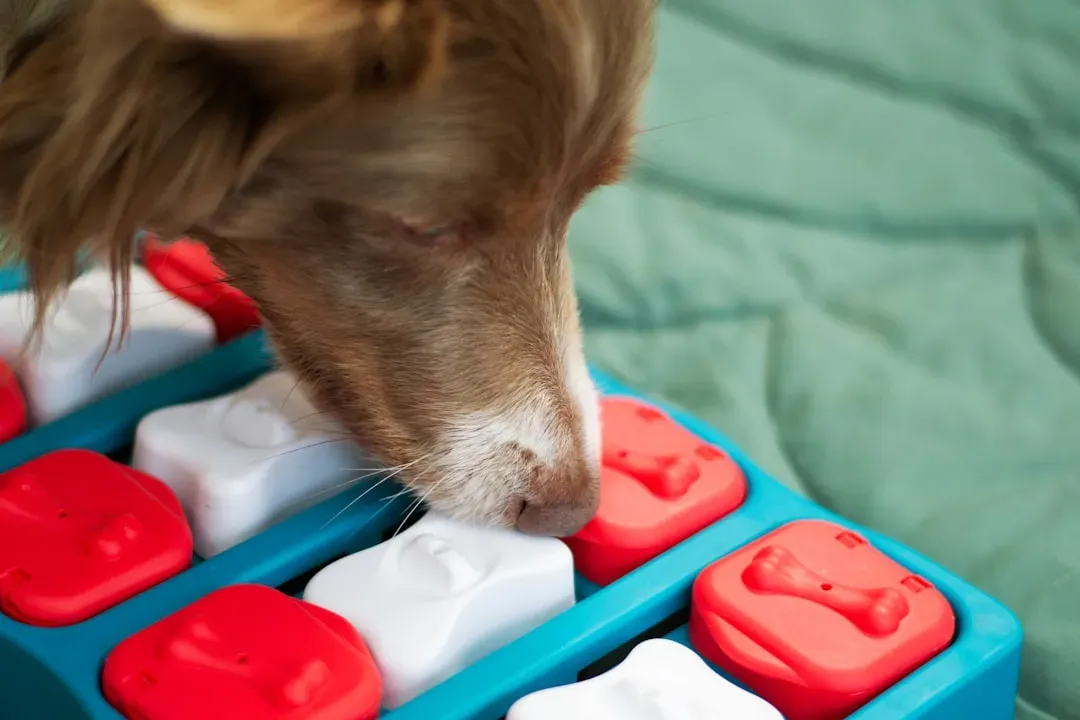
Here’s where it gets genuinely shocking. Most of us assume our dogs hear sounds, not words. We think tone is everything and words are basically decoration. Science, however, tells a very different story.
The left hemisphere of the brain processes meaning, while intonation is analyzed in the right hemisphere – and this is true for both humans and dogs. That split-brain processing of language was once thought to be uniquely human. It is not.
Monitoring of the reward regions of the brain revealed that dogs responded best when praising words were used in combination with praising intonation – showing that dogs not only separate what we say from how we say it, but can also combine the two for a correct interpretation of what those words really mean. So if you say “good boy” in a flat, bored tone, your dog genuinely notices the mismatch. They’re not fooled.
The reward center of the brain, which responds to pleasurable sensations like affection, playing, or eating, was only activated when the dogs heard words they understood in a tone they liked. That means the actual words matter. It means “good girl” said warmly isn’t just pleasant noise. It literally activates something joyful in your dog’s brain.
Tone of Voice Is Your Dog’s Emotional Weather Forecast
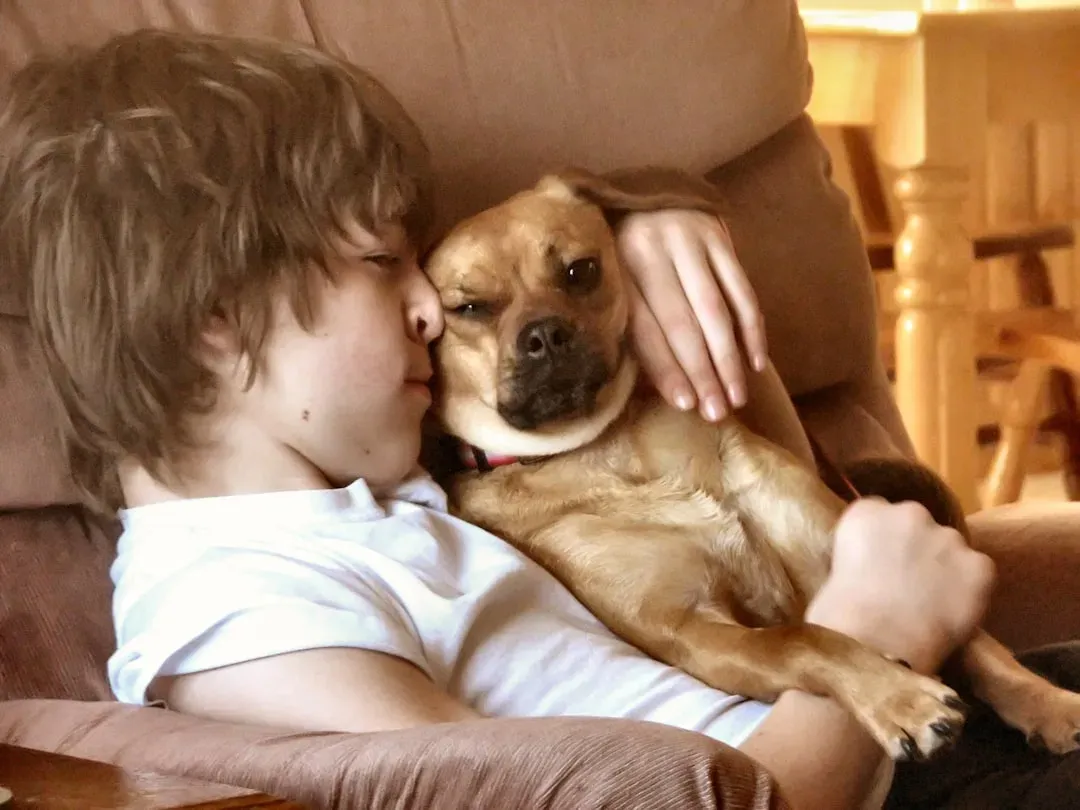
Dogs aren’t just listening for commands. They are constantly monitoring your emotional temperature. Your voice is like a weather forecast that tells them whether today is going to be sunny or stormy, safe or scary.
Research revealed something intriguing about dogs’ ability to recognize vocal noises – their brains showed different sorts of activity based on whether the sounds they heard were happy or sad in tone. When dogs listened to happy sounds, certain areas of their auditory cortex consistently showed more activity than when they heard crying. They are reading your emotional state from your voice alone, in real time.
When researchers asked humans to talk, hum, and cry, their tests showed that dogs behaved in a submissive manner – licking, sniffing, or nuzzling – when people cried. Your dog comforting you during a tearful movie night is not an accident or coincidence. It is a deeply wired, empathic response to the sound of your distress.
If your tone reflects pleasure, love, sadness, disappointment, or worry, your dog will pick up on it. If your volume changes from soft to loud, they will pick up on that too. This is why yelling in frustration – even when it isn’t directed at your dog – can leave them looking anxious and unsettled. They feel it.
Baby Talk Is Not Silly – It’s Actually Science-Backed Communication
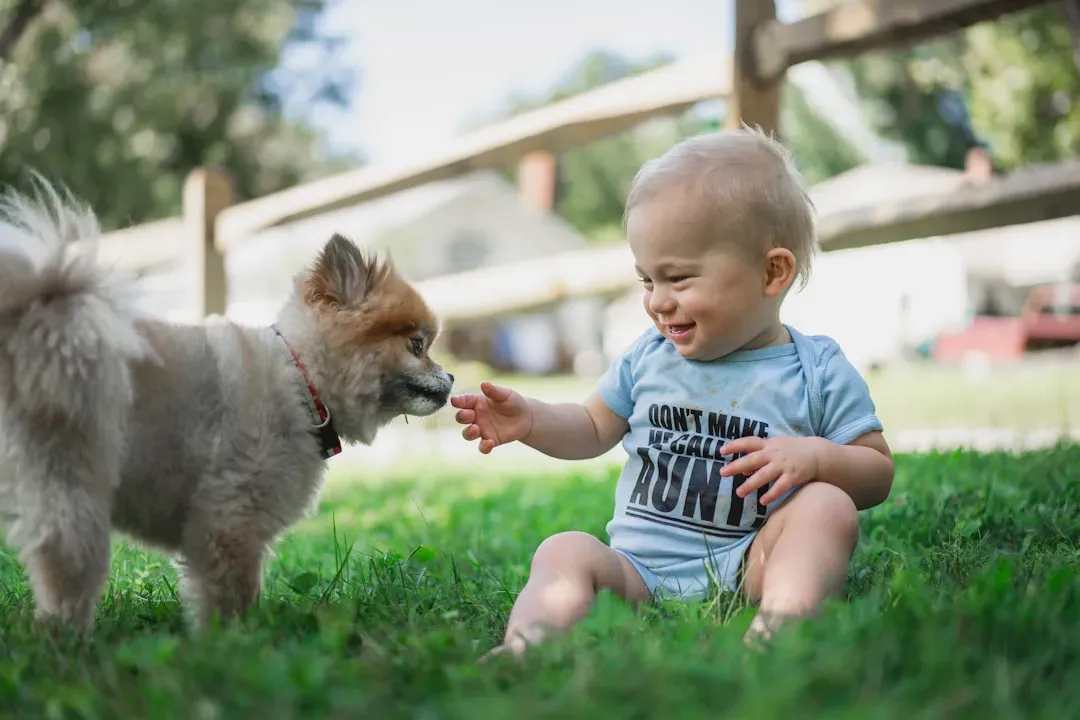
Let’s be real. Most of us slip into a high-pitched, sing-songy voice the moment our dog looks at us with those big eyes. You’ve probably felt slightly embarrassed about it around company. Stop feeling embarrassed. That “baby talk” is genuinely brilliant communication.
Research has shown that dogs process human speech using the same brain regions as humans, and when they hear baby talk or a gentle, melodic voice, their brain activity spikes, indicating they are attuned and responsive to this type of communication – which supports the theory that dogs have evolved to interpret human speech patterns and respond accordingly.
The high-pitched, melodic tones of baby talk are similar to the sounds that puppies make when seeking maternal care, and this similarity may trigger a nurturing response in dogs, making them more receptive to our speech. In other words, your silly voice has ancient, comforting roots in canine instinct.
Research from the Wolf Science Center analyzed training sessions with dogs and wolves, scoring every utterance as “nice,” “neutral,” or “reproachful” – and the results were striking: nice tones made tails wag more, kept animals closer to trainers, and crucially, improved performance. So next time someone teases you for talking to your dog like a toddler, you can confidently call it a communication strategy.
Your Dog Is Always Listening – Even When You Think They’re Not

Here’s a thought that might make you pause mid-sentence in your own home. Your dog is tuned in to your voice at a level that goes far beyond “did someone say walk?” The science reveals dogs process both what we say and how we say it – they separate lexical content from acoustic features, meaning they’re not just reading emotion, they’re actually processing information, especially when it is delivered with warmth.
Research clearly demonstrates that “dogs are listening to us,” even when our speech is not about them. That side conversation you’re having on the phone? Your dog is quietly cataloguing your emotional tone, your stress level, and whether you sound happy or tense. They are paying attention.
Dogs arguably get more from our tone and body language than our actual words – they observe our physical clues to determine what we want them to do or not do, watching our facial expressions, posture, and body movements while listening to the tone of our voice. Your voice is only one piece of the picture they’re constantly putting together.
Research from the Research Centre for Natural Sciences found dogs responded most successfully when messages combined relevant content with dog-directed intonation from familiar voices. So the magic formula is simple: be familiar, be warm, and actually mean what you say. Your dog will feel the difference.
Conclusion: Speak to Your Dog Like They’re Truly Listening – Because They Are
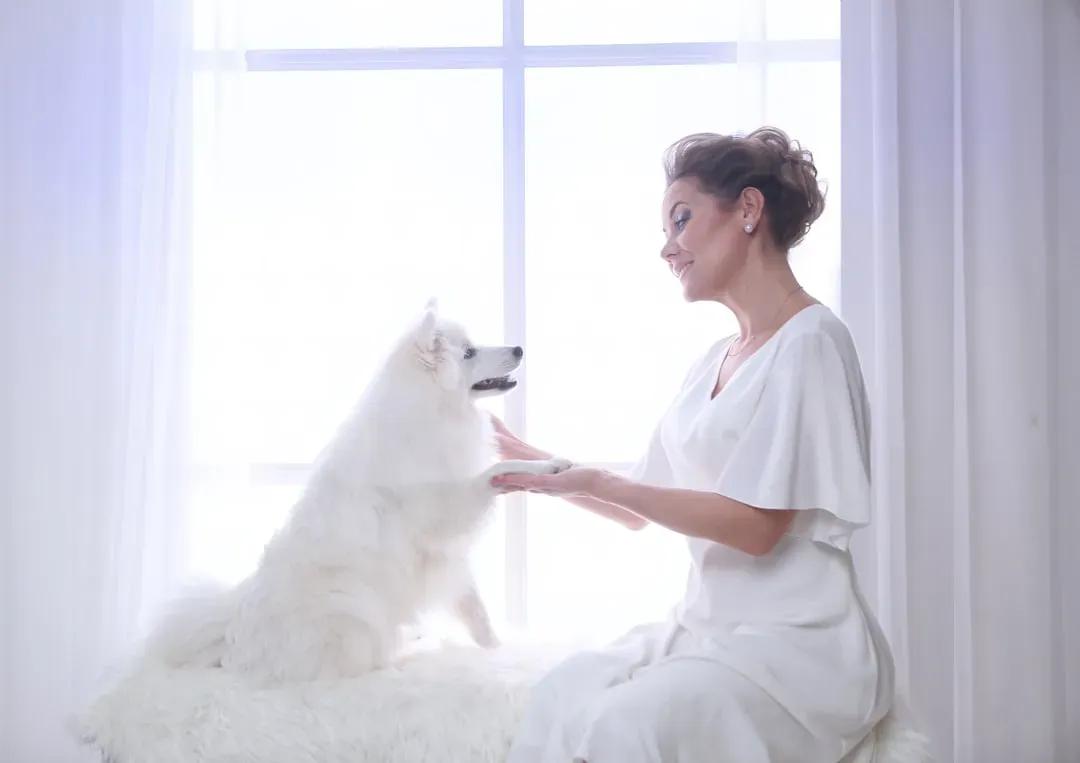
If there’s one thing all this research makes crystal clear, it’s that your relationship with your dog lives inside your voice. Every tone, every warm word, every gentle murmur when they curl up next to you – it all lands somewhere real inside that extraordinary brain of theirs. You are not just a person they live with. You are a sound they have learned to love.
The science strips away any doubt. Your dog is not just hearing you. They are reading you, feeling you, and processing you with a sophistication that took thousands of years of evolution to build. That is something worth honoring in every conversation you have with them.
So the next time you slip into your most ridiculous, high-pitched dog voice while giving your pup a belly rub at 7am, know this – you are speaking a language they were literally built to receive. Speak kindly. Speak warmly. Speak often.
How does it feel knowing your dog has been truly listening all along? Tell us in the comments – we’d love to hear your story.


