

You know that moment when your usually well-behaved dog suddenly starts acting out? Maybe they’re chewing your favorite shoes, barking at every shadow, or pulling you down the street like they’re training for the Iditarod. That sinking feeling in your stomach is real, yet you’re not alone in this struggle. Most dog owners will face some kind of behavior issue in a dog’s lifetime.
These behavioral challenges don’t make your furry friend a “bad dog” or reflect poorly on your love for them. The good news is that with patience, consistency, and the right approach, most behavior problems can be corrected. Understanding the root causes and having practical solutions at your fingertips can transform those frustrating moments into opportunities for deeper bonding with your canine companion. Let’s dive into the ten most common behavior problems that dogs face and discover how you can help your four-legged family member become their best self.
Excessive Barking That Tests Everyone’s Patience

Excessive barking ranks among the most common complaints from dog owners. Your dog isn’t trying to drive you crazy on purpose – they’re actually communicating something important to you. Dogs bark to communicate, but when barking becomes excessive, it can be a sign of boredom, anxiety, or overexcitement.
To address this, first identify the trigger – is your dog barking at passersby, other animals, or perhaps when left alone? Once you understand the cause, you can implement targeted solutions. Sometimes the solution is as simple as redirecting their attention with commands like ‘sit’ or ‘quiet,’ rewarding them when they comply. Dogs often bark due to boredom or a lack of mental stimulation, so try giving them interactive toys and more structured activities that require problem-solving.
Destructive Chewing That Destroys Your Belongings

Destructive chewing often stems from teething (in puppies) or boredom/anxiety (in adult dogs). Remember, chewing is a necessary and normal behavior for dogs, especially when they’re teething. The trick isn’t to stop them from chewing entirely – that’s impossible and unfair.
The solution lies in providing appropriate alternatives and managing the environment. Stock up on chew toys and consider puzzle feeders to keep your dog mentally stimulated. When you catch your dog chewing something inappropriate, calmly redirect them to an approved chew toy and praise them when they use it. You can buy all sorts of toys and chew treats with different textures, flavors, and noise stimulators for your dog to try.
Separation Anxiety When You’re Away

Separation anxiety is a common issue where dogs become distressed when left alone. Symptoms include excessive barking, destructive chewing, and even attempts to escape. If your dog follows you from room to room and becomes distressed even when you pick up your keys, they might be struggling with this condition.
Start with very short absences and gradually increase duration. The ASPCA recommends making arrivals and departures low-key to avoid emotional extremes. Many pets with separation anxiety begin to exhibit signs as the owner prepares to depart (eg, putting on shoes, getting keys, going to the door). When the owner is home, the dog may crave constant contact or proximity to the owner. When the owner returns, the welcoming responses are commonly exaggerated and the dog is hard to calm down. Creating a calm routine around departures helps reduce their anxiety significantly.
Jumping Up on People During Greetings
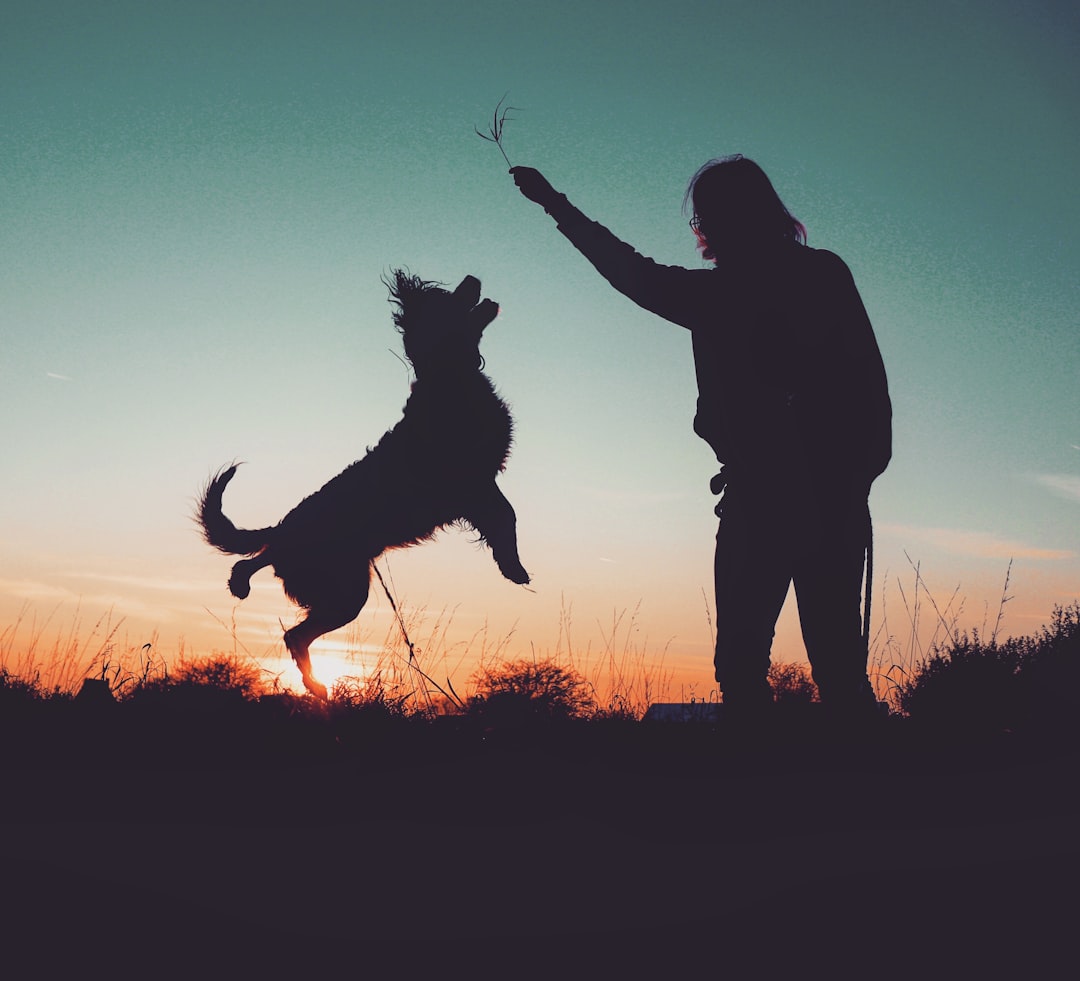
While jumping may seem like a friendly greeting, it can be overwhelming for guests and even dangerous, especially for children or elderly individuals. Dogs jump out of excitement or to seek attention, so the best way to curb this behavior is to ignore them when they jump and reward calm greetings instead.
If they try to jump on you, stand like a statue or turn your back. Since dogs jump up to get attention, refusing to give them attention is the best way to discourage jumping. If you’ve taught your dog to sit, ask for them to perform that behavior, since a sitting dog can’t jump. Once they’re calmly sitting, get down on your dog’s level and give him the attention they want. This teaches them that four paws on the floor equals love and attention.
Pulling on the Leash Like a Freight Train
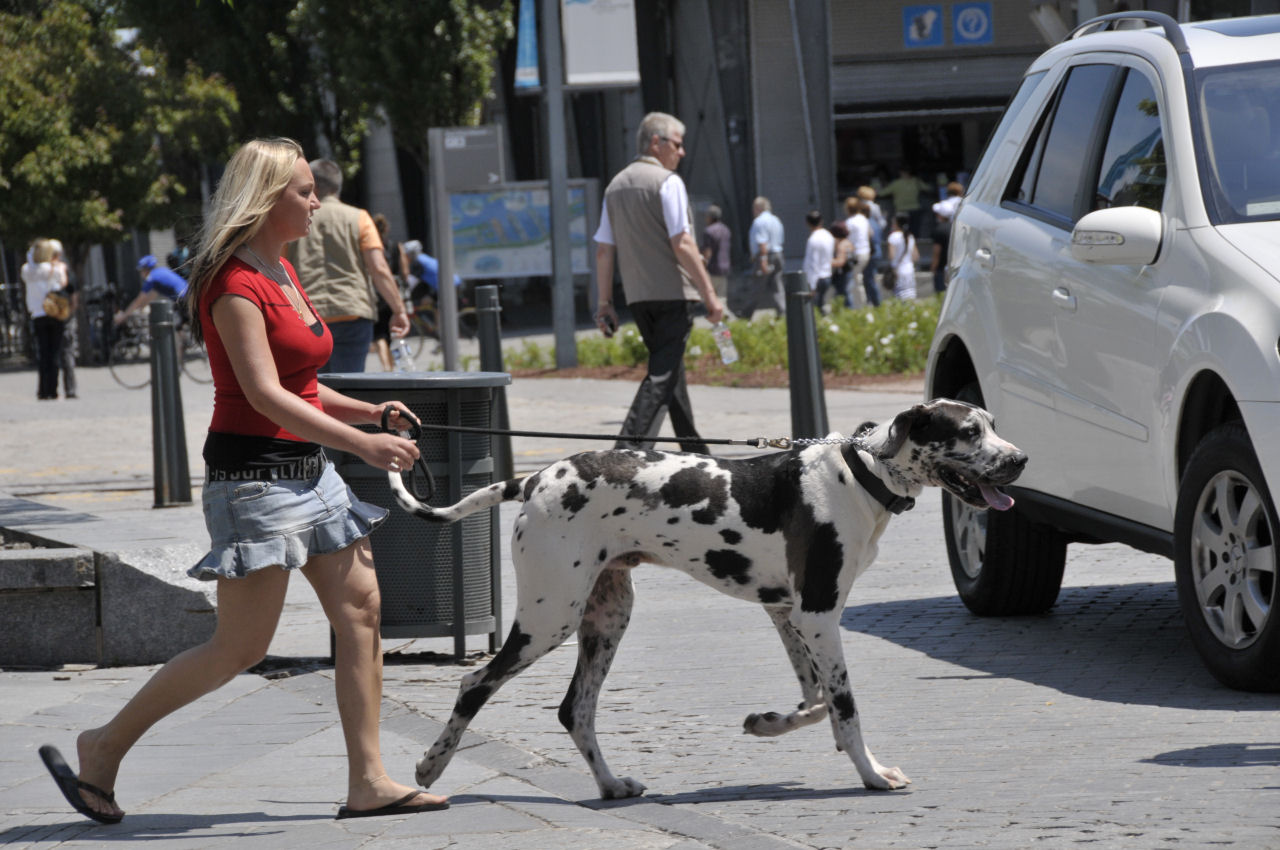
Pulling on the leash is a common yet frustrating dog behavior. Your dog isn’t trying to drag you around maliciously – they’re just moving at dog speed in a dog world full of fascinating scents and sights. Most of the time, humans walk at far too leisurely a pace for dogs. Even toy breeds will get those little legs pumping faster than you might want to go. That’s part of the reason dogs pull – they want to get moving.
If you stop walking when your dog pulls, how do you know when you can start moving again? Wait for a slack leash – it should be hanging in a J-shape – and for your dog to turn their attention back to you. It might take quite a while in the beginning, but eventually your dog will look or walk back to see what’s holding you up. At that moment, praise and reward your dog with a treat at your side, then continue the walk. Consistency is key – every single time they pull, you stop.
Resource Guarding Their Precious Items
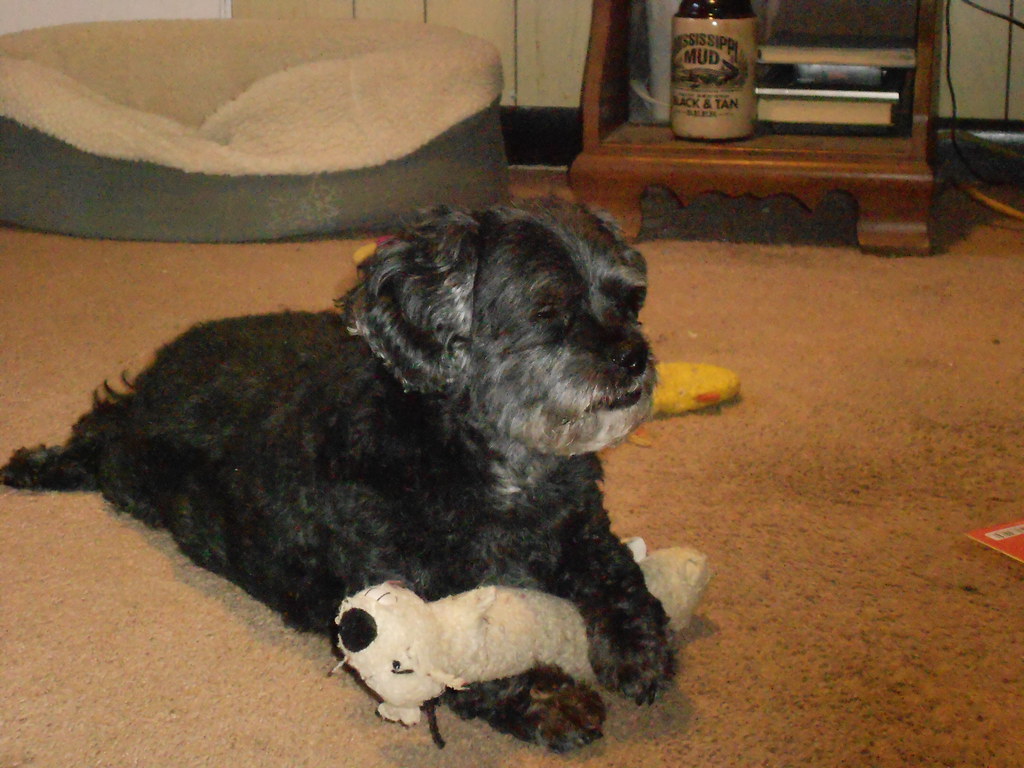
Resource guarding can range from benign to aggressive. Learn how to prevent and treat this canine behavior. If you’ve ever watched as your pup stands rigid over their favorite toy, staring down any other dog who comes close, you might’ve witnessed resource guarding. The term describes a behavior where a dog attempts to assert their ownership over something: toys, beds, treats, a shared water bowl, even a favorite human.
The basic principle for both: condition Fido to view people approaching and touching his stuff as a good thing. Human hands giveth, they don’t taketh away. Using punishment and aversives as a response to resource guarding can result in MORE resource guarding. When you notice aggressive behavior developing around your dog’s resources, it’s important to address it as soon as possible and in the right way. The sooner you start treatment, the more effective and faster it goes.
Digging Up Your Beautiful Garden
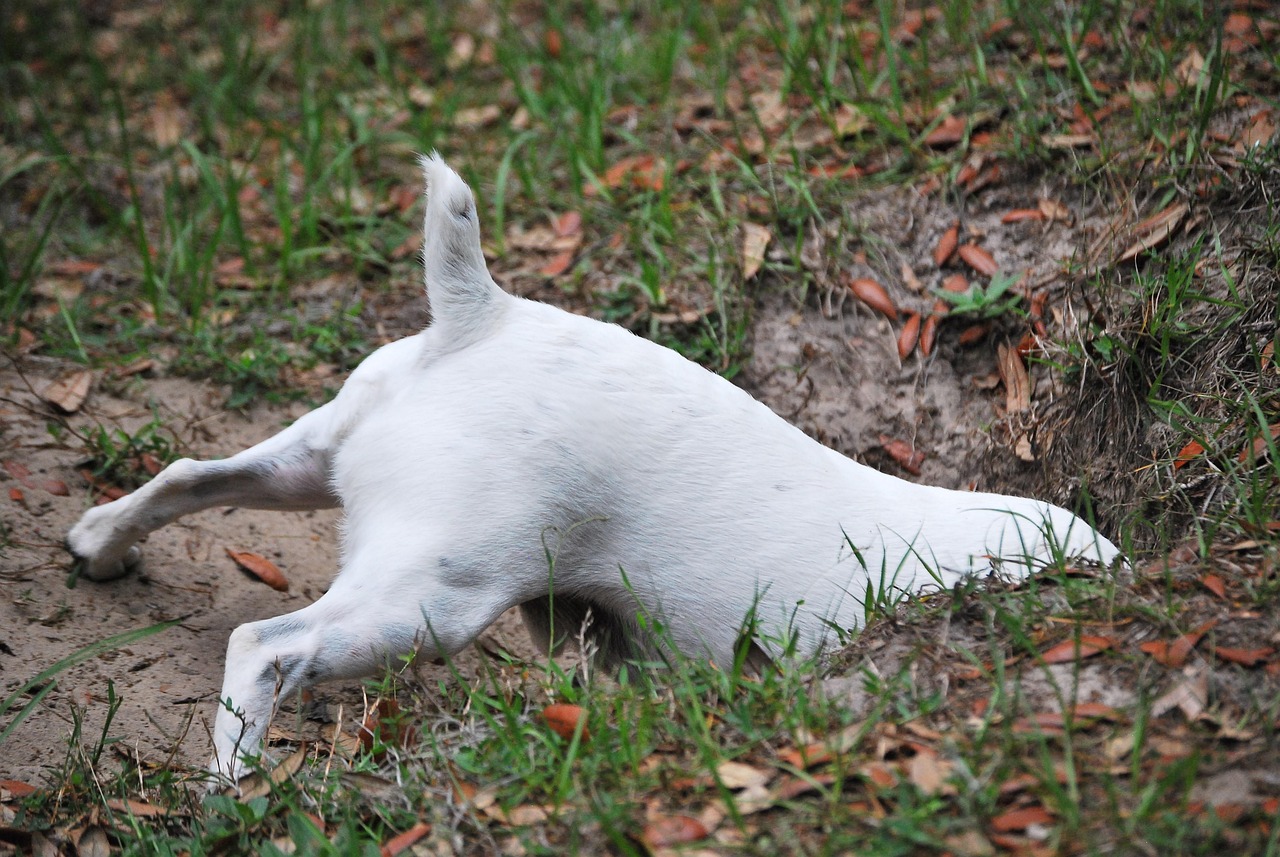
Some dogs have a strong instinct to dig, particularly breeds like Terriers or Dachshunds that were bred for hunting. However, excessive digging can ruin your yard and become a nuisance. Your dog might be digging because they’re bored, trying to cool off, or following their natural hunting instincts.
To manage this behavior, determine why your dog is digging. If they are bored, increase their physical activity and provide puzzle toys to keep them engaged. If they dig to cool off, offer shaded areas or cooling mats. You can also designate a specific digging zone, like a sandbox, where they are allowed to dig freely. This gives them an appropriate outlet for their natural behavior while protecting your prized petunias.
House Soiling Despite Being Trained

It’s very disconcerting when your well-housetrained dog suddenly starts having accidents in the house. It may be human nature to think he’s doing it to spite you, but that’s not the case – a well-trained dog doesn’t just start soiling indoors on a whim. There’s a legitimate reason it’s happening, and you owe it to your dog to find out why.
There are four main causes for house soiling. Incomplete house training or house training lapse: Your dog might not be fully house trained. She may be able to eliminate outside but does not understand that she sometimes needs to wait for outdoor access. If your dog has either continuously or intermittently soiled indoors from the time she was adopted, then she is likely not fully house trained. Sometimes medical issues like urinary tract infections or medications can also cause accidents. When in doubt, check with your veterinarian first.
Fear-Based Aggression Toward Other Dogs
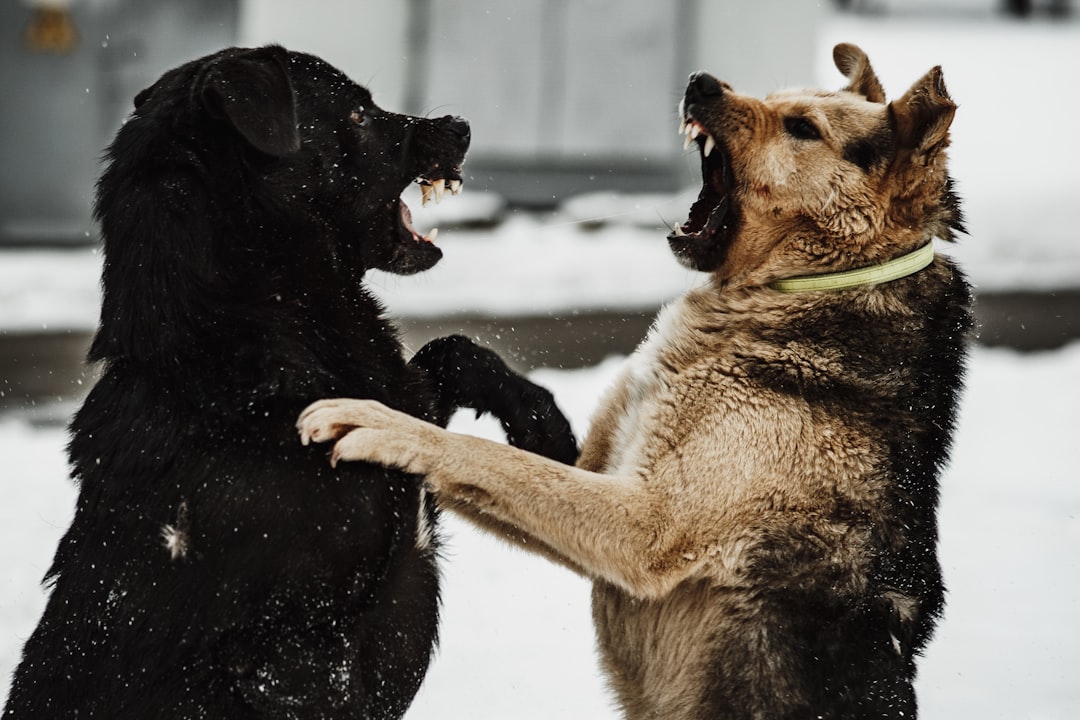
Aggression is the most common and most serious behavior problem in dogs. Different forms of aggression require different treatments. Fear-based aggression often develops when dogs haven’t been properly socialized or have had negative experiences with other dogs. This isn’t about dominance – it’s about fear and self-protection.
The fear response may include panting and salivation, tucked tail, lowered ears, gazing away, low body posture, piloerection, vocalization, or displacement behaviors such as yawning or lip licking. While avoidance and escape is one strategy, some dogs use aggression to remove the fear-evoking stimulus and are reinforced by success (negative reinforcement). Working with a certified dog behaviorist is crucial for addressing fear-based aggression safely. They can help you create a desensitization plan that gradually builds your dog’s confidence around their triggers.
Lack of Basic Obedience and Attention
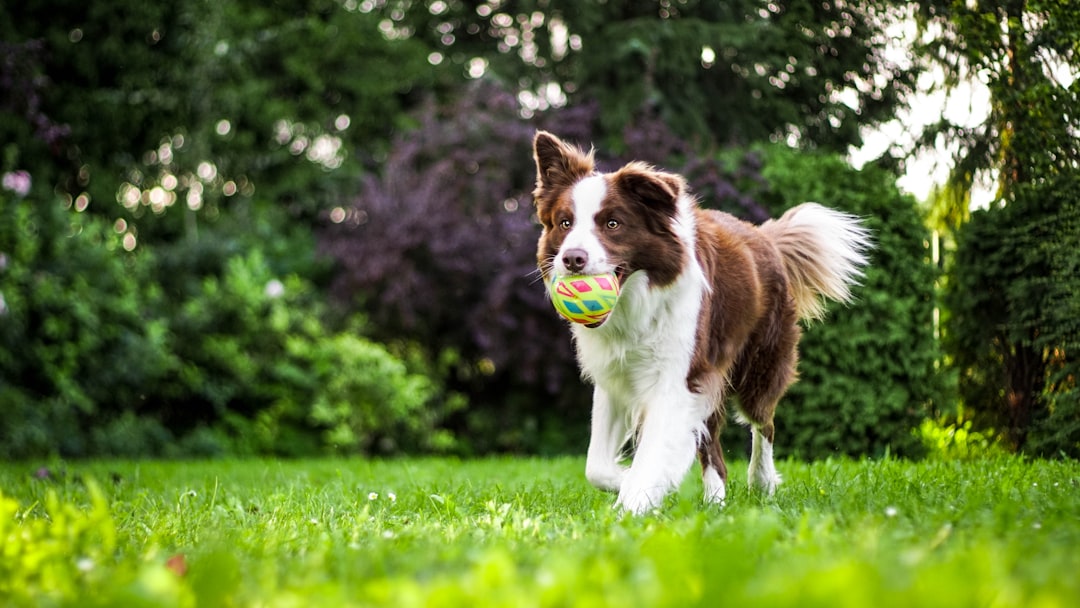
Teaching your dog to sit, come, or lie down may not seem related to behavioral problems, but it is. Positive reward-based training teaches your dog that good things happen when they do what you ask, strengthens your bond, and provides mental stimulation that will help tire them out, making them less likely to misbehave. A dog who doesn’t know basic commands is like a person trying to navigate without a roadmap.
A tired dog is a good dog. When your dog lacks basic training, they often channel their energy into problematic behaviors. If you’re gone 12 hours a day, and your dog’s walk consists of a quick dash into the backyard, your dog might not be getting enough exercise. They may channel extra energy into bad behavior for dogs, like chewing shoes or dragging you on the leash. Consistent training sessions, even just five minutes a day, can make a dramatic difference in your dog’s behavior and your relationship.
Moving Forward With Hope and Understanding
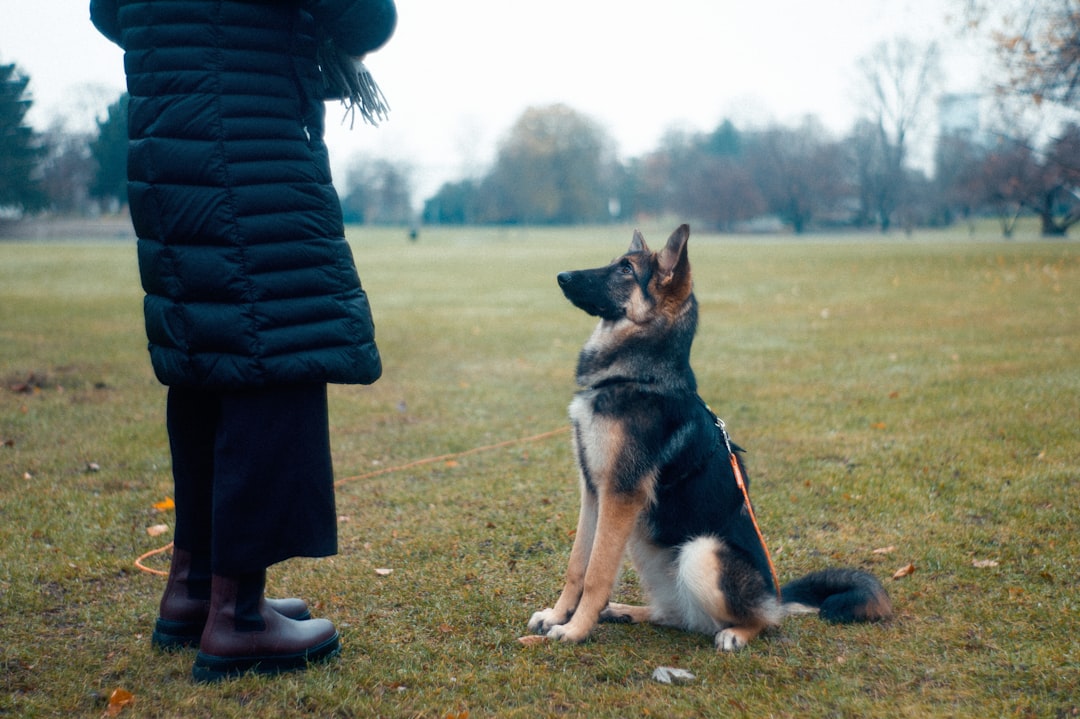
Every behavioral challenge your dog presents is actually an opportunity for deeper communication and stronger bonding. Remember, you have the power to not only stop unwanted behaviors in their tracks, but also influence your dog’s conduct by managing his environment and rewarding actions you prefer instead. The key isn’t perfection – it’s progress and patience.
Working through these common behavior problems requires consistency, understanding, and sometimes professional help. Your dog isn’t trying to be difficult; they’re simply trying to navigate a human world with dog instincts. With the right approach, most behavior issues can be resolved, creating a harmonious home where both you and your furry friend can thrive. What challenges have you noticed with your own dog, and which solution will you try first?


