
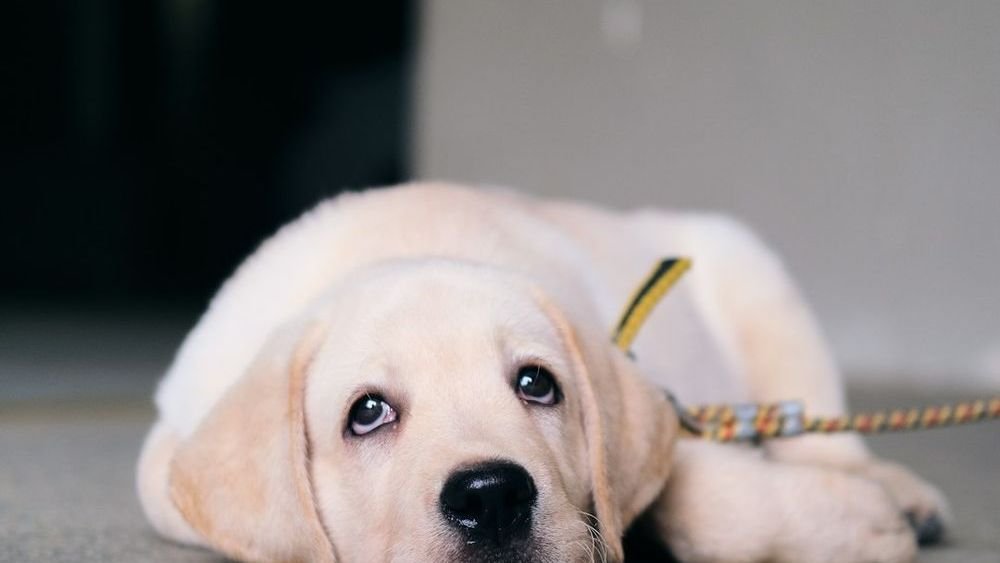
You’ve probably noticed it before. Your dog quietly slips away during a family gathering, retreating to a corner or under the bed, seemingly content with their own company. Maybe they politely avoid playdates at the dog park, preferring instead to watch from a distance. It’s a behavior that puzzles many dog owners, especially when we’re told that dogs are social creatures who thrive on interaction.
Here’s the thing. Not every dog is the golden retriever of your imagination, eager to greet every stranger and bounce through life like it’s one endless party. Some dogs are introverts. They recharge in solitude, find peace in quiet moments, and genuinely prefer their own space over constant companionship. Recognizing this isn’t about labeling your dog as antisocial or broken. It’s about understanding their unique personality and honoring what they need to feel safe, balanced, and truly happy.
The Science Behind Canine Introversion
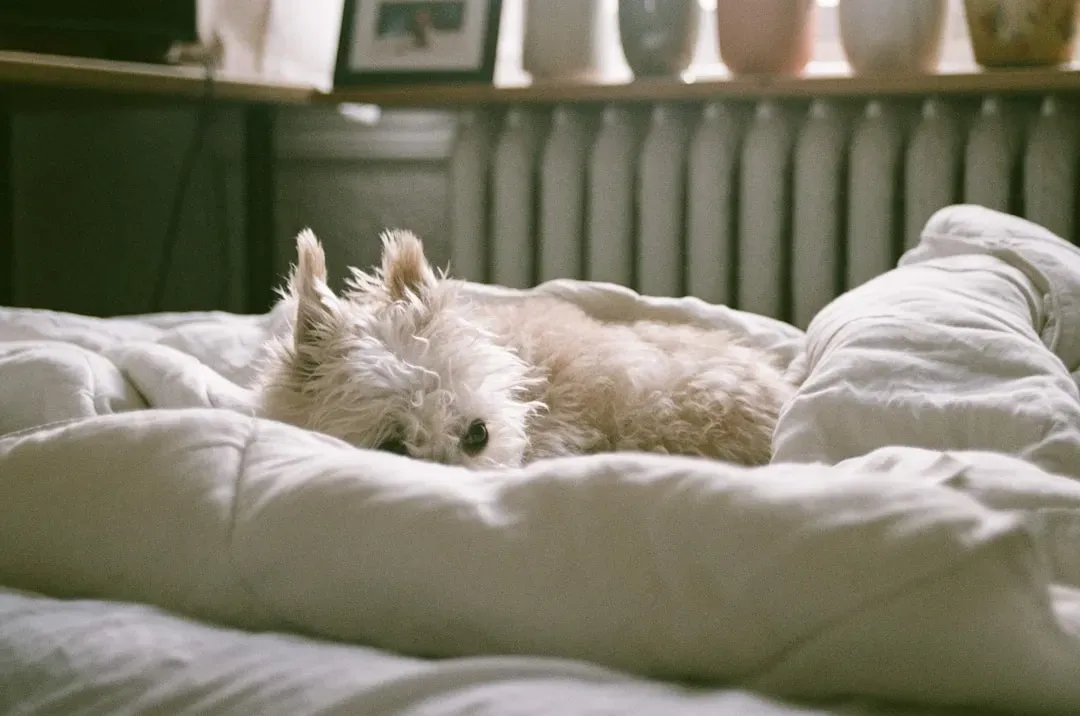
Both genetics and life experiences shape whether a dog leans introverted or extroverted. Think about it this way: we selectively bred certain dogs to work independently. Livestock guarding dogs like Anatolian Shepherds and some working group dogs like Akitas were bred to work solo, making them naturally more introverted than other dogs. These breeds were designed to make decisions without human input, to protect flocks or property while their owners were elsewhere.
While many dogs thrive on interaction, others genuinely prefer solitude, finding comfort in their own company with calm, independent temperaments. Research into canine personality reveals that dogs possess traits like sociability, shyness, and boldness that exist on a spectrum. Your dog’s preference for alone time isn’t stubbornness or aloofness. It’s simply how their brain is wired.
The experiences your dog had as a youngster also play a large part in personality development. A puppy who wasn’t properly socialized, or one who experienced overwhelming situations early on, may develop a preference for solitude as a coping mechanism. Sometimes what looks like introversion is actually a learned response to protect themselves from stress.
Reading the Room: Signs Your Dog Craves Alone Time
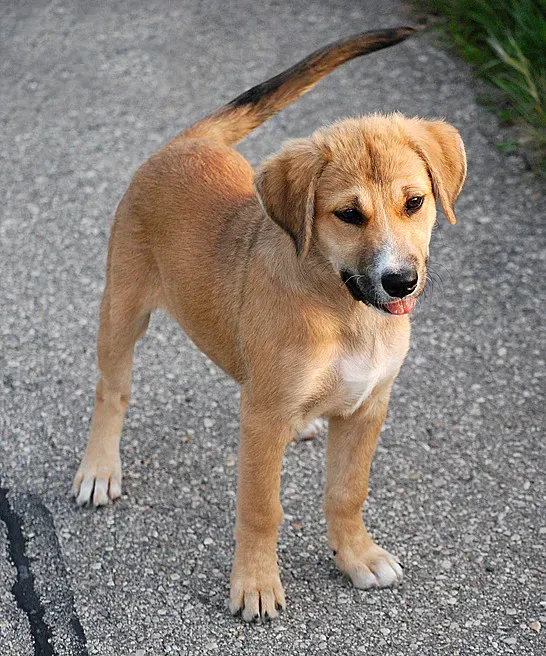
When your dog retreats or hides, it indicates a desire for solitude, not necessarily fear but often a response to excessive noise, disturbance, or being awakened from a peaceful nap. Let’s be real, our dogs are constantly telling us what they need. We just have to learn their language.
Introverted dogs keep to themselves and don’t enjoy playing with others, often sticking by you in the park or watching other dogs play without participating, seeming anxious in large crowds. If your dog limits their interaction with new humans, it could indicate they lean introverted, which is actually a sign of them knowing and establishing boundaries in a healthy way. Picture this: you’re at the dog park, and while other dogs are wrestling and chasing, yours sits calmly beside you, observing but not engaging.
If your dog actively avoids physical contact or reacts negatively when you try to pet them, they’re signaling a desire for solitude, and you should respect those boundaries. Other cues include withdrawing to quiet spaces, excessive yawning in social situations, or simply turning their head away when approached. These aren’t signs of a troubled dog. They’re simply saying, “I need a break.”
The Dangers of Overstimulation and Social Exhaustion
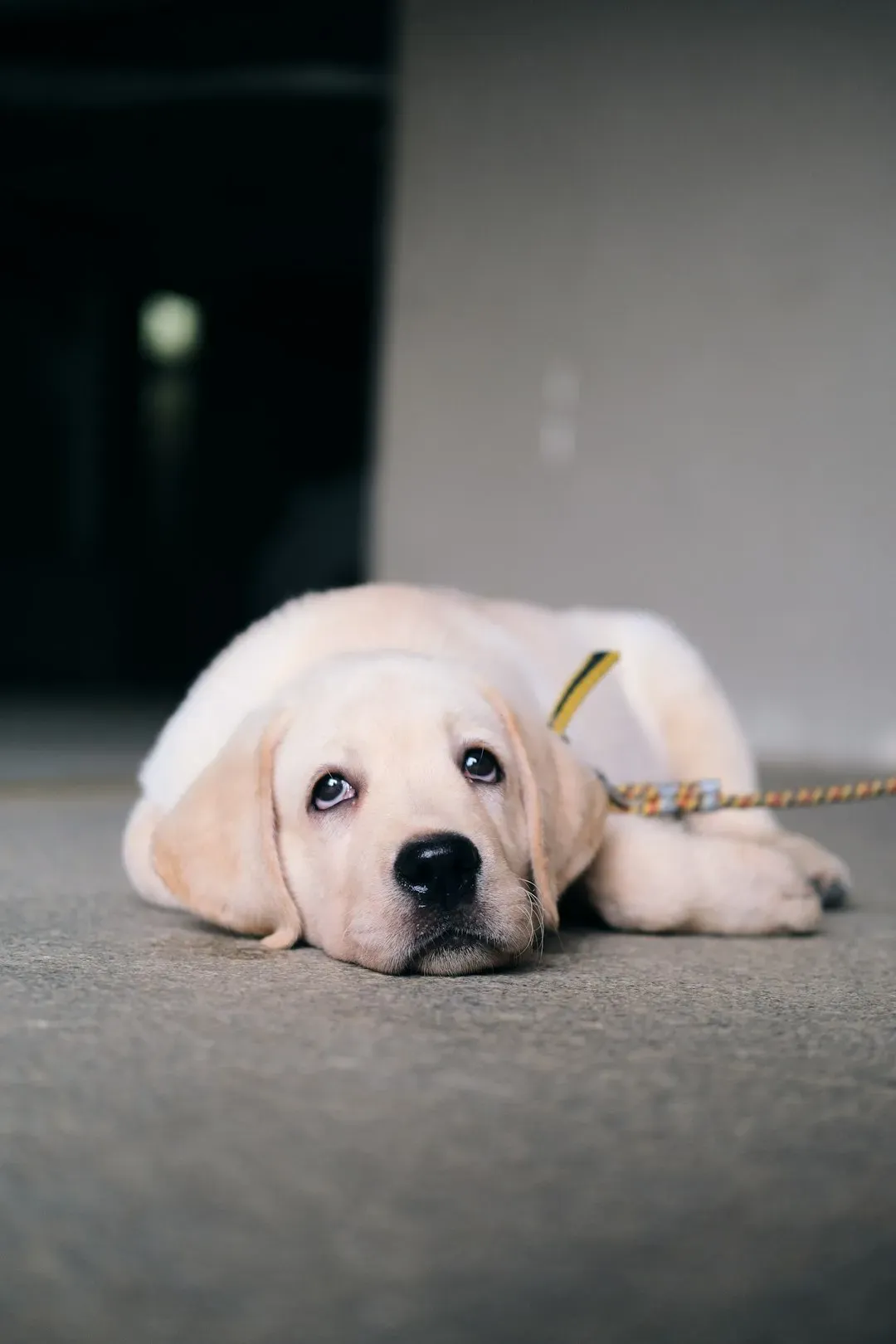
Constant petting can lead to sensory overload, creating physical stress that impacts well-being over time, leading to irritability and fatigue. Think about how you feel after being forced to attend back-to-back social events. Drained, right? Dogs experience something remarkably similar.
Continuous interaction prevents dogs from fully relaxing, and studies show even domesticated animals need solitary activities to maintain mental well-being, with social exhaustion manifesting as restlessness. Overstimulation can cause significant stress, anxiety, and even aggression in dogs. I know it sounds crazy, but too much love and attention can actually harm your dog’s emotional health.
Just like humans, some dogs are introverts, and forcing them into social settings can elevate stress hormones and lead to reactive behavior. The problem is that many owners misinterpret excitement for happiness. Too often, owners misread excitement for happiness when the dog’s nervous system is actually overloaded. That frantic tail wagging and jumping might not be joy but rather an inability to regulate their emotions.
Creating a Balanced Life for Your Solitude-Seeking Dog
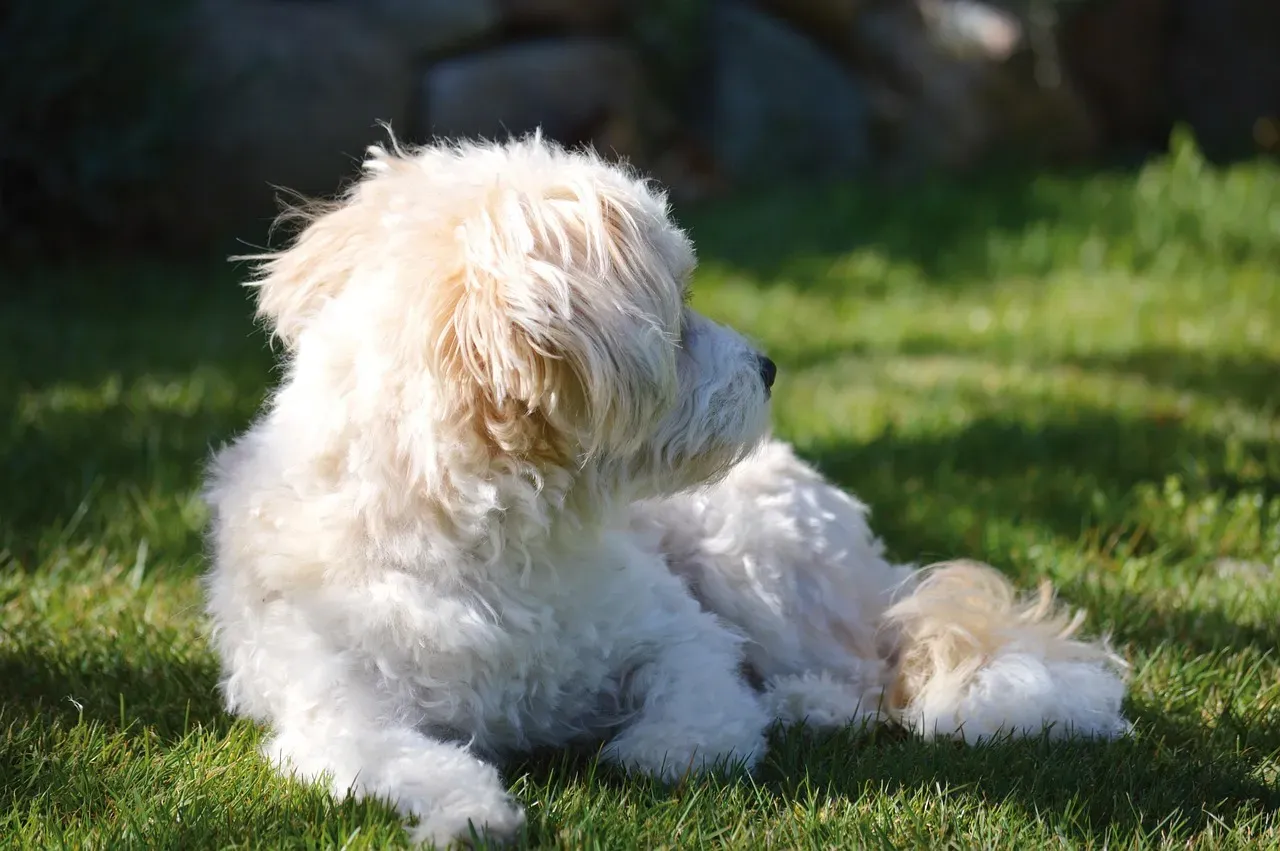
Dog owners have been led to believe their dog isn’t experiencing good quality of life unless attending daycare, dog parks, and greeting every dog on the street, but this is simply not true. Your introverted dog doesn’t need a packed social calendar to be fulfilled.
Recognizing when your introverted dog is no longer calm and removing them from that situation can help ease anxiety, and you should provide quiet time daily while avoiding forcing interactions that cause stress. Introverted dogs may be more comfortable sticking with what’s familiar and may thrive with a more structured schedule, like taking walks in quieter areas or ensuring alone time before or after social days. Set up a designated quiet space in your home where your dog can retreat without being disturbed.
Your dog may not enjoy daycare or the dog park but may have one or two dog friends they play well with, so invite those specific dogs for one-on-one playdates or meet for walks in less traveled areas. Quality over quantity applies to canine friendships too. One trusted companion is worth more than dozens of superficial interactions.
Honoring Your Dog’s Authentic Personality
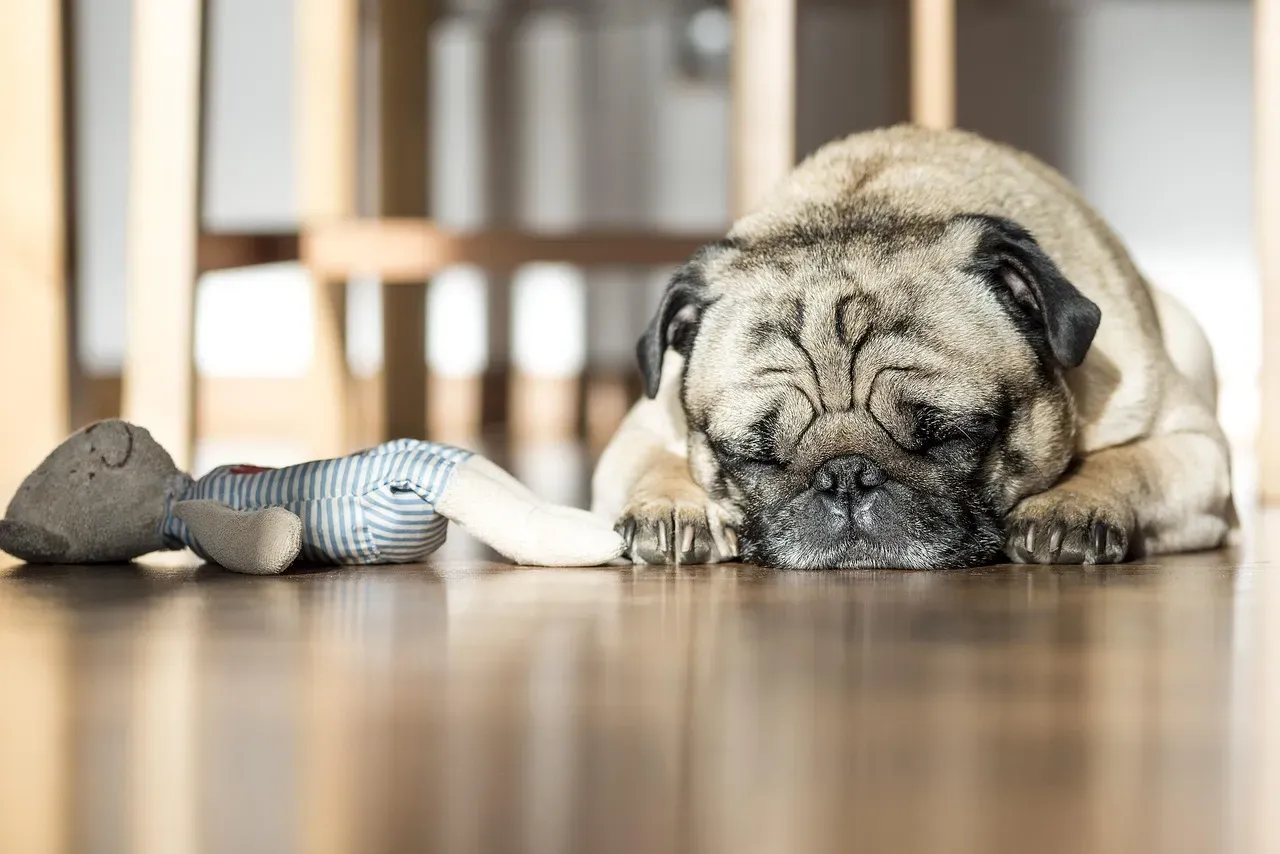
If your dog doesn’t seem overly stressed in everyday life and their behavior doesn’t bother you, it’s perfectly fine to carry on, as your dog doesn’t have to interact with strangers or other dogs to live a rich and fulfilling life. This is perhaps the most liberating truth for owners of introverted dogs.
The hardest part of having an introvert-style dog is accepting they may never be a dog-park dog but rather a playdate dog, and some dogs, like some people, may be happier as homebodies, comfy on their couch. Stop forcing your square-peg dog into society’s round-hole expectations. Introverted dogs aren’t necessarily shy or antisocial; they’re typically independent, calm, and enjoy quiet environments, forming strong bonds with their owners and preferring their company to strangers or large groups.
Your relationship with your dog becomes deeper and more meaningful when you accept them for who they actually are. Even if this isn’t the dog you signed up for, try to honor your dog’s social style and appreciate them for what they are: snuggly, cuddly, your very best friend. There’s something profoundly beautiful about a dog who chooses you over the chaos of the world.
The truth is, we could all learn something from dogs who prefer solitude. They understand that being alone doesn’t mean being lonely. They know when to step back, recharge, and protect their peace. What do you think – could your dog actually be teaching you about healthy boundaries?


