
Your dog has been trying to talk to you all along. Every twitch of an ear, every shift of their weight, every slow blink in your direction – it’s all part of an incredibly rich language that most of us only half-understand. We catch the obvious stuff, sure. A tail wagging wildly when you grab the leash. A growl when a stranger gets too close. But what about all the subtle signals happening in between? The quiet yawn when you raise your voice. The way they freeze just before the tension peaks. Those moments matter enormously.
Honestly, learning to read your dog’s body language is one of the most transformative things you can do as a pet owner. It shifts the entire relationship. You stop guessing, stop misreading, and start genuinely connecting. So let’s dive in – because your dog’s been waiting for you to understand them.
The Tail Tells More Than You Think
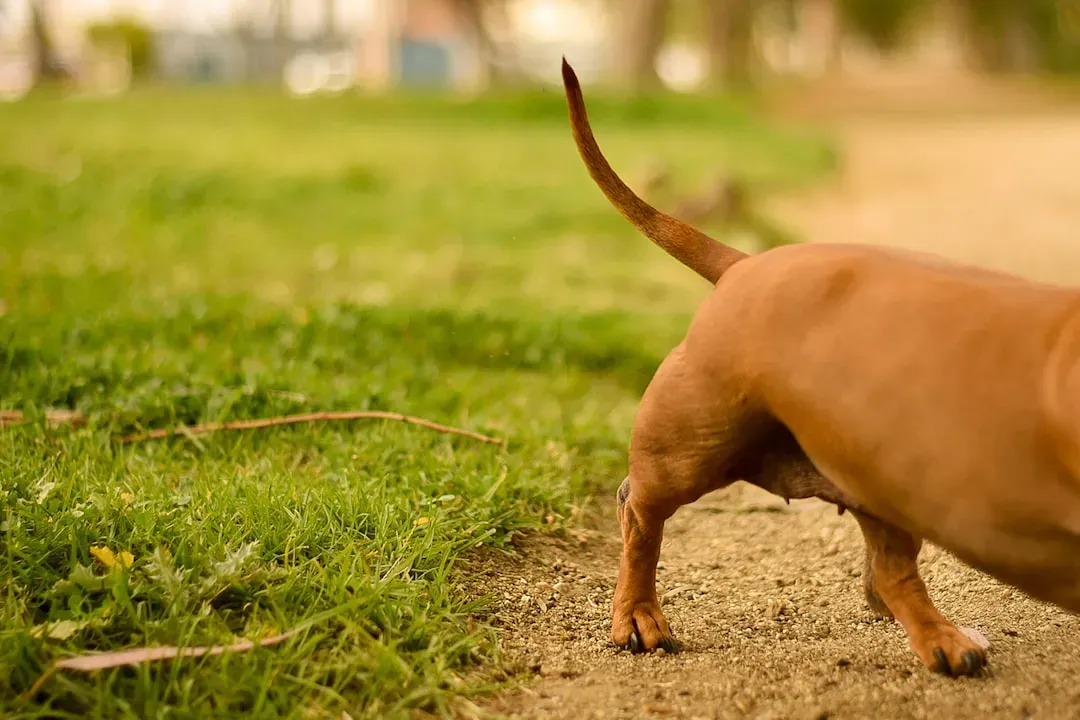
Here’s the thing most people get completely wrong: a wagging tail does not automatically equal a happy dog. All a wagging tail truly signals is that the dog is emotionally aroused – and that arousal could be excitement, but it could equally be frustration or something worse. Think of it like a car engine revving. The engine is running, yes – but you still need to look at the dashboard to know if something’s wrong.
To truly interpret a dog’s emotions through their tail, you need to observe the speed and direction of the wag, as well as the position of the tail. The faster the wag, generally the more aroused the dog. Research has shown that dogs tend to wag their tails more to the right when they are happy or confident, and to the left when they are frightened. That’s a fascinating detail most owners never notice.
A tail tucked between the legs signals submission or fear, while a stiff, upright tail suggests dominance, tension, or potential aggression. A loose wag that’s not really high or really low is generally the friendliest signal of all – a sign of comfort and an open, friendly attitude. Always watch the whole dog, not just the tail. The tail is one word in a full sentence.
What Those Ears Are Really Saying

Soft, relaxed ears signal a dog that is at ease, while alert ears pointing forward indicate the dog is stimulated and highly attentive. Think of the way your dog’s ears shoot forward when you open a bag of treats. That’s pure focused attention – basically the canine version of a human leaning forward in their chair. It’s alert curiosity, not aggression.
If you see a dog with ears pulled back, the meaning is more nuanced than it first appears. A dog with a loose, relaxed posture and ears slightly pulled back might just be curious or interested, while a dog with a tense body and ears pinned flat against their skull is communicating extreme fear. Context is everything here. The same ear position can mean two completely different things depending on the rest of the body.
When a dog’s ears flick back and forth from one position to another, they simply haven’t made up their mind yet about a situation. I think of it like watching someone process surprising news – they’re still deciding how to feel. Forward ears indicate alertness, while pinned-back ears most often suggest fear or submission. Learning your dog’s “neutral” ear position first makes everything else much easier to read.
Eyes, Posture, and the Signals You’re Probably Missing
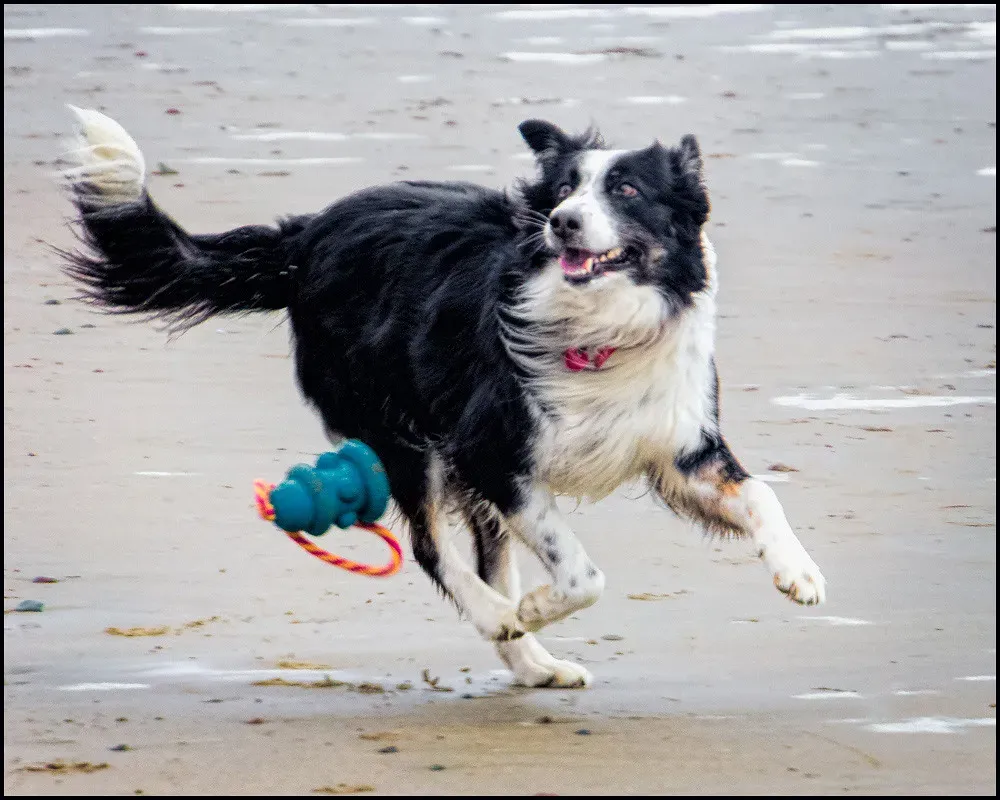
Soft eyes in a dog mean they’re feeling comfortable and relaxed – this is essentially their natural resting state of contentment. But things shift quickly. A dog who is gazing at something intently without breaking focus is giving what’s called a hard stare, and their face will typically be tense and stiff, with more of the whites of their eyes visible. A hard stare is often a sign that a dog is preparing to snap or bite. If you ever see this, don’t stare back. That’s perceived as a direct challenge.
A fearful dog will have stiff body language and might hunch over so their back is curved and their head is close to the ground. In general terms: comfortable, relaxed dogs make no effort to change their apparent size, dominant or aggressive dogs try to appear bigger, and frightened or submissive dogs try to appear smaller and less threatening. It’s almost like a universal mammal code. Big means confident. Small means scared or sorry.
Stressed dogs often avoid eye contact or look toward the trigger then quickly look away, and a distressed dog might also perform exaggerated yawns, sneeze, or lick their lips frequently. Watch for “whale eye” too – named after how whales show the whites of their eyes. This happens when your dog turns their head away from something but keeps their eyes trained on it, a clear signal of appeasement or unease. It’s subtle, but once you see it, you can’t unsee it.
Stress Signals and Calming Behaviors You Should Never Ignore

When a dog is stressed, they often show displacement behaviors, also known as calming signals. These can be a variety of activities that seem out of place in the moment – for example, a dog might suddenly start self-grooming to calm themselves down when faced with a frightening situation. Imagine a person nervously tapping their foot or picking at their nails during a stressful conversation. Same energy, different species.
Yawning frequently, especially when a dog isn’t obviously tired, can be a sign of stress, fear, or anxiety – sometimes used to help diffuse a tense situation, like when owners are arguing or speaking harshly. Licking the lips or nose when no food or water is nearby is similarly a common anxiety signal and often a diffusive behavior. Let’s be real – most of us have interpreted these as our dog just being goofy. They were asking for help the whole time.
Stress and fear signals often appear long before a dog growls or bites, and recognizing those early signs of discomfort can prevent a situation from escalating entirely. A dog that freezes is likely scared or guarding something, and freezing is considered a low-level warning sign on the ladder of dog aggression – not respecting that warning can lead directly to growling, snapping, and potentially biting. Never push past a freeze. Give your dog space and take a step back.
The Play Bow, the Belly Roll, and the Joy You Don’t Want to Miss
The play bow – where a dog’s rear end is up while their front end is down – is one of the clearest, most joyful signals in a dog’s vocabulary. It almost universally means “I want to play.” It’s basically your dog sending you a written invitation. If your pup drops into a play bow in your direction, it’s a very good sign that everything that follows will be done in pure fun – so grab their favorite toy and get in on it.
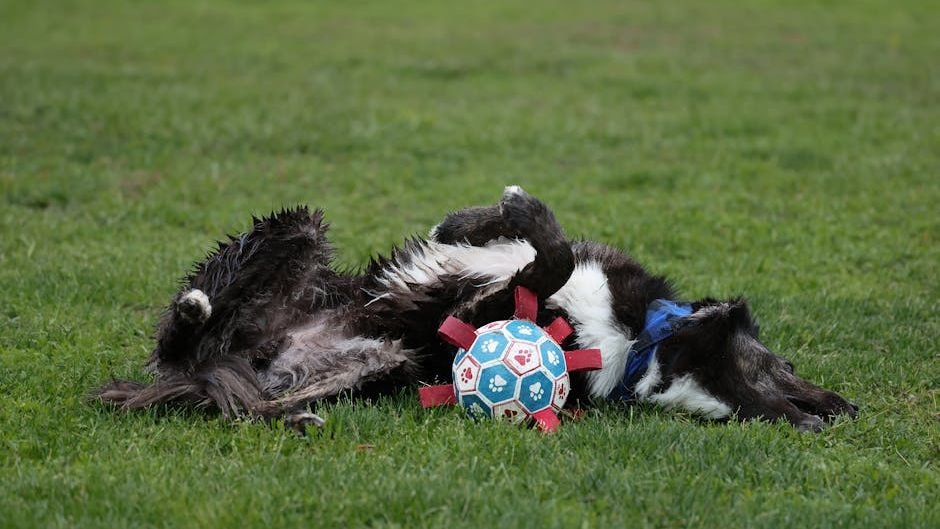
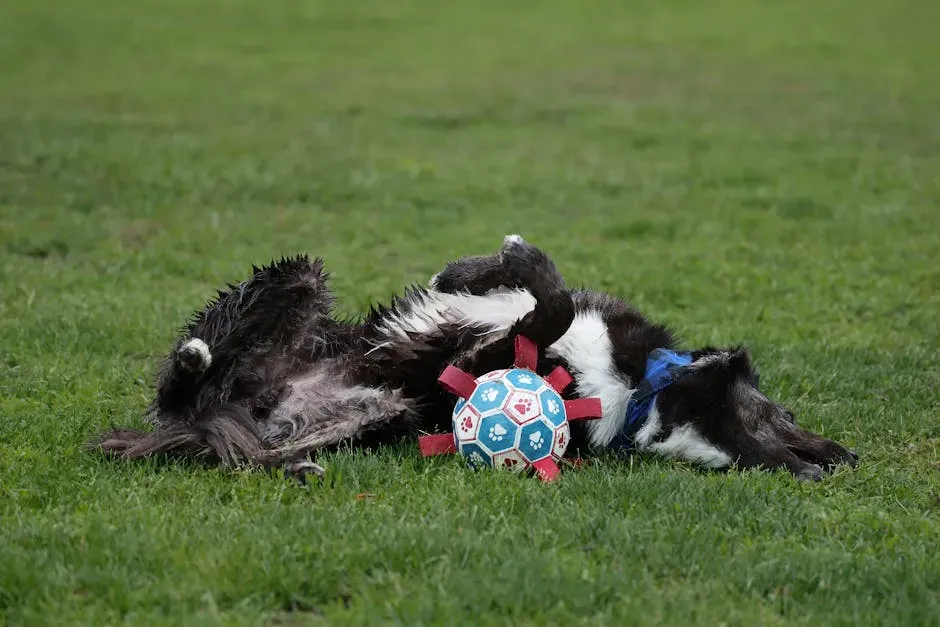
A dog rolling onto their back with their belly exposed can carry multiple meanings, but it generally signals “I am not a threat.” If the tail is gently wagging and the mouth is slightly open, the dog is almost certainly comfortable and at ease. However, don’t automatically assume they’re asking for a belly rub. Start petting from their back toward their stomach while watching their body language closely to make sure they remain comfortable.
A relaxed, happy dog is engaged in their surroundings and will carry a loose, waggy posture – and when we see that kind of body language, we tend to naturally read them as content and happy. Happy dogs move with loose, wiggly movements. They can move quickly, but they won’t be rigid – the key thing to look for is minimal body tension. That looseness is your green light. Your dog is thriving. Celebrate it.
Conclusion: Speak Their Language, Transform Your Bond
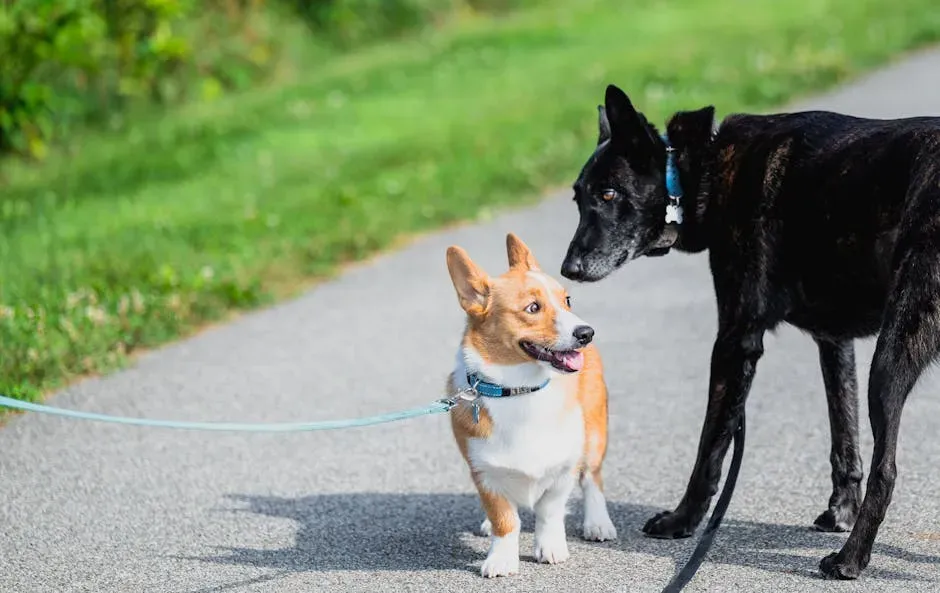
Understanding your dog’s body language isn’t just a nice skill to have – it’s genuinely one of the most loving things you can do for them. Dog body language encompasses a wide range of unique behaviors that convey their emotions and intentions, and it can be quite different from how humans communicate with one another. That gap is where misunderstandings happen, and sometimes where relationships between dogs and their owners quietly erode.
Every dog is an individual with their own unique personality and experiences, and if you’re genuinely struggling to interpret your dog’s body language or are dealing with issues like aggression or fear, it’s wise to consult a professional dog trainer or animal behaviorist. There’s zero shame in asking for expert help. It’s actually the most responsible thing you can do.
Start small. Watch your dog during a calm evening at home. Notice where they hold their tail. See how their ears move when someone knocks on the door. Pay attention to that little yawn after you raise your voice. Body language is a window into how your dog feels emotionally, and missing or misinterpreting even subtle signs can lead to confusion, frustration, and anxiety for both of you. The more you tune in, the more you’ll realize your dog has been talking to you all along – they were just waiting for you to listen. What signal have you been misreading this whole time?


