
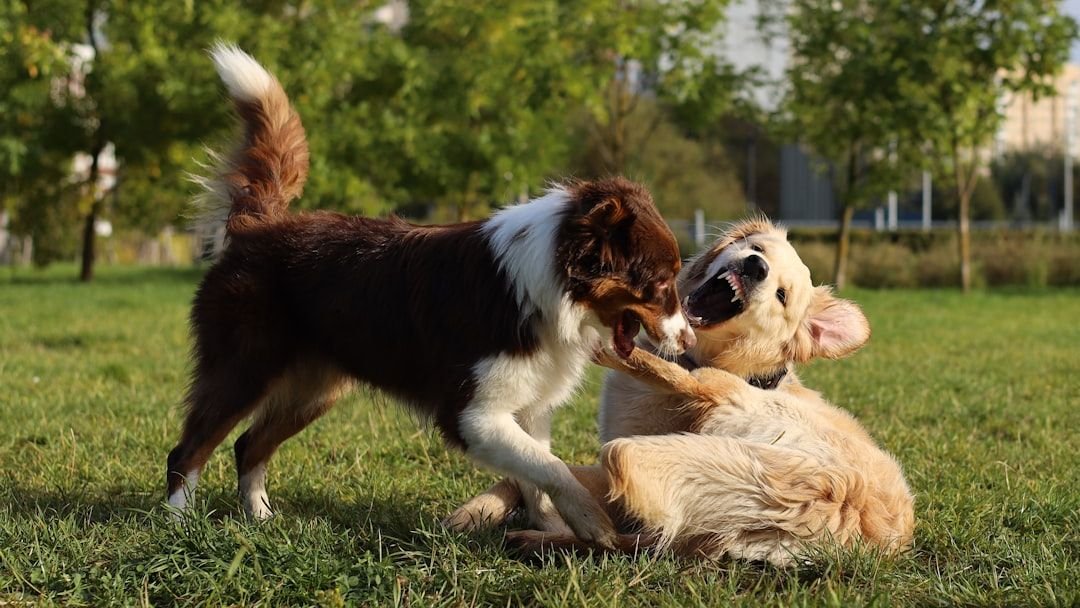
Have you ever looked at your dog doing something completely baffling – circling the couch obsessively, barking at absolutely nothing, or refusing to come when called no matter how many treats you wave – and thought, “What on earth is going on inside that furry head?” Here’s the thing: your dog isn’t being difficult. They’re being exactly who they were born to be. Their breed history is basically a secret instruction manual, and most of us never bother to read it.
I think one of the most loving things you can do for your dog is to truly understand where they come from. Not just the “Golden Retrievers are friendly” surface stuff, but the real, layered history of why they do what they do. Once you crack that code, everything clicks. Let’s dive in.
Your Dog’s Ancestors Clocked In Every Day – and So Does Your Dog
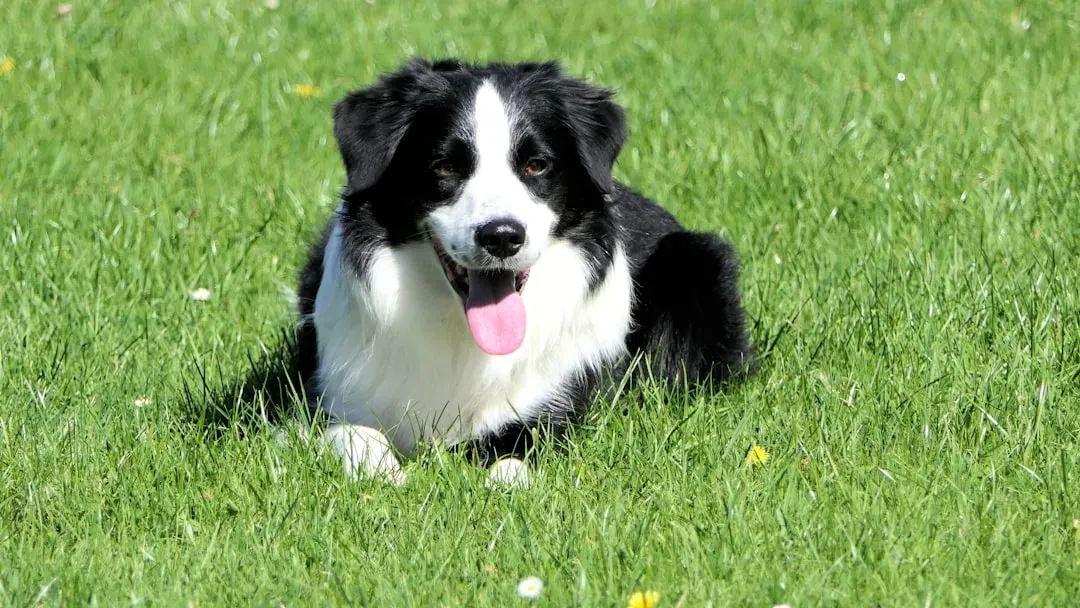
Here’s a surprising truth to kick things off: your perfectly pampered pup lounging on the sofa was quite literally engineered for a job. Many dog breeds were originally developed for specific purposes, such as herding, guarding, hunting, or companionship, and those roles continue to shape their behavior today. Think of it like a professional athlete who retires – the drive, the instincts, and the need to move don’t just disappear overnight.
While researchers peg dogs’ emergence from wolves to about 10,000 to 15,000 years ago, humans did not begin intentionally breeding dogs until roughly 2,000 years ago, selecting them for work roles such as hunting, guarding, and herding. That’s thousands of years of very intentional shaping. Your dog’s quirks aren’t random – they’re a résumé.
The majority of behaviors we think of as characteristics of specific modern dog breeds have most likely come about from thousands of years of evolution, and these heritable traits predate our concept of modern dog breeds by thousands of years. So when your Dachshund insists on tunneling under every blanket in the house, that’s not stubbornness. That’s ancient instinct.
Breed History Is Written in Behavior, Not Just Appearance
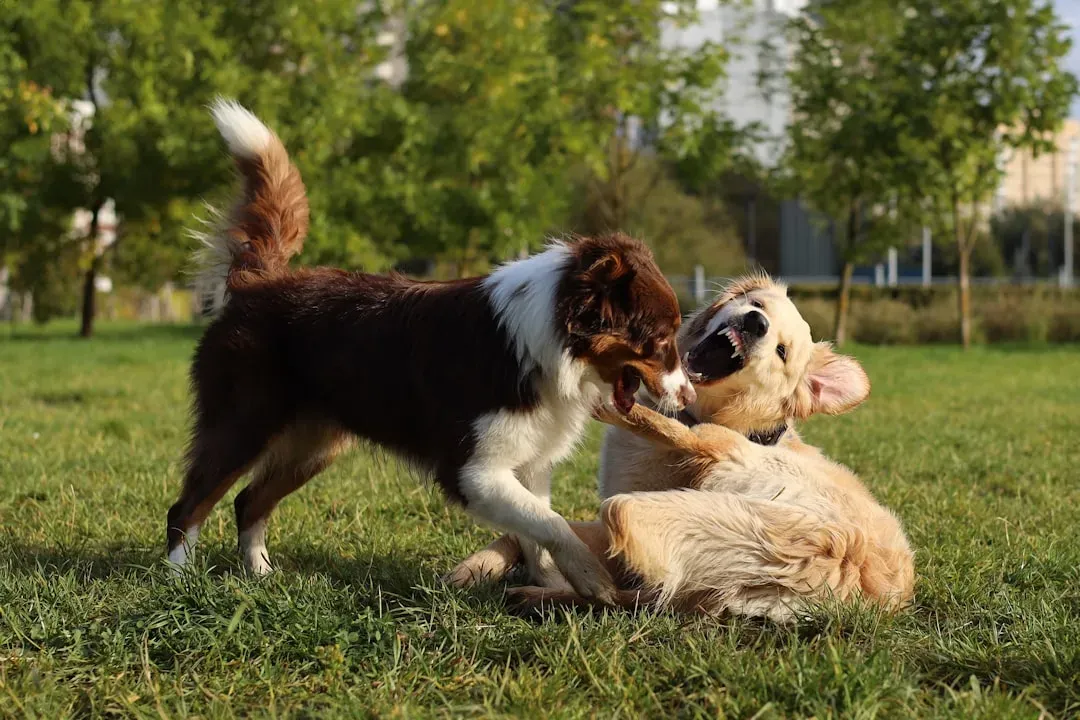
Lots of people pick a dog based on looks. Completely understandable. But here’s the catch: the defining criteria of a golden retriever – what makes a golden retriever a golden retriever – are its physical characteristics, the shape of its ears, the color and quality of its fur, its size; not whether it is friendly. Personality, it turns out, is a more complicated story.
Gene variants that appear more often in herders are important for developing social cognition and learned fear responses. That’s why your Border Collie seems almost spookily tuned in to your every move, or why they nervously shadow small children – they’re literally hardwired to monitor and respond to group dynamics.
These traits align with what these dogs were bred for: herding breeds for their high environmental awareness and sensitivity, terriers for chasing and killing prey, and scenthounds for their independent focus on non-visual signals like scent. Knowing this helps you stop fighting your dog’s nature and start working with it instead.
When Instincts Show Up as “Problem Behaviors”
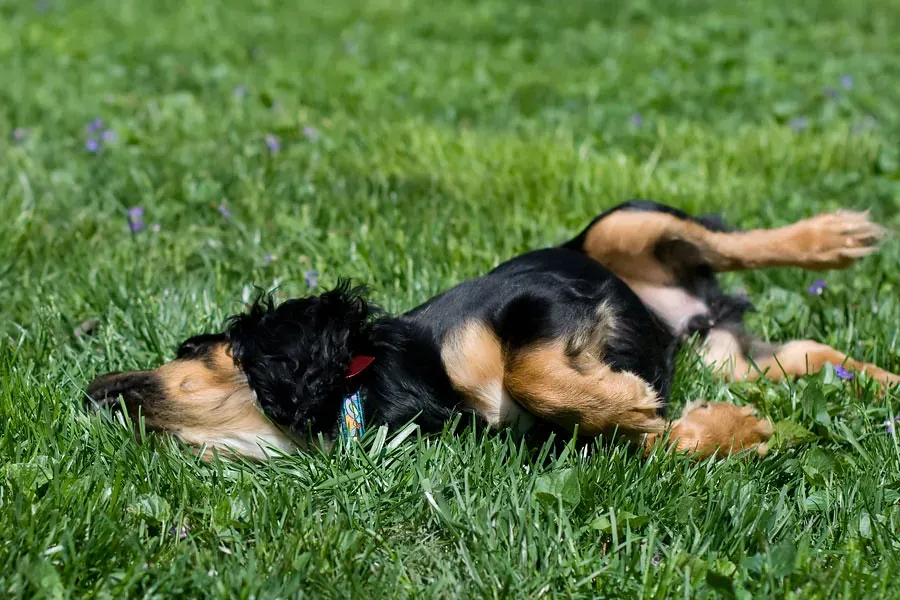
Let’s be real – most behavioral complaints I hear from dog owners come down to one thing: a dog expressing a completely natural instinct in an inconvenient setting. Understanding instinctive drives can explain certain behaviors that might otherwise be seen as problematic. A terrier digging holes in the backyard is expressing its natural instinct to hunt and burrow, while a hound barking at every new scent is exhibiting its tracking behavior. Recognizing these behaviors as natural can help in finding appropriate outlets for these instincts.
Herding breeds are known for their sharp intelligence and strong work instincts. They were originally bred to manage livestock, which required them to make quick decisions. This background makes them excellent at problem-solving. However, these traits also mean they can become bored if not mentally engaged. A bored herding dog is basically a genius with nothing to do – and they will redecorate your house for you.
If you already own backyard chickens or pocket pets such as rabbits, think carefully before adopting a terrier, and plan what you’ll do if the terrier wants to hunt your small animals. If you live in the city or an apartment block where the environment is constantly busy, this is likely to be very challenging for a herding breed. Understanding breed history isn’t just fascinating – it’s genuinely practical.
Nature Sets the Stage, but You Direct the Show

Here’s something that brings me a lot of hope, honestly: your dog’s breed history is the starting point, not the destination. Nature and nurture are inseparable partners. Nature, meaning genetics, provides the dog’s potential, and nurture, their life and training, determines how that potential is expressed. Think of breed history like the soil. You still get to choose what you plant.
Breed and age had the strongest associations with dog personality traits. Some environmental factors, especially puppyhood socialization, were also associated with personality. Early experiences genuinely matter. A well-socialized herding dog living in the city can absolutely thrive – with the right outlets and a patient owner.
Your dog is, first and foremost, an individual. Its genetic background is a fascinating and useful piece of its story, but it is not the whole story. The bond you build, the training you provide, and the life you share are what will ultimately shape the companion by your side. That’s equal parts science and love, right there.
Breed History Gives You a Training Roadmap
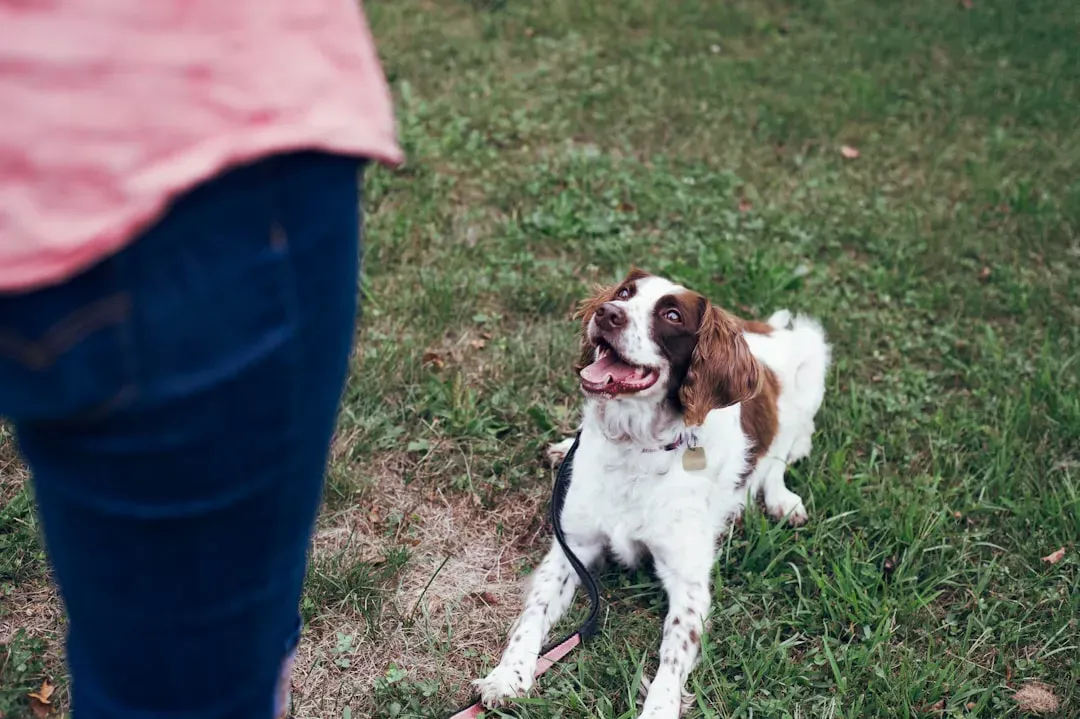
Once you understand why your dog behaves a certain way, training stops feeling like a battle and starts feeling like a conversation. Genes account for a significant portion of behavioral diversity between breeds for some behavioral aspects. Trainability was discovered to be one of these highly heritable traits. Golden Retrievers, Border Collies, and Poodles rank high in trainability, while Basset Hounds and Beagles appear genetically less trainable.
This doesn’t mean Beagles can’t learn – it means they need different motivation. A Beagle isn’t ignoring your “come” command out of spite. A Beagle left to his own devices in a suburban neighborhood will catch a whiff of something more exciting than anything inside of the fence, and follow the trail until it ends. Scent is literally their entire world. Train with that in mind.
If you have a terrier with a high prey drive, you know that recall training is non-negotiable. If you have a herding breed, you can use that instinct to your advantage in training games that require focus and control. It’s not about forcing a dog to be something they’re not. It’s about channeling what’s already there into something that works for both of you.
Breed History Can Protect Your Dog’s Health Too

This is the part that surprises most people – breed history isn’t just about personality and behavior. It’s also a crystal ball for health. Every pet is unique, but some breeds are genetically predisposed to specific health conditions. While responsible breeding practices and regular veterinary care can help manage these risks, being informed about potential breed-related diseases allows pet owners to take preventive steps.
Hip dysplasia is a malformation in the hip joint that leads to abnormal forces and arthritis development at an early age. Hip dysplasia was previously thought to primarily affect large dog breeds such as German Shepherds and Labrador Retrievers, but the condition is also prevalent in many small and medium-breed dogs. Signs include difficulty rising, reluctance to run or jump, and an abnormal gait.
Due to their elongated spines, Dachshunds are at high risk for intervertebral disc disease. Around one in three eventually deal with some form of the condition throughout their lives. Owners can attempt to prevent these issues by limiting activities and training that strain their dogs’ backs. It’s hard to say for sure how many cases could be prevented with earlier awareness, but the impact of knowing your breed’s risks is enormous. DNA testing provides a roadmap for personalized preventive care based on your pet’s specific genetic makeup, allowing you to be proactive rather than reactive in protecting their health.
Conclusion: Reading Your Dog’s Story Changes Everything

Understanding your dog’s breed history is one of those quiet, transformative shifts that doesn’t look dramatic from the outside but changes everything about how you see your dog. Suddenly the chaos makes sense. The stubbornness becomes strategy. The energy becomes purpose. You’re no longer living with a confusing creature – you’re living with a magnificent one.
When you adopt or buy a dog, you’re not just bringing home a pet – you’re welcoming a personality, a set of instincts, and a unique behavioral blueprint. Each dog breed carries generations of specialized traits that influence how they think, play, and interact with people and other animals. Understanding your dog’s breed is key to unlocking their needs, managing their quirks, and deepening your bond.
Your dog has been trying to tell you who they are from day one. Now you have the language to finally listen. So – what does your dog’s history say about them that you’re only just beginning to understand? Drop your thoughts in the comments; we’d love to hear your story.


