
Have you ever noticed your horse getting vocal at what seems like the strangest times? Maybe they let out a high-pitched whinny when you’re leading them away from the barn, or they keep calling out during what should be a peaceful trail ride. It’s confusing, right?
Whinnying isn’t just random noise – it’s how horses communicate tension, separation anxiety, and their emotional state. Horses’ neighs are meant to reflect their emotions, and they may neigh to communicate anxiety or confidence. What you’re hearing could be your horse trying to tell you something important about how they’re feeling in that moment. Think of it as their way of saying something’s not quite right. Let’s dive into what those whinnies might actually mean and what you can do to help.
Separation Anxiety Is Real for Herd Animals
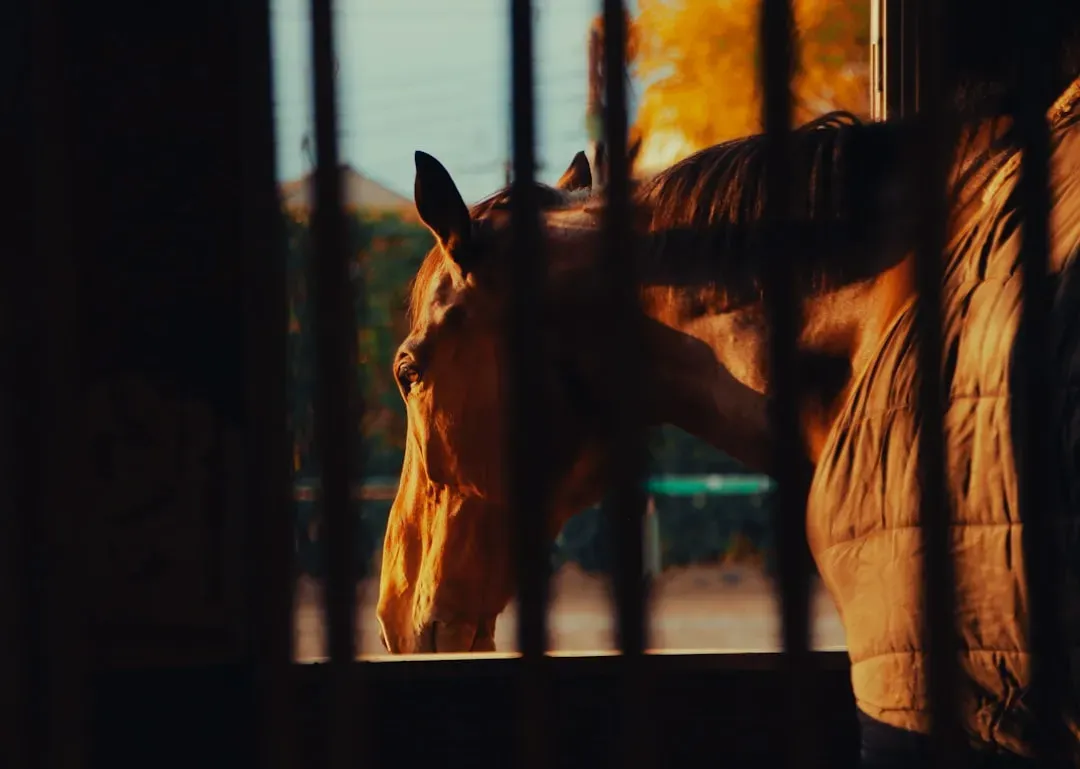
Horses generally neigh to attract attention of other horses or of people, and it can be a sign of separation anxiety or social isolation. This is probably the biggest reason you’ll hear that anxious whinny echoing across the paddock. Separation anxiety often stems from a horse’s natural instinct to stay with the herd for safety, as in the wild, a lone horse is an easy target for predators, and back at the stable, the absence of a buddy can trigger a similar fear response.
Your horse isn’t being dramatic when they call out for their friends. They’re genuinely worried. Excessive calling or whinnying, especially when separated from other horses, is a clear sign, and this often happens with horses that rely heavily on herd companionship. If your gelding starts screaming the moment his pasture mate leaves sight, that tells you everything about how dependent he’s become on that specific companion.
The intensity matters too. The whinny with which a horse might greet its owner at feeding time has a much lower pitch and frequency than the high-pitched cry of a horse separated from its friend, as the animal is much more aroused and stressed in the latter case. That shrill, panicked sound? That’s not your horse being annoying – that’s genuine distress you’re hearing in their voice.
Environmental Changes Trigger Stress Responses
Horses are creatures of habit, honestly more than most people realize. Changes in a horse’s environment can trigger anxiety, and moving to a new stable, loud noises, or busy showgrounds may make horses unsettled, with even subtle changes, such as a different rider or training surface, having an impact. I think we underestimate how much the smallest shift in routine can throw them off balance completely.
Like people, horses become accustomed to following a particular schedule and may become anxious if their routine changes, so if possible, feed, turn out, and groom your horses at the same time every day, and when changes are unavoidable, introduce them gradually. Your mare who suddenly starts whinnying nervously might be reacting to something you haven’t even noticed – a new horse in the neighboring field, construction sounds in the distance, or simply that you fed her thirty minutes later than usual.
Some horses are more sensitive than others to environmental stimulation. What seems perfectly normal to you might feel overwhelming to an anxious horse who’s already on edge. There are infinite reasons why a horse could be nervous in his job, and very often anxiety stems from confusion – the horse doesn’t understand where he is, why he’s there and what he has to do, or he may be struggling to comply with a request he finds difficult.
Pain and Physical Discomfort Behind the Noise
Here’s something crucial that gets overlooked all the time. Anxiety, particularly if it starts suddenly, may be related to a health ailment, and sores, lameness, decayed teeth, arthritis, stomach ulcers, tendon injuries, and other health issues may be to blame for equine anxiety, with painful conditions worsening slowly and eventually causing considerable pain, yet despite the discomfort, your horse may carry on as usual and show no outward signs of a problem.
A horse’s behavior is affected by what’s going on in the gut, as gastrointestinal pain and problems cause your horse stress, and stress can exacerbate GI issues, creating a vicious cycle, so if your horse is showing signs of anxiety, digestive disorders and ulcers are the first thing to rule out. That nervous whinny might be your horse’s way of telling you something hurts, even though they’re still eating and moving normally.
Vision problems also play a role that many people miss. Worsening vision may be a factor in anxiety, as your horse may become understandably skittish if it can’t see obstacles clearly or if it’s unable to see people or animals until they’re much too close. An older horse who suddenly becomes more vocal and anxious might be dealing with deteriorating eyesight rather than behavioral issues.
Communication and Seeking Connection
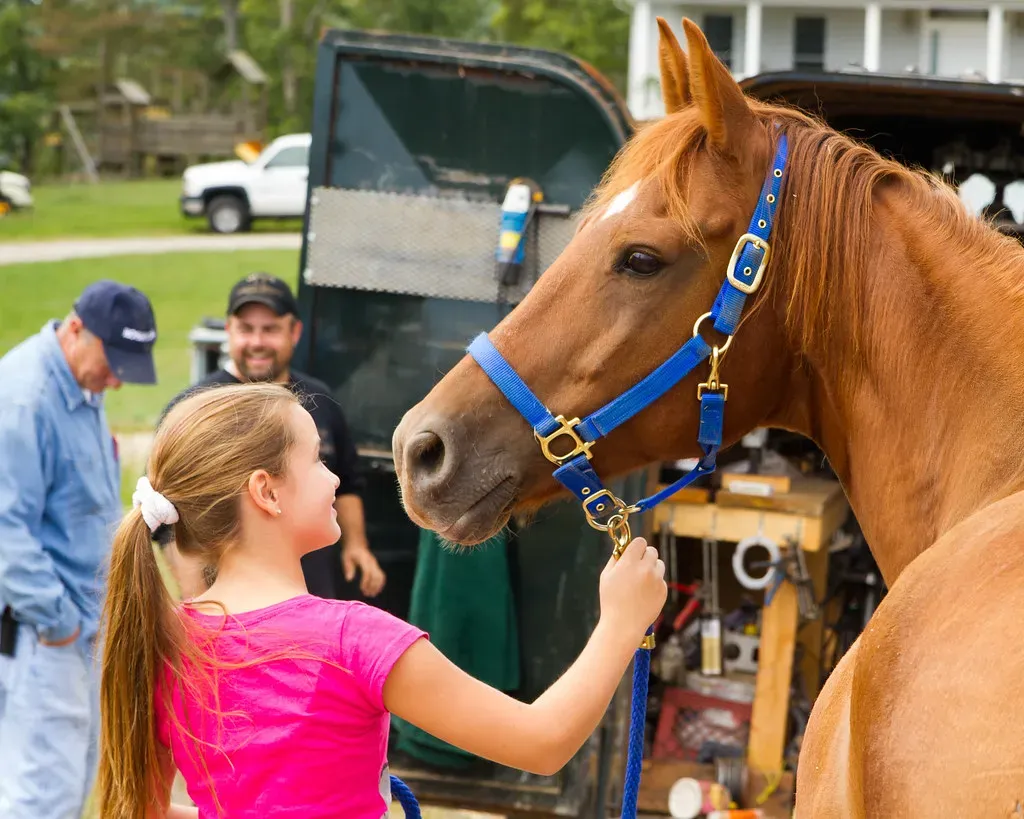
For horses, whinnying is a way of talking to one another, and your horse will always love to engage someone or a fellow horse to keep them in a good mood, and while in that company, they will talk through whinnying. Sometimes it’s genuinely just about wanting interaction and feeling lonely or bored in their current situation.
When you miss someone, you call or text the person, but as for a horse, the best call it can make is by whinnying, as horses love company, whether it’s with you or another horse, and even if you or the horse is miles away, you will hear it calling. It’s actually kind of sweet when you think about it – your horse calling out because they genuinely miss having someone around.
The social aspect of whinnying shouldn’t be dismissed as trivial. In many ways, the horse’s neigh is key to their survival in the wild, as much like a dog’s howl, a horse’s neigh helps them locate other horses if they become separated from the herd, mares also use neighing to communicate with their foals, and when one horse neighs, other horses in earshot are likely to respond with a similar neigh. Your anxious horse is literally doing what their instincts tell them to do when they feel disconnected.
Confusion About Training and Expectations
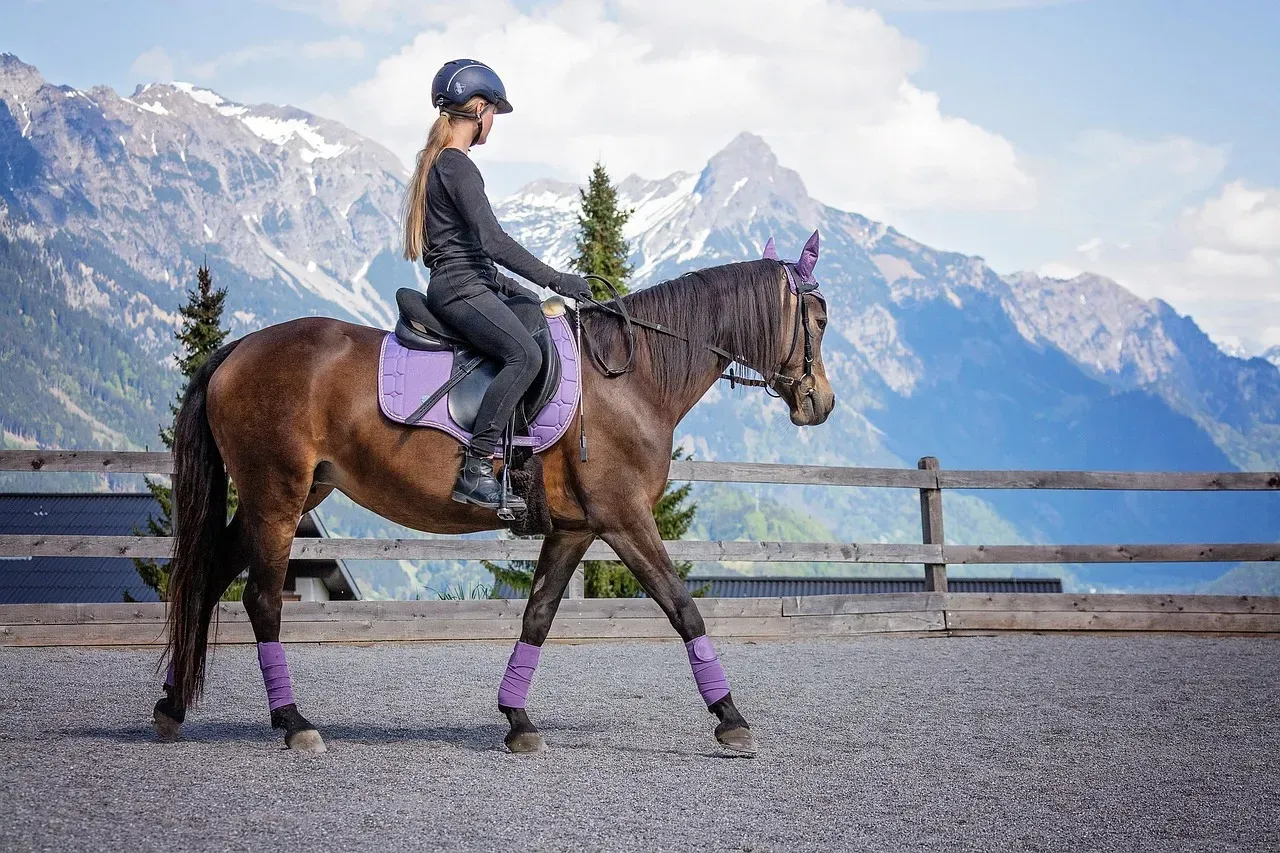
If a horse is confused about what we’re asking them to do, they’re going to feel stressed and anxious, so slowing down and going back to basics is always a smart idea, as covering any steps skipped in the training process will help your horse become calmer and more confident in their job and themselves. Horses get anxious when they don’t understand what you want from them, simple as that.
Your horse may become anxious if you’re not consistent in the way you use aids, as the pressure of your leg or the bit gives your horse important information about what to do next, and if you don’t use the same amount of pressure all of the time or don’t release pressure promptly after your horse responds to a command, your horse may become confused and unsure. Mixed signals create anxiety faster than almost anything else.
I know it sounds crazy, but sometimes we’re the problem without even realizing it. When working with an anxious horse, it’s critical to avoid adding to his tension by asking too much of him, and first, recognize his physical limitations, as depending on his level of training or physical conditioning, he may not be able to do as you ask even if he is inclined to try, which means that you need to be aware of his physical capabilities and avoid giving him an aid for something he can’t do at that moment. Setting up a horse to fail is setting up a horse to be anxious.
Limited Exercise and Mental Stimulation
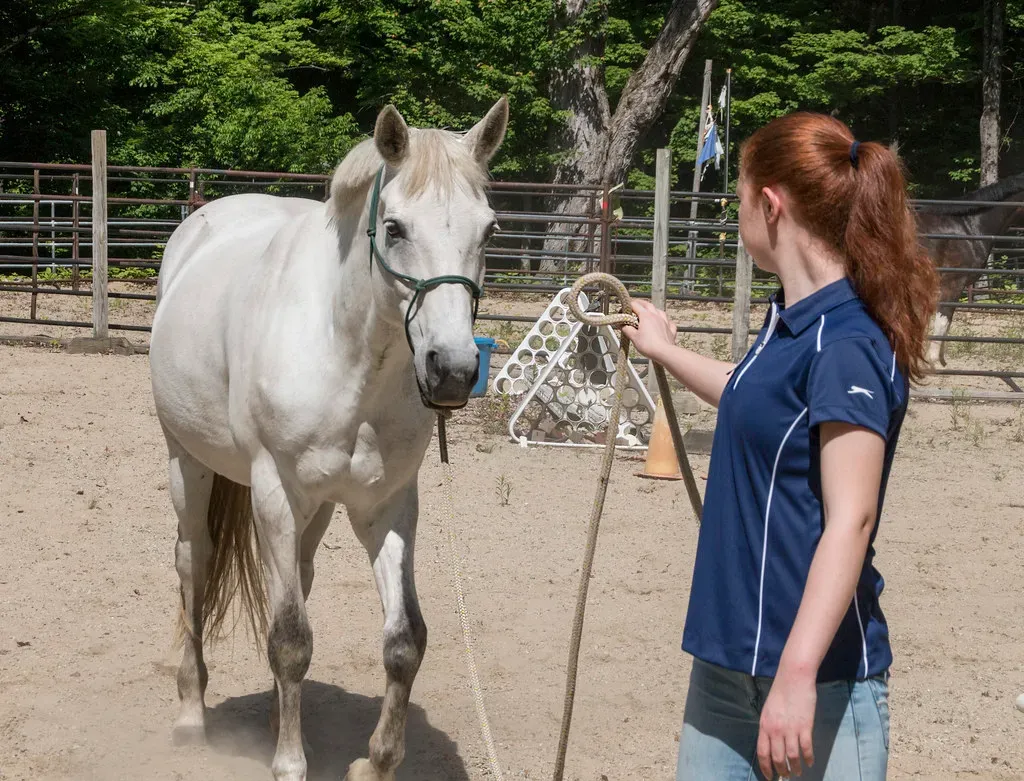
Does your horse spend much of the day confined to a stall or tiny pasture? Without enough exercise, your horse may become bored and anxious, and long rides or access to large pastures can help burn off excess energy and reduce anxiety. This one’s straightforward but gets ignored constantly by well-meaning owners who think their horse is fine in a small space.
Boredom creates anxiety in ways that surprise people. Horses are designed to move and graze for roughly sixteen hours a day in natural settings. A forage-based diet with continuous access to hay supports a horse’s natural grazing habits, reducing stress, as horses are creatures of habit and can struggle to acclimate to new environments, pasture-mates and social groups, or changes in their routine, with stress and anxiety also caused by boredom or a lack of stimulation, inappropriate exercise programs, pain and discomfort, or changes in their feeding program.
Think of ways to make ‘me-time’ exciting for your horse – just like how we enjoy a good book or a favorite hobby when alone, horses can also engage in activities to keep their minds occupied, so introduce toys that stimulate their curiosity, from treat-dispensing balls to puzzle feeders, as a little entertainment can go a long way in keeping anxiety at bay, and not only do these toys provide mental stimulation, but they also encourage physical activity, which is a great stress reliever. Mental exercise matters just as much as physical.
Rider Nervousness Transfers to the Horse
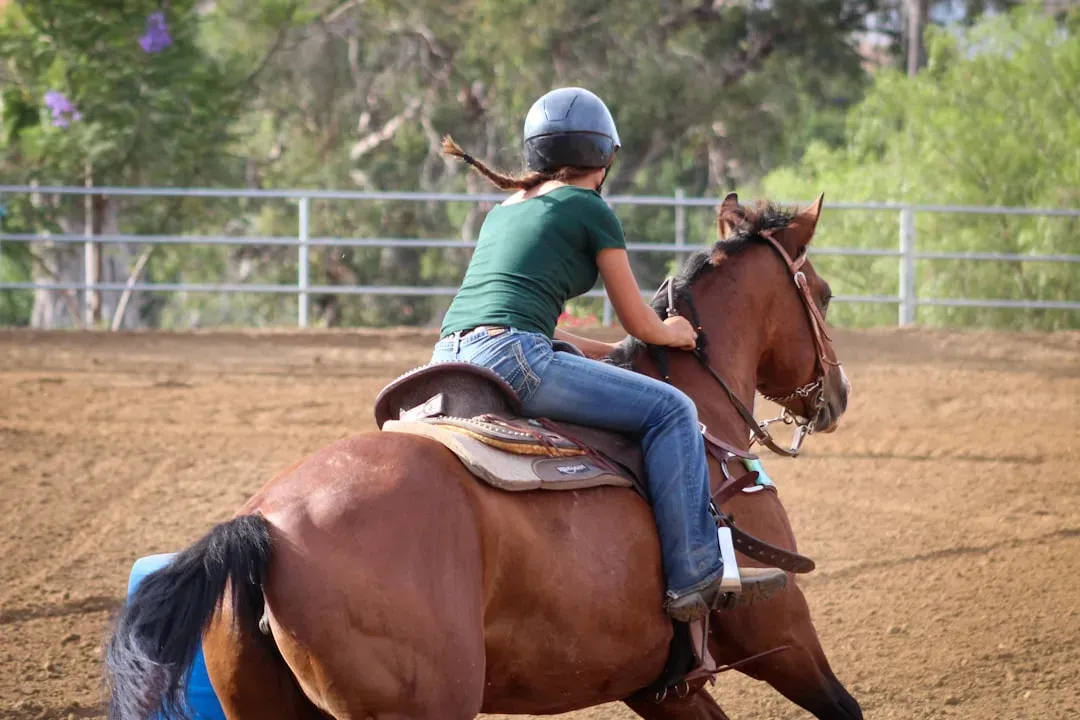
Unfortunately, if you’re uneasy in the saddle, you’re likely adding to your horse’s anxiety, as horses notice even the slightest difference in their rider’s behavior, and when a rider is nervous, typically they tense up, holding the reins tighter and stiffening their back and legs. Let’s be real – horses are incredibly perceptive about human emotions. They pick up on tension before you even realize you’re feeling it.
Your anxiety becomes their anxiety in a feedback loop that’s hard to break. You can’t pity an anxious horse, regardless of what caused him to become anxious, he won’t benefit from your feeling sorry for him, and in fact, he’ll quickly learn that he can push you around, which could make you nervous, and your anxiety compounded with the horse’s anxiety will only worsen the situation. It becomes this terrible cycle where you’re both feeding off each other’s nerves.
If you stay calm and confident in any situation, a more fearful horse will have faith in you and will believe that their environment is calmer too, so try to avoid them feeling like you’re not in control of the situation, as that’s when a fearful horse’s first instinct to take flight will usually kick in, and using a calm voice to talk to a nervous horse helps a lot. Being the calm leader your horse needs requires genuine calmness, not just pretending.
Social Isolation and Lack of Companionship
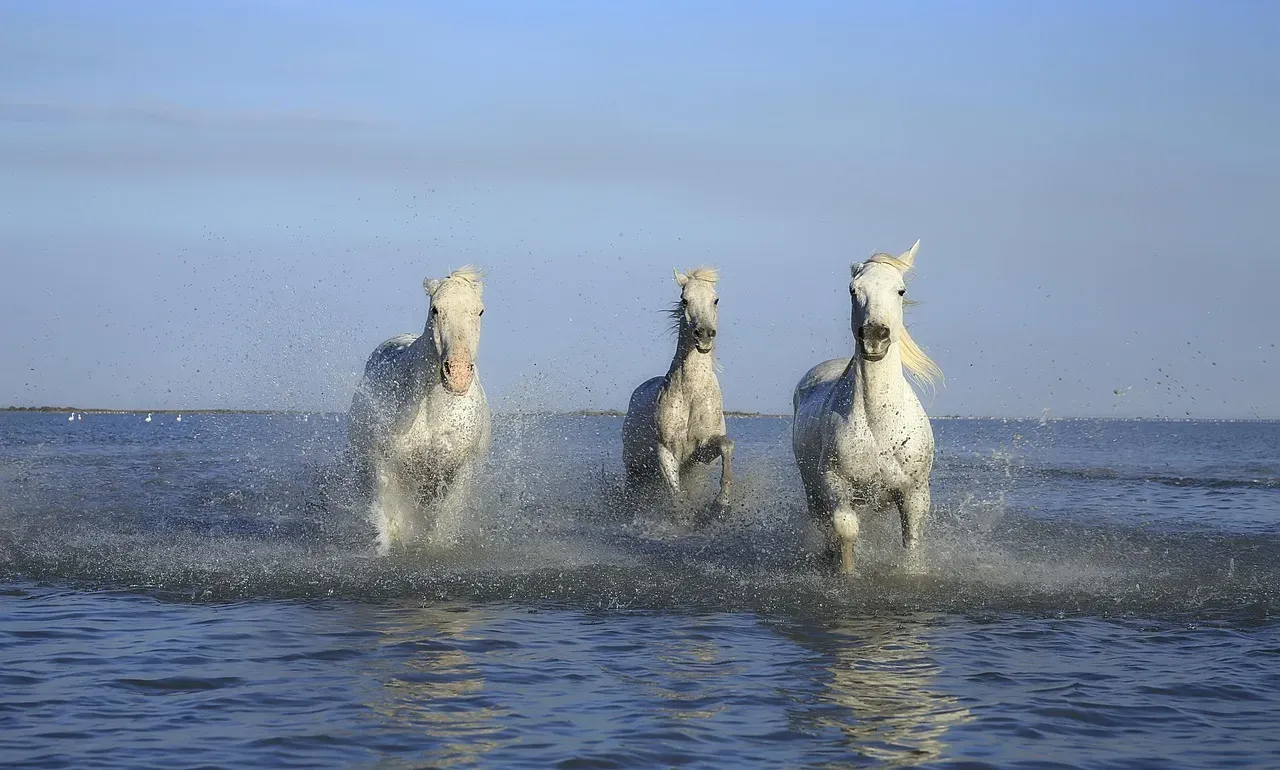
As herd animals, horses prefer to live, work, and play with other horses, as the herd provides a sense of safety and stability while also offering plenty of opportunities for socialization, so when horses don’t have the support of a herd, they may become anxious or depressed. Keeping a single horse without any equine companions is genuinely difficult for their mental health in most cases.
If separation anxiety seems to be your horse’s problem, consider moving grooming, training, and other chores outdoor to the pasture, as horses that have separation anxiety may feel calmer if they can remain with the herd as much as possible, and as your horse becomes more comfortable and confident, gradually increase its distance from other horses during training or grooming sessions. Small steps make a big difference when you’re helping an anxious horse learn independence.
Sometimes, all a horse needs is a new friend, so if your horse is experiencing separation anxiety, consider introducing a new companion – it could be another horse, a friendly goat, or even a donkey. Non-horse companions can actually work remarkably well for horses who can’t have another horse around for various reasons.
How to Help Your Anxious Horse Find Calm
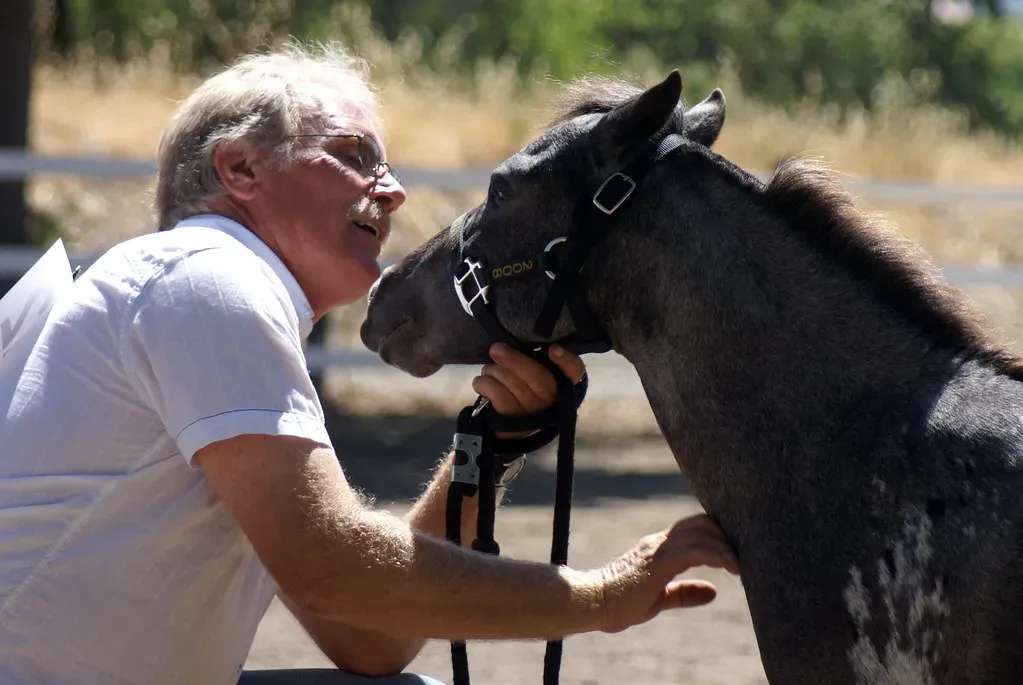
To help an anxious horse make progress, you must become a reliable presence in his life, though keep in mind, you can’t pity him, so instead, bring him comfort through the consistency of your efforts and by using the pressure-release technique to encourage him to relax, and again, this reward is in the release or softening of the pressure, and as soon as you notice him relaxing into his job, it’s a big moment to praise. Consistency is everything when you’re dealing with anxiety.
Horses thrive on routine – it’s like their morning cup of coffee or their favorite TV show at night, and establishing a consistent daily schedule can work wonders in reducing anxiety, so feed them at the same time each day, and stick to regular grooming and exercise schedules, as this predictability gives them a sense of security, and they’ll start to anticipate what’s next, reducing the uncertainty that often triggers anxiety.
An excellent way to provide your horse relief from anxiety is through massage, so focus on massaging the TMJ and neck first on both sides, as horses that are anxious will usually have tight necks and reducing the tension there will help them relax, and once they realize you are helping, they will normally relax and learn to trust your hands. Physical touch matters more than we sometimes give it credit for.
Horses feel secure when they know what to expect, so a calm and consistent routine with regular feeding, turnout, and training times helps reduce stress, and training should be fair, patient, and clear, using positive reinforcement to build confidence. The goal in managing anxiety in horses is not to eliminate every trigger but to give the horse confidence to cope, as patience, consistency, and empathy are essential, and every horse is different, and what works for one may not work for another, with the most successful approaches coming from understanding the horse’s nature and building trust through positive experiences.
Understanding why your horse whinnies anxiously is the first step toward helping them feel safer and more confident. Whether it’s separation anxiety, environmental stress, physical discomfort, or just needing more mental stimulation, there are practical ways to address the root causes. Your horse isn’t trying to be difficult – they’re communicating the only way they know how. By paying attention to those whinnies and responding with patience and consistency, you can build a calmer, more trusting partnership. What changes have you noticed when your horse gets anxious? Share your experiences in the comments below.


