

You love your dog. You buy the fancy treats, plan the walks, pick up every single mess. So it might sting a little to learn that some of the most well-meaning things you do every single day are actually driving your dog quietly up the wall. Honestly, it caught me off guard too when I first started digging into canine behavior research.
Dogs communicate constantly through body language, posture, and subtle cues. The problem is that most of us aren’t fluent in “dog.” We hug when we should step back, yell when we should stay calm, and rush through the very moments our dogs treasure most. The gap between our intentions and their experience is wider than most pet owners realize.
Here is the surprising, science-backed, and sometimes uncomfortable truth about what truly annoys dogs – and what you can do about it. Let’s dive in.
The Hug Problem Nobody Wants to Talk About
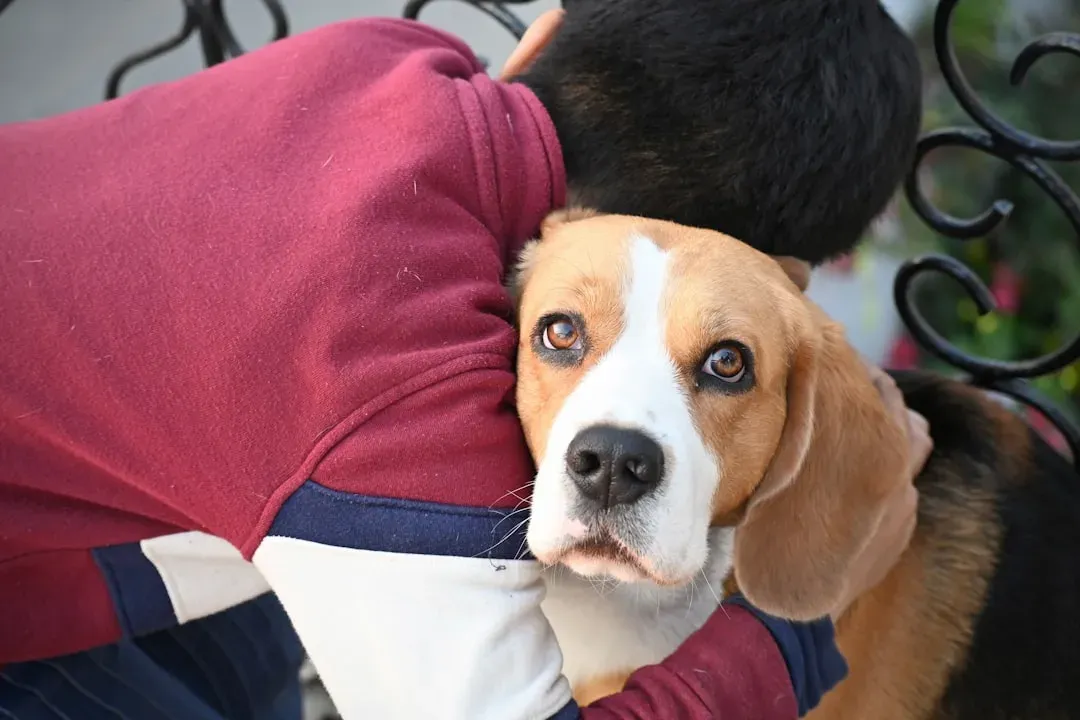
Let’s be real – hugging your dog feels natural. It’s affectionate, it’s warm, and it looks adorable in photos. But the science tells a very different story. Research examining photographs of people hugging dogs found that a staggering 81.6 percent of those photos showed dogs displaying at least one sign of discomfort, stress, or anxiety. Only 7.6 percent showed dogs that were actually comfortable with being hugged.
Dogs are technically cursorial animals, designed for swift running. In times of stress or threat, their first line of defense is not their teeth but their ability to run away. Behaviorists believe that depriving a dog of that option by immobilizing them with a hug can increase their stress level significantly. Think of it like someone wrapping their arms around you in a bear hug while you’re already nervous. Not exactly soothing, right?
Unlike primates, canines have no evolutionary history of grasping each other to show affection. When a dog places its paws or body onto another dog, it is typically an attempt at dominance or control – not a cuddle. The fix is simple: skip the tight squeeze and offer gentle strokes instead.
Yelling at Your Dog Does the Opposite of What You Think
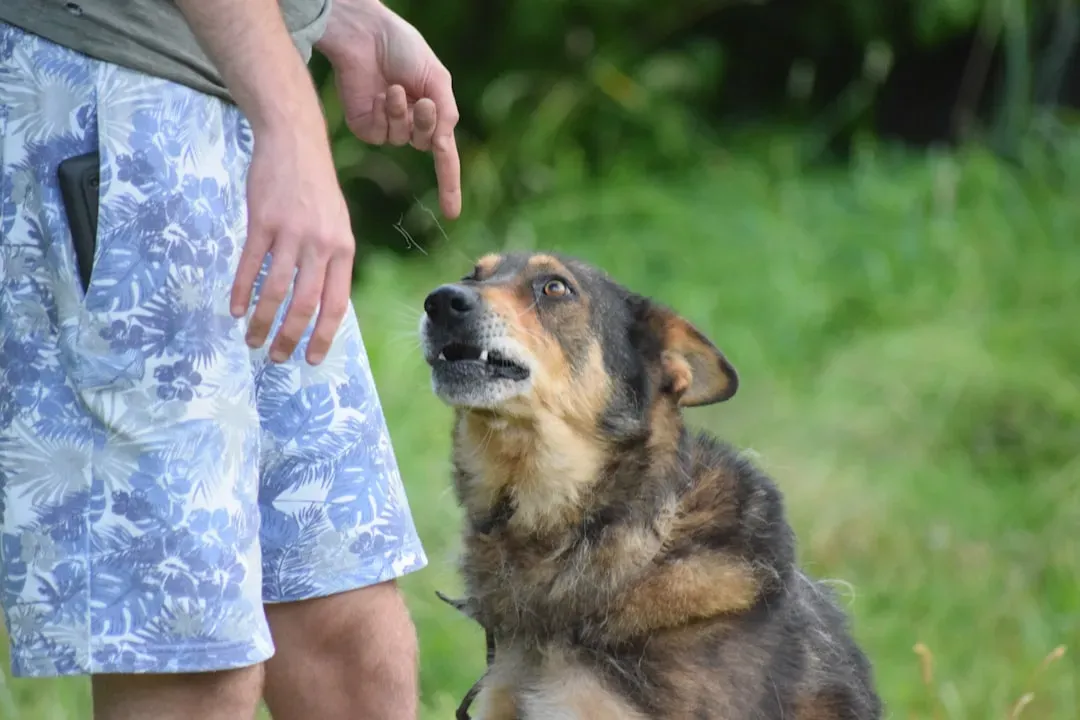
Dogs interpret yelling as angry barking, which signals trouble. As a training technique, it works poorly to stop bad behaviors and only serves to scare, confuse, or agitate your dog. It’s like your boss screaming in a language you barely understand – it just creates panic, not understanding.
Dogs respond much better to positive reinforcement than to yelling or punishment. Harsh tones, physical corrections, or angry body language can instill fear rather than respect, and this directly undermines your bond and your training goals. The next time your dog chews your shoes, take a breath. A calm, firm tone goes a thousand miles further than any outburst ever could.
Disrupting Their Routine Causes Real Anxiety
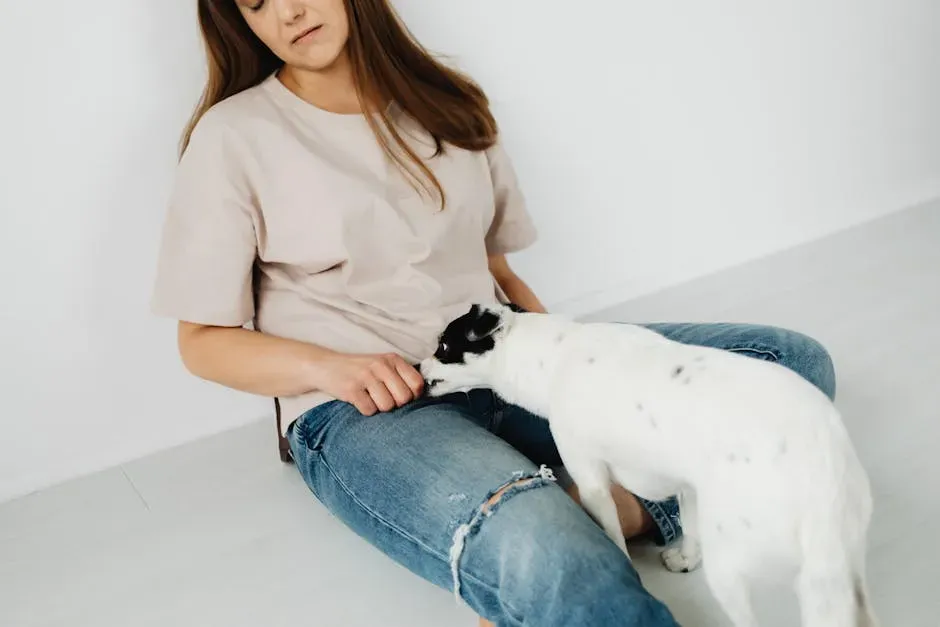
Dogs find routines genuinely comforting. Knowing what to expect, such as when you’ll be coming home or when dinner will arrive, actively eases their stress. Dogs are creatures of habit in the most profound sense. Their world runs on predictability, like a clock they depend on to feel safe.
The same principle applies to walks and potty breaks. If you don’t give your dog a set routine, it can cause anxiety and problem behaviors. Stress in dogs can be caused by a variety of things, including a change in routine. Even sleeping in on weekends can throw your dog’s internal clock completely off balance – ask any Belgian Malinois owner who has tried that experiment.
Teasing: It’s Not Funny to Them
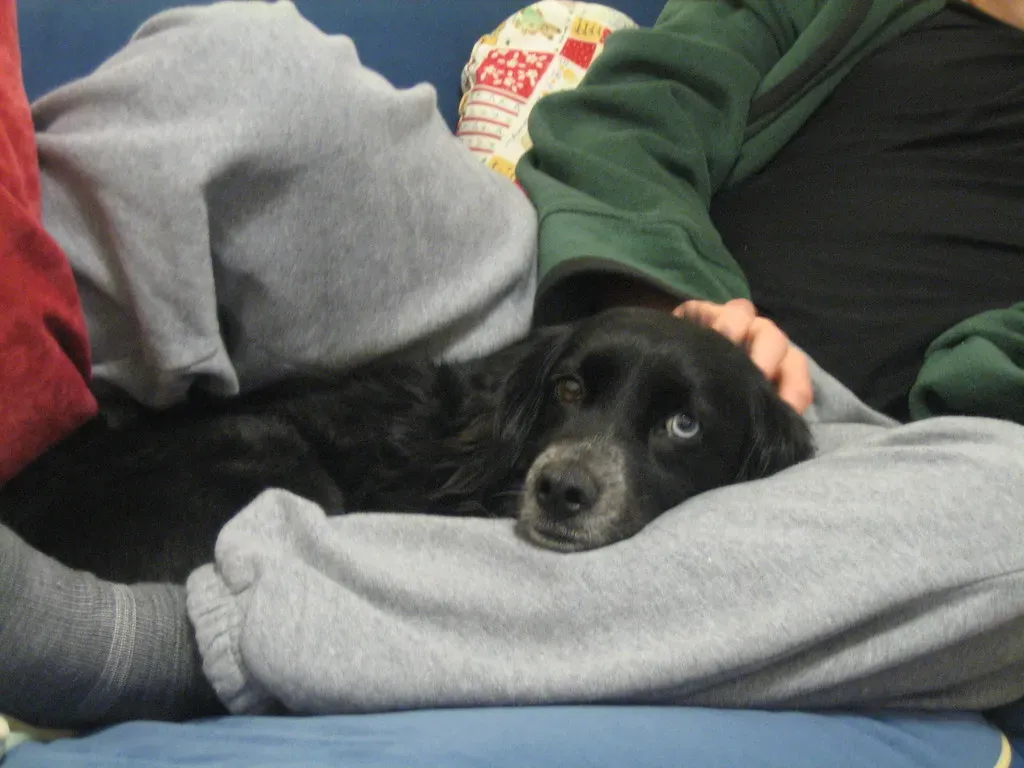
Pretending to throw a ball might seem funny to you, but it’s genuinely unfair to your dog. Not only is it annoying, but it can actually erode your dog’s trust in you. The better approach is to deliver on your promises and be honest with your pet. Your dog’s trust in you is one of the most valuable things in their world. Don’t gamble with it for a laugh.
Moving a dog’s dish while they eat, playing keep-away without ever letting the dog have the toy, or even endless laser pointer sessions can drive a dog absolutely bonkers. These moments accumulate. What feels like light-hearted fun from your end feels like a repeated emotional let-down from theirs. Reward your dog quickly after they perform a behavior correctly – that’s the kind of interaction they crave.
Staring Them Down Feels Like a Threat
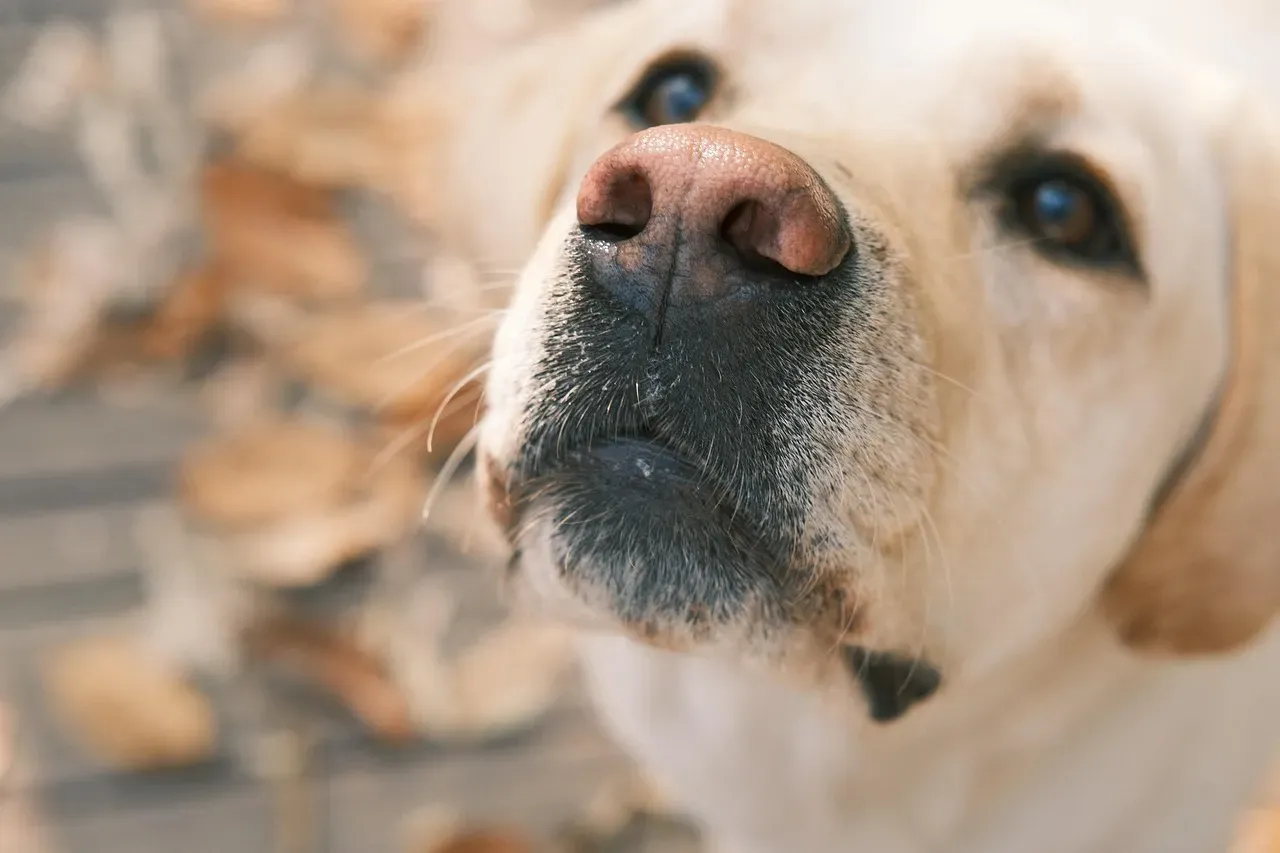
To a dog, prolonged stares often translate to a challenge or a confrontation. We tend to gaze at our dogs because we adore them, but it reads very differently in their language. It’s the canine equivalent of someone getting right in your personal space and refusing to look away.
A hard stare can annoy a dog at best and make them feel genuinely threatened at worst. Staring is confrontational for dogs and can be misinterpreted as a sign of aggression. While it’s fine to briefly return a gaze if your dog approaches and looks into your eyes, you shouldn’t hold it for more than a few seconds. Soft eyes and relaxed blinking are much more reassuring to your pup.
Rushing Through Walks Ruins the Best Part of Their Day
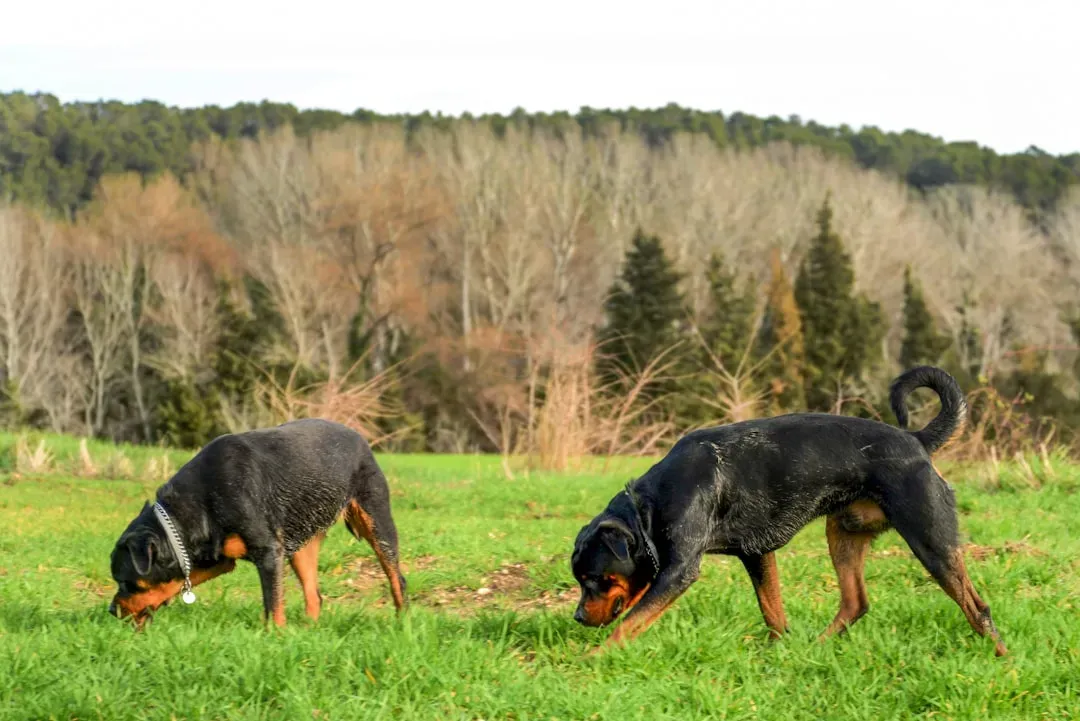
From your perspective, walking your dog might be about providing physical exercise and bathroom breaks. But that’s not how your dog sees it at all. In fact, that attitude can actually ruin your dog’s walks. Walks should instead be a chance for mental stimulation, socialization, and a good sniff session.
How could they not be annoyed if you’re rushing them through the best part of their day? That blade of grass tells them a whole story, not just about what’s happening now but also about what happened in the past. Think of sniffing as your dog reading the morning newspaper. Let them finish the article. Don’t ask your dog to heel past every fire hydrant and tree trunk. Let them smell, explore, and take their time.
Too Much Alone Time Takes a Serious Toll

Dogs are social animals and your family makes up your dog’s pack. Dogs left alone in a home or yard for ten or more hours each day can develop a wide range of behavioral and psychological issues, including separation anxiety, excessive barking or digging, destructive behavior, and attempts to escape.
Separation anxiety happens when your dog doesn’t feel confident and content when separated from family members. It is estimated that roughly one in five dogs – perhaps as many as one in four – experience separation anxiety. They may panic, become destructive, have accidents, or vocalize excessively when their person leaves. If your lifestyle involves long work hours, consider dog walkers, doggy daycare, or a canine companion to ease that loneliness.
Overdressing Them and Forcing Costumes
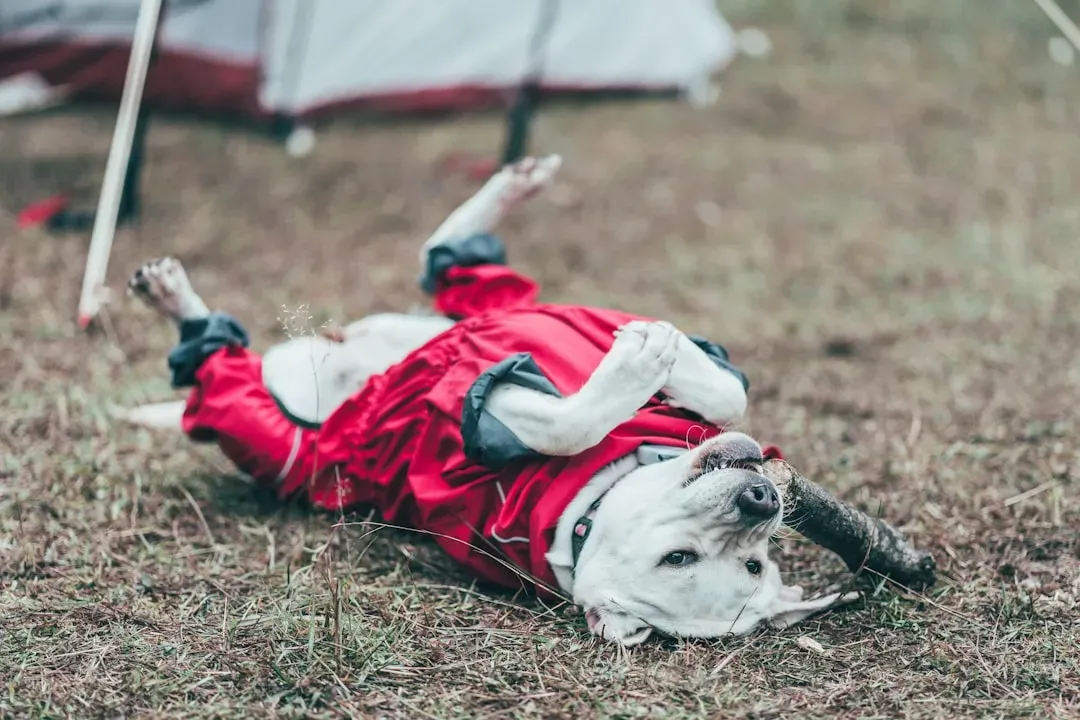
Though some dogs tolerate costumes or clothing, many find them restrictive and genuinely annoying. If you do choose to dress your dog, select comfortable and lightweight garments and monitor their reaction closely. I get it – the Halloween dog costume photos are adorable. For us. Your dog, however, may be silently negotiating their escape plan.
Although playing dress-up with your dog may give you some Instagram-worthy pictures, don’t be surprised if your dog is annoyed throughout the entire experience, fidgeting and trying to get out of the outfit however they can – tugging at it, rolling on the floor, and so on. Body language signs to watch for include flattened ears, a tucked tail, and constant attempts to shake or roll the outfit off. Those are crystal-clear signals to stop.
Overwhelming Them With Too Many Dogs at Once
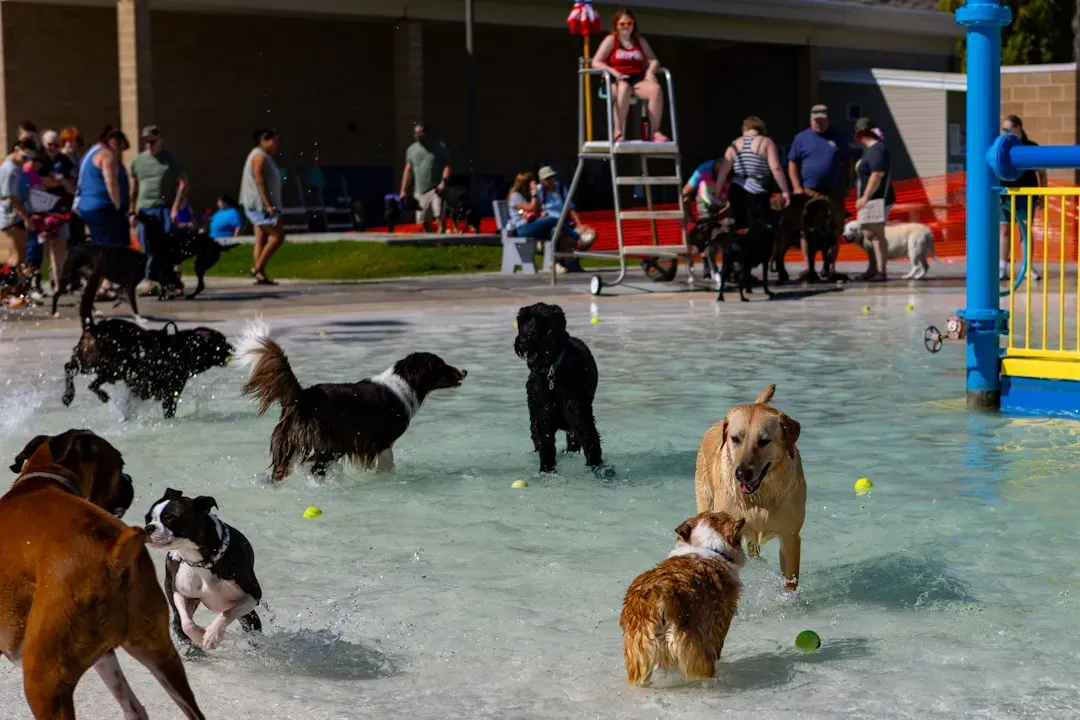
Many dogs get annoyed or defensive when thrown into a park filled with too many strange dogs. Think about suddenly being thrown into an elevator with twenty clowns and you’ll get the idea. That mental image is uncomfortable, isn’t it? That’s exactly how some dogs experience a chaotic dog park.
Increase the numbers or reduce the space and you’ll almost certainly see stress signals like pinned back ears, low tail carriage, yawning, avoidance, and even the occasional fight. For sociable dogs, aim for a park with a reasonable number of dogs. If your dog is shy, opt for socializing them with a few familiar dogs who are gentle and laid-back. Not every dog is a social butterfly – and that’s perfectly okay.
Speaking Too Much in Ways They Simply Can’t Process
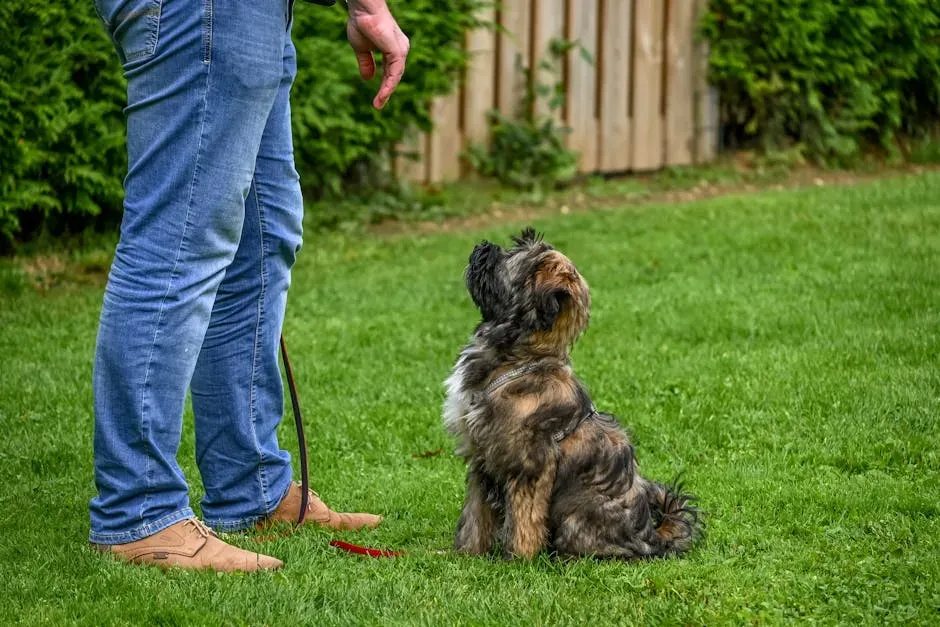
Although dogs can understand human speech to some degree, they don’t process it the way we do and can only learn a limited number of words. Lecturing them about jumping on visitors is far less effective than teaching them an alternative way to say hello. Talking at your dog at length is essentially tuning your radio to a frequency they can only partially receive.
Be conscious of how you verbally communicate with your dog. Rely on words they already understand, be consistent in how you use those words, and incorporate hand signals into your cues. Just like people, dogs need mental engagement to stay happy. Boredom can lead to destructive behavior, depression, and even aggression. Clear, consistent communication is one of the most powerful gifts you can offer your dog every single day.
Final Thoughts: Your Dog Is Always Telling You Something
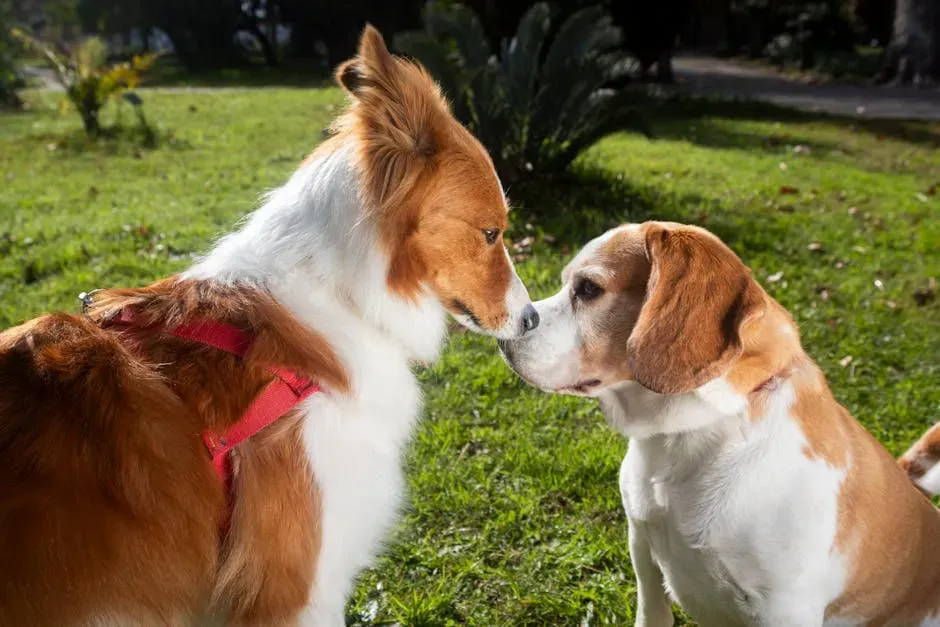
Here’s the thing – none of this is meant to make you feel like a bad dog owner. Most of us are guilty of at least a few of these things, and the fact that you’re reading this already puts you ahead of the curve. Dogs are incredibly forgiving creatures. They meet us with love even on our worst days.
Recognizing fear or anxiety in your dog can help you resolve or avoid situations they find difficult. If you can recognize the first signs of fear or anxiety, you’ll be able to help your dog avoid the things that worry them and keep everyone in the family, including your dog, feeling safe. That awareness is everything.
The goal isn’t perfection. It’s attention. Watch your dog’s body language, respect their signals, honor their need for routine and space, and always lead with calm energy. Being attentive to your dog’s preferences and discomforts helps create a more harmonious household and deepens the human-canine bond. When you truly listen to your dog, everything changes. So, what habit on this list surprised you most? Drop your thoughts in the comments – your fellow dog lovers would love to hear it.


